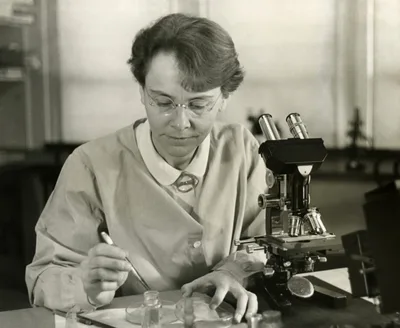
McClintock (Nobel Prize 1983) discovered transposable elements or jumping genes. She found that certain parts of chromosome had switched position. This refuted the then-popular theory that genes were fixed in their po…
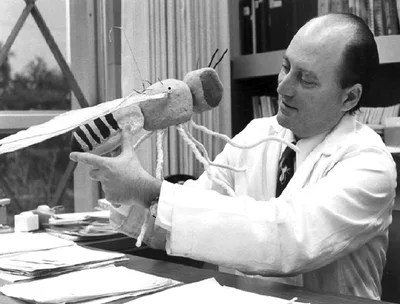
Benzer developed "the T4 rII system, a new genetic technique involving recombination in T4 bacteriophage rII mutants. After observing that a particular rII mutant, a mutation that caused the bacteriophage to eliminate…
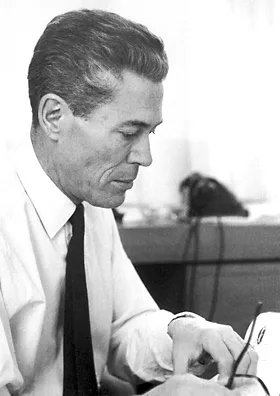
Jacob and Monod received their share of the Nobel Prize in 1965 for their discoveries concerning the operon and viral synthesis. The first operon they described was the lac operon in E. coli. Their operon theory sugge…
In 2007 Capecchi shared the 2007 Nobel Prize in Physiology or Medicine with Martin J. Evans and Oliver Smithies "for their discoveries of principles for introducing specific gene modifications in mice by the use of em…
Abstract: "Atavisms have attracted people’s attention for a long time. First, atavisms excited their imagination and created fertile ground for myths and superstitions. With the development of science, atavisms became…
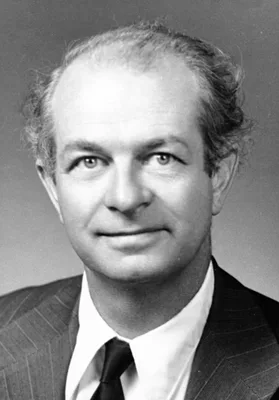
Coinage of the term "paleogenetics" in what may be the first publication on the possibility of reconstructing extinct life forms through molecular biology. "Attention is attracted to the possibility of reconstructing …