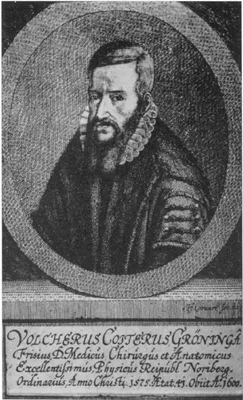
1575 FALLOPPIO, Gabriele [FALLOPPIUS] (1523 – 1562); COITER, Volcher (1534 – 1576)
Lectiones Gabrielis Falloppi de partibus similaribus humani corporis, ex diversis exemplari eus a Volchero Coiter summa cum diligentia collecta. His accessere diversorum animalium sceletorum explicationes iconibus artificiosis, et genuinis illustratae.
Coiter, a pupil of Fallopius and Eustachius, became town physician of Nuremberg. His book on comparative osteology, contained in his edition of the lectures of Fallopius, extended his studies begun in his work of 1572…
GMN 284 · https://historyofmedicine.com/id/8820
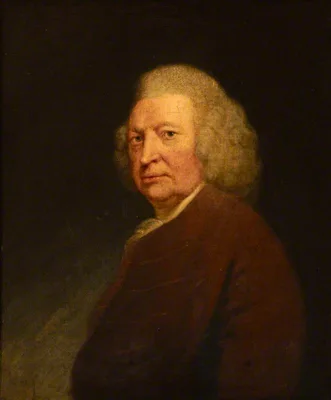
1691 HAVERS, Clopton (1657 – 1702)
Osteologia nova, or some new observations of the bones.
Havers discovered the Haversian canals and made important observations of the physiology of bone growth and repair. The Haversian lamellae, glands, and folds, are also named after him. The Haversian canals were observ…
GMN 387 · https://historyofmedicine.com/id/615
1736 NESBITT, Robert (1700 – 1761)
Human osteogeny explained in two lectures.
Nesbitt pointed out that bones may develop in membrane as well as cartilage, an observation which was ignored until the 19th century. He left an outstanding description of bone growth.
GMN 395.1 · https://historyofmedicine.com/id/675
1738 BELCHIER, John (1706 – 1785)
An account of the bones of animals being changed to a red colour by aliment only.
Belchier fed animals with madder, noting that new bone formed subsequent to its ingestion was stained red. This was the earliest attempt at vital staining, and is also important as making possible the study of osteoge…
GMN 584 · https://historyofmedicine.com/id/408
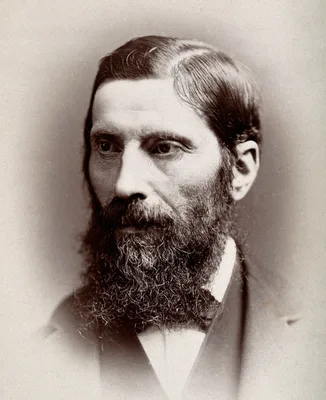
1857 RAINEY, George (1801 – 1884)
On the formation of the skeletons of animals, and other hard structures formed in connexion with living tissues.
Includes description of “Rainey’s tubes” or “corpuscles” in connexion with the process of calcification of tissues.
GMN 619 · https://historyofmedicine.com/id/502
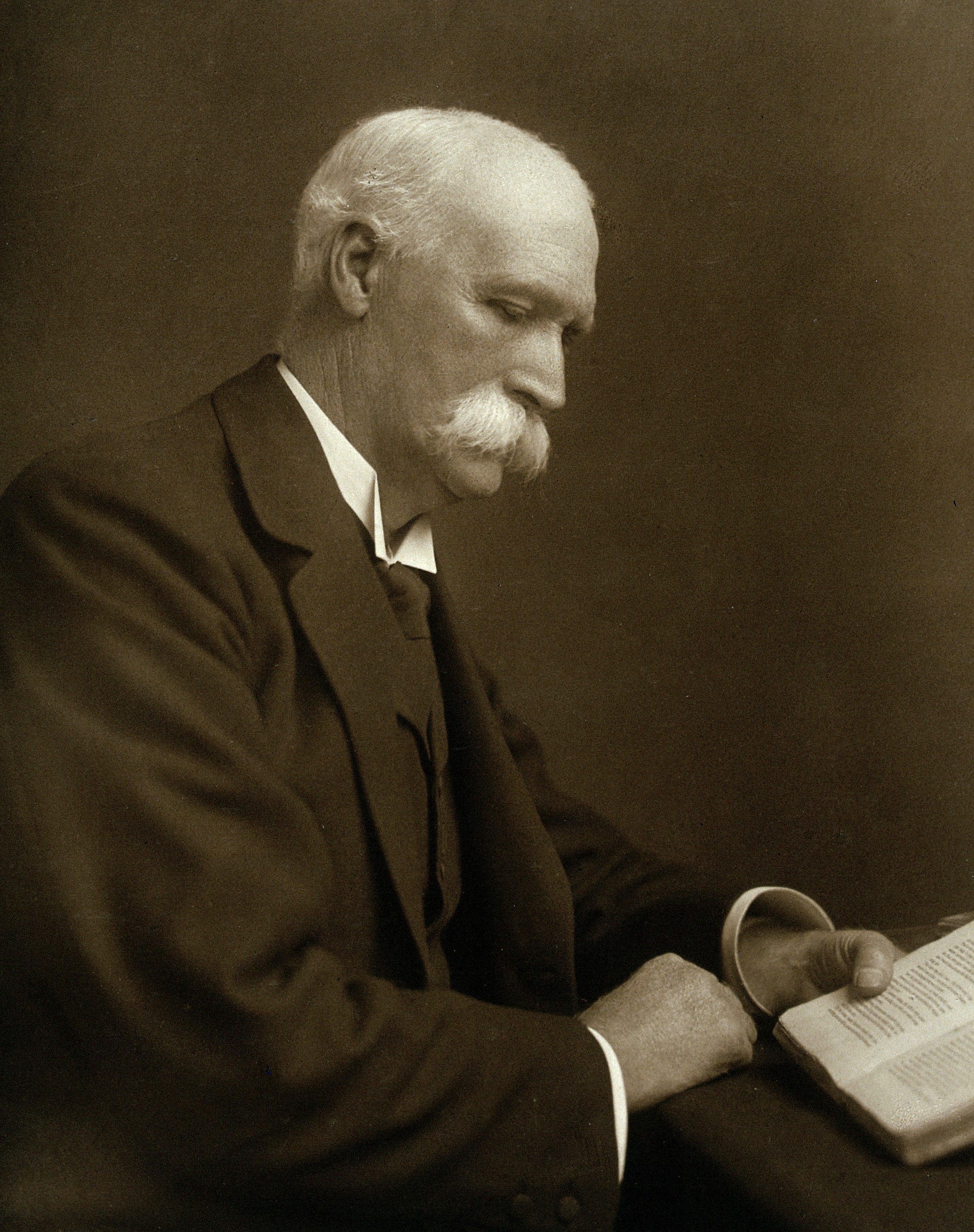
1858 HUMPHRY, Sir George Murray (1820 – 1896)
A treatise on the human skeleton, including the joints.
Humphry was professor of anatomy at Cambridge and became the first professor of surgery there. He founded the Journal of Anatomy and Physiology in 1867. “Humphry’s ligament” of the knee-joint is described on p. 546 of…
GMN 419 · https://historyofmedicine.com/id/959
1892 WOLFF, Julius (1836 – 1902)
Das Gesetz der Transformation der Knochen.
“Wolff’s law” stated that every change in form and function of a bone, or in its function alone, is followed by certain definite changes in its internal architecture and equally definite secondary alterations in its m…
GMN 641 · https://historyofmedicine.com/id/520
1912 MACEWEN, Sir William (1848 – 1924)
The growth of bone.
Throughout his life Macewen devoted much time to the study of bone growth. His researches revolutionized ideas concerning osteogenesis.
GMN 656.1 · https://historyofmedicine.com/id/533
1920 MACEWEN, Sir William (1848 – 1924)
The growth and shedding of the antlers of the deer. The histological phenomena and their relation to the growth of bone.
The first study of the unusual and dramatic physiology of the annual growth and shedding of the antlers of deer. "The amount of bony matter annually secreted to form antlers of the larger deer is enormous, antlers of …
GMN 7000 · https://historyofmedicine.com/id/9166
1923 ROBISON, Robert (1883 – 1941)
The possible significance of hexosephosphoric esters in ossification.
Records an important advance in the knowledge concerning the conversion of blood calcium into the insoluble calcium of bone.
GMN 746 · https://historyofmedicine.com/id/1730
1933 PHEMISTER, Dallas B. (1882 – 1951)
Operative arrestment of longitudinal growth of bones in the treatment of deformities.
Epiphysiodesis to inhibit bone growth of a longer leg.
GMN 4400.3 · https://historyofmedicine.com/id/6027
1937 VENABLE, Charles Scott (1877 – 1961); ET AL
The effects on bone of the presence of metals; based upon electrolysis. An experimental study.
Introduction of vitallium. With W. Stuck and A. Beach.
GMN 4402 · https://historyofmedicine.com/id/6041
1953 YASUDA, Iwao (1909 – 1983)
Fundamental aspects of fracture treatment. [In Japanese]
First electrically-induced osteogenesis. Yasuda demonstrated that small amounts of electric current applied to bone stimulated osteogenesis at the cathode. He was also the first to describe stress generated potentials…
GMN 4435.4 · https://historyofmedicine.com/id/6316