1471 NICOLAUS SALERNITANUS, (Nicolaus Praepostius) (1120 – )
Antidotarium. Add: Quid pro quo; Synonyma.
This work, which first circulated in manuscript in 1140, was the first formulary to be printed. It consists of 139 prescriptions and includes the original formula for the “anesthetic sponge” (spongia somnifera), the e…
GMN 1789 · https://historyofmedicine.com/id/1846
1474 SILVATICUS, Matthaeus [Mattheus Sylvaticus; Matteo Silvatico] (1280 – 1342)
Liber pandectarum medicinae.
An encyclopedia of medicines, mostly derived from plants, completed about the year 1317. The medicines are arranged in alphabetical order. Two printed editions were issued in 1474. The first, issued in Naples, appeare…
GMN 7151 · https://historyofmedicine.com/id/9318
1488 ASCULO, Saladinus de (Saladin d'Ascoli) (1425 – )
Compendium aromatariorum.
ISTC No. is00020000. Also issued in Bologna: [Henricus de Harlem and Johannes Walbeck, for] Benedictus Hectoris, 12 Mar. 1488. ISTC No. is00019000. Digital facsimile of the Bologna edition from BnF Gallica at this link.
GMN 9398 · https://historyofmedicine.com/id/11581
1536 BRASSAVOLA, Antonio Musa [Brasavoli, Brasavola, Brasavoli] (1500 – 1555)
Examen omnium simplicium medicamentorum, quorum in officinis usus est.
Brasavola introduced some new drugs into the formulary. The book is written in the form of a dialogue. Digital facsimile from the Internet Archive at this link.
GMN 1804 · https://historyofmedicine.com/id/1950
1543 GESNER, Conrad [Konrad Gessner] (1516 – 1565)
Enumeratio medicamentorum purgantium.
An index of purgatives.
GMN 1809 · https://historyofmedicine.com/id/1973
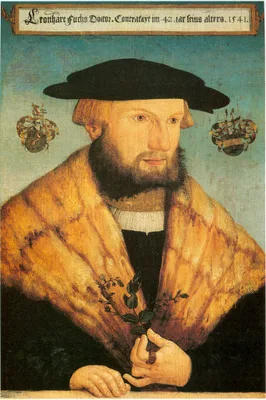
1549 MYREPSOS, Nicolas (Nicolaus Myrepsus, Νικόλαος Μυρεψός) (1240 – ); FUCHS, Leonhart (1501 – 1566)
Medicamentorum opus in sectiones quadragintaocto digestum, hactenus in Germania non uisum, omnibus tum medicis, tum seplasiarns mirum in modum utile, a Leonharto Fuchsio...
The “Antidotarium magnum” by the Byzantine physician Nicolaus Myrepsus. It was the largest strictly pharmaceutical work that had appeared up to the time of its writing (about 1270-1280); it contained more than 2,500 p…
GMN 1793 · https://historyofmedicine.com/id/1884
1641 JOCQUET, Joannes; ET AL
Pharmacopoeia Bruxellensis: Jussu amplissimi senatus edita.
The first Brussels pharmacopeia, modeled after the first Paris pharmacopeia. Digital facsimile from Google Books at this link.
GMN 12811 · https://historyofmedicine.com/id/15057
1681 IBN MUHAMMAD AL-HUSAYNI, Muzaffar ( – 1556); LABROSSE, Joseph (Angelus à Sacto Josepho) (1636 – )
Pharmacopoea persica ex idiomate persico in latinum conversa. Tafsir-i murakkabat-i qarabadin-i parsi [-i Muzaffar b. Muhammad as-Sifa`i] ba-dast-i Angelus Karmelit.
The editor, Joseph Labrosse, "was born in Toulouse in 1636 and entered a Carmelite order, taking the name of Fr. Angelus of St Joseph. In 1662 he went to Rome and studied Arabic for two years before travelling to Isfa…
GMN 13139 · https://historyofmedicine.com/id/15397
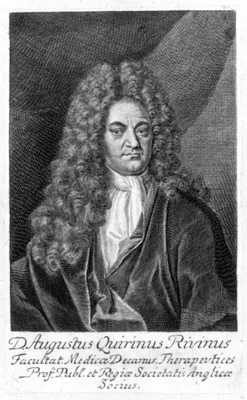
1701 RIVINUS, Augustus Quirinus (August Bachmann) (1652 – 1723)
Censura medicamentorum officinalium.
A list of officially recognized drugs, with a classification of useless and undesirable ones. Rivinus also noted incompatibles. Digital facsimile from Google Books at this link.
GMN 1828 · https://historyofmedicine.com/id/2150
1721 GIBSON, William (1680 – 1750)
The farriers dispensatory, in three parts. Containing I. A description of the medicinal simples, commonly made use of in the diseases of horses, with their virtues and manner of operation, distributed into proper classes, &c. II. The preparations of simples, vegetable, animal and mineral ; with an explanation of the most usual terms, both in the chymical and galenical pharmacy. III. A number of useful compositions and receipts suited to the cure of all diseases, never before published; as also those of greatest account from Solleysell, Ruini, Blundevill, and other most celebrated authors, digested under their proper heads of powders, balls, drinks, ointments, charges, &c. The proper Method of compounding and making them, with many other useful observations and improvements tending to their right administration. To which is also added, a compleat index of all the medicines contained in the book, whether simple or compound, with a table of diseases pointing to the remedies proper in each malady.
GMN 13695 · https://historyofmedicine.com/id/15977
1739 GAUB, Hieronymous David (1705 – 1780)
Libellus de methodo concinnandi formulas medicamentorum.
A treatise on prescriptions. Gaub was professor of chemistry at Leiden.
GMN 1830 · https://historyofmedicine.com/id/2167
1806 COXE, John Redman (1773 – 1864)
The American dispensatory, containing the operations of pharmacy; Together with the natural, chemical, pharmaceutical and medical history of the different substances employed in medicine; illustrated and explained, according to the principles of modern chemistry: Comprehending the improvements in Dr. Duncan's second edition of the Edinburgh new dispensatory. The arrangement simplified, and the whole adapted to the practice of medicine and pharmacy in the United States. With several copperplates, exhibiting the new system of chemical characters, and representing the most useful apparatus.
Coxe's "formulary" was the first attempt at standarization of drugs and their preparation in the United States. Digital facsimile from the U.S. National Library of Medicine at this link.
GMN 12134 · https://historyofmedicine.com/id/14343
1821 MAGENDIE, François (1783 – 1855)
Formulaire pour la préparation et l’emploi de plusieurs nouveaux médicamens, tels que la noix vomique, la morphine, etc.
Magendie was the pioneer of experimental physiology in France. His Formulaire introduced into medical practice several of the newly discovered alkaloids, notably morphine, veratrine, brucine, piperine, emetine, as wel…
GMN 1846 · https://historyofmedicine.com/id/2302
1966 LEVEY, Martin (1913 – 1970); AL-KINDĪ, Abu Yūsuf Yaʻqūb ibn ʼIsḥāq aṣ-Ṣabbāḥ ;أبو يوسف يعقوب بن إسحاق الصبّاح الكندي ( Alkindus) (801 – 873)
The medical formulary or Aqrābādhin of al Kindi. Edited and translated by Martin Levey.
GMN 8531 · https://historyofmedicine.com/id/10708