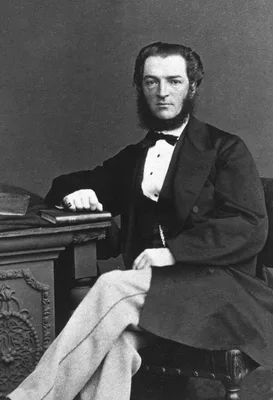
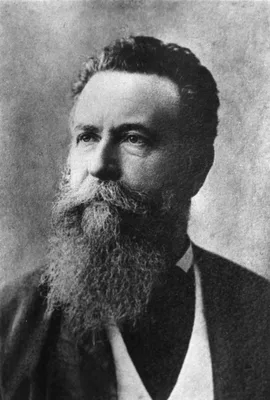
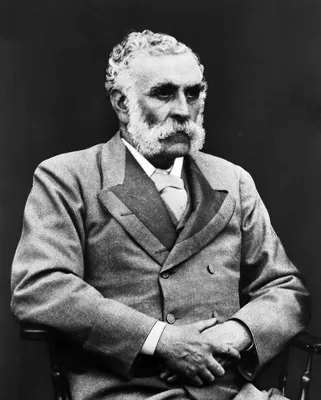
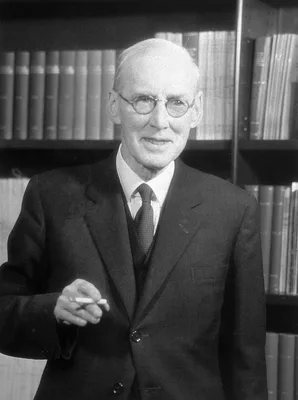
1863 DEMARQUAY, Jean Nicolas (1811 – 1875)
Note sur une tumeur des bourses contenant un liquide laiteux (galactocèle de Vidal) et renfermant de petits êtres vermiformes que l’on peut considérer comme les helminthes hèmatoïdes à l’étatd’embryon.
Description of the embryonic stage of Wuchereria bancrofti in hydrocele fluid.
GMN 5344.3 · https://historyofmedicine.com/id/6770
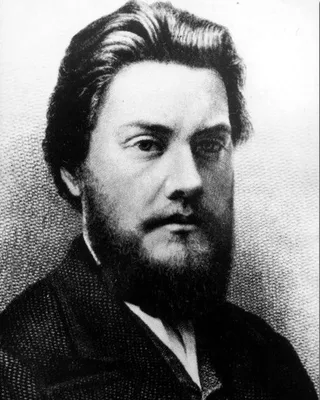
1864 –1869 COBBOLD, Thomas Spencer (1828 – 1886)
Entozoa. 2 pts.
Cobbold was the most distinguished helminthologist of his time. He named Filaria bancrofti, Bilharzia haematobia, and several other parasites. He was a friend of Manson, several of whose papers he communicated to the …
GMN 2452 · https://historyofmedicine.com/id/2971
1868 WUCHERER, Otto Eduard Heinrich (1820 – 1873)
Noticiar preliminar sobre vermes de uma especie ainda nao descripta, encontrados na urina de doentes de hematuria intertropical no Brazil.
In 1866 Wucherer saw the embryo form of the filaria worm. Later the name Wuchereria bancrofti was applied to it. English translation in Kean (No. 2268.1).
GMN 5344.6 · https://historyofmedicine.com/id/6781
1869 –1870 FEDCHENKO, Alexei Pavlovich (Aleksei FEDTSCHENKO) (1844 – 1873)
On the structure and reproduction of Filaria medinensis L.
Fedchenko, a Russian naturalist and explorer of central Asia, elucidated the life cycle of Dracunculus medinensis, the parasite of dracunculiasis. He discovered its means of transmission via copepod intermediate hosts…
GMN 5344.7 · https://historyofmedicine.com/id/8616
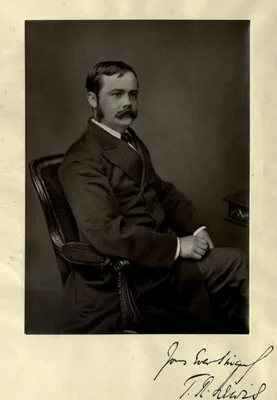
1871 LEWIS, Timothy Richards (1841 – 1886)
On a haemotozoon inhabiting human blood. Its relation to chyluria and other diseases.
Independently of Demarquay (No. 5344.3) and Wucherer (No. 5344.6), Lewis found microfilariae in the urine and blood in chyluria. He was first to use the term Filaria sanguinis hominis for the parasite.
GMN 5344.8 · https://historyofmedicine.com/id/6785
1875 O’NEILL, John
On the presence of a Filaria in “craw-craw”.
In 1874, while examining skin snips from craw-craw patients in Ghana, during his service on the H. M. S. Decoy, the Irish surgeon O’Neill discovered the subcutaneous microfilaria. This was the earliest known visual id…
GMN 5344.10 · https://historyofmedicine.com/id/6790
1877 MANSON, Sir Patrick (1844 – 1922)
Filaria sanguinis hominis.
GMN 5345 · https://historyofmedicine.com/id/6795
1877 MANSON, Sir Patrick (1844 – 1922)
Further observations on Filaria sanguinis hominis.
Manson showed that Wuchereria bancrofti, the cause of filarial elephantiasis in man, develops in, and is transmitted by, the Culex mosquito. This was the first proof that infective diseases are spread by animal vector…
GMN 5345.1 · https://historyofmedicine.com/id/6800
1877 LEWIS, Timothy Richards (1841 – 1886)
Filiaria sanguinis hominis - mature form.
Lewis made the critical connection/association of the worm, Filaria sanguinis,(Wuchereria bancrofti ) to Elephantiasis. This brief account appears to be a third person account summarizing Lewis's work written by an ed…
GMN 10787 · https://historyofmedicine.com/id/12983
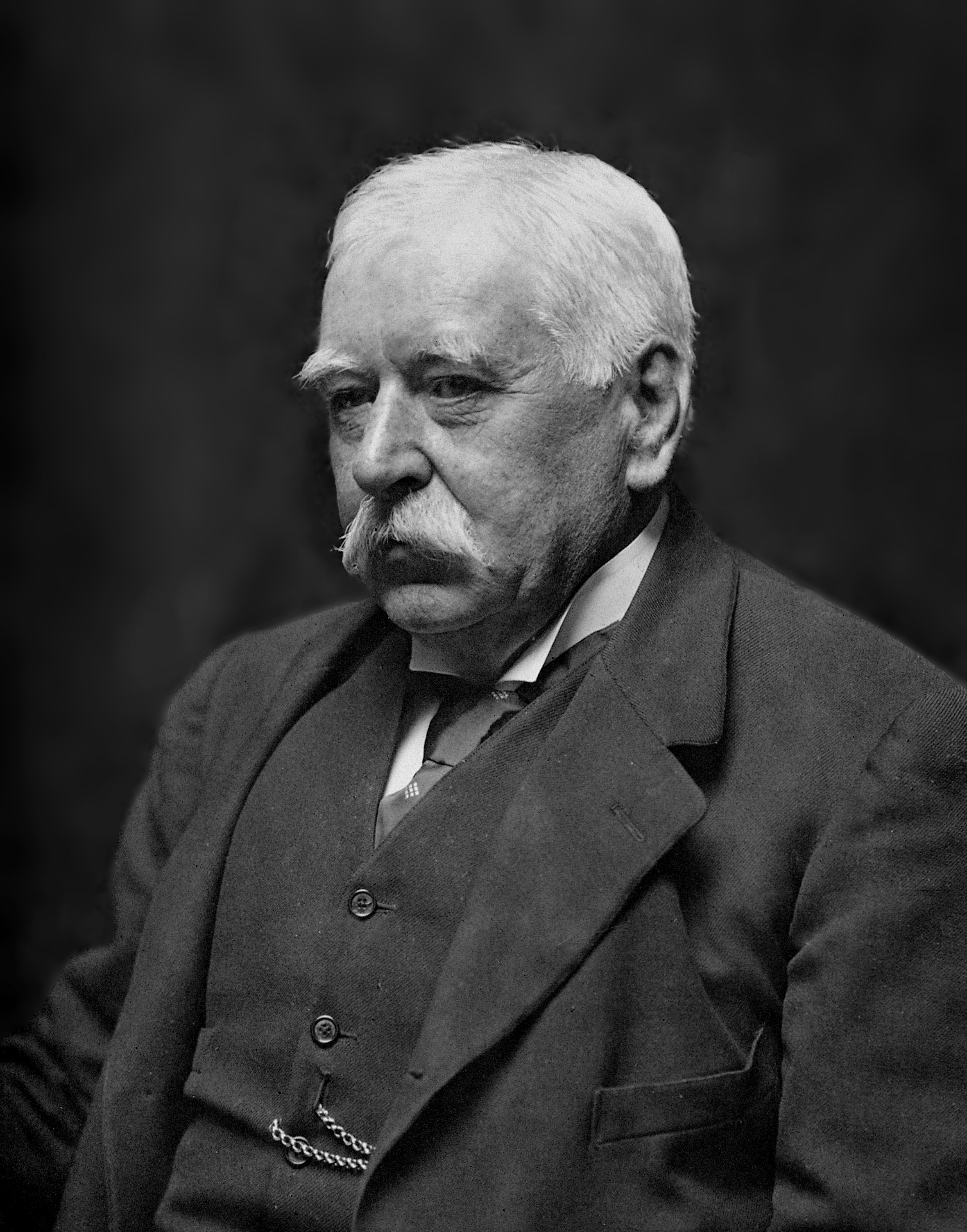
1878 BANCROFT, Joseph (1836 – 1894)
Cases of filarious disease.
Discovery (1876) of Wuchereria bancrofti. Bancroft’s first report on this was in the form of a letter to T. S. Cobbold, who published it in Lancet, 1877, 2, 70-71.
GMN 5346 · https://historyofmedicine.com/id/6802
1879 MANSON, Sir Patrick (1844 – 1922)
Additional notes on filaria sanguinis hominis and filiaria disease.
On p. 36 of this paper Manson first described nocturnal periodicity in Filaria Bancrofti, an adaptation to the nocturnal biting habits of their mosquito vector. (Thanks to Juan Weiss for this reference and its interpr…
GMN 11248 · https://historyofmedicine.com/id/13445
1883 MANSON, Sir Patrick (1844 – 1922)
The Filaria sanguinis hominis and certain new form of parasitic disease in India, China and warm countries.
A collection of several papers written by Manson.
GMN 2455 · https://historyofmedicine.com/id/2980
1884 MANSON, Sir Patrick (1844 – 1922)
The metamorphosis of Filaria sanguinis hominis in the mosquito.
Manson reported that the changes he had observed in ingested filariae took place in the mosquito thorax, not in the stomach as previously thought.
GMN 5346.3 · https://historyofmedicine.com/id/6810
1895 ROBERTSON, Douglas Moray Cooper Lamb Argyll (1837 – 1909)
Case of Filaria loa in which the parasite was removed from under the conjunctiva.
First detailed description of Loa loa. See also Trans. ophthal. Soc. U.K., 1897, 17, 227-32. Robertson first briefly mentioned this procedure and the Loa Loa worm in a brief article written for him by the editor of La…
GMN 5347.1 · https://historyofmedicine.com/id/6817
1913 LEIPER, Robert Thomson (1881 – 1969)
Important discovery in tropical medicine: Metamorphosis of Filaria Loa.
Leiper discovered diurnal periodicity in Filaria Loa, as the worm embryos are found in the blood only during day, as an adaptation to the day-biting habits of their insect vector, a biting fly of the genus Chrysopa. T…
GMN 11249 · https://historyofmedicine.com/id/13446
2005 TAYLOR, Mark J.; MAKUNDE, Williams Holmes; MCGARRY, Helen F.; ET AL
Macrofilaricidal activity after doxycycline treatment of Wuchereria bancrofti: A double blind randomized placebo-controlled trial.
Order of authorship in the original paper: Taylor, Makunde, McGarry.... The authors treated infection by the parasitic worm Wuchereria bancrofti, cause of elephantiasis (lymphatic filariasis), by killing the Wolbachia…
GMN 11193 · https://historyofmedicine.com/id/13390