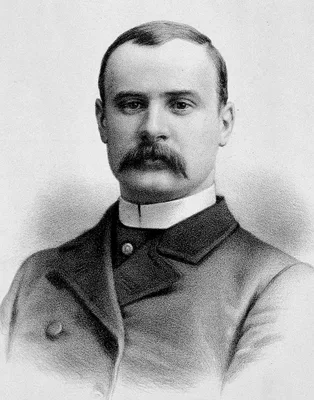
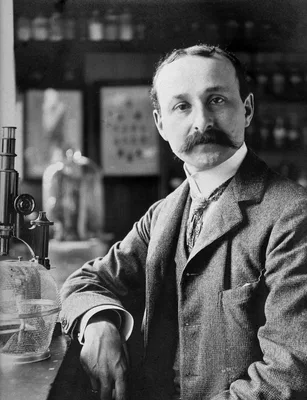
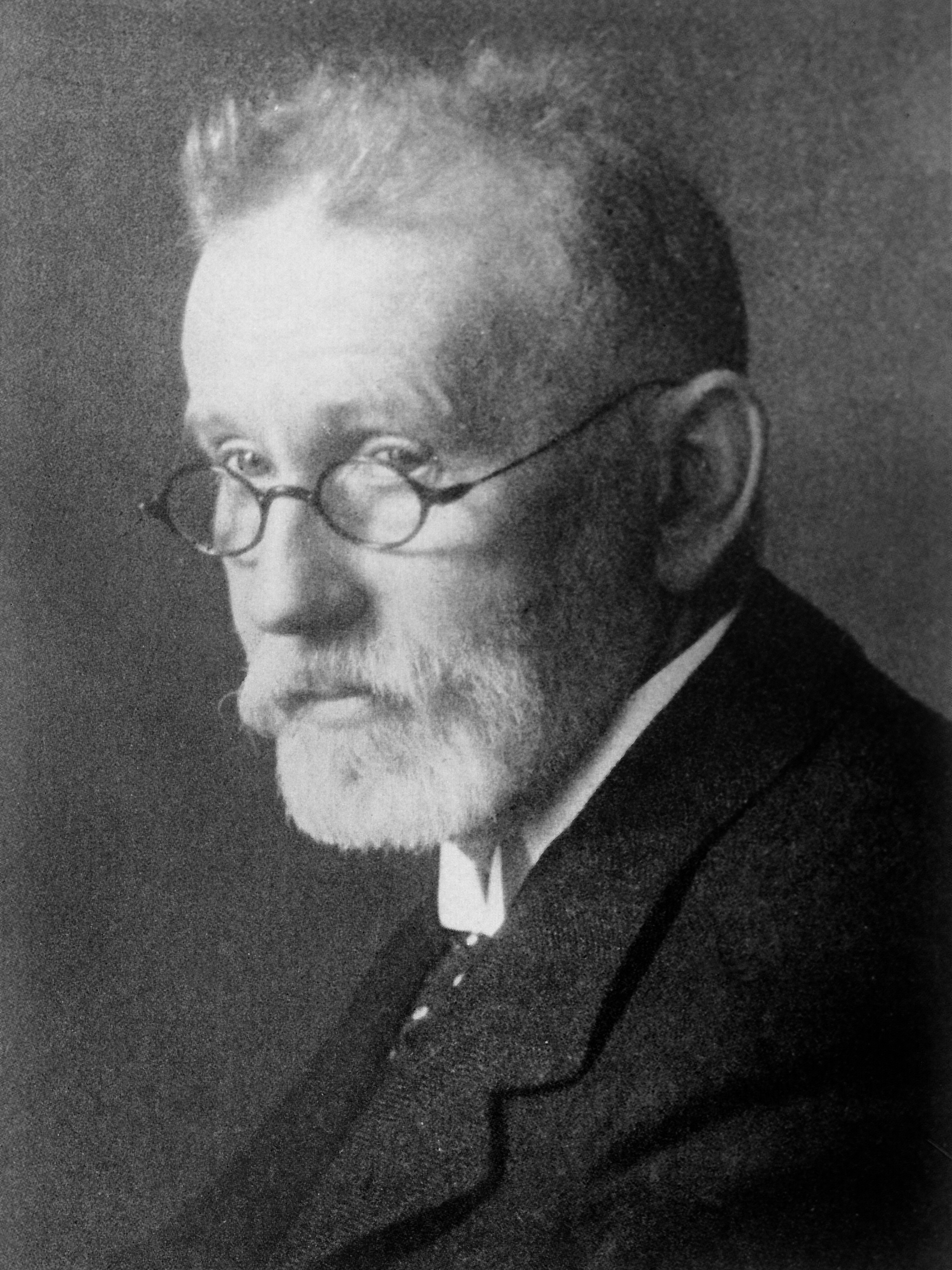
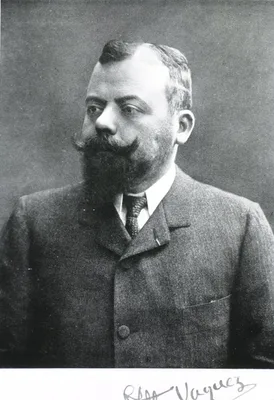
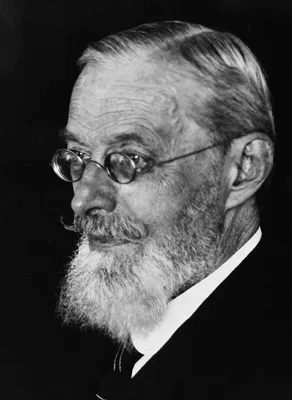
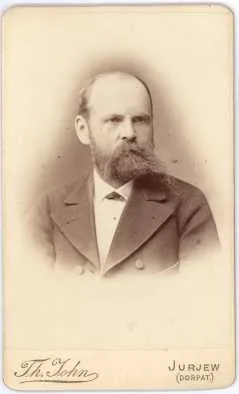
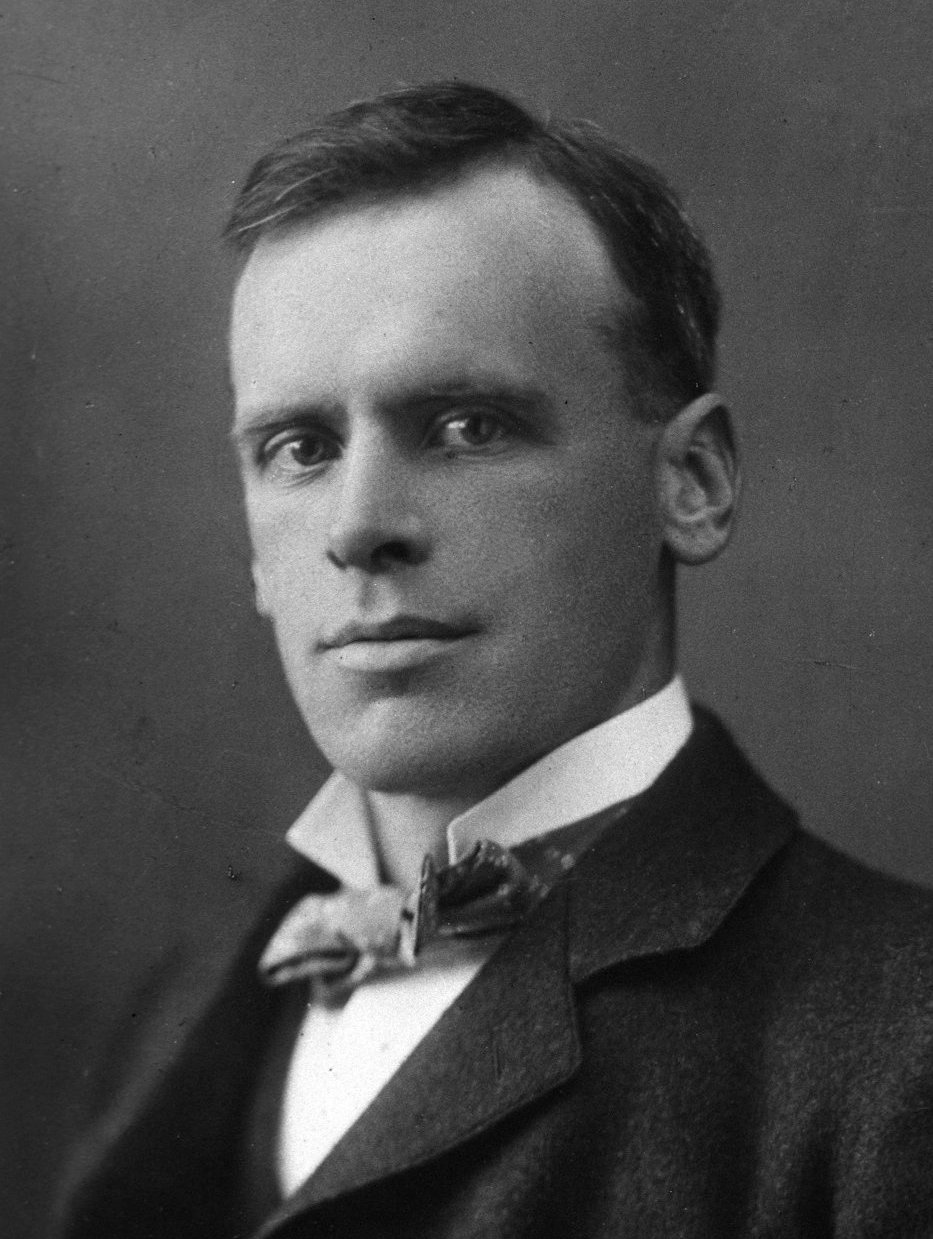
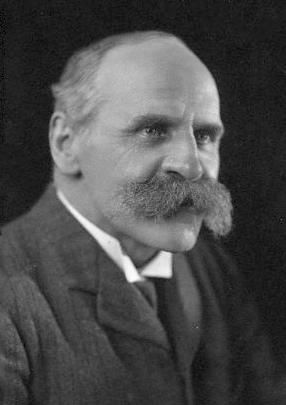
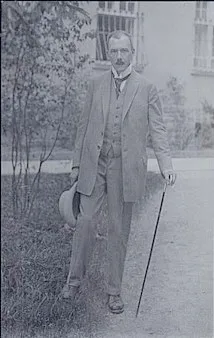
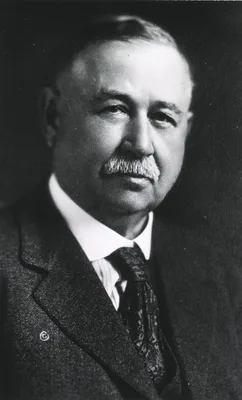
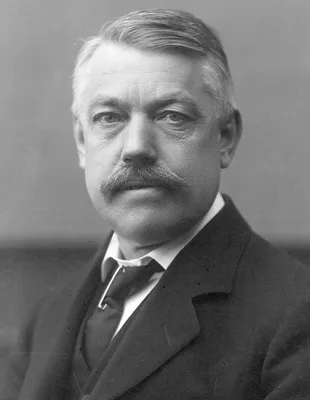
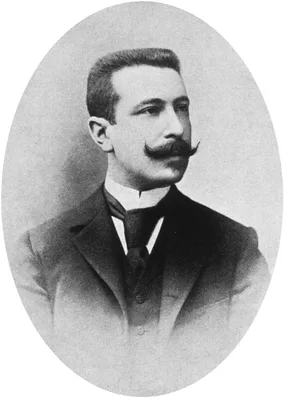
1886 TREVES, Sir Frederick (1853 – 1923)
A case of haemophilia: pedigree through five generations.
True hemophilia in a female. The family was the subject of several later investigations, the last being reported in Lancet, 1973, 2,734.
GMN 3067.1 · https://historyofmedicine.com/id/3721
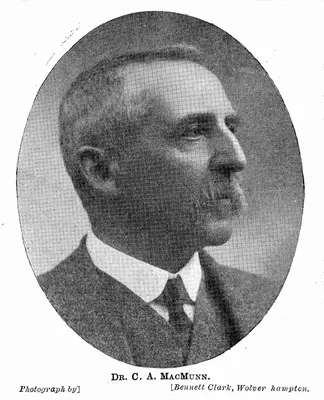
1886 MACMUNN, Charles Alexander (1852 – 1911)
Researches on Myohaematin and the Histohaematins.
First description of the respiratory pigment in blood, known today as Cytochrome1. Digital facsimile from the Royal Society at this link.
GMN 13108 · https://historyofmedicine.com/id/15361
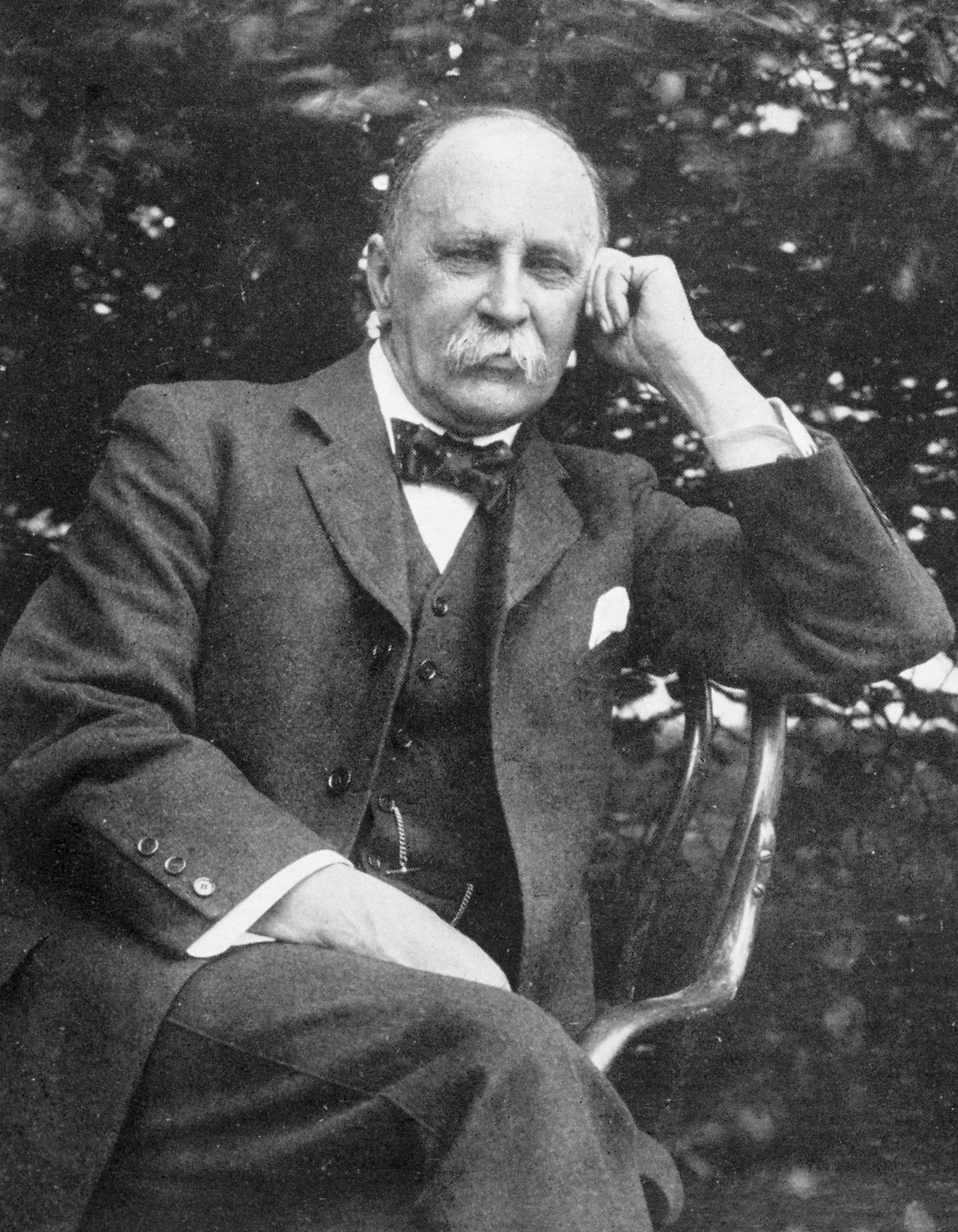
1886 OSLER, Sir William (1849 – 1919)
On certain problems in the physiology of the blood corpuscles. I. The blood-plaque or third corpuscle; II. Degeneration and regeneration of the corpuscles; III. The relation of the corpuscles to coagulation and thrombosis. The Cartwright Lectures, delivered before the Association of the Alumni of the College Physicians and Surgeons, New York, March 23d, 27th, and 30th, 1886.
"These important lectures, based on original research, begun in 1882 on the blood - plates of Bizzozero (haematoblasts of Hayem), established Osler's reputation as an original investigator. The aggregation of blood pl…
GMN 13281 · https://historyofmedicine.com/id/15547
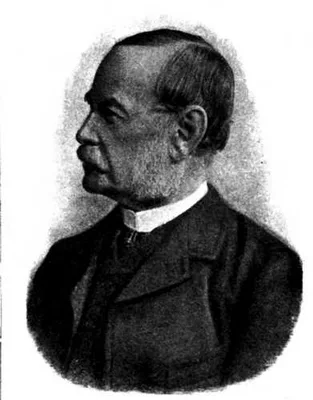
1887 HENOCH, Eduard Heinrich (1820 – 1910)
Ueber Purpura fulminans.
First description.
GMN 3068 · https://historyofmedicine.com/id/3722
1888 NUTTALL, George Henry Falkiner (1862 – 1937)
Experimente über die bacterienfeindlichen Einflüsse des thierischen Körpers.
Working with the defibrinated blood of certain animals, Nuttall was the first to describe the bactericidal action of blood. Abridged English translation in Bibel, Milestones in immunology (1988).
GMN 2542 · https://historyofmedicine.com/id/3553
1888 EHRLICH, Paul (1854 – 1915)
Ueber einen Fall von Anämie mit Bemerkungen über regenerative Veränderungen des Knochenmarks.
Ehrlich was first to distinguish the aplastic type of anemia.
GMN 3129 · https://historyofmedicine.com/id/3926
1889 BUCHNER, Hans Ernst August (1850 – 1902)
Ueber die bakterientödtende Wirkung des zellenfreien Blutserums.
Following Nuttall’s work, Buchner discovered a substance in blood serum that was capable of destroying bacteria. He called the substance "alexin". He demonstrated that the bactericidal power of defibrinated blood was …
GMN 2543 · https://historyofmedicine.com/id/3558
1889 HAYEM, Georges (1841 – 1933)
Du sang et de ses altérations anatomiques
Includes (pp. 614-751) an important account of chlorosis; Hayem, by his accurate observation, placed knowledge of the disease on a firm basis.
GMN 3130 · https://historyofmedicine.com/id/3930
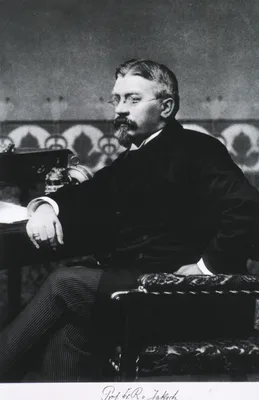
1889 JAKSCH, Rudolf von (1855 – 1947)
Ueber Leukaemia und Leukocytose im Kindesalter.
From this classic description of infantile pseudoleukemic anemia, the condition became known as “von Jaksch’s disease”.
GMN 3131 · https://historyofmedicine.com/id/3932
1890 ARTHUS, Nicolas Maurice (1862 – 1945); PAGES, Calixte
Nouvelle théorie chimique de la coagulation du sang.
First demonstration of the essential role of calcium in the mechanism of blood coagulation.
GMN 884 · https://historyofmedicine.com/id/918
1890 –1891 HEDIN, Sven Gustaf (1859 – 1933)
Der Hämatokrit, ein neuer Apparat zur Untersuchung des Blutes.
Hedin’s hematocrit. He first briefly described it in Upsala läkPören. Förh., 1889, 24, 440.
GMN 885 · https://historyofmedicine.com/id/923
1890 –1891 HOWELL, William Henry (1860 – 1945)
The life history of the formed elements of the blood, especially the red blood corpuscles.
Includes description of “Howell’s bodies” seen in mature erythrocytes and called also “Howell–Jolly bodies” after the later description by J. M. J. Jolly.
GMN 886 · https://historyofmedicine.com/id/925
1890 KÖNIG, Franz (1832 – 1910)
Die Gelenkerkrankungen bei Blutern mit Berücksichtigung der Diagnose.
König gave a detailed description of joint involvement in hemophilia.
GMN 3069 · https://historyofmedicine.com/id/3723
1890 RINDFLEISCH, Georg Eduard von (1836 – 1908)
Ueber die Fehler der Blutkörperchenbildung bei der perniciösen Anämie.
Rindfleisch made the first clear statement of the bone marrow changes in pernicious anemia.
GMN 3131.1 · https://historyofmedicine.com/id/3935
1891 EHRLICH, Paul (1854 – 1915)
Farbenanalytische Untersuchungen zur Histologie und Klinik des Blutes.
Extension of Ehrlich’s work on the differential blood count. By means of his methods of staining blood cells Ehrlich differentiated two types of leukemia, lymphatic and myelogenous.
GMN 3069.1 · https://historyofmedicine.com/id/928
1891 HARLEY, Edward Vaughan Berkeley (1863 – 1923)
The behaviour of saccharine matter in the blood.
Destruction of sugar in the blood.
GMN 717 · https://historyofmedicine.com/id/986
1892 SCHMIDT, Alexander (1831 – 1894)
Zur Blutlehre.
Schmidt established several new facts regarding blood coagulation.
GMN 888 · https://historyofmedicine.com/id/933
1892 VAQUEZ, Louis Henri (1860 – 1936)
Sur une forme spéciale de cyanose s’accompagnant d’hyperglobulie excessive et persistante.
Vaquez first described polycythemia vera (erythremia). Osler’s paper on the subject (No. 3073) made it generally known in the English-speaking world, and the condition has since been named “Vaquez–Osler disease”. For …
GMN 3070 · https://historyofmedicine.com/id/3725
1894 BANTI, Guido (1852 – 1925)
La splenomegalia con cirrosi del fegato
“Banti’s syndrome”, Splenomegalic anemia. Reprinted with translation in Med. Classics, 1937, 1, 901-27. (For his earlier work on the subject, see No. 3126.)
GMN 3774 · https://historyofmedicine.com/id/4664
1895 BUNGE, Gustav Piers Alexander von (1844 – 1920)
Ueber die Eisentherapie.
Bunge was father to the concept of iron-deficiency anemia.
GMN 3132 · https://historyofmedicine.com/id/3936
1896 STARLING, Ernest Henry (1866 – 1927)
On the absorption of fluids from the connective tissue spaces.
Starling discovered the functional significance of the serum proteins.
GMN 647 · https://historyofmedicine.com/id/526
1898 HALDANE, John Scott (1860 – 1936)
A contribution to the chemistry of haemoglobin and its immediate derivatives.
Potassium ferricyanide method for the determination of oxygen in oxyhemoglobin.
GMN 951 · https://historyofmedicine.com/id/225
1898 HAYEM, Georges (1841 – 1933)
Sur une variété particulière d’ictère chronique splénomégalique.
“Hayem–Widal disease” –acquired hemolytic anemia (see also No. 3783).
GMN 3777 · https://historyofmedicine.com/id/4673
1899 JENNER, Louis Leopold (1866 – 1904)
A new preparation for rapidly fixing and staining blood.
Jenner’s methylene blue-eosin stain for blood.
GMN 3071 · https://historyofmedicine.com/id/3726
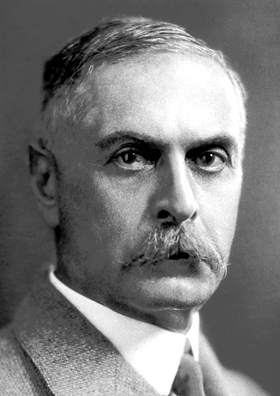
1900 LANDSTEINER, Karl (1868 – 1943)
Zur Kenntniss der antifermentativen, lytischen und agglutinierenden Wirkungen des Blutserums und der Lymphe.
Also: Landsteiner, "Ueber Agglutinationsercheinungen normalen menschlichen Blutes," Wiener klinische Wochenschrift, 14, 1901, 1132-1134. Landsteiner discovered that human blood contains iso-agglutinins capable of aggl…
GMN 889 · https://historyofmedicine.com/id/936
1900 TALLQVIST, Theodor Waldemar (1871 – 1927)
Ein einfaches Verfahren zur directen Schätzung der Färbestärke des Blutes.
Tallqvist’s hemoglobin scale.
GMN 890 · https://historyofmedicine.com/id/994
1901 HALDANE, John Scott (1860 – 1936)
The colorimetric determination of haemoglobin.
Haldane’s hemoglobinometer and method for determination of hemoglobin.
GMN 891 · https://historyofmedicine.com/id/996
1901 UHLENHUTH, Paul Theodor (1870 – 1957)
Eine Methode zur Unterscheidung der verschiedenen Blutarten, im besonderen zum differentialdiagnostischen Nachweise des Menschenblutes.
Uhlenhuth was the first to use precipitins in medico-legal tests for human blood.
GMN 1754 · https://historyofmedicine.com/id/3133
1901 BROWN, Philip King (1869 – 1940); OPHÜLS, William (1871 – 1933)
A fatal case of acute primary infectious pharyngitis.
First recorded case of extreme leucopenia.
GMN 3072 · https://historyofmedicine.com/id/3727
1901 EHRLICH, Paul (1854 – 1915)
Die Schutzstoffe des Blutes.
In this paper on humoral immunity in humans Ehrlich addressed the bacteriocidal property of the blood, attributing that to antibodies and antitoxins. Digital facsimile from pei.de at this link. (Thanks to Juan Weiss f…
GMN 12438 · https://historyofmedicine.com/id/14670
1902 SAHLI, Hermann (1856 – 1933)
Über ein einfaches und exactes Verfahren der klinischen Hämometrie.
Sahli’s method for the determination of hemoglobin.
GMN 892 · https://historyofmedicine.com/id/998
1902 DECASTELLO, Alfred von (1872 – 1960); STURLI, Adriano (1873 – 1964)
Ueber die Isoagglutinine im Serum gesunder und kranker Menschen.
Following Landsteiner’s division of human blood into three groups (A, B and O which he named A, B, C), Decastello and Sturli discovered a fourth (the rarest) group, later named AB.
GMN 893 · https://historyofmedicine.com/id/1002
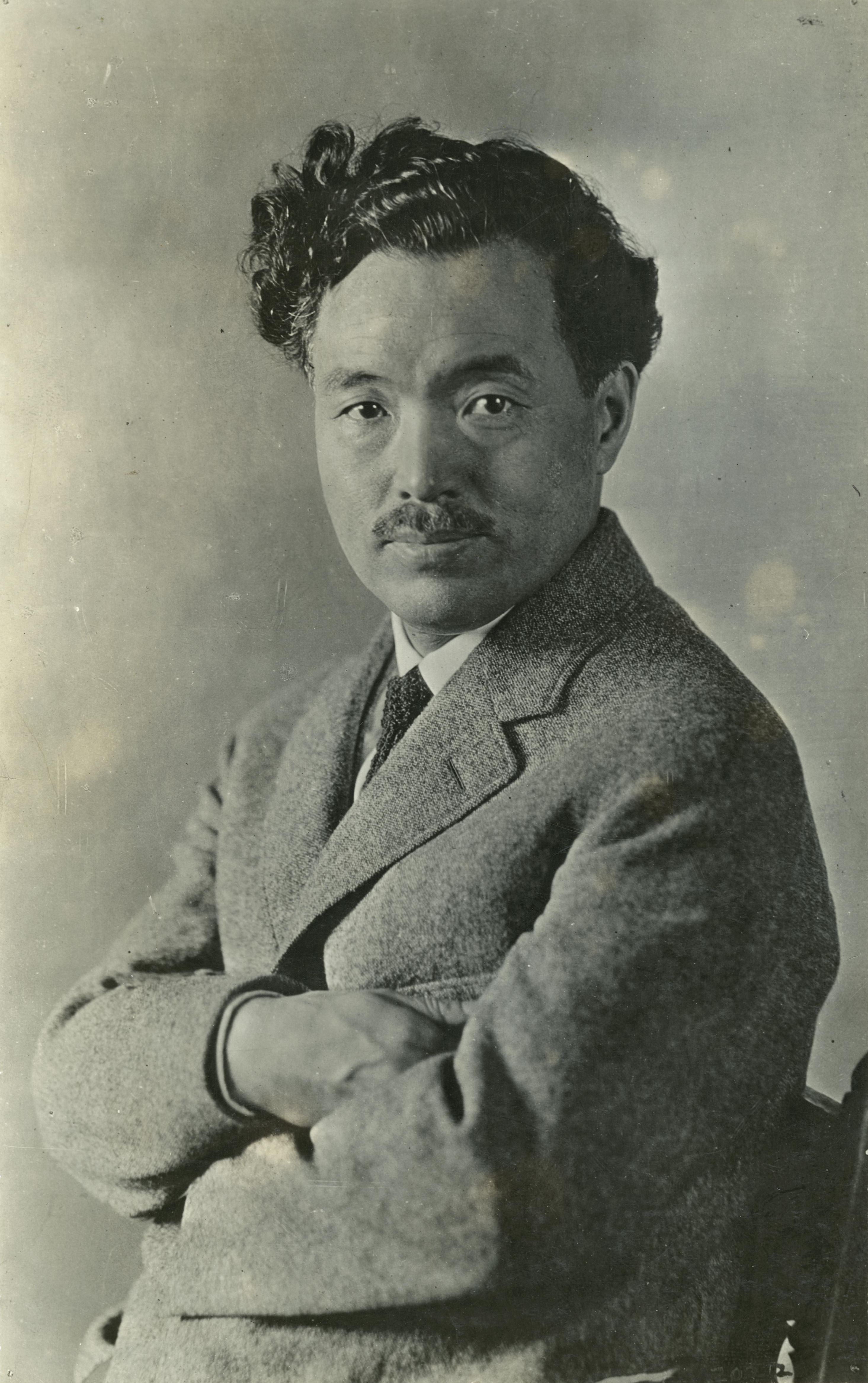
1902 FLEXNER, Simon (1863 – 1946); NOGUCHI, Hideyo (1876 – 1928)
Snake venom in relation to haemolysis, bacteriolysis, and toxicity.
GMN 2110 · https://historyofmedicine.com/id/2613
1903 –1904 MORAWITZ, Paul Oskar (1879 – 1936)
Beiträge zur Kenntniss der Blutgerinnung.
Morawitz’s theory of blood coagulation.
GMN 894 · https://historyofmedicine.com/id/1006
1903 VAUGHAN, Victor Clarence (1851 – 1929)
On the appearance and significance of certain granules in the erythrocytes of man.
Reticulocytes described.
GMN 895 · https://historyofmedicine.com/id/1008
1903 OSLER, Sir William (1849 – 1919)
Chronic cyanosis, with polycythaemia and enlarged spleen: a new clinical entity.
When describing polycythemia with cyanosis, Osler thought it a new entity, but later acknowledged the priority of Vaquez’s description (No. 3070). Reprinted in Med. Classics, 1939, 4,254-75.
GMN 3073 · https://historyofmedicine.com/id/3728
1903 WOLFF-EISNER, Alfred (1877 – 1948)
Ueber eine Methode zur Untersuchung des lebenden Knochenmarks von Thieren und über das Bewegungsvermögen der Myelocyten.
Wolff-Eisner trephined the tibia and femur of experimental animals and suggested biopsy of bone marrow as a clinical procedure.
GMN 3074 · https://historyofmedicine.com/id/3729
1904 KROGH, Schack August Steenberg (1874 – 1949); BOHR, Christian Harald Lauritz Peter Emil (1855 – 1911); HASSELBALCH, Karl Albert (1874 – 1962)
Ueber einen in biologischer Beziehung wichtigen Einfluss, den die Kohlensäurespannung des Blutes auf dessen Sauerstoffbindung übt.
Bohr, Hasselbalch, and Krogh showed, in the experimental animal, that the affinity of blood for oxygen depends upon carbon dioxide pressure. This became known as the Bohr effect, though the discovery may have been mad…
GMN 726 · https://historyofmedicine.com/id/1073
1904 NUTTALL, George Henry Falkiner (1862 – 1937)
Blood immunity and blood relationship, a demonstration of certain blood relationships amongst animals by means of the precipitin test for blood.
GMN 2561 · https://historyofmedicine.com/id/3682
1904 ARNETH, Joseph (1873 – 1955)
Die neutrophilen weissen Blutkörperchen bei Infektions-Krankheiten.
“Arneth count”. Arneth distinguished five groups of polymorphonuclear leucocytes and advocated the estimation of these groups as a valuable aid in the determination of bone-marrow reaction to infective and other agent…
GMN 3075 · https://historyofmedicine.com/id/3730
1904 DRESBACH, M
Elliptical human red cell corpuscles.
Hereditary elliptocytosis.
GMN 3132.1 · https://historyofmedicine.com/id/3938
1905 GAISBÖCK, Felix (1868 – 1955)
Die Bedeutung der Blutdruckmessung für die Praxis.
Includes (p. 396) description of “Geisböck’s disease” – polycythemia hypertonica.
GMN 3076 · https://historyofmedicine.com/id/3732
1905 STERNBERG, Carl (1872 – 1935)
Pathologie der Primärerkrankungen des lymphatischen und hämatopoetischen Apparates.
Includes (p. 151) Sternberg’s description of lymphogranulomatosis, which was given the eponym “Sternberg’s disease”.
GMN 3077 · https://historyofmedicine.com/id/3733
1905 MORAWITZ, Paul Oskar (1879 – 1936)
Die Chemie der Blutgerinnung.
In this paper Morawitz perfected observations made earlier by Alexander Schmidt, and described four coagulation factors: fibrinogen (I), prothrombin (II), thrombokinase (III) and calcium (IV).
GMN 12273 · https://historyofmedicine.com/id/14491
1906 WRIGHT, James Homer (1871 – 1928)
The origin and nature of the blood plates.
Discovery of the role of the megakaryocytes in the formation of the blood platelets.
GMN 897 · https://historyofmedicine.com/id/1015
1906 HOWELL, William Henry (1860 – 1945)
Note upon the presence of amino-acids in the blood and lymph as determined by the ß naphthalinsulphochloride reaction.
Demonstration of the presence of amino-acids in the blood.
GMN 730.1 · https://historyofmedicine.com/id/1090
1907 JANSKÝ, Jan (1873 – 1921)
Haematologické studie u psychotiků.
Janský, a Czech serologist, neurologist and psychiatrist, tried to find a correlation between mental diseases and blood diseases. He found no such correlation, and published a study, the title of which translates as H…
GMN 896 · https://historyofmedicine.com/id/1012
1907 –1908 NÄGELI, Otto (1871 – 1938)
Blutkrankheiten und Blutdiagnostik.
GMN 3078 · https://historyofmedicine.com/id/3734
1907 TÜRK, Wilhelm (1871 – 1916)
Septische Erkrankungen bei Verkümmerung des Granulozytensystems.
First reported case of complete agranulocytosis.
GMN 3079 · https://historyofmedicine.com/id/3735
1907 WIDAL, Georges-Fernand Isidor (1862 – 1929); ABRAMI, Pierre (1879 – 1945)
Ictères hémolytiques non congénitaux avec anémie.
“Widal-Abrami disease” (Hayem-Widal disease), acquired hemolytic anemia. (See also No. 3777.)
GMN 3783 · https://historyofmedicine.com/id/4682