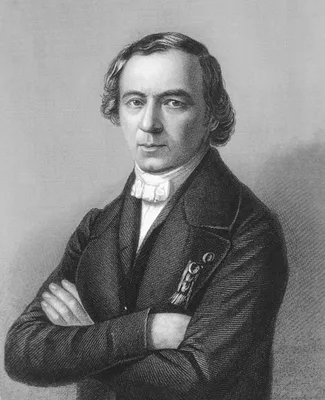
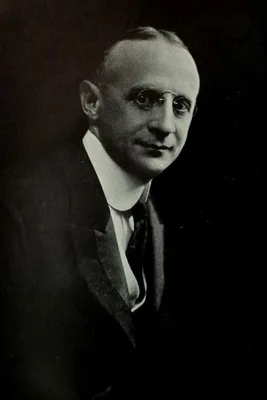
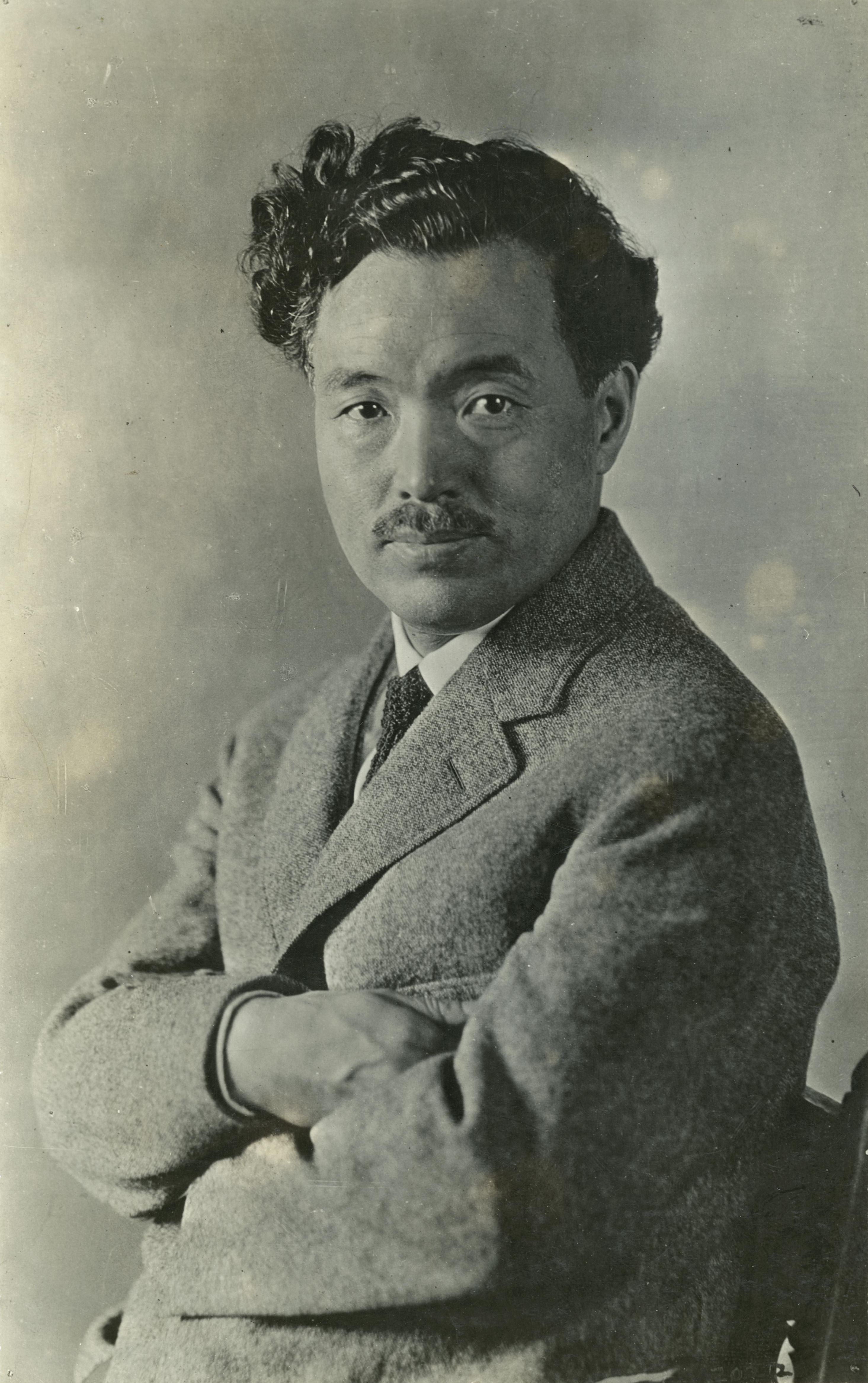
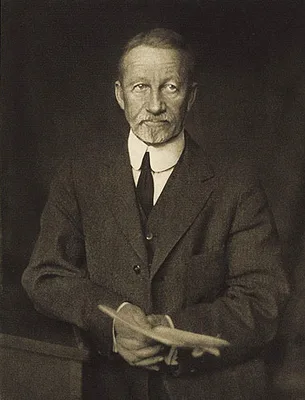
1821 PRÉVOST, Jean-Louis (1790 – 1850); DUMAS, Jean-Baptiste André (1800 – 1884)
Examen du sang et de son action dans les divers phénomènes de la vie.
First successful use of defibrinated blood for animal transfusions. This was the first attempt to prevent coagulation during transfusion.
GMN 2016 · https://historyofmedicine.com/id/1990
1902 FLEXNER, Simon (1863 – 1946); NOGUCHI, Hideyo (1876 – 1928)
Snake venom in relation to haemolysis, bacteriolysis, and toxicity.
GMN 2110 · https://historyofmedicine.com/id/2613
1910 HOWELL, William Henry (1860 – 1945)
The preparation and properties of thrombin, together with observations on antithrombin and prothrombin.
GMN 899 · https://historyofmedicine.com/id/1019
1911 –1912 HOWELL, William Henry (1860 – 1945)
The role of antithrombin and thromboplastin (thromboplastic substance) in the coagulation of blood.
GMN 902 · https://historyofmedicine.com/id/1028
1913 KIMPTON, Arthur Ronald (1881 – 1962); BROWN, James Howard (1884 – 1956)
A new and simple method of transfusion.
In order to prevent blood coagulation during transfusion, Kimpton and Brown used apparatus lined with paraffin wax. See also Boston med. surg. J., 1915, 173, 425-7.
GMN 2018.1 · https://historyofmedicine.com/id/2006
1914 HUSTIN, Albert (1882 – 1967)
Note sur une nouvelle méthode de transfusion.
Hustin demonstrated the anticoagulant powers of sodium citrate and glucose in blood transfusion.
GMN 2019 · https://historyofmedicine.com/id/2008
1916 MCLEAN, Jay (1890 – 1957)
The thromboplastic action of cephalin.
McLean extracted from dog liver a substance which retarded blood coagulation in vitro and which, after further work by Howell and Holt (No.905), was named heparin.
GMN 904 · https://historyofmedicine.com/id/1033
1918 –1919 HOWELL, William Henry (1860 – 1945); HOLT, Luther Emmett (1855 – 1924)
Two new factors in blood coagulation — heparin and pro-antithrombin.
Isolation of heparin.
GMN 905 · https://historyofmedicine.com/id/1039
1933 TILLETT, William Smith (1892 – 1974); GARNER, Raymond Loraine (1906 – )
The fibrinolytic activity of hemolytic streptococci.
Tillett and Garner discovered a substance elaborated by a strain of haemolytic streptococcus which promoted lysis of fibrin and is now known as streptokinase.
GMN 1924.1 · https://historyofmedicine.com/id/2711
1937 BEST, Charles Herbert (1899 – 1978); MURRAY, Donald Walter Gordon (1894 – 1976); ET AL
Heparin and the thrombosis of veins following injury.
Order of authorship in the original publication: Murray, Jaques, Perrett, Best. Heparin was discovered by Jay McLean and William Henry Howell in 1916; however it was not tested as an anticoagulant in clinical trials u…
GMN 3019 · https://historyofmedicine.com/id/5417
1939 JORPES, Johann Erik (1894 – 1973)
Heparin: Its chemistry, physiology and application in medicine.
In the early 1930s Jorpes began work on the isolation and structure of heparin. In 1936 he successfully purified heparin and subsequently demonstrated that it was localized in the mast cells of tissues. In the same ye…
GMN 11670 · https://historyofmedicine.com/id/13871
1941 STAHMANN, Mark Arnold (1914 – 2000); LINK, Karl Paul Gerhard (1901 – 1978); ET AL
Studies on the hemorrhagic sweet clover disease. V. Identification and synthesis of the hemorrhagic agent.
Isolation of dicoumarol (3:3-methylene-bis-4-hydroxycoumarin). With C. F. Huebner.
GMN 3102 · https://historyofmedicine.com/id/3798
1945 CHRISTENSEN, Lauritz Royal (1915 – 1997)
Streptococcal fibrinolysis. A proteolytic reaction due to a serum enzyme activated by streptococcal fibrinolysin.
Purification and concentration of Tillett and Garner’s (No. 1924.1) substance to produce streptokinase.
GMN 1928.4 · https://historyofmedicine.com/id/2733
1959 LINK, Karl Paul Gerhard (1901 – 1978)
The discovery of Dicumarol and its sequels.
An historical account of the discovery of the anticoagulant Warfarin by the primary investigator. The first use for this substance was rat poison. Digital facsimile from ahajournals.org at this link.
GMN 11405 · https://historyofmedicine.com/id/13604
1990 BIGELOW, Wilfred Gordon (1913 – 2005)
Mysterious heparin: The key to open heart surgery.
GMN 12334 · https://historyofmedicine.com/id/14558