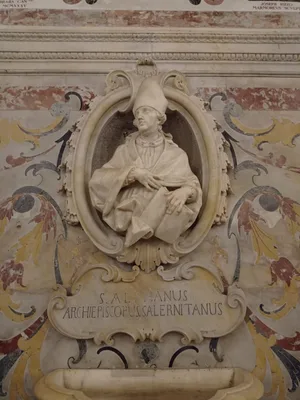
1471 NICOLAUS SALERNITANUS, (Nicolaus Praepostius) (1120 – )
Antidotarium. Add: Quid pro quo; Synonyma.
This work, which first circulated in manuscript in 1140, was the first formulary to be printed. It consists of 139 prescriptions and includes the original formula for the “anesthetic sponge” (spongia somnifera), the e…
GMN 1789 · https://historyofmedicine.com/id/1846
1472 RHAZES [MUHAMMAD IBN ZAKARIYĀ AL-RĀZĪ (PERSIAN: محمد زکریای رازی ] (854 – 925); FERRARI DA GRADI, Giovanni Matteo [Ferrarius, Johannes Matthaeus, de Gradibus, de Grado] (1392 – 1472)
Opera medica, sive Practica cum textu noni ad Almansorem.
A commentary on Rhazes with notes and additions. For bibliographical and other details regarding this, the first large medical book to be printed, see the essay by Arnold C. Klebs in: Essays on the history of medicine…
GMN 2192 · https://historyofmedicine.com/id/1389
1472 ABANO, Pietro d' [Petrus de Abano] (1257 – 1316)
Conciliator differentiarum philosophorum et medicorum. Add: De venenis.
Includes the first printed book on toxicology; one of the more elegantly printed of medical incunabula, printed in folio format. For an English translation, see Ann. med. Hist., 1924, 6, 26-53. ISTC No. ip00431000. Di…
GMN 2070 · https://historyofmedicine.com/id/2492
1473 SIMON GENUENSIS, (Simon a Cordo; Simon Januensis; Simon of Genoa) (1250 – )
Synonyma medicinae, seu clavis sanationis.
The first printed medical dictionary. It was originally published at Ferrara, 1471-2?, of which the only recorded copy is a fragment of 21 leaves in the Bodleian Library. ISTC No. is00526000. “The great work of Simon …
GMN 6788 · https://historyofmedicine.com/id/8426
1474 SALICETO, Guglielmo da [WILLIAM OF SALICETO] (1210 – 1277)
La ciroxia vulgarmente fata.
Saliceto was Professor of Surgery at Bologna about 1268; his treatise on surgery, written about 1275, was the leading work on the subject in the 13th century. William broke with tradition by claiming that pus formatio…
GMN 5552 · https://historyofmedicine.com/id/6859
1474 GRASSI, Benevenuto [Benevenutus Grassus] (1100 – )
De oculis eorumque egritudinibus et curis.
The earliest printed book on ophthalmology. Grassi was the most celebrated ophthalmic surgeon of the Middle Ages. English translation by Casey A. Wood, 1929. ISTC No. ig00352000.
GMN 5816 · https://historyofmedicine.com/id/7017
1474 SILVATICUS, Matthaeus [Mattheus Sylvaticus; Matteo Silvatico] (1280 – 1342)
Liber pandectarum medicinae.
An encyclopedia of medicines, mostly derived from plants, completed about the year 1317. The medicines are arranged in alphabetical order. Two printed editions were issued in 1474. The first, issued in Naples, appeare…
GMN 7151 · https://historyofmedicine.com/id/9318
1475 DONDI, Jacopo de' [Jacopo Dondi dell'Orologio] (1290 – 1359)
Aggregator, sive de medicinis simplicibus.
First printed edition of an encyclopedic dictionary of medicine, containing a large number of medical recipes based upon Greek and Arabic sources. Dondi completed the work in 1355. Manuscripts of his text are preserve…
GMN 6789 · https://historyofmedicine.com/id/8428
1476 SALICETO, Guglielmo da [WILLIAM OF SALICETO] (1210 – 1277)
Summa conservationis et curationis. Chirurgia.
Contains (Cap. cxl) his classic account of renal edema: De duritie in renibus, an English translation of which is in Major, Classic descriptions of disease, 3rd ed., 1945, p. 527. ISTC no. is00032000.
GMN 4204 · https://historyofmedicine.com/id/6214
c. 1477 –c. 1483 ARNALD OF VILLANOVA, (Arnaldus de Villa Nova; Arnau de Vilanova; Arnaldus Villanovanus; Arnaud de Ville-Neuve; Arnaldo de Villanueva) (1240 – 1311)
Regimen sanitatis Salernitanum (With commentary by [Pseudo-Arnoldus de Villa Nova]). Add: Arnoldus de Villa Nova: Regimen sanitatis ad regem Aragonum.
Probably originating about 1160, the Regimen sanitatis from the medical school at Salerno (where medicine was first treated as a separate science) had greater popular influence than virtually any other medieval medica…
GMN 1959.3 · https://historyofmedicine.com/id/8802
1478 MONDINO DE LUZZI, [MUNDINUS] (1270 – 1326)
Anatomia.
First dated printed edition of the first medieval book devoted solely to anatomy, written by Mondino for his students in 1316. An earlier, but undated edition, of which only 3 copies are recorded, appeared in Padua ab…
GMN 361 · https://historyofmedicine.com/id/316
1480 D'ARGELATA, Pietro (Petrus de Argellata) ( – 1423); MORETUS, Matthaeus
Chirurgia. Edited by Matthaeus Moretus.
Argelata was a pupil of Guy de Chauliac, and professor at Bologna. He is supposed to have done the autopsy on Pope Alexander V, who died suddenly on May 3, 1410. ISTC No. ia00951000. Digital facsimile from U.S. Nation…
GMN 12984 · https://historyofmedicine.com/id/15232
c. 1481 –c. 1482 APULEIUS PLATONICUS, (Pseudo-Apuleius) (350 – )
Herbarium Apulei.
The first printed herbal with illustrations was an illustrated edition of the Herbarium Apulei by Apuleius Platonicus or Pseudo-Apuleius, originally compiled circa 400 CE or earlier, and issued in Rome by the printer …
GMN 6811 · https://historyofmedicine.com/id/8974
1483 HIPPOCRATES, [Ἱπποκράτης; Hippocrates of Kos] (-460 – -370); GENTILI DA FOLIGNO, Gentile (Gentilis Fulginas; Gentilis de Flugineo) ( – 1348); ARGILAGNES, Franciscus (1450 – )
De divisione librorum Galeni IN: Articella seu Opus artis medicinae.
Considering the central importance of Galen's writings in medicine from the time he wrote well through the sixteenth and even the seventeenth century, and the need for physicians to make sense of such a large number o…
GMN 6813 · https://historyofmedicine.com/id/8976
1483 GENTILI DA FOLIGNO, Gentile (Gentilis Fulginas; Gentilis de Flugineo) ( – 1348); GILLES DE CORBEIL, (Egidius de Corbolio; Egidius Corboliensis; Aegidius) (1140 – 1215); MUTIUS, Venantius, of Camerino
De urinis by Gilles de Corbeil, with commentary by Gentilis de Fulgineo. Edited by Venantius Mutius.
Gilles de Corbeil's medical poem De urinis was based on writings by Theophilus Protospatharius by way of the Articella. Poems such as this were intended as mnemonic aids for students, and they tended to be widely used…
GMN 8341 · https://historyofmedicine.com/id/10517
1485 SAVONAROLA, Giovanni Michele (1385 – 1468)
De balneis et thermis naturalibus omnibus Italiae.
The second printed book on balneology. Savonarola took a skeptical approach to the subject, relying on his own observations and rejecting the notion that baths owed their virtues to occult or supernatural properties. …
GMN 14113 · https://historyofmedicine.com/id/16424
1486 RHAZES [MUHAMMAD IBN ZAKARIYĀ AL-RĀZĪ (PERSIAN: محمد زکریای رازی ] (854 – 925); FERAGIUS SALERNITANUS; BUGATUS, Joannes
Rhazes: Liber Elhavi sive Ars medicinae. Translated by Feragius Salernitanus. Edited by Joannes Bugatus.
The Al-Hawi, or Continens, a great encyclopedia of medicine. The above first Latin translation by Feragius Salernitanus is the largest and heaviest of the medical incunabula. The original manuscript was in Arabic. IST…
GMN 40 · https://historyofmedicine.com/id/8762
1487 ISAAC JUDAEUS [ABU YA'QUB ISHAQ IBN SULAIMAN AL ISRA’ILI’], (Isaac Israeli ben Solomon) (832 – 932)
De particularibus diaetis.
The first separately printed treatise on diet was written by the Egyptian-Jewish physician and philosopher Isaac Judaeus who lived from about 832 to 932 CE. He was also known as Isaac Israeli ben Solomon and Abu Ya'qu…
GMN 1961 · https://historyofmedicine.com/id/8805
1490 AVENZOAR [IBN ZUHR (ARABIC: ابن زهر ] (1092 – 1162); AVERROËS [IBN RUSHD (ARABIC: ابن رشد), FULL NAME ʾABŪ L-WALĪD MUḤAMMAD IBN ʾAḤMAD IBN RUŠD] (1126 – 1198); PARAVICIUS, [Paravicinus, Patavinus] (1250 – ); JACOBUS HEBRAEUS (1250 – )
Liber Teisir, sive rectificatio medicationis et regiminis. Antidotarium. Translated from Arabic into Hebrew by Jacobus Hebraeus; into Latin by Paravicius. Add: Averroes: Colliget.
This is a Latin translation from a Hebrew version dating from 1280. Avenzoar, the greatest Muslim physician of the Western Caliphate, described the itch-mite, Sarcoptes scabiei, serous pericarditis, mediastinal absces…
GMN 47 · https://historyofmedicine.com/id/8768
1492 ARDOINI, Sante (Arduino, Arduini, Ardoynis) (1390 – ); CANALI, Dominicus de
De venenis. Ed: Dominicus de Canali.
Compiled in the years, 1424-1426, from Greek, Arabic and Latin works on medicine and nature. "Although Ardoini quotes previous authors at great length, his work is no mere compilation, since he does not hesitate to di…
GMN 7791 · https://historyofmedicine.com/id/9963
1493 RHAZES [MUHAMMAD IBN ZAKARIYĀ AL-RĀZĪ (PERSIAN: محمد زکریای رازی ] (854 – 925); ARCOLANI, Giovanni [Arculanus] (1390 – 1460); SURIANUS, Hieronymus (Girolamo Suriano) ( – 1522); SANSEVERINUS, Elyanorus
Practica. IN: Liber nonus ad Almansorem (cum expositione Joannis Arculani). Ed: Hieronymus Surianus and Elyanorus Sanseverinus.
Arcolani's Practica, published in this edition of Rhazes with Arcolani's commentary, includes the first documentation for the use of gold for filling diseased teeth. There are also several chapters on diseases of the …
GMN 3666.84 · https://historyofmedicine.com/id/5385
1497 GALEN, [Κλαύδιος Γαληνός; Galen of Pergamon] (129 – 216); ALEXANDER OF TRALLES [ἈΛΈΞΑΝΔΡΟΣ Ὁ ΤΡΑΛΛΙΑΝΌΣ; ALEXANDER TRALLIANUS] (525 – 605); PLATEARIUS, Matthaeus (1130 – 1180); SERAPION, Johannes (Yahya ibn Sarafyun) The Elder (850 – ); SERAPION THE YOUNGER (1150 – 1250); SIMON GENUENSIS, (Simon a Cordo; Simon Januensis; Simon of Genoa) (1250 – ); ABRAHAM TORTUOSIENSIS, [Abraham Judeus of Tortosa, Abraham ben Schem Tob]; PLATEARIUS, Johannes (1050 – 1120)
Breviarium medicinae. Tr: Gerardus Cremonensis. Add: Serapion the Younger: In medicinis simplicibus. Tr: Simon a Cordo Januensis and Abraham Judaeus Tortuosiensis. Galenus: De virtute centaureae; Johannes Platearius: Practica brevis; Matthaeus Platearius: De simplici medicina "Circa instans".
Serapion the Elder and Serapion the Younger were Syrian Christians who wrote in Arabic. Breviarum medicinae was an abridgement of the opinions of the Greek and Arabic physicians concerning diseases and their treatment…
GMN 1790 · https://historyofmedicine.com/id/1872
1498 GUY DE CHAULIAC, (Guido de Cauliaco) (1298 – 1368); ROGER OF SALERNO, (Rogerius Salernitanus, Frugard, Frugardi, Roggerio Frugardo, Rüdiger Frutgard, Roger of Parma) (1140 – 1195); LANFRANC OF MILAN, Guido [Lanfranchi, Lanfranco, Lanfrancus Mediolanensis] (1250 – 1306); BERTAPAGLIA, Leonardo (1380 – 1463); BRUNO DA LONGOBURGO (1200 – 1286); CASTELLI, Bonaventura (Bonaventura de Castello) (1300 – 1353); ROLANDO DA PARMA, (Rolandus Parmensis) (1220 – )
Chirurgia. Add: Brunus Longoburgensis: Chirurgia magna et minor; Bonaventura de Castello: Recepta aquae balnei de Porrecta; Theodoricus Cerviensis: Chirurgia; Rolandus: Libellus de chirurgia; Lanfrancus Mediolanensis: Chirurgia; Rogerius: Practica; Leonardus Bertapalia: Recollectae super quarto libro Avicennae.
This late 15th century edition of the surgery of Guy de Chauliac also contained the first printed editions of various lesser-known medieval surgeries such as those by Bruno da Longoburgo and Leonardo Bertapaglia. It a…
GMN 12925 · https://historyofmedicine.com/id/15172
1509 PLINIUS SECUNDUS, Gaius [Pliny the Elder] (23 – 79); PSEUDO-PLINY ( – 350)
Medicinae Pliniae libri quinque finiunt foeliciter.
The Medicina Plinii was an anonymous compilation of remedies dating to the early 4th century CE ."The excerptor, saying that he speaks from experience, offers the work as a compact resource for travelers in dealing wi…
GMN 8445 · https://historyofmedicine.com/id/10622
1510 BRUNO DA LONGOBURGO (1200 – 1286)
La cyrogia di Miastro Bruno: Expertissimo in quella. Tradutta in vulgare.
Bruno da Longoburgo studied surgery in Bologna or possibly Padua, and practiced in the latter city, where he helped found the University of Padua. His Chirurgia magna, completed in 1252, antedates those of Lanfranch, …
GMN 11034 · https://historyofmedicine.com/id/13230
1520 –1522 AVICENNA, [Abū ʿAlī al-Ḥusayn ibn ʿAbd Allāh ibn Al-Hasan ibn Ali ibn Sīnā] (980 – 1037); AVENZOAR [IBN ZUHR (ARABIC: ابن زهر ] (1092 – 1162); AVERROËS [IBN RUSHD (ARABIC: ابن رشد), FULL NAME ʾABŪ L-WALĪD MUḤAMMAD IBN ʾAḤMAD IBN RUŠD] (1126 – 1198); ARNALD OF VILLANOVA, (Arnaldus de Villa Nova; Arnau de Vilanova; Arnaldus Villanovanus; Arnaud de Ville-Neuve; Arnaldo de Villanueva) (1240 – 1311); GENTILI DA FOLIGNO, Gentile (Gentilis Fulginas; Gentilis de Flugineo) ( – 1348); DESPARS, Jacques (Jacobus Partibus) (1380 – 1458)
[Vol. 1:] Primus Avi. Canon. Avicenna, medicorum principis, Canonum liber (translatus a Gerardo Cremonensi), una cum lucidissima Gentilis Fulgi. expositione, qui merito is Speculator appellatus, additis annotationibus omnium auctoritatum and priscorum and recentiorum auctorum (edente Barthomomeo Tantuccio) .... - [Vol. 2:] Secundus Canon Avic., Cum exquisitissima Gentilis Fulg. expositione. Demum Plinii auctoritates, secundum annotata capita in de Simplicibus nuperrime addite. - [Vol.3:] Tertius Can. Avic., Cum amplissima Gentilis Fulgi. expositione. Demum commentaria nuper addita, videlicet Jacobi de Partibus super "Fen" VI and XIIII. Item Jo. Matthei de Gradi super "Fen" XXII, quia Gentilis in eis defecit. - [Vol. 4:]: Secunda pars Gentilis super tertio Avic. Cum supplementis Jacobi de Partibus, Parisiensis, ac Joannis Matthei de Gradi, Mediolanensis, ubi Gentilis vel breviter vel tacite pertransivit. - [Vol.5:] Quartus Canon Avicenna, cum preclara Gentilis Fulginatis exhibits. Thadei item Florentini expositio super secunda "Fen" ejusdem. Gentilis Florentini iterum super duos primos tractatus quinte "Fen". Quintus etiam Canon, cum ejusdem Gentilis Fulginatis lucidissima exhibits. Canticorum liber, cum commento Averroys, translatus ex arabico a magistro Armegando Blasii, Libellus de Viribus cordis translatus ab Arnaldo de Villanova). Omnia accuratissime revisa atque castigata ....
The commentary by Gentile da Foligno upon Avicenna's Canon was among the most influential medical texts of the Later Middle Ages. See Roger K. French, Canonical medicine: Gentile da Foligno and scholasticism (Leiden: …
GMN 8344 · https://historyofmedicine.com/id/10520
1526 GARIOPONTO, [Guarimpoto, Guaripoto, Guarimpot, Warimbod, Gariopontus]
Passionarius Galeni (Galeni Pergamini passionarius) a doctis medicis multum desideratus; ægritudines a capite ad pedes usque complectens; in quinque libros particulares divisus, una cum febrium tractatu eorumque sintomatibus. Lege igitur, et in tibi mens hebes fuerit, eundem Galeni et non alterius, ut falso quidam credunt, esse perpendes.
Regarding Garioponto or Gariopontus see Florence Eliza Glaze, "Galen refashioned: Gariopontus in the Later Middle Ages and Reniassance," Textual healing: Essays on Medieval and early modern medicine, edited by Elizabe…
GMN 11910 · https://historyofmedicine.com/id/14115
1527 AVICENNA, [Abū ʿAlī al-Ḥusayn ibn ʿAbd Allāh ibn Al-Hasan ibn Ali ibn Sīnā] (980 – 1037); ALPAGO, Andrea [Andreas Alpagus Bellunensis] (1450 – 1521)
Avicenne liber canonis medicinae. Cum castigationibus Andree Bellunensis.
Revised and improved text of the Canon and other works of Avicenna by Andrea Alpago of Belluno, who had acquired a deep understanding of both the language and the subject during his thirty years of service as physicia…
GMN 7202 · https://historyofmedicine.com/id/9369
1531 GARIOPONTO, [Guarimpoto, Guaripoto, Guarimpot, Warimbod, Gariopontus]
Garioponti Vetusti admodum medici ad totius corporis aegritudines remediorum praxeōn libri V. Eiusdem de febribus, atque earum symptomatis libri ii. Recens typis commissi, & multis in locis suae integritati restituti.
Digital facsimile from Bayerische StaatsBibliothek at this link.
GMN 8967 · https://historyofmedicine.com/id/11146
1536 CONSTANTINE THE AFRICAN (CONSTANTINUS AFRICANUS) (1015 – 1087); PETRUS HISPANUS, Pope John XXI (Pedro Hispano; Peter of Spain) (1226 – 1277); ISAAC JUDAEUS [ABU YA'QUB ISHAQ IBN SULAIMAN AL ISRA’ILI’], (Isaac Israeli ben Solomon) (832 – 932); TURINI, Andrea (Andreas Turinus) (1473 – 1543)
Omnia opera Ysaac in hoc volumini contenta: cum quibusdam alijs opusculis: Liber de definitionibus. Liber de elementis. Liber dietaru[m] vniversalium: cum co[m]me[n]to Petri Hispani. Liber dietarum particularium ... Liber de vrinis cum commento eiusdem. Liber de febribus. Pantechni decem libri theorices: et decem practices: cum tractatu de gradibus medicinarum Constantini. Viaticum Ysaac quod constantinus sibi attribuit. Liber de oculis Constantini. Liber des stomacho Constantini. Liber virtutum de simplici medicina Constantini. Compendium megatechni Galeni a Constantino compositum ; Cum tabula [et] repertorio omnium operum et questionum in co[m]mentis contentarum. Edited by Andreas Turinus.
Constantine was a Muslim from North Africa who converted to Christianity. His writings were first published with those of Isaac Judaeus in the above edition which includes many separate texts. Many of the writings of …
GMN 46 · https://historyofmedicine.com/id/8767
1544 TROTA OF SALERNO, (Trotula) (1150 – )
Experimentarius medicinae. Continens Trotulae curandarum aegriudinum muliebrium ante, in & post partium lib. unicum, nusquam antea editum…[Georg Kraut]
First printed edition of the gynecological writings attributed to the woman physician, Trota, who is frequently called Trotula after the name of the collection of works with whom she is associated. Trota is said to ha…
GMN 6009.1 · https://historyofmedicine.com/id/7186
1645 SEVERINO, Marco Aurelio [SEVERINUS] (1580 – 1656); COPHO OF SALERNO (1150 – )
Zootomia Democritaea: Id est, anatome generalis totius animantium opificii....
One of the most important of the early works on comparative anatomy. It includes the Anatomia porci, attributed to Copho of Salerno. Severinus dissected many animals and was convinced that the microscope would throw l…
GMN 289 · https://historyofmedicine.com/id/8830
1852 –1859 DAREMBERG, Charles Victor (1817 – 1872); RENZI, Salvatore de (1801 – 1871); HENSCHEL, August Wilhelm Eduard Theodor (1790 – 1856)
Collectio Salernitana: Ossia documenti inediti, e trattati di medicina appartenenti alla scuola medica Salernitana, raccolti ed illustrati da G.E.T Henschel, C. Daremberg, E.S. deRenzi; premessa la storia della scuola e publicati a cura di Salvatore de Renzi. 5 vols.
The School of Medicine at Salerno dispelled the stagnation of medicine which had persisted throughout the early Middle Ages. Its masters were the first medieval physicians to cultivate medicine as an independent scien…
GMN 49 · https://historyofmedicine.com/id/47
1854 ROGER OF SALERNO, (Rogerius Salernitanus, Frugard, Frugardi, Roggerio Frugardo, Rüdiger Frutgard, Roger of Parma) (1140 – 1195); DAREMBERG, Charles Victor (1817 – 1872)
Glossulae quatuor magistrorum super chirurgiam Rogerii et Rolandi nunc primum ad fidem codicis Mazarinei edidit
In Roger of Salerno's Practica chirurgiae, which appeared about 1180, end-to-end suture is described, as is the value of mercurial inunction in chronic skin diseases; in his recommendation of seaweed for the treatment…
GMN 5551 · https://historyofmedicine.com/id/6850
1857 RENZI, Salvatore de (1801 – 1871)
Storia documentata della scuola medica di Salerno. 2nd. ed.
An account of the School was provided by P.O. Kristeller in Bull. Hist. Med., 1945, 17, 138-94. Digital facsimile from the Internet Archive at this link.
GMN 6518 · https://historyofmedicine.com/id/8088
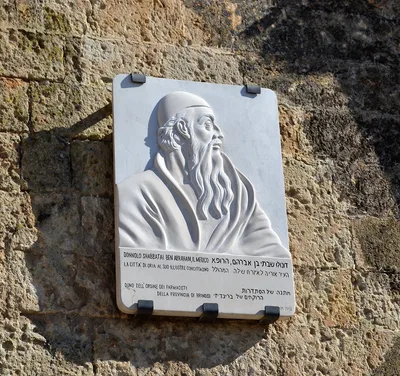
1868 STEINSCHNEIDER, Moritz (1816 – 1907); CONSTANTINE THE AFRICAN (CONSTANTINUS AFRICANUS) (1015 – 1087); DONNOLO, Shabbethai (913 – 982)
Donnolo. Pharmakologische Fragmente aus dem zehnten Jahrhundert, nebst Beiträgen zur Literatur der Salternitaner hauptsächlich nach handschriftlichen hebräischen Quellen. (Sonderabdruck in 50 Expl. aus d, "Archiv f. patholog. Anatomie u.s.w. "herausg. von Rud. Virchow, Bd. 38-42). Als Beilagen: Constantinus Africanus und seine arabischen Quellen (aus demselben Archiv, Bd. 37)., Donnolo, Fragment des ältesten medicinischen Werkes in hebräischer Sprache, zum ersten Mal herausgegeben von M. Steinschneider.
GMN 9020 · https://historyofmedicine.com/id/11199
1877 ANTHIMUS, (Ἄνθιμος) (500 – 550); ROSE, Valentin (1829 – 1916)
De observatione ciborum epistula ad Theudericum Regem Francorum. Iterum edidit Valentinus Rose.
De observatione ciborum ("On the Observance of Foods") by Anthimus, a Byzantine physician at the court of the Ostrogoth king Theodoric, concerns foods and their preparations as well as the use of foods for selected ai…
GMN 7118 · https://historyofmedicine.com/id/9285
1894 LANFRANC OF MILAN, Guido [Lanfranchi, Lanfranco, Lanfrancus Mediolanensis] (1250 – 1306); FLEISCHHACKER, Robert von (1855 – 1937)
Lanfrank's "Science of Cirurgie." Edited from the Bodeian Ashmole MS. 1396 (ab. 1380 A.D.) and the British Museum Additional MS. 12, 056 (ab. 1420 A.D.) by Robert v. Fleischhacker.
Digital facsimile from the Internet Archive at this link.
GMN 8939 · https://historyofmedicine.com/id/11117
1898 SALICETO, Guglielmo da [WILLIAM OF SALICETO] (1210 – 1277); PIFTEAU, Paul
Chirugie de Guillaume de Salicet achevée en 1275. Traduction et commentaire par Paul Pifteau.
Original edition limited to 200 copies. Digital facsimile from Google Books at this link.
GMN 12617 · https://historyofmedicine.com/id/14857
1899 FERRARI DA GRADI, Giovanni Matteo [Ferrarius, Johannes Matthaeus, de Gradibus, de Grado] (1392 – 1472); FERRARI, Henri-Maxime (1873 – 1901)
Une chaire de médecine au XVe siècle. Un professeur à l'Université de Pavie de 1432 à 1472 avec un fac-simile d'autographe et cinq gravures
Biography, case records, and annotated list of Ferrari da Gradi's library. Digital facsimile from the Internet Archive at this link.
GMN 13420 · https://historyofmedicine.com/id/15692
1901 GIACOSA, Piero (1853 – 1928); GABOTTO, Ferdinando Maria (1866 – 1918)
Magistri salernitani nondum editi. Catalogo ragionato della Esposizione di storia della medicina aperta in Torino nel 1898. By Piero Giacosa, with the assistance of Ferdinando Gabotto. 2 vols.
Reproduction of some of the texts produced at the School of Salerno. In all, it is believed that the total output from the School numbered 100 texts, including the famous poem Regimen Sanitatis Salernitanum, or Flos M…
GMN 50 · https://historyofmedicine.com/id/8770
1920 HARINGTON, Sir John (1560 – 1612); PACKARD, Francis Randolph (1870 – 1950); GARRISON, Fielding Hudson (1870 – 1935)
The school of Salernum. Regimen sanitatis Salernitanum, the English version by Sir John Harrington. History of the School of Salernum by Francis R. Packard and a note on the prehistory of the Regimen Sanitatis by Fielding H. Garrison.
Digital facsimile from the Internet Archive at this link.
GMN 51 · https://historyofmedicine.com/id/48
1923 CAPPARONI, Pietro (1868 – 1947)
"Magistri Salernitani nondum cogniti": A contribution to the history of the Medical School of Salerno. By Pietro Capparoni. With a foreward by D'Arcy Power. (Wellcome Historical medical Museum. Research Studies in Medical History No. 2).
Physicans from the medical school at Salerno who were unknown to de Renzi (No. 6518). Digital facsimile from the Internet Archive at this link.
GMN 8552 · https://historyofmedicine.com/id/10729
1926 MONDINO DE LUZZI, [MUNDINUS] (1270 – 1326); WICKERSHEIMER, Charles Adolphe Ernest (1880 – 1965); GUIDO DA VIGEVANO, (Guido da Pavia) (1280 – 1349)
Anatomies de Mondino dei Luzzi et de Guido de Vigevano. Par Ernest Wickersheimer.
Facsimile of the 1478 edition of Mondino's Anothomia along with the text and 18 plates from Guido de Vigevano's (fl. 14th century) Anathomia. Vigevano's manuscript, completed in 1345, is MS. 569 in the Musée Condé at …
GMN 8362 · https://historyofmedicine.com/id/10538
1936 CAPPARONI, Pietro (1868 – 1947); ALFANUS I, (Alfano I) ( – 1085)
Il "Tractatus de pulsibus," di Alfano Io arcivescovo di Salerno, sec. xi: Trascrizione del codice 1024 della biblioteca dell'Arsenale di Parigi (da carta 16 v. a carta 18 r). Annotazioni e commento con tavoli di riproduzione del testo [di] Pietro Capparoni.
Alfanus I or Alfano I, a physician before he became archbishop, was one of the earliest doctors of the Schola Medica Salernitana. He was Archbishop of Salerno from 1058 to his death. He was famed as a translator, writ…
GMN 8551 · https://historyofmedicine.com/id/10728
1945 THORNDIKE, Lynn (1882 – 1965); RUFINUS (1250 – )
The herbal of Rufinus. Edited from the unique manuscript by Lynn Thorndike, assisted by Francis S. Benjamin, Jr.
First printed edition of an herbal written circa 1287 by Rufinus, a medieval monk / physician unknown before this edition. Rufinus was titular abbot in absentia of the monastery of Tyre, and plenipotentiary to the arc…
GMN 12618 · https://historyofmedicine.com/id/14858
1955 –1960 BORGOGNONI, Theodoric (Theodoric of Lucca) (1205 – 1298); CAMPBELL, Eldridge (1901 – 1956); COLTON, James B.
The surgery of Theodoric ca. 1267. Translated from the Latin by Eldridge Campbell and James Colton. 2 vols.
Theodoric, a Dominican friar, was a pupil of Hugh of Lucca (circa 1160-1257), whose teachings are reflected in his writings. Allbutt considered Theodoric to be one of the most original surgeons of all time. Borgognoni…
GMN 5551.1 · https://historyofmedicine.com/id/6857
1959 KAUFFMANN, Claus Michael (1931 – ); PETER OF EBOLI, (Petrus de Ebulo) ( – 1220)
The baths of Pozzuoli. A study of the medieval illuminations of Peter of Eboli's poem
GMN 12603 · https://historyofmedicine.com/id/14843
1960 MALATO, Marco T.; ALICANDRI-CIUFELLI, Concezio
Lo "Speculum hominis": Poema anonimo di etimologia medica del secolo XIII. Edited by Marco T. Malato and Concezio Alicandri-Ciufelli.
GMN 9442 · https://historyofmedicine.com/id/11625
1962 PETER OF EBOLI, (Petrus de Ebulo) ( – 1220); LATTANZI, Angela Daneu (1901 – 1985)
Nomina et virtutes balneorum; seu de balneis Puteolorum et Baiarum. Codex angelico 1474. Facsimile edition, introduction by Angela Daneu Lattanzi.
Written about in the early 13th century by the poet, chronicler and physician Peter of Eboli, the didactic poem, De balneis Putelolanis (The baths of Pozzuoli) was the first widely distributed medieval guidebook to me…
GMN 6984 · https://historyofmedicine.com/id/9150

![SALICETO, Guglielmo da [WILLIAM OF SALICETO] (1210 – 1277)](/media/portraits/6798)
![HIPPOCRATES, [Ἱπποκράτης; Hippocrates of Kos] (-460 – -370)](/media/portraits/50)
![GALEN, [Κλαύδιος Γαληνός; Galen of Pergamon] (129 – 216)](/media/portraits/21)
![AVICENNA, [Abū ʿAlī al-Ḥusayn ibn ʿAbd Allāh ibn Al-Hasan ibn Ali ibn Sīnā] (980 – 1037)](/media/portraits/9572)