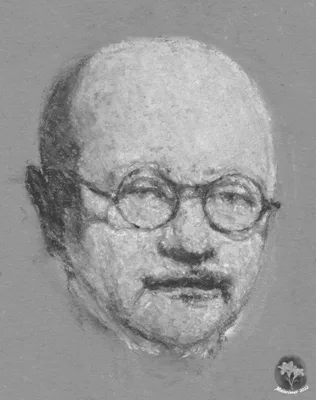
1601 L'ÉCLUSE (L'ESCLUSE), Charles de (Carolus Clusius) (1526 – 1609)
Rariorum plantarum historia.
Describing approximately 100 new species, the Rariorum plantarum historia gathers accounts from Clusius’s earlier botanical tours of Spain (Rariorum aliquot stirpium per Hispanias observatarum historia, 1576) and Aust…
GMN 13812 · https://historyofmedicine.com/id/16101
1675 STERBEECK, Francis van (1631 – 1693)
Theatrum fungorum oft het tooneel der Campernoelien. Waer inne vertoont wort de gedaente, ken-teeckens, natuere, crachten, voetsel, deught ende ondeught; mitsgaders het voorsichtigh schoonmaken ende bereyden van alderhande Fungien....
The first separate general work on fungi, describing edible and poisonous varieties. Digital facsimile from the Hathi Trust at this link.
GMN 12998 · https://historyofmedicine.com/id/15247
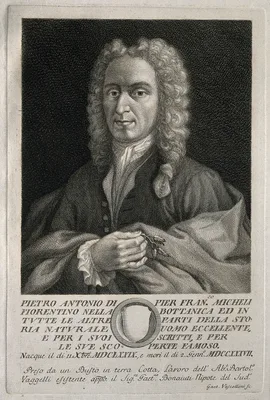
1729 MICHELI, Pier Antonio (1679 – 1737)
Nova plantarum genera iuxta Tournefortii methodum disposita.
Micheli provided descriptions of 1900 plants, including first published descriptions of about 1400. Among those were 900 fungi and lichens, accompanied by 73 plates. He included information on "the planting, origin an…
GMN 10170 · https://historyofmedicine.com/id/12359
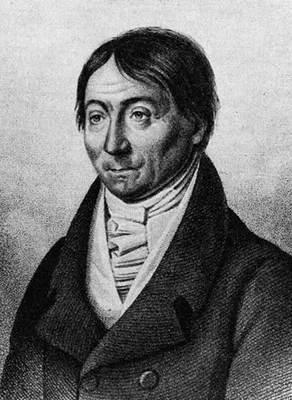
1809 LINK, Johann Heinrich Friedrich (1767 – 1851)
Observationes in Ordines plantarum naturales. Dissertatio prima complectens Anandrarum ordines Epiphytas, Mucedines, Gastromycos et Fungo.
Link described Polyangium, the first bacterium to be described that is still recognized today. Link also described Penicillium for the first time.
GMN 11403 · https://historyofmedicine.com/id/13602
1821 –1832 FRIES, Elias Magnus (1794 – 1878)
Systema mycologicum: Sistens fungorum ordines, genera et species, huc usque cognitas, quas ad normam methodi naturalis determinavit. 3 vols.
Fries's work represents the beginning of mycological nomenclature. Digital facsimile from Biodiversity Heritage Library at this link.
GMN 10167 · https://historyofmedicine.com/id/12356
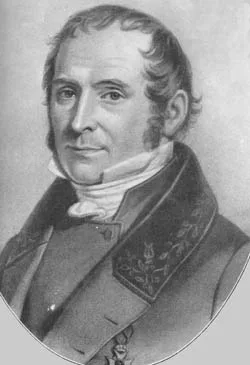
1821 ROQUES, Joseph R. (1772 – 1850)
Phytographie médicale, ornée de figures coloriées de grandeur naturelle, ou l’on expose l’histoire des poisons tirés du règne végétal, et les moyens de remédier a leurs effets délétères, avec des observations sur les propriétés et les usages des plantes héroïques. 2 vols.
Perhaps the most beautiful book on botanic poisons and their antidotes, including narcotics. Plates 1-15 cover mushrooms, and plate 175 depicts Cannabis sativa. With 180 plates printed in color à la poupée and finishe…
GMN 10647 · https://historyofmedicine.com/id/12840
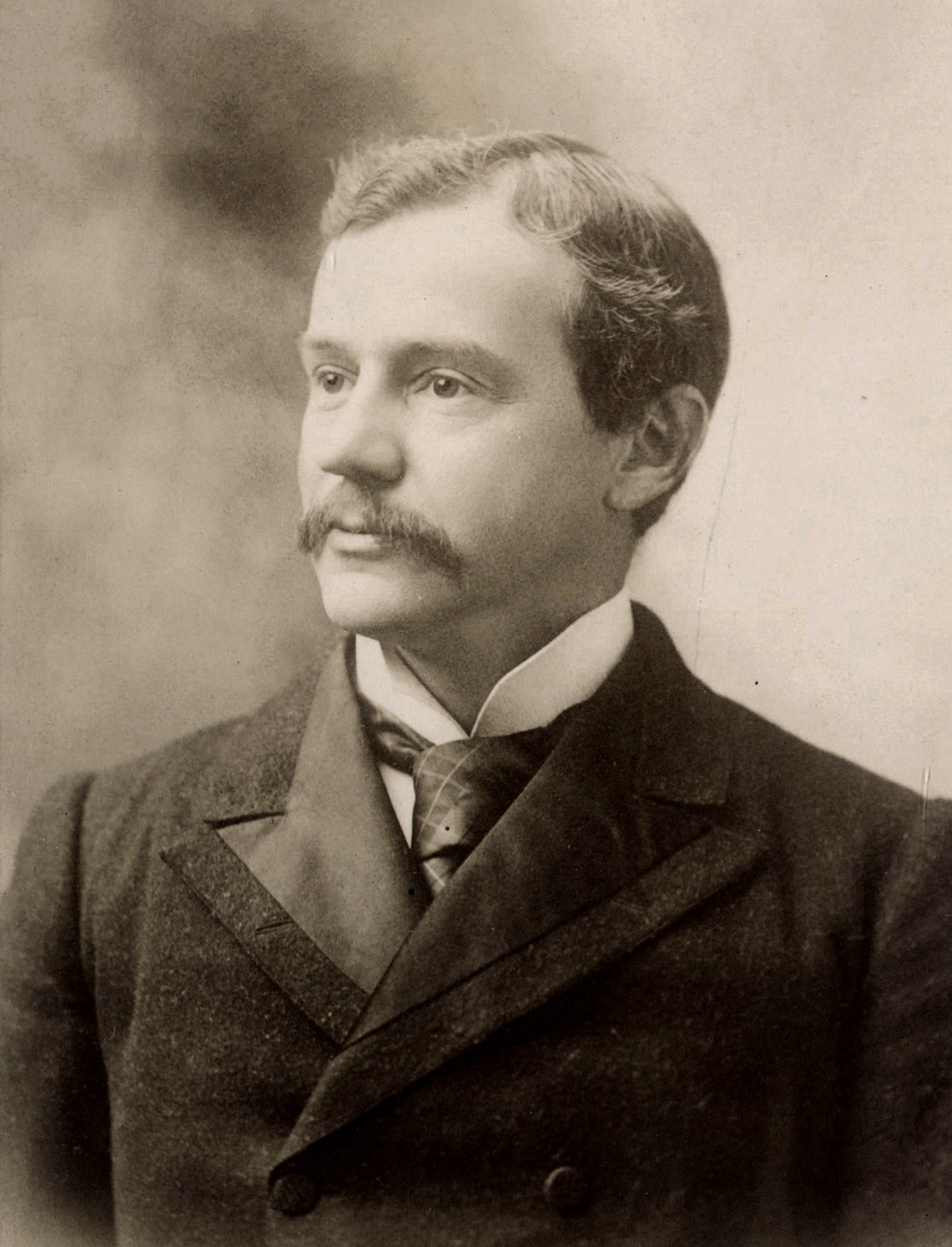
1854 PORCHER, Francis Peyre (1825 – 1895)
On the medicinal and toxicological properties of the cryptogamic plants of the United States.
Separate edition: New York: Baker, Godwin & Co, 1854. Digital facsimile from Google Books at this link.
GMN 10130 · https://historyofmedicine.com/id/12319
1924 KELLY, Howard Atwood (1858 – 1943); KRIEGER, Louis Charles Christopher (1873 – 1940)
Catalogue of the mycological library of Howard A. Kelly. Compiled by Louis C. C. Krieger.
The catalogue was prepared for Kelly by Louis Krieger, an eminent mycologist and botanical illustrator. Entries for this library were not numbered; however in his introduction Kelly stated that the library "herewith c…
GMN 11226 · https://historyofmedicine.com/id/13423
1949 SMITH, Alexander Hanchett (1904 – 1986)
Mushrooms in their natural habitats.
A distinctively published work illustrated stereoscopically with color View-Master slides, and incorporating the View-Master "reels" and a View-Master viewer in a box along with the conventional bound text.
GMN 11102 · https://historyofmedicine.com/id/13298
1958 WASSON, Robert Gordon (1898 – 1986); HEIM, Roger (1900 – 1979)
Les champignons hallucinogenes du Mexique. Études ethnologiques, taxinomiques, biologiques, physiologiques et chimiques.
GMN 12215 · https://historyofmedicine.com/id/14426
1968 WASSON, Robert Gordon (1898 – 1986)
Soma: Divine mushroom of immortality.
Ethnomycologist and banker Wasson provided evidence for the important role that hallucinogenic mushrooms - in particular the ubiquitous mushroom Amanita muscaria (fly agaric) - play in various ancient and modern cultu…
GMN 9848 · https://historyofmedicine.com/id/12036
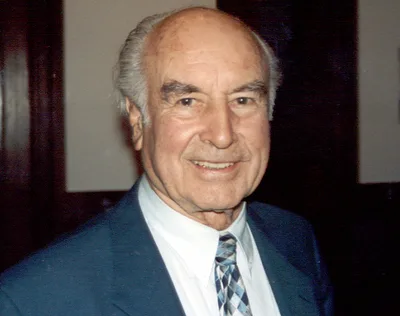
1978 HOFMANN, Albert (1906 – 2008); WASSON, Robert Gordon (1898 – 1986); RUCK, Carl A. P. (1935 – )
The road to Eleusis: Unveiling the secret of the mysteries.
Argues that the psycho-active ingredient in the secret kykeion potion used in the Eleusinian mysteries was most likely the ergotism causing fungus Claviceps purpurea. Furthermore the book introduced the term "entheoge…
GMN 10168 · https://historyofmedicine.com/id/12357
2006 VOLBRACHT, Christian (1945 – )
MykoLibri. Die Biliothek der Pilzbücher.
GMN 11772 · https://historyofmedicine.com/id/13973