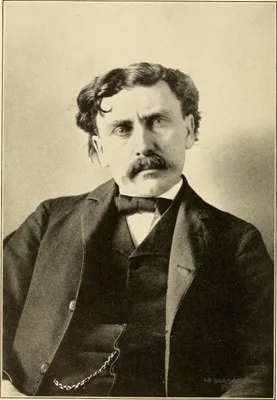
1533 PEDERSEN, Christiern (1480 – 1554)
En nyttelig laegebog for fattige og rige, unge og gamle.
Pedersen, a Danish canon, humanist scholar, writer, printer and publisher, wrote and published the earliest medical book issued in Scandanavia by a Scandanavian writer. Translated as "A useful doctor book for poor and…
GMN 9863 · https://historyofmedicine.com/id/12051
1534 PEDERSEN, Christiern (1480 – 1554)
Om UrteVand.
Petersen issued a second book, "On herbal extracts" in 1534. According to Stokker, Remedies and rituals: Folk medicine in Norway and the new land (2007) p. 111, Pedersen's two works together contained "250 medical her…
GMN 9864 · https://historyofmedicine.com/id/12052
1567 ARIAS DE BENEVIDES, Pedro (1505 – )
Secretos de chirurgia, en especial de la enfermedades de morbo-galico y lamparones, y asimismo la manera como se curan los indos las llgas y heridas, y otras pasiones en las Indias, muy útil y provechoso par España, y otros muchos secretos de chirugia hasta ahora no escritos.
Arias de Benevides travelled to the New World where he observed native remedies and reported them in this book. In the book he also described his performance in Mexico City (1561) of the first neurosurgical interventi…
GMN 9053 · https://historyofmedicine.com/id/11232
1578 LÓPEZ DE HINOJOSOS, Alonso (1535 – 1597)
Summa y recopilacion de cirugia, con un arte para sangrar, muy util y provechosa.
Second edition, Mexico, 1595: Summa y recopilacion de cirugia, con un arte para sangrar, y examen de barberos ... va añadido en esta segunda impresion el origen ... de las reumas. López de Hinojos was a barber-surge…
GMN 8023 · https://historyofmedicine.com/id/10199
1579 FARFAN, Agustin (1531 – 1604)
Tractado breve de anathomia y chirurgia.
Includes some of the first studies of the plants and botanic remedies of the New World. Second edition, Tractado breve de medicina (1592). This is an abridgement of manuscripts left in Mexico by Francisco Hernández. S…
GMN 1819.1 · https://historyofmedicine.com/id/2088
1615 HERNÁNDEZ DE TOLEDO, Francisco (1517 – 1587); XIMÉNEZ, Francisco (1560 – 1620)
Quatro libros. De la naturaleza, y virtudes de las plantas, y animales que estan receuidos en el vso de medicina en la Nueua España, y la methodo, y correccion, y preparacion, que para administrallas se requiere con lo que el doctor Francisco Hernandez escriuio en lengua latina. : Muy vtil para todo genero de gente q[ue] viue en esta[n]cias y pueblos, de no ay medicos, ni botica.Traduzido, y aumentados muchos simples, y compuestos y otros muchos secretos curatiuos, por Fr. Francisco Ximenes....
Physician to Philip II of Spain, Hernández travelled to Mexico by order of the king, and studied the natural history of the region from 1570-77. His Works, which filled six folio volumes of text and 10 volumes of pain…
GMN 1820.1 · https://historyofmedicine.com/id/2097
1648 PISO, Willem [Guillaume le Pois] (1611 – 1678); MARGGRAF, Georg (Marcgrave) (1610 – 1644)
Historia naturalis Brasiliae.
Piso's study of the natural history of Brazil was also a pioneer work on tropical medicine, and also the largest work from the standpoint of format published by the Elzeviers. The folio includes De medicina brasiliens…
GMN 2263.1 · https://historyofmedicine.com/id/2828
1670 RAY, John (1628 – 1705)
Catalogus plantarum Angliae, et insularum adjacentium: tum indigenas, tum in agris passim cultas complectens.
Includes some ethnobotanical notes regarding medical remedies. Digital facsimile from Google Books at this link.
GMN 9286 · https://historyofmedicine.com/id/11468
1672 JOSSELYN, John (1630 – 1675)
New-Englands rarities discovered: in birds, beasts, fishes, serpents, and plants of that country. Together with the physical and chyrurgical remedies wherewith the natives constantly use to cure their distempers, wounds, and sores…
The first detailed account of the natural history and botany of North America, including the first extensive study of native North American medicine.
GMN 1826.1 · https://historyofmedicine.com/id/2138
1672 HUGHES, William ( – 1683)
The American physician : or, a treatise of the roots, plants, trees, shrubs, fruit, herbs, etc., growing in the English Plantations in America ; ... whereunto is added a discourse of the Cacao-nut-Tree, and the use of its fruit ; with all the ways of making Chocolate
The earliest work in English on the medicinal virtues of North American tropical plants. Based on first-hand observations made in the West Indies, Evidence suggests that Hughes began his career in 1651 with a privatee…
GMN 7007 · https://historyofmedicine.com/id/9173
1703 MARTIN, Martin ( – 1718)
A description of the Western Islands of Scotland.: Containing a full account of their situation, extent, soils, product, harbours, bays, tides, anchoring places, and fisheries. The ancient and modern government, religion and customs of the inhabitants, particularly of their druids, heathen temples, monasteries, churches, chappels, antiquities, monuments, forts, caves, and other curiosities of art and nature. Of their admirable and expeditious way of curing most diseases by simples of their own product. A particular account of the second sight, or faculty of forseeing things to come, by way of vision, so common among them. A brief hint of methods to improve trade in that country, both by sea and land. With a new map of the whole, describing the harbours, anchoring places, and dangerous rocks, for the benefit of sailers. To which is added a brief description of the Isles of Orkney, and Schetland.
Martin, who graduated MD from Leiden, included throughout his book detailed and non-judgmental documentation of folk medicine practices and ethnobotanic remedies then in use in the region. Digital facsimile of the 170…
GMN 8870 · https://historyofmedicine.com/id/11048
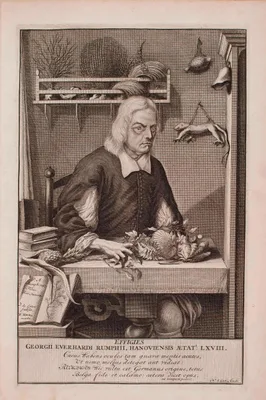
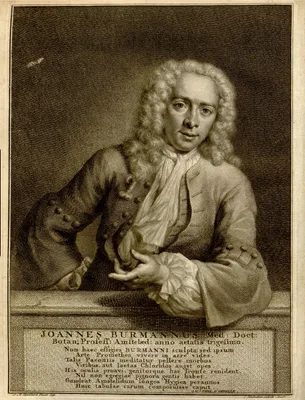
1741 –1750 RUMPHIUS, Georg Eberhard (1627 – 1702); BURMAN, Johannes (1707 – 1780)
Het Amboinsche Kruidboek . . . Herbarium Amboinense . . . nunc primum in lucem edidit & in Latinum semonem vertit Joannes Burmannus. 6 vols.
Het Amboinsche kruidboek or Herbarium Amboinense, a catalogue of the plants of Ambon in the Maluku Islands of Indonesia, by Georg Eberhard Rumphius, a German-born soldier and botanist employed by the Dutch East India …
GMN 6837 · https://historyofmedicine.com/id/9001
1746 SHORT, Thomas (1690 – 1772)
Medicina Britannica; or, a treatise on such physical plants as are generally to be found in the fields or gardens of Great-Britain: Containing a particular account of their nature, virtues, and uses. Together with the observations of the most learned physicians, as well ancient as modern, communicated to the late ingenious Mr. Ray, and the learned Dr. Sim. Pauli. Adapted more especially to the occasions of those, whose condition or situation of life deprives them, in a great measure, of the helps of the learned. To which are added, three indexes: The first containing the England and Latin names of the plants treated of: The second of the diseases, and their remedies: The third to the notes.
Short focused his book on the medical uses of plants readily available in England. Many of the plants recommended in the traditional herbal literature were difficult to find in England. Digital facsimile from the Biod…
GMN 8869 · https://historyofmedicine.com/id/11047
1751 BARTRAM, John (1699 – 1777)
Descriptions, virtues, and uses of sundry plants of these northern parts of America, and particularly of the newly discovered Indian cure for the venereal disease.
Bartram founded one of the first botanical gardens in America (at Kingsessing). Linnaeus referred to him as the “greatest natural botanist in the world”. A few copies of this 7-page work printed by Benjamin Franklin w…
GMN 1832 · https://historyofmedicine.com/id/2171
1763 STONE, Edward (1702 – 1768)
An account of the success of the bark of the willow in the cure of agues.
Stone, a vicar from Chipping Norton, Oxfordshire, discovered that the bark of the willow tree (active ingredient: salicylic acid) was effective in reducing a fever. This was the first report in the scientific literatu…
GMN 6970 · https://historyofmedicine.com/id/9135
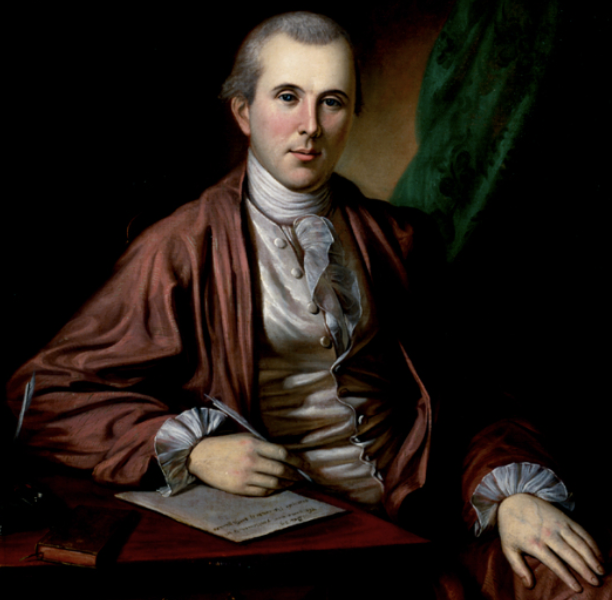
1774 RUSH, Benjamin (1745 – 1813)
An oration…containing an enquiry into the natural history of medicine among the Indians in North-America; and a comparative view of their diseases and remedies, with those of civilized nations.
Rush was the first American physician to publish a detailed study of native American medicine. Digital facsimile from the Medical Heritage Library, Internet Archive, at this link.
GMN 6451.90 · https://historyofmedicine.com/id/7588
1787 SCHOEPFF, Johann David (1752 – 1800)
Materia medica Americana, potissimum regni vegetabilis.
Schoepff came to America in 1777 as a surgeon with the Hessian troops employed by the British Forces. He returned to Germany in 1784 and compiled the first full American materia medica, describing about 400 plants, in…
GMN 1837 · https://historyofmedicine.com/id/2194
1801 STEARNS, Samuel (1741 – 1810)
The American herbal, or materia medica.
The first herbal both produced and printed in the United States, as opposed to those which were reprints of European works. Includes information on native American remedies. Digital facsimile from the Medical Heritage…
GMN 1838.2 · https://historyofmedicine.com/id/2218
1813 AINSLIE, Whitelaw (1767 – 1837)
Materia medica of Hindoostan, and artisan’s and agriculturist’s nomenclature.
The first book in English on the materia medica of India, and a pioneering work in the field of Indian medical history. Ainslie joined the British East India Company as an assistant surgeon in 1788 and spent the next …
GMN 6975 · https://historyofmedicine.com/id/9141
1817 –1820 BIGELOW, Jacob (1786 – 1879)
American medical botany, being a collection of the native medicinal plants of the United States, containing their botanical history and chemical analysis, and properties and uses in medicine, diet and the arts. 3 vols.
Bigelow was professor of materia medica and botany at Harvard. This work included native American remedies. It was the first book printed in the United States to include color plates printed in color. See R.J. Wolfe, …
GMN 1842 · https://historyofmedicine.com/id/2280
1822 THOMSON, Samuel (1769 – 1843)
New guide to health; or botanic family physician, containing a complete system of practice, upon a plan entirely new; with a description of the vegetables made use of, and directions for preparing and adminstering them to cure disease. To which is prefixed a narrative of the life and medical discoveries of the author.
The "Bible" of Thomsonism or "Thomsonian medicine", which employed botanical remedies, often based on native American medicines. Digital facsimile from the Medical Heritage Library, Internet Archive, at this link.
GMN 6988 · https://historyofmedicine.com/id/9154
1822 THOMSON, Samuel (1769 – 1843)
A narrative of the life and medical discoveries of Samuel Thomson: Containing an account of his system of practice, and the manner of curing disease with vegetable medicine, upon a plan entirely new; to which is added an introduction to his New Guide to Health, or Botanic Family Physician containing the principles upon which the system is founded, with remarks on fevers, steaming, poison &c.
Thomson issued this introductory work shortly before publication of his New Guide. Three issues appeared in 1822: one with 180 pages, another with 182 pages including testimonials, and a 204 page issue with the introd…
GMN 10751 · https://historyofmedicine.com/id/12947
1828 –1830 RAFINESQUE, Constantine Samuel (1783 – 1840)
Medical flora; or, manual of the medical botany of the United States of North America. Containing a selection of above 100 figures and descriptions of medical plants, with their names, qualities, properties, history &c; and notes or remarks on nearly 500 equivalent substitutes. 2 vols.
Rafinesque was a great botanist, conchologist, archaeologist, and economist. Born in a suburb of Istanbul, he was also a world citizen and a prolific writer with 939 works to his credit. He died in extreme poverty in …
GMN 1849 · https://historyofmedicine.com/id/2331
1847 GRIFFITH, Robert Eglesfeld (1798 – 1850)
Medical botany: or, Descriptions of the more important plants used in medicine, with their history, properties, and mode of administration.
The author intended to update and correct the earlier works on American materia medica by Barton, Bigelow and Rafinesque, and to make this information available at a reasonable price. Digital facsimile from the Biodiv…
GMN 8545 · https://historyofmedicine.com/id/10722
1860 POMPA, Gerónimo
Colección de medicamentos indigenas y sus aplicaciones, estraidos de los reinos vegetal, mineral y animal, recogidos y anotados por [...], segunda edición corregida y aumentada.
Digital facsimile of the 5th edition (1875) from the National Library of Medicine, Internet Archive at this link.
GMN 8971 · https://historyofmedicine.com/id/11150
1885 SMITH, Andrew (1828 – 1898)
A contribution to South African materia medica, chiefly from plants in use among the natives.
The first edition was a pamphlet of 23 pp. Smith issued a much-expanded second edition with 163 pp., also at Lovedale in 1888, and a further expanded third edition with 262 pp. (Cape Town, 1895). Digital facsimile of …
GMN 9500 · https://historyofmedicine.com/id/11685
1900 BARROWS, David Prescott (1873 – 1954)
The ethno-botany of the Coahuilla Indians.
"The ʔívil̃uqaletem (or Ivilyuqaletem) are Native Americans of the inland areas of southern California.[2] Their original territory included an area of about 2,400 square miles (6,200 km2). The traditional Cahuilla te…
GMN 9475 · https://historyofmedicine.com/id/11659
1909 BRYANT, Alfred T.
Zulu medicine and medicine-men.
Digital facsimile from the Internet Archive at this link.
GMN 8797 · https://historyofmedicine.com/id/10975
1911 CHAMBERLIN, Ralph Vary (1879 – 1967)
The ethno-botany of the Gosiute Indians of Utah.
Digital facsimile from the Internet Archive at this link.
GMN 9347 · https://historyofmedicine.com/id/11529
1913 ORTA, Garcia de [Garcia d'Orta] (1501 – 1568); BREYNER, Francesco Manuel de Melo, Conde de Ficalho (1837 – 1903); MARKHAM, Sir Robert Clements (1830 – 1916)
Garci da Orta: Colloquies on the simples & drugs of India. New edition (Lisbon, 1895) edited and annotated by the Conde de Ficalho. Translated with an introduction and index by Sir Clements Markham.
Digital facsimile from the Internet Archive at this link.
GMN 8974 · https://historyofmedicine.com/id/11153
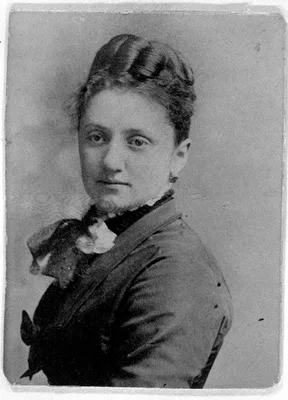
1915 STEVENSON, Matilda Coxe (1849 – 1915)
Ethnobotany of the Zuñi Indians. Thirtieth annual report of the Bureau of American Ethnology.
Digital facsimile from swsbm.com at this link.
GMN 9293 · https://historyofmedicine.com/id/11475
1916 ROBBINS, Wilfred William (1884 – 1952); HARRINGTON, John Peabody (1884 – 1961); FREIRE-MARRECO, Barbara (1879 – 1967)
Ethnobotany of the Tewa Indians. Bureau of American Ethnology Bulletin 55.
Digital facsimile from the Internet Archive at this link.
GMN 9346 · https://historyofmedicine.com/id/11528
1919 MOLONEY, Michael Francis (1891 – 1961)
Irish ethno-botany and the evolution of medicine in Ireland.
A discussion of Irish materia medica and a summary of the development of medicine in Ireland from the earliest times. Indices in Gaelic and English. Digital facsimile from the Internet Archive at this link.
GMN 8871 · https://historyofmedicine.com/id/11049
1919 GILMORE, Melvin Randolph (1868 – 1940)
Uses of plants by the Indians of the Missouri River region. Thirty-third annual report of the Bureau of American Ethnology, 1911-1912.
Medicinal and edible plants used by the Dakota, Omaha/Ponca, Winnebago and Pawnee peoples. Gilmore reports on 180 plants, and offers 16 pages of tables of names in various languages. Digital facsimile from the Biodive…
GMN 9287 · https://historyofmedicine.com/id/11469
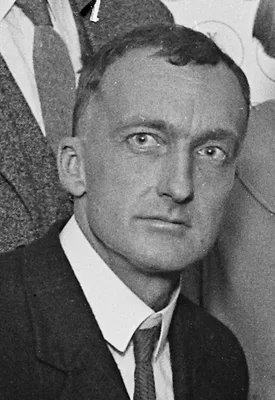
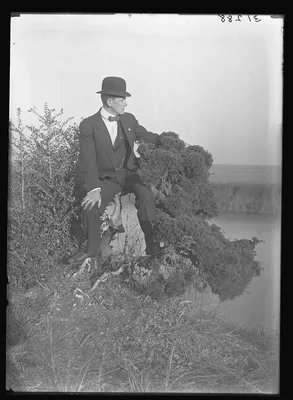
1923 SMITH, Huron Herbert (1883 – 1933)
Ethnobotany of the Menomini Indians.
Digital facsimile from spiritoftherivers.wikispaces.com at this link.
GMN 9294 · https://historyofmedicine.com/id/11476
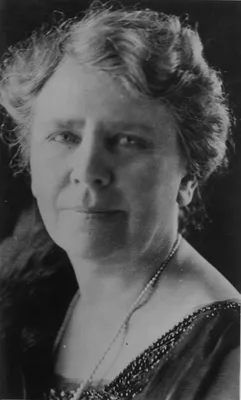
1928 DENSMORE, Frances Theresa (1867 – 1957)
Use of plants by the Chippewa Indians. Smithsonian Institution-Bureau of American Ethnology Annual Report 44.
Digital facsimile from the Internet Archive at this link.
GMN 9271 · https://historyofmedicine.com/id/11453
1928 SMITH, Huron Herbert (1883 – 1933)
Ethnobotany of the Meskwaki Indians.
GMN 9289 · https://historyofmedicine.com/id/11471
1928 BUDGE, Sir Ernest Alfred Thompson Wallis (1857 – 1934)
The divine origin of the craft of the herbalist.
A semi-popular account useful for its surveys of the earliest herbal literature: Egyptian, Sumerian, Assyrian, Greece, Syriac, Arabic, Coptic, Ethiopian (Abyssinian). Digital facsimile from the Internet Archive at thi…
GMN 12678 · https://historyofmedicine.com/id/14923
1932 STONE, Eric Percy (1892 – )
Medicine among the American Indians.
Reprinted, New York, Hafner, 1962.
GMN 6460 · https://historyofmedicine.com/id/7621
1932 MOONEY, James (1861 – 1921); OLBRECHTS, Frans Maria (1899 – 1958)
The Swimmer manuscript. Cherokee sacred formulas and medicinal prescriptions, by James Mooney, revised, completed and edited by Frans M. Olbrechts. Smithsonian Institution, Bureau of American Ethnology Bulletin 99.
Digital facsimile from the Internet Archive at this link.
GMN 7003 · https://historyofmedicine.com/id/9169
1932 SWANK, George R.
The ethnobotany of the Acoma and Laguna Indians. M.A. thesis.
GMN 9283 · https://historyofmedicine.com/id/11465
1932 SMITH, Huron Herbert (1883 – 1933)
Ethnobotany of the Ojibwe Indians.
Digital facsimile from nwic.edu at this link.
GMN 9295 · https://historyofmedicine.com/id/11477
1933 SMITH, Huron Herbert (1883 – 1933)
Ethnobotany of the Forest Potawatomi Indians.
Digital facsimile from swsbm.com at this link.
GMN 9348 · https://historyofmedicine.com/id/11530
1939 WHITING, Alfred Frank (1912 – 1978)
Ethnobotany of the Hopi. Bulletin No. 15.
GMN 9323 · https://historyofmedicine.com/id/11505
1940 CRUZ, Martin De La; EMMART, Emily Walcott (1898 – ); BADIANO, Juan (1484 – 1552)
The Badianus manuscript. (Codex Barberini, Latin, 241) Vatican Library. An Aztec herbal of 1552. Edited and translated by Emily W. Emmart.
The earliest complete Mexican medical text and the only medical text known to be the work of native Aztecs. Written by an Aztec physician named by the Spanish Martin de la Cruz, and translated into Latin by another na…
GMN 1811.1 · https://historyofmedicine.com/id/2009
1940 TAYLOR, Lyda Averill
Plants used as curatives by certain Southeastern tribes.
Digital facsimile from herablstudies.net at this link.
GMN 9278 · https://historyofmedicine.com/id/11460
1941 WYMAN, Leland Clifton (1897 – 1988); HARRIS, Stuart K.
Navajo Indian medical ethnobotany. University of New Mexico Bulletin, Anthropological Series, Vol. 3, No. 5.
Digital facsimile from herbaltherapeutics.net at this link.
GMN 9281 · https://historyofmedicine.com/id/11463
1942 TANTAQUIDGEON, Gladys Lola (1899 – 2005)
A study of Delaware Indian medicine practice and folk beliefs.
In this publication Delaware refers to the name of the Native American people known as Lenape, or Leni Lenape, or Delaware people, rather than the U.S. state. In terms of geographical scope, the book covers traditiona…
GMN 9284 · https://historyofmedicine.com/id/11466
1944 ELMORE, Francis Hapgood
Ethnobotany of the Navajo. Monographs of the School of American Research, No. 8.
Digital facsimile from uair.library.arizona.edu at this link.
GMN 9282 · https://historyofmedicine.com/id/11464
1947 CURTIN, Leonora Scott Muse (1879 – 1972); MOORE, Michael Roland Shaw (1941 – 2009)
Healing herbs of the upper Rio Grande.
Revised and edited by Michael Moore as Healing herbs of the upper Rio Grande: Traditional medicine of the Southwest (Sante Fe: Western Edge Press, 1997).
GMN 9343 · https://historyofmedicine.com/id/11525

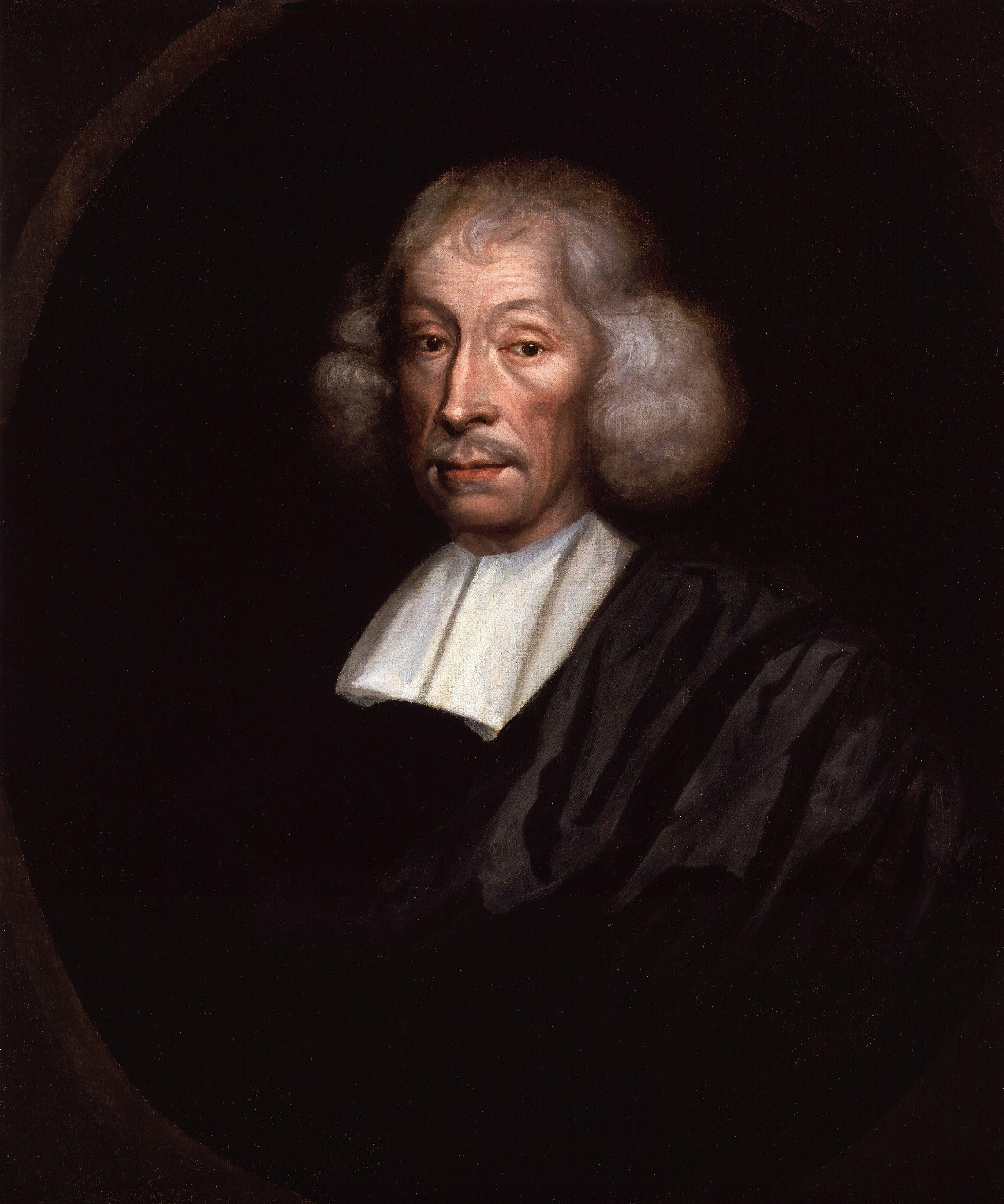
![ORTA, Garcia de [Garcia d'Orta] (1501 – 1568)](/media/portraits/2236)