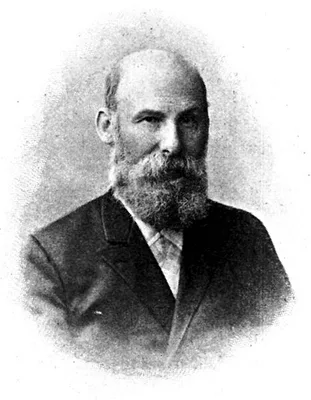
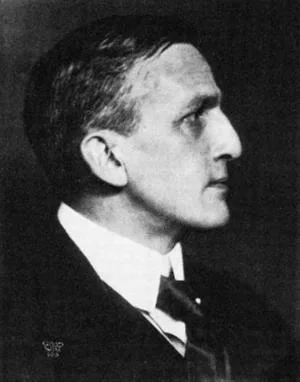
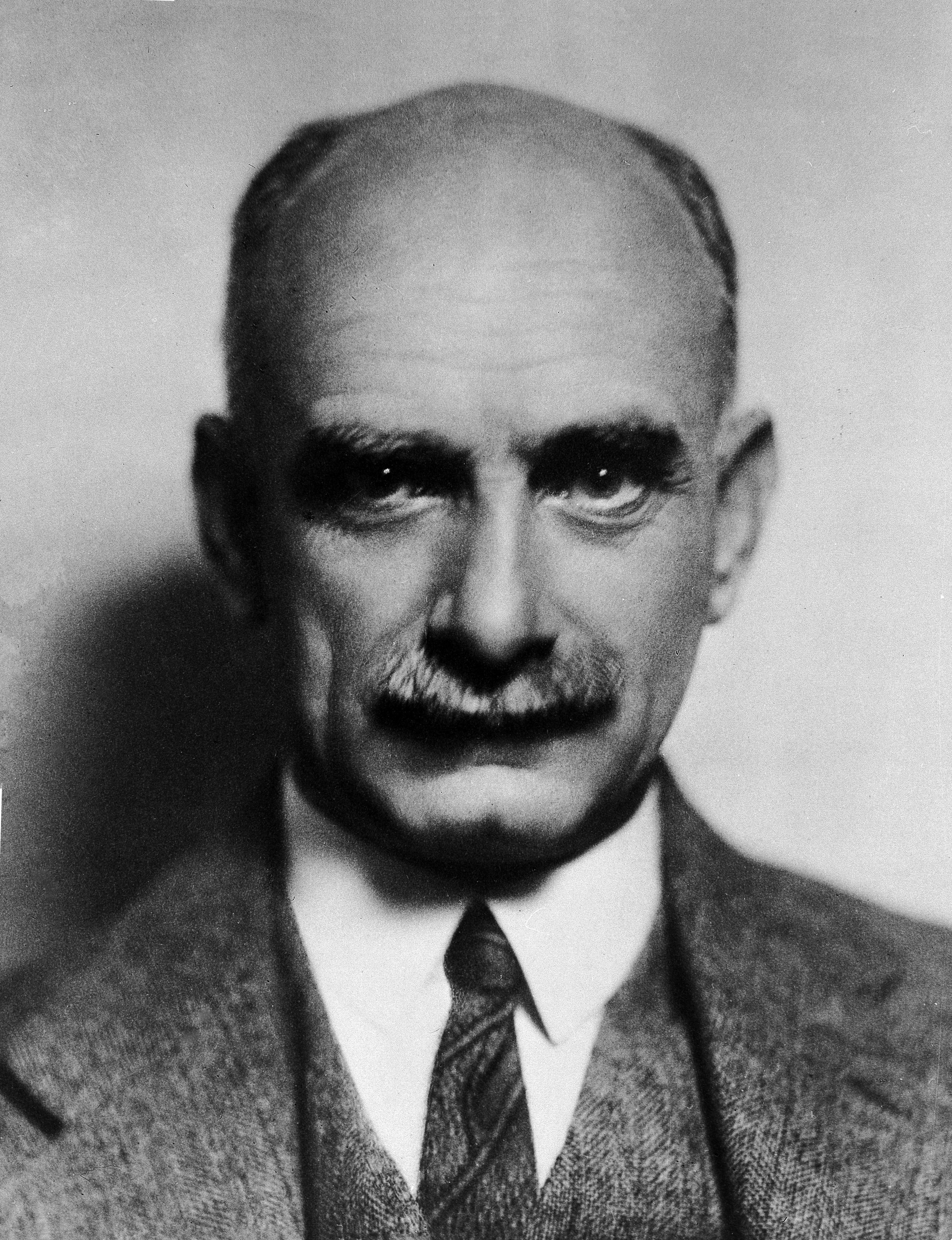
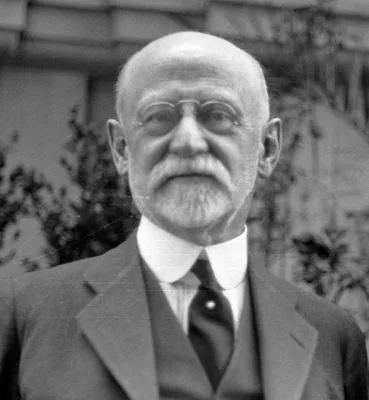
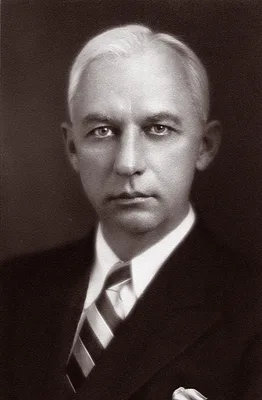
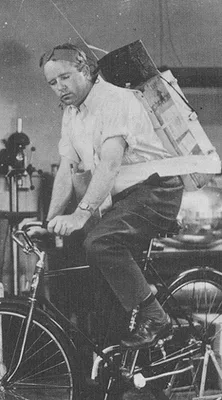
1868 BERNSTEIN, Julius (1839 – 1917)
Über den zeitlichen Verlauf der negativen Schwankung des Nervenstroms.
Bernstein introduced the differential rheotome, and the first electrocardiograms were obtained with it by Marchand in 1877 (No. 823.1).
GMN 819.1 · https://historyofmedicine.com/id/247
1877 MARCHAND, Richard
Beiträge zur Kenntniss der Reizwell und Contractionswelle des Herzmuskels.
Marchand obtained the first electrocardiogram. Using the differential rheotome he measured the time course of the potential variations from the frog’s heart.
GMN 823.1 · https://historyofmedicine.com/id/271
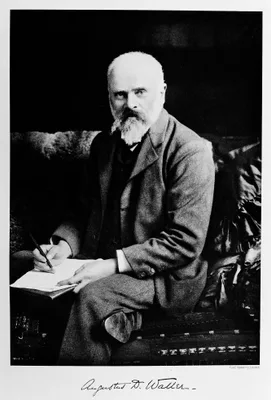
1887 WALLER, Augustus Désiré (1856 – 1922)
A demonstration on man of electromotive changes accompanying the heart’s beat.
Waller was first to use electrodes and leads in demonstrating the action currents of the heart, avoiding the necessity of opening the chest of laboratory animals and preparing the way for present-day clinical electroc…
GMN 833 · https://historyofmedicine.com/id/329
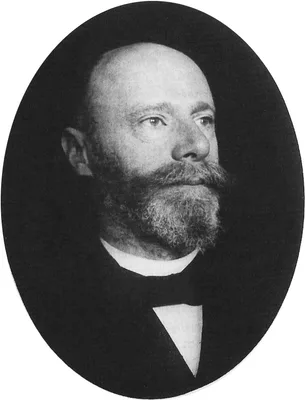
1901 EINTHOVEN, Willem (1860 – 1927)
Un nouveau galvanomètre.
Einthoven directed much of his research to the development and perfection of recording instruments. His most famous work was in connexion with his string galvanometer, a perfection of the instrument invented by J. S. …
GMN 840 · https://historyofmedicine.com/id/598
1902 EINTHOVEN, Willem (1860 – 1927)
Galvanometrische registratie van het menschelijk electrocardiogram IN: Herinneringsbundel Prof. S.S. Rosenstein, pp.101-106.
First description of Einthoven's string galvanometer that recorded electrical changes occurring in the human heart. Includes the first illustration of an EKG (ECG) recording. Modern electrocardiography became a realit…
GMN 842 · https://historyofmedicine.com/id/618
1906 CREMER, Max (1865 – 1935)
Über die direkte Ableitung der Aktionsströme des menschlichen Herzens vom Oesophagus und über das Elektrokardiogramm des Fötus.
Fetal electrocardiogram recorded. Cremer was also the first to record an electrocardiogram with an electrode in the esophagus.
GMN 843.1 · https://historyofmedicine.com/id/624
1906 EINTHOVEN, Willem (1860 – 1927)
Het telecardiogram.
This paper includes the first published ECG tracing of atrial fibrillation. See W. Bruce Fye, "Tracing atrial fibrillation - 100 years," New Eng. J. Med., 355 (2006) 1412.
GMN 11589 · https://historyofmedicine.com/id/13788
1909 SAMOJLOFF, A.
Elektrokardiogramme.
This 37-page pamphlet was the earliest collection of information regarding electrocardiography. It contained "only single lead electrocardiograms, limited to mitral stenosis and hypertrophy of the right and left venti…
GMN 11680 · https://historyofmedicine.com/id/13881
1910 EPPINGER, Hans (1879 – 1946); ROTHBERGER, Carl Julius (1871 – 1945)
Ueber die Folgen der Durchschneidung der Tawaraschen Schenkel der Reizleitungssystems.
First experimental study of the electrocardiographic changes in bundle-branch block. "Later, as professor and director of the internal clinic at the Allgemeines Krankenhaus in Vienna, Eppinger became one of the most n…
GMN 848 · https://historyofmedicine.com/id/638
1910 EPPINGER, Hans (1879 – 1946); STOERK, Oscar (1870 – 1926)
Zur Klinik des Elektrokardiogramms.
First clinical and pathological description of bundle-branch block.
GMN 2832 · https://historyofmedicine.com/id/3554
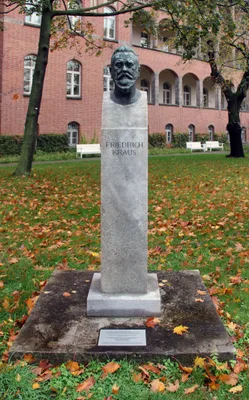
1910 KRAUS, Friedrich (1858 – 1936); NICOLAI, Georg Friedrich (1874 – 1964)
Das Elektrokardiogramm des gesunden and kranken Menschen.
The first comprehensive monograph on electrocardiography in any language.
GMN 11674 · https://historyofmedicine.com/id/13875
1910 JAMES, Walter B.; WILLIAMS, Horatio Burt (1877 – 1955)
The electrocardiogram in clinical medicine: The string galvanometer and the electrocardiogram in health.
The first clinical paper on electrocardiography to appear in an American journal (Burch & DePasquale, A History of Electrocardiography,1990, 163.) James and Williams "published the first ECG recordings in the western …
GMN 12255 · https://historyofmedicine.com/id/14470
1911 LEWIS, Sir Thomas (1881 – 1945)
The mechanism of the heartbeat: With special reference to its clinical pathology.
Sir Thomas Lewis was a pioneer in the application of electrocardiography to clinical medicine. His book was both an exhaustive treatise on the subject for its time, and a valuable bibliographical source. Second editio…
GMN 2851 · https://historyofmedicine.com/id/709
1912 LEWIS, Sir Thomas (1881 – 1945)
Electro-cardiography and its importance in the clinical examination of heart affections.
GMN 2840 · https://historyofmedicine.com/id/3586
1913 LEWIS, Sir Thomas (1881 – 1945)
Clinical electrocardiography.
The first textbook of electrocardiography.
GMN 11679 · https://historyofmedicine.com/id/13880
1918 SMITH, Fred M. (1888 – 1946)
The ligation of coronary arteries with electrocardiographic study.
GMN 852 · https://historyofmedicine.com/id/667
1919 HERRICK, James Bryan (1861 – 1954)
Thrombosis of the coronary arteries.
"...includes electrocardiographic tracings of a 42-year-old physician who died "after coronary obstructive symptoms" and of a dog following experimental ligation of a coronary artery. This finding "led Herrick to conc…
GMN 12248 · https://historyofmedicine.com/id/14463
1920 PARDEE, Harold Ensign Bennett (1886 – 1972)
An electrocardiographic sign of coronary artery obstruction.
First description of the typical changes in the electrocardiogram in coronary thrombosis.
GMN 2852 · https://historyofmedicine.com/id/3633
1920 MANN, Hubert (1891 – 1975)
A method of analyzing the electrocardiogram.
Mann developed the monocardiogram while a fourth-year medical student. This was the first vector loop and the beginning of modern vectorcardiography.
GMN 2853.1 · https://historyofmedicine.com/id/3639
1932 WOLFERTH, Charles Christian (1887 – 1965); WOOD, Francis Clark (1901 – 1990)
The electrocardiographic diagnosis of coronary occlusion by the use of chest leads.
Introduction of chest leads.
GMN 2863 · https://historyofmedicine.com/id/4132
1934 WILSON, Frank Norman (1890 – 1952); ET AL
Electrocardiograms that represent the potential variations of a single electrode.
Unipolar leads. With F. D. Johnston, A. G. MacLeod, and P. S. Barker.
GMN 2864 · https://historyofmedicine.com/id/4137
1938
Praecordial leads in electrocardiography. A joint memorandum of a committee of the Cardiac Society of Gt. Britain and Ireland and the Committee of the American Heart Association.
PRECORDIAL LEADS
Also in Amer. Heart J.,1938, 15,107-08, 235-39. Precordial leads are also called unipolar leads.
GMN 2868 · https://historyofmedicine.com/id/4177
1942 GOLDBERGER, Emanuel (1913 – 1994)
A simple indifferent electrocardiographic electrode of zero potential and a technique of obtaining augmented, unipolar, extremity leads.
Augmented unipolar leads.
GMN 2875 · https://historyofmedicine.com/id/4197
1959 TABAK, L.; MARDEN, E.; MASON, H. L.; PIPBERGER, Hubert V.
Digital recording of electrocardiographic data for analysis by a digital computer.
This is probably the earliest paper on the use of computers to analyze electrocardiograms. The abstract: "A corrected orthogonal 3-lead system has been used to record electrocardiograms directly from patients at Veter…
GMN 11560 · https://historyofmedicine.com/id/13759
1961 HOLTER, Norman Jefferis (1914 – 1983)
New method for heart studies.
Probably the first publication on the Holter Monitor, which was released for commercial production in 1962. Abstract "I have proposed that orthodox electrocardiography be implemented, both for research and medical pur…
GMN 12250 · https://historyofmedicine.com/id/14465
1964 HOLTER, Norman Jefferis (1914 – 1983); GLASSCOCK, Wilford R. (1925 – 1998); GILSON, John S. (1995 – 1928)
Clinical observations using the Electrocardiocorder-AVSEP continuous electrocardiographic system. Tentative standards and typical patterns.
Documentation of the value of the Holter monitor in clinical work. Abstract "We have described characteristic patterns observed using the Electrocardiocorder-AVSEP system for recording continuous electrocardiograms on…
GMN 12251 · https://historyofmedicine.com/id/14466
1970 CACERES, Cesar Augusto (1927 – 2020); DREIFUS, Leonard S. (1925 – 2017)
Clinical electrocardiography and computers.
"The definitive text of the emerging field of computerized electrocardiography" (W. Bruce Fye).
GMN 11564 · https://historyofmedicine.com/id/13763
1977 EINTHOVEN, Willem (1860 – 1927); SNELLEN, Hermann A.
Selected papers on electrocardiography of Willem Einthoven with bibliography, biographical notes and comments by H. A. Snellen.
GMN 12338 · https://historyofmedicine.com/id/14562