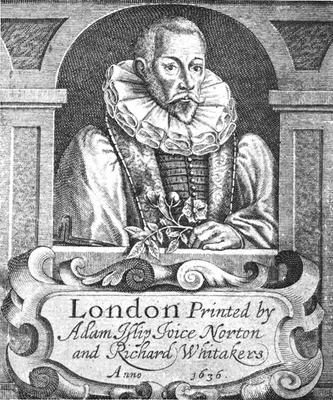
1597 GERARD, John (Gerarde) (1545 – 1612)
The herball or generall historie of plantes.
Gerard is perhaps the best remembered of ail the English herbalists. The most important edition of his book is the second, published by T. Johnson in 1633 (reprinted in facsimile, New York, Dover, 1975). Johnson great…
GMN 1820 · https://historyofmedicine.com/id/2091
1597 LANGHAM, William
The garden of health conteyning the sundry rare and hidden vertues and properties of all kindes of simples and plants, together with the maner how they are to be vsed and applyed in medicine for the health of mans body, against diuers diseases and infirmities most common amongst men. Gathered by the long experience and industrie of William Langham, practitioner in phisicke.
An alphabetically arranged handbook of herbal remedies. The title page was misprinted 1579, but the work was actually printed in 1597. A list of the plants discussed is available from Early English Books Online at thi…
GMN 11381 · https://historyofmedicine.com/id/13580
1598 BELLEVAL, Pierre Richer de (1564 – 1632)
Onomatologia, seu nomenclatura stirpium quae in Horto Regio Monspeliensi recens constructo coluntur.
The first catalogue of medicinal plants in the Jardin des plantes de Montpellier, founded by Richer de Belleval in 1593. This was the first medical botanical garden in France. Reprinted in Opuscules de Pierre Richer d…
GMN 13347 · https://historyofmedicine.com/id/15618
1601 L'ÉCLUSE (L'ESCLUSE), Charles de (Carolus Clusius) (1526 – 1609)
Rariorum plantarum historia.
Describing approximately 100 new species, the Rariorum plantarum historia gathers accounts from Clusius’s earlier botanical tours of Spain (Rariorum aliquot stirpium per Hispanias observatarum historia, 1576) and Aust…
GMN 13812 · https://historyofmedicine.com/id/16101
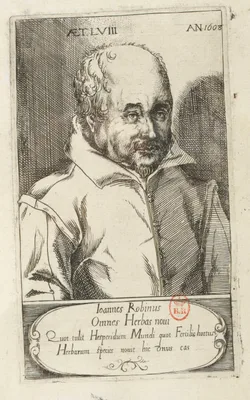
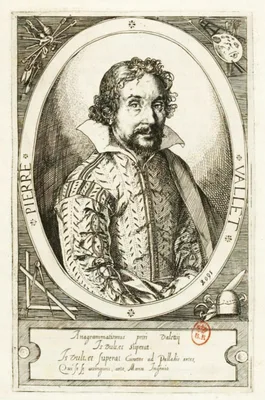
1608 ROBIN, Jean (1550 – 1629); VALLET, Pierre (1575 – 1657)
Le Jardin du Roy tres chrestien Henry IV Roy de France et de Navarre dedie a la Royne.
Text by Robin, illustrations by Vallet. "The first important florilegium," (Blunt, The art of botanical illustration, 89-91). Digital facsimile from BnF Gallica at this link.
GMN 13205 · https://historyofmedicine.com/id/15466
1609 CONSTANT, Paul (1562 – 1629)
Le iardin, et cabinet poetique de Paul Contant, apoticaire de Poictiers.
Written in verse, this is the first catalogue of a private botanical garden published in France, and the first book that could be called a French catalogue of a natural history museum. Digital facsimile from the Inter…
GMN 11505 · https://historyofmedicine.com/id/13704
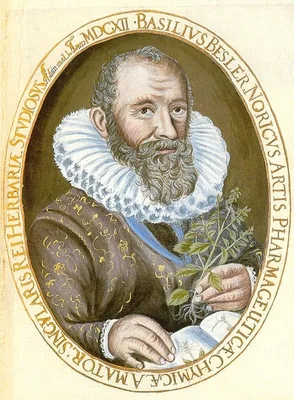
1613 BESLER, Basilius (1561 – 1629)
Hortus Eystettensis: Sive, diligens et accurata omnium plantarum, florum, stirpium, ex variis orbis terrae partibus, singulari studio collectarum, quae in celeberrimis viridariis arcem episcopalem ibidem cingentibus, hoc tempore conspiciuntur, delineatio et aduiuum repræsentatio.
"The Hortus Eystettensis is itself a ‘paper museum’, a pictorial record of the flowers grown in the greatest German garden of its time, that of the Prince Bishop of Eichstätt, Johann Conrad von Gemmingen. As part of a…
GMN 9512 · https://historyofmedicine.com/id/11697
1615 HERNÁNDEZ DE TOLEDO, Francisco (1517 – 1587); XIMÉNEZ, Francisco (1560 – 1620)
Quatro libros. De la naturaleza, y virtudes de las plantas, y animales que estan receuidos en el vso de medicina en la Nueua España, y la methodo, y correccion, y preparacion, que para administrallas se requiere con lo que el doctor Francisco Hernandez escriuio en lengua latina. : Muy vtil para todo genero de gente q[ue] viue en esta[n]cias y pueblos, de no ay medicos, ni botica.Traduzido, y aumentados muchos simples, y compuestos y otros muchos secretos curatiuos, por Fr. Francisco Ximenes....
Physician to Philip II of Spain, Hernández travelled to Mexico by order of the king, and studied the natural history of the region from 1570-77. His Works, which filled six folio volumes of text and 10 volumes of pain…
GMN 1820.1 · https://historyofmedicine.com/id/2097
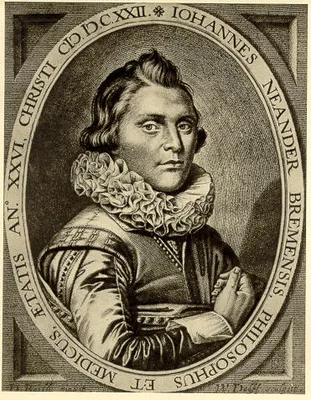
1622 NEANDER, Johann (1596 – 1630)
Tabacologia: Hoc est, tabaci, seu nicotianae descriptio medico-cheirurgico-pharmaceutica: Vel eius praeparatio & usus in omnibus corporis humani incommodis.
Neander described tobacco, its processing, and medical-pharmaceutical use. His book Includes images of the plants, of Indian, Oriental and European types of pipes, as well as depictions of cultivation and processing b…
GMN 9633 · https://historyofmedicine.com/id/11820
1623 BAUHIN, Caspar [BAUHINUS] (1560 – 1624)
Pinax theatri botanici.
The Pinax theatri botanici (English, Illustrated exposition of plants) described and classified about 6,000 species. "The classification system was not particularly innovative, using traditional groups such as "trees"…
GMN 9868 · https://historyofmedicine.com/id/12056
1628 HERNÁNDEZ DE TOLEDO, Francisco (1517 – 1587); RECCHI, Nardo Antonio de ( – 1595)
Rerum medicarum Novae Hispaniae thesaurus, seu, Plantarum animalium mineralium Mexicanorum historia.
This summary of Hemández’s very extensive manuscript account of the natural history of Mexico (see No. 1820.1) was edited by N.A. de Recchi, and published at the expense of Prince Federico Cesi (1585-1630), with notes…
GMN 1821.1 · https://historyofmedicine.com/id/2108
1628 CONSTANT, Jacques ( – 1588); CONSTANT, Paul (1562 – 1629)
Les oeuvres de Jacques et Paul Contant pere et fils maistres apoticaires de la ville de Poictiers. Divisées en cinq traictez. 1. Les commentaires sur Dioscoride. 2. Le second Eden. 3. Exagoge mirabilium naturae e gazophylacio. 4. Synopsis plantarum cum ethymologiis. 5. Le jardin & cabinet poëtique ....
Jacques and Paul Contant were Huguenot apothecaries in Poitiers, and notable collectors. There were among the first in France to assemble a cabinet of curiosities or Wunderkammer. The first work, a commentary on Diosc…
GMN 11499 · https://historyofmedicine.com/id/13698
1629 PARKINSON, John (1567 – 1650)
Paradisi in sole paradisus terrestris. Or a garden of all sorts of pleasant flowers which our English ayre will permitt to be noursed vp: with a kitchen garden of all manner of herbes, rootes, & fruites, for meate or sause vsed with vs, and an orchard of all sorte of fruitbearing trees and shrubbes fit for our land together with the right orderinge planting & preseruing of them and their vses & vertues.
The title is a pun on the author’s name (park-in-sun). Digital facsimile from Biodiversity Heritage Library at this link.
GMN 1822 · https://historyofmedicine.com/id/2111
1629 JOHNSON, Thomas ( – 1644)
Iter plantarum investigationis ergo susceptum a decem Sociis in Agrum Cantianum, anno Dom. 1629, Julii 13. Ericetum Hamstedianum sive Plantarum ibi crescentium observatio habita, anno eodem I. Augusti. Descripta studio, & opera Thomæ Iohnsoni.
Johnson, an apothecary published this record of what he collected during a herb-collecting excursion conducted on July 13, 1629, with an appendix recounting the results of a second excursion on August 1. This was the …
GMN 12000 · https://historyofmedicine.com/id/14208
1635 CORNUT, Jacques-Philippe [Cornuti] (1606 – 1651)
Canadensium plantarum, aliarúmque nondum editarum historia.
First description of the Canadian Flora. Cornut was a French botanist and physician who never visited North America, but instead received the majority of his plant specimens from the Robins family, who supervised the …
GMN 8953 · https://historyofmedicine.com/id/11132
1640 PARKINSON, John (1567 – 1650)
Theatrum botanicum: The theater of plants: Or, An herball of large extent: containing therein a more ample and exact history and declaration of the physicall herbs and plants ... distributed into sundry classes or tribes, for the more easie knowledge of the many herbes of one nature and property ... / collected by the many yeares travaile, industry and experience in this subject.
Parkinson, the last of the old English herbalists, was Apothecary to James I. His massive herbal of 1,755 pages described nearly 3,800 plants, nearly double the number described in the first edition of Gerard. Parkins…
GMN 1823 · https://historyofmedicine.com/id/2113
1640 LA BROSSE, Guy de (1589 – 1641)
L'ouverture du Jardin Royal de Paris, pour la demonstration des plantes medecinales.
La Brosse founded the Jardin des Plantes (originally Jardin du Roi), the first botanical garden in Paris. It was the second garden of this type in France, after the Jardin des plantes de Montpellier founded in 1593. D…
GMN 13346 · https://historyofmedicine.com/id/15617
1648 PISO, Willem [Guillaume le Pois] (1611 – 1678); MARGGRAF, Georg (Marcgrave) (1610 – 1644)
Historia naturalis Brasiliae.
Piso's study of the natural history of Brazil was also a pioneer work on tropical medicine, and also the largest work from the standpoint of format published by the Elzeviers. The folio includes De medicina brasiliens…
GMN 2263.1 · https://historyofmedicine.com/id/2828
1656 BOYM, Michal Piotr (1612 – 1659)
Flora sinensis, fructus floresque humillime porrigens serenissimo et potentissimo Leopoldo Ignatio, Hungariae regi florentissimo, &c. Fructus saecul promittenti Augustissimos.
The first description published in Europe of an ecosystem of the Far East, including animals as well as plants, with particular attention to Chinese fruit bearing plants, and medicinal properties of Chinese plants. Di…
GMN 8591 · https://historyofmedicine.com/id/10768
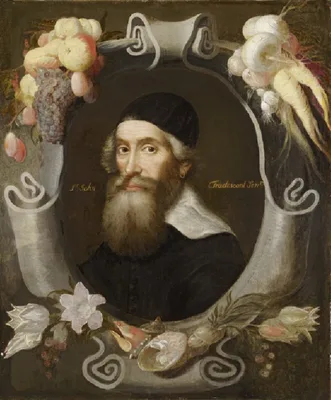
1656 WHARTON, Thomas (1614 – 1673); TRADESCANT, John The Elder (1575 – 1638); TRADESCANT, John the Younger (1608 – 1662); ASHMOLE, Elias (1617 – 1692)
Musaeum Tradescantianum: Or, a collection of rarities preserved at South-Lambeth neer London by John Tradescant.
Catalogue of the first natural museum in England, the collection made by John Tradescant the Elder and the Younger, and left by John Tradescant the Younger to Elias Ashmole, who, along with Thomas Wharton, helped the …
GMN 13071 · https://historyofmedicine.com/id/15323
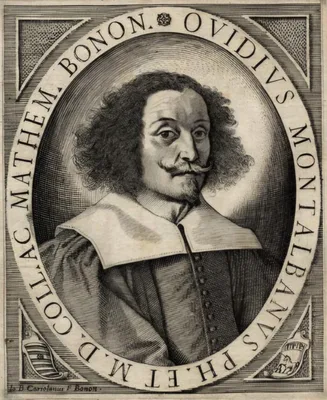
1657 MONTALBANI, Ovidio (1602 – 1671)
Bibliotheca botanica, seu herbarijstarum scriptorum promota synodia...Ia. Antonio Bumaldo [i.e. O. Montalbani], Collectore.
The first general bibliography of botany books, including herbals. The author, a prolific writer, often wrote under the pseudonym of Antonio Bumaldo.
GMN 8855 · https://historyofmedicine.com/id/11033
1658 PISO, Willem [Guillaume le Pois] (1611 – 1678); BONDT, Jacob de [Jacobus Bontius] (1592 – 1631)
De Indiae utriusque re naturali et medica libri quatuordecim.
This is an extensively revised and enlarged second edition of Piso’s Historia naturalis Brasiliae (1648). In this edition Piso reprinted Bontius's De medicina Indorum (1642) with two additional books on Asian flora an…
GMN 1825 · https://historyofmedicine.com/id/2125
1658 STEPHENS, Philip; BROWNE, William
Catalogus Horti Botanici Oxoniensis: Alphabeticè digestus, duas, præterpropter, plantarum chiliadas complectens, priore duplo auctior, ... : Cui accessere plantæ minimùm sexaginta suis nominibus insignitæ....Cura & opera socia Philippi Stephani et Guilelmi Brounei. Adhibitis etiam in consilium D. Boberto.
Catalogue of plants in the Oxford Botanic Garden, the oldest botanic garden in Great Britain. Digital facsimile from Google Books at this link.
GMN 13396 · https://historyofmedicine.com/id/15667
1660 RAY, John (1628 – 1705)
Catalogus plantarum circa Cantabrigiam nascentium: In qua exhibentur quotquot hactenus inventae sunt, qua vel sponte proveniunt, vel in agris seruntur; un cum synomyis selectioribus, locis natalibus & observationibus quibusdam oppido raris. Adjiciuntur in gratiam tyronum, index Anglo-latinus, Index locorum, etymologia nominum, & explicatio quorundam terminorum.
This study of the plants around Cambridge includes some of the classification work of Joachim Jungius, whose classification system did not begin to be published until 1662. Digital facsimile from Google Books at this …
GMN 11878 · https://historyofmedicine.com/id/14082
1662 JUNGIUS, Joachim (1587 – 1657); FOGEL, Martin
Doxoscopiae physicae minores, sive isagoge physica doxoscopica. In qua praecipuae opiniones in physica passim receptae breviter quidem, sed accuratissime examinantur. Ex recensione et distinctione M. F. H., cuius annotationes quaedam accedunt.
Jungius was the first to appreciate and expand upon the botanical ideas of Cesalpino. In this posthumously published work, edited by his student Martin Fogel, and in his Isagoge phytoscopica published in 1669, Jungius…
GMN 11882 · https://historyofmedicine.com/id/14086
1664 EVELYN, John (1620 – 1706)
Sylva, or a discourse of forest-trees, and the preservation of timber in His Majesty’s dominions.
A protest against the careless destruction of England’s forests to fuel the furnaces of the glass and iron industries. The work was influential in establishing a much-needed program of reforestation that had a lasting…
GMN 145.51 · https://historyofmedicine.com/id/2427
1670 RAY, John (1628 – 1705)
Catalogus plantarum Angliae, et insularum adjacentium: tum indigenas, tum in agris passim cultas complectens.
Includes some ethnobotanical notes regarding medical remedies. Digital facsimile from Google Books at this link.
GMN 9286 · https://historyofmedicine.com/id/11468
1672 JOSSELYN, John (1630 – 1675)
New-Englands rarities discovered: in birds, beasts, fishes, serpents, and plants of that country. Together with the physical and chyrurgical remedies wherewith the natives constantly use to cure their distempers, wounds, and sores…
The first detailed account of the natural history and botany of North America, including the first extensive study of native North American medicine.
GMN 1826.1 · https://historyofmedicine.com/id/2138
1672 HUGHES, William ( – 1683)
The American physician : or, a treatise of the roots, plants, trees, shrubs, fruit, herbs, etc., growing in the English Plantations in America ; ... whereunto is added a discourse of the Cacao-nut-Tree, and the use of its fruit ; with all the ways of making Chocolate
The earliest work in English on the medicinal virtues of North American tropical plants. Based on first-hand observations made in the West Indies, Evidence suggests that Hughes began his career in 1651 with a privatee…
GMN 7007 · https://historyofmedicine.com/id/9173
1672 GREW, Nehemiah (1641 – 1712)
The anatomy of vegetables begun. With an a general account of vegetation founded thereon.
"Grew was a conscious pioneer in a hitherto neglected area... His work was primarily marked by his brilliant observation and description of plants and their component parts; having begun by making observations using o…
GMN 11640 · https://historyofmedicine.com/id/13841
1675 –1679 MALPIGHI, Marcello (1628 – 1694)
Anatome plantarum.
Malpighi was the founder of microscopic anatomy and a pioneer in the study of plant development. He approached the subject through the study of plant tissues. His Appendix adds to the work on chick embryology Malpighi…
GMN 536 · https://historyofmedicine.com/id/156
1675 STERBEECK, Francis van (1631 – 1693)
Theatrum fungorum oft het tooneel der Campernoelien. Waer inne vertoont wort de gedaente, ken-teeckens, natuere, crachten, voetsel, deught ende ondeught; mitsgaders het voorsichtigh schoonmaken ende bereyden van alderhande Fungien....
The first separate general work on fungi, describing edible and poisonous varieties. Digital facsimile from the Hathi Trust at this link.
GMN 12998 · https://historyofmedicine.com/id/15247
1678 –1703 COMMELIN, Jan [COMMELIJN] (1629 – 1692); VAN RHEEDE TOT DRAKENSTEIN, Hendrik Adriaan (1636 – 1691); ALMELOVEEN, Theodorus Janssonius van (1657 – 1712); CASEARIUS, Johannes (1642 – 1677); VAN DYCK, Jan; MUNNICKS, Johannes (Munnickius) (1652 – 1711); POOT, Abraham van (1617 – ); SOMEREN, Joannes van; SEYEN, Arnold (Syen) (1640 – 1678); BOOM, Henrik & Dirk
Hortus Indicus Malabaricus: Continens regni Malabarici apud Indos cereberrimi onmis generis plantas rariores, Latinas, Malabaricis, Arabicis, Brachmanum charactareibus hominibusque expressas ....12 vols.
The earliest comprehensive printed work on the flora of Asia and the tropics in 12 folio volumes written and published under the supervision of van Rheede tot Drakenstein, a colonial administrator of the Dutch East In…
GMN 9543 · https://historyofmedicine.com/id/11729
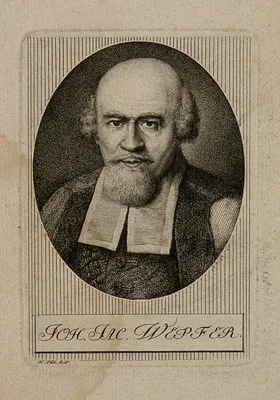
1679 WEPFER, Johann Jacob (1620 – 1695)
Cicutae aquaticae historia et noxae.
This is primarily a work on the poisonous water hemlock, its dangerous effects, its medicinal uses, and antidotes to counter the poison. However, it also contains the first description of the tiny glands in the mucosa…
GMN 974.1 · https://historyofmedicine.com/id/576
1679 JUNGIUS, Joachim (1587 – 1657); FOGEL, Martin
Praecipuae opiniones physicae, passim recetae, breviter quidem sed accuratissime examinate, ex recension & distinctione Martini Fogelii ...cum annotationes quaedam accedunt accessit nunc primum eiusdem auctoris Harmonica & Isagoge phytoscopica.
Posthumous first publication of Jungius's Isagoge phytoscopia, an expansion or supplement to his system of botanical classification first published in his Doxoscopiae physicae minores (1662). The second edition of the…
GMN 11881 · https://historyofmedicine.com/id/14085
1683 SUTHERLAND, James (1638 – 1719)
Hortus medicus Edinburgensis, or, A catalogue of the plants in the Physical Garden at Edinburgh: Containing their most proper Latin and English names; with an English alphabetical index.
Digital facsimile from Biodiversity Heritage Library at this link.
GMN 13076 · https://historyofmedicine.com/id/15328
1686 –1704 RAY, John (1628 – 1705)
Historia plantarum.... 3 vols.
This massive catalogue begins with an extensive general botanical treatise covering plant physiology, plant nutrition and, most importantly, Ray's principles and methodology of botanical classification. Ray adopted Ju…
GMN 7090 · https://historyofmedicine.com/id/9257
1687 HERMANN, Paul (1646 – 1695)
Horti Academici Lugduno-Batavi catalogus exhibens plantarum omnium nomina, quibus ab anno MDCLXXXI ad annum MDCLXXXVI hortus fuit instructus ut & plurimarum in eodem cultarum & à nemine hucusque editarum descriptiones & icones.
Catalogue of about 3300 plants in the botanical garden of Leiden University (106 illustrated), compiled, and with plates apparently drawn by the author. Hermann had only recently introduced many plants to Europe from …
GMN 12708 · https://historyofmedicine.com/id/14953
1689 COMMELIN, Jan [COMMELIJN] (1629 – 1692)
Catalogus plantarum Horti Medici Amstelodamensis. Pars prior.
First published catalogue of plants of the Hortus Medicus, precursor of the Hortus Botanicus. The Hortus Medicus, founded in 1682 under Commelin's guidance, was ranked among the most comprehensive in Europe, including…
GMN 13100 · https://historyofmedicine.com/id/15352
1689 MAGNOL, Pierre (1638 – 1715)
Prodromus historiae generalis plantarum, in quo familiae plantarum per tabulas disponuntur.
Magnol invented of the concept of plant families, a natural classification, based on combinations of morphological character. "In his Prodromus he developed 75 tables, which not only grouped plants into families but a…
GMN 13411 · https://historyofmedicine.com/id/15683
1690 HERMANN, Paul (1646 – 1695); ZUMBACH VON KOESFELD, Lothar (1661 – 1727)
Florae Lugduno-Batavae flores sive enumeratio stirpium horti Lugduno-Batavi methodo, naturae vestigiis isistente, dispositarum, & anno 1689 in lectionibus tam publicis quam privatis expositarum a Paulo Hermann. Nunc vero in gratiam botanophilorum primum in lucem editarum opera Lothari Zumbach.
In this treatise on the flowering plants in the Hortus Botanicus Leiden Hermann coined the term Angiospermae as the name of one of his primary divisions of the plant kingdom. This division included flowering plants po…
GMN 11472 · https://historyofmedicine.com/id/13671
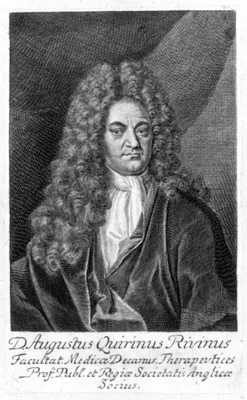
1690 RIVINUS, Augustus Quirinus (August Bachmann) (1652 – 1723)
Introductio generalis in rem herbariam.
Rivinus (Bachmann) introduced the concept of classification of plants based upon the structure of the flower. He also introduced the ORDER as a distinct rank of biological classification having its own distinctive nam…
GMN 13406 · https://historyofmedicine.com/id/15678
1693 PLUMIER, Charles (1646 – 1704)
Description des plantes de l'Amerique.
Digital facsimile from Botanicus at this link.
GMN 9541 · https://historyofmedicine.com/id/11727
1694 CAMERARIUS, Rudolph Jacob (Camerer) (1685 – 1721)
De sexu plantarum epistola.
First experimental demonstration of the sexuality of plants. Camerer showed that in flowering plants the anthers are male organs, and that the ovary with style and stigma are female, and that pollen is required for th…
GMN 98 · https://historyofmedicine.com/id/1491
1694 TOURNEFORT, Joseph Pitton de (1656 – 1708)
Elemens de botanique, ou methode pour connoître les plantes.
Though Tournefort's classification was completely artificial, and neglected some important divisions established by earlier botanists, and was a step backwards in systematics, the text was so clearly written and well …
GMN 11975 · https://historyofmedicine.com/id/14183
1696 SLOANE, Sir Hans (1660 – 1753)
Catalogus plantarum quae in insula Jamaica: Sponte proveniunt, vel vulgò coluntur cum earundem synonymis & locis natalibus, adjectis aliis quibusdam quae in insulis Maderae, Barbados, Nieves, & Sancti Christophori nascuntur, seu Prodromi historiae naturalis Jamaicae pars prima.
Digital facsimile from Biodiversity Heritage Archive at this link.
GMN 9915 · https://historyofmedicine.com/id/12103
1697 –1701 COMMELIN, Jan [COMMELIJN] (1629 – 1692); COMMELIN, Caspar [COMMELIJN] (1668 – 1731)
Horti medici Amstelodamensis rariorum tam orientalis, quam occidentalis Indiae, aliarumque peregrinarum plantarum magno studio ac labore, sumptibus civitatis Amstelodamensis, longâ annorum serie collectarum, descriptio et icones ad vivum æri incisæ. Opus posthumum, latinitate donatum, notisque & observationibus illustratum, à Frederico Ruyschio & Francisco Kiggelario. 2 vols.
In 1682 Jan Commelin helped establish the Amsterdam Botanical Garden, which introduced many new exotic plants to Europe, collected during the voyages of the Dutch East and West India Companies (VOC and WIC) in the Eas…
GMN 7756 · https://historyofmedicine.com/id/9928
1697 MAGNOL, Pierre (1638 – 1715)
Hortus Regius Monspeliensis, sive catalogus plantarum quae in Horto Regio Monspeliensi demonstrantur.
An illustrated catalogue of plants on display in the Royal Botanical Garden of Montpellier. Digital facsimile from Google Books at this link.
GMN 13413 · https://historyofmedicine.com/id/15685
1698 HERMANN, Paul (1646 – 1695); SHERARD, William (1659 – 1728)
Paradisus Batavus, continens plus centum plantas affabrè aere incisas & descriptionibus illustratas. Cui accesit catalogus plantarum, quas pro tomis nondum editis, delineandas curaverat Paulus Hermannus, M. D. In Academia Lugduno-Batava nuper medicinae ac botanices professor. Opus posthumum.
Catalogue of the plants in the Hortus Botanicus Leiden, posthumously edited from Hermann's unpublished manuscript, and reproducing 111 of Hermann's botanical illustrations, by William Sherard. Digital facsimile from R…
GMN 11471 · https://historyofmedicine.com/id/13670
1703 MARTIN, Martin ( – 1718)
A description of the Western Islands of Scotland.: Containing a full account of their situation, extent, soils, product, harbours, bays, tides, anchoring places, and fisheries. The ancient and modern government, religion and customs of the inhabitants, particularly of their druids, heathen temples, monasteries, churches, chappels, antiquities, monuments, forts, caves, and other curiosities of art and nature. Of their admirable and expeditious way of curing most diseases by simples of their own product. A particular account of the second sight, or faculty of forseeing things to come, by way of vision, so common among them. A brief hint of methods to improve trade in that country, both by sea and land. With a new map of the whole, describing the harbours, anchoring places, and dangerous rocks, for the benefit of sailers. To which is added a brief description of the Isles of Orkney, and Schetland.
Martin, who graduated MD from Leiden, included throughout his book detailed and non-judgmental documentation of folk medicine practices and ethnobotanic remedies then in use in the region. Digital facsimile of the 170…
GMN 8870 · https://historyofmedicine.com/id/11048