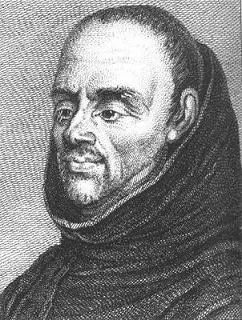
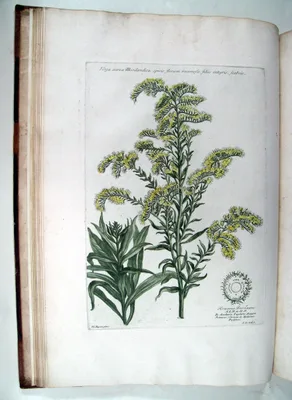
1703 PLUMIER, Charles (1646 – 1704)
Nova plantarum Americanarum genera.
Digital facsimile from the Biodiversity Heritage Library at this link.
GMN 9542 · https://historyofmedicine.com/id/11728
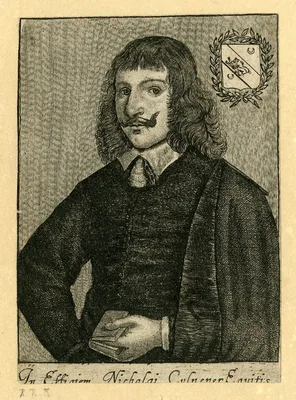
1708 CULPEPER, Nicholas (1616 – 1654)
The English physician.
This reprint of Culpeper’s popular work on herbal remedies was the first medical book (94pp.) printed in North America.
GMN 1828.1 · https://historyofmedicine.com/id/2155
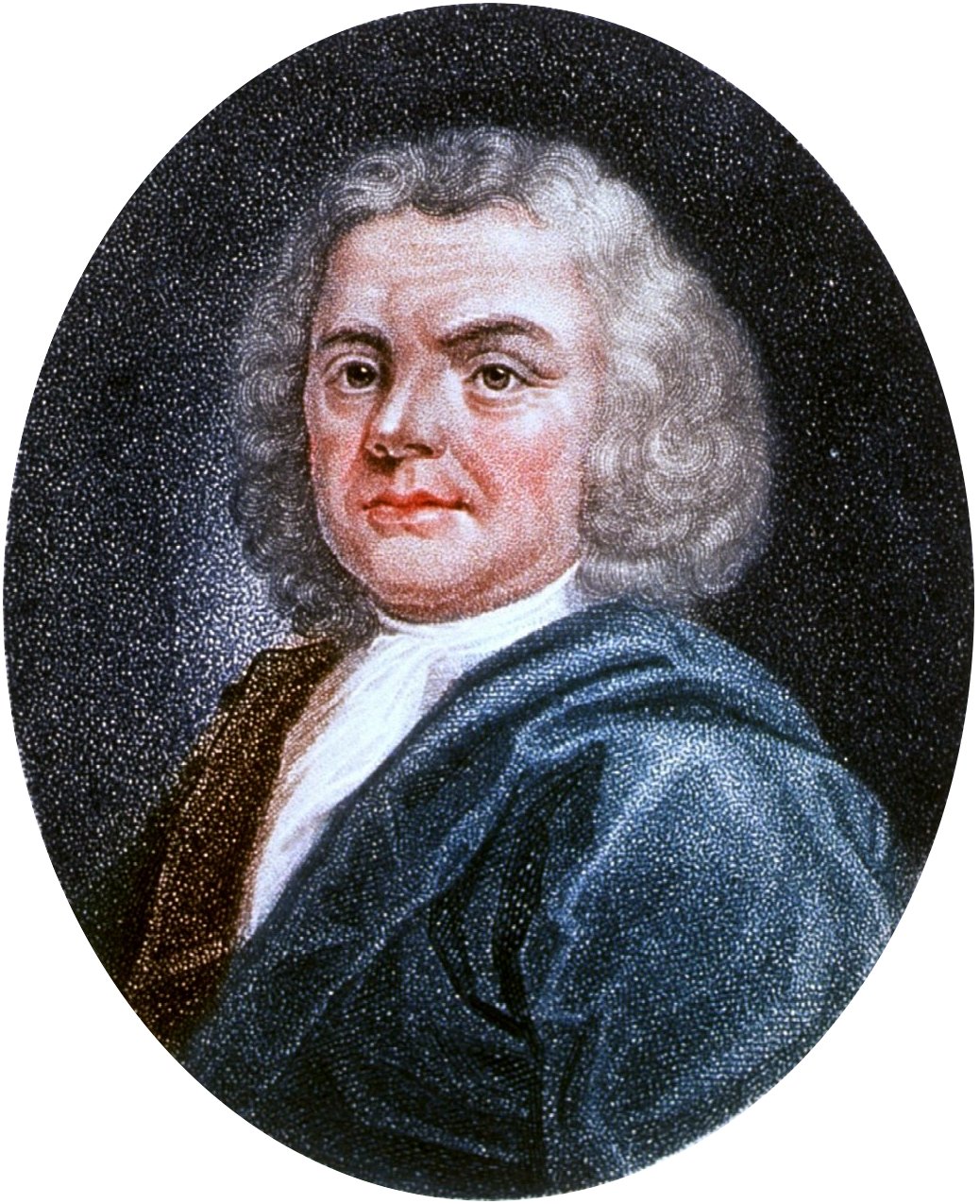
1710 BOERHAAVE, Herman (1668 – 1738)
Index plantarum, quae in Horto Academico Lugduno Batavo reperiuntur.
Upon his appointment as professor of medicine and botany at Leiden University in 1709, Boerhaave became head of the botanical garden, a laboratory for materia medica. He published his first catalogue of plants in the …
GMN 11628 · https://historyofmedicine.com/id/13828
1712 KAEMPFER, Engelbert (1651 – 1716)
Amoentitatum exoticarum politico-physico-medicarum fasciculi V.
Kaempfer’s illustrated accounts of Japanese acupuncture and moxibustion are among the best of the 17th century. They appeared for the first time in the above work and were translated into English in his The History of…
GMN 6374.11 · https://historyofmedicine.com/id/8317
1714 –1725 FEUILLÉE, Louis (1660 – 1732)
Journal des observations physiques, mathematiques et botaniques, faites par l'ordre du roi sur les côtes orientales de l'Amerique meridionale, & dans les Indes occidentales, depuis l'année 1707, jusques en 1712. 3 vols.
Includes in vols. 2 and 3: Histoire des plantes medecinales qui sont le plus en usage aux royaumes de l'Amerique meridionale, du Perou & du Chily, : composée sur les lieux par ordre du Roy, dans les années 1709. 1710.…
GMN 13449 · https://historyofmedicine.com/id/15722
1717 HERMANN, Paul (1646 – 1695); SHERARD, William (1659 – 1728)
Musaeum Zeylanicum, sive catalogus plantarum, in Zeylan sponte nascentium, observatarum & descriptarum a viaro celeberrimo Paulo Hermanno.
Paul Hermann's study of the plants of Sri Lanka collected during his experience as a Ship's Medical Oficer in the Dutch East India Company after Hermann completed his medical studies at Padua. This work was edited for…
GMN 11473 · https://historyofmedicine.com/id/13672
1721 BRADLEY, Richard (1688 – 1732)
The virtue and use of coffee, with regard to the plague, and other infectious distempers: containing the most remarkable observations of the greatest men in Europe concerning it ... To which is prefix'd an exact figure of the tree, flower, and fruit taken from the life.
Digital facsimile from wellcomecollection.org at this link.
GMN 13879 · https://historyofmedicine.com/id/16169
1727 –1733 HALES, Stephen (1677 – 1761)
Vegetable staticks: Or, an account of some statical experiments on the sap in vegetables. Statical essays, containing haemastaticks. 2 vols.
Hales initiated a new stage in physiological experimentation with his "statical" methods, which were characterized by precise quantitative measurements, repetition and the used of controls, and were based on the assum…
GMN 765 · https://historyofmedicine.com/id/1752
1727 VAILLANT, Sébastien (1669 – 1722)
Botanicon parisiense, ou, denombrement par ordre alphabetique des plantes, qui se trouvent aux environs de Paris... Avec plusieurs descriptions des plantes, leurs synonymes, le tems de fleurir & de grainer et une critique des auteurs de botanique... Enrich de plus de trois cents figures, dessinées par le Sieur Claud Aubriet, peintre du Cabinet du Roy.
The result of 36 years of work by Vaillant, published by Herman Boerhaave after Vaillant's death. A pioneer in the study of the sexuality of plants, Vaillant introduced the terms stamen, ovary, and egg with respect to…
GMN 13022 · https://historyofmedicine.com/id/15272
1728 –1737 MARTYN, John (1699 – 1768); KIRKALL, Elisha (1682 – 1742); VAN HUYSUM, Jacob (1688 – 1740)
Historia plantarum rariorum [centuriae primae decas prima-quinta].
Contains some of the earliest attempts at printing copper plates in color. The plates were "engraved by [Elisha] Kirkall in what is generally called 'mezzotint printed in colour.' The phrase is misleading. ... Kirkall…
GMN 13676 · https://historyofmedicine.com/id/15958
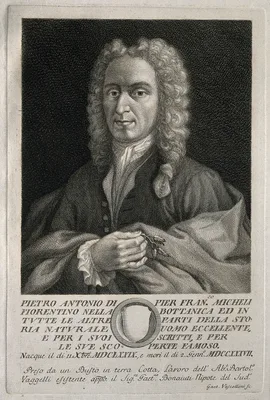
1729 MICHELI, Pier Antonio (1679 – 1737)
Nova plantarum genera iuxta Tournefortii methodum disposita.
Micheli provided descriptions of 1900 plants, including first published descriptions of about 1400. Among those were 900 fungi and lichens, accompanied by 73 plates. He included information on "the planting, origin an…
GMN 10170 · https://historyofmedicine.com/id/12359
1730 MILLER, Philip (1691 – 1771)
Catalogus plantarum, tum exoticarum tum domesticarum.... A catalogue of trees, shrubs, plants, and flowers, both exotic and domestic, which are proposed for Sale, In the gardens near London. Divided, according to their different degrees of hardiness, into particular books, or parts; in each of which the plants are ranged in an alphabetical order. To which are added, the characters of the genus; and an enumeration of all particular species which are at present to be found in the several nurseries near London, with directions for the proper soil and situation, in which each particular kind is found to thrive
A deluxe sale catalogue illustrated with 21 plates, including 7 mezzotints. "The Catalogus Plantarum is notable as one of the earliest flower books to contain plates printed in colors. It is perhaps unique in that one…
GMN 11974 · https://historyofmedicine.com/id/14182
1731 –1747 CATESBY, Mark (1683 – 1749)
The natural history of Carolina, Florida and the Bahama Islands: Containing the figures of birds, beasts, fishes, serpents, insects, and plants: Particularly, the forest-trees, shrubs, and other plants, not hitherto described, or very incorrectly figured by authors. Together with their descriptions in English and French. To which are added observations on the air, soil and waters: With remarks on agriculture, grain, pulse, roots &c. To the whole is prefixed a new and complete map of the countries treated of. 2 vols.
The only attempt to record the natural history of a region of America during the colonial period. Includes 220 fine handcolored etched plates after and by Catesby and mostly signed with his cipher, excepting plates 61…
GMN 9571 · https://historyofmedicine.com/id/11758
1731 MILLER, Philip (1691 – 1771)
The gardeners dictionary: Containing the methods of cultivating and improving the kitchen, fruit and flower garden. As also, the physick garden, wilderness, conservatory and vineyard, according to the practice of the most experienc'd gardeners of the present age. Interspers'd with the history of the plants, the characters of each genus, and the names of all the particular species, in Latin and English, and an explanation of all the terms used in botany and gardening.
Miller was chief gardener and curator (or 'Hortulanus') at the Apothecaries' (later Physic) Garden in Chelsea. Besides covering methods of cultivation, Miller's Dictionary provided a systematic botanical compendium of…
GMN 13393 · https://historyofmedicine.com/id/15664
1732 DILLENIUS, Johann Jacob Dillen (1684 – 1747); SHERARD, James (1666 – 1738)
Hortus Elthamensis seu plantarum rariorum quas in horto suo Elthami in cantio coluit vir ornatissimus et praestantissimus Jacobus Sherard, M. D. Soc. Reg. et Coll. Med. Lond. Soc. Guilielmi P.M. frater, delineationes et descriptiones quarum historia vel plane non, vel imperfecte a rei herbariae scriptoribus tradita fuit.
Catalogue of the rare plants growing at Eltham, London, in the collection of James Sherard, who, after making a fortune as an apothecary, devoted himself to gardening and music. For this work Dillenius wrote the text …
GMN 11747 · https://historyofmedicine.com/id/13947
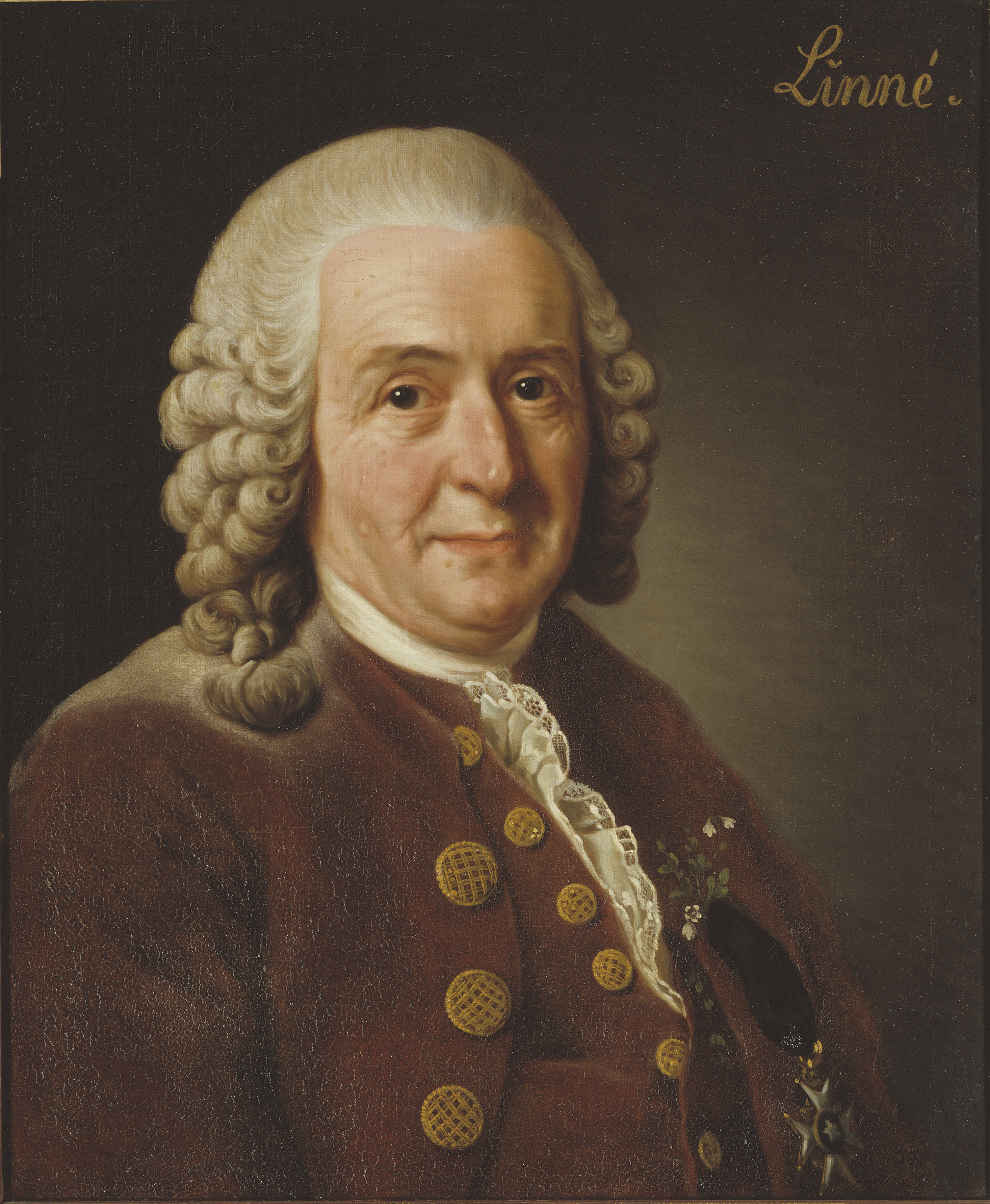
1735 LINNAEUS, Carl (Linné) (1707 – 1778)
Systema naturae per regna tria naturae, secundum classes, ordines, genera, species, cum characteribus, differentiis, synonymis, locis.
In Systema naturae Linnaeus developed the first logical and modern classifications of plants, animals and minerals. Its most valuable feature, the binomial nomenclature (genus and species), was probably devised in the…
GMN 99 · https://historyofmedicine.com/id/1498
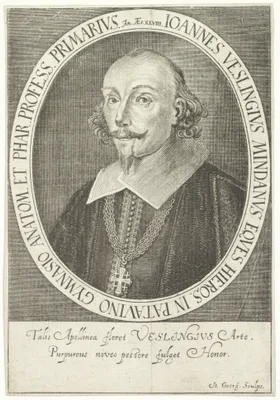
1735 ALPINI, Prospero [ALPINUS] (1553 – 1617); VESLING, Johann (1598 – 1649)
Historiae Aegypti naturalis qua continentur rerum Aegyptiarum libri quatuor. Opus posthumum nunc primum ex auctoris autographo, diligentissime recognito, editum; atque ex eodem tabellis aeneis XXV illustratum et uberimmo indice auctem. (2 vols.) Vol. 2: Pars secunda, sive, de Plantis Aegypti liber auctus & emendatus. Accedunt tabella aenae LXXVII plantis summo artificio incisis; ut & dissertatio eiusdem de laserpitio, & lotoaegyptia. Cum observationibus & notis Joannis Veslingii, equitis, In Patavino Gymnasio Anatomiae & Pharmaciae professoris primarii. Accedunt Eiusdem Joannis Veslingii paraeneses ad rem herbariam & vindiciae opobalsami cum indicibus necessariis.
Posthumously published works of Alpini on the natural history and botany of Egypt, and Vesling on the botany of Egypt. The second volume, on botany by Alpini was edited by Johannes Vesling, with the addition of his ow…
GMN 9416 · https://historyofmedicine.com/id/11599
1737 LINNAEUS, Carl (Linné) (1707 – 1778)
Genera plantarum.
Linnaeus’s botanical classification, the starting-point of modern systematic botany. The book is dedicated to Boerhaave. English translation by Erasmus Darwin, Lichfield, 1787.
GMN 1829 · https://historyofmedicine.com/id/2165
1737 LINNAEUS, Carl (Linné) (1707 – 1778); CLIFFORD, George III (1685 – 1760)
Hortus Cliffortianus plantas exhibens quas in hortistam vivis quam siccis, Hartecampi in Hollandia, coluit ...Georgius Clifford.
The largest and most attractive book by Linnaeus, describing and illustrating plants in the garden and herbarium of George Clifford, governor of the Dutch East India Company, at Clifford's summer estate, Harlecamp. Th…
GMN 7462 · https://historyofmedicine.com/id/9634
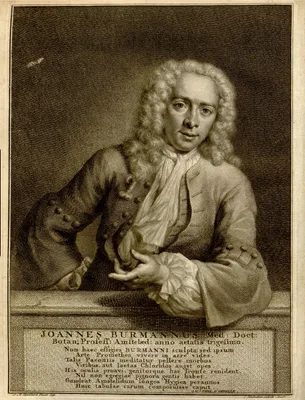
1737 BURMAN, Johannes (1707 – 1780)
Thesaurus Zeylanicus exhibens plantas in Insula Zeylana nascentes; Inter quas plurimae novae species, & genera inveniuntur. Omnia Iconibus illustrata, ac descripta.
The first illustrated flora of Sri Lanka (then called Ceylon). Burman, a Dutch physician, was a friend and correspondent of Linnaeus and professor of botany. "Indeed, Linnaeus, as a guest at the Burman house, had a ha…
GMN 13263 · https://historyofmedicine.com/id/15529
1738 RAY, John (1628 – 1705); WILLUGHBY, Francis (Willoughby) (1635 – 1672); RAUWOLF, Leonhard (1535 – 1596); ET AL
Vol. 1: Travels through the low countries, Germany, Italy and France, with curious observations, natural, topographical, moral, physiological, & c. Also, A catalogue of plants, found spontaneously growing in those parts, and their virtues. Vol. 2: A collection of curious travels and voyages. Containing Dr. Leonhart Rauwolff's journey into the eastern countries, viz. Syria, Palestine, or the Holy Land, Armenia, Mesopotamia, Assyria, Chaldea, & c. Translated from the original high Dutch, by Nicholas Staphorst. And also, travels into Greece, Asia, Minor, Egypt, Arabia Felix, Petraea, Ethiopia, the Red Sea, & c. Collected from the observations of Mons. Belon, Prosper Alpinus, Dr. Huntingdon, Mr. Vernon, Sir George Wheeler, Dr. Smith, Mr. Greaves, and others. To which are added three catalogues of such trees, shrubs and herbs as grow in the Levant
This is the second and best edition in 2 volumes of works that were first issued separately in 1673 and 1693 respectively. For Rauwolf see No. 7327. Digital facsimile of the 1738 edition from the Medical Heritage Libr…
GMN 8853 · https://historyofmedicine.com/id/11031
1740 SÉGUIER, Jean-François (1703 – 1784)
Bibliotheca botanica sive catalogus auctorum et librorum omnium qui de re botanica, de medicamentis ex vegetabilibus paratis, de re rustica, & de horticultura tractant. Accessit bibliotheca botanica Jo. Ant. Bumaldi seu potius O. Montalbani.
Organized in three parts: floras, medical botany, and horticultural and agricultural works. Séguier includes books, pamphlets, and references in the periodical literature. "The entries for the publications contain usu…
GMN 8856 · https://historyofmedicine.com/id/11034
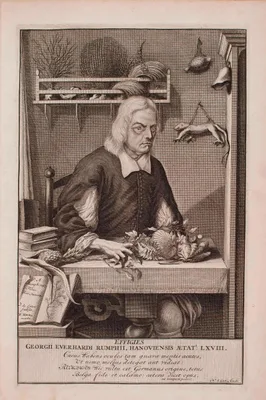
1741 –1750 RUMPHIUS, Georg Eberhard (1627 – 1702); BURMAN, Johannes (1707 – 1780)
Het Amboinsche Kruidboek . . . Herbarium Amboinense . . . nunc primum in lucem edidit & in Latinum semonem vertit Joannes Burmannus. 6 vols.
Het Amboinsche kruidboek or Herbarium Amboinense, a catalogue of the plants of Ambon in the Maluku Islands of Indonesia, by Georg Eberhard Rumphius, a German-born soldier and botanist employed by the Dutch East India …
GMN 6837 · https://historyofmedicine.com/id/9001
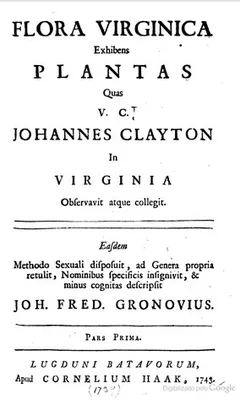
1743 GRONOVIUS, Jan Frederik (1690 – 1762); CLAYTON, John (1694 – 1773)
Flora Virginica exhibens plantas quas v. c. Johannes Clayton in Virginia observavit atque collegit. Easdem method sexuali-disposuit, ad genera propria retulit, nominbus specificis insignivit, & minus cognitas descriptsit.
The first flora of Virginia. As stated on the title page, Gronovius, a Dutch botanist, based this work on specimens collected by the Virginia plant collector and botanist John Clayton. While Clayton supplied the speci…
GMN 12478 · https://historyofmedicine.com/id/14711
1746 SHORT, Thomas (1690 – 1772)
Medicina Britannica; or, a treatise on such physical plants as are generally to be found in the fields or gardens of Great-Britain: Containing a particular account of their nature, virtues, and uses. Together with the observations of the most learned physicians, as well ancient as modern, communicated to the late ingenious Mr. Ray, and the learned Dr. Sim. Pauli. Adapted more especially to the occasions of those, whose condition or situation of life deprives them, in a great measure, of the helps of the learned. To which are added, three indexes: The first containing the England and Latin names of the plants treated of: The second of the diseases, and their remedies: The third to the notes.
Short focused his book on the medical uses of plants readily available in England. Many of the plants recommended in the traditional herbal literature were difficult to find in England. Digital facsimile from the Biod…
GMN 8869 · https://historyofmedicine.com/id/11047
1751 BARTRAM, John (1699 – 1777)
Descriptions, virtues, and uses of sundry plants of these northern parts of America, and particularly of the newly discovered Indian cure for the venereal disease.
Bartram founded one of the first botanical gardens in America (at Kingsessing). Linnaeus referred to him as the “greatest natural botanist in the world”. A few copies of this 7-page work printed by Benjamin Franklin w…
GMN 1832 · https://historyofmedicine.com/id/2171
1751 LINNAEUS, Carl (Linné) (1707 – 1778)
Philosophia botanica in qua explicantur fundamenta botanica cum definitionibus partium, exemplis terminorum, observationibus rariorum, adjectis figuris aeneis.
This work was "the first textbook of descriptive systematic botany and botanical Latin".[1] It also contains Linnaeus's first published description of his binomial nomenclature. "Philosophia Botanica represents a matu…
GMN 11972 · https://historyofmedicine.com/id/14179
1753 LINNAEUS, Carl (Linné) (1707 – 1778)
Species plantarum. Exhibentes plantas rite cognitas ad genera relatas. Cum diferentiis specificis, nominibus trivialibus, synonymis selectis, locis natalibus, secundum systema sexuale digestas. 2 vols.
In this work Linnaeus introduced his full binomial naming system for plants (binomial nomenclature). Describing about 8,000 plant species from all over the world, the book demonstrated the value of a binomial system o…
GMN 99.1 · https://historyofmedicine.com/id/1501
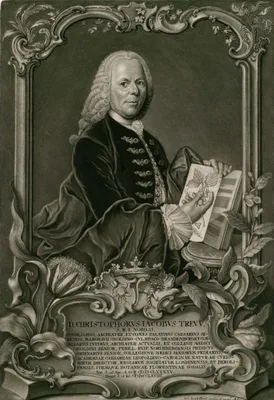
1754 –1759 GESNER, Conrad [Konrad Gessner] (1516 – 1565); SCHMIEDEL, Casimir Christoph (1718 – 1792); TREW, Christoph Jakob (1695 – 1769)
Opera botanica per duo saecula desiderata vitam auctoris et operis historiam cordi librum quintum cum adnotationibus Gesneri in totum opus ut et Wolphii fragmentum historiae plantarum Gesnerianae adiunctis indicibus iconum tam olim editarum... ex bibliotheca C.J. Trew. Nunc primum in lucem edidit et praefatus est Casimirus Christophorus Schmiedel. 2 vols.
Stricken with the plague at the age of 49, Gesner was unable to complete his Historia plantarum (See No. 1807.) His collection of botanical watercolors changed hands several times until they were acquired by the physi…
GMN 1809.1 · https://historyofmedicine.com/id/2032
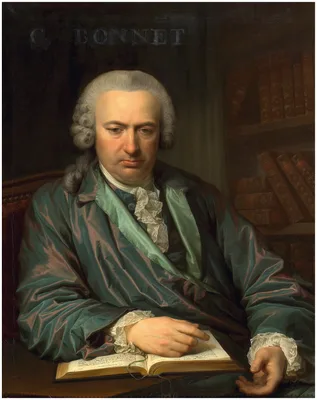
1754 BONNET, Charles (1720 – 1793)
Recherches sur l’usage des feuilles dans les plantes, et sur quelques autres sujets relatifs à l’histoire de la végétation.
In his study of plant physiology Bonnet contributed significant research on phototropism. Digital facsimile from Biodiversity Heritage Library at this link. Craig W. Whippo, Roger P. Hangarter, Phototropism: Bending t…
GMN 13099 · https://historyofmedicine.com/id/15351
1758 –1759 LINNAEUS, Carl (Linné) (1707 – 1778)
Systema naturae per regna tria naturae, secundum classes, ordines, genera, species, cum characteribus, differentiis, synonymis, locis. Editio decima, reformata. 2 vols.
In the 10th edition of his Systema naturae, Linnaeus introduced binomial nomenclature for animals. He had previously introduced binomial nomenclature for plants in his Species Plantarum (1753). In this edition Linnaeu…
GMN 11880 · https://historyofmedicine.com/id/14084
1758 LINNAEUS, Carl (Linné) (1707 – 1778); LÖFLING, Pehr (1729 – 1756)
Petri Loefling... Iter Hispanicum, eller Resa til spanska länderna uti Europa och America förrättad infrän år 1751 til år, 1756, med Beskrifningar och ron öfver de märkvärdigaste växyer, utgifven efter dess frånfälle af Carl Linnaeus.
Edited by Carl Linnaeus after the early death of Pehr Löfling, who Linnaeus considered his most gifted disciple. This is the account of Löfling's mostly botanically oriented researches through Spain, Portugal, and nor…
GMN 13545 · https://historyofmedicine.com/id/15822
1759 –1775 HILL, (Sir) John (1714 – 1775)
The vegetable system. Or, the internal structure and the life of plants; their parts, and nourishment explained; their classes, orders, genera, and species, ascertained, and described; in a method altogether new: Comprehending an artificial index and a natural system. With figures of all plants designed and engraved by the author. The whole from nature only. 26 vols.
This very extensive work consisting of 26 vols. in folio, with a total of 1548 plates, was the first comprehensive vernacular presentation of botany adopting Linnean generic names and binary nomenclature. It describes…
GMN 10227 · https://historyofmedicine.com/id/12417
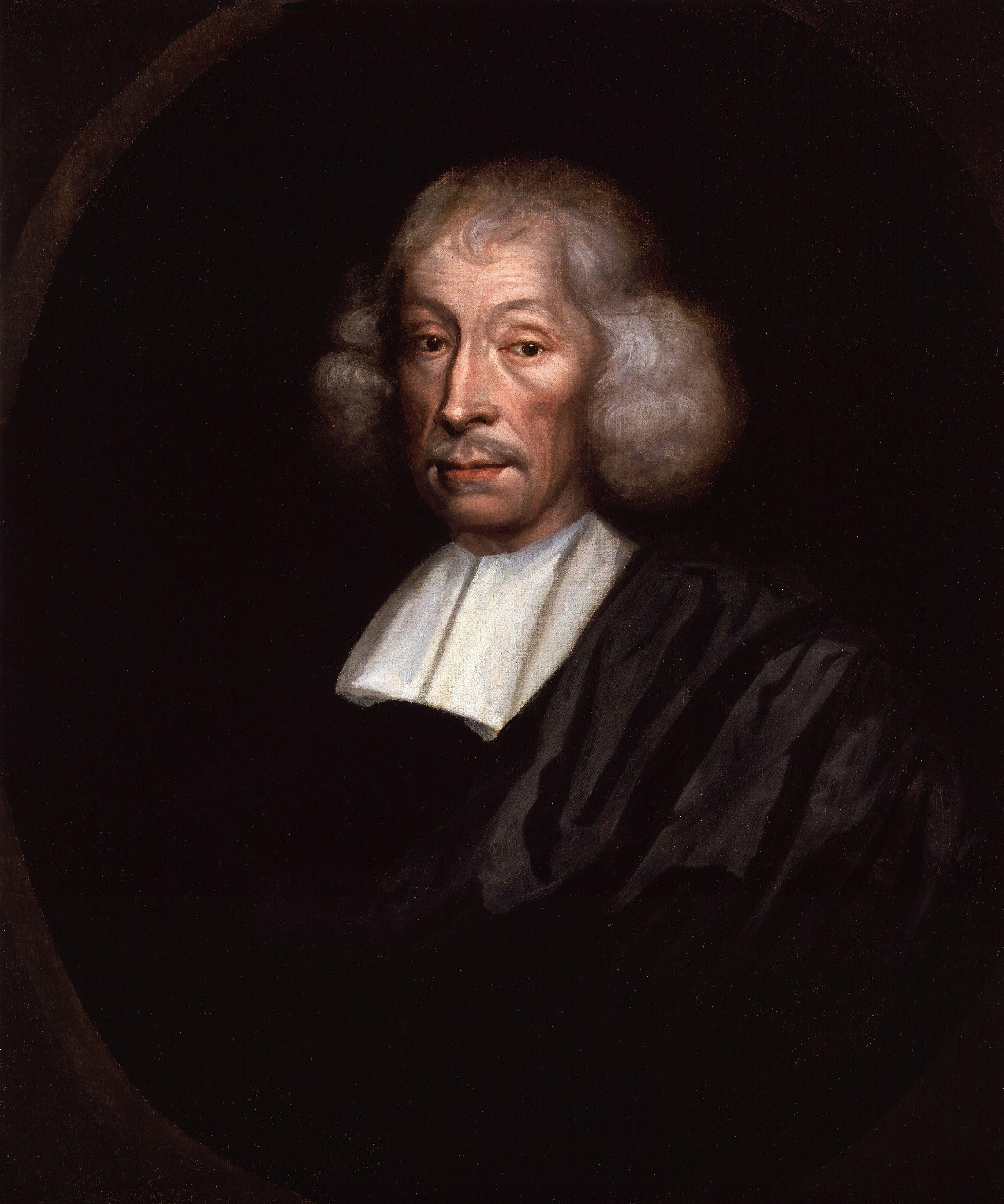
1760 RAY, John (1628 – 1705); DERHAM, William (1657 – 1735); SCOTT, George Lewis (1708 – 1780)
Select remains of the learned John Ray, M.A. and F.R.S. with his life by the late William Derham, D. D. Canon of Windsor, and F.R.S. Published by George Scott, M.A. and F.R.S.
Because Derham died in 1735 this biography would have been written in the early part of the 18th century after the death of Ray in 1705. Digital facsimile from the Hathi Trust at this link.
GMN 12703 · https://historyofmedicine.com/id/14948
1760 LINNAEUS, Carl (Linné) (1707 – 1778)
Caroli Linnaei ... disquisitio de qvaestione ab Academia Imperiali Scientiarum Petropol. in annvm MDCCLIX. pro praemio proposita: sexum plantarum argumentis et experimentis nouis, praeter adhuc iam cognita, vel corroborare, vel impugnare, praemissa expositione historica et physica omnium plantae partium, quae aliquid ad foecundationem et perfectionem seminis et fructus conferre creduntur, ab eadem Academia die VI. Septembris MDCCLX. in conuentu publico praemio ornata.
This work is typically referred to as Disquisitio de sexu plantarum. Translated into English as A dissertation on the sexes of plants translated from the Latin of Linnaeus by James Edward Smith. London: Printed for th…
GMN 13640 · https://historyofmedicine.com/id/15921
1763 STONE, Edward (1702 – 1768)
An account of the success of the bark of the willow in the cure of agues.
Stone, a vicar from Chipping Norton, Oxfordshire, discovered that the bark of the willow tree (active ingredient: salicylic acid) was effective in reducing a fever. This was the first report in the scientific literatu…
GMN 6970 · https://historyofmedicine.com/id/9135
1763 JACQUIN, Nikolaus Joseph von (1727 – 1817)
Nicolai Josephi Jacquin Selectarum stirpium Americanarum historia, in qua ad Linneanum systema determinatae descriptaeque sistuntur plantse illae, quas in insulis Martinica, Jamaica, Domingo, aliisque, et in vicinae continentis parte, observavit rariores; : adjectis iconibus in solo natali delineatis. 2 vols.
Digital facsimile from the Internet Archive at this link.
GMN 8288 · https://historyofmedicine.com/id/10464
1767 CATESBY, Mark (1683 – 1749)
Hortus Europae americanus, or, A collection of 85 curious trees and shrubs: the produce of North America, adapted to the climates and soils of Great-Britain, Ireland, and most parts of Europe, &c together with their blossoms, fruits and seeds, observations on their culture, growth, constitution and virtues, with directions how to collect, pack up and secure them in their passage.
Digital facsimile from the Biodiversity Heritage Library at this link. First published as Hortus Britanno-Americanus (1763).
GMN 7679 · https://historyofmedicine.com/id/9851
1770 ELLIS, John (1710 – 1776)
Directions for bringing over seeds and plants from the East-Indies and other distant countries in a state of vegetation: Together with a catalogue of such foreign plants as are worthy of being encouraged in our American colonies, for the purposes of medicine, agriculture, and commerce. To which is added the figure and botanical description of a new sensitive plant, called Dionaea muscipula: or, Venus's Fly-Trap.
On p. 34 Ellis published with a separate part title, A botanical description of the Dionaea Muscipula, or Venus's Fly-Trap. A newly-discovered sensitive plant: In a letter to Sir Charles Linnaeus, Knight of the Polar …
GMN 12707 · https://historyofmedicine.com/id/14952
1771 –1772 HALLER, Albrecht von (1708 – 1777)
Bibliotheca botanica. 2 vols.
This was the first of the several bibliographies compiled by Haller, one of the greatest figures in the history of medicine. The work contains the most exhaustive and thorough information of the writings in the field …
GMN 1833 · https://historyofmedicine.com/id/2175
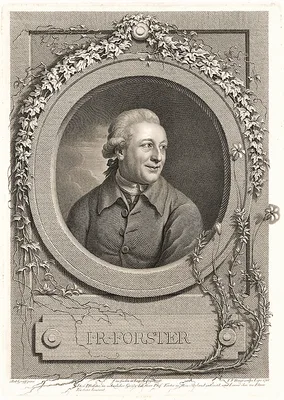
1771 FORSTER, Johann Reinhold (1729 – 1798); BOSSU, Jean Bernard (1720 – 1792)
Travels through that part of North America formerly called Louisiana by Mr. Bossu, ... Translated from the French by John Reinhold Forster, F.A.S. Illustrated with notes relative chiefly to natural history to which is added by the translator a systematic catalogue of all the known plants of English North America, or a Flora Americae Septentrionalis together with an abstract of the most useful and necessary articles contained in Peter Loefling's travels through Spain and Cumana in South America referred to the pages of the original Swedish edition. 2 vols.
This work is a series of 21 letters that Bossu wrote to the Marquis de L’Estrade describing his life and travels in the vast Louisiana country from 1751 to 1762. His ventures ranged from Fort Chartres, in present-day …
GMN 12472 · https://historyofmedicine.com/id/14705
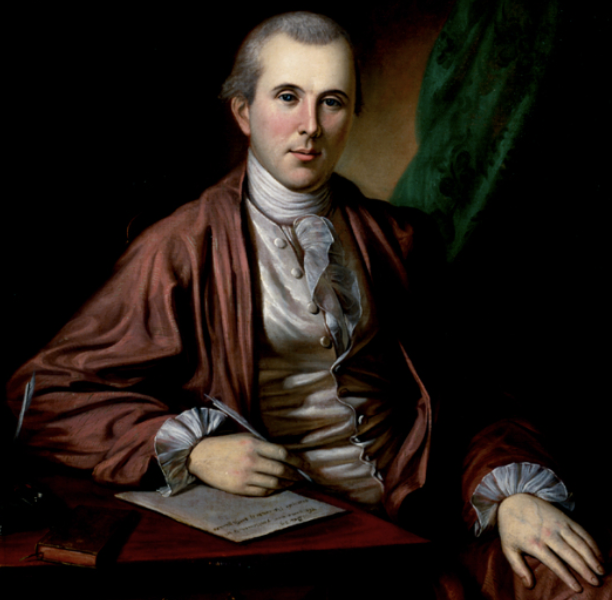
1774 RUSH, Benjamin (1745 – 1813)
An oration…containing an enquiry into the natural history of medicine among the Indians in North-America; and a comparative view of their diseases and remedies, with those of civilized nations.
Rush was the first American physician to publish a detailed study of native American medicine. Digital facsimile from the Medical Heritage Library, Internet Archive, at this link.
GMN 6451.90 · https://historyofmedicine.com/id/7588
1774 REGNAULT, Nicolas-François (1746 – 1810); REGNAULT, Geneviève de Nangis (1746 – 1802)
La botanique mise à la portée de tout le monde ou collection des plantes d'usage dans la médecine, dans les alimens et dans les arts. Avec des notices instructives puisées dans les auteurs les plus celebres, contenant la description, le climât, la culture, les proprietes et les vertus propres a chaque plante, precedé d’une introduction a la botanique, ou dictionnaire abregé des principaux termes emploiés dans cette science. 3 vols.
One of the most spectacular works of medical botany ever published, in 3 folio volumes with 472 hand-colored plates and 3 hand-colored engraved title pages. Many of the plates by by Genéviève de Nangis Regnault. Digit…
GMN 13707 · https://historyofmedicine.com/id/15991
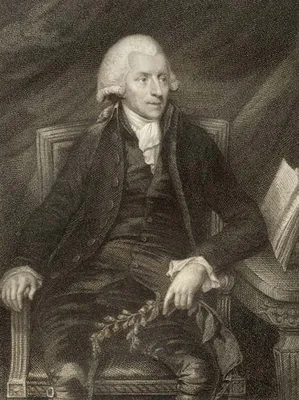
1776 WITHERING, William (1741 – 1799)
A botanical arrangement of all the vegetables naturally growing in Great Britain, with descriptions of the genera and species, according to the system of the celebrated Linnaeus. Being an attempt to render them familiar to those who are unacquainted with the learned languages. Under each species are added, the most remarkable varieties, the natural places of growth, the duration, the time of flowering, the peculiarities of structure, the common English names; the names of Gerard, Parkinson, Ray and Bauhine. The uses as medicines, or as poisons; as food for men, for brutes, and for insects. With their application in oeconomy and in the arts. With an easy introduction to the study of botany. Shewing the method of investigating plants, and directions how to dry and preserve specimens. The whole illustrated by copper plates and a copious glossary. 2 vols.
The first flora of Great Britain using Linnean binomial nomenclature, and the first complete scientific classification and description of British plants in the English language. Withering included much information on …
GMN 1833.1 · https://historyofmedicine.com/id/2178
1776 FORSTER, Johann Reinhold (1729 – 1798); FORSTER, Johann Georg Adam (1754 – 1794)
Characteres generum plantarum, quas in itinere ad insulas maris Australis, collegerunt, descripserunt, delinearunt, annis 1772-1775.
This account of botanical discoveries made by the Forsters in Australia and New Zealand on Cook's second voyage was one of the earliest scientific publications resulting from that voyage. Specimens were illustrated on…
GMN 12477 · https://historyofmedicine.com/id/14710
1781 BUC'HOZ, Pierre-Joseph (1731 – 1807)
Herbier ou collection des plantes médicinales de la Chine: D'après un manuscrit peint et unique qui se trouve dans la Bibliothèque de l'Empereur de la Chine, pour servir suitte [sic] à la collection des fleurs qui se cultivent dans les Jardins de la Chine et de l'Europe.
Digital facsimile from Google Books at this link.
GMN 13004 · https://historyofmedicine.com/id/15254
1783 LINNAEUS, Carl (Linné) (1707 – 1778); DARWIN, Erasmus (1731 – 1802)
A system of vegetables, according to their classes, orders, genera, species with their characters and differences.... Translated from the thirteenth edition (As published by Dr. Murray) of the Systema vegetabilium of the late professor Linneus; and from the Supplementum plantarum of the present professor Linneus
English translation of Linneus's Species plantarum (No. 99.1), edited by Charles Darwin's grandfather. Digital facsimile from the Biodiversity Heritage Library, Internet Archive, at this link.
GMN 8923 · https://historyofmedicine.com/id/11101
1784 HALLE, Johann Samuel (1727 – 1810)
Die Deutsche [sic] Giftpflanzen, zur Verhütung der tragischen Vorfälle in den Haushaltungen, nach ihren botanischen Kennzeichen, nebst den Heilungsmitteln.
On poisonous plants in Germany, for prevention of tragic household accidents, and remedies for the poisons. Illustrated with 16 plates. Digital facsimile from Google Books at this link.
GMN 14210 · https://historyofmedicine.com/id/16526
1785 MARSHALL, Humphrey (1722 – 1801)
Arbustrum Americanum: the American grove, or, an alphabetical catalogue of forest trees and shrubs…
Like his cousin, John Bartram (No. 1832), Marshall maintained a private botanical garden. According to W. Darlington the above work is “the first truly indigenous botanical essay published in the Western Hemisphere”. …
GMN 1836.1 · https://historyofmedicine.com/id/2189
1787 SCHOEPFF, Johann David (1752 – 1800)
Materia medica Americana, potissimum regni vegetabilis.
Schoepff came to America in 1777 as a surgeon with the Hessian troops employed by the British Forces. He returned to Germany in 1784 and compiled the first full American materia medica, describing about 400 plants, in…
GMN 1837 · https://historyofmedicine.com/id/2194