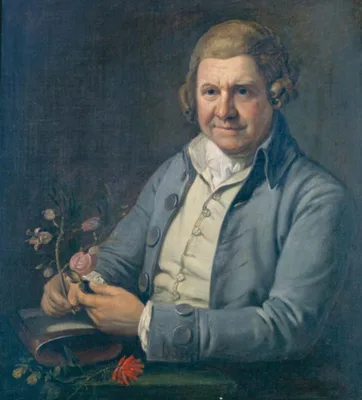
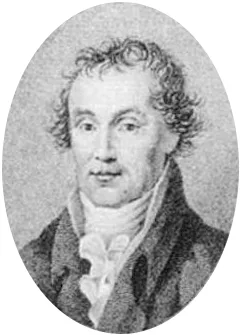
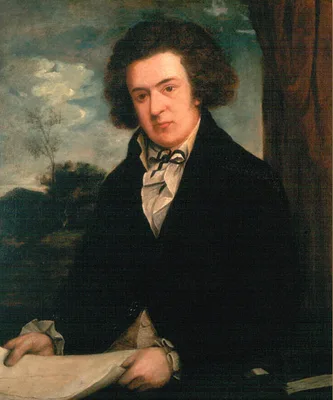
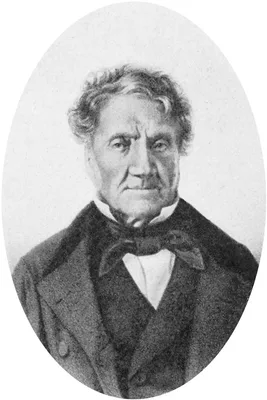
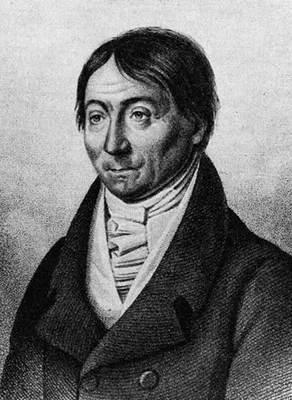
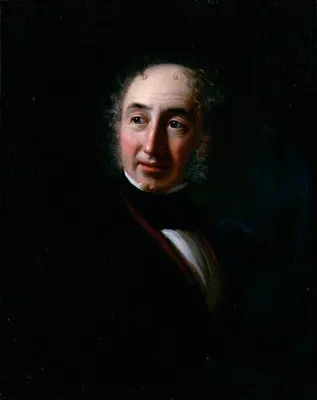
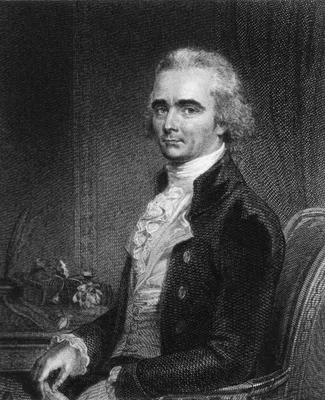
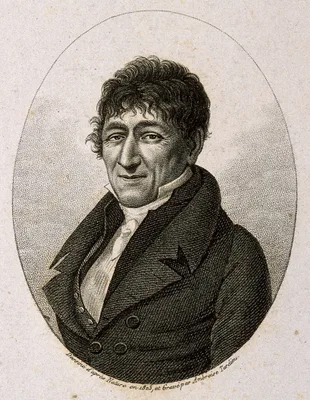
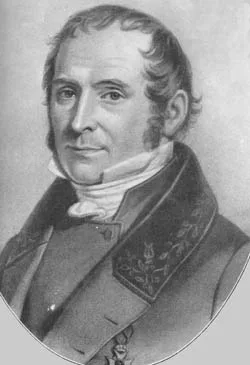
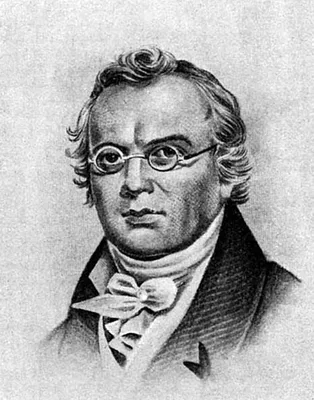
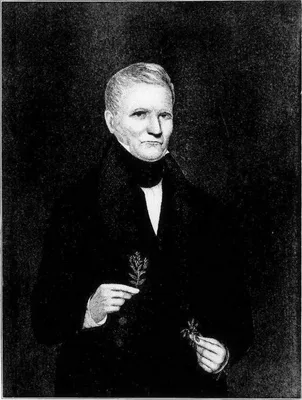
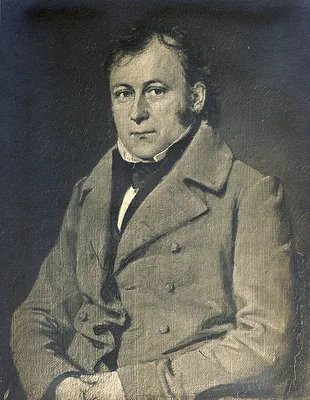
1787 HALLE, Johann Samuel (1727 – 1810)
Gifthistorie des Thier- Pflanzen- und Mineralreichs, nebst den Gegengiften, und der medicinischen Anwendung der Gifte, nach den neuesten Toxicologen.
This work was not illustrated. Digital facsimile from Bayerische StaatsBibliothek at this link.
GMN 10480 · https://historyofmedicine.com/id/12673
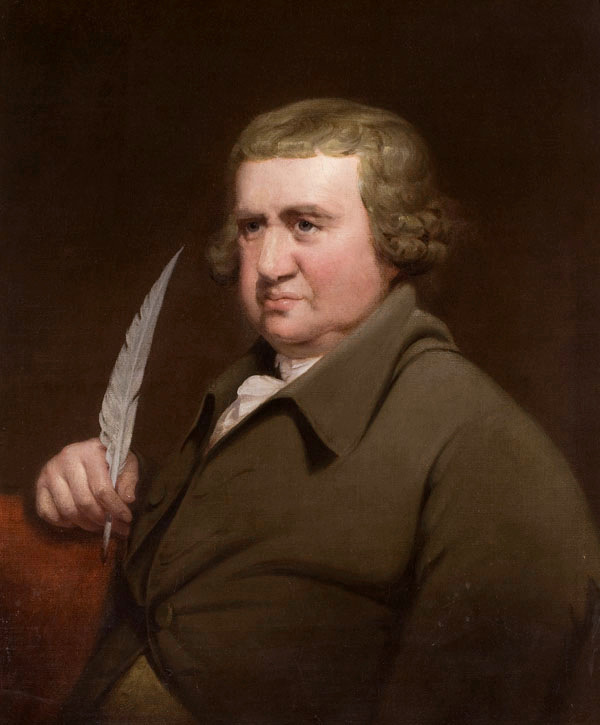
1789 –1791 DARWIN, Erasmus (1731 – 1802)
The botanic garden: A poem in two parts. Part I. Containing the economy of vegetation. Part II. The loves of the plants. With philosophical notes. 2 vols.
The first edition of part 2, preceded part 1, being published in 1789. This poem was the chief source of Erasmus Darwin's literary fame during his lifetime. Like his other works, this poem contains a great deal of fre…
GMN 8921 · https://historyofmedicine.com/id/11099
1789 AITON, William (1731 – 1793)
Hortus kewensis; or, a catalogue of the plants cultivated in the Royal Botanic Garden at Kew
Digital facsimile from the Hathi Trust at this link.
GMN 11957 · https://historyofmedicine.com/id/14164
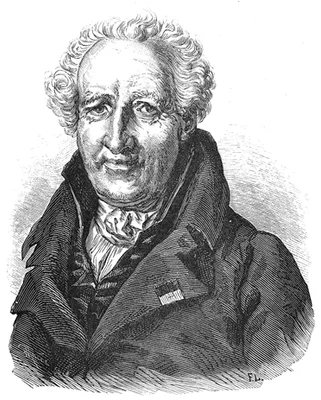
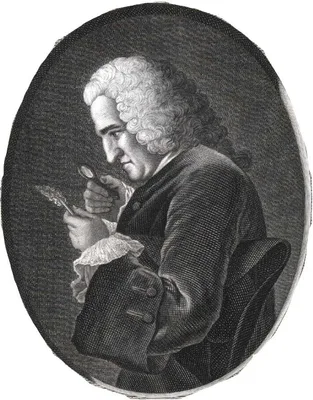
1789 JUSSIEU, Antoine Laurent de (1748 – 1836); JUSSIEU, Bernard de (1699 – 1777)
Genera plantarum: Secundum ordines naturales disposita, juxta methodum in horto regio parisiensi exaratam, anno M.DCC.LXXIV
Jussieu was the first to publish a natural classification of flowering plants, basing his system on a extensive unpublished work by his deceased uncle, the botanist Bernard de Jussieu. "In his study of flowering plant…
GMN 11976 · https://historyofmedicine.com/id/14184
1789 PATTERSON, William (1755 – 1810)
A narrative of four journeys into the country of the Hottentots, and Caffraria. In the years one thousand seven hundred and seventy-seven, eight, and nine.
Trained in horticulture at Syon House, London, Paterson was sent in 1777 to the Cape of Good Hope to collect plants for the estate of the Countess of Strathmore, undertaking four journeys into the South African interi…
GMN 13763 · https://historyofmedicine.com/id/16048
1790 –1794 WOODVILLE, William (1752 – 1805)
Medical botany, containing systematic and general descriptions, with plates, of all the medicinal plants, indigenous and exotic, comprehended in the catalogues of the materia medica, as published by the Royal Colleges of Physicians of London and Edinburgh: Accompanied with a circumstantial detail of their medicinal effects, and of the diseases in which they have been most successfully employed. 3 vols. & Supplement.
Issued in numbers from 1790-1795, this is the first edition in book form. This work, which underwent several later editions, remained the standard work on the plants of the British pharmacopoeia until the 1880s. Digit…
GMN 1838.1 · https://historyofmedicine.com/id/2205
1790 WHITE, John (1756 – 1832); STONE, Sarah (1760 – 1844)
Journal of a voyage to New South Wales with sixty five plates of non descript. animals, birds, lizards, serpents, curious cones of trees and other natural productions
This work described many Australian species for the first time. It includes natural history illustrations after watercolor paintings by Sarah Stone. Digital facsimile from Biodiversity Heritage Library at this link
GMN 7366 · https://historyofmedicine.com/id/9538
1790 –1814 SMITH, Sir James Edward (1759 – 1828); SOWERBY, James (1757 – 1822)
English botany; or, coloured figures of British plants, with their essential characters, synonyms, and places of growth. To which will be added, occasional remarks. 36 vols.
Issued in parts. Images by Sowerby; text by Sir James Edward Smith. Only Sowerby is credited on the title page. Includes 2,592 hand-colored plates of British plants. "Buyers of this work today must exercise extreme ca…
GMN 13642 · https://historyofmedicine.com/id/15923
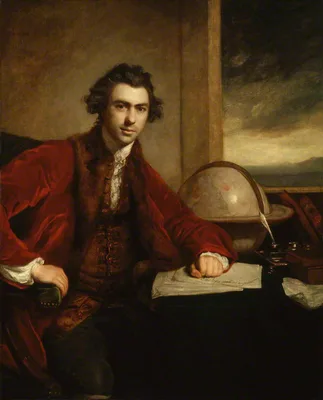
1791 KAEMPFER, Engelbert (1651 – 1716); BANKS, Sir Joseph (1743 – 1820)
Icones selectæ plantarum, quas in Japonia collegit et delineavit; Engelbertus Kaempfer; ex archetypis in Museo Britannico asservatis. Edited by Sir Joseph Banks.
Sir Joseph Banks was responsible for publishing most of Kaempfer's studies of Japanese plants, which had remained unpublished for more than 70 years. This work introduced many Japanese plants to Western botanists. Dig…
GMN 12825 · https://historyofmedicine.com/id/15071
1793 SPRENGEL, Christian Konrad (1750 – 1816)
Das entdeckte Geheimnis der Natur im Bau und in der Befruchtung der Blumen.
Sprengel demonstrated for the first time that the whole structure of nectar-bearing flowers is adapted for fertilization by insects. In his study of the Rose-bay Sprengel discovered dichogamy – that in some plants the…
GMN 104.1 · https://historyofmedicine.com/id/1592
1793 –1795 WHITE, John (1756 – 1832); SMITH, Sir James Edward (1759 – 1828); SOWERBY, James (1757 – 1822)
A specimen of the botany of New Holland
The first published book on the flora of Australia, issued by Sowerby in four parts between 1793 and 1795. It included 16 hand-colored plates reproducing paintings by Sowerby, mostly based on sketches by John White, a…
GMN 12951 · https://historyofmedicine.com/id/15198
1794 BARHAM, Henry
Hortus Americanus, containing an account of the trees, shrubs, and other vegetable productions of South-America and the West-India islands, and particularly of the island of Jamaica; interspersed with many curious and useful observations, respecting their uses in medicine, diet, and mechanics.
Digital facsimile from Biodiversity Heritage Library at this link.
GMN 9989 · https://historyofmedicine.com/id/12178
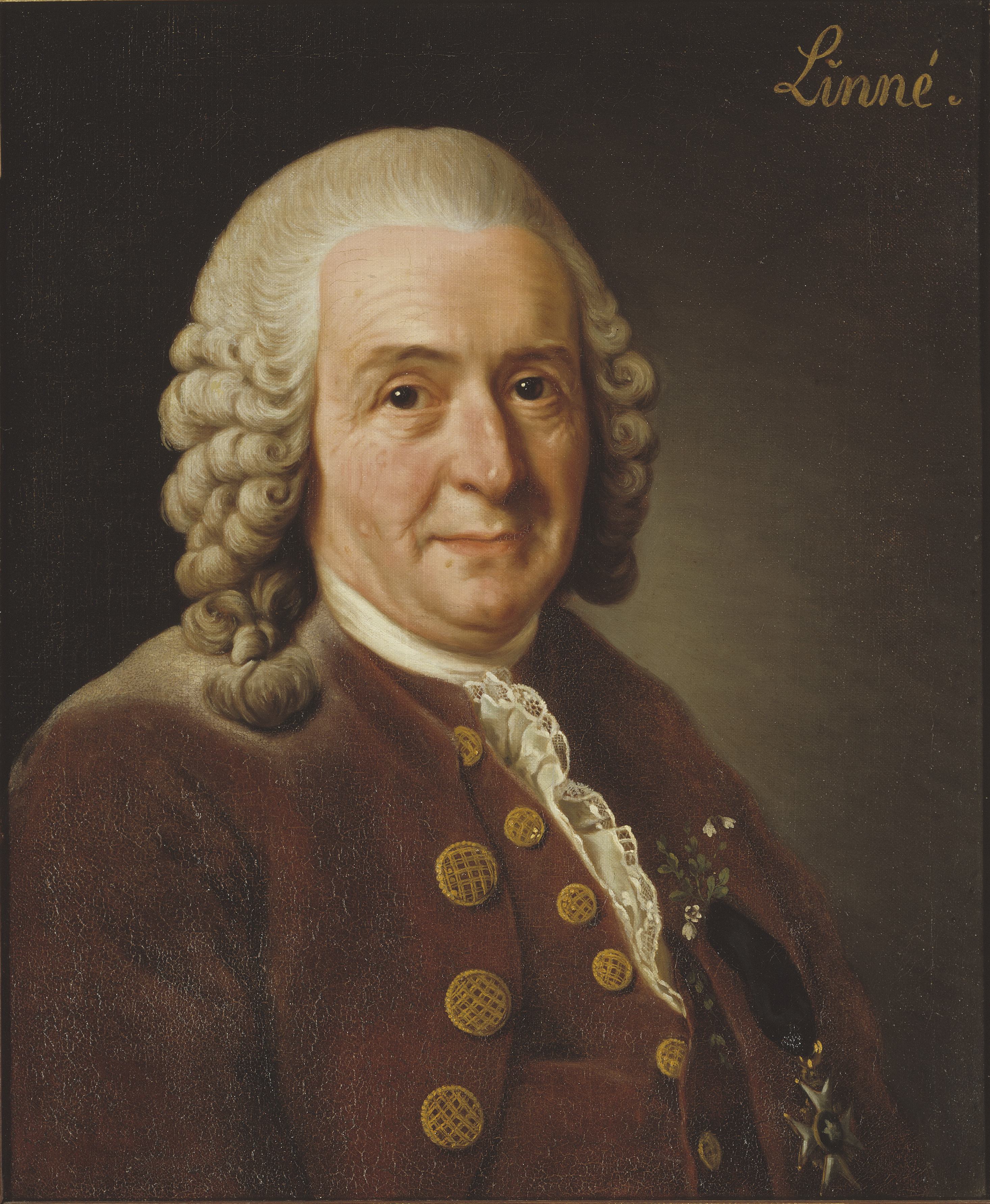
1794 LINNAEUS, Carl (Linné) (1707 – 1778); STOEVER, Dietrich Johan Heinrich (1767 – 1822)
The life of Sir Charles Linnaeus, Knight of the Swedish Order of the Polar Star, &c. &c. To which is added a copious list of his works, and a biographical sketch of the life of his son, by D. H. Stoever. Translated from the original German by Joseph Trapp.
Digital facsimile from Google Books at this link.
GMN 12686 · https://historyofmedicine.com/id/14931
1796 DONN, James (1783 – 1813)
Hortus cantabrigiensis, or a catalogue of plants, indigenous and foreign, cultivated in the Walkerian Botanic Garden, Cambridge.
The Walkerian Botanic Garden was the first botanical garden founded in Cambridge. It is the ancestor of the Cambridge University Botanic Garden. Digital facsimile from the Hathi Trust at this link.
GMN 11958 · https://historyofmedicine.com/id/14165
1798 –1802 LÓPEZ, Hipólito Ruiz (1754 – 1816); PAVÓN JIMÉNEZ, José Antonio (1754 – 1840)
Flora Peruviana, et Chilensis, sive, descriptiones et icones plantarum Peruvianarum, et Chilensium, secundum systema Linnaeanum digestae, cum characteribus plurium generum evulgatorum reformatis. 3 vols.
The authors originally intended this work resulting from their researches conducted during the Expedición Botánica al Virreinato del Perú to be published in 8 vols., and by later design in 12. However, only the first …
GMN 13326 · https://historyofmedicine.com/id/15593
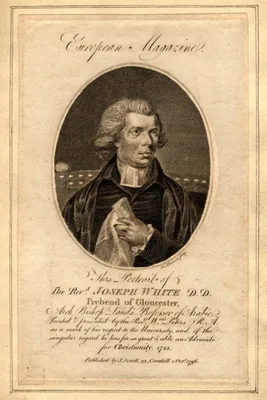
1800 ABDALLATIF AL-BAGHDADI (عبداللطيف البغدادي), [Abd al-Latif al-Baghdadi] (1162 – 1231); WHITE, Joseph (1745 – 1814); POCOCKE, Edward (1648 – 1727)
Historiae Aegypti compendium, Arabice et Latine. Partim ipse vertit, partim a Pocockio versum edendum curavit, notisque illustravit J. White.
Arabic-Latin bilingual text, edited by White, incorporating a translation begun by Edward Pococke the Younger (1648-1727). Abd al-Latif gave a good description of the fauna and flora of Egypt, its inhabitants and some…
GMN 1768 · https://historyofmedicine.com/id/3306
1800 SPRENGEL, Kurt Polykarp Joachim (1766 – 1833)
Der botanische Garten der Universität zu Halle im Jahre 1799.
Digital facsimile from digitale-sammlungen.de at this link. Followed by Erster Nachtrag zu der Beschreibung des botanischen Gartens der Universität zu Halle (1801). Digital facsimile of the 1801 Nachtrag from bab-muen…
GMN 13392 · https://historyofmedicine.com/id/15663
1801 STEARNS, Samuel (1741 – 1810)
The American herbal, or materia medica.
The first herbal both produced and printed in the United States, as opposed to those which were reprints of European works. Includes information on native American remedies. Digital facsimile from the Medical Heritage…
GMN 1838.2 · https://historyofmedicine.com/id/2218
1803 BARTON, Benjamin Smith (1766 – 1815)
Elements of botany, or outlines of the natural history of vegetables.
The first American textbook of botany. Digital facsimile of the revised 1804 London edition from the Hathi Trust at this link.
GMN 9310 · https://historyofmedicine.com/id/11492
1803 MICHAUX, André (1746 – 1802); REDOUTÉ, Pierre-Joseph (1759 – 1840)
Flora Boreali-Americana, sistens caracteres plantarum quas in America septentrionali collegit et detexit Andreas Michaux, Instituti Gallici Scientiarum, necnon Societatis Agriculturae Caroliniensis socius. Tabulis Aeneis 51 ornata [after Pierre-Joseph Redouté]. 2 vols.
"The French government sent Michaux to the United States to collect North American seeds, shrubs, and trees ; he landed at New York City on 1 October, accompanied by his son [François-André Michaux] and a gardener. In…
GMN 12399 · https://historyofmedicine.com/id/14629
1804 SAUSSURE, Nicolas-Théodore de (1767 – 1845)
Recherches chimiques sur la végétation.
In this foundation work on phytochemistry, Saussure analysed the chief active components of plants, their synthesis and decomposition. He specified the relationships between vegetation and the environment. He showed t…
GMN 145.54 · https://historyofmedicine.com/id/2445
1805 HUMBOLDT, Friedrich Wilhelm Heinrich Alexander von (1769 – 1859); BONPLAND, Aimé Jacques Alexandre (1773 – 1858)
Essai sur la géographie des plantes; accompagné d’un tableau physique des régions équinoxiales.
One of the first works on the geographical distribution of plants. Humboldt was a pioneer student of geographical–ecological plant associations. The sheets of this work were reissued as Vol. I of the authors' Voyage a…
GMN 145.55 · https://historyofmedicine.com/id/2459
1807 –1834 HUMBOLDT, Friedrich Wilhelm Heinrich Alexander von (1769 – 1859); BONPLAND, Aimé Jacques Alexandre (1773 – 1858)
Voyage aux régions équinoxiales du nouveau continent, fait en 1799, 1800, 1801, 1802, 1803 et 1804. 34 vols.
In 1799 Humboldt and Bonpland embarked on a six-year tour of research through South America and Mexico, a trip which would afterwards be called, justifiably, "the scientific discovery of America." The two amassed exha…
GMN 7452 · https://historyofmedicine.com/id/9624
1807 DELEUZE, Joseph-Philippe-François (1753 – 1835)
De l'établissement des principaux jardins de botanique.
Digital facsimile from Google Books at this link. Edited English translation by Roger L. Williams as "On the establishment of the principal gardens of botany: A bibliographical essay by Jean-Philippe-François Deleuze,…
GMN 13348 · https://historyofmedicine.com/id/15619
1808 SHEPHERD, John (1764 – 1836)
A catalogue of plants in the Botanic Garden, at Liverpool.
Digital facsimile from the Hathi Trust at this link.
GMN 11955 · https://historyofmedicine.com/id/14162
1809 LINK, Johann Heinrich Friedrich (1767 – 1851)
Observationes in Ordines plantarum naturales. Dissertatio prima complectens Anandrarum ordines Epiphytas, Mucedines, Gastromycos et Fungo.
Link described Polyangium, the first bacterium to be described that is still recognized today. Link also described Penicillium for the first time.
GMN 11403 · https://historyofmedicine.com/id/13602
1809 –1840 HOFFMANNSEGG (HOFFMANSEGG), Johann Centurius Graf von (1766 – 1849)
Flore portugaise ou description de toutes les plantes qui croissent naturellement en Portugal. 2 vols.
The most spectacular illustrated book on the flora of Portugal. The delicate illustrations, mostly stipple-engraved and colored by hand, based on the travels of Hoffmannsegg through Portugal between 1797 and 1801, wer…
GMN 12798 · https://historyofmedicine.com/id/15044
1811 HOOKER, Sir William Jackson (1785 – 1865)
Journal of a tour in Iceland in the summer of 1809.
"In 1809 he went to Iceland to make a botanical survey for [Sir Joseph] Banks; his collections were lost in a fire at sea on the way home but with the aid of Banks’s notes from his own journey there in 1772 Hooker was…
GMN 13762 · https://historyofmedicine.com/id/16047
1813 AINSLIE, Whitelaw (1767 – 1837)
Materia medica of Hindoostan, and artisan’s and agriculturist’s nomenclature.
The first book in English on the materia medica of India, and a pioneering work in the field of Indian medical history. Ainslie joined the British East India Company as an assistant surgeon in 1788 and spent the next …
GMN 6975 · https://historyofmedicine.com/id/9141
1814 PURSH, Frederick Traugott (1774 – 1820)
Flora Americae septentrionalis; or, a systematic arrangement and description of the plants of North America. Containing, besides what have been described by preceding authors, many new and rare species, collected during twelve years travels and residence in that country. 2 vols.
The first survey of all plants of North America above Mexico, including more than 3,000 species and 470 genera; describes more than 100 species collected by the Lewis and Clark expedition. Digital facsimile from Botan…
GMN 7876 · https://historyofmedicine.com/id/10048
1814 ROXBURGH, William (1751 – 1815)
Hortus Bengalensis, or, a catalogue of the plants growing in the East India Company's Botanic Garden at Calcutta.
Digital facsimile from Google Books at this link.
GMN 10761 · https://historyofmedicine.com/id/12957
1814 –1819 CHAUMETON, François-Pierre (1775 – 1819); POIRET, Jean Louis Marie (1755 – 1834); TYRBAS DE CHAMBERET, Jean-Baptiste-Joseph-Anne-César (1779 – 1870); PANCKOUCKE, Ernestine (1784 – 1860); TURPIN, Pierre Jean François (1775 – 1840)
Flore médicale. 7 vols.
The greatest work of medical botany published during the Napoleonic period; considered a masterpiece of color print production with 425 plates printed in color and finished by hand. The medicinal aspect appears to hav…
GMN 11036 · https://historyofmedicine.com/id/13232
1817 –1819 BARTON, William Paul Crillon (1786 – 1856)
Vegetable materia medica of the United States. 2 vols.
Barton served as a naval surgeon and, in 1815, became Professor of Botany at Philadelphia. Along with Bigelow (No. 1842) Barton’s work is one of the first two botanical works with colored plates issued in the United S…
GMN 1841 · https://historyofmedicine.com/id/2277
1817 –1820 BIGELOW, Jacob (1786 – 1879)
American medical botany, being a collection of the native medicinal plants of the United States, containing their botanical history and chemical analysis, and properties and uses in medicine, diet and the arts. 3 vols.
Bigelow was professor of materia medica and botany at Harvard. This work included native American remedies. It was the first book printed in the United States to include color plates printed in color. See R.J. Wolfe, …
GMN 1842 · https://historyofmedicine.com/id/2280
1818 ABEL, Clarke (1789 – 1826)
Narrative of a journey in the interior of China, and of a voyage to and from that country, in the years 1816 and 1817; containing an account of the most interesting transactions of Lord Amherst's embassy to the court of Pekin and observations on the countries which it visited.
Digital facsimile from Google Books at this link.
GMN 7369 · https://historyofmedicine.com/id/9541
1818 NUTTALL, Thomas (1786 – 1859)
The genera of North American plants, and a catalogue of the species to the year 1817. 2 vols.
The first comprehensive botany of the United States. Digital facsimile from the Internet Archive at this link.
GMN 7771 · https://historyofmedicine.com/id/9943
1820 –1824 ROXBURGH, William (1751 – 1815); WALLICH, Nathaniel (1786 – 1854); CAREY, William (1761 – 1834)
Flora Indica; or descriptions of Indian plants by the late William Roxburgh. Edited by William Carey, to which are added descriptions of plants recently discovered by Nathaniel Wallich. 2 vols.
Digital facsimile from the Internet Archive at this link.
GMN 10762 · https://historyofmedicine.com/id/12958
1820 –1824 BARTON, William Paul Crillon (1786 – 1856)
A flora of North America. Illustrated by coloured figures, drawn from nature. 3 vols.
This work represents the first successful use of stipple engravings for the reproduction of images in a book published in the United States. 29 of the 106 hand-colored plates were engraved by Cornelius Tiebout (1773-1…
GMN 12471 · https://historyofmedicine.com/id/14704
1821 –1829 DESCOURTILZ, Michel Étienne (1777 – 1835); DESCOURTILZ, Jean-Théodore (1796 – 1855)
Flore pittoresque et médicale des Antilles, ou, Histoire naturelle des plantes usuelles des colonies françaises, anglaises, espagnoles et portugaises; par M. E. Descourtilz. Peinte par J. Th. Descourtilz. 8 vols.
Medical botany of the Caribbean, finely illustrated with colored plates after paintings by the author's son. Digital facsimile from the Biodiversity Heritage Library at this link.
GMN 8547 · https://historyofmedicine.com/id/10724
1821 –1832 FRIES, Elias Magnus (1794 – 1878)
Systema mycologicum: Sistens fungorum ordines, genera et species, huc usque cognitas, quas ad normam methodi naturalis determinavit. 3 vols.
Fries's work represents the beginning of mycological nomenclature. Digital facsimile from Biodiversity Heritage Library at this link.
GMN 10167 · https://historyofmedicine.com/id/12356
1821 ROQUES, Joseph R. (1772 – 1850)
Phytographie médicale, ornée de figures coloriées de grandeur naturelle, ou l’on expose l’histoire des poisons tirés du règne végétal, et les moyens de remédier a leurs effets délétères, avec des observations sur les propriétés et les usages des plantes héroïques. 2 vols.
Perhaps the most beautiful book on botanic poisons and their antidotes, including narcotics. Plates 1-15 cover mushrooms, and plate 175 depicts Cannabis sativa. With 180 plates printed in color à la poupée and finishe…
GMN 10647 · https://historyofmedicine.com/id/12840
1821 –1824 ELLIOTT, Stephen (1771 – 1830)
A sketch of the botany of South-Carolina and Georgia. 2 vols.
A founding work of botany of the American South, containing first botanical descriptions of many species. Initially published in parts from 1816 to 1824. Digital facsimile from Biodiversity Heritage Library at this link.
GMN 13911 · https://historyofmedicine.com/id/16204
1822 THOMSON, Samuel (1769 – 1843)
New guide to health; or botanic family physician, containing a complete system of practice, upon a plan entirely new; with a description of the vegetables made use of, and directions for preparing and adminstering them to cure disease. To which is prefixed a narrative of the life and medical discoveries of the author.
The "Bible" of Thomsonism or "Thomsonian medicine", which employed botanical remedies, often based on native American medicines. Digital facsimile from the Medical Heritage Library, Internet Archive, at this link.
GMN 6988 · https://historyofmedicine.com/id/9154
1822 SCHOUW, Joakim Frederik (1789 – 1852)
Grundtræk til en almindelig Plantegeographie.
The first atlas of the geography of plants, including distribution maps for the eastern and western hemisphere. Schouw translated the work into German and had the translation published the following year: Grundzüge ei…
GMN 7695 · https://historyofmedicine.com/id/9867
1822 THOMSON, Samuel (1769 – 1843)
A narrative of the life and medical discoveries of Samuel Thomson: Containing an account of his system of practice, and the manner of curing disease with vegetable medicine, upon a plan entirely new; to which is added an introduction to his New Guide to Health, or Botanic Family Physician containing the principles upon which the system is founded, with remarks on fevers, steaming, poison &c.
Thomson issued this introductory work shortly before publication of his New Guide. Three issues appeared in 1822: one with 180 pages, another with 182 pages including testimonials, and a 204 page issue with the introd…
GMN 10751 · https://historyofmedicine.com/id/12947
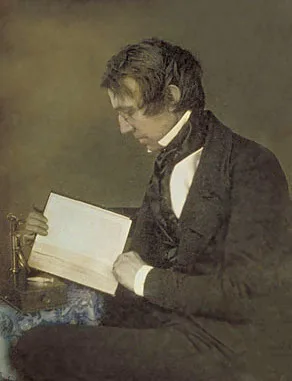
1824 DUTROCHET, René Joachim Henri (1776 – 1847)
Recherches anatomiques et physiologiques sur la structure intime des animaux et des végétaux.
GMN 108 · https://historyofmedicine.com/id/1616
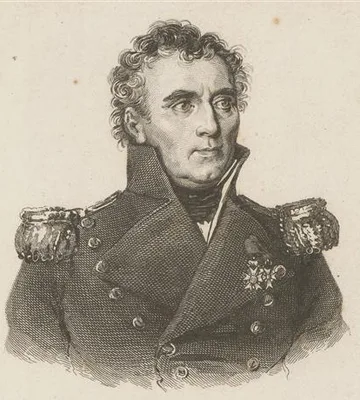
1824 –1842 FREYCINET, Louis Claude de Caulces de (1779 – 1841); QUOY, Jean René Constant (1790 – 1869); GAIMARD, Joseph Paul (1793 – 1858); GAUDICHAUD-BEAUPRÉ, Charles (1789 – 1854)
Voyage autour du monde, entrepris par ordre du Roi, sous le Ministère et conformément aux instructions de S. Exc. M. le Vicomte du Bouchage, Secrétaire d'État au Département de la Marine, exécuté sur les corvettes de S. M. l'Uranie et la Physicienne, pendant les années 1817, 1818, 1819 et 1820; Publié sous les auspices de S. E. M. Le Comte Corbière, Secrétaire d'État de l'Intérieur, pour la partie historique et les sciences naturelles, et de S.E.M. Le Marquis de Clermont-Tonnerre, Secrétaire d'État de la Marine et des Colonies, pour la partie nautique, par M. Louis de Freycinet. 7 vols [in 10] & Atlas in 4 vols.
In 1817 Freycinet commanded the Uranie, accompanied by marine hydrologist Louis Isidore Duperrey, the artist Jacques Arago, junior draughtsman Adrien Taunay the Younger and others, and a guard of seventeen officers. F…
GMN 11908 · https://historyofmedicine.com/id/14113
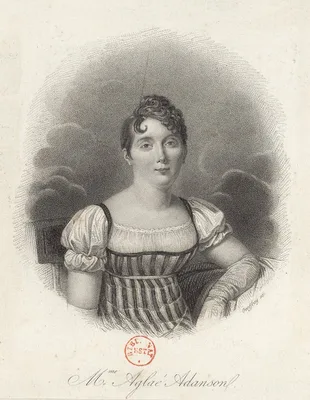
1825 ADANSON, Aglaé (1775 – 1852)
Catalogue des arbres, arbrisseaux, arbustes et plantes vivaces, cultivés en pleine terre à Baleine [sic], près Moulins, département d'Allier.
Digital facsimile from Biodiversity Heritage Library at this link.
GMN 13480 · https://historyofmedicine.com/id/15754
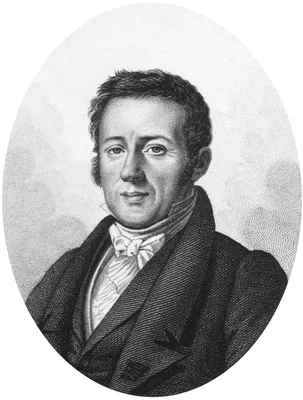
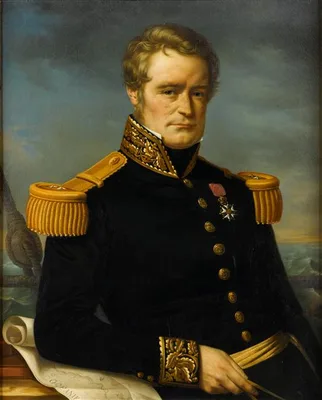
1826 –1838 DUPERREY, Louis Isidore (1786 – 1865); LESSON, René Primevère (1794 – 1849); DUMONT D'URVILLE, Jules Sébastien César (1790 – 1842); GARNOT, Prosper (1794 – 1838)
Voyage autour du monde, exécuté par ordre du Roi, sur la corvette de Sa Majesté, la Coquille, pendant les années 1822, 1823, 1824 et 1825. 6 vols. plus 4 atlases.
Duperrey undertook this circumnavigation under the sponsorship of the French Minister of Marine, to study terrestrial magnetism and meteorology, and to confirm or correct the position of islands and landmarks that wer…
GMN 10437 · https://historyofmedicine.com/id/12630
1826 TORREY, John (1796 – 1873)
A compendium of the flora of the northern and middle states, containing generic and specific descriptions of all the plants, exclusive of the cryptogamia, hitherto found in the United States, north of the Potomac.
Published after Torrey's appointment as profess or chemistry at West Point, in a small, handy format for botanical students, that "its small size will enable them to use it without inconvenience in their herborization…
GMN 10513 · https://historyofmedicine.com/id/12706