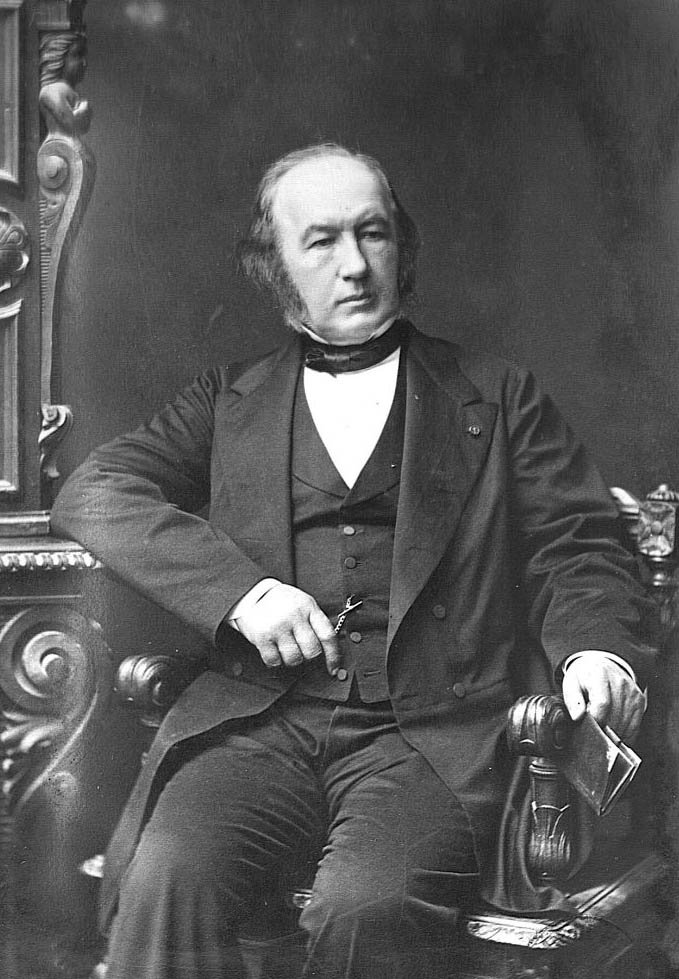
1856 BERNARD, Claude (1813 – 1878)
Analyse physiologique des propriétés des systèmes musculaires et nerveux au moyen de curare.
Bernard paralysed motor nerve-endings with curare and demonstrated the independent excitability of muscle. He showed that curare acted by stopping the transmission of impulses from motor nerves to voluntary muscles.
GMN 2079 · https://historyofmedicine.com/id/499
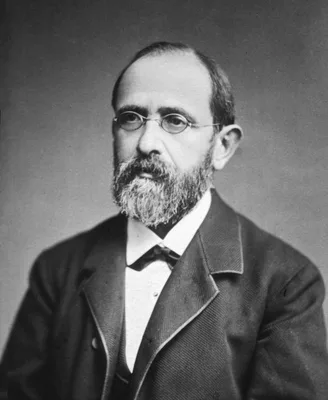
1872 HEIDENHAIN, Rudolf Peter Heinrich (1834 – 1897)
Ueber die Wirkung einiger Gifte auf die Nerven der glandula submaxillaris.
Study of the effect of poisons on the nerves of the submaxillary gland.
GMN 1011 · https://historyofmedicine.com/id/829
1899 SULLIVAN, William Charles (1869 – 1926)
A note on the influence of maternal inebriety on the offspring.
Fetal alcohol syndrome – first serious study.
GMN 2082 · https://historyofmedicine.com/id/2557
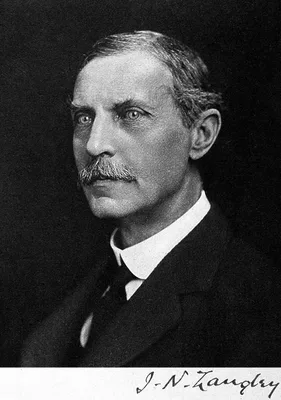
1905 LANGLEY, John Newport (1852 – 1925)
On the reaction of cells and of nerve-endings to certain poisons, chiefly as regards the reaction of striated muscle to nicotine and to curari.
Langley introduced the concept of a receptor substance present in the biological object with which a drug has to interact in order to exert its biological effect. Digital facsimile from PubMedCentral at this link.
GMN 1893.2 · https://historyofmedicine.com/id/2538
1912 TODD, John Lancelot (1876 – 1949)
Does a human tick-borne disease exist in British Columbia?
Report on the first cases of "tick paralysis", a potentially lethal disease treatable by removing the tick. Follow-up paper by Todd: "Tick bite in British Columbia," Canad. med. Assoc. J., 2 (1912) 1118-1119. Unlike m…

GMN 10921 · https://historyofmedicine.com/id/13117
2003 KALTER, Harold (1924 – 2019)
Teratology in the twentieth century: Congenital malformations in humans and how their environmental causes were established.
Book form publication with extensive bibliography and index, reprinted from Neurotoxicology and Teratology, 25 (2003) 132-282.
GMN 7873 · https://historyofmedicine.com/id/10045