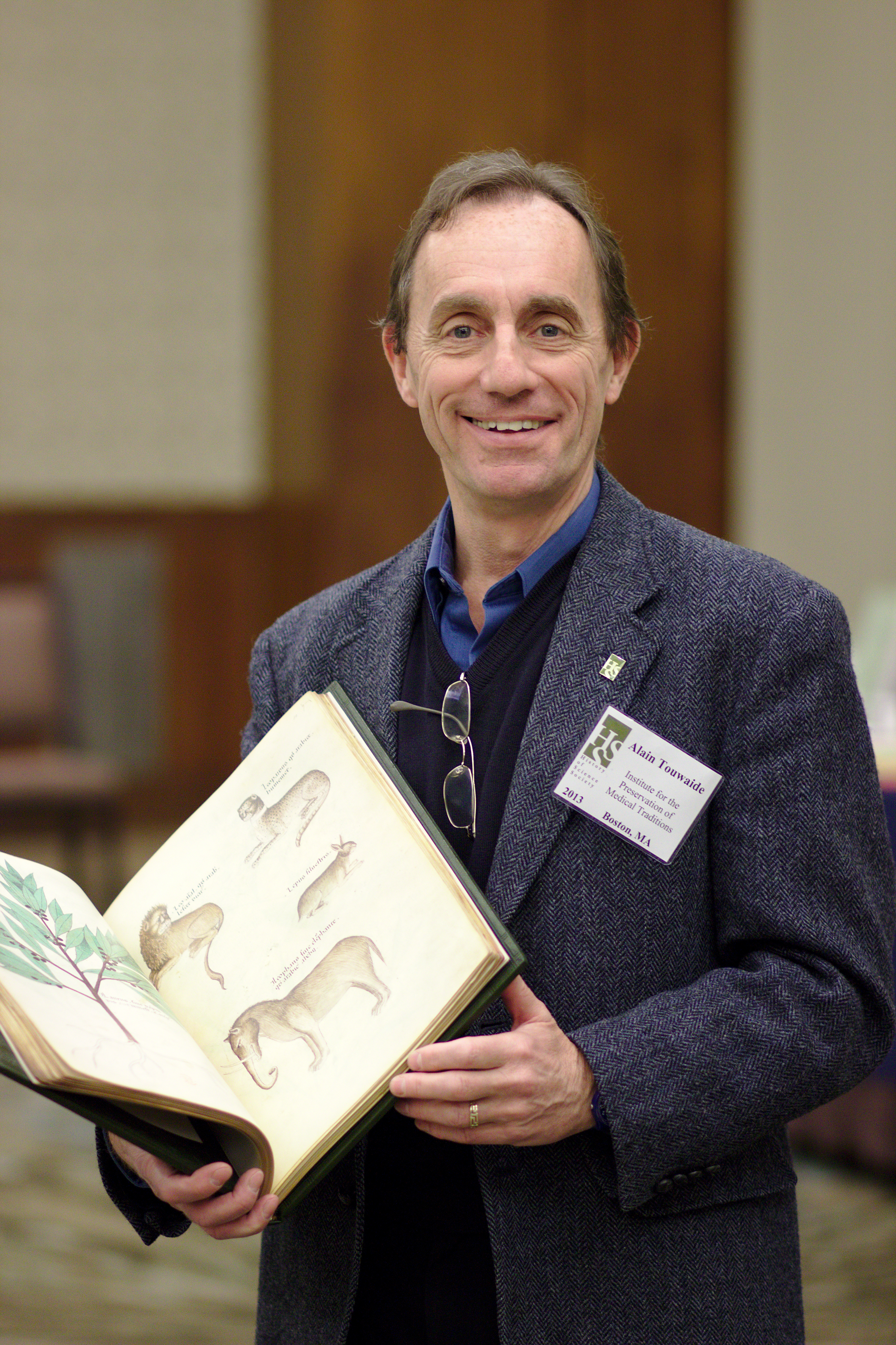
1499 DIOSCORIDES, Pedanius [Πεδάνιος Διοσκουρίδης] (40 – 90); NICANDER OF COLOPHON (ΝΊΚΑΝΔΡΟΣ Ὁ ΚΟΛΟΦΏΝΙΟΣ; NIKANDER) (-125 – )
Dioscorides, De materia medica [Greek]. Add: Pseudo- Dioscorides, De venenis, De venenatis animalibus [Greek]; Add: Nicander, Theriaca; Add: Alexipharmaca; Scholia [Greek].
Nicander was a Greek poet and physician. His Theriaca, in 958 hexameters, dealt with the symptoms and treatment of poisoning by the bites of poisonous animals; the Alexipharmaca considered intoxications through animal…
GMN 2069 · https://historyofmedicine.com/id/2486
1568 GRÉVIN, Jacques (1538 – 1570)
Deux livres des venins, ausquels il est amplement discouru des bestes venimeuses, thériaques, poisons & contre-poisons, par Jacques Grévin,... Ensemble les oeuvres de Nicandre,... traduictes en vers françois.
Grévin's work "marks the beginning of a new era in biotoxinological studies. With Grévin we see a crude attempt being made to compile systematically and evaluate the total knowledge of toxic organisms which had accrue…
GMN 9664 · https://historyofmedicine.com/id/11851
1586 BACCI, Andrea (1524 – 1600)
De venenis, et antidotis prolegomena: seu communia praecepta ad humanam vitam tuendam saluberrima; in quibus diffinitiva methodus venenorum proponitur per genera, ac differentias suas, partes, & passiones, praeservandi modum, & communia ad eorum curationem antidota complectens; de canis rabiosi morsu, et eius curatione.
Digital facsimile from cervantesvirtual.com at this link.
GMN 10634 · https://historyofmedicine.com/id/12827
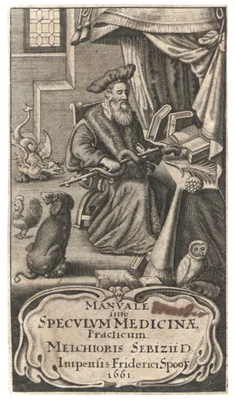
1617 SEBISCH, Melchior The Younger (1578 – 1674)
Discursus medico-philosophicus de casu adolescentis [...]: qui [...] mortuus in quodam paternarum aedium loco, adjacente ipsi serpente, à domesticis inventus fuit.
An extensively illustrated work on death from snake bites and species of venomous snakes instigated by the sudden death from snake bite of an otherwise healthy young man. Digital facsimile from the Hathi Trust at this…
GMN 13780 · https://historyofmedicine.com/id/16067
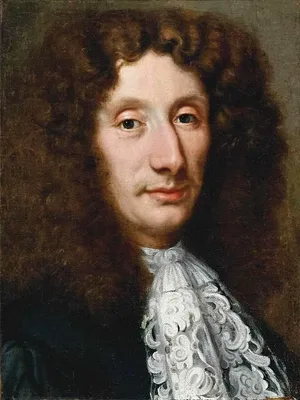
1664 REDI, Francesco (1626 – 1697)
Osservazioni intorno alle vipere.
The first methodical work on snake-poison. Redi demonstrated for the first time that, for the poison to produce its effect, it must be injected under the skin.
GMN 2102 · https://historyofmedicine.com/id/2599
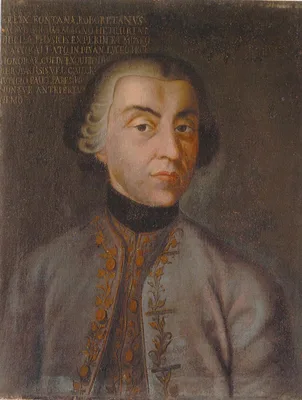
1767 FONTANA, Felice (1730 – 1805)
Ricerche fisiche sopra il veleno della vipera.
The starting point of modern investigations of serpent venoms and their antidotes. This work also includes Fontana’s description of the ciliary canal in the eye of an ox. This structure does not appear in the human ey…
GMN 2103 · https://historyofmedicine.com/id/2601
1768 LAURENTI, Josephus Nicholaus (1735 – 1805)
Specimen medicum: Exhibens synopsin reptilium emendatam cum experimentis circa venena et antidota reptilium austriacorum.
"Laurenti is considered the auctor of the class Reptilia (reptiles) through his authorship of Specimen Medicum, Exhibens Synopsin Reptilium Emendatam cum Experimentis circa Venena (1768) on the poisonous function of r…
GMN 9517 · https://historyofmedicine.com/id/11702
1796 RUSSELL, Patrick (1727 – 1805)
An account of Indian serpents collected on the coast of Coromandel: containing descriptions and drawings of each species, together with experiments and remarks on their several poisons.
First attempt at a description of Indian serpents and serpent venoms. Includes the original description of Russell’s viper, Daboia russellii. Digital facsimile from the Linda Hall LIbrary at this link.
GMN 310 · https://historyofmedicine.com/id/127
1825 WATERTON, Charles (1782 – 1865)
Wanderings in South America, the North-West of the United States, and the Antilles, in the years 1812, 1816, 1820, and 1824.
Waterton traveled to the Guyana region of South America to obtain curare. He provided a detailed description of its paralyzing effects, its preparation by distillation, and the blowpipe and darts used to deliver it. O…
GMN 2074 · https://historyofmedicine.com/id/2541
1837 HERING, Constantine (1800 – 1880)
Wirkungen des Schlangengiftes, zum aerztichen Gebrauche vergleichend zusammengestellt. Mit einer Einleigung über das Studium der homöopathischen Arzneimittellehr.
An early American homeopathic title on The Effects of Snake Poison Comparatively Arranged for Therapeutic Use. Hering assumed an analogy between snake venom and bacterial toxins. He drew his work from provings and tes…
GMN 6865 · https://historyofmedicine.com/id/9029
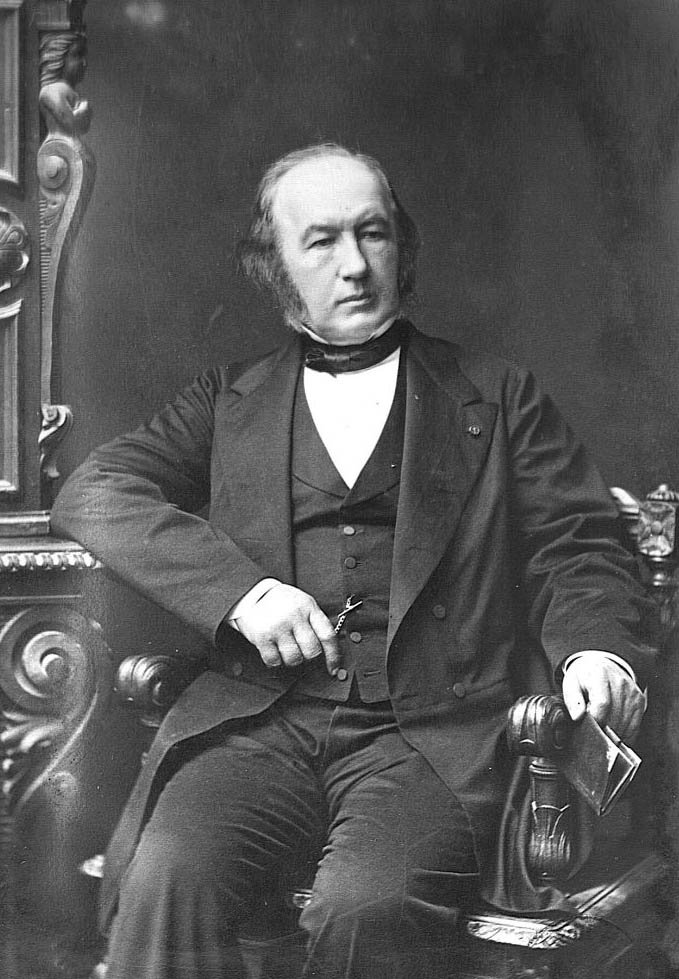
1856 BERNARD, Claude (1813 – 1878)
Analyse physiologique des propriétés des systèmes musculaires et nerveux au moyen de curare.
Bernard paralysed motor nerve-endings with curare and demonstrated the independent excitability of muscle. He showed that curare acted by stopping the transmission of impulses from motor nerves to voluntary muscles.
GMN 2079 · https://historyofmedicine.com/id/499
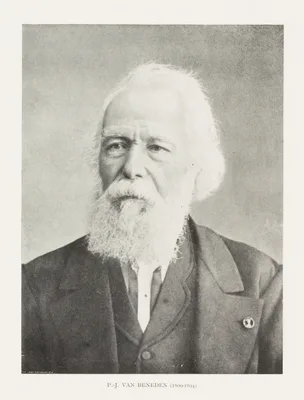
1859 BENEDEN, Pierre-Joseph van (1809 – 1894); GERVAIS, François Louis Paul (1816 – 1879)
Zoologie médicale exposé méthodique du régne animal basé sur l'anatomie, l'embryologie et la paléontologie comprenant la description des espèces employées en médicine de celles qui sont venimuses et de celles qui sont parasites de l'homme et des animaux. 2 vols.
Digital facsimile from Biodiversity Heritage Library at this link.
GMN 13815 · https://historyofmedicine.com/id/16104
1860 MITCHELL, Silas Weir (1829 – 1914); REICHERT, Edward Tyson (1855 – 1931)
Researches upon the venom of the rattlesnake.
See No. 2106.
GMN 2104 · https://historyofmedicine.com/id/2603
1860 WARING, Edward John (1819 – 1891)
Remarks on the uses of some bazaar medicines, and on a few of the common indigenous plants of India, according to European practice.
At the time of publication of this work, which contained texts in both Sanskrit and English, Waring was "Physician to His Highness The Maha Rajah of Travancore." Digital facsimile of the 1860 edition from the Biodiver…
GMN 8818 · https://historyofmedicine.com/id/10996
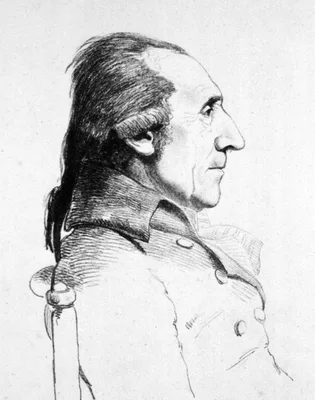
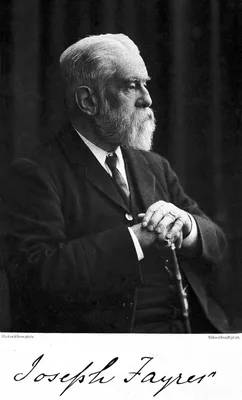
1872 FAYRER, Sir Joseph (1824 – 1907)
The thanatophidia of India. Being a Description of the venomous snakes of the Indian Peninsula, with an account of the influence of their poison on life and a series of experiments
Considered the first systematic work on venomous snakes. Describes all the venomous snakes of India. Digital facsimile from the Internet Archive at this link.
GMN 2105 · https://historyofmedicine.com/id/2604
1878 EWART, Joseph (1831 – 1906)
The poisonous snakes of India: For the use of the officials and others residing in the Indian Empire.
Digital facsimile from the Biodiversity Heritage Library at this link.
GMN 9497 · https://historyofmedicine.com/id/11682
1886 MITCHELL, Silas Weir (1829 – 1914); REICHERT, Edward Tyson (1855 – 1931)
Researches upon the venoms of poisonous serpents.
Mitchell (see also No. 2104) and Reichert showed that snake venom is protein, and demonstrated the presence of toxic albumins. Mitchell was one of the first to investigate snake venoms.
GMN 2106 · https://historyofmedicine.com/id/2607
1894 CALMETTE, Léon Charles Albert (1863 – 1933)
Contribution à l’étude du vénin des serpents.
Calmette carried out extensive investigations on the immunization of animals to venoms. He obtained antivenom sera with therapeutic properties.
GMN 2107 · https://historyofmedicine.com/id/2609
1895 FRASER, Sir Thomas Richard (1841 – 1919)
On the rendering of animals immune against the venom of the cobra and other serpents; and on the antidotal properties of the blood serum of the immunised animals.
Fraser investigated the possibilities of immunization against cobra venom and obtained “antivenene”, an antivenom serum.
GMN 2108 · https://historyofmedicine.com/id/2610
1896 CALMETTE, Léon Charles Albert (1863 – 1933)
Le vénin des serpents.
GMN 2109 · https://historyofmedicine.com/id/2612
1902 FLEXNER, Simon (1863 – 1946); NOGUCHI, Hideyo (1876 – 1928)
Snake venom in relation to haemolysis, bacteriolysis, and toxicity.
GMN 2110 · https://historyofmedicine.com/id/2613
1902 KYES, Preston (1875 – 1949)
Ueber die Wirkungsweise des Cobragiftes.
While in Germany Kyes showed lecithin to be a complement of cobra-hemolysin. English translation in Ehrlich, Studies in immunity, 1910.
GMN 2111 · https://historyofmedicine.com/id/2614
1902 RICHET, Charles Robert (1850 – 1935); PORTIER, Paul (1866 – 1962)
De l’action anaphylactique de certains venins.
First full description of the phenomenon of “anaphylaxis,” the name of which was coined by Richet. Abbreviated English translation in Bibel, Milestones of immunology (1988). In 1913, Richet was awarded the Nobel Prize…
GMN 2590 · https://historyofmedicine.com/id/4397
1903 KYES, Preston (1875 – 1949); SACHS, Hans (1877 – 1945)
Zur Kenntniss der Cobragift activirenden Substanzen.
English translation in Ehrlich, Studies in immunity, 1910.
GMN 2112 · https://historyofmedicine.com/id/2617
1903 KYES, Preston (1875 – 1949)
Ueber die Isolirung von Schlangengift-Lecithiden.
English translation in Ehrlich, Studies in immunity, 1910.
GMN 2113 · https://historyofmedicine.com/id/2618
1908 WELLMANN, Max (1863 – 1933); PHILUMENOS, [Philumenus; Φιλούμενος] ( – 200)
Philumeni de venenatis animalibus eorumque remediis capita XXXVIII ed. M. Wellmann. Corpus medicorum graecorum X 1, 1.
This work on venoms and their antidotes is the only surviving work of the Byzantine physician Philomenos. Within this context Philomenos also discusses the bites of rabid dogs. Digital facsimile from Corpus medicorum …
GMN 9018 · https://historyofmedicine.com/id/11197
1909 NOGUCHI, Hideyo (1876 – 1928)
Snake venoms.
GMN 2114 · https://historyofmedicine.com/id/2621
1911 BRAZIL, Vital (1865 – 1950)
A defensa contra o ophidismo.
Brazil founded the Instituto Butantan, São Paulo, one of the first institutes to produce antivenin sera on a large scale. French translation, 1911. Digital facsimile of the Portuguese edition from Biodiversity Heritag…
GMN 2115 · https://historyofmedicine.com/id/2623
1929 –1931 PATTON, Walter Scott (1876 – 1960); EVANS, Alwen Myfanwy (1895 – 1937)
Ticks, mites and venomous animals of medical and veterinary importance. Part 1: Medical. Part 2: Public health.
Part 1 by Patton and the female entomologist Alwen Evans; part 2 by Patton alone.
GMN 12146 · https://historyofmedicine.com/id/14356
1934 MACFARLANE, Robert Gwyn (1907 – 1987); BARNETT, Burgess (1888 – 1944)
The haemostatic possibilities of snake-venom.
Snake venom used in the treatment of hemophilia.
GMN 3093 · https://historyofmedicine.com/id/3777
1947 MCINTYRE, Archibald Ross (1902 – )
Curare, its history, nature, and clinical use.
GMN 2090 · https://historyofmedicine.com/id/2571
1949 ROCHA E SILVA, Mauricio (1910 – 1983); ET AL
Bradykinin, a hypotensive and smooth muscle stimulating factor releases from plasma globulin by snake venoms and by trypsin.
Discovery of bradykinin. With W. T. Beraldo and G. Rosenfeld.
GMN 1930 · https://historyofmedicine.com/id/2747
1997 NICANDER OF COLOPHON (ΝΊΚΑΝΔΡΟΣ Ὁ ΚΟΛΟΦΏΝΙΟΣ; NIKANDER) (-125 – ); TOUWAIDE, Alain (1953 – ); FÖRSTEL, Christian; ASLANOFF, Grégoire
Theriaka y Alexipharmaka de Nicandro.
Essays by Alain Touwaide, Jean Pierre Angremy, Christian Förstel and Grégoire Aslanoff concerning the 10th century Byzantine illuminated manuscript designated as "BnF Supplement grec 247." This spectacularly illustrat…
GMN 7102 · https://historyofmedicine.com/id/9269

![DIOSCORIDES, Pedanius [Πεδάνιος Διοσκουρίδης] (40 – 90)](/media/portraits/2028)