1726 BOYLSTON, Zabdiel (1679 – 1766)
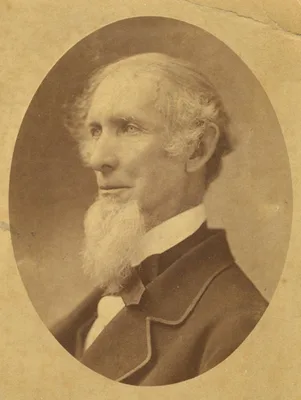
An historical account of the small-pox inoculated in New-England, upon all sorts of persons, whites, blacks, and of all ages and constitutions: With some account of the nature of the infection in the natural and inoculated way, and their different effects on human bodies; with some short directions to the unexperienced in this method of practice .
Boylston was the first in America to inoculate for smallpox, at Boston on 26 June 1721. "During a smallpox outbreak in 1721 in Boston, he inoculated about 248 people[5] by applying pus from a smallpox sore to a small …
GMN 5415 · https://historyofmedicine.com/id/7324
1790 LEVER, Sir Ashton (1729 – 1788)
A companion to the museum, (Late Sir Ashton Lever's) removed to Albion Street, the Surry end of Black Friar's Bridge.
A room by room, case by case guide to Lever's celebrated museum of natural history and ethnography, authorshop of which is unidentified. Digital facsimile from Google Books at this link.
GMN 7657 · https://historyofmedicine.com/id/9829
1829 EDWARDS, William Frédéric (1776 – 1842)
Des caractères physiologiques des races humaines considérés dans leurs rapports avec l’histoire; lettre à M. Amédée Thierry . . .
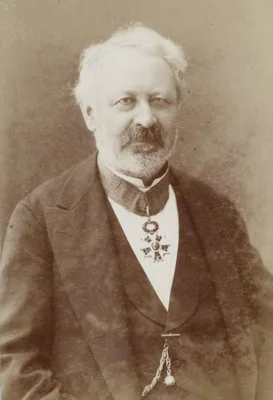
A physiologist and anthropologist, Edwards established the subject of ethnology in France and pioneered the concept of “race” as determined by the shape of the face and head. He has been called the first anthropologis…
GMN 10716 · https://historyofmedicine.com/id/12910
1830 CALDWELL, Charles (1772 – 1853)
Thoughts on the original unity of the human race.
The first important American presentation of the case for polygenesis in support of slavery. Caldwell presented the first important American critique of the monogenist theories of human ancestry promoted by Samuel Sta…
GMN 13720 · https://historyofmedicine.com/id/16004
1839 MORTON, Samuel George (1799 – 1851)
Crania Americana; or, A comparative view of the skulls of various aboriginal nations of North and South America. To which is prefixed an essay on the varieties of the human species.
In his day Morton was the most eminent craniologist in the United States. He had a collection of nearly 1,000 skulls. In this work, which described both modern and fossil skulls, Morton described fractures and anthrop…
GMN 201 · https://historyofmedicine.com/id/3545
1840 MORTON, Samuel George (1799 – 1851)
Catalogue of skulls of man, and the inferior animals, in the collection of Samuel George Morton.
Numbers 901-929 in Morton's catalogue are "Thirty Skulls of genuine unmixed NEGROES born in Africa. This interesting series series was collected by Don José Rodriguez Cisnerso, M. D. of Havana, in the island of Cuba, …
GMN 8828 · https://historyofmedicine.com/id/11006
1844 MORTON, Samuel George (1799 – 1851)
Crania Aegyptiaca: or, observations on Egyptian ethnography, derived from anatomy, history and the monuments. From the Transactions of the American Philosophical Society, Vol. IX.
Morton argued that blacks and whites had been racially distinct since the Egyptian First Dynasty and drew the following conclusions, long since debunked: "Conclusions. "1. The valley of the Nile, both in Egypt and in …
GMN 8832 · https://historyofmedicine.com/id/11010
1854 AGASSIZ, Louis Jean Rodolphe (1807 – 1873); MORTON, Samuel George (1799 – 1851); NOTT, Josiah Clark (1804 – 1873); GLIDDON, George Robbins (1809 – 1857); PATTERSON, Henry Stuart (1815 – 1854); USHER, William
Types of mankind: or, ethnological researches based upon the ancient monuments, paintings, sculptures and crania of races, and upon their natural, geographical, philological, and biblical history; illustrated by selections from the indedited papers of Samuel George Morton, and by additional contributions by L. Agassiz, W. Usher, and H. S. Patterson
Nott, a prominent physician and anthropologist in Mobile, Alabama, employed polygenist arguments to justify slavery. This required resoilving the problem of racial hybridity. Polygenists claimed that different races w…
GMN 8827 · https://historyofmedicine.com/id/11005
1857 AGASSIZ, Louis Jean Rodolphe (1807 – 1873); LEIDY, Joseph (1823 – 1891); NOTT, Josiah Clark (1804 – 1873); GLIDDON, George Robbins (1809 – 1857); MAURY, Louis Ferdinand Alfred (1817 – 1892); PULSZKY DE CESLFALVA ET LUBÓCZ, Ferenc Aurél (Francis Pulszky) (1814 – 1897); MEIGS, James Aitken (1829 – 1879)
Indigenous races of the earth; or new chapters of ethnological enquiry: Including monographs on special departments of philology, iconography, cranioscopy, palaeontology, pathology, archaeology, comparative geography and natural history: Contributed by Alfred Maury, Francis Pulszky, and J. Aiken Meigs. With contributions from Jos. Leiden and L. Agassiz. Presenting fresh investigations by J. C. Nott and Geo. R. Glidden.
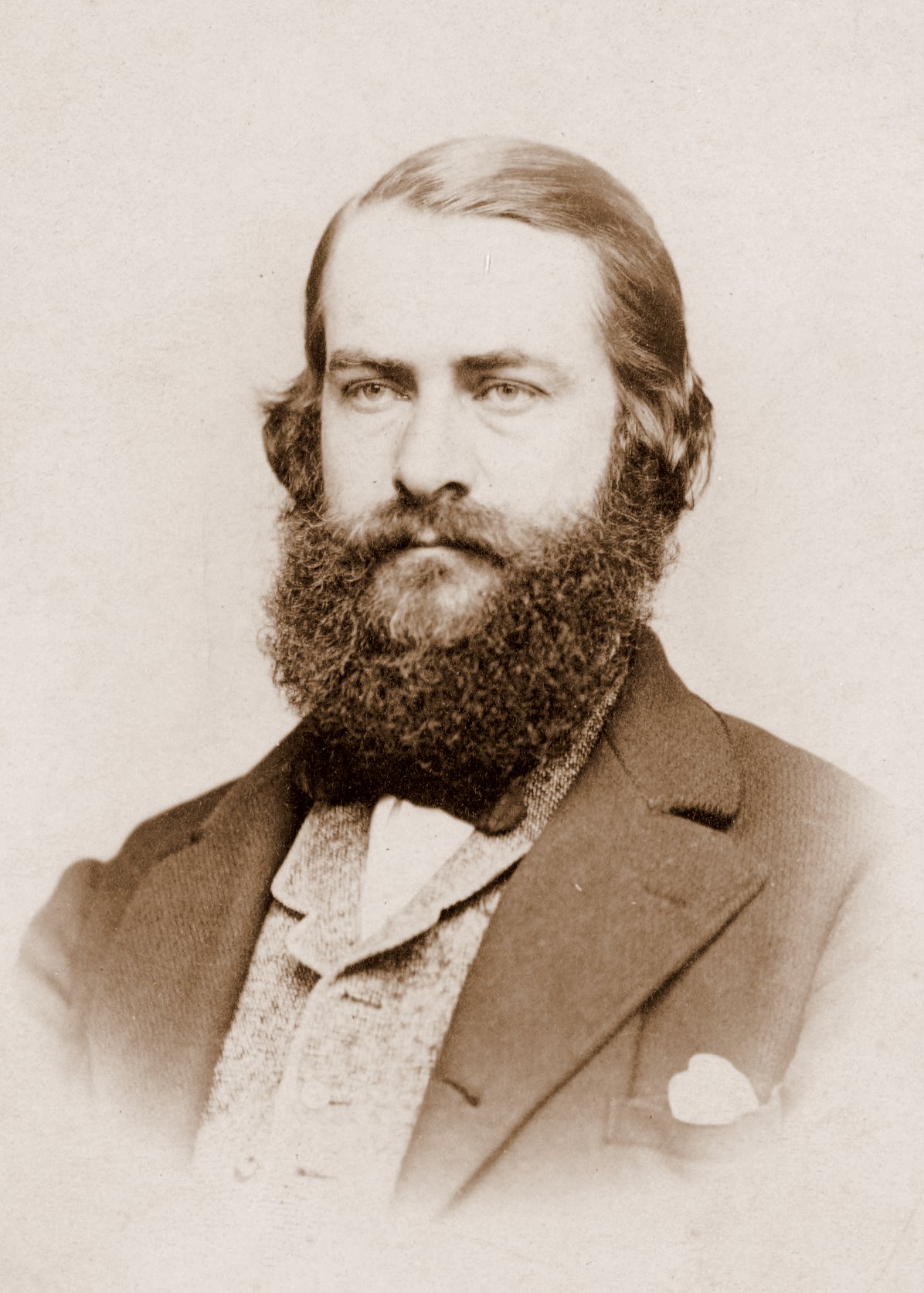
Expensively produced, and sold in both standard and large paper subscriber editions, Nott and Gliddon's work was one of the most egregiously racist publications in the history of physical anthropology. Nott, a promine…
GMN 8825 · https://historyofmedicine.com/id/11003
1857 MORTON, Samuel George (1799 – 1851); MEIGS, James Aitken (1829 – 1879)
Catalogue of human crania, in the collection of the Academy of Natural Sciences of Philadelphia: Based upon the third edition of Dr. Morton's "Catalogue of Skulls," &c.
"Since the death of the late lamented President of the Academy of Natural Sciences,- Dr. Samuel George Morton,- his magnifcent Collection of Human Crania, recently increased by the receipt of 67 skulls from various so…
GMN 8829 · https://historyofmedicine.com/id/11007
1865 POLAK, Jakob Eduard (1818 – 1891)
Persien. Das Land und seine Bewohner. Ethnographische Schilderungen. 2 vols.
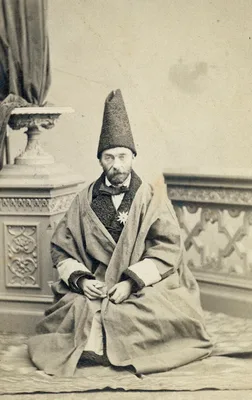
In this wide-ranging ethnographic study Polak provided the most authoritative account of his introduction of western medicine into Iran as well as the state of medicine in Iran generally. "Polak (1865, II, pp. 192-348…
GMN 14037 · https://historyofmedicine.com/id/16345
1885 –1888 RATZEL, Friedrich (1844 – 1904)
Völkerkunde. 2 vols.
Ratzel emphasized the importance of the investigation of the history of primitive peoples in the study of ethnology.
GMN 180 · https://historyofmedicine.com/id/3360
1973 HARNER, Michael James (1929 – 2018)
Hallucinogens and Shamanism edited by Michael Harner.
Includes Harner's "The Role of Hallucinogenic Plants in European Witchcraft".
GMN 10735 · https://historyofmedicine.com/id/12929
1980 HARNER, Michael James (1929 – 2018)
The way of the shaman: A guide to power and healing.
GMN 10736 · https://historyofmedicine.com/id/12930