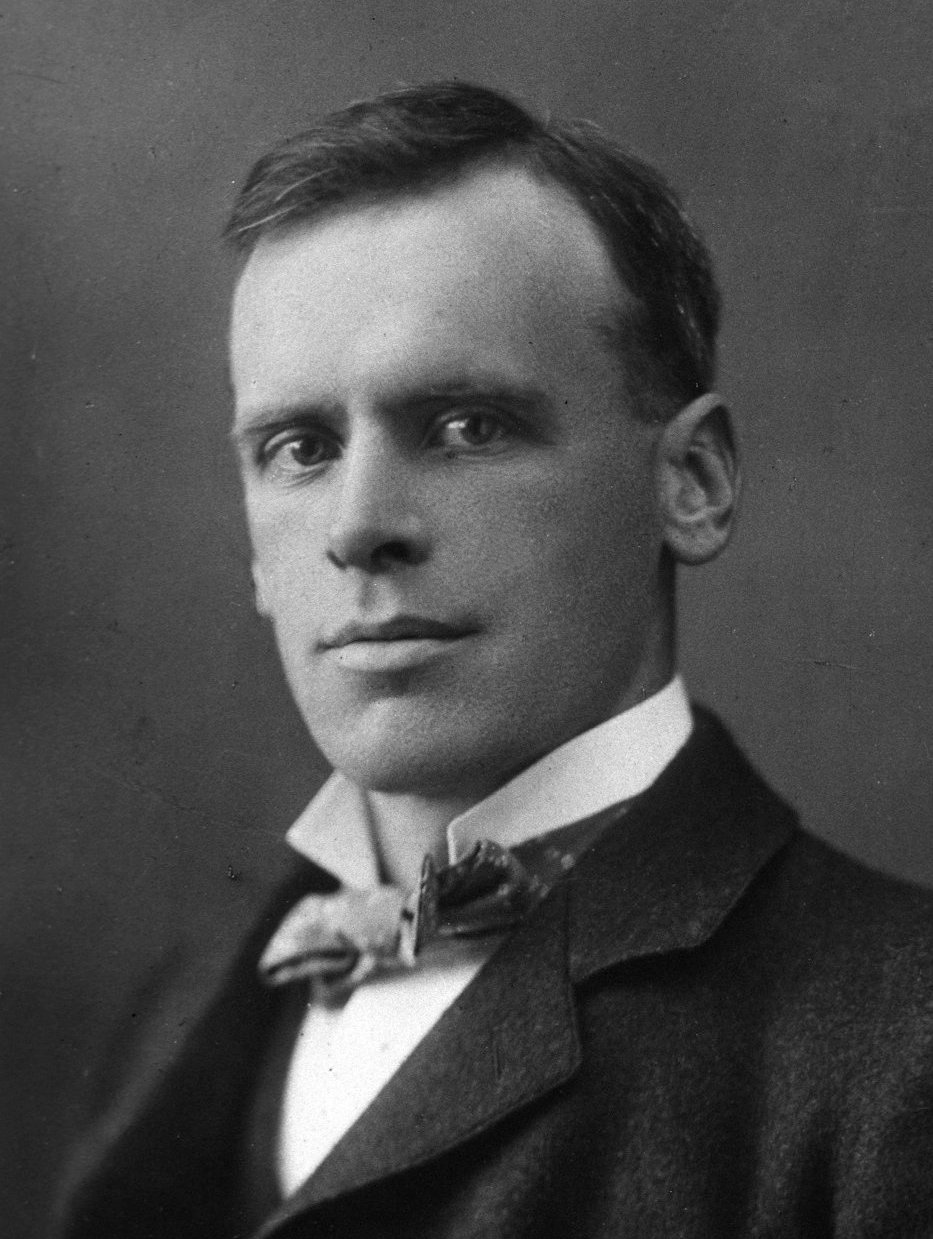
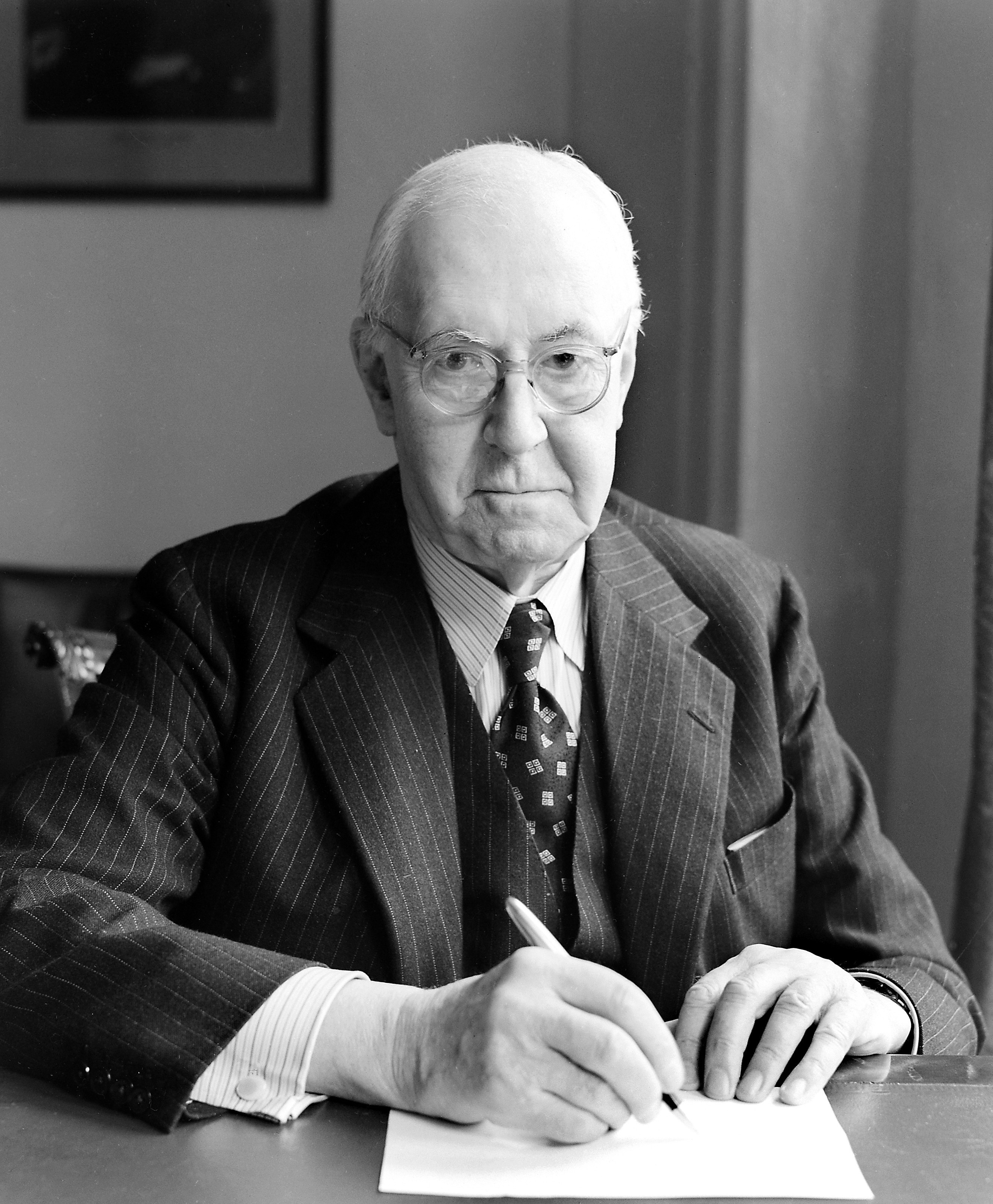
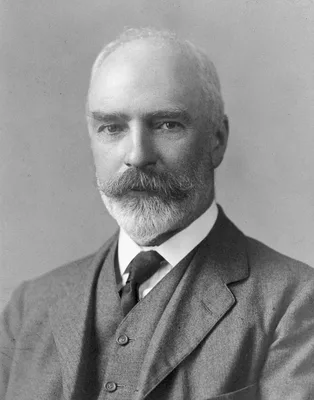
1914 STARLING, Ernest Henry (1866 – 1927); PATTERSON, Sydney Wentworth (1882 – 1960); PIPER, H.
The regulation of the heart beat.
"Ernest Henry Starling (1866-1927) has probably contributed more than any man to our understanding of heart failure....His work with Patterson and Piper on the mechanical factors involved in the response of the heart …
GMN 12287 · https://historyofmedicine.com/id/14508
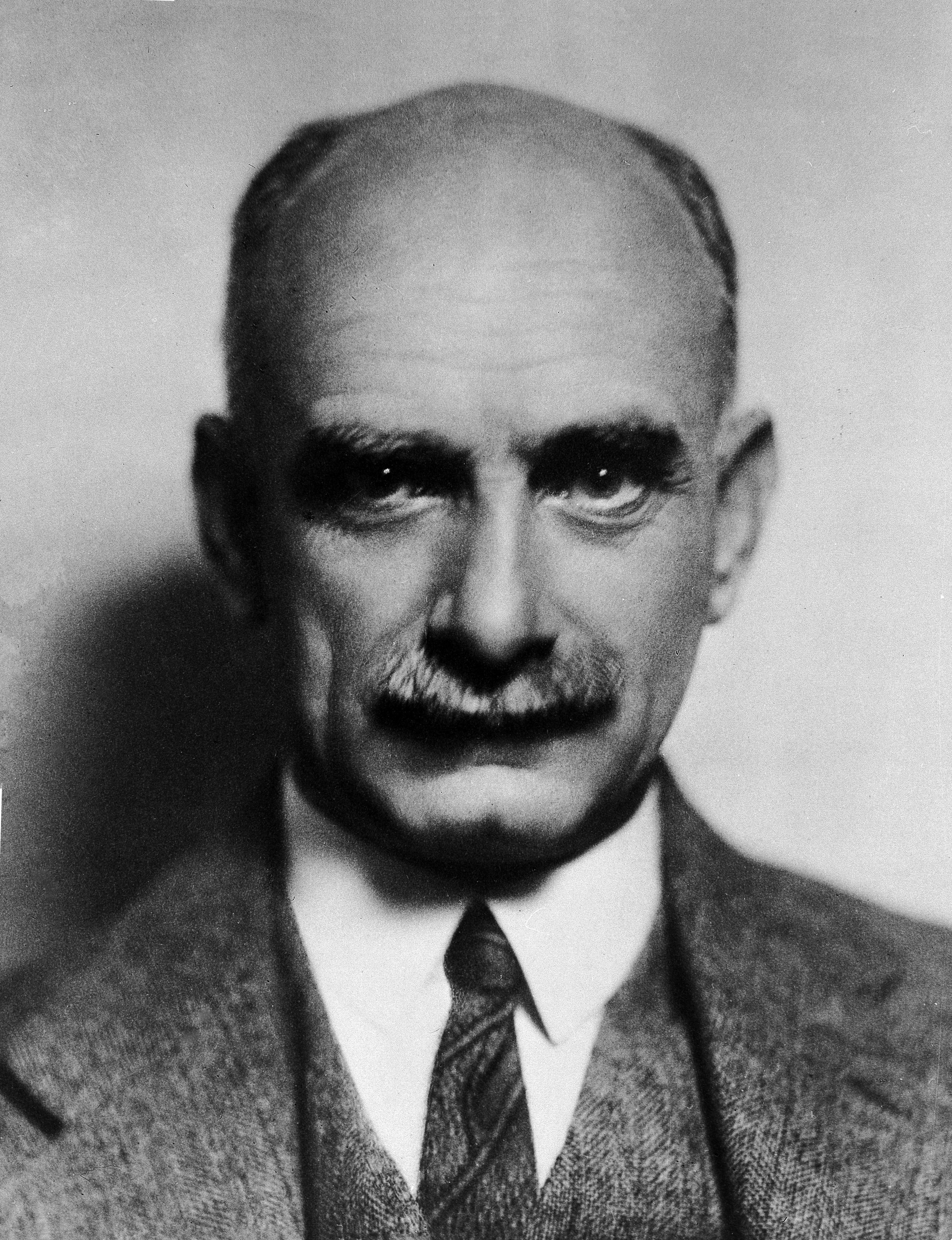
1916 STRAUB, Walter (1874 – 1944)
Digitaliswirkung am isolierten Vorhof des Frosches.
An important analysis of the action of digitalis on the isolated heart.
GMN 1904 · https://historyofmedicine.com/id/2654
1918 –1919 DALE, Sir Henry Hallett (1875 – 1968); RICHARDS, Alfred Newton (1876 – 1966)
The vasodilator action of histamine and of some other substances.
Dale and Richards studied the effect of histamine on the control of the circulation and showed its peripheral action to be located in the capillaries and smaller arterioles.
GMN 792 · https://historyofmedicine.com/id/114
1918 SMITH, Fred M. (1888 – 1946)
The ligation of coronary arteries with electrocardiographic study.
GMN 852 · https://historyofmedicine.com/id/667
1918 STARLING, Ernest Henry (1866 – 1927)
The Linacre lecture on the law of the heart.
Starling’s “law of the heart”.
GMN 853 · https://historyofmedicine.com/id/674
1921 GROSS, Louis (1894 – 1937)
The blood supply to the heart.
Coronary arterial anatomy studied by radiography of the injected arteries by a standard technique.
GMN 855 · https://historyofmedicine.com/id/712
1922 KROGH, Schack August Steenberg (1874 – 1949)
The anatomy and physiology of the capillaries.
Silliman Lectures. Krogh was first to describe the adaptation of blood perfusion in muscle and other organs according to demands through opening and closing the arterioles and capillaries. In 1920 Krogh received the N…
GMN 793 · https://historyofmedicine.com/id/118
1923 HERING, Heinrich Ewald (1866 – 1948)
Der Karotisdruckversuch.
GMN 794 · https://historyofmedicine.com/id/121
1924 HERING, Heinrich Ewald (1866 – 1948)
Die Aenderung der Herzschlagzahl durch Aenderung des arteriellen Blutdruckes erfolgt aus reflektorischem Wege; gleichzeitig eine Mitteilung über die Funktion des Sinus caroticus, beziehungsweise der Sinusnerven.
First description of the structure and function of the sinus nerve and the reflex character of carotid pressure.
GMN 795 · https://historyofmedicine.com/id/572
1924 SPALTEHOLZ, Karl Werner (1861 – 1940)
Die Arterien der Herzwand.
GMN 856 · https://historyofmedicine.com/id/715
1925 CUSHNY, Arthur Robertson (1866 – 1926)
The action and uses in medicine of digitalis and its allies.
GMN 1912 · https://historyofmedicine.com/id/2675
1926 LANDIS, Eugen Markley (1901 – 1987)
The capillary pressure in frog mesentery as determined by micro-injection methods.
Direct measurement of the blood pressure within the capillaries.
GMN 795.1 · https://historyofmedicine.com/id/125
1926 –1927 BLUMGART, Hermann Ludwig (1895 – 1977); WEISS, Soma (1898 – 1942)
Studies in the velocity of blood flow.
First practical method of measuring circulation time. "In 1925, Hermann Blumgart performed the first diagnostic procedure using radioactive indicators on humans; this first is well recognized. Less well recognized is …
GMN 796 · https://historyofmedicine.com/id/130
1927 LEWIS, Sir Thomas (1881 – 1945)
The blood-vessels of the human skin and their responses.
GMN 797 · https://historyofmedicine.com/id/136
1927 MOSCHCOWITZ, Eli (1879 – 1964)
Hypertension of the pulmonary circulation.
GMN 2715 · https://historyofmedicine.com/id/4438
1927 BLUMGART, Hermann Ludwig (1895 – 1977); YENS, Otto C.
Studies on the velocity of blood flow: I. The method utilized.
Reports the first diagnostic procedure, done in 1925, using radioactive indicators on humans. "Less well recognized is the fact that Blumgart and his coworker Otto C. Yens, then a medical student, developed the first …
GMN 9335 · https://historyofmedicine.com/id/11517
1927 CRAIB, William Hofmeyr (1895 – 1982)
A study of the electrical field surrounding active heart muscle.
At Johns Hopkins Hospital Craib evolved his fundamental theory of the doublet hypothesis which revolutionized electrocardiographic thinking. Until then, it was held that electricity in the heart differed from electric…
GMN 12226 · https://historyofmedicine.com/id/14438
1928 REIN, Friedrich Hermann (1898 – 1953)
Die Thermo-Stromuhr. Ein Verfahren zur fortlaufenden Messung der mittleren absoluten Durchfulssmengen in uneröffneten Gefässen in situ.
Introduction of the Thermostromuhr, an instrument for measuring the velocity of the blood flow.
GMN 798 · https://historyofmedicine.com/id/144
1928 WIGGERS, Carl John (1883 – 1963)
The pressure pulses in the cardiovascular system.
Wiggers, professor of physiology at the Western Reserve University, Cleveland, contributed much to the knowledge of the circulation and devised several instruments to promote the study of this subject.
GMN 799 · https://historyofmedicine.com/id/148
1928 DALE, Sir Henry Hallett (1875 – 1968); SCHUSTER, Edgar Hermann Joseph (1899 – 1969)
A double perfusion-pump.
Mechanical heart.
GMN 856.1 · https://historyofmedicine.com/id/720
1929 GROLLMAN, Arthur (1901 – 1980)
The determination of the cardiac output of man by the use of acetylene.
Grollman introduced the acetylene method of determination of cardiac output.
GMN 857 · https://historyofmedicine.com/id/726
1929 KEITH, Norman Macdonnell (1885 – 1976); WAGENER, Henry Patrick (1890 – 1961); ET AL
Some different types of essential hypertension; their course and prognosis.
The Keith-Wagener-Barker classification of hypertension. With N. W. Barker.
GMN 2716 · https://historyofmedicine.com/id/4440
1930 SMITH, Sydney
Digoxin, a new digitalis glucoside.
Isolation of digoxin from Digitalis lanata.
GMN 1920 · https://historyofmedicine.com/id/2693
1932 GROLLMAN, Arthur (1901 – 1980)
The cardiac output of man in health and disease.
GMN 2861 · https://historyofmedicine.com/id/4114
1932 HINES, Edgar Alphonso Jr. (1905 – 1978); BROWN, George Elgie (1885 – 1935)
A standard stimulus for measuring vasomotor reactions: its application in the study of hypertension.
Cold-pressor test.
GMN 2717 · https://historyofmedicine.com/id/4441
1933 TARR, Leonard (1901 – ); ET AL
The circulation time in various clinical conditions determined by the use of sodium dehydrocholate.
Use of decholin sodium for estimation of circulation time. With B. S. Oppenheimer and R. V. Sagar.
GMN 2718 · https://historyofmedicine.com/id/4443
1934 GOLDBLATT, Harry (1891 – 1977); ET AL
Studies on experimental hypertension. 1. The production of persistent elevation of systolic blood pressure by means of renal ischemia.
Goldblatt discovered the role of the kidneys in the regulation of blood pressure. This was the first of Goldblatt’s papers on experimental hypertension, which established an aetiologic role for renal ischemia in the p…
GMN 2719 · https://historyofmedicine.com/id/4445
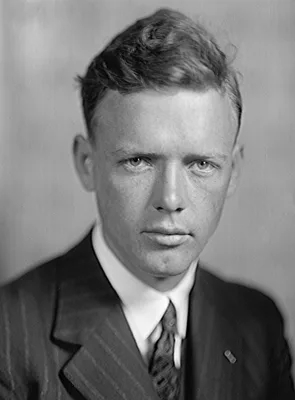
1935 LINDBERGH, Charles Augustus (1902 – 1974)
An apparatus for the culture of whole organs.
In 1931, the year before his son’s sensational kidnapping, the celebrity aviator began working with Alexis Carrel at the Rockefeller Institute on a perfusion pump which would allow the cultivation of whole organs in v…
GMN 858.1 · https://historyofmedicine.com/id/736
1935 IBN-AL-NAFIS (ALA-AL-DIN ABU AL-HASSAN ALI IBN ABI-HAZM AL-QARSHI AL-DIMASHQI; علاء الدين أبو الحسن عليّ بن أبي حزم القرشي الدمشقي ) (1210 – 1288); MEYERHOF, Max (1874 – 1945)
Ibn an Nafis und seine Theorie des Lungenkreislaufs.
Ibn-al-Nafis, a Syrian physician, described the lesser circulation in his commentary on the anatomy of the Canon of Avicenna, 1268. This was discovered in three Arabic MSS by Mohyi el Din el Tatawi, who included a Ger…
GMN 753 · https://historyofmedicine.com/id/1873
1936 BARKER, Marion Herbert (1899 – 1947)
The blood cyanates in the treatment of hypertension.
Barker made thiocyanate treatment a practical proposition in hypertension.
GMN 2720 · https://historyofmedicine.com/id/4447
1939
STANDARDIZATION of methods of measuring the arterial blood pressure. A joint report of the committees appointed by the Cardiac Society of Great Britain and Ireland and the American Heart Association.
Digital facsimile from PubMedCentral at this link.
GMN 800 · https://historyofmedicine.com/id/154
1939 HOMANS, John (1877 – 1955)
Circulatory diseases of the extremities.
GMN 2722 · https://historyofmedicine.com/id/4452
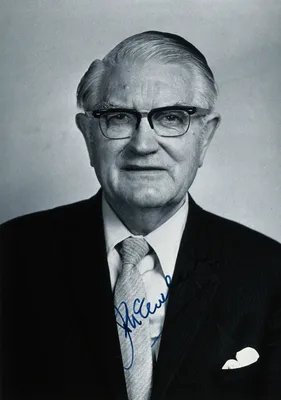
1944 MCMICHAEL, Sir John (1904 – 1993); SHARPEY-SCHAFER, Edward Peter (1908 – 1963)
Cardiac output in man by a direct Fick method.
GMN 859 · https://historyofmedicine.com/id/741
1944 KEMPNER, Walter (1903 – 1997)
Treatment of kidney disease and hypertensive vascular disease with rice diet.
Kempner rice diet for the treatment of hypertension.
GMN 2725 · https://historyofmedicine.com/id/4461
1944 FRANKLIN, Kenneth James (1897 – 1966); BARCLAY, Alfred Ernest (1876 – 1949); PRICHARD, Marjorie M. L.
The foetal circulation and cardiovascular system, and the changes that they undergo at birth.
The authors describe the first direct recording of the blood flow in an intact fetus, a fetal lamb. The authors performed this experiment cooperation with Sir Joseph Bancroft and Dr. D. H. Barron.
GMN 11548 · https://historyofmedicine.com/id/13747
1964 CRANEFIELD, Paul Frederick (1925 – 2003); HOFFMAN, Brian Francis (1925 – 2013)
The physiological basis of cardiac arrhythmias.
GMN 2883.7 · https://historyofmedicine.com/id/4281
1965 STARLING, Ernest Henry (1866 – 1927); CHAPMAN, Carelton B. (1915 – 2000); MITCHELL, Jere H.
Starling on the heart. Facsimile reprints, including the Linacre lecture on the law of the heart. Analysis and critical comment by Carleton B. Chapman and Jere H. Mitchell.
GMN 12283 · https://historyofmedicine.com/id/14504
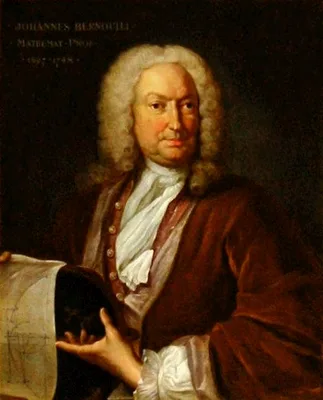
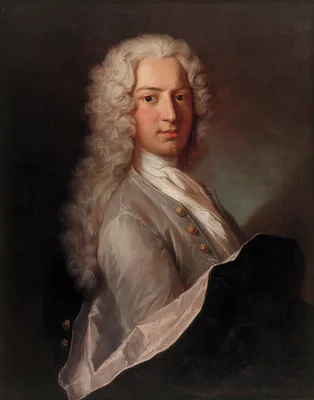
1968 BERNOULLI, Johann (1667 – 1740); BERNOULLI, Daniel (1700 – 1782)
Hydrodynamics and hydraulics by Daniel Bernoulli and Johann Bernoulli. Translated by Thomas Carmody and Helmut Kobus.
Daniel Bernoulli’s Hydrodynamica, published in 1738, marks the first appearance of many topics central to modern science - from the kinetic theory of gases to the principles of jet propulsion. John Bernoulli’s Hydraul…
GMN 11551 · https://historyofmedicine.com/id/13750
1968 CHAPMAN, Carelton B. (1915 – 2000); SALTIN, Bengt (1935 – 2014); BLOMQVIST, Gunnar; MITCHELL, Jere H.; JOHNSON, R. L. Jr.; WILDENTHAL, Kern
Response to exercise after bed rest and after training.
Order of authorship in the original publication: Saltin, Blomqvist, Mitchell, Johnson, Wildenthal, Chapman. Chapman planned the Dallas Bed Rest and Training Study, which defined the degree to which the level of habitu…
GMN 12282 · https://historyofmedicine.com/id/14503
1969 SCHERLAG, Benjamin J. (1932 – ); ET AL
Catheter technique for recording His bundle activity in man.
Scherlag was the first person to consistently record atrial ventricular bundle ("His bundle") potentials, which served as one of the cornerstones of clinical electrophysiology. With 5 co-authors.
GMN 2883.8 · https://historyofmedicine.com/id/4284
1975 MCALPINE, Wallace Arnold (1920 – 2005)
Heart and coronary arteries: An anatomical atlas for clinical diagnosis, radiological investigation, and surgical treatment.
With 1,098 images this is "probablly the highest quality atlas of the heart ever produced" (W. Bruce Fye). This atlas received recognition throughout the world, including a Gold Medal at the International Book Festiva…
GMN 11691 · https://historyofmedicine.com/id/13892
1977 MURAD, Ferid (1936 – 2023); ET AL
Nitric oxide activates guanylate cyclase and increases guanosine 3',5'-monophosphate levels in various tissue preparations.
Murad demonstrated that nitroglycerin and related drugs worked by releasing nitric oxide into the body, which relaxed smooth muscle by elevating intracellular cyclic GMP. With W. P. Arnold, C. K. Mittal, S. Katsuki. I…
GMN 14248 · https://historyofmedicine.com/id/16567
1979 IGNARRO, Louis Joseph (1941 – ); ET AL
Relaxation of bovine coronary artery and activation of coronary arterial guanylate cyclase by nitric oxide, nitroprusside and a carcinogenic nitrosoamine.
With CA Gruetter, BK Barry, DB McNamara, DY Gruetter, PJ Kadowitz. In 1998 Ignarro shared the Nobel Prize in Physiology or Medicine with Robert F. Furchgott and Ferid Murad "for their discoveries concerning nitric oxi…
GMN 14247 · https://historyofmedicine.com/id/16566
1980 FURCHGOTT, Robert Francis (1916 – 2009)
The obligatory role of endothelial cells in the relaxation of arterial smooth muscle by acetylcholine.
In 1978 Furchgott discovered a substance in endothelial cells that relaxes blood vessels, calling it endothelium-derived relaxing factor (EDRF). By 1986, he had worked out EDRF's nature and mechanism of action, and de…
GMN 14246 · https://historyofmedicine.com/id/16565
1982 GALLAGHER, John J.; CRITELLI, G.; ET AL
Catheter technique for closed-chest ablation of the atrioventricular conduction system.
The catheter ablation technique, pioneered by Gallagher and team. Abstract "This report describes a catheter technique for ablating the His bundle and its application in nine patients with recurrent supraventricular t…
GMN 12236 · https://historyofmedicine.com/id/14450
1985 OSLER, Sir William (1849 – 1919); FYE, W. Bruce (1946 – )
William Osler's collected papers on the cardiovascular system. Edited by W. Bruce Fye.
Includes a previously unpublished essay by Maude Abbott, "Osler's contributions to our knowledge of heart disease."
GMN 8882 · https://historyofmedicine.com/id/11060