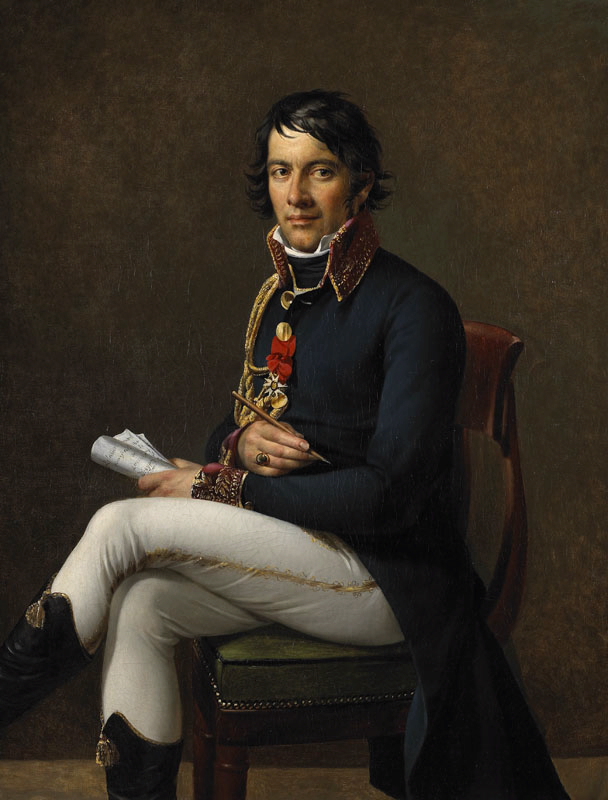
1800 –1801 LARREY, Dominique Jean (1766 – 1842)
Mémoire sur l’ophtalmie régnante en Egypte.
The great military surgeon Larrey served during the Napoleonic campaign in Egypt, where he was the first to observe the contagiousness of trachoma shortly after the successful invasion in 1798. The disease spread to E…
GMN 5837 · https://historyofmedicine.com/id/7120
1807 VETCH, John (1783 – 1835)
An account of the ophthalmia which has appeared in England since the return of the British Army from Egypt.
Vetch described trachoma.
GMN 5839 · https://historyofmedicine.com/id/7142
1812 –1817 LARREY, Dominique Jean (1766 – 1842)
Mémoires de chirurgie militaire, et campagnes. (Vol. 5 entitled Relation médicale de campagnes et voyages.) 5 vols.
Larrey was the greatest military surgeon in history. Of him Napoleon said: “C’est l’homme le plus vertueux que j’ai connu”. He was present at all Napoleon’s great battles and one of the few who stood by him on his abd…

GMN 2160 · https://historyofmedicine.com/id/888
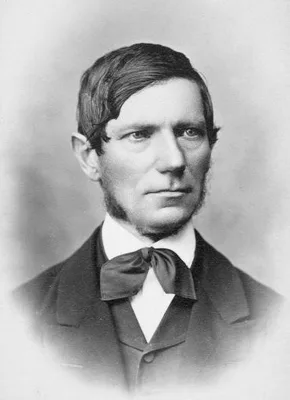
1851 –1856 ARLT, Carl Ferdinand von (1812 – 1887)
Die Krankheiten des Auges. 3 vols.
Arlt described granular conjunctivitis (“Arlt’s trachoma”) and an operation for transplantation of the ciliary bulbs in the treatment of distichiasis.
GMN 5865 · https://historyofmedicine.com/id/7234
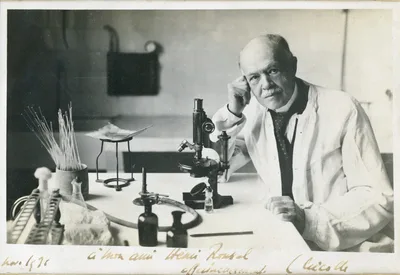
1912 NICOLLE, Charles Jules Henri (1866 – 1936); ET AL
Le magot animal réactif du trachôme. Filtrabilité du virus. Pouvoir infectant des larmes.
Filtration of the trachoma agent, Chlamydia trachomatis. With L. Blaisot and A. Cuénod.
GMN 5961 · https://historyofmedicine.com/id/6981
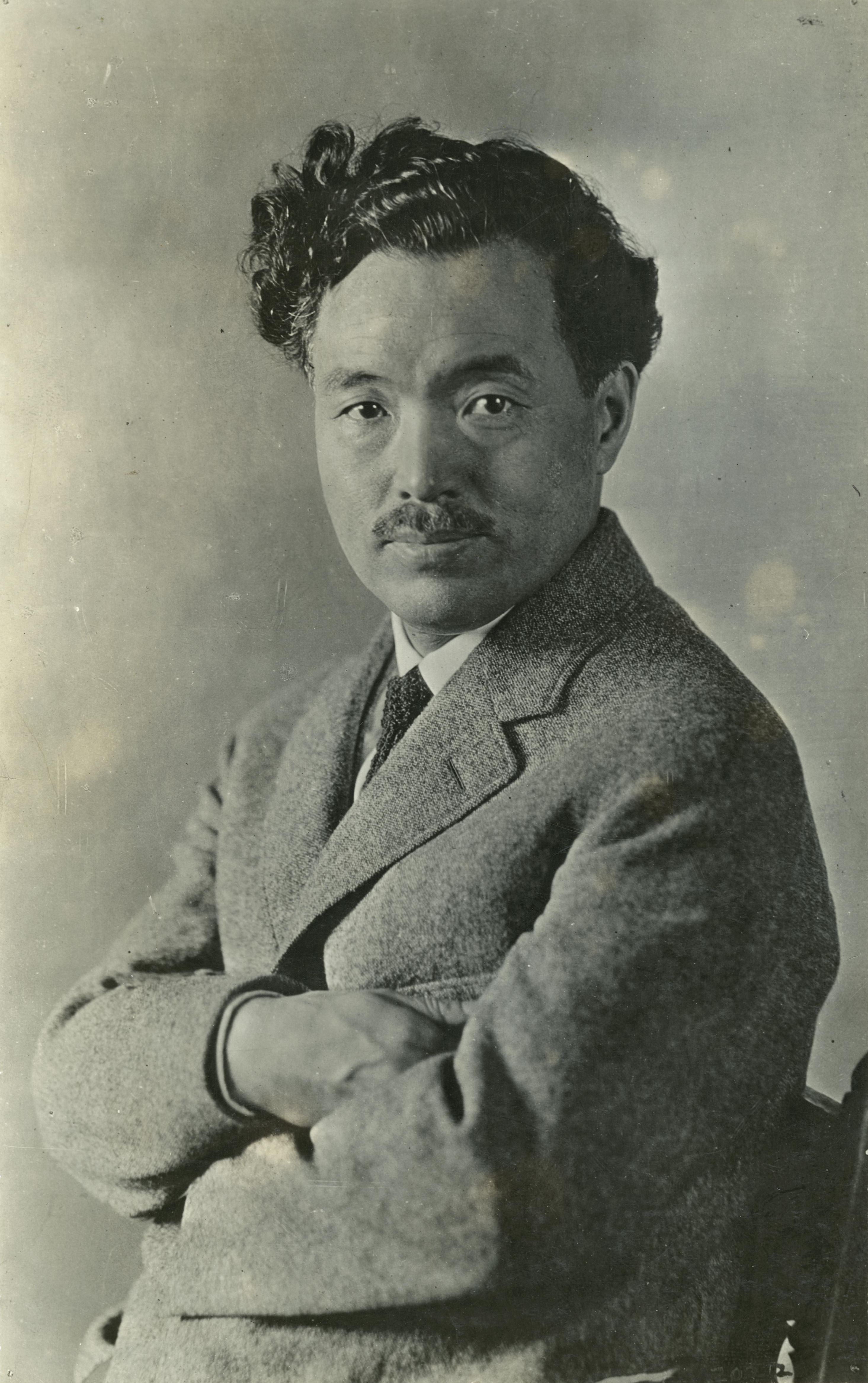
1927 NOGUCHI, Hideyo (1876 – 1928)
Experimental production of a trachoma-like condition in monkeys by means of a micro-organism isolated from American Indian trachoma.
Isolation of Bact. granulosis, believed by Noguchi to be the causal organism in trachoma. See also his monograph in J. exp. Med., 1928, 48, Suppl. 2.
GMN 5973 · https://historyofmedicine.com/id/7025