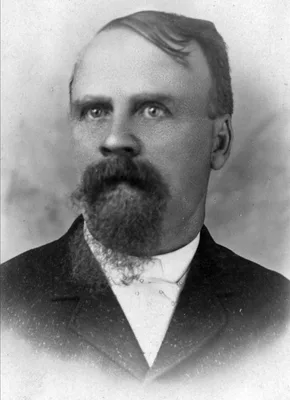
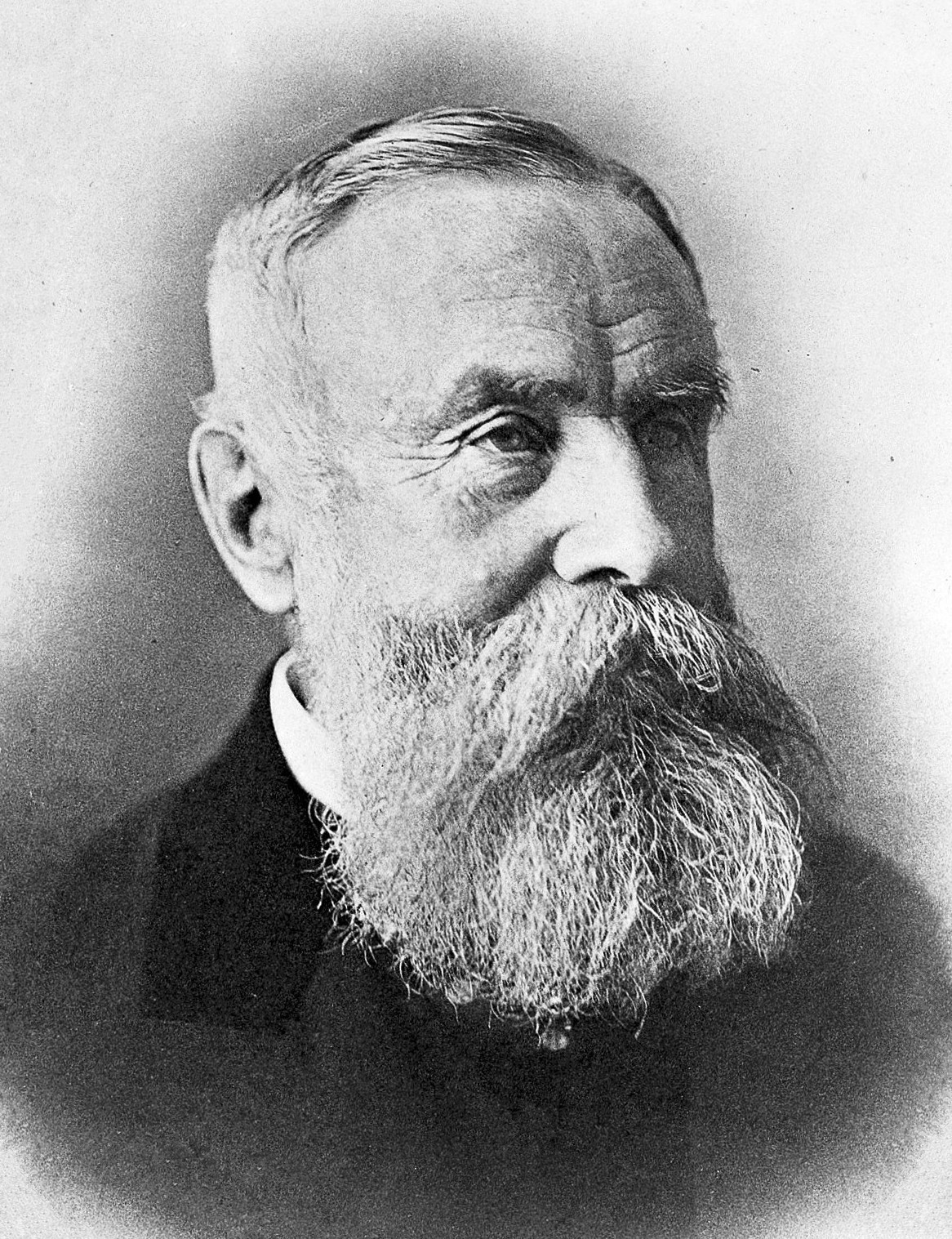
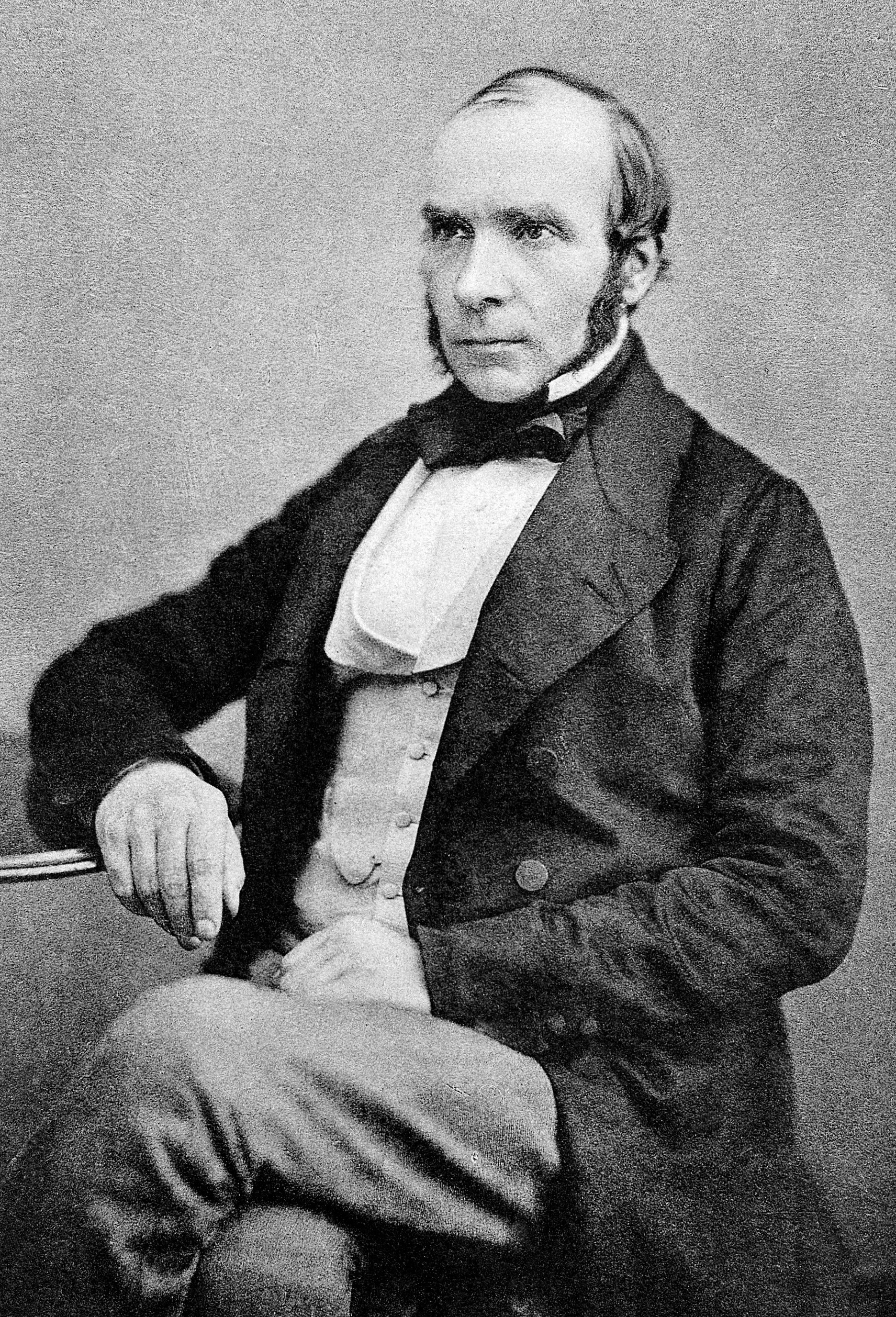
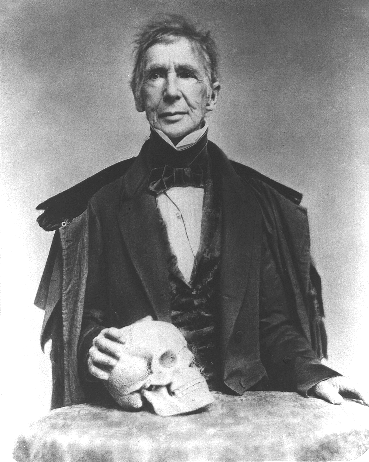
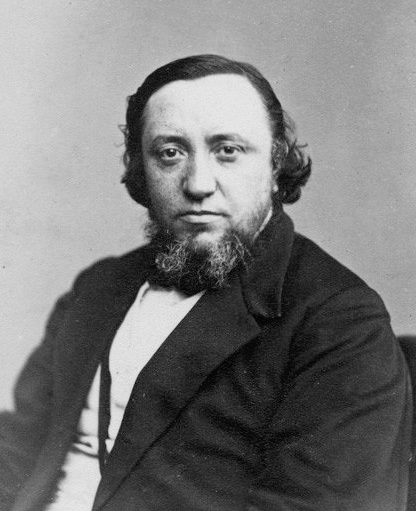
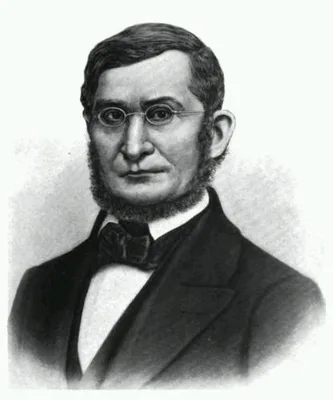
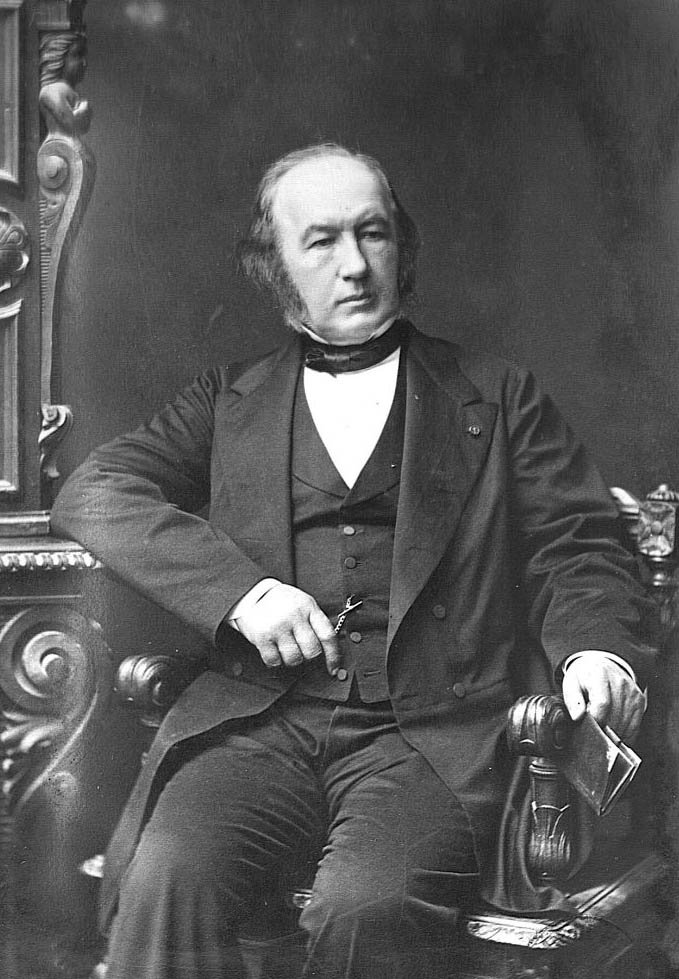
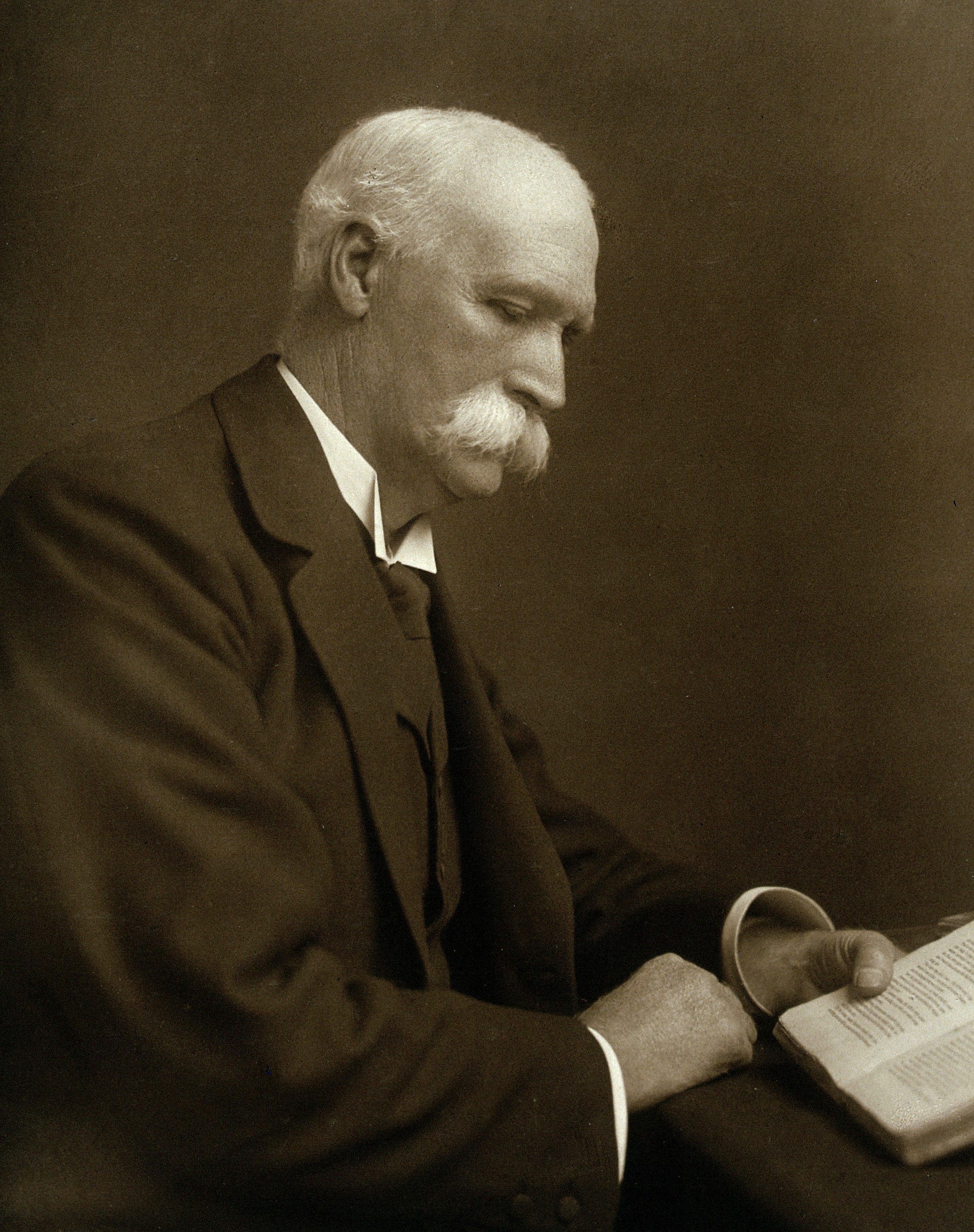
1831 SOUBEIRAN, Eugène (1797 – 1859)
Recherches sur quelques combinaisons du chlore.
Soubeiran, like Liebig and Guthrie, discovered chloroform; it is difficult to determine who was first, as each may have allowed an interval of time to elapse between discovery and publication.
GMN 1851 · https://historyofmedicine.com/id/2347
1832 GUTHRIE, Samuel (1782 – 1848)
New mode of preparing a spirituous solution of chloric ether.
Guthrie in America, Liebig in Germany, and Soubeiran in France discovered chloroform independently of one another. Guthrie discovered the modern method of making chloroform by distilling alcohol with chlorinated lime.…
GMN 1850 · https://historyofmedicine.com/id/2340
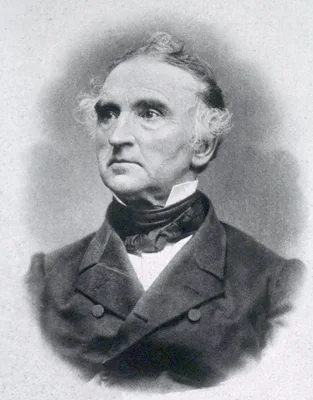
1832 LIEBIG, Justus von (1803 – 1873)
Ueber die Verbindungen, welche durch die Einwirkung des Chlors auf Alkohol, Aether, ölbildenes Gas und Essiggeist entstehen.
Discovery, in 1831, of chloroform and chloral. Independently chloroform was discovered by Souberian and by Guthrie.
GMN 1852 · https://historyofmedicine.com/id/2351
1847 FLOURENS, Marie Jean Pierre (1794 – 1867)
Note touchant l’action de l’ether sur les centres nerveux.
On 8 March 1847, Flourens announced that chloroform had an anesthetic effect analogous to that of ether. Little notice seems to have been taken of his paper, but later in the year Simpson independently demonstrated th…
GMN 5654 · https://historyofmedicine.com/id/7295
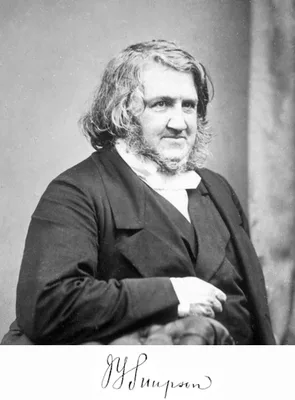
1847 SIMPSON, Sir James Young (1811 – 1870)
Discovery of a new anaesthetic agent, more efficient than sulphuric ether.
In an attempt to find an anesthetic less irritating than ether, Simpson discovered the advantages of chloroform. He had previously used ether with great benefit in midwifery, but now substituted chloroform, being the …
GMN 5657 · https://historyofmedicine.com/id/7298
1848 BIGELOW, Henry Jacob (1818 – 1890)
Ether and chloroform: a compendium of their history, surgical use, dangers and discovery.
Bigelow’s speedy publication of Morton’s discovery (No. 5651), and his subsequent advocacy of ether as an anesthetic assured its adoption throughout the civilized world. The above work deals with the priority claims o…
GMN 5730 · https://historyofmedicine.com/id/6486
1848 HEYFELDER, Johann Ferdinand Martin (1798 – 1869)
Die Versuche mit dem Schwefeläther, Salzäther und Chloroform.
Introduction of ethyl chloride in anesthesia.
GMN 5662 · https://historyofmedicine.com/id/7307
1848 SNOW, John (1813 – 1858)
On the inhalation of chloroform and ether. With description of an apparatus.
Snow’s chloroform inhaler.
GMN 5663 · https://historyofmedicine.com/id/7310
1849 WARREN, John Collins (1778 – 1856)
Effects of chloroform and of strong chloric ether, as narcotic agents.
“On October 16, 1846, at Massachusetts General Hospital, Warren participated in the first public demonstration of anesthesia for surgery. He was the surgeon for the first surgical patient given ether anesthesia, and W…
GMN 14327 · https://historyofmedicine.com/id/16652
1858 RICHARDSON, Sir Benjamin Ward (1828 – 1896); SNOW, John (1813 – 1858)
On chloroform and other anaesthetics: Their action and administration. Edited, with a memoir of the author, by Benjamin W. Richardson.
Snow, the first specialist in anesthesiology, delivered Queen Victoria with the aid of chloroform in 1853 and 1857. This work was edited for publication after Snow's premature death by Richardson, who included a biogr…
GMN 5666 · https://historyofmedicine.com/id/8959
1861 JACKSON, Charles Thomas (1805 – 1880)
A manual of etherization: Containing directions for the employment of ether, chloroform, and other anaesthetic agents, by inhalation, in surgical operations, Intended for military and naval surgeons, and all who may be exposed to surgical operations, with Instructions for the preparation of ether and chloroform, and for testing them for Impurities. comprising, also, a brief history of the discovery of anaesthesia.
Jackson's most detailed exposition of anesthesia, including a summary of the early history of its discovery, written for American Civil War physicians and surgeons. Digital facsimile from the Internet Archive at this …
GMN 7867 · https://historyofmedicine.com/id/10039
1872 LABBÉ, Léon (1832 – 1916); GUYON, E.
Sur l’action combinée de la morphine et du chloroforme.
Labbe and Guyon developed pre-anesthetic medication.
GMN 5670 · https://historyofmedicine.com/id/7336
1875 BERNARD, Claude (1813 – 1878)
Leçons sur les anesthésiques et sur l’asphyxie.
As early as 1864 Bernard discovered that chloroform anesthesia could be prolonged and intensified by the injection of morphine. J. N. von Nussbaum also observed this. English translation by B. Fink, Park Ridge, 1989.
GMN 5673 · https://historyofmedicine.com/id/7347
1880 MACEWEN, Sir William (1848 – 1924)
Clinical observations on the introduction of tracheal tubes by the mouth instead of performing tracheotomy or laryngotomy.
First administration of an anesthetic (chloroform) through a metal tracheal tube introduced by the mouth (endotracheal anesthesia).
GMN 5676 · https://historyofmedicine.com/id/7358