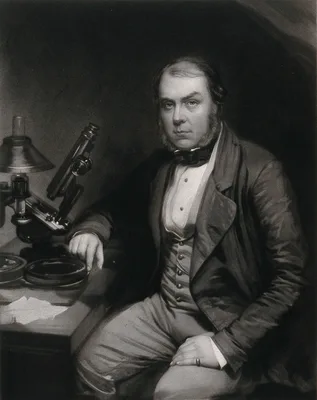
1834 –1840 HOUSTON, John (1802 – 1845)
Descriptive catalogue of the preparations in the Museum of the Royal College of Surgeons in Ireland. Vol. I. (Anatomy). Vol. 2. (Pathology).
Digital facsimile from the Internet Archive at this link.
GMN 10380 · https://historyofmedicine.com/id/12572
1834 PETTIGREW, Thomas Joseph (1791 – 1865)
A history of Egyptian mummies, and an account of the worship and embalming of the sacred animals of the Egyptians; with remarks on the funeral ceremonies of different nations, and observations on the mummies of the Canary islands, of the ancient Peruvians, Burman priests, &c
"One of the most valuable works on the subject extant. It is a monument of exact observation, and considering the state of archaeological knowledge at the time, it is in every way admirable" (Dawson, Bibliography of w…
GMN 12275 · https://historyofmedicine.com/id/14494
1835 –1859 SHARPEY, William (1802 – 1880); TODD, Robert Bentley (1809 – 1860)
The cyclopaedia of anatomy and physiology. Edited by Robert Bentley Todd. 5 vols.
Contributors included Richard Owen and Thomas Huxley, and physicians James Paget, James Young Simpson, and William Bowman.The discoveries of Purkynĕ and Valentin, together with additional observations by William Sharp…
GMN 603 · https://historyofmedicine.com/id/453
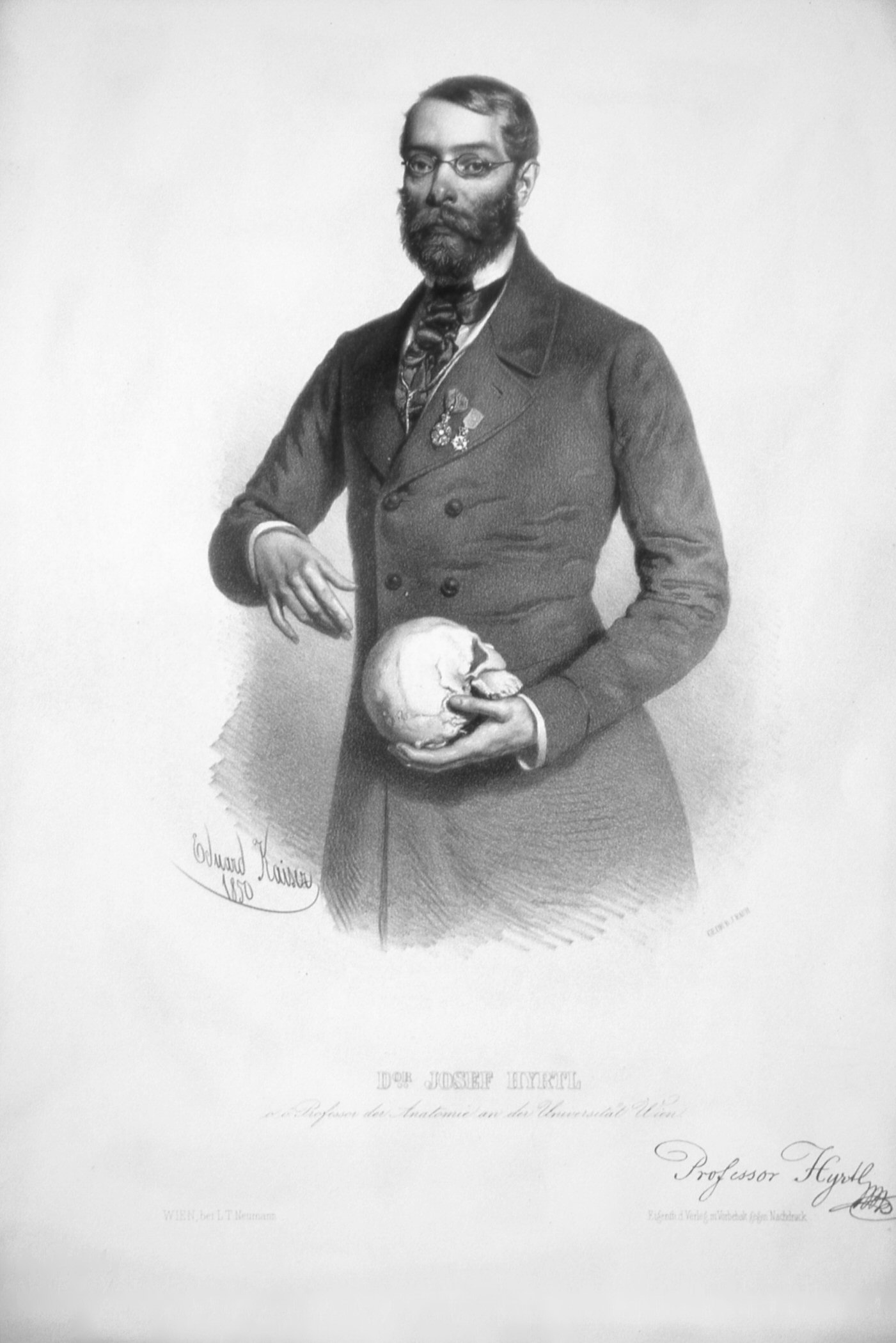
1835 HYRTL, Josef (1810 – 1894)
Antiquitates anatomicae rariores, quibus origo, incrementa et status anatomes, apud antiquissimae memoriae gentes, historica fide illustrantur.
Anatomical terms used in antiquity, representing to a certain, extent a survey of the literature of ancient medicine available to Hyrtl. Digital facsimile from The Medical Heritage Library, Internet Archive, at this l…
GMN 439 · https://historyofmedicine.com/id/1095
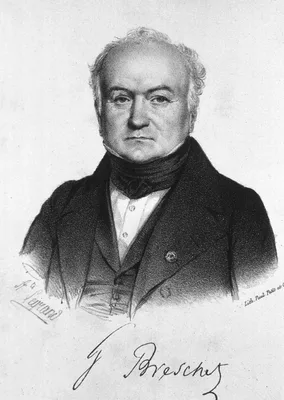
1835 BRESCHET, Gilbert (1784 – 1845); ROUSSEL DE VAUZEME, Augustin
Nouvelles recherches sur la structure de la peau.
Beschet emphasized "the relevance of anatomic investigation to dermatologic problems" (Crissey and Parish, Dermatology and syphilology of the nineteenth century, 117). In this book the authors first described the anat…
GMN 14105 · https://historyofmedicine.com/id/16416
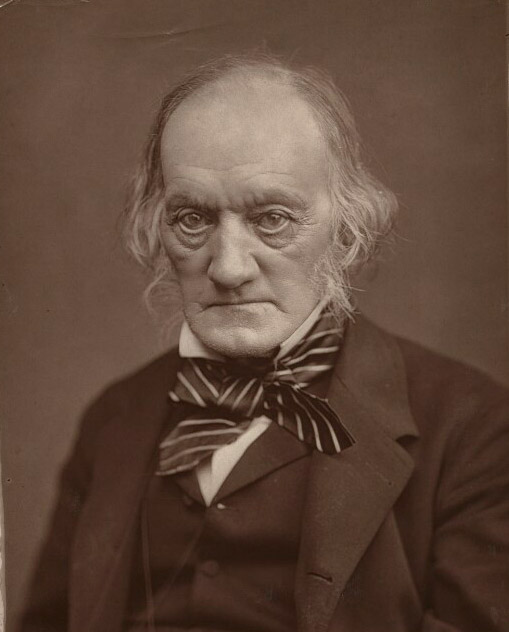
1835 OWEN, Sir Richard (1804 – 1892)
On the osteology of the chimpanzee and orang utan.
Owen was the first anatomist, after Petrus Camper, to distinguish decisively between the chimpanzee and the orangutan. He began studying the anatomy of non-human primates in the 1830s, when the Regent’s Park Zoo in Lo…
GMN 14316 · https://historyofmedicine.com/id/16641
1836 REMAK, Robert (1815 – 1865)
Vorläufige Mittheilungen microscopischer Beobachtungen über den inner Bau der Cerebrospinalnerven und über die Entwickelung ihrer Formelemente.
Remak identified for the first time the myelinated fiber with its central “band of Remak” (the axon), and the unmyelinated axon or “fiber of Remak.” Fuller account in his Observationes anatomicae (No. 1262).
GMN 1260 · https://historyofmedicine.com/id/2145
1836 KNOX, Frederick John (1794 – 1873)
The anatomist's instructor, and museum companion; being practical directions for the formation and subsequent management of anatomical museums.
"Dr Frederick Knox was the librarian of New Zealand's first public library. He emigrated from Scotland in July 1840 and within days of arriving in Port Nicholson became involved in establishing the country's first pub…
GMN 7674 · https://historyofmedicine.com/id/9846
1836 TIEDEMANN, Friedrich (1781 – 1861)
On the brain of the negro, compared with that of the European and the orang-outang.
In this very thoroughly researched, highly documented, and well-illustrated paper Tiedemann demonstrated that there are no significant anatomical differences between the brains and mental capacities of Black people an…
GMN 11309 · https://historyofmedicine.com/id/13507
1836 –1842 QUAIN, Jones (1796 – 1865); WILSON, Sir William James Erasmus (1809 – 1884)
A series of anatomical plates. 5 vols.: The muscles of the human body. The vessels of the human body. The nerves of the human body. The viscera of the human body. The bones and ligaments of the human body.
GMN 13299 · https://historyofmedicine.com/id/15565
1836 –1842 QUAIN, Jones (1796 – 1865); WILSON, Sir William James Erasmus (1809 – 1884)
A series of anatomical plates. 5 vols.: The muscles of the human body. The vessels of the human body. The nerves of the human body. The viscera of the human body. The bones and ligaments of the human body.
The most ambitious 19th century English anatomy illustrated by lithography. Some copies were issued with hand-colored plates. The five volumes, containing a total of 201 plates, describe the muscles, blood vessels, ne…
GMN 13300 · https://historyofmedicine.com/id/15566
1837 HENLE, Friedrich Gustav Jakob (1809 – 1885)
Symbolae ad anatomiam villorum intestinalium, imprimis eorum epithelii et vasorum lacteorum.
Henle first described the epithelia of the skin and intestines, and defined the structure and function of columnar and ciliated epithelium. He applied the term “epithelium” to all mucous membranes in the body. Modern …
GMN 539 · https://historyofmedicine.com/id/170
1837 PURKYNĔ, Jan Evangelista [PURKINJE] (1787 – 1869)
Neueste Untersuchungen aus der Nerven-und Hirnanatomie.
Description of the “flask-shaped ganglionic bodies” known as “Purkinje cells”. Reprinted in his Opera Omnia, 1939, 3, 47-9. Also published in Oken’s Isis, 1838, pp. 582-84.
GMN 1396 · https://historyofmedicine.com/id/1980
1837 BURDACH, Ernst (1801 – 1876)
Beitrag zur mikroskopischen Anatomie der Nerven.
GMN 1261 · https://historyofmedicine.com/id/2156
1837 –1841 PIROGOV, Nikolai Ivanovich (Pirogoff) (1810 – 1881)
Anatomia chirurgica truncorum arteriarum nec non fasciarum fibrosarum.
An atlas of arterial stems and fasciae. Translated into German as Chirurgische anatomie der Arterienstamme und Fascien neu Bearbeitet von Julius Szymanowski. Leipzig und Heidelberg: C. F. Winter, 1850. Digital facsimi…
GMN 11697 · https://historyofmedicine.com/id/13898
1838 REMAK, Robert (1815 – 1865)
Observationes anatomicae et microscopicae de systematis nervosi structura.
See No. 1260.
GMN 1262 · https://historyofmedicine.com/id/2161
1838 GANNAL, Jean-Nicolas (1791 – 1852)
Histoire des embaumements et de la préparation des pièces d'anatomie normale, d'anatomie pathologique et de l'histoire naturelle suivie de procédés nouveau.
Gannal discovered the efficacy of solutions of aluminum acetate and chloride for preserving anatomical preparations. His method of embalming involved injection of solutions of aluminum salts into the arteries. Transla…
GMN 7672 · https://historyofmedicine.com/id/9844
1838 –1857 MANDL, Louis (1812 – 1881)
Anatomie microscopique. Tome premier: Histologie. Atlas de cinquante-deux planches. Tome second: Histogénèse. Atlas de quarante planches. 2 vols.
This work was issued in parts over nearly 20 years. Parts concerned specific subjects and were sold separately. Digital facsimile from Google Books at this link, and at this link.
GMN 11117 · https://historyofmedicine.com/id/13313
1839 –1857 LEURET, François (1797 – 1851); GRATIOLET, Louis Pierre (1815 – 1865)
Anatomie comparée du système nerveux. 2 vols. and atlas.
The first comprehensive systematic investigation of the mammalian brain. Leuret wrote vol. 1 without Gratiolet, who later became his collaborator, publishing vol. 2 and the atlas after Leuret’s death.
GMN 1396.01 · https://historyofmedicine.com/id/1988
1840 BOWMAN, Sir William (1816 – 1892)
On the minute structure and movements of voluntary muscle.
Classical description of striated muscle
GMN 542 · https://historyofmedicine.com/id/264
1840 BAILLARGER, Jules Gabriel François (1809 – 1890)
Recherches sur la structure de la couche cortical des circonvolutions du cerveau.
Baillarger demonstrated that the cortex is made up of layers and that fibers connect the cortex with the internal white matter. English translation in von Bonin, Some papers on the cerebral cortex, Springfield: Charle…
GMN 1396.1 · https://historyofmedicine.com/id/1991
1840 PACINI, Filippo (1812 – 1883)
Nuovi organi scoperti nel corpo humano.
“Pacini’s corpuscles”, end organs of sensory nerves, earlier described by Vater in 1717.
GMN 1263 · https://historyofmedicine.com/id/2164
1840 BURGGRAEVE, Adolphe (1806 – 1902)
Précis de l'histoire de l'anatomie, comprenant l'examen comparatif des ouvrages des principaux anatomistes anciens et modernes.
Digital facsimile from Google Books at this link.
GMN 7137 · https://historyofmedicine.com/id/9304
1841 HENLE, Friedrich Gustav Jakob (1809 – 1885)
Allgemeine Anatomie. Lehre von den Mischungs- und Formbestandtheilen des menschlichen Körpers.
Many of the histological discoveries of Henle are described in the above. He classified tissues histologically. In the section on Gefässnerven (pp. 510, 690) Henle demonstrated the presence of smooth muscle in the end…
GMN 543 · https://historyofmedicine.com/id/268
1841 VESALIUS, Andreas (1514 – 1564); BURGGRAEVE, Adolphe (1806 – 1902)
Études sur André Vésale: Précédées d'une notice historique sur sa vie et ses écrits.
Digital facsimile from Google Books at this link.
GMN 12685 · https://historyofmedicine.com/id/14930
1842 ANDRAL, Gabriel (1797 – 1876); LACROIX, Louis Edward; DENONVILLIERS, Charles-Pierre (1808 – 1872)
Muséum d'anatomique pathologique de la Faculté de Médecine de Paris, ou Musée Dupuytren. Publié au nom de la Faculté. 2 vols. and atlas.
Plates lithographed after drawings by Émile Beau. Digital facsimile from BnFGallica at this link.
GMN 10381 · https://historyofmedicine.com/id/12573
1842 THEOPHILUS PROTOSPATHARIUS, (Θεόφιλος Πρωτοσπαθάριος) (650 – ); GREENHILL, William Alexander (1814 – 1894)
Theophili Protospatharii De corporis humani fabrica libri v. Edidit Gulielmus Alexander Greenhill.
Extensively annotated Greek & Latin edition of this Byzantine treatise on anatomy and physiology, edited by William Alexander Greenhill. Digital facsimile from the Internet Archive at this link.
GMN 11109 · https://historyofmedicine.com/id/13305
1843 STILLING (BENEDICT), Benedikt (1810 – 1879)
Ueber die Textur und Function der Medulla oblongata. 2 vols. (Text and atlas).
“In this book, there are many transverse section figures from the origin of the 2nd cervical nerve pair up to the pons. Stilling aimed to reveal the difference between the spinal cord and medulla oblongata by presenti…
GMN 14213 · https://historyofmedicine.com/id/16529
1844 REMAK, Robert (1815 – 1865)
Neurologische Erlauterungen.
Remak was first to describe the intrinsic ganglia of the heart.
GMN 806 · https://historyofmedicine.com/id/569
1844 KOBELT, Georg Ludwig (1804 – 1857)
Die männlichen und weiblichen Wollust-Organe des Menschen und einiger Säugetiere.
Kobelt provided the first comprehensive and accurate description of the function of the clitoris.Digital facsimile from digi.ub.uni-heidelberg at this link.
GMN 11148 · https://historyofmedicine.com/id/13345
1845 LEBERT, Hermann (1813 – 1878)
Physiologie pathologique. 2 vols. & atlas.
One of the earliest atlases of pathological histology. Lebert’s work played an important role in introducing the cellular idea of pathology, laying the groundwork for Virchow’s theories.
GMN 543.1 · https://historyofmedicine.com/id/179
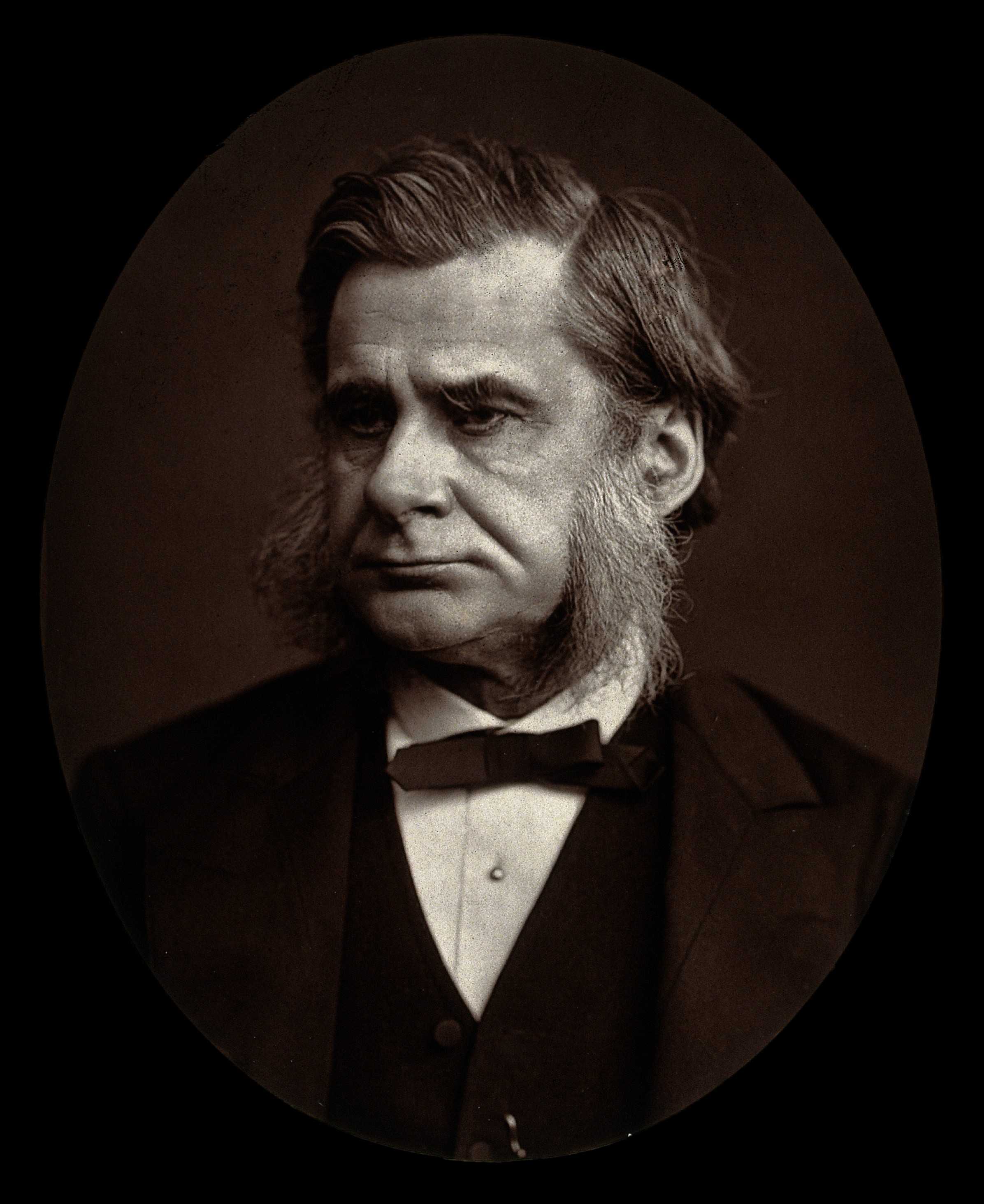
1845 HUXLEY, Thomas Henry (1825 – 1895)
On a hitherto undescribed structure in the human hair sheath.
“Huxley’s layer” and “membrane” of the root sheath of hair follicles.
GMN 412 · https://historyofmedicine.com/id/935
1845 GOODSIR, John (1814 – 1867); GOODSIR, Henry Duncan Spens (1819 – 1848)
Anatomical and pathological observations.
John Goodsir’s paper on “Centres of nutrition” anticipates to a certain extent the cell doctrine afterwards developed by Virchow (see No. 2299). Virchow dedicated the first edition of his Cellularpathologie to Goodsir…
GMN 2294.1 · https://historyofmedicine.com/id/2928
1845 PACINI, Filippo (1812 – 1883)
Nuove ricerche microscopiche sulla tessiture intima della retina nell’ uomo, nei vertebrati, nei cefalapodi, e negli insetti precedute da alcune riflessioni sugli elementi morfologici globulari del sisteme nervoso.
Pacini was the first to provide an accurate description of all the layers of the retina. Digital facsimile of the separate (offprint) edition from the Internet Archive at this link.
GMN 7330 · https://historyofmedicine.com/id/9501
1845 GEOFFROY SAINT-HILAIRE, Étienne (1772 – 1844)
Catalogue des livres de sciences particulièrement de zoologie, d'anatomie comparée et d'anatomie philosophique composant la bibliothèque de feu M. Etienne Geoffroy Saint-Hilaire,...: dont la vente se fera le jeudi 20 novembre 1845, et jours suivants, à midi précis, au Jardin des Plantes, rue Cuvier, n° 33.
Digital facsimile from Google Books at this link.
GMN 13424 · https://historyofmedicine.com/id/15696
1845 JOLY, Nicolas; LAVOCAT, Achille
Recherches historiques, zoologiques, anatomiques et paléontologiques sur la girafe, (Camelopardalis giraffa, Gmelin).
First comprehensive (124pp., 17 plates) anatomical study of the giraffe, conducted during a 20 day dissection of the huge animal in Toulouse. The authors entrusted the dissection to the Toulouse taxidermist, H. Traver…
GMN 13543 · https://historyofmedicine.com/id/15820
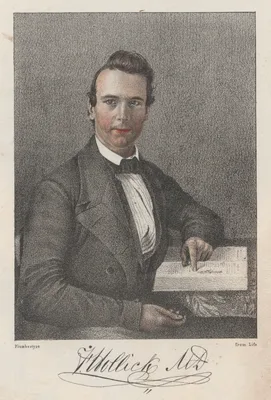
1845 HOLLICK, Frederick (1818 – 1900)
The origin of life: A popular treatise on the philosophy and physiology of reproduction, in plants and animals, including the details of human generation with a full description of the male and female organs. Illustrated by fine colored engravings on stone.
Digital facsimile of the 20th edition from Google Books at this link.
GMN 13761 · https://historyofmedicine.com/id/16046
1846 –1849 HASSALL, Arthur Hill (1817 – 1894)
The microscopic anatomy of the human body, in health and disease.
First English textbook on microscopical anatomy. His description of the concentric corpuscles of the thymus (p. 9) led to the term “Hassall’s corpuscles”.
GMN 544 · https://historyofmedicine.com/id/180
1846 HYRTL, Josef (1810 – 1894)
Lehrbuch der Anatomie des Menschen.
Hyrtl’s Lehrbuch passed through 22 editions and was translated into the principal modern languages.
GMN 413 · https://historyofmedicine.com/id/939
1846 STILLING (BENEDICT), Benedikt (1810 – 1879)
Disquisitiones de structura protuberantia annularis sive pontis Varolii. Untersuchungen über den Bau des Hirnknotens oder der Varoli’schen Brucke. Text and atlas.
Stilling’s great work on the pons Varolii, the structure that links the brain to the spinal cord, includes the first accurate description of the red nucleus (superior olive), a structure in the midbrain involved in mo…
GMN 14337 · https://historyofmedicine.com/id/16665
1847 GERLACH, Joseph von (1820 – 1896)
Beobachtung einer tödlichen Peritonitis, als Folge einer Perforation des Wurmfortsatzes.
Description of “Gerlach’s valve”, sometimes seen at the orifice of the appendix.
GMN 994 · https://historyofmedicine.com/id/729
1847 HYRTL, Josef (1810 – 1894)
Handbuch der topographischen Anatomie. 2 vols.
Hyrtl, professor of anatomy at Vienna, published the first text on topographical anatomy in German. He was for 30 years the most popular lecturer on the subject in Europe, and ranks as one of the greatest of medical s…
GMN 414 · https://historyofmedicine.com/id/941
1848 SHARPEY, William (1802 – 1880)
Bone or osseous tissue.
The discovery of the “fibers of Sharpey” is reported on pp. cxlii-cxliii.
GMN 545 · https://historyofmedicine.com/id/186
1849 RETZIUS, Anders Adolf (1796 – 1860)
Ueber das Ligamentum pelvoprostaticum oder den Apparat, durch welchen die Harnblase, die Prostata und die Harnröhre an den untern Beckenöffnung befestigt sind.
The “cave of Retzius” described.
GMN 1221 · https://historyofmedicine.com/id/1905
1849 –1856 CUVIER, Jean Léopold Chrétien Frédéric "Georges" (1769 – 1832); LAURILLARD, Charles Léopold (1783 – 1853)
Anatomie comparée. Recueil des planches de myologie dessinées par Georges Cuvier ou exécutées sous ses yeux par MM. Laurillard et Mercier.
Planned by Cuvier as his masterwork on this topic, but unpublished during his lifetime, this posthumous work was published in parts over seven years. The complete work contains 336 plates. Few complete copies exist. D…
GMN 12014 · https://historyofmedicine.com/id/14222
1849 MOUAT, Frederic John (1816 – 1897)
An atlas of anatomical plates of the human body, with descriptive letter-press in English and Hindustani.
Digital facsimile from the Internet Archive at this link.
GMN 13868 · https://historyofmedicine.com/id/16158
1850 LEYDIG, Franz (1821 – 1908)
Zur Anatomie der männlichen Geschlechtsorgane un Analdrüsen der Säugethiere.
Leydig was the first to describe the interstitial cells of the testis (“Leydig cells”).
GMN 1222 · https://historyofmedicine.com/id/1908
1850 –1855 QUEKETT, John Thomas
Descriptive and illustrated catalogue of the histological series contained in the Museum of the Royal College of Surgeons of England. Vol. I. Elementary tissues of vegetables and animals; Vol. II. Structure of the skeleton of vertebrate animals. 2 vols.
Digital facsimile from the Hathi Trust at this link.
GMN 13157 · https://historyofmedicine.com/id/15416
1851 MACLISE, Joseph (1815 – 1880)
Surgical anatomy.
"The drawings of Maclise for Quain's Anatomy of the arteries and for his own Surgical anatomy are indeed done, as Quain wrote, with spirit and effect. These figures of anatomical dissection seem lifelike; in many plat…
GMN 13302 · https://historyofmedicine.com/id/15568
1852 KÖLLIKER, Rudolph Albert von (1817 – 1905)
Handbuch der Gewebelehre des Menschen.
Isolation of smooth muscle.
GMN 546 · https://historyofmedicine.com/id/190