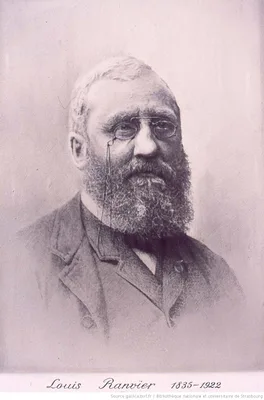
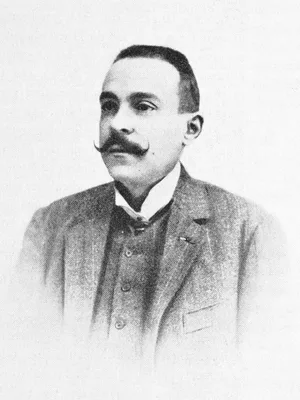
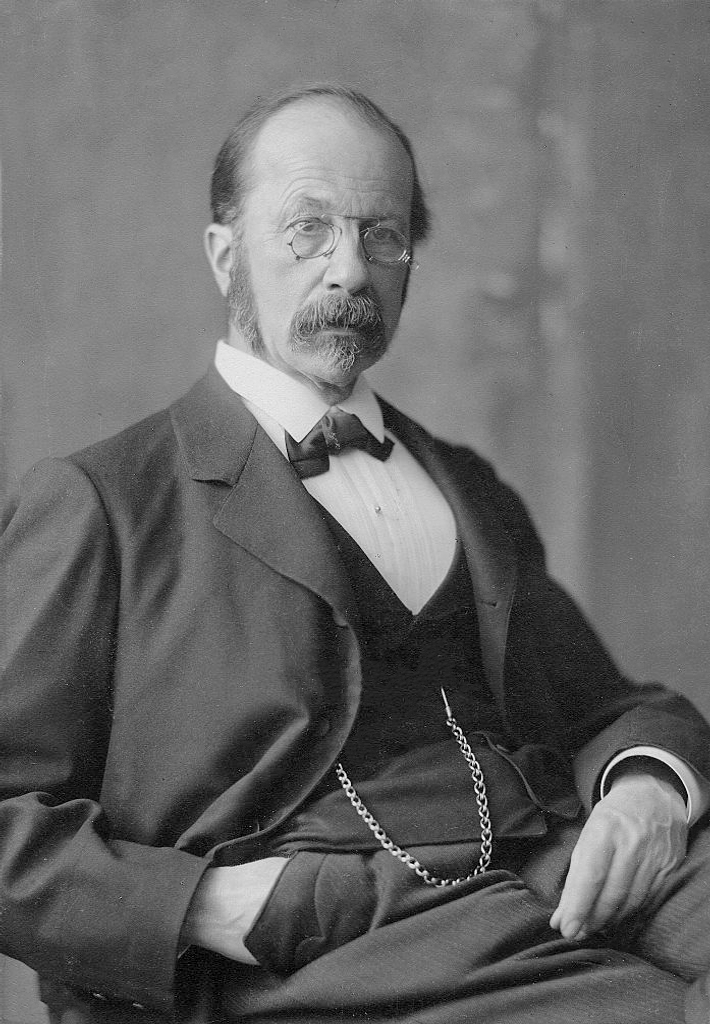
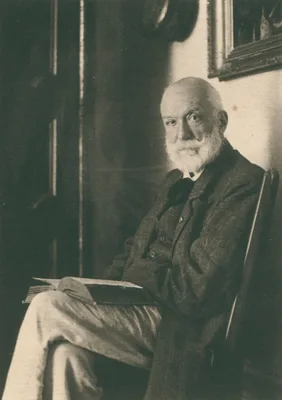
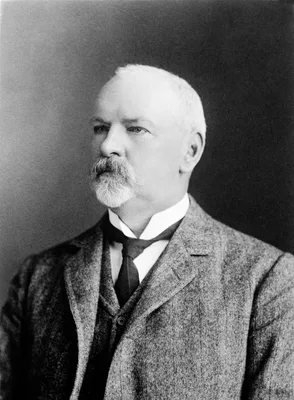
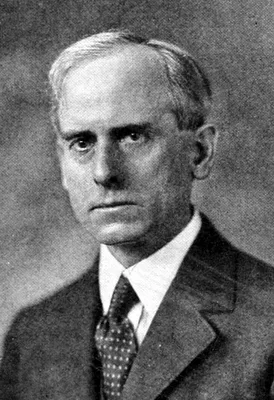
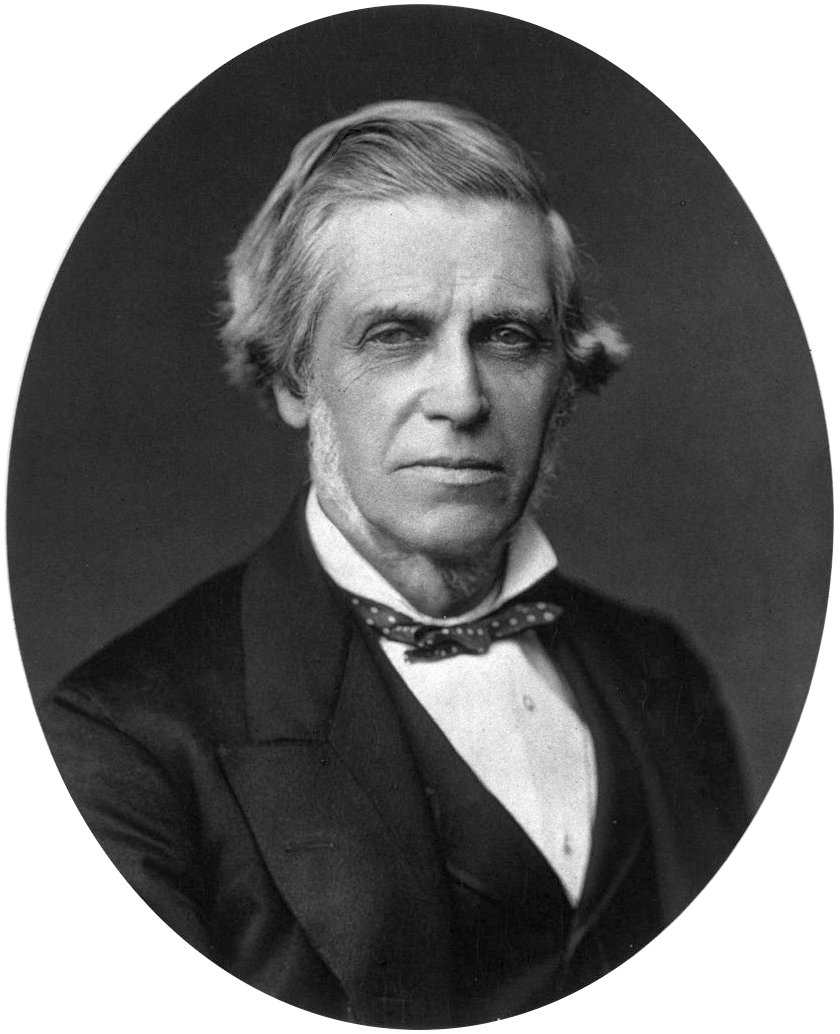
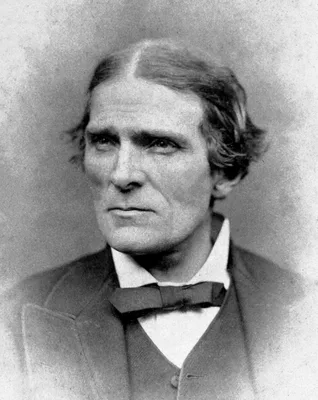
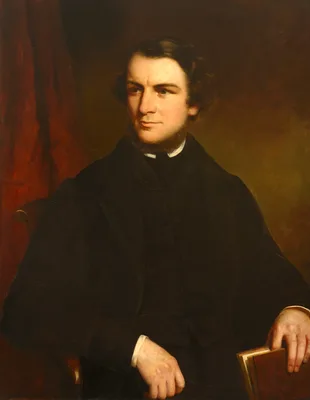
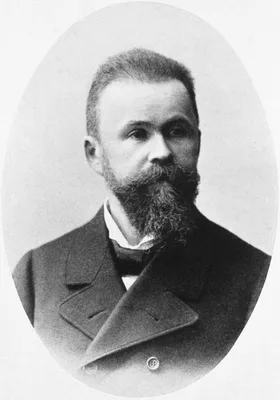
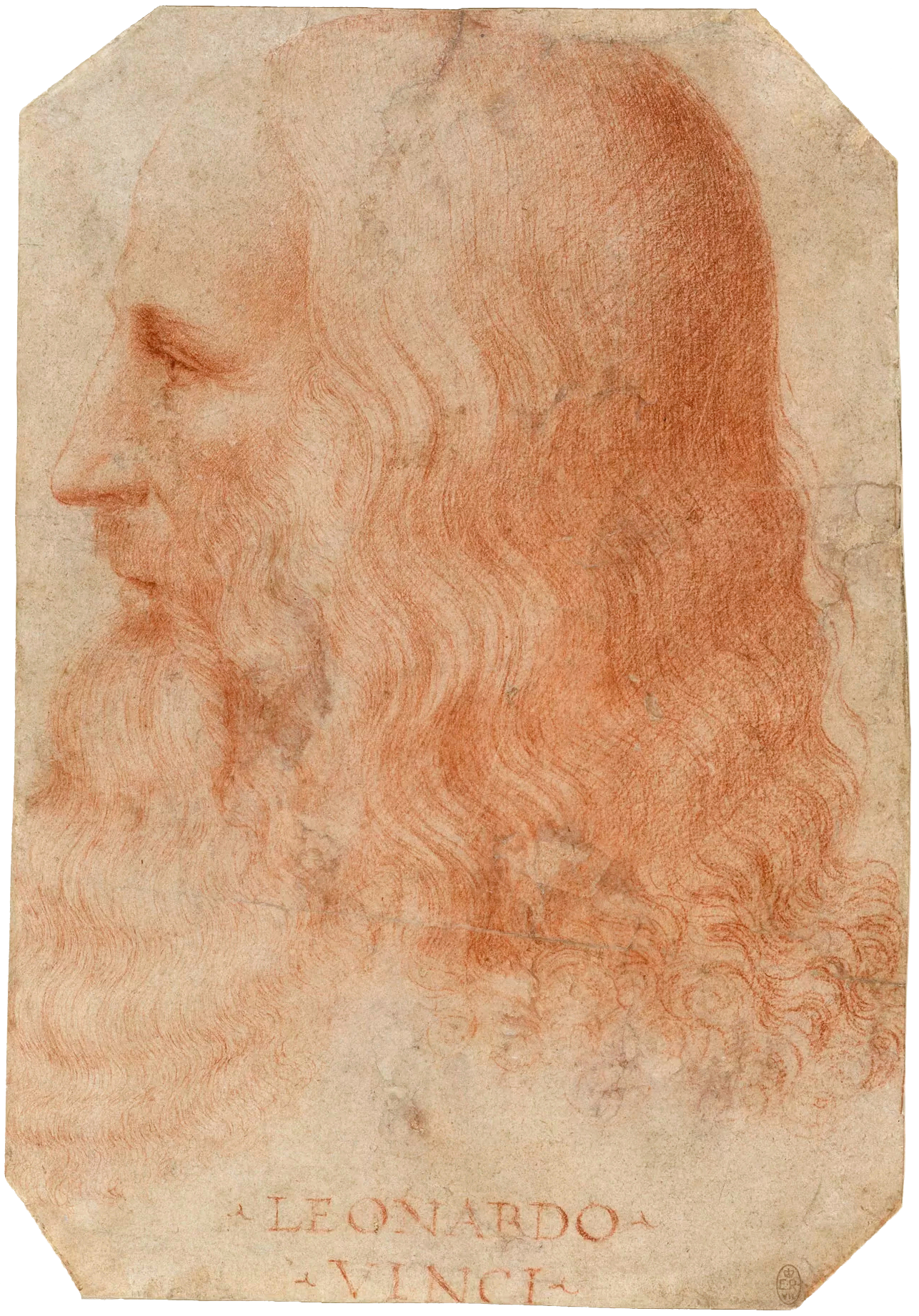
1878 RANVIER, Louis-Antoine (1835 – 1922)
Leçons sur l’histologie du système nerveux. 2 vols.
Includes his description of the “nodes of Ranvier”, interruptions of the medullary nerve sheaths.
GMN 1276 · https://historyofmedicine.com/id/2273
1879 DUVAL, Mathias-Marie (1844 – 1907)
Technique de l’emploi du collodion humide pour la pratique des coupes microscopiques.
Introduction of collodion for embedding.
GMN 553 · https://historyofmedicine.com/id/223
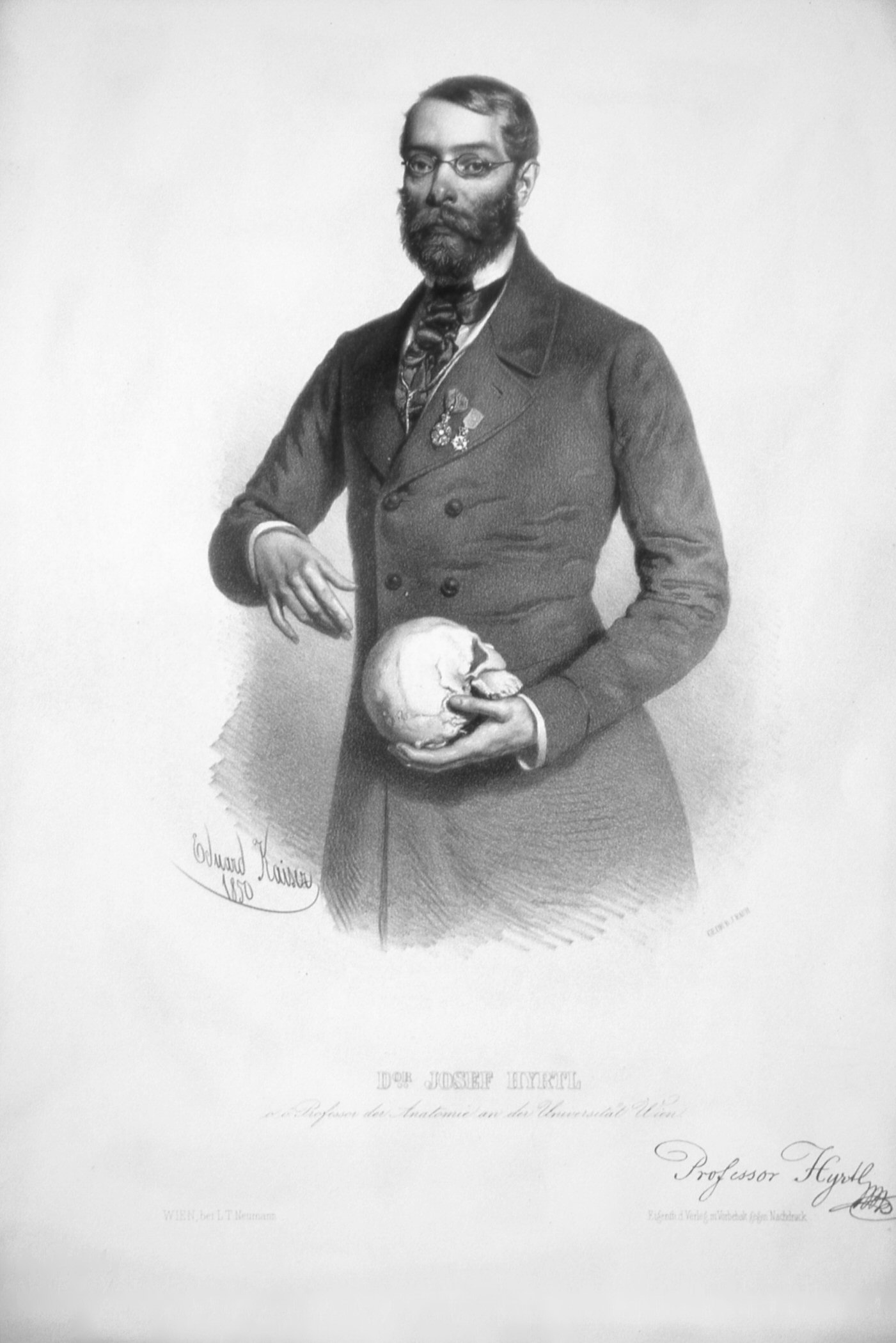
1879 HYRTL, Josef (1810 – 1894)
Das Arabische un Hebräische in der Anatomie.
Hyrtl, professor of anatomy at Prague and Vienna, retired in 1874 and devoted his leisure to the writing of this and his Onomatologia anatomica. Garrison considered Hyrtl, along with Littré, among the greatest medical…
GMN 443 · https://historyofmedicine.com/id/1104
1880 HYRTL, Josef (1810 – 1894)
Onomatologia anatomica. Geschichte und Kritik der anatomischen Sprache der Gegenwart, mit besonderer Berücksichtigung ihrer Barbarismen, Widersinnigkeiten, Tropen und grammatikalischen Fehler.
A classic work on anatomical terminology. Digital facsimile from Biodiversity Heritage Library at this link.
GMN 444 · https://historyofmedicine.com/id/1106
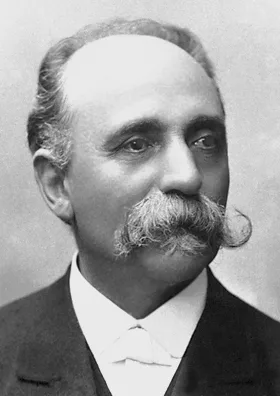
1880 GOLGI, Camillo (1844 – 1926)
Sulla struttura delle fibre nervosa midollate periferiche e centrali.
“Golgi cells” first described.
GMN 1277 · https://historyofmedicine.com/id/2276
1881 –1884 RETZIUS, Magnus Gustaf (1842 – 1919)
Das Gehörorgan der Wirbelthiere. 2 vols.
The most magnificent of all comparative anatomical studies of the ear, and the most beautiful studies of the ear after those of Casseri (No.1540). Retzius described the “Retzius bodies” in the labyrinth.
GMN 1566 · https://historyofmedicine.com/id/1237
1881 DWIGHT, Thomas (1843 – 1911); QUINCY, Henry Parker (1833 – 1899)
Frozen sections of a child by Thomas Dwight. Fifteen drawings from nature by H. P. Quincy.
The first atlas of cross-sectional anatomy published in the United States. Digital facsimile from the Internet Archive at this link
GMN 7645 · https://historyofmedicine.com/id/9817
1884 REID, Robert William (1851 – 1939)
Observations on the relation of the principal fissures and convolutions of the cerebrum to the outer surface of the scalp.
Reid’s base line – the anthropometric base line on the skull.
GMN 426 · https://historyofmedicine.com/id/1020
1884 WALDEYER-HARTZ, Heinrich Wilhelm Gottfried von (1836 – 1921)
Ueber den lymphatischenApparat des Pharynx.
“Waldeyer’s tonsillar ring”, the lymphoid ring of the nasopharynx.
GMN 1111 · https://historyofmedicine.com/id/1188
1884 –1889 BRAUNE, Christian Wilhelm (1831 – 1892)
Das Venensystem des menschlichen Körpers. 2 pts. and atlas.
Like Braune’s other anatomical works, this is notable for its excellent illustrations.
GMN 784 · https://historyofmedicine.com/id/1770
1884 MEYNERT, Theodor Hermann (1833 – 1892)
Psychiatrie. Klinik der Erkrankungen der Vorderhirns.
Meynert, Professor of Neurology at Vienna, made many contributions to the study of the cellular architecture of the brain, and is often considered the founder of cerebral cortex cytoarchitectonics. English translation…
GMN 4942 · https://historyofmedicine.com/id/6221
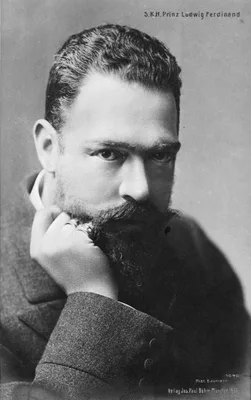
1884 LUDWIG FERDINAND, Prince of Bavaria (1859 – 1949)
Zur Anatomie der Zunge. Eine vergleichend-anatomische Studie.
One of the first and the most extensive comparative anatomical studies of the tongues of animals. The book contrasts the tongues of fish, amphibians and reptiles, birds and mammals, through various sectional illustrat…
GMN 12892 · https://historyofmedicine.com/id/15139
1885 DALTON, John Call (1825 – 1889)
Topographical anatomy of the brain. 3 vols.
The most outstanding American neurological atlas of the nineteenth century and one of the best American photographically illustrated medical books of the period. The atlas reproduces the specimens, which Dalton prepar…
GMN 7332 · https://historyofmedicine.com/id/9503
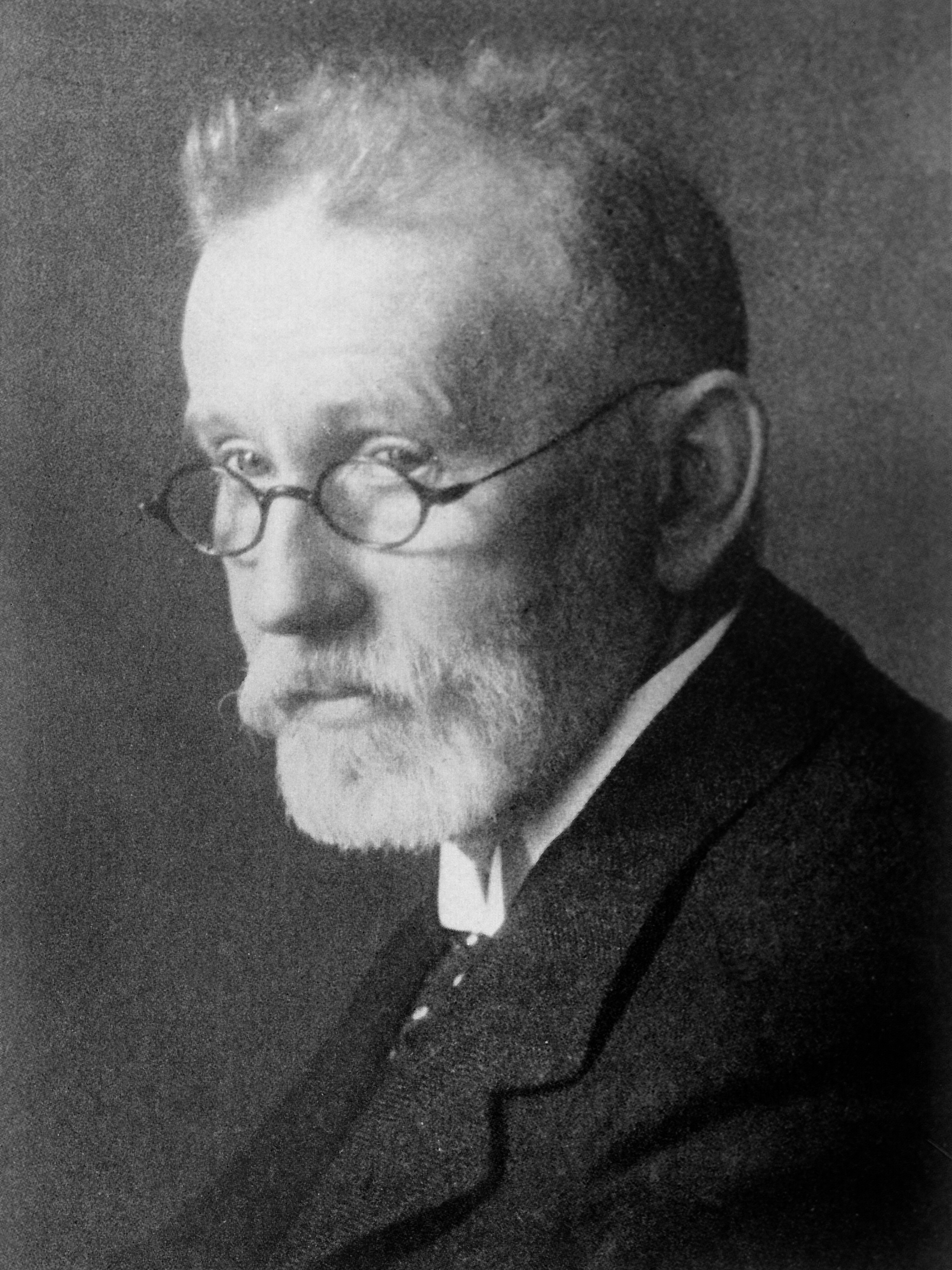
1886 EHRLICH, Paul (1854 – 1915)
Ueber die Methylenblaureaction der lebenden Nervensubstanz.
Ehrlich’s method of intravital staining.
GMN 554 · https://historyofmedicine.com/id/231
1886 KOLLMANN, Julius Konstantin Ernst (1834 – 1918)
Plastische Anatomie des menschlichen Körpers.
“Illustrated with lithographs from hand-drawings, photographs from the nude, ethnic studies of facial features…The text…is of unusual historic interest, and includes special chapters on the anatomy of the infant, huma…
GMN 427 · https://historyofmedicine.com/id/1023
1886 GOLGI, Camillo (1844 – 1926)
Sulla fina anatomia degli organi centrali del sistema nervoso.
Golgi’s histological studies made a clear conception of the nervous system possible for the first time. He demonstrated the existence of multipolar nerve-cells (Golgi cells) by means of his silver nitrate stain, and d…
GMN 1416 · https://historyofmedicine.com/id/2103
1886 JAMES W. QUEEN & CO. (1853 – 1925)
Catalogue of anatomical models, charts and osteological preparations. Auzoux's papier mache anatomical models, Bocksteger models painted in natural colors, human skeletons.
One of the better illustrated American trade catalogues of the period describing available anatomical models, charts, skeletons for use in teaching. Reprinted, along with several other catalogues relating to instrumen…
GMN 10207 · https://historyofmedicine.com/id/12396
1887 ODDI, Ruggero (1864 – 1913)
D’une disposition à sphincter spéciale de l’ouverture du canal cholédoque.
“Sphincter of Oddi” of the bile duct, already known to Glisson in 1654. Reprinted as a pamphlet, Perugia, 1887.
GMN 1018 · https://historyofmedicine.com/id/880
1887 HIS, Wilhelm Sr. (1831 – 1904)
Zur Geschichte der menschlichen Rückenmarkes und der Nervenwurzeln.
This is generally considered the first clear statement that nerve cells in the brain might be independent units rather than forming an anastomotic network—as Gerlach, Golgi, and most others believed—although there are…
GMN 1368.1 · https://historyofmedicine.com/id/1720
1887 FOREL, Auguste Henri (1848 – 1931)
Einige hirnanatomische Betrachtungen und Ergebnisse.
Independently of His, Forel formulated the neuron theory.
GMN 1368.2 · https://historyofmedicine.com/id/1722
1887 SYMINGTON, Johnson (1851 – 1924)
The topographical anatomy of the child.
The first part of this work concerns cross-sectional anatomy; the second part systematically discusses the differences between anatomy in children and adults of different parts of the body.
GMN 14019 · https://historyofmedicine.com/id/16326
1888 BROCA, Pierre Paul (1824 – 1880)
Mémoires sur le cerveau de l’homme et des primates publiés avec un introduction et des notes par Le docteur S. Pozzi.
Digital facsimile from the Biodiversity Heritage Library at this link.
GMN 344 · https://historyofmedicine.com/id/249
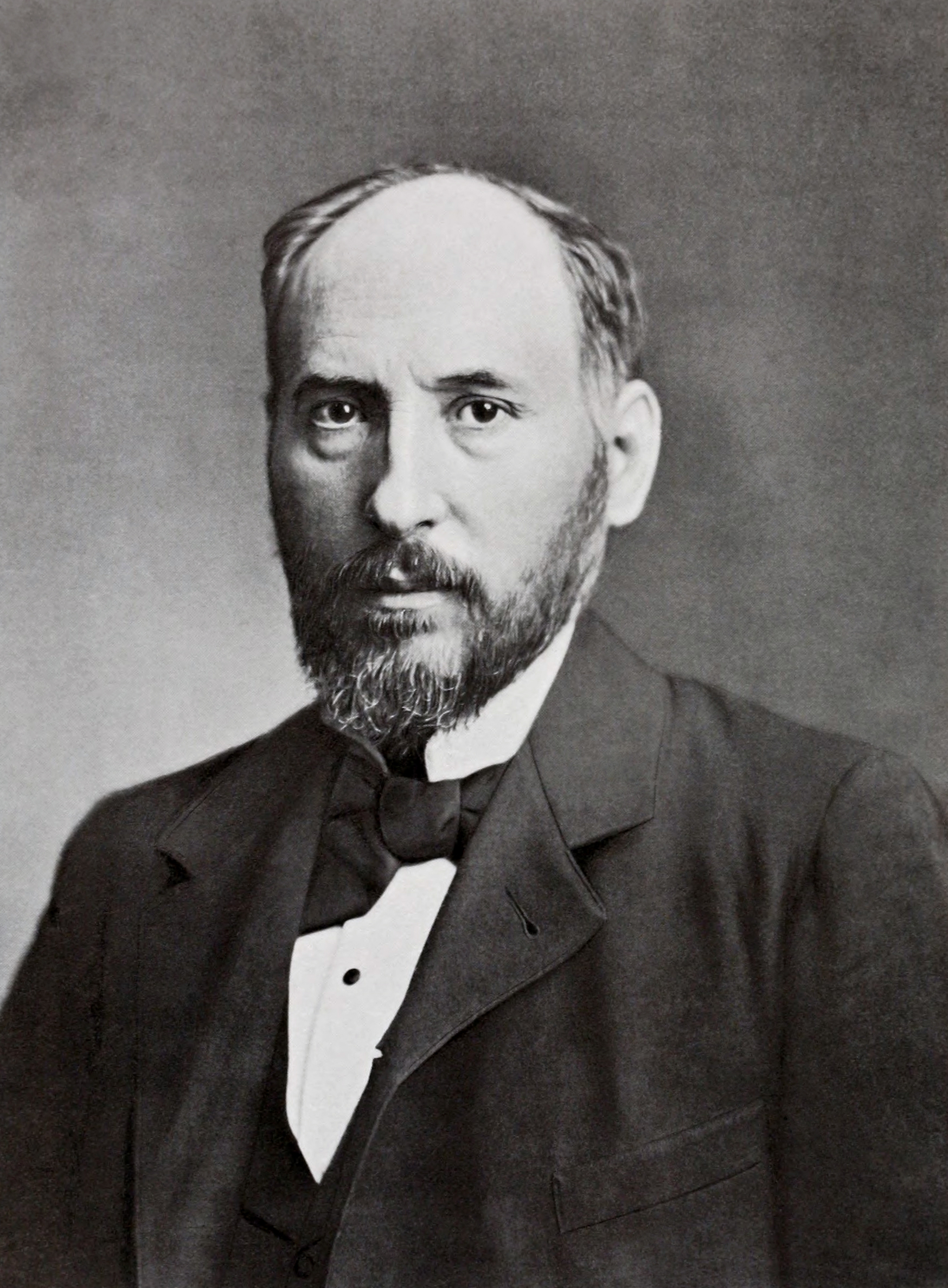
1888 CAJAL, Santiago Ramón y (1852 – 1934)
Estructura de los centros nerviosos de las aves.
"The foundational article of modern cellular neuroscience. . . . this is where Cajal first demonstrated with the Golgi method how neurons interact by contact not continuity in the adult central nervous system—in this …
GMN 7334 · https://historyofmedicine.com/id/9505
1889 MONDEVILLE, Henri de (1260 – 1316); PAGEL, Julius Leopold (1851 – 1912)
Die Anatomie des Heinrich von Mondeville. Nach einer Handschrift der Königlichen Bibliothek zu Berlin von Jahre 1304 zum ersten Male herausgegeben von J. Pagel.
Mondeville was the first teacher known to have lectured with the aid of illustrations, using 13 charts of human anatomy. He lectured at Montpellier. Digital facsimile from the Medical Heritage Library, Internet Archiv…
GMN 362 · https://historyofmedicine.com/id/382
1889 –1892 TESTUT, Jean Leo (1849 – 1925)
Traité d’anatomie humaine. 3 vols.
7th edition, 1921-23.
GMN 428 · https://historyofmedicine.com/id/1026
1889 HIS, Wilhelm Sr. (1831 – 1904)
Die Neuroblasten und deren Entstehung im embryonalen Mark.
In this paper on neuroblasts (young neurons) and their development in the embryonic spinal cord, His coined the term, “dendrite,” for what had been called protoplasmic processes since the term was introduced by Deiter…
GMN 7335 · https://historyofmedicine.com/id/9506
1890 RICHER, Paul Marie Louis Pierre (1849 – 1933)
Anatomie artistique: Decription des formes extérieures du corps human au repos et dans les principaux mouvements. Avec 100 planches renfermant plus de 300 figures dessinées par l'auteur. 2 vols.
Digital facsimile from BnF Gallica at this link.
GMN 10600 · https://historyofmedicine.com/id/12793
1891 HARTMANN, Henri Albert (1860 – 1952)
Quelques points de l’anatomie et de la chirurgie des voies biliaires.
“Hartmann’s pouch”, a dilatation of the neck of the gall-bladder.
GMN 1018.1 · https://historyofmedicine.com/id/886
1891 WALDEYER-HARTZ, Heinrich Wilhelm Gottfried von (1836 – 1921)
Ueber einige neuere Forschungen im Gebiete der Anatomie des Centralnervensystems.
A statement of the neuron theory, to which Waldeyer gave the name.
GMN 1369 · https://historyofmedicine.com/id/1725
1891 –1892 MCCLELLAN, George (1849 – 1913)
Regional anatomy in its relation to medicine and surgery. 2 vols.
Includes 97 beautiful chromolithographed plates dissected, photographed, and colored from nature by McClellan. Digital facsimile of the 2nd edition from the Internet Archive at this link.
GMN 10587 · https://historyofmedicine.com/id/12780
1892 –1895 BRODIE, Charles Gordon (1860 – 1948)
Dissections illustrated.
“Brodie’s ligament”, the transverse humoral ligament, described.
GMN 429 · https://historyofmedicine.com/id/1029
1892 CAJAL, Santiago Ramón y (1852 – 1934)
Nuevo concepto de la histologia de los centros nerviosos.
Ramón y Cajal, son of a struggling Aragonese doctor, lived to become one of the greatest of all histologists. He devised many staining methods for nervous tissue and did work of fundamental importance to neuroanatomy.…
GMN 1287 · https://historyofmedicine.com/id/2315
1892 WEBSTER, John Clarence (1863 – 1950)
Researches in female pelvic anatomy.
The first cross-sectional anatomy of the pelvic anatomy during the puerperium, the period of about six weeks after childbirth during which the mother's reproductive organs return to their original non-pregnant conditi…
GMN 10568 · https://historyofmedicine.com/id/12761
1892 BOWMAN, Sir William (1816 – 1892); BURDON-SANDERSON, Sir John Scott (1828 – 1905); HULKE, John Whitaker (1830 – 1895)
The collected papers of Sir W. Bowman. Edited by J. Burdon-Sanderson and J. W. Hulke. 2 vols.
Digital facsimile from Google Books at this link.
GMN 12786 · https://historyofmedicine.com/id/15032
1893 BLUM, Ferdinand (1865 – 1859)
Der Formaldehyd als Härtungsmittel. Vorläufige Mittheilung.
Formalin first used for tissue fixation.
GMN 557 · https://historyofmedicine.com/id/261
1893 MACEWEN, Sir William (1848 – 1924)
Atlas of head sections. Fifty-three engraved copperplates of frozen sections of the head, and fifty-three key plates with descriptive texts.
Intended to supplement and illustrate Macewen’s neurosurgical textbook published the same year (No. 4872). Includes coronal, sagittal and horizontal sections with commentary on each.
GMN 431 · https://historyofmedicine.com/id/1035
1893 –1903 CATHCART, Charles Walker (1853 – 1932); SHENNAN, Theodore
Descriptive catalogue of the anatomical and pathological specimens in the museum of the Royal College of Surgeons of Edinburgh. 3 Vols. Vols. 1 & 2 by Charles W. Cathcart; Vol. 3 by Theodore Shennan. Vol. 1.- The skeleton and organs of motion.
Digital facsimile of vol. 1 from the Biodiversity Heritage Library at this link.
GMN 10367 · https://historyofmedicine.com/id/12559
1895 –1903 SPALTEHOLZ, Karl Werner (1861 – 1940)
Handatlas der Anatomie des Menschen. 3 vols.
16th edition in English, 1967.
GMN 430 · https://historyofmedicine.com/id/1031
1895 HIS, Wilhelm Sr. (1831 – 1904)
Die anatomische Nomenclatur.
His was largely responsible for the Basle Nomina Anatomica, the first attempt to produce a standard anatomical nomenclature. English translation by L.F. Barker, 1907.
GMN 432 · https://historyofmedicine.com/id/1037
1895 –1901 DEJERINE, Joseph Jules (1849 – 1917); DEJERINE-KLUMPKE, Augusta (1859 – 1927)
Anatomie des centres nerveux. 2 vols.
Classic summary of neuroanatomy at the end of the nineteenth century—comprehensive, beautifully illustrated, and scholarly. It is a goldmine of historical information with an outstanding bibliography.
GMN 1424 · https://historyofmedicine.com/id/2158
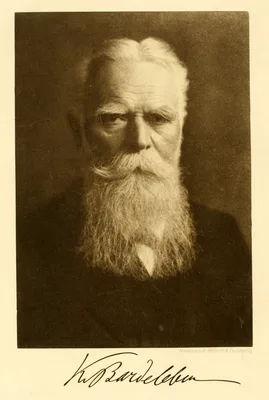
1896 –1934 BARDELEBEN, Karl von (1849 – 1918)
Handbuch der Anatomie des Menschen. 32 parts.
An important collective work.
GMN 433 · https://historyofmedicine.com/id/1047
1896 BAILEY, James Blake ( – 1897)
The diary of a resurrectionist 1811-1812, to which are added an account of the resurrection men in London and a short history of the passing of the Anatomy Act.
First-hand account of the activities of the so-called “sack-em-up” men who flourished in England and Scotland until passage in 1832 of the Anatomy Act provided legal means for physicians to obtain cadavers for dissect…
GMN 444.1 · https://historyofmedicine.com/id/1108
1896 RETZIUS, Magnus Gustaf (1842 – 1919)
Das Menschenhirn. Studien in der makroskopischen Morphologie. 2 vols.
Retzius studied a large series of subprimate, simian, and human brains, and clarified some of the more difficult problems of cerebral morphology.
GMN 1426 · https://historyofmedicine.com/id/2176
1896 LEAMING, Edward (1861 – 1916); STARR, Moses Allen (1854 – 1932)
Atlas of nerve cells. With the cooperation of Oliver S. Strong and Edward Leaming.
Photomicrographs by Leaming. Digital facsimile from the Biodiversity Heritage Library at this link.
GMN 9639 · https://historyofmedicine.com/id/11826
1897 KULSCHITZKY, Nikolai Konstantinovich (1856 – 1925)
Zur Frage über den Bau des Darmkanals.
The “cells of Kultschitzky” in the epithelium of the intestine, between the cells which line the gland of Lieberkühn.
GMN 1021 · https://historyofmedicine.com/id/906
1897 –1903 WERNICKE, Carl (1848 – 1905)
Atlas des Gehirns: Schnitte durch das menschliche Gehirn in photographischen Originalen. 3 Abteilungen in 4 Bänden.
Abt. 1: 32 Frontalschnitte durch eine Grosshirnhemisphäre / hergestellt und erl. von Dr. Ernst Hahn und Dr. Heinrich Sachs (1897) Breslau : Verl. der Königlichen psychiatrischen Klinik, in Comm. bei Schletter [1] Bl.,…
GMN 1427 · https://historyofmedicine.com/id/2179
1897 STRÜMPELL, Ernst Adolf Gustav Gottfried (1853 – 1925); JAKOB, Cristfried (1866 – 1956)
Neurologische Wandtafeln zum Gebrauch beim klinischen, anatomischen und physiologischen Unterricht.
This set of enormous chromolithographed color wall charts contains probably the largest charts of the brain and nervous system ever published. The two largest measure 5 feet 3 inches by 7 feet 2-5/8 inches! The 13 str…
GMN 10020 · https://historyofmedicine.com/id/12209
1898 –1901 LEONARDO DA VINCI (1452 – 1519); SABACHNIKOFF, Theodore (Fyodor Vasilyevich Sabašnikov) (1869 – 1927); PIUMATI, Giovanni (1850 – 1915)
I manoscritti de Leonardo da Vinci della Reale Biblioteca di Windsor. Pubblicata da Teodoro Sabachnikoff. Transcritti e annotati da Giovanni Piumati. 2 vols.
Includes folios A & B of his anatomical MSS. Text in French and Italian.
GMN 364 · https://historyofmedicine.com/id/416
1898 DUVAL, Mathias-Marie (1844 – 1907); CUYER, Édouard (1852 – 1900)
Histoire d’anatomie plastique: Les maitres, les livres et les écorchés.
Digital facsimile from the Internet Archive at this link.
GMN 446 · https://historyofmedicine.com/id/1111
1898 TÖPLY, Robert Ritter von (1856 – 1947)
Studien zur Geschichte der Anatomie im Mittelalter.
GMN 447 · https://historyofmedicine.com/id/1113