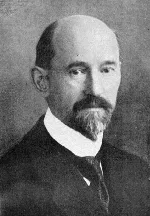
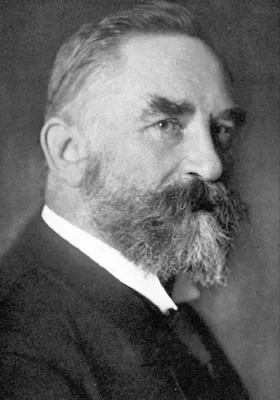
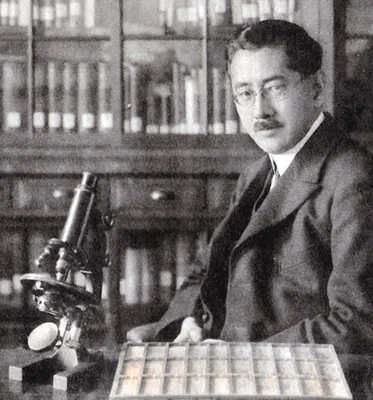
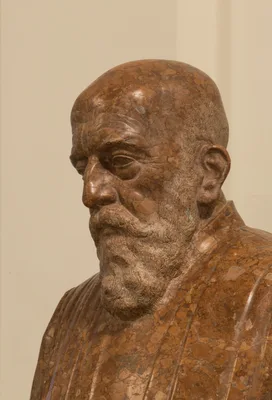
1898 DOGIEL, Alexander Stanislovich (1852 – 1922)
Die sensiblen Nervenendigungen im Herzen und in den Blutgefässen der Säugethiere.
“Dogiel’s end-bulbs” – sensory nerve-endings.
GMN 1292 · https://historyofmedicine.com/id/2329
1898 –1903 HUXLEY, Thomas Henry (1825 – 1895); LANKESTER, Sir Edwin Ray (1847 – 1929); FOSTER, Sir Michael (1836 – 1907)
The scientific memoirs of Thomas Henry Huxley. Edited by Professor Michael Foster... and by Professor E. Ray Lankester. 5 vols.
Presents virtually all of Huxley's scientific papers arranged in chronological order, as well as reports of his Royal Institution Friday Evening Discourses. The final supplemental volume contains the remainder of Huxl…
GMN 7450 · https://historyofmedicine.com/id/9622
1898 FLECHSIG, Paul Emil (1847 – 1929)
Neue Untersuchungen über die Markbildung in den menschlichen Grosshirnlappen.
Flechsig devided the cytoarchitecture of the human brain into 40 areas.
GMN 12734 · https://historyofmedicine.com/id/14980
1899 ADDISON, Christopher (1869 – 1951)
On the topographical anatomy of abdominal viscera in man, especially the gastrointestinal canal.
“Addison’s transpyloric plane”. Addison was Britain’s first Minister of Health (1919-21).
GMN 1023 · https://historyofmedicine.com/id/921
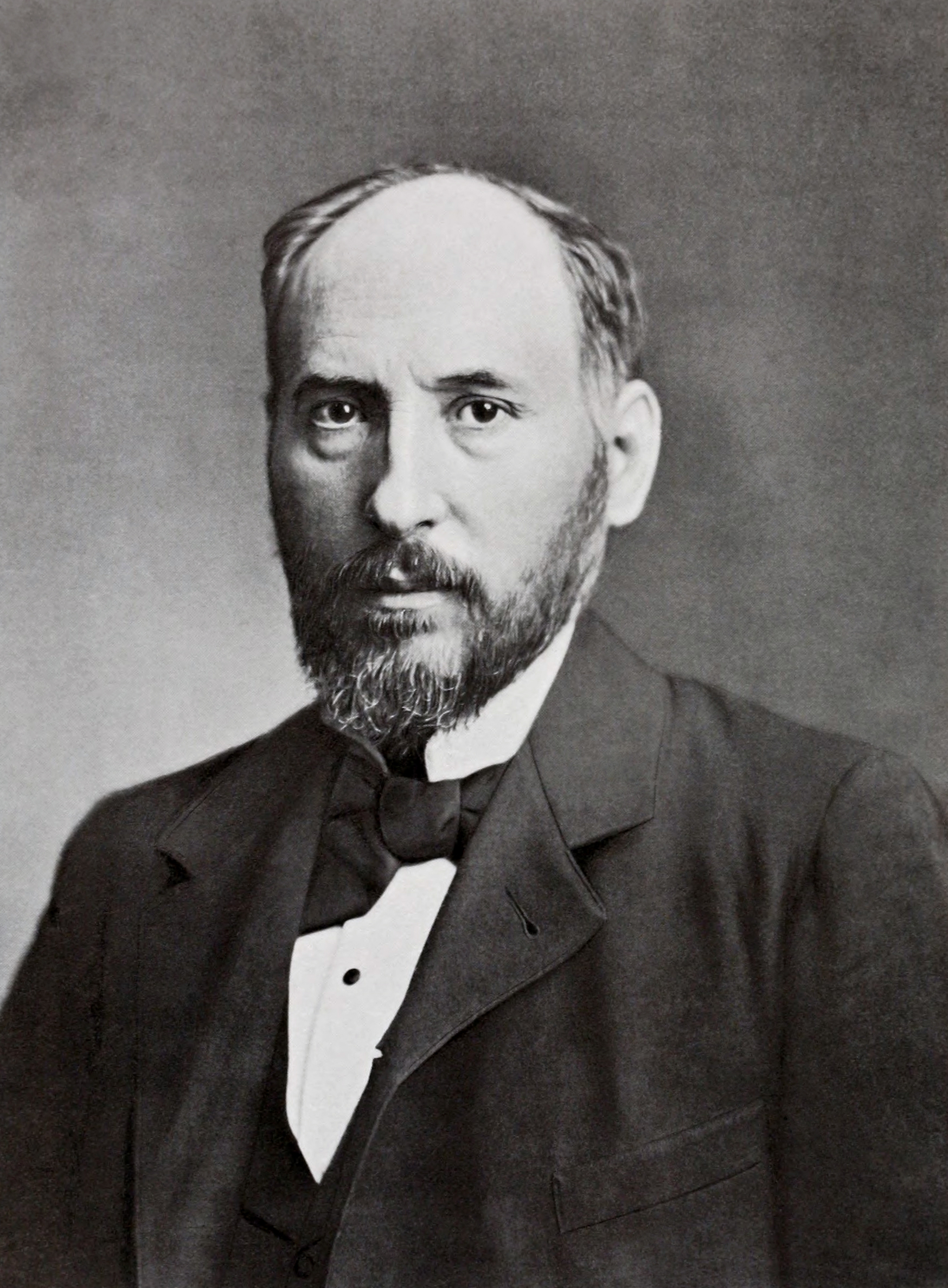
1899 –1904 CAJAL, Santiago Ramón y (1852 – 1934)
Textura del sistema nervioso del hombre y de los vertebrados. 2 vols. in 3.
From publication in fascicules, 1897-1904 (vol. 1 in 3 pts., vol. 2 in 4 pts.) This monumental work set out the cytological and histological foundations of modern neurology. Ramón y Cajal’s research confirmed the neur…
GMN 1293.1 · https://historyofmedicine.com/id/2335
1899 MEIGS, Arthur Vincent (1850 – 1912)
The penetration of the muscular fibres of the human heart by capillaries, and the existence in that organ of very large capillaries.
Meigs discovered that the capillaries of the heart enter the heart muscle fibers. These became known as "Meigs capillaries." Digital facsimile from PubMedCentral at this link.
GMN 12268 · https://historyofmedicine.com/id/14485
1900 TEACHER, John Hammond (1869 – 1930); HUNTER, William (1718 – 1783)
Catalogue of the anatomical and pathological preparations of Dr. William Hunter in the Hunterian Museum, University of Glasgow.
Digital facsimile from the Internet Archive at this link.
GMN 7588 · https://historyofmedicine.com/id/9760
1900 MCCLELLAN, George (1849 – 1913)
Anatomy in its relation to art. An exposition of the bones and muscles of the human body with especial reference to their influence upon its actions and external form.
The work was offered for sale by J. B. Lippincott with title pages dated 1901. Digital facsimile of the Lippincott issue from Google Books at this link.
GMN 10588 · https://historyofmedicine.com/id/12781
1901 –1905 PONFICK, Emil (1844 – 1913)
Topographischer Atlas der medizinisch-chirurgischen Diagnostik. Topographic Atlas medico-surgical diagnosis. Atlas Topographique de diagnostic médico-chirurgical. 5 parts.
Contains 30 chromolithographed plates of cross-sectional anatomy made from frozen sections, with accompanying uncolored outline plates and text, published in German, English and French. Digital facsimile from biusante…
GMN 13226 · https://historyofmedicine.com/id/15490
1903 TÖPLY, Robert Ritter von (1856 – 1947)
Geschichte der Anatomie.
GMN 448 · https://historyofmedicine.com/id/1154
1903 VOGT, Oskar (1870 – 1959)
Zur anatomischen Gliederung des Cortex cerebri.
GMN 1429 · https://historyofmedicine.com/id/2190
1903 –1929 GOLGI, Camillo (1844 – 1926)
Opera Omnia. Volume I: Istologia normale—1870-1883 (Con 21 Tavole e ritratto); Volume II: Istologia normale—1883-1902 (Con 21 tavole); Volume III: Patologia generale e isto-patologia—1868-1894 (Con 9 Tavole). Volume IV: Scritti su argomenti varii.
Limited to 325 copies, including material not previously published.
GMN 7338 · https://historyofmedicine.com/id/9509
1903 RHAZES [MUHAMMAD IBN ZAKARIYĀ AL-RĀZĪ (PERSIAN: محمد زکریای رازی ] (854 – 925); IBN AL'ABBAS AL MAJUSI, Ali (Haly Abbas) (930 – 994); AVICENNA, [Abū ʿAlī al-Ḥusayn ibn ʿAbd Allāh ibn Al-Hasan ibn Ali ibn Sīnā] (980 – 1037); KONING, Pieter de
Trois traités d'anatomie arabes par Muhammad ibn Zakariyya al-Razi, 'Ali ibn al-'Abbas, et 'Ali ibn Sina. Text inédit de deux traités. Traduction de P. de Koning.
Parallel Arabic and French texts. Digital facsimile from the Internet Archive at this link.
GMN 8363 · https://historyofmedicine.com/id/10539
1903 CUYER, Édouard (1852 – 1900)
Anatomie artistique des animaux.
Translated into English by George Haywood as Artistic anatomy of animals (London: Baillière, Tindall & Cox., 1904. Digital facsimile of the 1903 edition from the Hathi Trust at this link, of the English translation fr…
GMN 10101 · https://historyofmedicine.com/id/12290
1904 HOPF, Immanuel Ferdinand Ludwig (1838 – 1924)
Die Anfänge der Anatomie bei den alten Kulturvölkern.
Abhandlungen zur Geschichte der Medizin, Breslau, Heft 9.
GMN 449 · https://historyofmedicine.com/id/1117
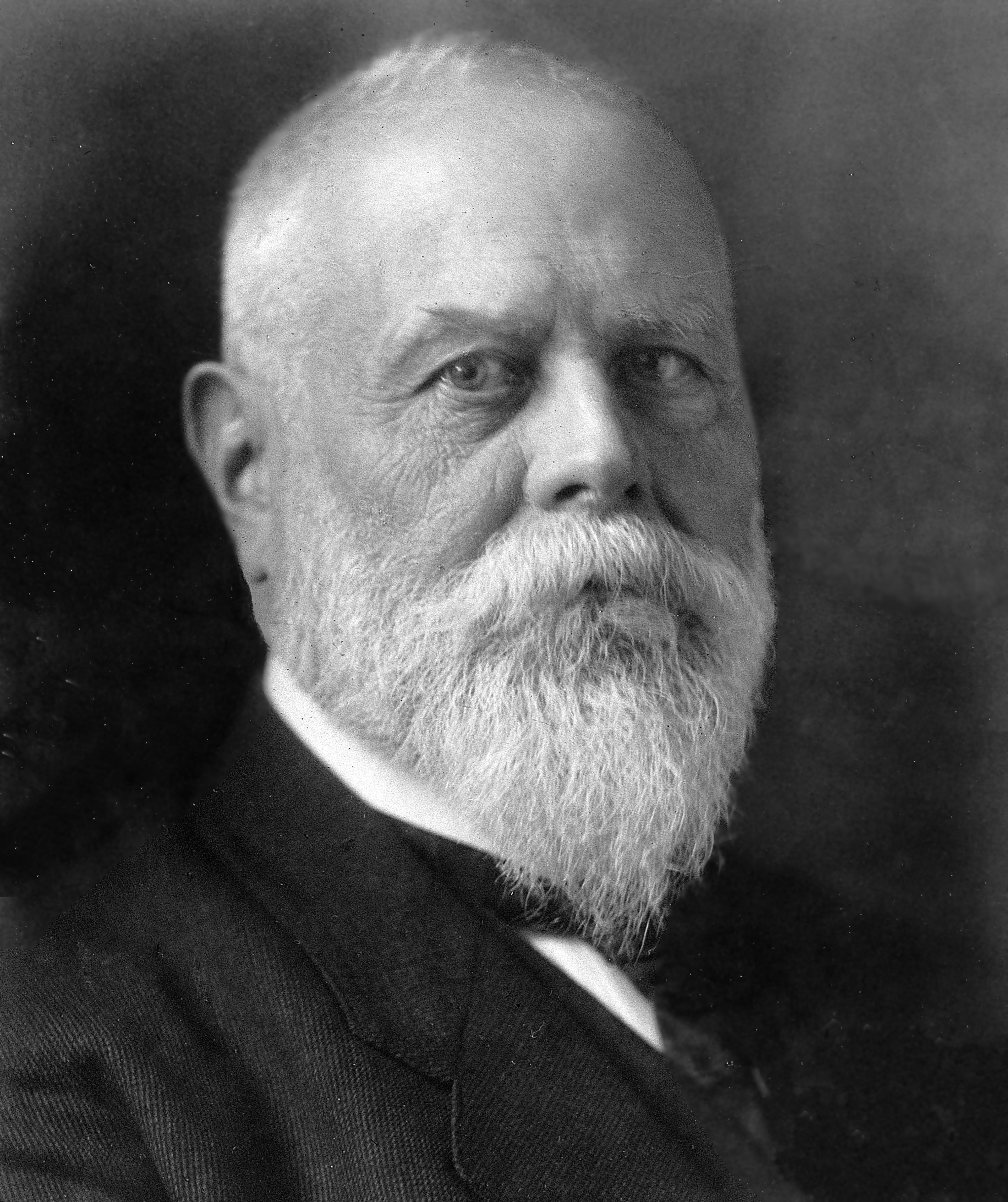
1904 HIS, Wilhelm Sr. (1831 – 1904)
Die Entwickelung des menschlichen Gehirns, während der ersten Monate.
"This final summary of brain development, published in the year of his death, contains a wealth of classic illustrations that have been adapted ever since in textbooks" (Larry W. Swanson).
GMN 7339 · https://historyofmedicine.com/id/9510
1904 –1907 SOBOTTA, Robert Heinrich Johannes (1869 – 1945)
Atlas der descriptiven Anatomie des Menschen. 3 vols.
I. Abt. Knochen, Bänder, Gelenke und Muskeln. II. Abt. Die Eingeweide der Menschen einschliesslich des Herzens. III. Abt. Die Gefässlehre, die Nervenlehre und die Lehre von den Sinnesorganen der Menschen. Translated i…
GMN 9991 · https://historyofmedicine.com/id/12180
1905 BARDEEN, Charles Russell (1871 – 1935)
Anatomy in America.
GMN 450 · https://historyofmedicine.com/id/1123
1905 CAMPBELL, Alfred Walter (1868 – 1937)
Histological studies on the localisation of cerebral function.
The precentral area of the cerebral cortex is known as “Campbell’s area”. Campbell and Brodmann were pioneers in the study of the architectonics of the cerebral cortex, or cerebral cytoarchitecture. Digital facsimile …
GMN 1430 · https://historyofmedicine.com/id/2195
1905 –1906 TYZZER, Ernest Edward (1875 – 1965)
The histology of the skin lesions in varicella.
Tyzzer was first to recognize inclusion bodies in varicella.
GMN 5440 · https://historyofmedicine.com/id/7464
1905 –1906 WATERSTON, David
The Edinburgh stereoscopic atlas of Anatomy. Edited by David Waterston. 5 vols.
The first large scale application of stereoscopic photography to anatomy. The 5 parts each contain 50 stereo cards on which are pasted original stereo photographs and corresponding printed descriptive text. Digital fa…
GMN 10599 · https://historyofmedicine.com/id/12792
1906 GALEN, [Κλαύδιος Γαληνός; Galen of Pergamon] (129 – 216); SIMON, Max
Sieben Bücher Anatomie des Galen: ... zum ersten Male veröffentlicht nach den Handschriften einer arabischen Übersetzung des 9. Jahrh. n. Chr. / ins Deutsche Übertragen und Kommentiert von Max Simon. 2 vols.
First printed edition of the final six and one-half books (the second half of book 9, and books 10-15) of Galen's De anatomicis administrationibus, which were lost in the Greek original. In 1714 the Bodleian Library a…
GMN 360 · https://historyofmedicine.com/id/313
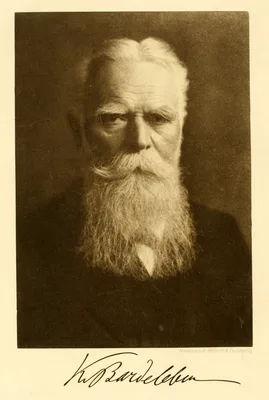
1906 BARDELEBEN, Karl von (1849 – 1918)
Lehrbuch der systematischen Anatomie des Menschen.
GMN 434 · https://historyofmedicine.com/id/1050
1906 RETZIUS, Magnus Gustaf (1842 – 1919)
Cerebra simiarum illustrata. Das Affenhirn in bildlicher Darstellung.
Describes and illustrates with photographs the cerebral cortex of over 50 species of primate, including prosimians, monkeys, and apes..
GMN 7340 · https://historyofmedicine.com/id/9511
1906 BOLK, Louis [ Loedwijk] (1866 – 1930)
Cerebellum der Säugetiere. Eine Vergleichend Anatomische Untersuchung.
Bolk studied some 69 species of mammals, both in the adult and during development, and elaborated a basic plan for the cerebellum that remains influential today. "Lodewijk Bolk and the comparative anatomy of the cereb…
GMN 7341 · https://historyofmedicine.com/id/9512
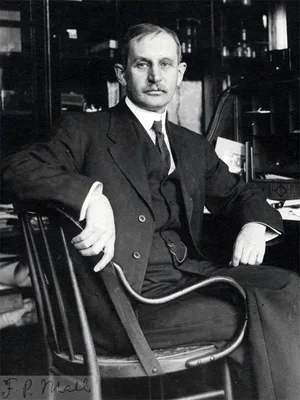
1906 MALL, Franklin Paine (1862 – 1917)
A study of the structural unit of the liver.
Mall defined the liver's structural unit as a tissue block centered on a portal vein, rather than the classic hepatic lobule centered on a central vein. He proposed that the structural unit of the liver is defined by …
GMN 14351 · https://historyofmedicine.com/id/16681
1907 SUDHOFF, Karl Friedrich Jakob (1853 – 1938)
Tradition und Naturbeobachtung in den Illustrationen medicinischer Handschriften und Frühdrucke vornehmlich des 15. Jahrhunderts.
GMN 451 · https://historyofmedicine.com/id/1153
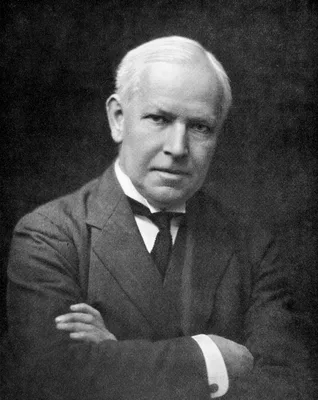
1907 SMITH, Sir Grafton Elliot (1871 – 1937)
A new topographical survey of the human cerebral cortex, being an account of the distribution of the anatomically distinct cortical areas and their relationship to the cerebral sulci.
Elliot Smith, Professor of Anatomy at Cairo, Manchester, and University College, London, initiated modern studies of cerebral function with his work on the cortical pattern of the human brain. He identified 50 areas.
GMN 1433 · https://historyofmedicine.com/id/2220
1908 SUDHOFF, Karl Friedrich Jakob (1853 – 1938)
Ein Beitrag zur Geschichte der Anatomie im Mittelalter, speziell der anatomischen Graphik nach Handschriften des 9. bis 15. Jahrhunderts.
Studien zur Geschichte der Medizin, Leipzig, Heft 4. Reprinted Hildesheim, 1964.
GMN 452 · https://historyofmedicine.com/id/1155
1908 WEINDLER, Fritz
Geschichte der gynäkologische-anatomischen Abbildungen.
From the ancient world through the 18th century. Digital facsimile from Google Books at this link.
GMN 6293 · https://historyofmedicine.com/id/8026
1908 LEVI, Giuseppe (1892 – 1965)
I ganglî cerebrospinali. Studi di istologia comparata e di istogenesi.
"Using comparative and developmental approaches he examined dorsal root ganglion cells in the embryos of 18 vertebrate species, and adults of 56 species—using a variety of histological stains, particularly those of Go…
GMN 7342 · https://historyofmedicine.com/id/9513
1909 BRODMANN, Korbinian (1868 – 1918)
Vergleichende Lokalisationslehre der Grosshirnrinde in ihren Prinzipien dargestellt auf Grund des Zellenbaues.
Brodmann was a pioneer in the study of cytoarchitectonics, and this work forms the basis for localization of function in the cerebral cortex. Brodmann's "areas" are used to designate cortical function regions. Brodman…
GMN 1435 · https://historyofmedicine.com/id/2226
1909 VOGT-MUGNIER, Cécile (1875 – 1962)
La Myéloarchitecture du Thalamus du Cercopithèque.
"Ted Jones, in his encyclopedic The Thalamus (1985, p. 27), wrote that this is one of the best descriptive accounts of the thalamus, illustrated with photographic plates as elegant as any being produced today, with su…
GMN 7343 · https://historyofmedicine.com/id/9515
1910 MALONE, Edward Fall (1880 – )
Über die kerne des menschlichen diencephalon.
"Malone was a strict adherent to the cytoarchitectonic method, and ascribed similar function to neurons with similar shape in different parts of the nervous system. He named the nucleus reuniens (thalamus) here, and a…
GMN 7344 · https://historyofmedicine.com/id/9516
1910 STENO, Nicolas [Niels Steensen, Nicholaus Stenonis] (1638 – 1686); MAAR, Edward Vihelm Emil (1871 – 1940)
Opera philosophica. Edited by Vilhelm Maar. 2 vols.
Steno's collected works, presented in the original Latin with an introduction in English. Digital facsimile from biusante.parisdescartes.fr at this link.
GMN 7474 · https://historyofmedicine.com/id/9646
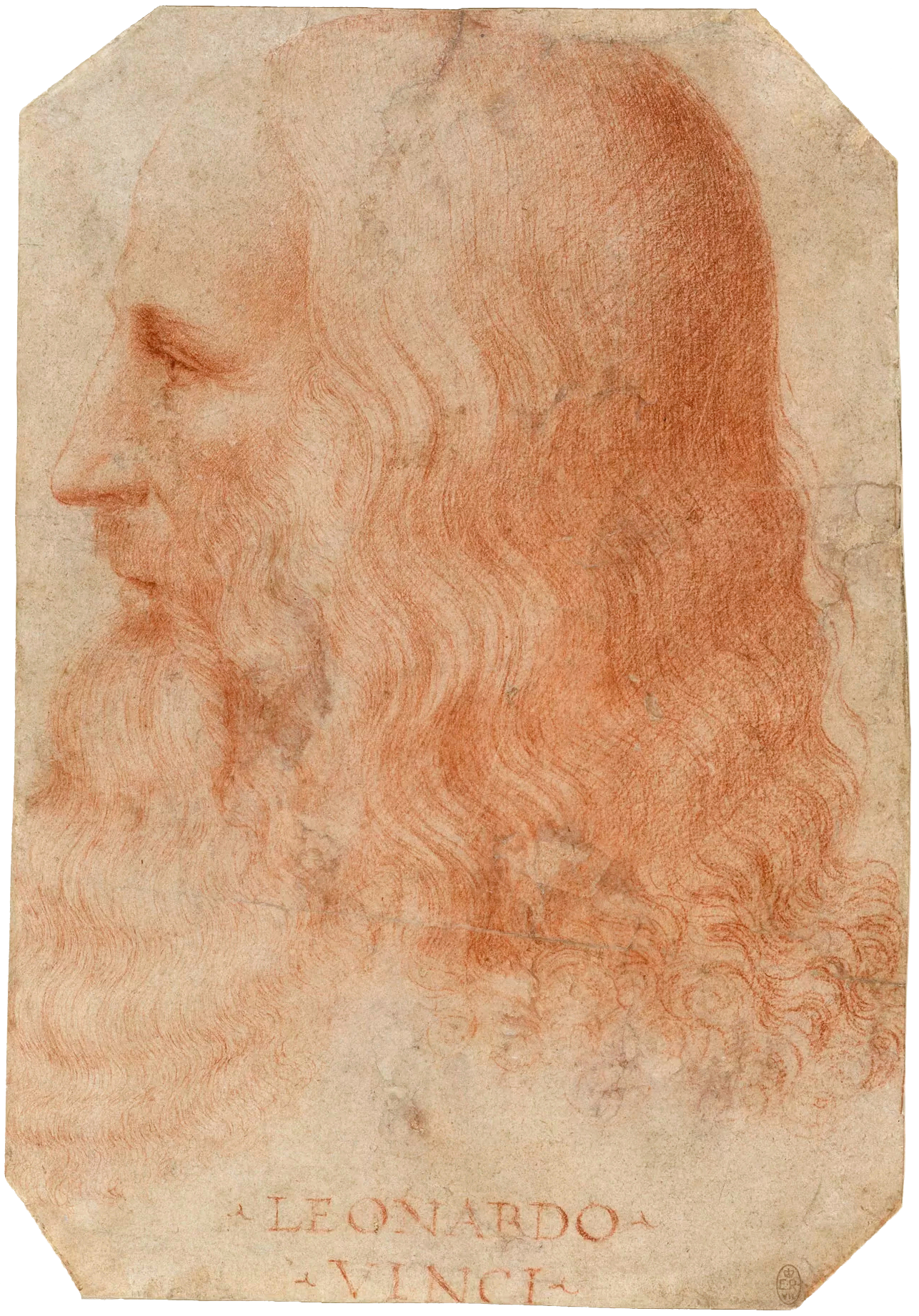
1911 –1916 LEONARDO DA VINCI (1452 – 1519); FONAHN, Adolf Mauritz (1873 – 1940); VANGENSTEN, Ove Conrad Langaard (1880 – 1946); HOPSTOCK, Halfdan (1866 – 1925)
Leonardo da Vinci: Quaderni d’anatomia I-VI. Fogli della Royal Library di Windsor, pubblicati da Ove C.L. Vangensten, A. Fonahn, H. Hopstock. 6 vols.
Leonardo, “the greatest artist and scientist of the Italian Renaissance, was the founder of iconographic and physiologic anatomy” (Garrison). He made over 750 sketches of all the principal organs of the body, drawings…
GMN 365 · https://historyofmedicine.com/id/422
1911 EYCLESHYMER, Albert Chauncey (1867 – 1925); JONES, Thomas S "Tom" (1885 – 1961); SMITH, Carroll (1878 – 1966); POTTER, Peter (1875 – ); SCHOEMAKER, Daniel Martin (1867 – 1951)
A cross-section anatomy, by Albert C. Eycleshymer and Daniel M. Schoemaker. Average position of organs from eleven reconstructions, by Peter Potter. Sections of the female pelvis, by Carroll Smith. Drawings by Tom Jones.
The historical introduction includes a bibliographical history of cross-sectional anatomies from frozen sections. Digital facsimile from the Hathi Trust at this link.
GMN 7644 · https://historyofmedicine.com/id/9816
1911 DOYEN, Eugène-Louis (1859 – 1916)
Atlas d'anatomie topographique. 7 parts in 12.
With J.-P. Bouchon and R. Doyen. Digital facsimile from the Hathi Trust at this link.
GMN 7743 · https://historyofmedicine.com/id/9915
1911 MALL, Franklin Paine (1862 – 1917)
On the muscular architecture of the ventricles of the human heart.
GMN 12262 · https://historyofmedicine.com/id/14479
1913 –1914 CAJAL, Santiago Ramón y (1852 – 1934)
Estudios sobre la degeneración y regeneración de sistema nervioso.
The most complete work on the subject so far written. Ramón y Cajal, great neuroanatomist and histologist, was for many years in charge of the institute bearing his name at Madrid. He gained the Nobel Prize in 1906. E…
GMN 560.1 · https://historyofmedicine.com/id/287
1913 –1914 MERKEL, Friedrich Sigmund (1845 – 1919)
Die Anatomie des Menschen. 3 pts.
GMN 435 · https://historyofmedicine.com/id/1067
1916 DAWSON, James Walker (1870 – 1927)
The histology of disseminated sclerosis.
A classic monograph on the pathology of multiple sclerosis.
GMN 4718 · https://historyofmedicine.com/id/1201
1916 GASKELL, Walter Holbrook (1847 – 1914)
The involuntary nervous system. Part 1.
This book sums up the life work of Gaskell, who laid the histological foundation of the modern study of the autonomic nervous system. No more published.
GMN 1331 · https://historyofmedicine.com/id/1424
1916 MONAKOW, Constantin von (1853 – 1930); FUSE, Gennosuke (1880 – 1946)
Mikroskopischer Atlas des menschlichen Gehirns: Die Medulla Oblongata: (das verlängerte Mark).
Very large format. Digital facsimile from Universität Heidelberg at this link.
GMN 9559 · https://historyofmedicine.com/id/11745
1917 WEED, Lewis Hill (1886 – 1952)
The development of the cerebro-spinal spaces in pig and man.
GMN 1440 · https://historyofmedicine.com/id/2239
1917 MOODIE, Roy Lee (1880 – 1934); EYCLESHYMER, Albert Chauncey (1867 – 1925); SCHOEMAKER, Daniel Martin (1867 – 1951)
Anatomical names, especially the Basle Nomina Anatomica ("BNA"). By Albert Chauncey Eycleshymer, assisted by Daniel Martin Schoemaker. With biographical sketches by Roy Lee Moodie.
Includes 800 biographical sketches and a massive index covering nearly 400 pages. Digital facsimile from the Internet Archive at this link.
GMN 8639 · https://historyofmedicine.com/id/10816
1919 –1929 HOCHSTETTER, Ferdinand (1861 – 1954)
Beiträge zur Entwicklungsgeschichte des menschlichen Gehirns. 2 vols.
Considered the most extensive account of human cerebellar development. "Hochstetter carried out detailed work on the embryology of the human brain, and his beautiful figures have been reproduced in textbooks ever sinc…
GMN 7345 · https://historyofmedicine.com/id/9517
1919 –1922 BRÖDEL, Max (1870 – 1941)
American Frohse anatomical charts. Edited, revised and augmented by Max Brödel. With: A key to the Frohse anatomical charts.
10 wall charts, each 42 x 64 inches, comprising a total of 76 colored illustrations life size or larger. Chart 1: Human Skeleton Chart 2: Muscles, front and back Chart 3: Nervous and Circulatory Systems Chart 4: a Sch…
GMN 10206 · https://historyofmedicine.com/id/12395
1919 MUMMERY, John Howard (1847 – 1926)
The microscopic anatomy of the teeth.
Digital facsimile of the 1919 edition from Biodiversity Heritage Library at this link. Mummery substantially expanded and retitled the second edition of this work as The microscopic & general anatomy of the teeth huma…
GMN 12507 · https://historyofmedicine.com/id/14741
1920 –1921 ARIENS KAPPERS, Cornelius Ubbo (1877 – 1946)
Die vergleichende Anatomie des Nervensystems der Wirbeltiere und des Menschen. 2 vols.
Ariëns Kappers was Professor of Neuroanatomy at Amsterdam. See also No. 14229.
GMN 1247 · https://historyofmedicine.com/id/2063

![AVICENNA, [Abū ʿAlī al-Ḥusayn ibn ʿAbd Allāh ibn Al-Hasan ibn Ali ibn Sīnā] (980 – 1037)](/media/portraits/9572)
![GALEN, [Κλαύδιος Γαληνός; Galen of Pergamon] (129 – 216)](/media/portraits/21)