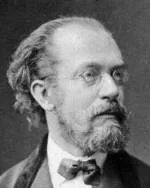
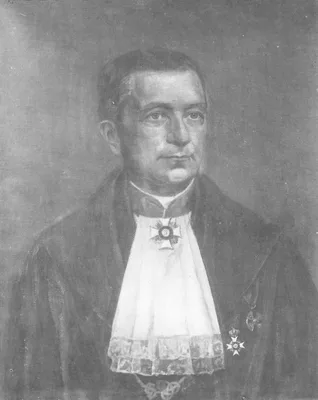
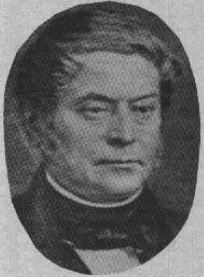
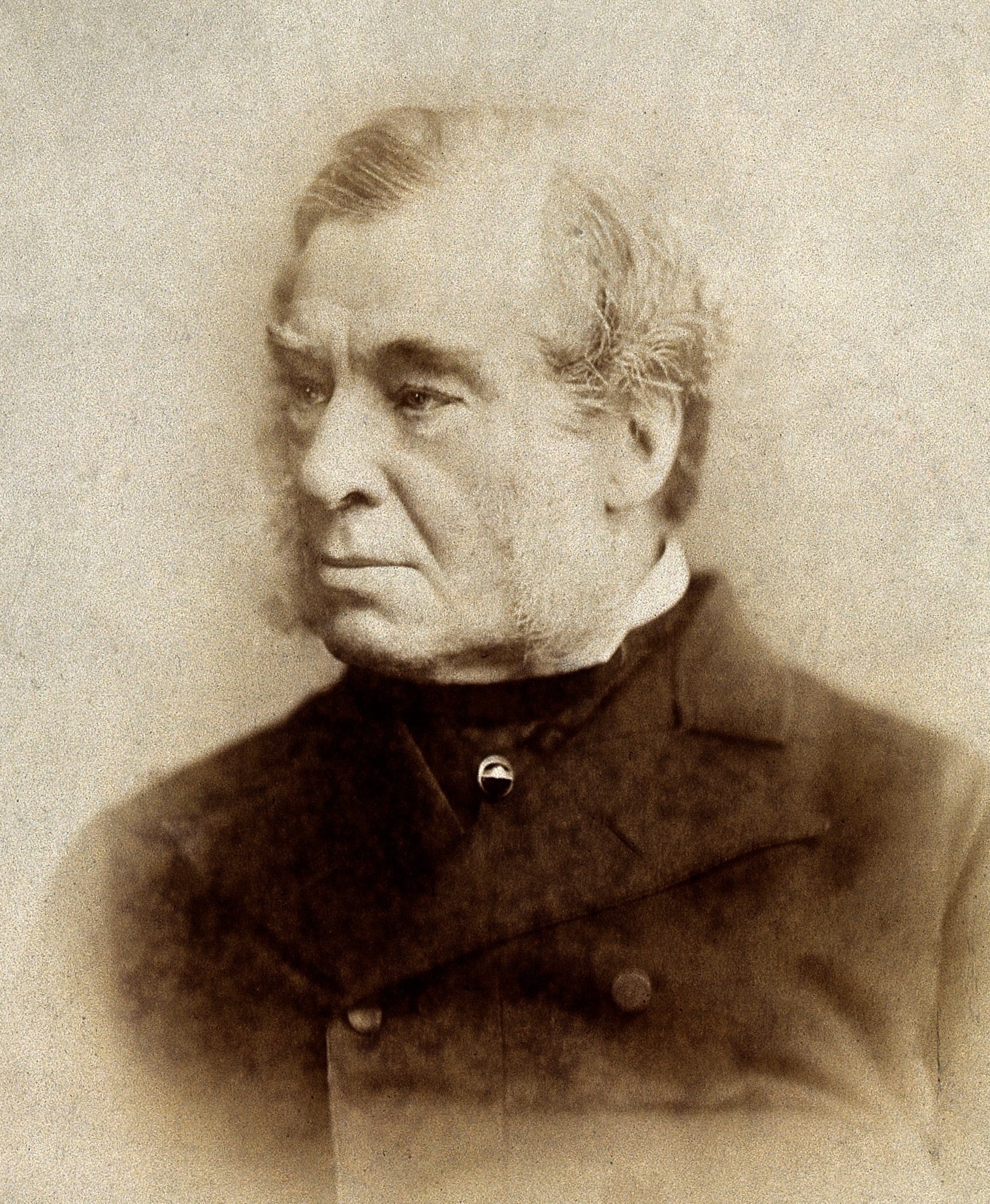
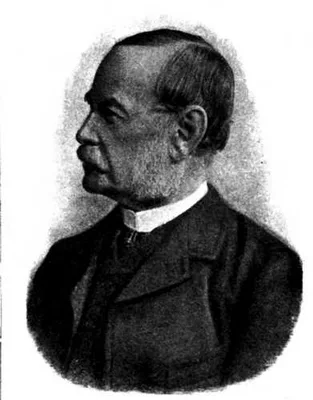
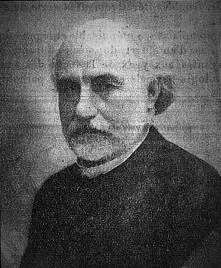
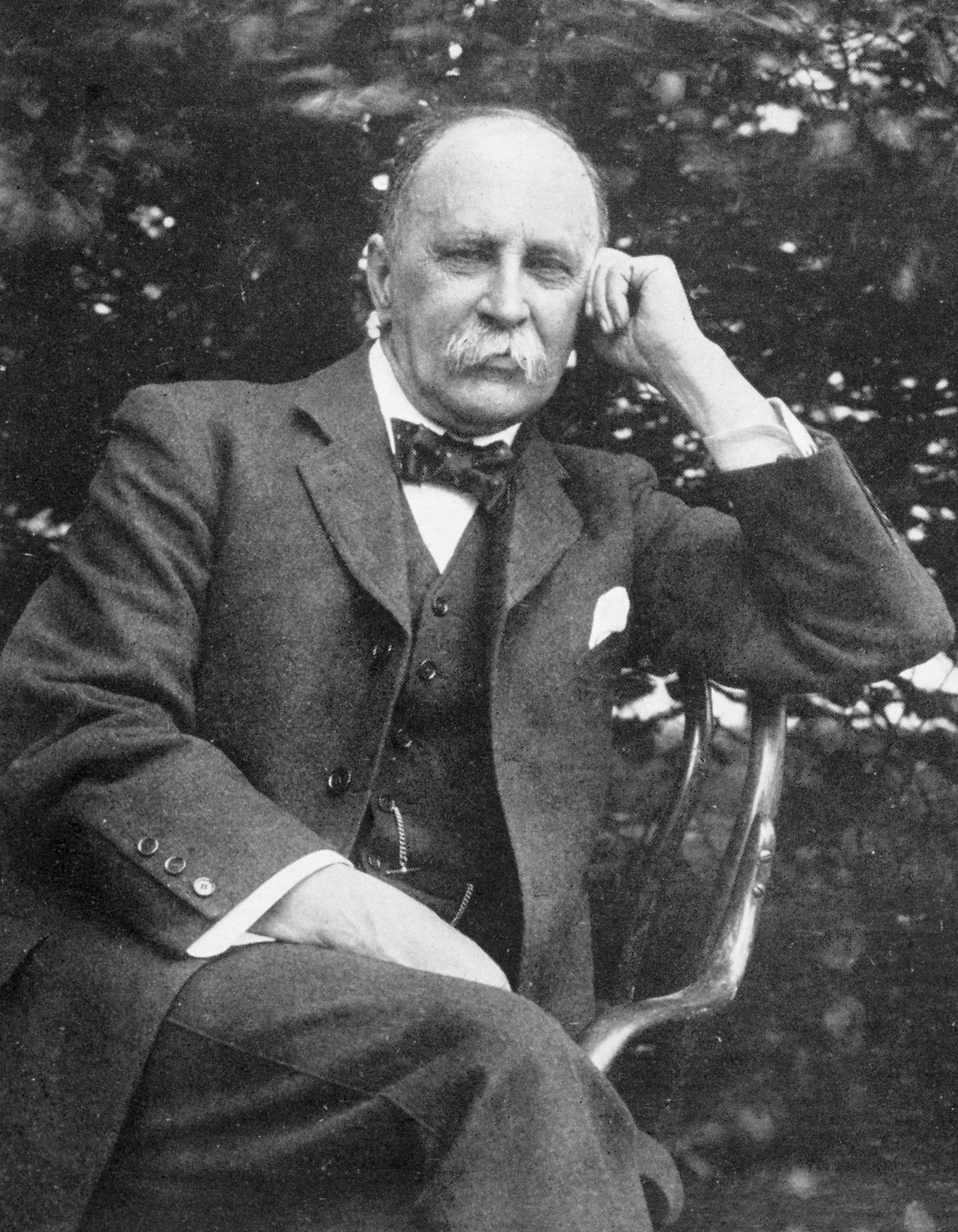
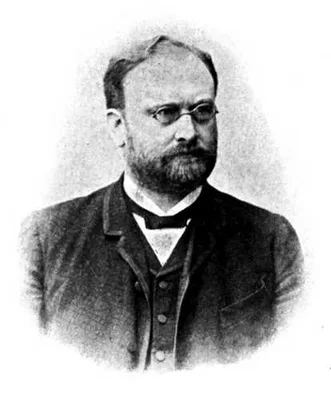
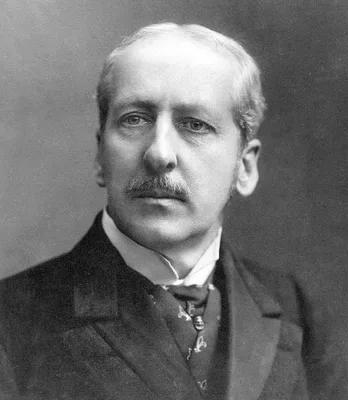
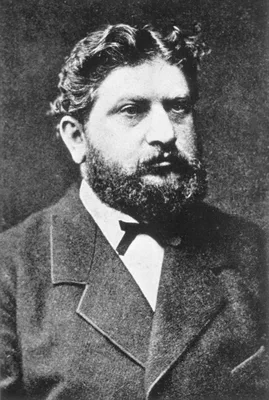
1852 FUNKE, Otto (1828 – 1879)
Ueber das Milzvenenblut.
Discovery of hemoglobin. (Title of second paper: Neue Beobachtungen tiber die Krystalle des Milzvenen – und Fisch-Blutes).
GMN 866 · https://historyofmedicine.com/id/799
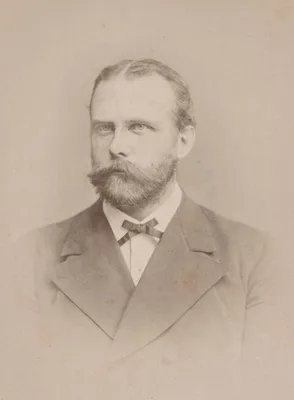
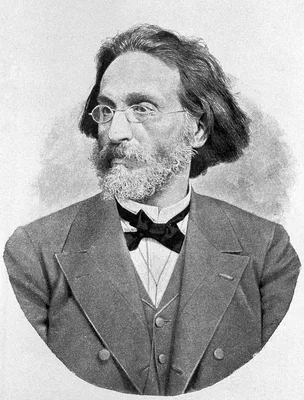
1852 VIERORDT, Karl von (1818 – 1884)
Neue Methode der quantitativen mikroskopischen Analyse des Blutes.
Vierordt was the first to devise an exact method of enumerating the red blood corpuscles. See also his later paper: Zählungen der Blutkörperchen des Menschen, in the same volume, pp. 326-31.
GMN 867 · https://historyofmedicine.com/id/802
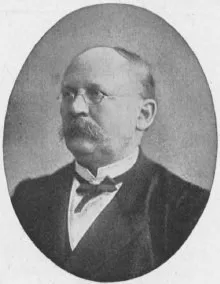
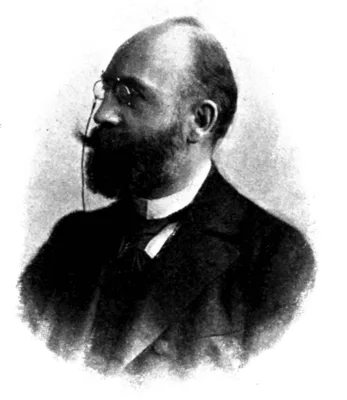
1853 PRAVAZ, Charles Gabriel (1791 – 1853)
Sur un nouveau moyen d’opérer la coagulation du sang dans les artères, applicable à la guérison des anéurismes.
Pravaz invented galvanocautery.
GMN 5603 · https://historyofmedicine.com/id/7108
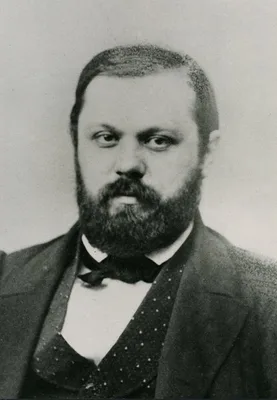
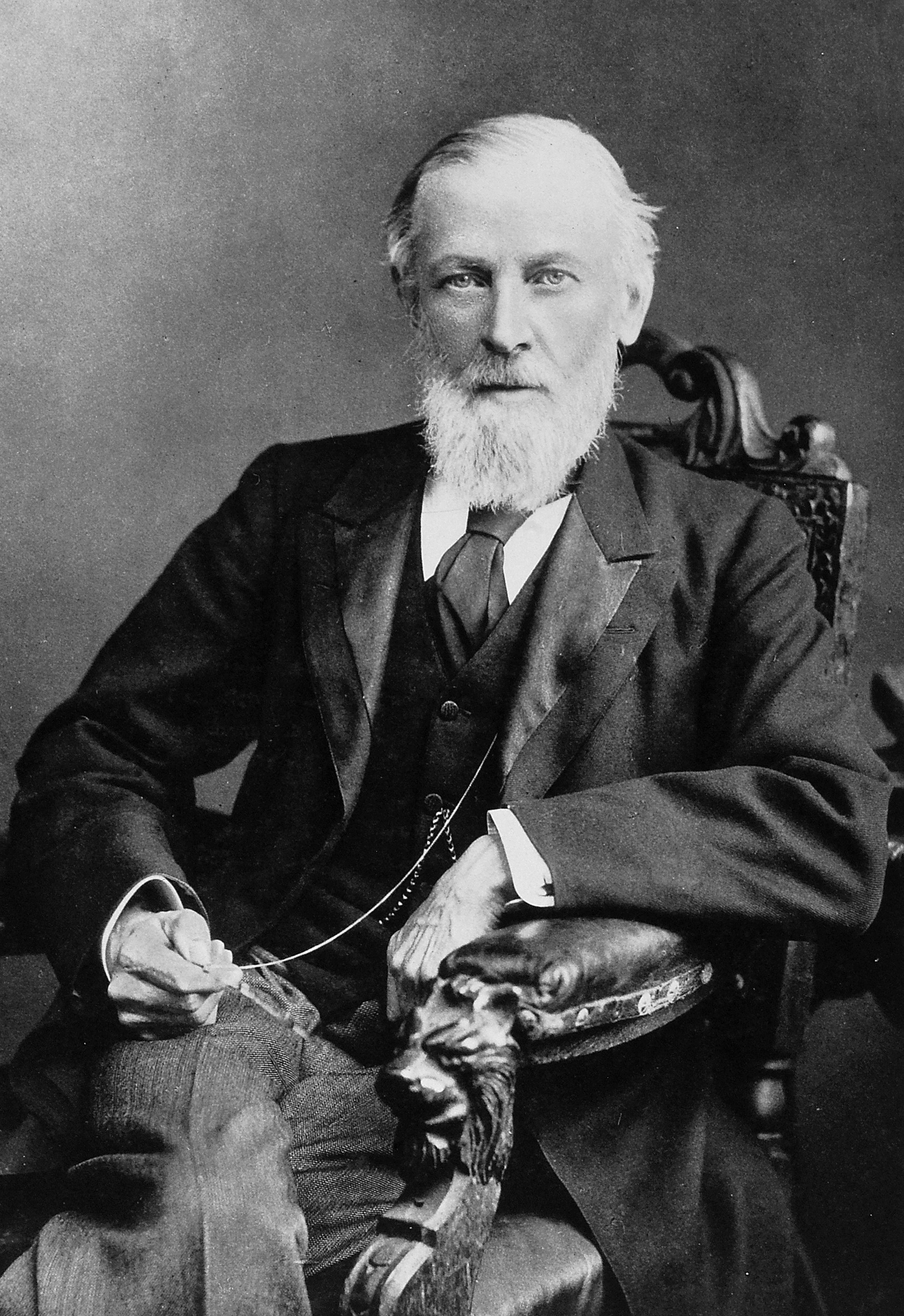
1855 GRANDIDIER, Johann Ludwig (1810 – )
Die Haemophilie oder die Bluterkrankheit.
First full clinical description of hemophilia.
GMN 3063 · https://historyofmedicine.com/id/3715
1855 ADDISON, Thomas (1793 – 1860)
On the constitutional and local effects of disease of the supra-renal capsules.
Addison was the first to draw attention to the importance of the adrenals in clinical medicine. The above work first appeared in the Lond. med. Gaz., 1849, 43, 517-18, and was later expanded into book form. It describ…
GMN 3864 · https://historyofmedicine.com/id/4914
1856 VIRCHOW, Rudolf Ludwig Karl (1821 – 1902)
Ueber farblose Blutkörperchen und Leukämie. In his Gesammelte Abhandlungen zur wissenschaftlichen Medicin, pp. 147-218.
Includes his paper on “weisses Blut” (see No. 3062) and three later papers on leukemia. See No. 3006.
GMN 3064 · https://historyofmedicine.com/id/3731
1857 MEYER, Julius Lothar (1830 – 1895)
Die Gase des Blutes.
Meyer showed that the oxygen in the blood was not held in simple solution but came off in quantity only when the air pressure was reduced to one fiftieth of an atmosphere.
GMN 934 · https://historyofmedicine.com/id/160
1857 FRIEDREICH, Nikolaus (1825 – 1882)
Ein neuer Fall von Leukämie.
Acute leukemia first described.
GMN 3064.1 · https://historyofmedicine.com/id/3716
1858 MEYER, Julius Lothar (1830 – 1895)
De sanguine oxydo carbonico infesto.
Investigation of the blood gases.
GMN 935 · https://historyofmedicine.com/id/165
1858 WELCKER, Hermann (1822 – 1897)
Bestimmungen der Menge des Körperblutes und der Blutfärbekraft, sowie Bestimmungen von Zahl, Maass Oberfläche und Volum des einzelnen Blutkörperchens bei Thieren und bei Menschen.
Welcker was the first to determine the total blood volume and the volume of the normal red blood cells. Earlier paper in Vjschr. prakt. Heilk., 1854, 44, 63.
GMN 868 · https://historyofmedicine.com/id/806
1859 DENIS, Prosper Sylvain (1799 – 1863)
Mémoire sur le sang quand il est fluide, pendant qu’il se coagule et lorsqu’il est coagulé.
The first attempt to isolate and describe fibrinogen, the blood protein essential for clotting. “Prosper-Sylvain Denis, in his Mémoire sur le sang (1859), was the first to recognize that plasma contained a clottable s…
GMN 12874 · https://historyofmedicine.com/id/15121
1861 SCHMIDT, Alexander (1831 – 1894)
Ueber den Faserstoff und die Ursachen seiner Gerinnung.
GMN 869 · https://historyofmedicine.com/id/814
1862 HOPPE-SEYLER, Ernst Felix Immanuel (1825 – 1895)
Ueber das Verhalten des Blutfarbstoffe im Spectrum des Sonnenlichtes.
Using the spectroscope, Hoppe-Seyler discovered the absorption spectrum of blood. See No. 873.
GMN 870 · https://historyofmedicine.com/id/819
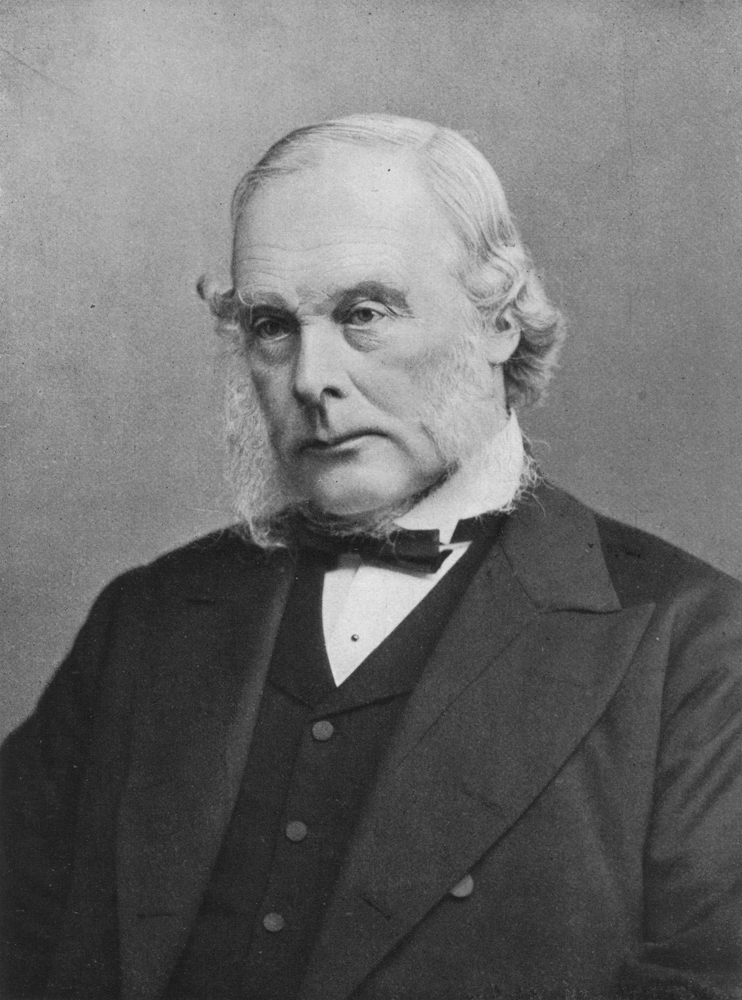
1863 LISTER, Joseph, 1st Baron Lister (1827 – 1912)
On the coagulation of the blood.
In his Croonian Lecture Lister exploded the theory that blood coagulation is due to ammonia and showed that, in the blood vessels, it depends upon their injury. He further showed that by carrying out the strictest pre…
GMN 871 · https://historyofmedicine.com/id/835
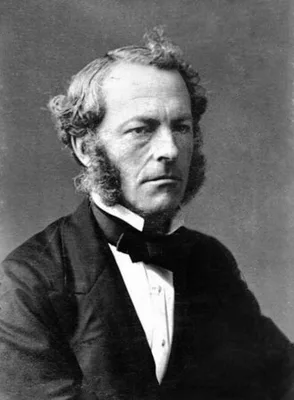
1863 –1864 STOKES, Sir George Gabriel (1819 – 1903)
On the reduction and oxidation of the colouring matter of the blood.
Discovery that oxygen can be removed from hemoglobin by reducing agents.
GMN 872 · https://historyofmedicine.com/id/843
1863 VALENTIN, Gabriel Gustav (1810 – 1883)
Der Gebrauch des Spektroskopes zu physiologischen und ärztlichen Zwecken.
The first monograph on medical spectroscopy. After Hoppe-Seyler published the first paper on the application of spectroscopy to blood chemistry in 1862 (No. 870), Valentin decided to publish his own contributions to t…
GMN 14165 · https://historyofmedicine.com/id/16480
1864 HOPPE-SEYLER, Ernst Felix Immanuel (1825 – 1895)
Ueber den chemischen und optischen Eigenschaften des Blutfarbstoffs.
Hoppe-Seyler obtained hemoglobin in crystalline form and made other important discoveries in hematology. See also No. 870. See Frederic L. Holmes, "Crystals and carriers: The chemical and physiological identification …
GMN 873 · https://historyofmedicine.com/id/850
1865 BABINGTON, Benjamin Guy (1794 – 1866)
Hereditary epistaxis.
GMN 3064.2 · https://historyofmedicine.com/id/3717
1866 GRIESINGER, Wilhelm (1817 – 1868)
Ein Fall von Anaemia splenica bei einem Kinde
First reported case of (infantile) splenic anemia.
GMN 3119 · https://historyofmedicine.com/id/4646
1867 DUNCAN, Johann
Beiträge zur Pathologie und Therapie der Chlorose.
Duncan showed that the essential feature in chlorosis is a quantitative change in the hemoglobin content and not a great reduction in the number of red blood cells.
GMN 3120 · https://historyofmedicine.com/id/3887
1868 BIZZOZERO, Giulio (1846 – 1901)
Sulla funzione ematopoietica del midollo delle ossa.
Bizzozero demonstrated that erythropoiesis and leucopoiesis take place in the bone marrow.
GMN 873.1 · https://historyofmedicine.com/id/854
1868 NEUMANN, Franz Ernst Christian (1834 – 1918)
Ueber die Bedeutung des Knochenmarkes für die Blutbildung.
Independently of Bizzozero (No. 873.1), Neumann showed that erythropoiesis and leucopoiesis take place in the bone marrow.
GMN 873.2 · https://historyofmedicine.com/id/867
1868 HENOCH, Eduard Heinrich (1820 – 1910)
Über den Zusammenhang von Purpura und Intestinalstörungen.
“Henoch’s purpura”. Henoch described a form of purpura with abdominal symptoms first mentioned by Heberden (No. 3053). See also the same journal, 1874, 11,622, 641-43. This paper is translated into English in No. 2241.
GMN 3065 · https://historyofmedicine.com/id/3718
1870 NEUMANN, Franz Ernst Christian (1834 – 1918)
Ein Fall von Leukämie mit Erkrankung des Knochenmarkes.
Neumann was the first to note changes in the bone marrow in leukemia, and he proposed the term “myelogenous leukemia”.
GMN 3066 · https://historyofmedicine.com/id/3719
1870 VALSUANI, Emilio
Cachessia puerperale raccolta nella clinica ginecologica dell’ospitale Maggiore di Milano.
“Valsuani’s disease” – progressive anemia in pregnant and lactating women, probably first described by H. N. Bennett (No. 3117).
GMN 3121 · https://historyofmedicine.com/id/3890
1871 PREYER, William Thierry (1841 – 1897)
Die Blutkrystalle.
GMN 874 · https://historyofmedicine.com/id/873
1871 GUSSEROW, Adolf Ludwig Sigismund (1836 – 1906)
Ueber hochgradigste Anämie Schwangerer.
An important account of pernicious anemia of pregnancy.
GMN 3122 · https://historyofmedicine.com/id/3893
1871 VANLAIR, Constant François (1839 – 1914); MASIUS, Jean-Baptiste-Nicolas-Voltaire (1836 – 1912)
De la microcythémie
Vanlair and Masius were the first to suggest the concept of hereditary hemolytic anemia. Their paper was republished in book form, Brussels, 1871.
GMN 3766.1 · https://historyofmedicine.com/id/4648
1872 BIERMER, Anton (1827 – 1892)
Eine eigenthumliche Form von progressiver perniciöser Anämie.
In his account of progressive pernicious anemia, Biermer was first to describe the retinal haemorrhages. He was at one time accredited with the first description of pernicious anemia ; later it was shown that Addison …
GMN 3124 · https://historyofmedicine.com/id/3896
1873 MALASSEZ, Louis Charles (1842 – 1909)
De la numération des globules rouges du sang I. Des méthodes de numération. II. De la richesse du sang en globules rouges dans les différentes parties de l'arbre circulatoire.
The beginning of blood-counting techniques. In his thesis Malassez provided the initial description of the hemocytometer, which he invented, but which was named by Gowers, who modified it in 1877. The trade issue of t…
GMN 876 · https://historyofmedicine.com/id/883
1874 OSLER, Sir William (1849 – 1919)
An account of certain organisms occurring in the liquor sanguinis.
One of the best early descriptions of the blood platelets was given by Osler. He noticed that white thrombi were almost entirely composed of them.
GMN 875 · https://historyofmedicine.com/id/879
1875 –1876 HAMMARSTEN, Olof (1841 – 1932)
Undersökningar af de s.k. fibringeneratorema fibrinet samt fibrinogenets koagulation.
Investigating the mechanism of blood coagulation, Hammarsten showed it to be accomplished by the splitting up of fibrinogen into fibrin and other substances.
GMN 877 · https://historyofmedicine.com/id/887
1875 ORTH, Johannes (1847 – 1923)
Ueber das Vorkommen von Bilirubinkrystallen bei neugebornen Kindern.
Kernicterus first described.
GMN 3067 · https://historyofmedicine.com/id/3720
1875 PEPPER, William Jr. (1843 – 1898)
Progressive pernicious anaemia, or anaematosis.
Pepper described bone-marrow changes of pernicious anemia, though his actual description more closely resembles leukaemia.
GMN 3125 · https://historyofmedicine.com/id/3899
1876 VIERORDT, Karl von (1818 – 1884)
Die quantitative Spectralanalyse in ihrer Anwendung auf Physiologie, Physik, Chemie und Technologie.
Vierordt’s spectral analyses of hemoglobin, bile and urine were of great value. He studied the variations in the spectrum of oxyhemoglobin produced by different dilutions of this substance and was thus able to estimat…
GMN 696 · https://historyofmedicine.com/id/891
1876 COHNHEIM, Julius Friedrich (1839 – 1884)
Erkrankung des Knochenmarkes bei perniciöser Anämie.
Cohnheim gave a more convincing account than Pepper of the bone-marrow changes in pernicious anemia.
GMN 3125.1 · https://historyofmedicine.com/id/3902
1877 OSLER, Sir William (1849 – 1919); GARDNER, William (1845 – 1926)
A case of progressive pernicious anaemia (idiopathic of Addison).
First complete account of pernicious anemia. "In 1877, William Gardner and Osler described a patient who was almost certainly the first with the clinical, hematologic, and pathologic features to leave no doubt it was …
GMN 3125.2 · https://historyofmedicine.com/id/3905
1878 HAYEM, Georges (1841 – 1933)
Recherches sur l’évolution des hématies dans le sang de l’homme et des vertébrés.
First accurate counts of the blood platelets.
GMN 879 · https://historyofmedicine.com/id/895
1878 EICHHORST, Hermann Ludwig (1849 – 1921)
Die progressive perniziöse Anämie.
Comprehensive account.
GMN 3125.3 · https://historyofmedicine.com/id/3908
1879 GOWERS, Sir William Richard (1845 – 1915)
An apparatus for the clinical estimation of haemoglobin.
Gowers introduced the colorimetric method of estimating hemoglobin and devised a hemoglobinometer for the purpose. This was modified by Haldane (see No. 891). Previously Hoppe-Seyler had used a hematinometer.
GMN 878 · https://historyofmedicine.com/id/892
1879 –1880 EHRLICH, Paul (1854 – 1915)
Methodologische Beiträge zur Physiologie und Pathologie der verschiedenen Formender Leukocyten.
Foundation of the differential blood count technique.
GMN 880 · https://historyofmedicine.com/id/896
1879 WINCKEL, Franz Carl Ludwig von (1837 – 1911)
Ueber eine bisher nicht beschriebene endemisch aufgetretene Erkrankung Neugeborener.
First description of “Winckel’s disease” of the newborn, characterized by icterus, hemorrhage, hemoglobinuria, and cyanosis.
GMN 6338 · https://historyofmedicine.com/id/8146
1880 EHRLICH, Paul (1854 – 1915)
Über Regeneration und Degeneration der rothen Blutscheiben bei Anämien.
GMN 3125.4 · https://historyofmedicine.com/id/3910
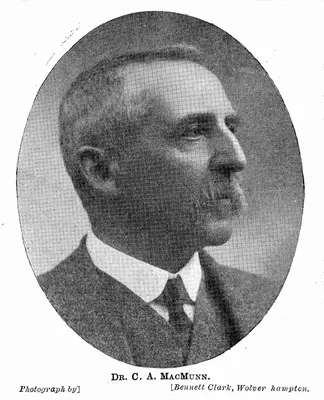
1880 MACMUNN, Charles Alexander (1852 – 1911)
The spectroscope in medicine.
GMN 13109 · https://historyofmedicine.com/id/15362
1881 EHRLICH, Paul (1854 – 1915)
Über einige Beobachtungen am anämischen Blut.
In the above contributions to the knowledge of anemia, Ehrlich dealt in the first paper with the blood cells in anemia, and in the second gave the first description of the reticulocyte.
GMN 3125.5 · https://historyofmedicine.com/id/3912
1882 BIZZOZERO, Giulio (1846 – 1901)
Su di un nuovo elemento morfologico del sangue dei mammiferi e della sua importanza nella trombosi e nella coagulazione.
Bizzozero gave the blood platelets their name and found that they play a part in blood coagulation. A German translation with additions is in Virchows Arch. path. Anat., 1882, 90, 261-332. The expanded German version …
GMN 881 · https://historyofmedicine.com/id/901
1882 GRÉHANT, Nestor (1838 – 1910); QUINQUAUD, Charles Eugene (1841 – 1894)
Mésure du volume de sang contenu dans l’organisme d’un mammifére vivant.
A method of determining blood volume with carbon monoxide.
GMN 882 · https://historyofmedicine.com/id/907
1882 BANTI, Guido (1852 – 1925)
Dell’anemia splenica.
“Banti’s disease”. Banti described the pathological changes in the spleen in splenic anemia. A later paper in Sperimentale, 1894, 48, sez. biol., 407-32, gives an account of hepatic cirrhosis as the sequel of the earl…
GMN 3126 · https://historyofmedicine.com/id/3915
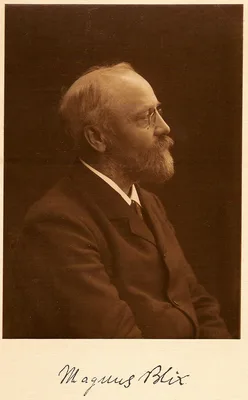
1884 BLIX, Magnus Gustav (1849 – 1904)
Experimentelle Beiträge zur Lösung der Frage über die specifische Energieder Hautnerven
Besides his investigation of the specific energies of cutaneous nerves, Blix is remembered for his work on the thermodynamics of muscular contraction; he designed a muscle indicator diagram; he was also the first to s…
GMN 1468 · https://historyofmedicine.com/id/2422
1884 LEICHTENSTERN, Otto Michael Ludwig (1845 – 1900)
Ueber progressive perniciöse Anämie bei Tabeskranken
First description of subacute combined degeneration of the spinal cord, which Leichtenstern termed progressive pernicious anemia in tabetics.
GMN 3128 · https://historyofmedicine.com/id/3922