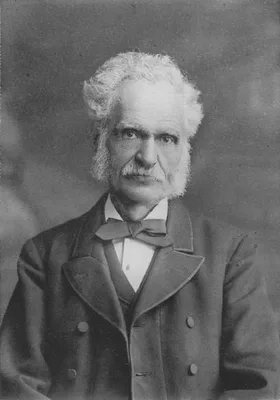
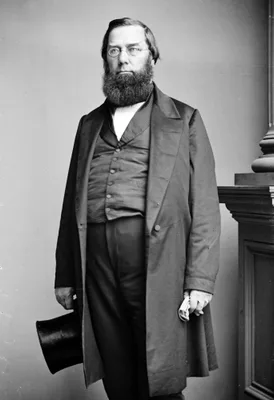
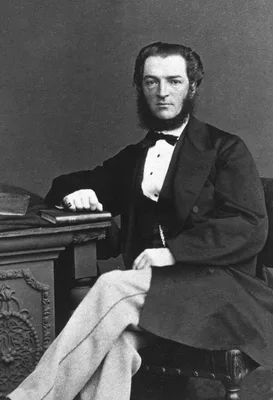
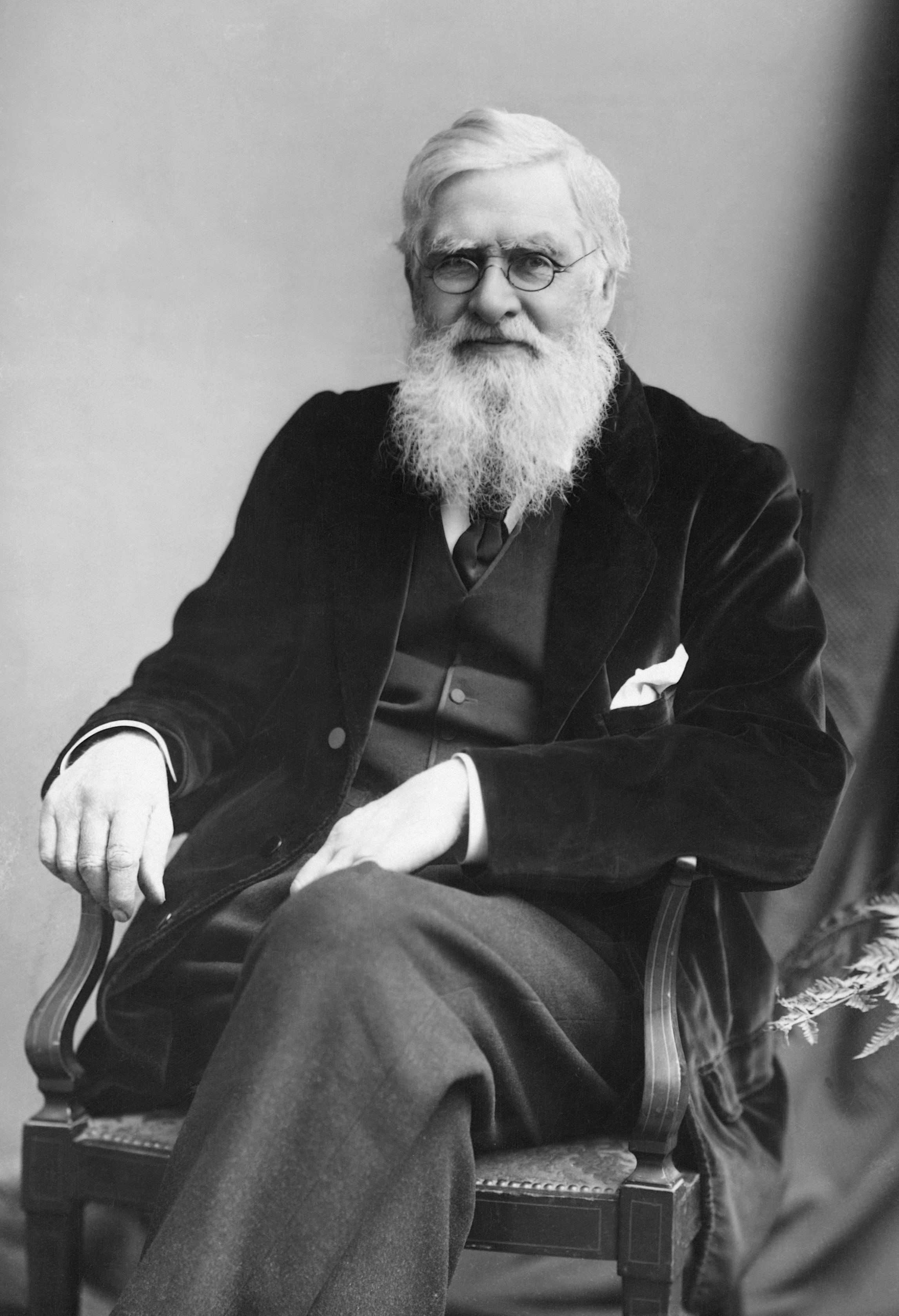
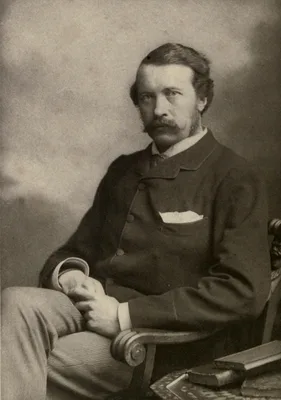
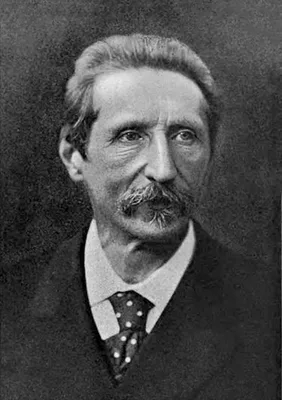
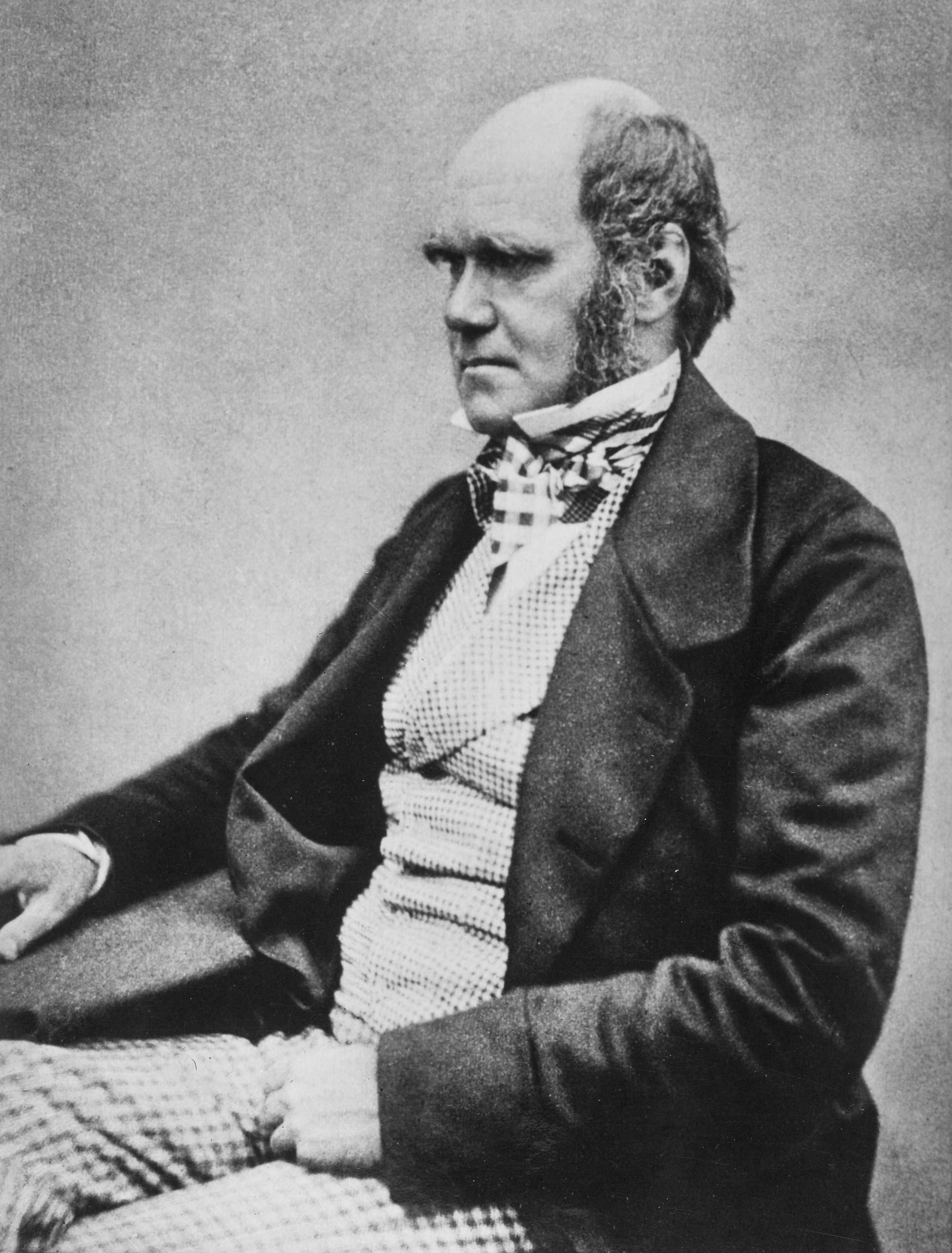
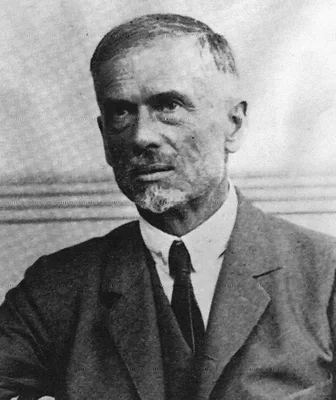
1862 BATES, Henry Walter (1825 – 1892)
Contributions to an insect fauna of the Amazon valley: Lepidoptera: Heliconidae.
Bates spent eleven years in the Amazon and there collected 8,000 species of insects new to science. In the above paper he clearly stated and solved the problem of “mimicry”, known today as “Batesian mimicry”. The supe…
GMN 220.1 · https://historyofmedicine.com/id/4046
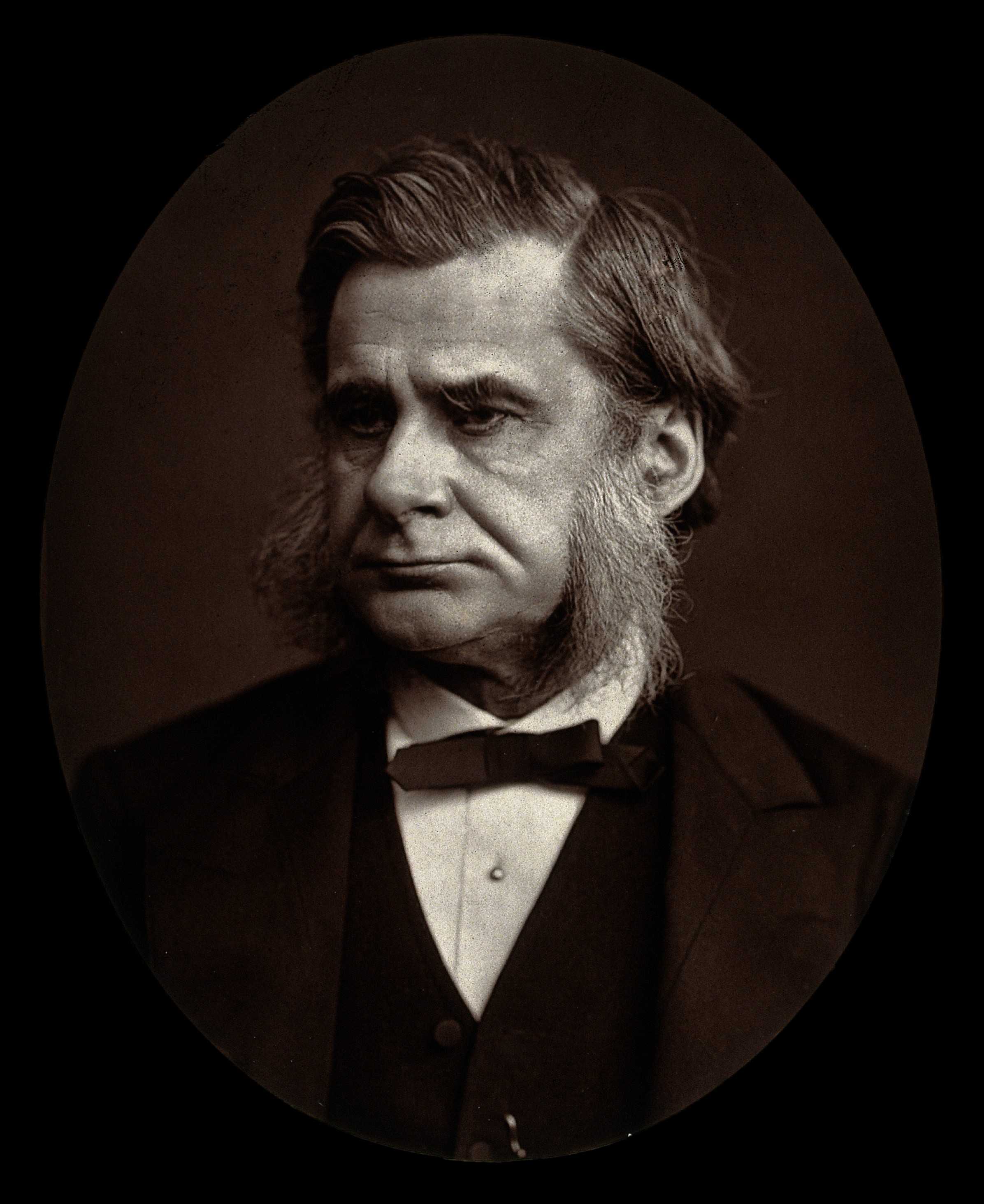
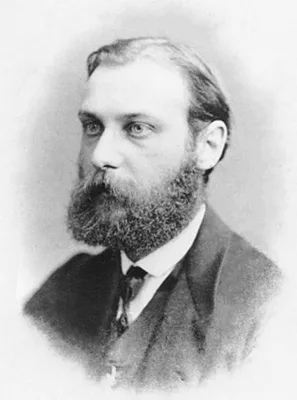
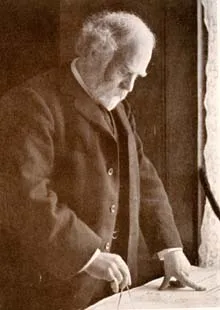
1862 HUXLEY, Thomas Henry (1825 – 1895)
On our knowledge of the causes of the phenomenon of organic nature.
This series of six lectures delivered to “working men” in November and December, 1862 includes Huxley’s first book-form exposition of Darwin’s theories, of which he was probably the greatest popular exponent. A prolif…
GMN 220.2 · https://historyofmedicine.com/id/4048
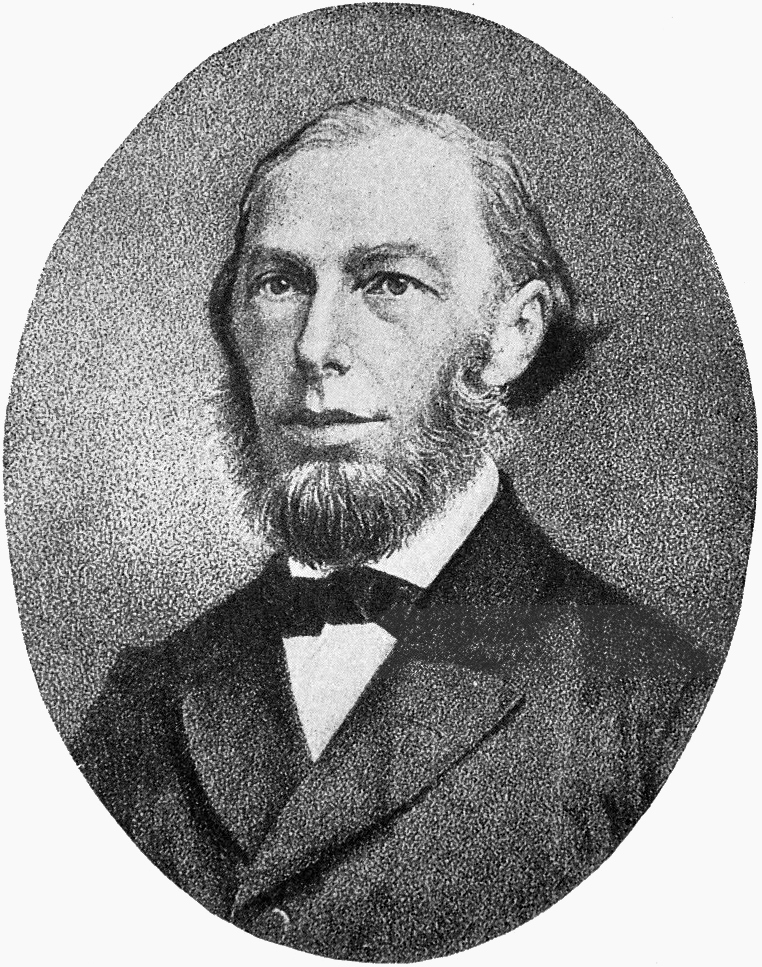
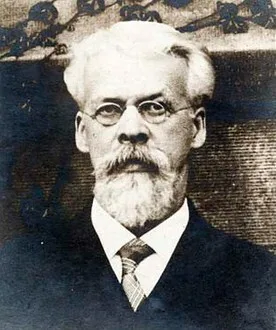
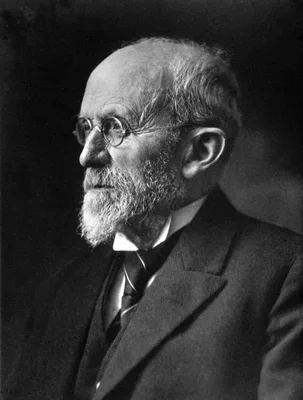
1863 SCHULTZE, Max Johann Sigismund (1825 – 1874)
Das Protoplasma der Rhizopoden und der Pflanzenzellen.
Schultze showed that protoplasm is practically identical in all living cells.
GMN 118 · https://historyofmedicine.com/id/2051
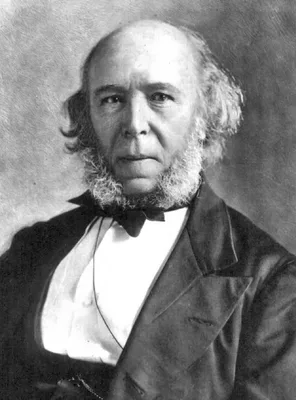
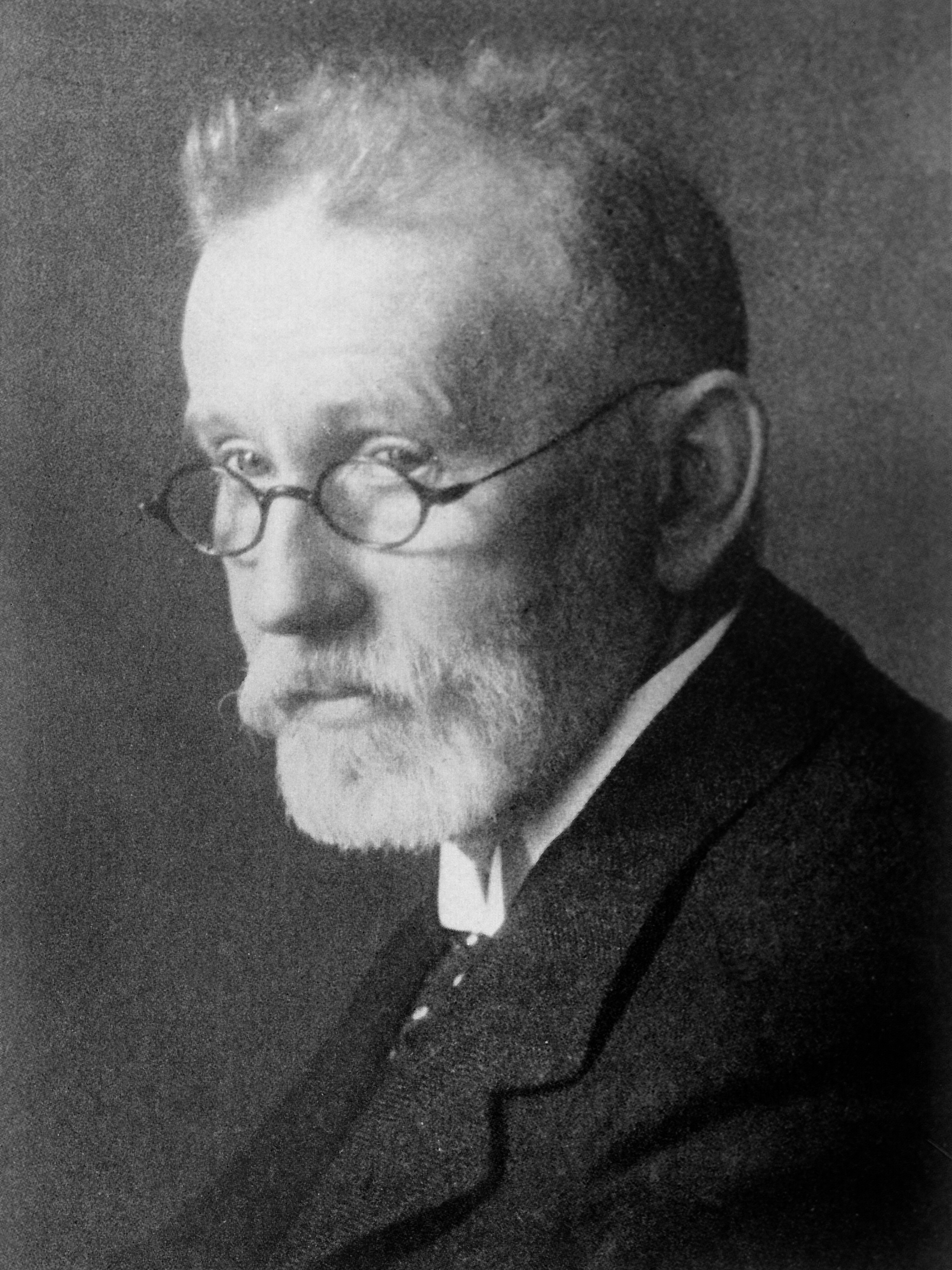
1864 –1867 SPENCER, Herbert (1820 – 1903)
The principles of biology. 2 vols.
In vol. 1 of this work written after Spencer read Darwin's On the origin of species, Spencer originated the expression "survival of the fittest." Spencer conceived that every species is endowed with its own type of ph…
GMN 119 · https://historyofmedicine.com/id/2055
1864 MARSH, George Perkins (1801 – 1882)
Man and nature; or, physical geography as modified by human action.
“The fountainhead of the conservation movement” (Mumford). This is a comprehensive scientific account of humanity's enormous and often destructive impact on the physical world. Marsh warned of the dangers of the reckl…
GMN 145.59 · https://historyofmedicine.com/id/2482
1864 MÜLLER, Johann Friedrich Theodor (Fritz) (1821 – 1897)
Für Darwin.
Müller, the first German to support Darwin, studied the development of the Crustacea in Brazil and published some of his results in the above little book, which contains much original information. He realized the bear…
GMN 221 · https://historyofmedicine.com/id/4389
1864 COBBOLD, Thomas Spencer (1828 – 1886)
Entozoa.
Cobbold suggested (p. 36) that a mollusc was the intermediate host in bilharziasis.
GMN 5344.4 · https://historyofmedicine.com/id/6774
1864 HARLEY, John (1833 – 1921)
On the endemic haematuria of the Cape of Good Hope.
Like Cobbold, Harley expressed the view that a mollusc was the intermediate host in bilharziasis.
GMN 5344.5 · https://historyofmedicine.com/id/6777
1865 SCHWEIGGER-SEIDEL, Franz Wilhelm (1834 – 1871)
Ueber die Samenkörperchen und ihre Entwicklung.
Proof that the spermatozöon possesses a nucleus and cytoplasm.
GMN 1224 · https://historyofmedicine.com/id/1911
1867 RANSONNET-VILLEZ, Eugen, Freiherr von (1838 – 1926)
Sketches of the inhabitants, animal life and vegetation in the lowlands and high mountains of Ceylon: As well as of the submarine scenery near the coast taken from a diving bell.
This work was illustrated with 26 tinted lithographs of natives and scenery in Sri Lanka after drawings from nature by the author, of which four were colored reproductions of underwater scenes made by the author using…
GMN 11705 · https://historyofmedicine.com/id/13906
1870 LANGHANS, Theodor (1839 – 1915)
Zur Kenntnis der menschlichen Placenta.
“Langhans’s layer”—the cytotrophoblast, the individual cells of which are termed “Langhans’s cells”.
GMN 491 · https://historyofmedicine.com/id/1419
1870 WALLACE, Alfred Russel (1823 – 1913)
Contributions to the theory of natural selection.
Reprints, with important revisions and additions, nine important papers concerning natural selection, which had previously appeared in journals, and publishes for the first time a major paper on The limits of natural …
GMN 228 · https://historyofmedicine.com/id/4412
1871 MIESCHER, Johann Friedrich (1844 – 1895)
Ueber die chemische Zusammensetzung der Eiterzellen.
In 1869 Miescher discovered a substance which he termed nuclein (nucleoprotein), later shown to be the hereditary genetic material. He demonstrated it in pus cells. The discovery he first published in 1871. He was als…
GMN 695 · https://historyofmedicine.com/id/897
1872 SMITH, Robert Angus (1817 – 1884)
Air and rain. The beginnings of a chemical climatology.
In this work on the industrial causes of pollution Smith coined the term acid rain. "The corrosive effect of polluted, acidic city air on limestone and marble was noted in the 17th century by John Evelyn, who remarked…
GMN 8972 · https://historyofmedicine.com/id/11151
1872 DANA, James Dwight (1813 – 1895)
Corals and coral islands.
Digital facsimile from Biodiversity Heritage Library at this link.
GMN 11803 · https://historyofmedicine.com/id/14005
1873 THOMSON, Charles Wyville (1830 – 1882)
The depths of the sea. An account of the general results of the dredging cruises of H. M. SS. 'Porcupine' and 'Lightning during the summers of 1868, 1869, and 1870, under the scientific direction of Dr. Carpenter, F.R.S., J. Gwyn Jeffreys, F.R.S., and Dr. Wyville Thomson, F.R.S.
Digital facsimile from the Internet Archive at this link.
GMN 7483 · https://historyofmedicine.com/id/9655
1874 HAECKEL, Ernest Heinrich Philipp August (1834 – 1919)
Die Gastraea-Theorie, die phylogenetische Classification des Thierreichs und die Homologie der Keimblätter.
Haeckel’s gastraea theory, which considers the two-layered gastrula the ancestral form of multicellular animals.
GMN 120 · https://historyofmedicine.com/id/2058
1874 MIESCHER, Johann Friedrich (1844 – 1895)
Die Spermatozoen einiger Wirbelthiere. Ein Beitrag zur Histochemie.
Miescher first isolated DNA and identified it as an acid through chemical analysis of salmon spermatozoa. See Ralf Dahm, "Discovering DNA: Friedrich Miescher and the early years of nucleic acid research," Human Geneti…
GMN 11093 · https://historyofmedicine.com/id/13289
1876 HERTWIG, Wilhelm August Oscar (1849 – 1922)
Beiträge zur Kenntnis der Bildung, Befruchtung und Theilung des thierischen Eies.
Demonstration that the spermatozoon enters the ovum and that fertilization occurs by the union of the nuclei of the male and female sex cells. Hertwig also established that the transfer of hereditary material is part …
GMN 495 · https://historyofmedicine.com/id/1433
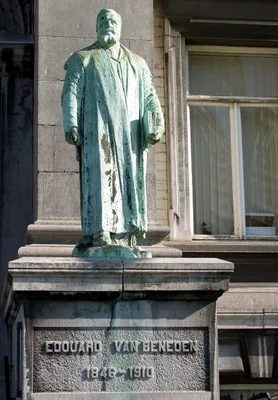
1876 BENEDEN, Edouard Joseph Louis Marie van (1846 – 1910)
Contributions à l’histoire de la vésicule germinative et du premier noyau embryonnaire.
Independently of Flemming, van Beneden discovered the centrosome.
GMN 497 · https://historyofmedicine.com/id/8939
1877 –1880 ROMANES, George John (1848 – 1894)
Observations on the locomotor system of Medusae. 3 pts.
Charles Sherrington described the significance of Romanes' research on jellyfish in terms of its impact on cardiac physiology: "Romanes's observations carried out with simple means were novel and fundamental. The ques…
GMN 632 · https://historyofmedicine.com/id/573
1877 FLEMMING, Walther (1843 – 1905)
Beobachtungen über die Beschaffenheit des Zellkerns.
Discovery of the centrosome.
GMN 498 · https://historyofmedicine.com/id/1448
1877 MÖBIUS, Karl August (1825 – 1908)
Die Auster und die Austernwirtschaft.
In this study of oyster culture precipitated by the impoverishment of natural oyster beds, Möbius provided the earliest description of a marine animal community maintained in a state of equilibrium by limitations of r…
GMN 145.61 · https://historyofmedicine.com/id/2496
1877 THOMSON, Charles Wyville (1830 – 1882)
The voyage of the "Challenger": The Atlantic: A preliminary account of the general results of th exploring voyage of H.M.S. "Challenger" during the year 1873 and the early part of the year 1876. 2 vols.
Digital facsimile of the first American edition (1878) from the Biodiversity Heritage Library, Internet Archive, at this link.
GMN 7484 · https://historyofmedicine.com/id/9656
1878 WHITMAN, Charles Otis (1842 – 1910)
The embryology of Clepsine.
The study of cell-lineage was initiated by Whitman’s paper on Clepsine.
GMN 499 · https://historyofmedicine.com/id/1454
1878 MÜLLER, Johann Friedrich Theodor (Fritz) (1821 – 1897)
Ueber die Vortheile der Mimicry bei Schmetterlingen.
Bates’s theory of mimicry did not account for the superficial resemblances between two or more unpalatable species. Müller explained such mimicry, known today as “Müllerian mimicry”. A predator must learn which potent…
GMN 228.1 · https://historyofmedicine.com/id/8324
1878 WALLACE, Alfred Russel (1823 – 1913)
Tropical nature and other essays.
"Wallace's extensive work in biogeography made him aware of the impact of human activities on the natural world. In Tropical Nature and Other Essays (1878), he warned about the dangers of deforestation and soil erosio…
GMN 9174 · https://historyofmedicine.com/id/11353
1879 FLEMMING, Walther (1843 – 1905)
Beiträge zur Kenntniss der Zelle und ihrer Lebenserscheinungen
Classic account of cell division and karyokinesis. Flemming named the nuclear substance “chromatin” and gave the name “mitosis” to cell division. Translation of Part II in J. Cell Biol., 1965, 25, No. 1, pt. 2, 3-69. …
GMN 122 · https://historyofmedicine.com/id/54
1879 EHRLICH, Paul (1854 – 1915)
Beitrage zur Kenntniss der granulirten Bindegewebszellen und der eosinophilen Leukocyten.
Mast cells; see No. 548.1.
GMN 553.1 · https://historyofmedicine.com/id/227
1879 MOSELEY, Henry Nottidge (1844 – 1891)
Notes by a naturalist on the Challenger; being an account of observations made during the Voyage of H.M.S.Challenger round the world in the years 1872-1876. Under the Command of Capt. Sir G. S.Nares and Capt. F. T. Thomson.
Includes descriptions of the natural history of Teneriffe, St. Thomas, Bermuda; Azores, Madeira, Cape Verdes; St. Paul’s Rocks and Fernando Do Norhona; Bahia; Tristan Da Cunha, Inaccessible Island; Nightingale Island;…
GMN 9627 · https://historyofmedicine.com/id/11814
1880 STRASBURGER, Eduard Adolf (1844 – 1912)
Ueber Zellbildung und Zelltheilung. 3te. Aufl.
A pioneer work on the formation and division of cells. In this third edition Strasburger established one of the principles of modern cytology, i.e., that independent cell formation does not occur but that fresh nuclei…
GMN 123 · https://historyofmedicine.com/id/2062
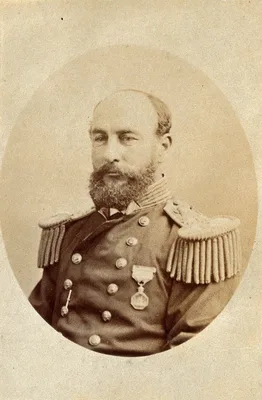
1880 –1895 MURRAY, John (1841 – 1914); THOMSON, Charles Wyville (1830 – 1882); NARES, George Strong (1831 – 1915)
Report on the scientific results of the Voyage of the H.M.S. Challenger during the Years 1873-76, under the command of Captain George S. Nares… and Captain Frank Tourle Thomson. 42 vols. in 50.
This work edited by John Murray and Charles Wyville Thomson, and completed by Murray after Thomson's death, was published over a 15 year period, and included about 29,500 pages and more than 3,280 plates. It treated i…
GMN 9626 · https://historyofmedicine.com/id/11813
1881 HERTWIG, Wilhelm August Oscar (1849 – 1922); HERTWIG, Richard Wilhelm Karl Theodor Ritter von (1850 – 1937)
Die Coelomtheorie. Versuch einer Erklärung des mittleren Keimblattes.
The Hertwig brothers formulated the “coelom” theory to account for the classification and phylogeny of metazoan animals. Digital facsimile from the Internet Archive at this link.
GMN 502 · https://historyofmedicine.com/id/1477
1881 DARWIN, Charles Robert (1809 – 1882)
The formation of vegetable mould through the action of worms, with observations on their habits.
Darwin's last book, published only 6 months before his death, but reporting on a subject that he had studied for more than 50 years. "He showed the services performed by earthworms in eating leaves and grinding earth …
GMN 8913 · https://historyofmedicine.com/id/11091
1882 –1883 KOSSEL, Albrecht (1853 – 1927)
Zur Chemie des Zellkerns.
Among the many important contributions of Kossel was his study of the chemistry of the cell and cell-nucleus. Kossel correctly concluded that the function of nuclein is neither to act as a storage substance nor to fur…
GMN 702 · https://historyofmedicine.com/id/1829
1883 ROUX, Wilhelm (1850 – 1924)
Überdie Bedeutungder Kerntheilungsfiguren.
Roux investigated why the nucleus undergoes the precise division of mitosis while the rest of the cell undergoes a rather crude division when one cell splits into two. He argued that mitosis ensures a precise halving …
GMN 229 · https://historyofmedicine.com/id/8327
1884 –1890 HERTWIG, Wilhelm August Oscar (1849 – 1922); HERTWIG, Richard Wilhelm Karl Theodor Ritter von (1850 – 1937)
Untersuchungen zur Morphologie und Physiologie der Zelle.
GMN 555 · https://historyofmedicine.com/id/233
1884 STRASBURGER, Eduard Adolf (1844 – 1912)
Neue Untersuchungen über den Befruchtungsvorgang bei den Phanerogamen als Gründlage für eine Theorie der Zeugung.
Like Roux, Strasburger hypothesized that the cell nucleus contained the material basis of heredity, and developed the idea with evidence from microscopical observations.
GMN 229.1 · https://historyofmedicine.com/id/8329
1885 KÖLLIKER, Rudolph Albert von (1817 – 1905)
Die Bedeutung der Zellenkerne für die Vorgänge der Vererbung.
Along with Roux, Kölliker stated that hereditary characters were transmitted by the cell nucleus.
GMN 231 · https://historyofmedicine.com/id/8332
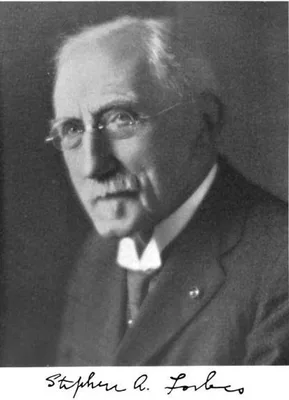
1887 FORBES, Stephen Alfred (1844 – 1930)
The lake as a microcosm.
Forbes was the first to apply ecological principles to limnology. He emphasized population regulation and the dynamic nature of the community.
GMN 145.62 · https://historyofmedicine.com/id/2503
1888 BOVERI, Theodor (1862 – 1915)
Zellen-Studien.
Boveri gave decisive proof of the maintenance of chromosomal individuality.
GMN 231.1 · https://historyofmedicine.com/id/8334
1889 ALTMANN, Richard (1852 – 1900)
Ueber Nucleinsäuren.
Atlmann coined the term "nucleic acid", replacing Friedrich Miescher's term "nuclein" when it was demonstrated that nuclein was acidic.
GMN 713 · https://historyofmedicine.com/id/973
1889 BERTHELOT, Pierre Eugène Marcellin (1827 – 1907)
Fixation de l’azote par la terre végétale nue ou avec le concours des légumineuses.
Berthelot showed that bacteria acting in clay soils are able to fix nitrogen.
GMN 714 · https://historyofmedicine.com/id/977
1889 VUILLEMIN, Jean Paul (1861 – 1932)
Antibiose et symbiose.
Villemin coined the term antibiosis and advanced the term from an evolutionary viewpoint. Though he presented the concept Villemin did not apply this concept to fight disease. (Thanks to Juan Weiss for this reference.)
GMN 10786 · https://historyofmedicine.com/id/12982
1889 WALLACE, Alfred Russel (1823 – 1913); WEISMANN, August Friedrich Leopold (1834 – 1914)
The action of natural selection in producing old age, decay, and death. In Essays upon heredity and kindred biological problems by August Weismann; authorized translation edited by Edward B. Poulton, Selmar Schönland and Arthur E. Shipley, Chapter 1, "The duration of life," page 23.
Wallace proposed the first evolutionary theory of aging. He stated that if too many people lived for a long time they would compete for resources needed for other members of the species that were of reproduction age. …
GMN 14344 · https://historyofmedicine.com/id/16674
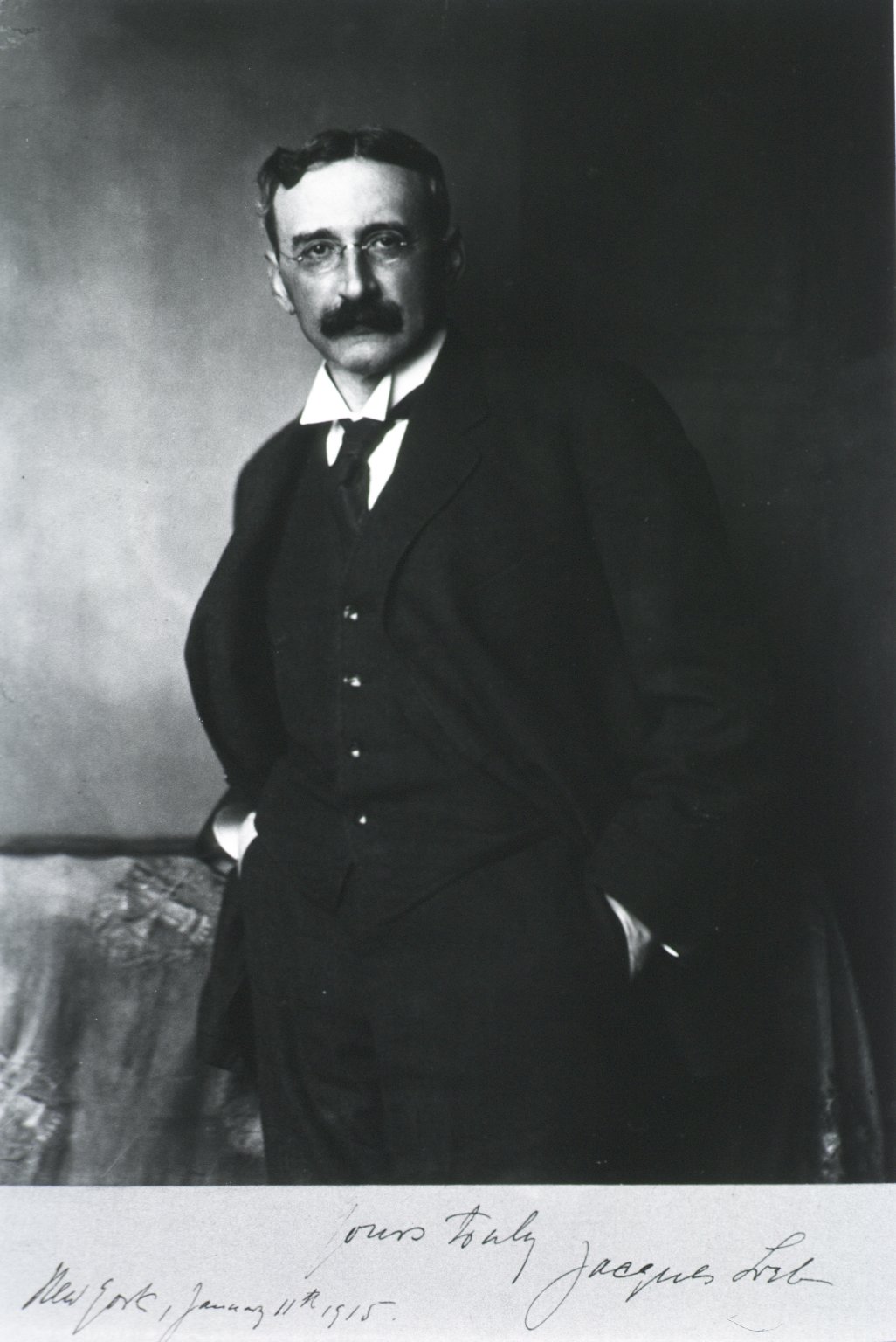
1890 LOEB, Jacques (1859 – 1924)
Der Heliotropismus der Thiere und seine Uebereinstimmung mit dem Heliotropismus der Pflanzen.
Loeb founded the theory of “tropisms” as the basis of the psychology of the lower forms of life. English translation in Loeb’s Studies in general physiology, Vol. 1, 1-88. Chicago, 1905.
GMN 125 · https://historyofmedicine.com/id/2121
1890 ALTMANN, Richard (1852 – 1900)
Die Elementarorganismen und ihre Beziehungen zu den Zellen.
Mitochondria described, p. 145.
GMN 126 · https://historyofmedicine.com/id/2128
1890 WINOGRADSKY, Sergei Nikolaievich
Sur les organisms de la nitrification.
In his research on nitrifying bacteria Winogradsky discovered the first known form of chemoautotrophy in which organisms obtain energy by oxidation of electron donors in their environments without the intervention of …
GMN 12303 · https://historyofmedicine.com/id/14525
1891 HENKING, Hermann (1858 – 1942)
Untersuchungen über den ersten Entwicklungsvorgänge in den Eiern der Insekten. II. Ueber Spermatogenese und deren Beziehung zur Eientwicklung bei Pyrrhocoris apterus.
In his study of the testicles of the firebug (Pyrrhocoris) Henking noticed that one chromosome did not take part in meiosis. He named this X element because its strange behavior made him unsure whether it was genuinel…
GMN 517.1 · https://historyofmedicine.com/id/1596
1893 –1898 HERTWIG, Wilhelm August Oscar (1849 – 1922); HERTWIG, Richard Wilhelm Karl Theodor Ritter von (1850 – 1937)
Die Zelle und die Gewebe.
Part 1 was translated as The cell: outlines of general anatomy and physiology, London, 1895.
GMN 556 · https://historyofmedicine.com/id/232