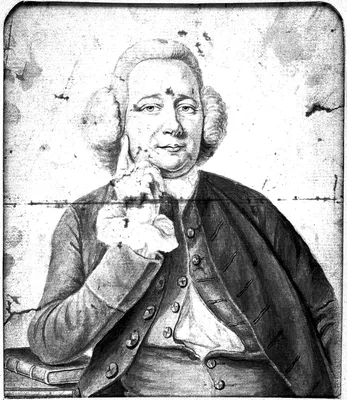
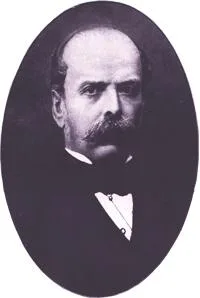
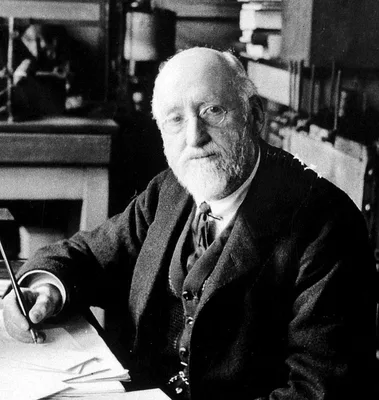
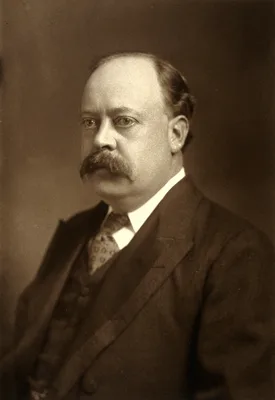
1748 MECKEL, THE ELDER, Johann Friedrich (1724 – 1774)
Tractatus anatomico-physiologicus de quinto pare nervorum cerebri.
Meckel’s graduation thesis contains the first really detailed account of the trigeminal nerve’s distribution (along with a meticulous treatment of the earlier literature), and in it he describes for the first time the…
GMN 1249 · https://historyofmedicine.com/id/2074
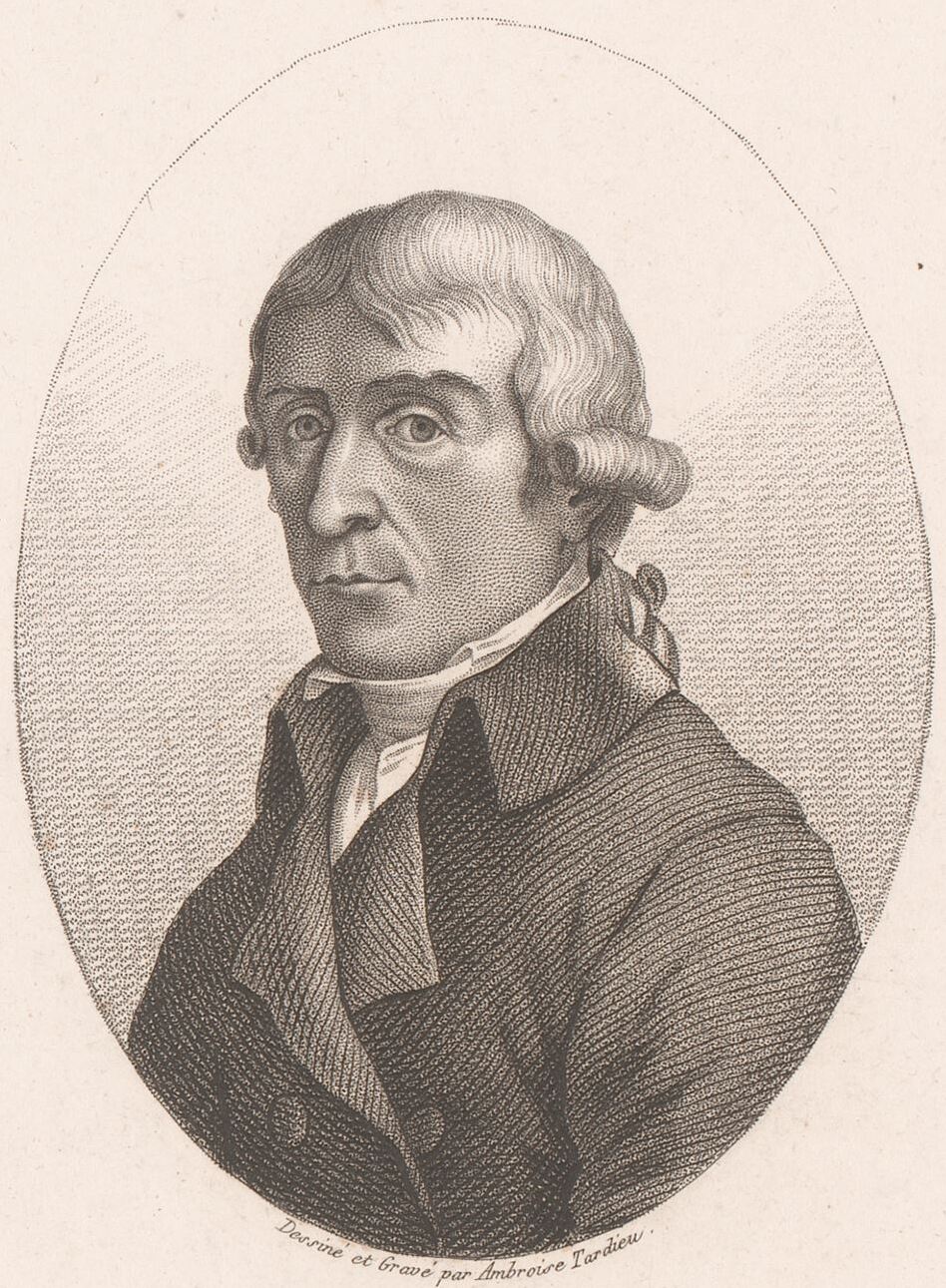
1765 JOHNSTONE, James (1730 – 1802)
Essay on the use of the ganglions of the nerves.
See also his supplementary papers on the subject, in Phil. Trans., (1767), 1768, 57, 118-31; (1770), 1771, 60, 30-35. Revised edition in book form, Shrewsbury, 1771.
GMN 1250 · https://historyofmedicine.com/id/2081
1765 HIRSCH, Antonius Balthazar Raymundus (1744 – 1778)
Pars quinti nervorum encephali disquisitio anatomica.
The “Gasserian ganglion”, already described by Santorini and others, was named after Johann Ludwig Gasser (fl. 1757-65), Professor of Anatomy at Vienna, by his pupil Hirsch. Also published in Ludwig, C. F., Scriptores…
GMN 1251 · https://historyofmedicine.com/id/2089
1777 WRISBERG, Heinrich August (1739 – 1808)
Observationes anatomicae de quinto pare nervorum encephali.
Wrisberg, Professor of Anatomy at Göttingen, is remembered for his discovery of the nervus intermedius (“nerve of Wrisberg”), described in the above treatise.
GMN 1252 · https://historyofmedicine.com/id/2093
1794 SCARPA, Antonio (1752 – 1832)
Tabulae nevrologicae, ad illustrandum historiam anatomicam cardiacorum nervorum, noni nervorum cerebri, glossopharyngaei et pharyngaei ex octavo cerebri.
This elegantly illustrated anatomical atlas is regarded as Scarpa’s greatest work. The result of 20 years of research, it includes the first proper delineation of the glossopharyngeal, vagus, hypoglossal, and cardiac …
GMN 1253 · https://historyofmedicine.com/id/2100
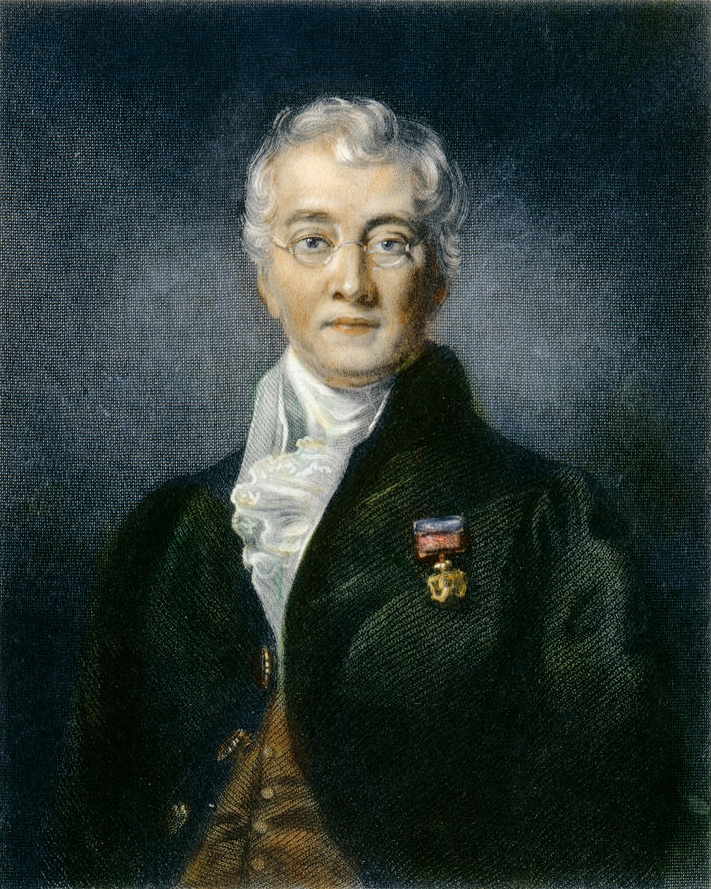
1811 BELL, Sir Charles (1774 – 1842)
Idea of a new anatomy of the brain.
Contains first reference to experimental work on the motor functions of the ventral spinal nerve-roots, without, however, establishing the sensory functions of the dorsal roots. This very rare privately printed pamphl…
GMN 1254 · https://historyofmedicine.com/id/2116
1820 SWAN, Joseph (1791 – 1874)
A dissertation on the treatment of morbid local affections of nerves.
An early discussion of peripheral nerve injuries, tumors, and inflammation of nerves, including issues of pain and healing. Swan was among the first of the 19th-century surgeons to argue that divided nerves that are s…
GMN 7596 · https://historyofmedicine.com/id/9768
1821 BELL, Sir Charles (1774 – 1842)
On the nerves; giving an account of some experiments on their structure and functions, which lead to a new arrangement of the system.
“Bell’s palsy”. The facial paralysis ensuing upon lesion of the motor nerve of the face is described here for the first time. See also his later paper, with more detailed description, in the same journal, 1829, 119, 3…
GMN 1255 · https://historyofmedicine.com/id/381
1822 MAGENDIE, François (1783 – 1855)
Expériences sur les fonctions des racines des nerfs rachidiens.
Magendie definitely discovered that the anterior root is motor and that the dorsal root is sensory, although Romberg, Flourens, Sherrington, and others credited the discovery to Charles Bell. In this paper Magendie an…
GMN 1256 · https://historyofmedicine.com/id/2122
1822 MAGENDIE, François (1783 – 1855)
Expériences sur les fonctions des racines des nerfs qui naissent de la moelle épinière.
Further experiments, including, most probably, “the first use of strychnine as part of a study of the localization of function in the nervous system as well as being a very early example of the rational use of a known…
GMN 1256.1 · https://historyofmedicine.com/id/2127
1826 MÜLLER, Johannes Peter (1801 – 1858)
Zur vergleichenden Physiologie des Gesichtssinnes des Menschen und der Thiere.
Includes Müller’s law of specific nerve energies. For an English translation, see his Elements of physiology, transl. W. Baly, London, 1838, vol. 1, pp. 766-67. Includes (p. 73) his explanation of the color sensations…
GMN 1257 · https://historyofmedicine.com/id/2130
1830 BELL, Sir Charles (1774 – 1842)
The nervous system of the human body. [2nd ed.]
Records Bell’s demonstration that the fifth cranial nerve has a sensory-motor function, his discovery of “Bell’s nerve” and the motor nerve of the face, lesion of which causes facial paralysis (Bell’s palsy). Bell was…
GMN 1258 · https://historyofmedicine.com/id/2136
1831 MÜLLER, Johannes Peter (1801 – 1858)
Bestätigung des Bell’schen Lehrsatzes, das die doppelten Wurzeln der Rückenmarksnerven verschiedene Fuctionen haben, durch neue und Entscheidende Experimente.
Experimental proof of the Bell-Magendie law (see Nos. 1254 & 1256) of the spinal nerve roots.
GMN 1259 · https://historyofmedicine.com/id/2141
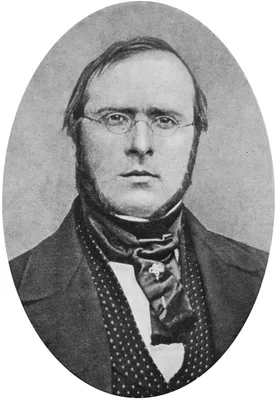
1836 REMAK, Robert (1815 – 1865)
Vorläufige Mittheilungen microscopischer Beobachtungen über den inner Bau der Cerebrospinalnerven und über die Entwickelung ihrer Formelemente.
Remak identified for the first time the myelinated fiber with its central “band of Remak” (the axon), and the unmyelinated axon or “fiber of Remak.” Fuller account in his Observationes anatomicae (No. 1262).
GMN 1260 · https://historyofmedicine.com/id/2145
1837 BURDACH, Ernst (1801 – 1876)
Beitrag zur mikroskopischen Anatomie der Nerven.
GMN 1261 · https://historyofmedicine.com/id/2156
1838 REMAK, Robert (1815 – 1865)
Observationes anatomicae et microscopicae de systematis nervosi structura.
See No. 1260.
GMN 1262 · https://historyofmedicine.com/id/2161
1840 PACINI, Filippo (1812 – 1883)
Nuovi organi scoperti nel corpo humano.
“Pacini’s corpuscles”, end organs of sensory nerves, earlier described by Vater in 1717.
GMN 1263 · https://historyofmedicine.com/id/2164
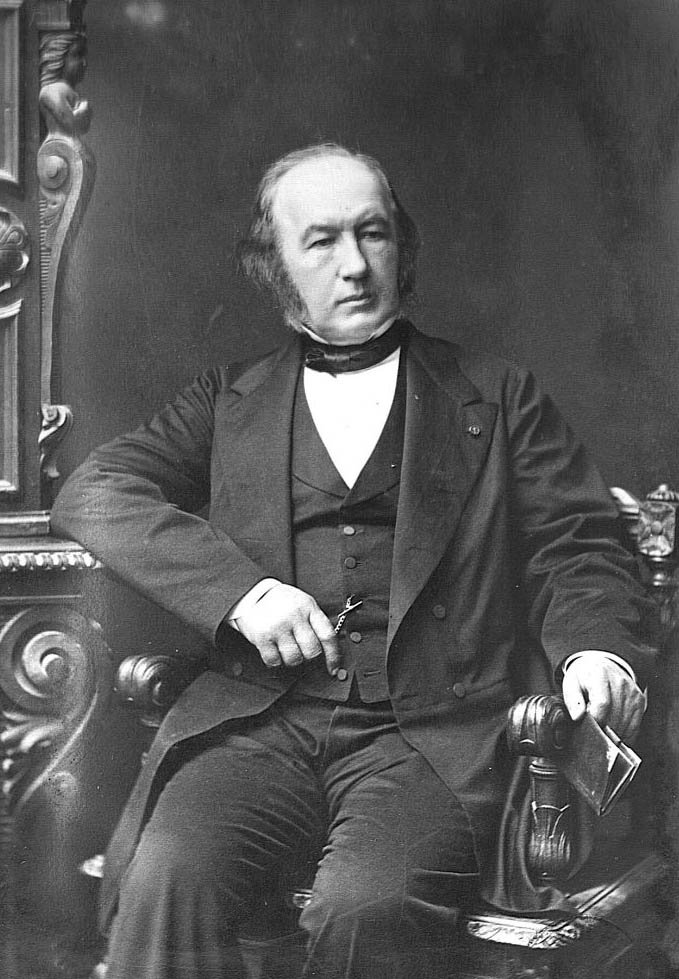
1844 BERNARD, Claude (1813 – 1878)
Recherches expérimentales sur les fonctions du nerf spinal, étudié spécialement dans ses rapports avec le pneumogastrique.
GMN 1264 · https://historyofmedicine.com/id/2188
1850 WALLER, Augustus Volney (1816 – 1870)
Experiments on the section of the glossopharyngeal and hypoglossal nerves of the frog, and observations of the alterations produced thereby in the structure of their primitive fibres.
The “law of Wallerian degeneration”. The experiments recorded in the above paper were the starting-point of the neuron theory. Waller showed that if glosso-pharyngeal and hypoglossal nerves are severed, the outer segm…
GMN 1266 · https://historyofmedicine.com/id/2196
1851 WALLER, Augustus Volney (1816 – 1870)
Recherches sur la système nerveux.
GMN 1267 · https://historyofmedicine.com/id/2201
1851 TÜRCK, Ludwig (1810 – 1868)
Ueber den Zustand der Sensibilität nach theilweiser Trennung des Rückenmarkes.
Türck showed that degeneration in a nerve track corresponds to the direction in which it conducts nerve impulses – ascending tracks degenerate above the lesion and descending tracks below it.
GMN 1267.1 · https://historyofmedicine.com/id/2207
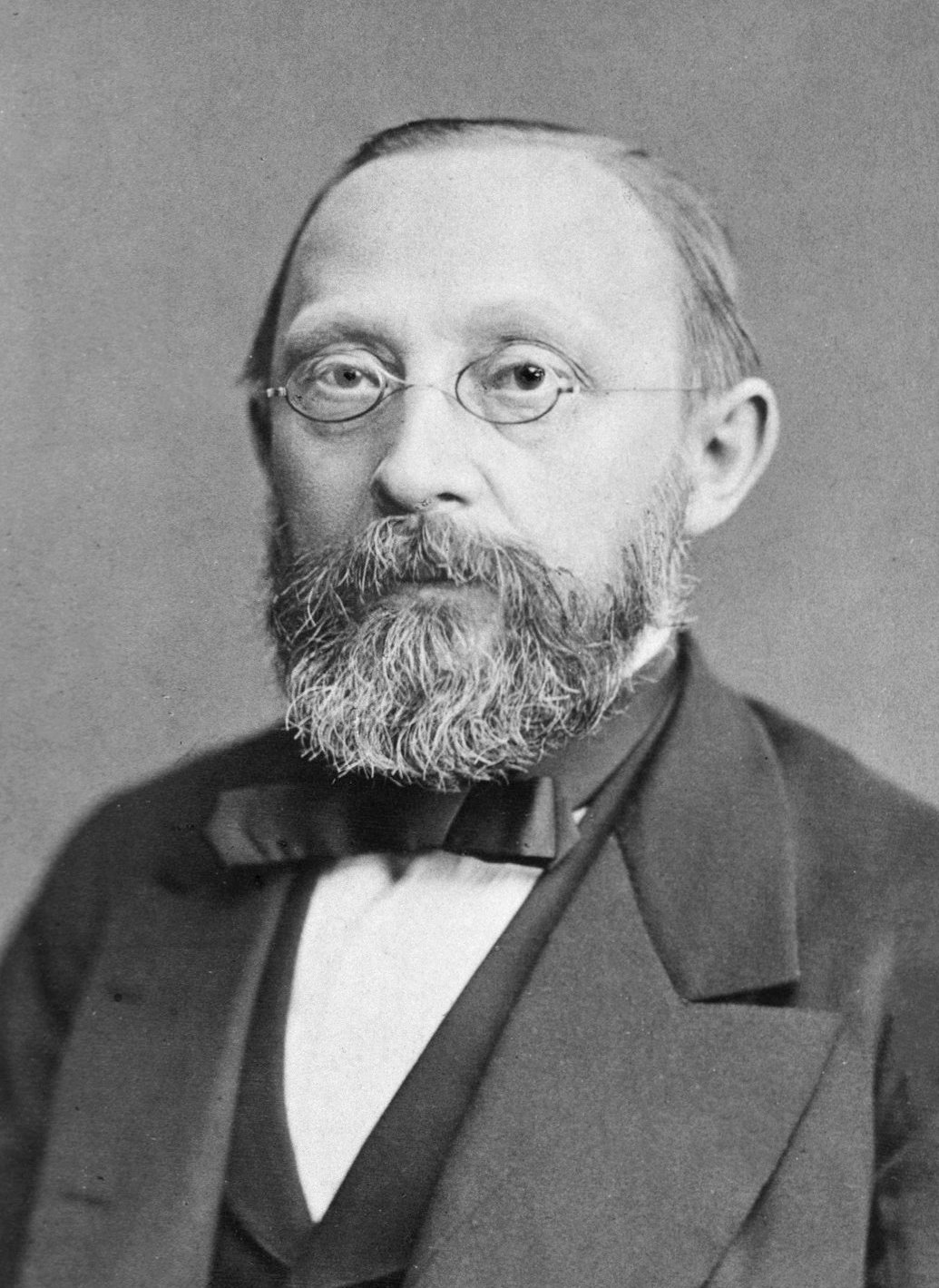
1854 VIRCHOW, Rudolf Ludwig Karl (1821 – 1902)
Ueber eine im Gehirn und Rückenmark des Menschen aufgefundene Substanz mit der chemischen Reaction der Cellulose.
Discovery of the neuroglia.
GMN 1268 · https://historyofmedicine.com/id/2211
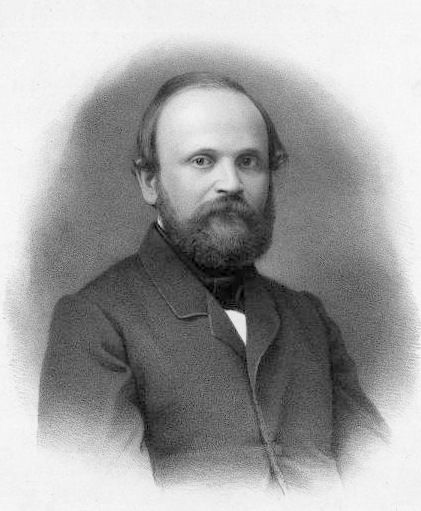
1862 KÜHNE, Wilhelm Friedrich (1837 – 1900)
Ueber die peripherischen Endorgane der motorischen Nerven.
Kühne described the neuromuscular end organ (“Kühne’s spindle”) and introduced the term “telolemma” for the outer covering of its sheath.
GMN 1269 · https://historyofmedicine.com/id/2214
1863 KÜHNE, Wilhelm Friedrich (1837 – 1900)
Die Muskelspindeln. Ein Beitrag zur Lehre von der Entwickelung der Muskeln und Nervenfasem.
The best early description of proprioceptive receptors in muscles.
GMN 1270 · https://historyofmedicine.com/id/2221
1865 SCHULTZE, Max Johann Sigismund (1825 – 1874); DEITERS, Otto Friedrich Carl (1834 – 1863)
Untersuchungen über Gehirn und Rückenmark des Menschen und der Säugethiere. Nach dem Tode des Verfassers Herausgegeben und Bevortwortet von Max Schultze.
Deiters showed that each nerve-cell possesses an axis-cylinder or nerve-fiber process. His name is perpetuated in “Deiters’ cells” and “nucleus”. Dieters died of typhus in 1863 at the age of 29; his book was edited fr…
GMN 1271 · https://historyofmedicine.com/id/2224
1865 BISCHOFF, Ernst Phllipp Eduard
Mikroskopischische Analyse der Anastomosen der Kopfnerven: gekrönte Beantwortung der von der medizinischen Fakultät zu München im Jahre 1863 ausgesetzten Preisfrage. Mit 43 Steindrucktafeln.
Bischoff demonstrated conclusively that there are many interconnections between the trigeminal, facial, nervus intermedius, acoustico-vestibular complex, glosso-pharyngeal, vagus, spinal-accessory, hypoglossal and the…
GMN 1271.1 · https://historyofmedicine.com/id/2228
1869 DICKINSON, William Howship (1832 – 1913)
On the changes in the nervous system which follow the amputation of limbs.
Demonstration that the proximal end of a severed nerve eventually atrophies.
GMN 1272 · https://historyofmedicine.com/id/2267
1871 BERNSTEIN, Julius (1839 – 1917)
Untersuchungen über den Erregungsvorgang im Nerven- und Muskelsysteme.
GMN 1273 · https://historyofmedicine.com/id/2268
1877 BERNSTEIN, Julius (1839 – 1917)
Ueber die Ermüdung und Erholung der Nerven.
After successfully tetanizing a nerve-muscle preparation, Bernstein inferred, from this and additional data, that nerve is exhausted in the process. This conflicted with the findings of Bowditch (No. 1281-82) and Vved…
GMN 1274 · https://historyofmedicine.com/id/2270
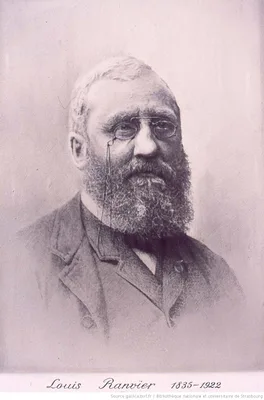
1878 RANVIER, Louis-Antoine (1835 – 1922)
Leçons sur l’histologie du système nerveux. 2 vols.
Includes his description of the “nodes of Ranvier”, interruptions of the medullary nerve sheaths.
GMN 1276 · https://historyofmedicine.com/id/2273
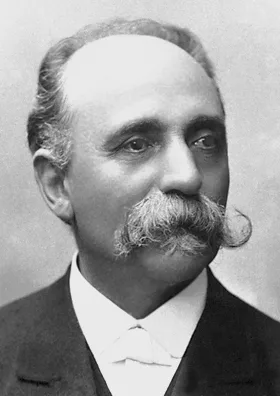
1880 GOLGI, Camillo (1844 – 1926)
Sulla struttura delle fibre nervosa midollate periferiche e centrali.
“Golgi cells” first described.
GMN 1277 · https://historyofmedicine.com/id/2276
1880 TIGERSTEDT, Robert Adolf Armand (1853 – 1923)
Studien über mechanische Nervenreizung.
Contains important work on the effects of mechanical stimulation of nerve.
GMN 1278 · https://historyofmedicine.com/id/2279
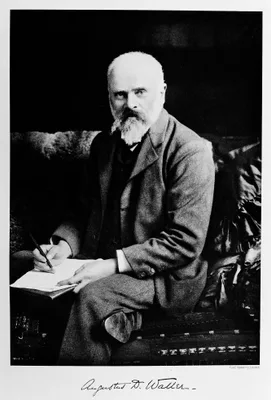
1883 WALLER, Augustus Désiré (1856 – 1922); WATTEVILLE, Armand de (1846 – 1925)
On the influence of the galvanic current on the excitability of the motor nerves of man.
GMN 1279 · https://historyofmedicine.com/id/2282
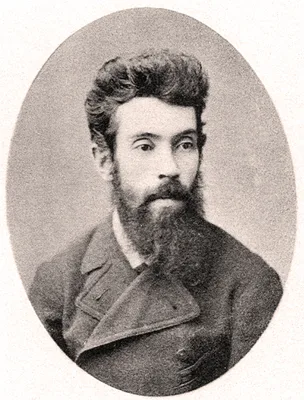
1884 VVEDENSKII, Nikolai Evgenevich [WEDENSKII, Wedensky (1852 – 1922)
Wie rasch ermüdet der Nerv?
Although Bernstein considered that nerve could be exhausted, Vvedenskii was able, in this paper, to show that such is not the case. Further proof was supplied by Bowditch (No. 1281). Digital facsimile of Vvedenskii's …
GMN 1280 · https://historyofmedicine.com/id/2287
1885 BOWDITCH, Henry Pickering (1840 – 1911)
Note on the nature of nerve-force.
GMN 1281 · https://historyofmedicine.com/id/2296
1885 MARCHI, Vittorio (1851 – 1908); ALGERI, Giovanni
Sulle degenerazioni descendenti consecutive a lesioni sperimentale in diverse zone della corteccia cerebrale.
Marchi’s stain, osmic acid, for degenerating myelin sheaths.
GMN 1283 · https://historyofmedicine.com/id/2305
1890 BOWDITCH, Henry Pickering (1840 – 1911)
Ueber den Nachweis der Unermüdlichkeit des Säugethiernerven.
Bowditch demonstrated the indefatigability of nerve (“Bowditch’s law”).
GMN 1282 · https://historyofmedicine.com/id/2300
1890 BURDON-SANDERSON, Sir John Scott (1828 – 1905)
Photographic determination of the time-relations of the changes which take place in muscle during the period of so-called ‘latent stimulation.’
Measurement by means of photography, of the speed of the nervous impulse.
GMN 1284 · https://historyofmedicine.com/id/2307
1892 NISSL, Franz (1860 – 1919)
Ueber die Veranderungen der Ganglienzellen am Fascialiskern des Kaninchens nach Ausreissung der Nerven.
GMN 1286 · https://historyofmedicine.com/id/2312
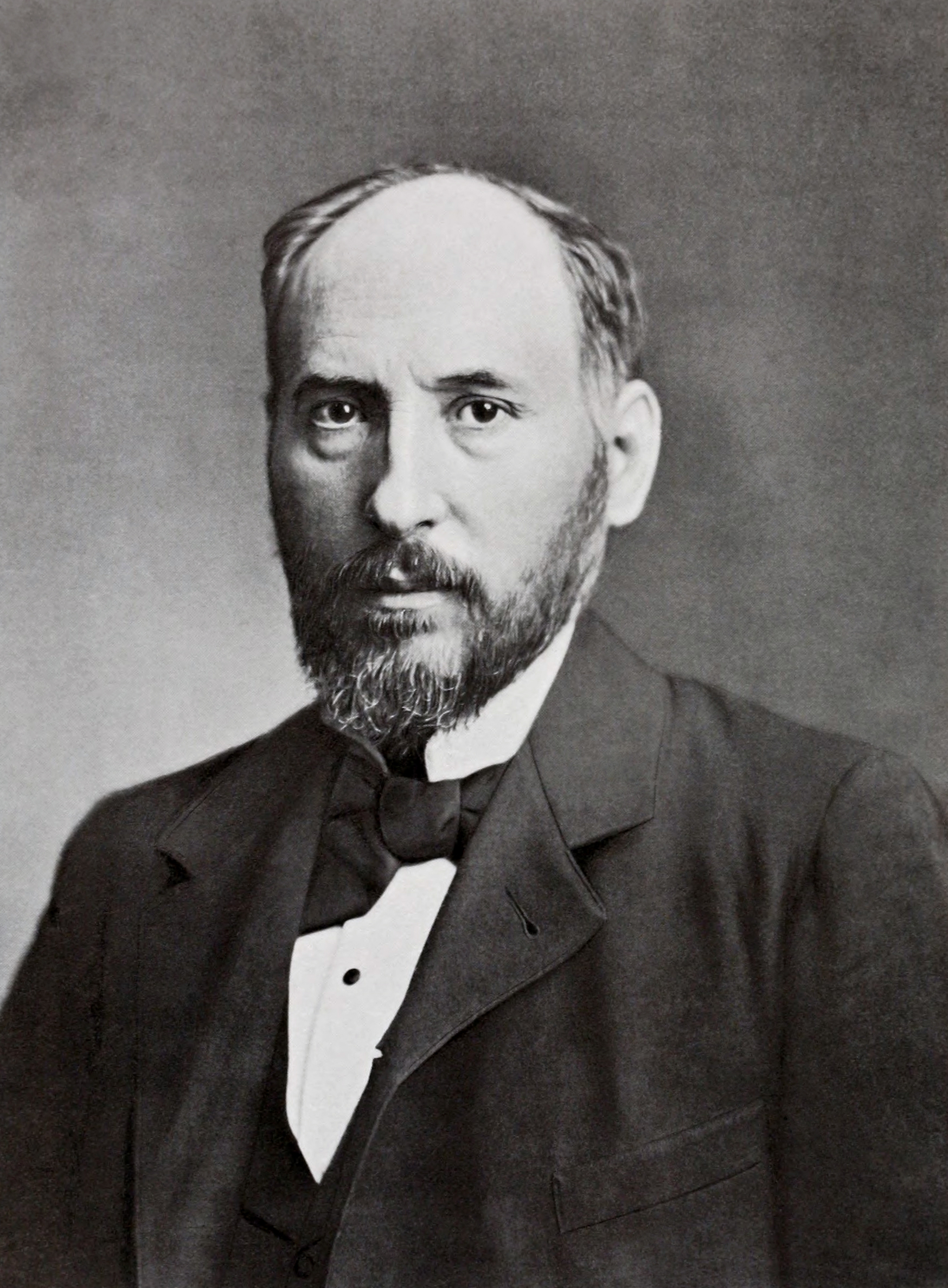
1892 CAJAL, Santiago Ramón y (1852 – 1934)
Nuevo concepto de la histologia de los centros nerviosos.
Ramón y Cajal, son of a struggling Aragonese doctor, lived to become one of the greatest of all histologists. He devised many staining methods for nervous tissue and did work of fundamental importance to neuroanatomy.…
GMN 1287 · https://historyofmedicine.com/id/2315
1892 SHERRINGTON, Sir Charles Scott (1857 – 1952)
Notes on the arrangement of some motor fibres in the lumbo-sacral plexus.
An analysis of the distribution of the ventral nerve roots. Sherrington showed the association of the lateral horn cells with the sympathetic outflow.
GMN 1288 · https://historyofmedicine.com/id/2319
1893 SHERRINGTON, Sir Charles Scott (1857 – 1952)
Further experimental note on the correlation of antagonistic muscles.
The first of Sherrington’s papers investigating reciprocal innervation of muscles.
GMN 1288.1 · https://historyofmedicine.com/id/2320
1894 LENHOSSÉK, Mihály (1863 – 1937)
Beiträge zur Histologie des Nervensystems und der Sinnesorgane.
GMN 1289 · https://historyofmedicine.com/id/2322
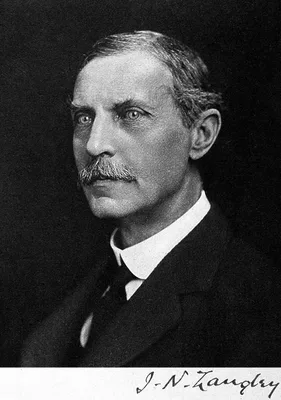
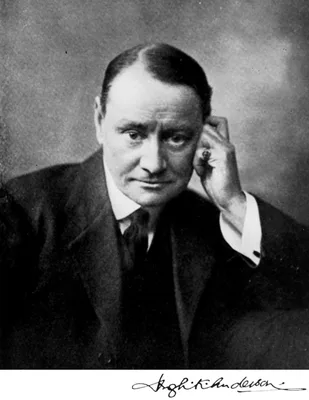
1894 LANGLEY, John Newport (1852 – 1925); ANDERSON, Sir Hugh Kerr (1865 – 1928)
On reflex action from sympathetic ganglia.
GMN 1290 · https://historyofmedicine.com/id/2325
1894 NISSL, Franz (1860 – 1919)
Ueber eine neue Untersuchungsmethode des Centralorgans speciell zur Feststellung der Localisation der Nervenzellen.
Nissl’s stain.
GMN 1291 · https://historyofmedicine.com/id/2327
1898 DOGIEL, Alexander Stanislovich (1852 – 1922)
Die sensiblen Nervenendigungen im Herzen und in den Blutgefässen der Säugethiere.
“Dogiel’s end-bulbs” – sensory nerve-endings.
GMN 1292 · https://historyofmedicine.com/id/2329
1899 DOGIEL, Alexander Stanislovich (1852 – 1922)
Ueber den Bau der Ganglien in den Geflechten des Darmes und der Gallenblase des Menschen und der Säugethiere.
Classification of the neurones of spinal and other ganglia.
GMN 1293 · https://historyofmedicine.com/id/2333
1899 –1904 CAJAL, Santiago Ramón y (1852 – 1934)
Textura del sistema nervioso del hombre y de los vertebrados. 2 vols. in 3.
From publication in fascicules, 1897-1904 (vol. 1 in 3 pts., vol. 2 in 4 pts.) This monumental work set out the cytological and histological foundations of modern neurology. Ramón y Cajal’s research confirmed the neur…
GMN 1293.1 · https://historyofmedicine.com/id/2335
1901 BAYLISS, Sir William Maddock (1860 – 1924)
On the origin from the spinal cord of the vaso-dilator fibres of the hindlimb, and on the nature of these fibres.
GMN 1294 · https://historyofmedicine.com/id/2346
1901 HALLIBURTON, William Dobinson (1860 – 1931)
The Croonian Lectures on the chemical side of nervous activity. Delivered before the Royal College of Physicians of London, in June, 1901.
First edition in book form, expanded from the journal publications, London: Bale, 1901. Digital facsimile of the book-form edition from the Internet Archive at this link.
GMN 1295 · https://historyofmedicine.com/id/2352