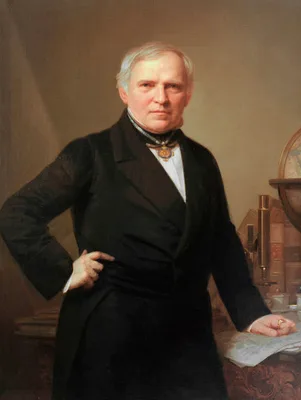
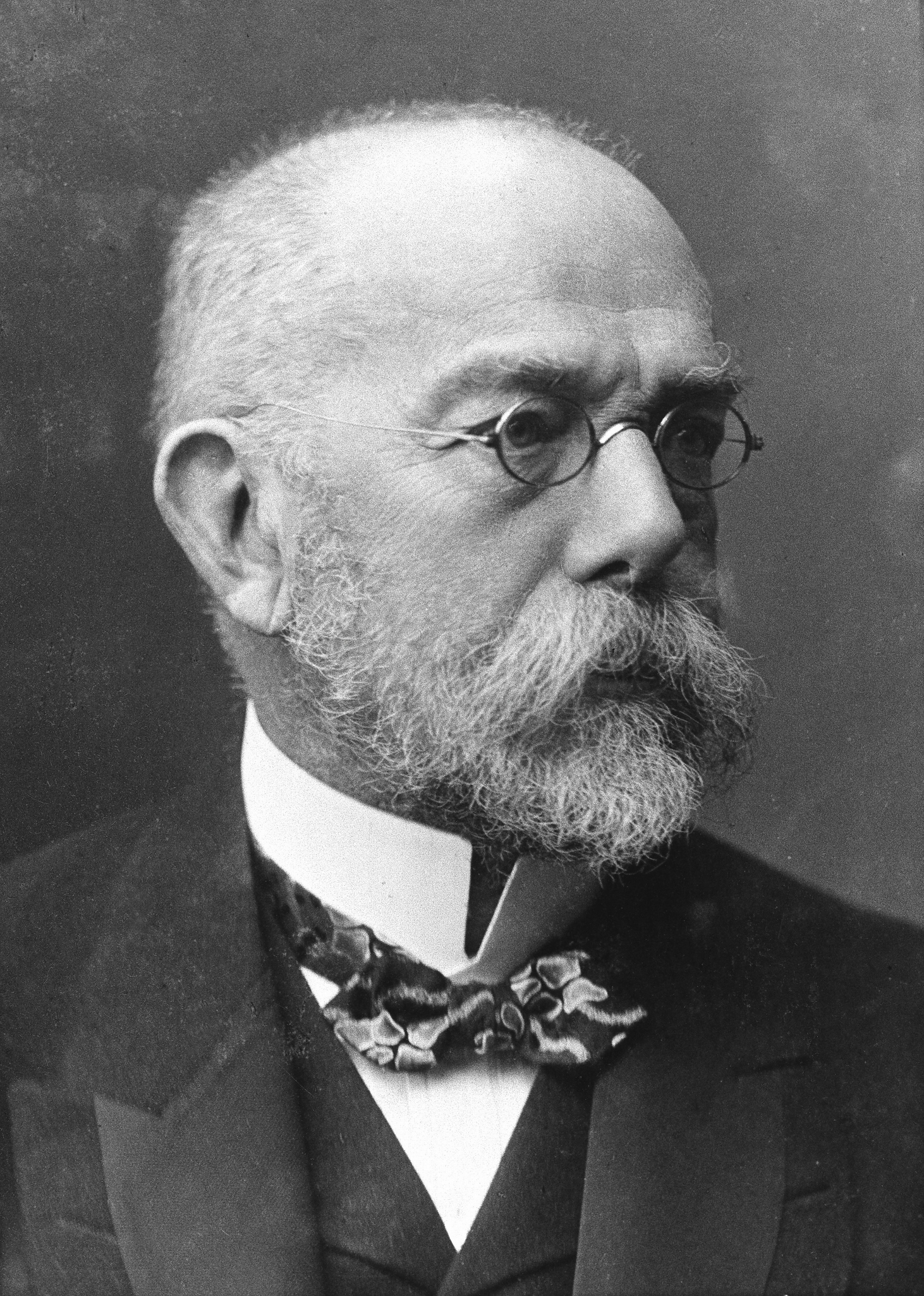
1786 MÜLLER, Otto Friedrich (1730 – 1784)
Animalcula infusoria fluviatilia et marina, quae detexit, systematice descripsit et ad vivum delineari.
Müller was the first to attempt a systematic classification of infusoria. He published several papers on the subject, the best being the above posthumous work. Muller described 8 species of the genus Vibrio (included …
GMN 2466 · https://historyofmedicine.com/id/3031
1838 EHRENBERG, Christian Gottfried (1795 – 1876)
Die Infusionsthierchen als vollkommene Organismen. 1 vol. and atlas of 64 hand-colored engraved plates.
In this monumental work in folio format Ehrenberg extended Otto Friedrich Müller’s bacteriological classification. Like Müller, he made no distinction between protozoa and bacteria, classing them both as infusoria. Hi…
GMN 111 · https://historyofmedicine.com/id/1664
1884 FINKLER, Dittmar (1852 – 1912); PRIOR, J
Untersuchungen über Cholera nostras.
Finkler and Prior isolated Vibrio proteus from stools in a case of acute gastro-enteritis.
GMN 3481 · https://historyofmedicine.com/id/5685
1884 KOCH, Robert Heinrich Hermann (1843 – 1910)
Sechster Bericht der deutschen wissenschaftlichen Commission zur Ehrforschung der Cholera.
In this paper, dated 2 February 1884, written while Koch and his team were in Calcutta, Koch first published his discovery of the cholera bacillus and the main route of its transmission. He based his discovery on the …
GMN 5108 · https://historyofmedicine.com/id/6047
1906 GOTSCHLICH, Felix (1874 – 1914)
Über Cholera- und choleraähnliche Vibrionen unter den aus Mekka zurückkehrenden Pilgern.
Isolation of El Tor vibrio, a particular strain of the bacterium Vibrio cholerae. Gotschlich first identified this strain in 1905 at a quarantine camp on the Sinai Peninsula in El Tor, Egypt . The vibrios were found i…

GMN 5111.1 · https://historyofmedicine.com/id/6061