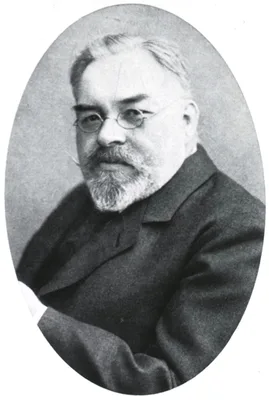
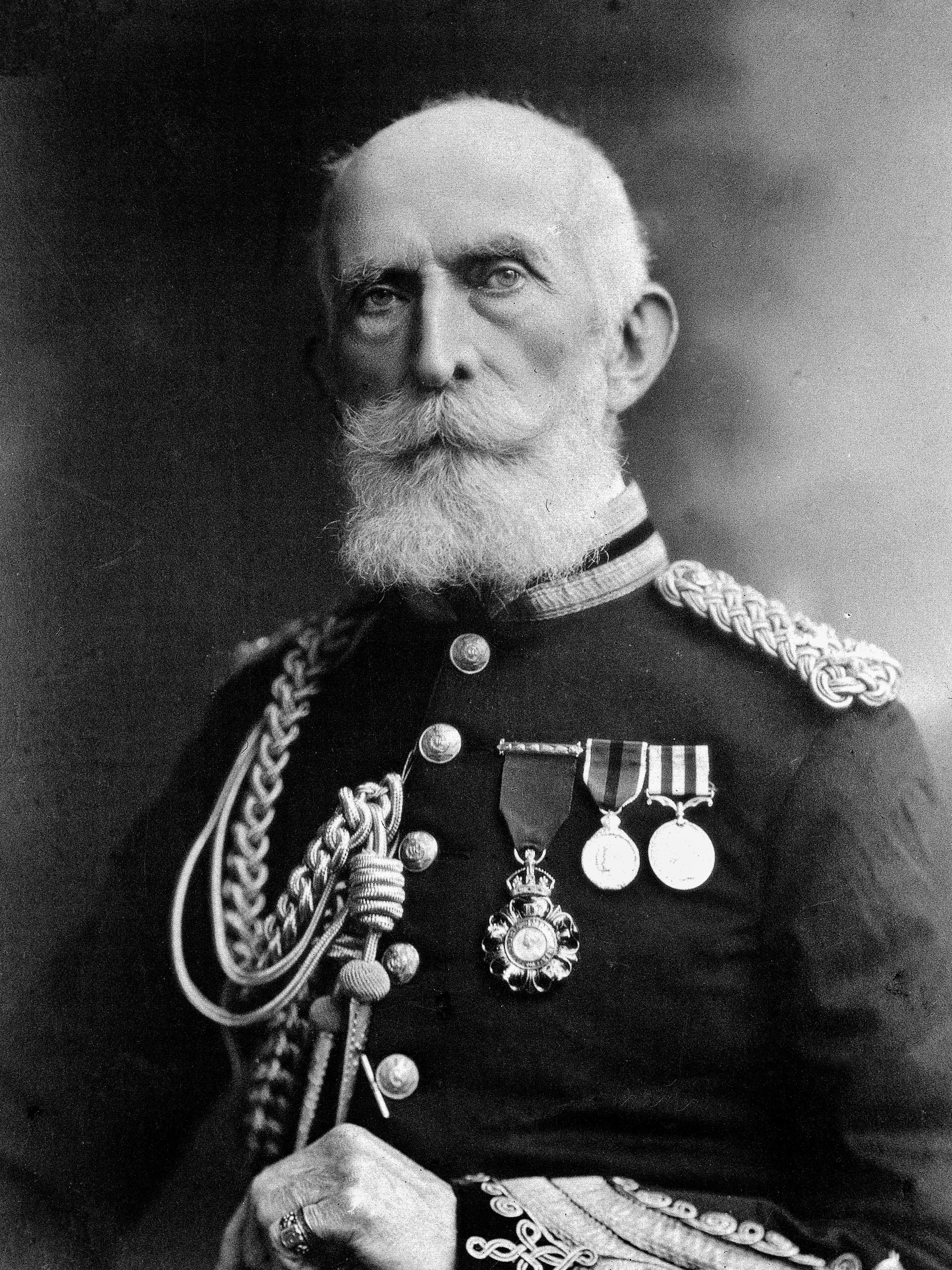
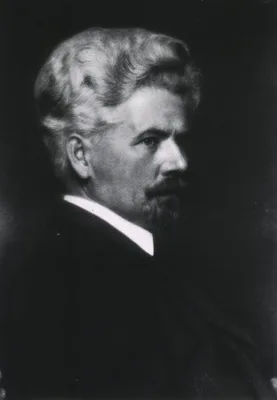
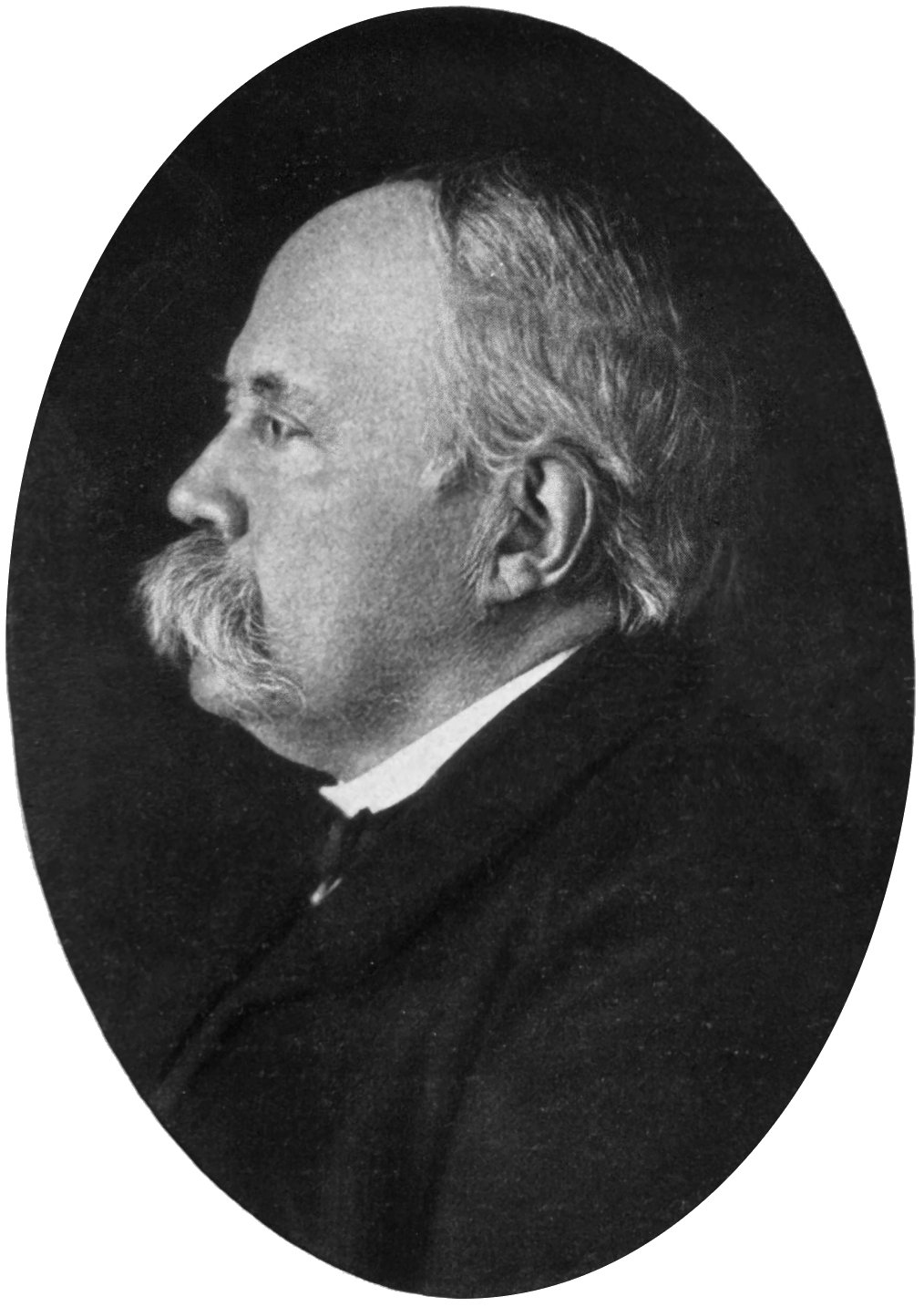
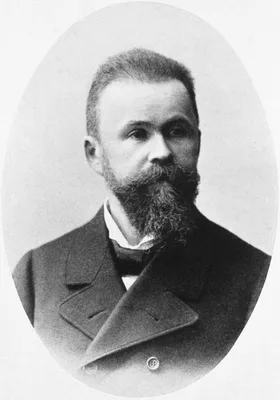
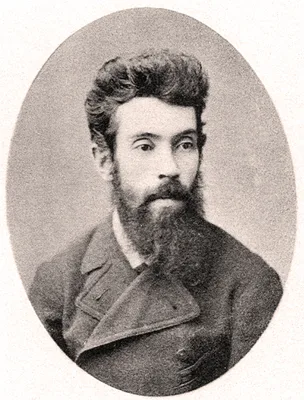
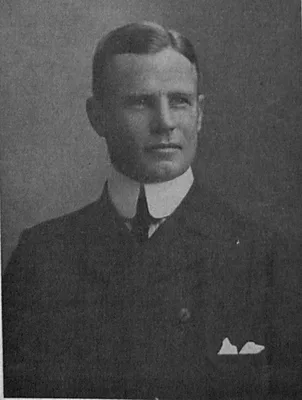
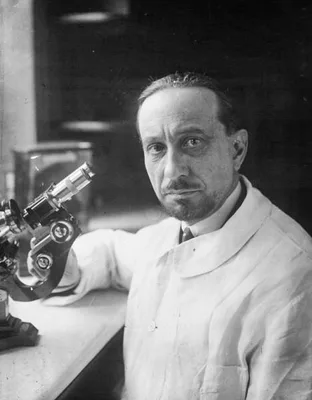
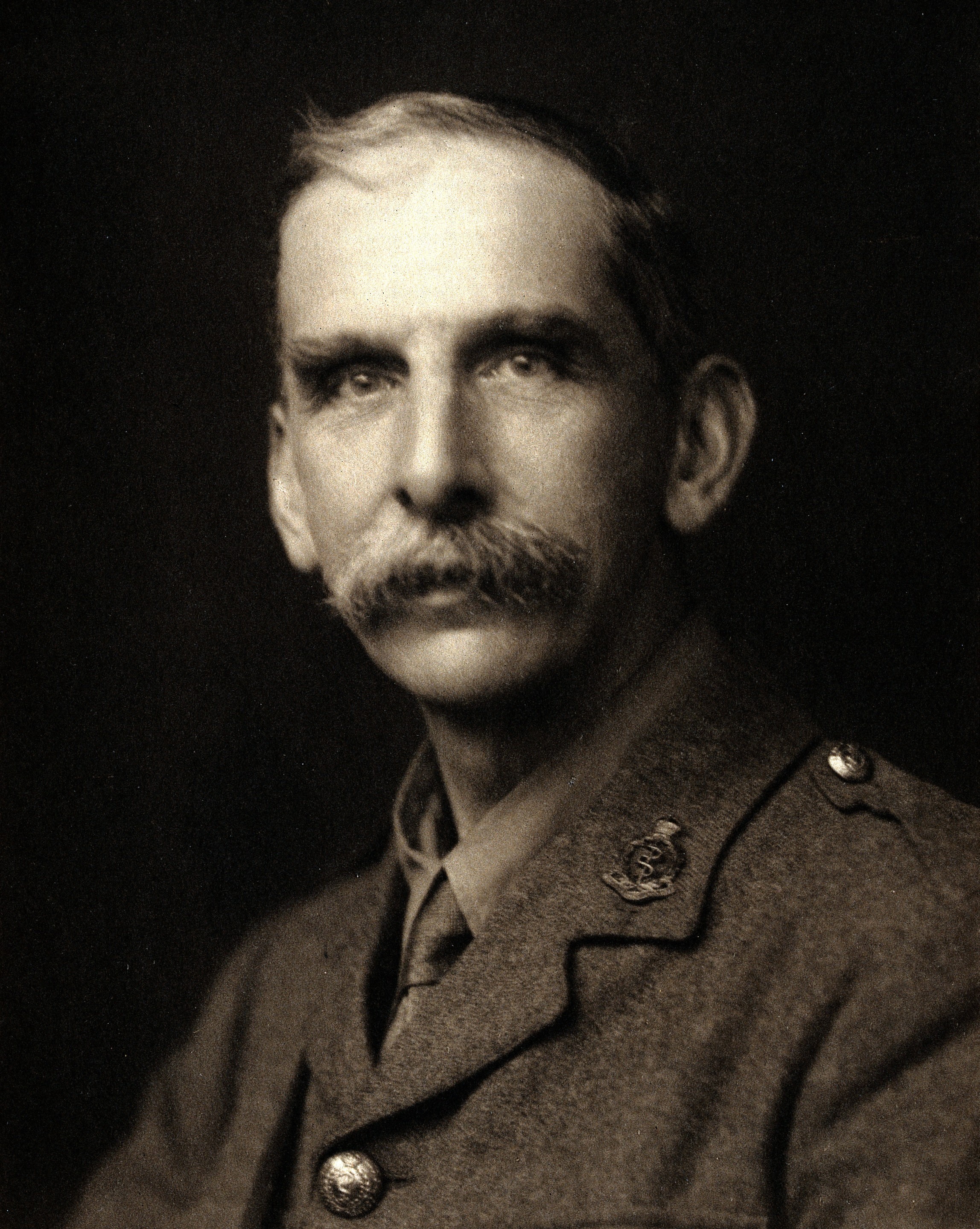
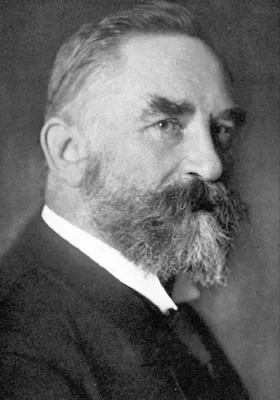
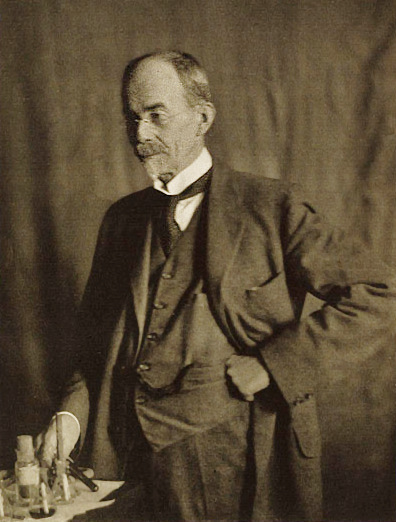
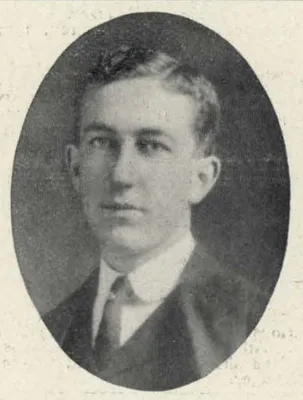
1892 NISSL, Franz (1860 – 1919)
Ueber die Veranderungen der Ganglienzellen am Fascialiskern des Kaninchens nach Ausreissung der Nerven.
GMN 1286 · https://historyofmedicine.com/id/2312
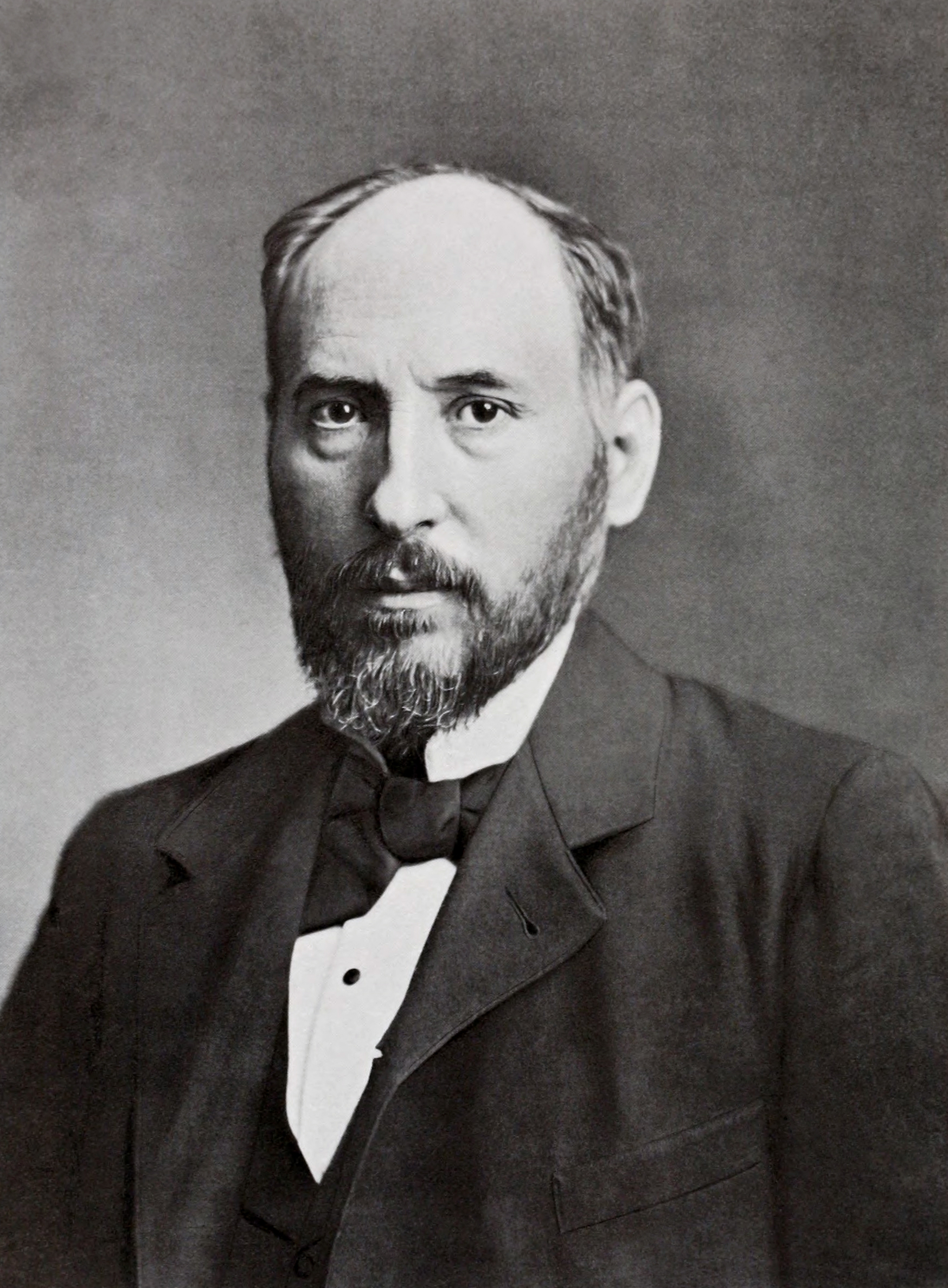
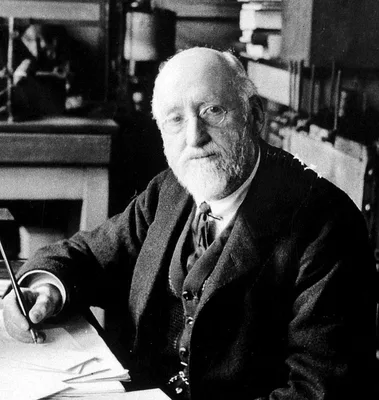
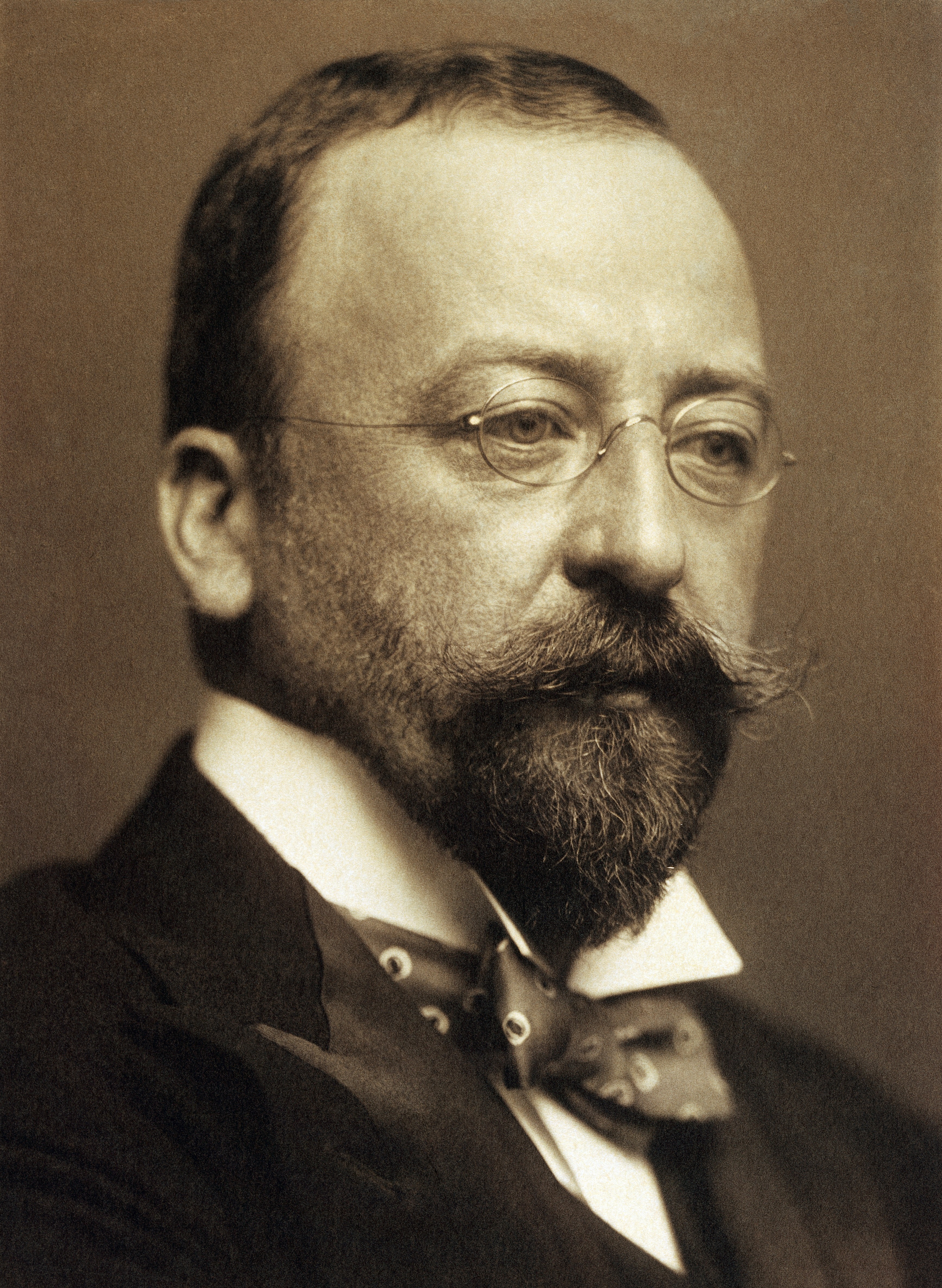
1892 CAJAL, Santiago Ramón y (1852 – 1934)
Nuevo concepto de la histologia de los centros nerviosos.
Ramón y Cajal, son of a struggling Aragonese doctor, lived to become one of the greatest of all histologists. He devised many staining methods for nervous tissue and did work of fundamental importance to neuroanatomy.…
GMN 1287 · https://historyofmedicine.com/id/2315
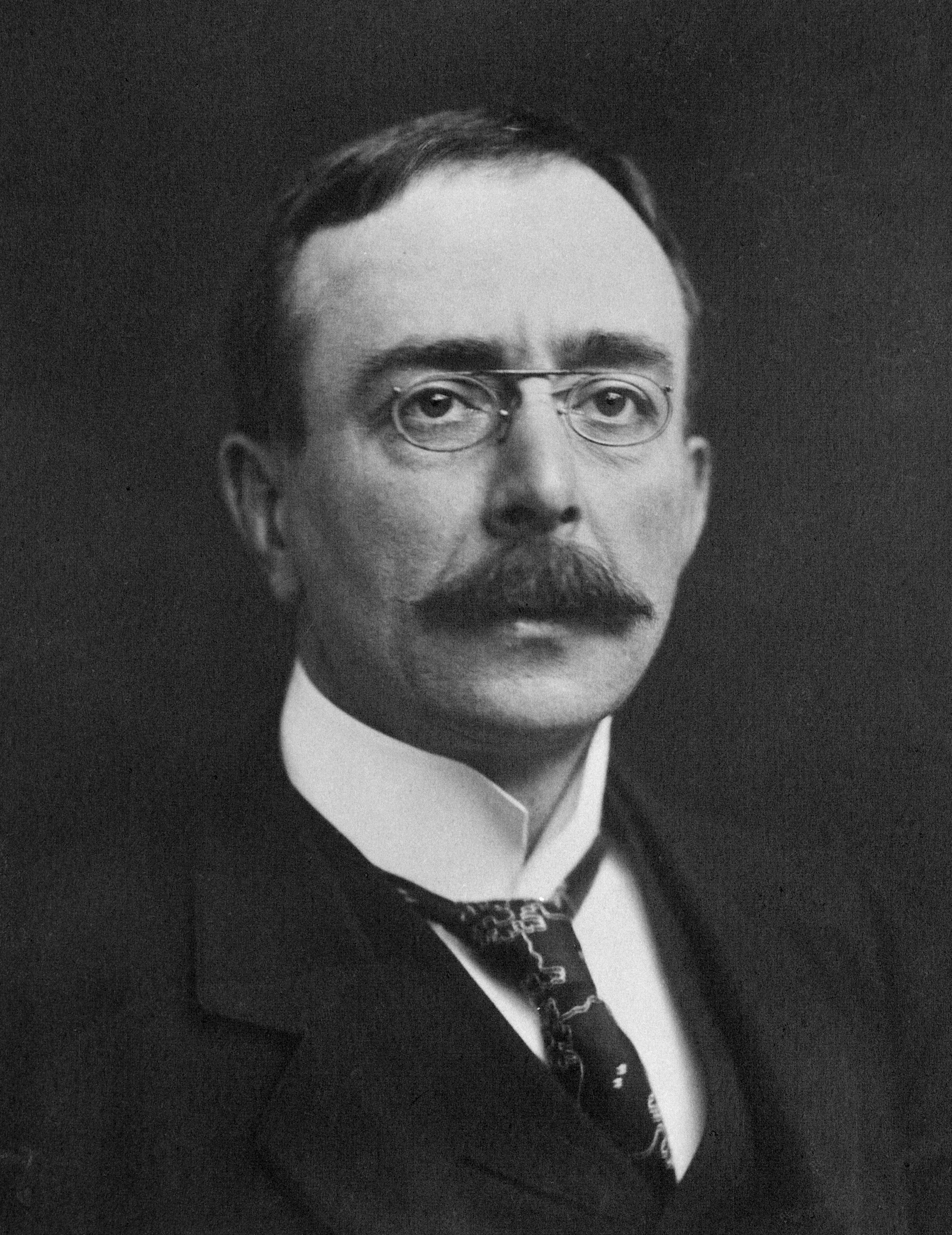
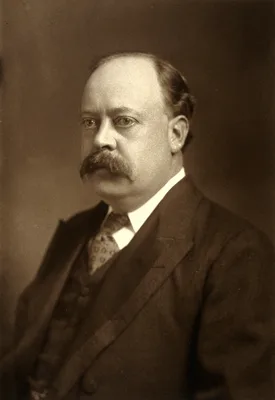
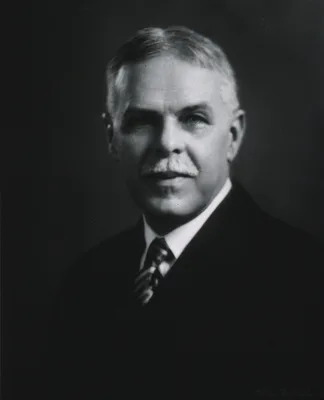
1892 SHERRINGTON, Sir Charles Scott (1857 – 1952)
Notes on the arrangement of some motor fibres in the lumbo-sacral plexus.
An analysis of the distribution of the ventral nerve roots. Sherrington showed the association of the lateral horn cells with the sympathetic outflow.
GMN 1288 · https://historyofmedicine.com/id/2319
1893 SHERRINGTON, Sir Charles Scott (1857 – 1952)
Further experimental note on the correlation of antagonistic muscles.
The first of Sherrington’s papers investigating reciprocal innervation of muscles.
GMN 1288.1 · https://historyofmedicine.com/id/2320
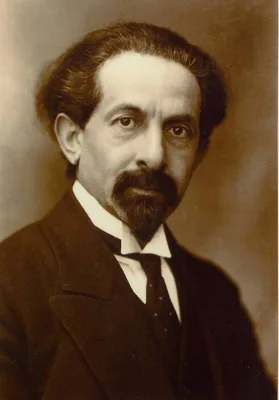
1894 FLATAU, Edward (1869 – 1932)
Atlas des menschlichen Gehirns und des Faserverlaufes.
Flatau’s law—“the greater the length of the fibers in the spinal cord the closer they are situated to the periphery”.
GMN 1372 · https://historyofmedicine.com/id/1775
1894 NISSL, Franz (1860 – 1919)
Ueber den sogenannten Granula der Nervenzellen.
“Nissl’s granules”.
GMN 1422 · https://historyofmedicine.com/id/2147
1894 LENHOSSÉK, Mihály (1863 – 1937)
Beiträge zur Histologie des Nervensystems und der Sinnesorgane.
GMN 1289 · https://historyofmedicine.com/id/2322
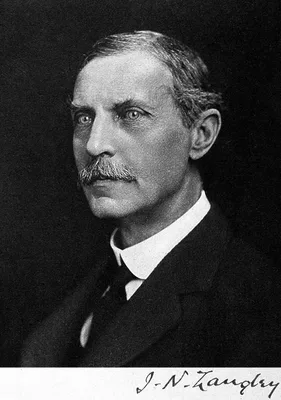
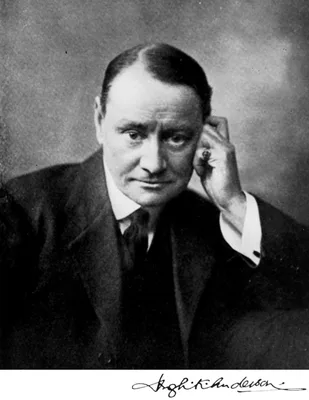
1894 LANGLEY, John Newport (1852 – 1925); ANDERSON, Sir Hugh Kerr (1865 – 1928)
On reflex action from sympathetic ganglia.
GMN 1290 · https://historyofmedicine.com/id/2325
1894 NISSL, Franz (1860 – 1919)
Ueber eine neue Untersuchungsmethode des Centralorgans speciell zur Feststellung der Localisation der Nervenzellen.
Nissl’s stain.
GMN 1291 · https://historyofmedicine.com/id/2327
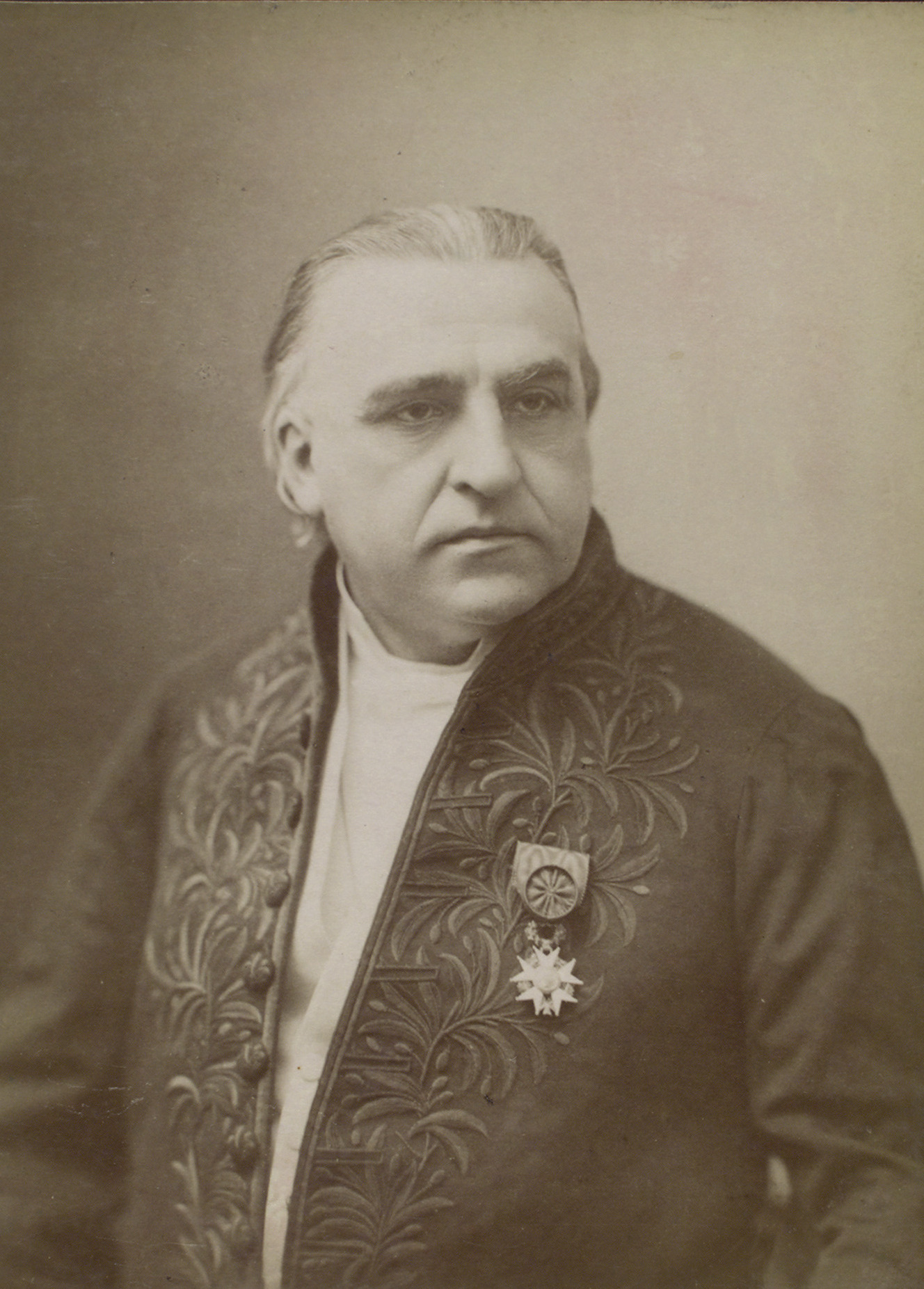
1895 CHARCOT, Jean Martin (1825 – 1893); PITRES, Albert (1848 – 1928)
Les centres moteurs corticaux chez l’homme.
Three papers by Charcot and Pitres in 1877, 1878, and 1883 left no doubt as to the existence of cortical motor centres in man. These were later published in book form (above).
GMN 1423 · https://historyofmedicine.com/id/2152
1895 –1901 DEJERINE, Joseph Jules (1849 – 1917); DEJERINE-KLUMPKE, Augusta (1859 – 1927)
Anatomie des centres nerveux. 2 vols.
Classic summary of neuroanatomy at the end of the nineteenth century—comprehensive, beautifully illustrated, and scholarly. It is a goldmine of historical information with an outstanding bibliography.
GMN 1424 · https://historyofmedicine.com/id/2158
1895 DONALDSON, Henry Herbert (1857 – 1938)
The growth of the brain.
GMN 1425 · https://historyofmedicine.com/id/2162
1896 GOLTZ, Friedrich Leopold (1834 – 1902); EWALD, Ernst Julius Richard (1855 – 1921)
Der Hund mit verkürtzen Rückenmark.
Goltz and Ewald succeeded in impregnating a bitch after its spinal cord had been severed.
GMN 1371 · https://historyofmedicine.com/id/1728
1896 RETZIUS, Magnus Gustaf (1842 – 1919)
Das Menschenhirn. Studien in der makroskopischen Morphologie. 2 vols.
Retzius studied a large series of subprimate, simian, and human brains, and clarified some of the more difficult problems of cerebral morphology.
GMN 1426 · https://historyofmedicine.com/id/2176
1897 BETHE, Albrecht (1872 – 1954)
Ueber die Primitivfibrillen in den Ganglienzellen von Menschen und andern Wirbelthieren.
GMN 1330 · https://historyofmedicine.com/id/1376
1897 –1903 WERNICKE, Carl (1848 – 1905)
Atlas des Gehirns: Schnitte durch das menschliche Gehirn in photographischen Originalen. 3 Abteilungen in 4 Bänden.
Abt. 1: 32 Frontalschnitte durch eine Grosshirnhemisphäre / hergestellt und erl. von Dr. Ernst Hahn und Dr. Heinrich Sachs (1897) Breslau : Verl. der Königlichen psychiatrischen Klinik, in Comm. bei Schletter [1] Bl.,…
GMN 1427 · https://historyofmedicine.com/id/2179
1898 DOGIEL, Alexander Stanislovich (1852 – 1922)
Die sensiblen Nervenendigungen im Herzen und in den Blutgefässen der Säugethiere.
“Dogiel’s end-bulbs” – sensory nerve-endings.
GMN 1292 · https://historyofmedicine.com/id/2329
1899 DOGIEL, Alexander Stanislovich (1852 – 1922)
Ueber den Bau der Ganglien in den Geflechten des Darmes und der Gallenblase des Menschen und der Säugethiere.
Classification of the neurones of spinal and other ganglia.
GMN 1293 · https://historyofmedicine.com/id/2333
1899 –1904 CAJAL, Santiago Ramón y (1852 – 1934)
Textura del sistema nervioso del hombre y de los vertebrados. 2 vols. in 3.
From publication in fascicules, 1897-1904 (vol. 1 in 3 pts., vol. 2 in 4 pts.) This monumental work set out the cytological and histological foundations of modern neurology. Ramón y Cajal’s research confirmed the neur…
GMN 1293.1 · https://historyofmedicine.com/id/2335
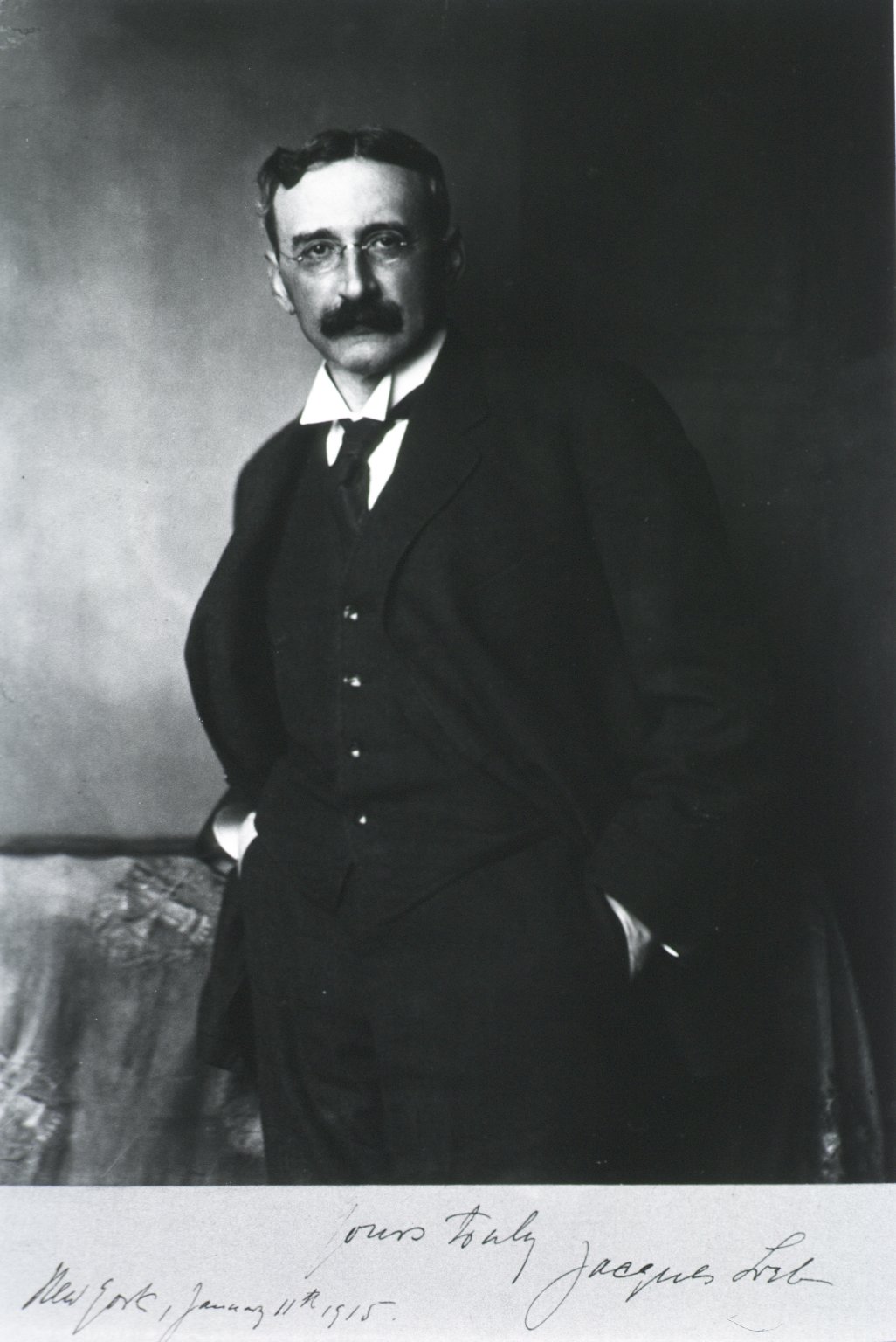
1899 LOEB, Jacques (1859 – 1924)
Einleitung in die vergleichende Gehirnphysiologie und vergleichende Psychologie.
GMN 1428 · https://historyofmedicine.com/id/2633
1901 CAJAL, Santiago Ramón y (1852 – 1934)
Estructura dela corteza cerebral olfativa del hombre y mamíferos.
Ramón y Cajal’s descriptions of the limbic cortex are still the most authoritative. The above work and three shorter papers in the same volume were translated by L.M. Kraft as Studies on the cerebral cortex, London, 1…
GMN 1428.1 · https://historyofmedicine.com/id/2186
1901 BAYLISS, Sir William Maddock (1860 – 1924)
On the origin from the spinal cord of the vaso-dilator fibres of the hindlimb, and on the nature of these fibres.
GMN 1294 · https://historyofmedicine.com/id/2346
1901 HALLIBURTON, William Dobinson (1860 – 1931)
The Croonian Lectures on the chemical side of nervous activity. Delivered before the Royal College of Physicians of London, in June, 1901.
First edition in book form, expanded from the journal publications, London: Bale, 1901. Digital facsimile of the book-form edition from the Internet Archive at this link.
GMN 1295 · https://historyofmedicine.com/id/2352
1902 KIENBÖCK, Robert (1871 – 1953)
Kritik der sogenannten “traumatischen Syringomyelie”.
Traumatic cavity formation in the spinal cord, so well described by Kienböck, is known as “Kienböck’s disease”.
GMN 4591 · https://historyofmedicine.com/id/477
1902 BAYLISS, Sir William Maddock (1860 – 1924)
Further researches on antidromic nerve-impulses.
GMN 1373 · https://historyofmedicine.com/id/1776
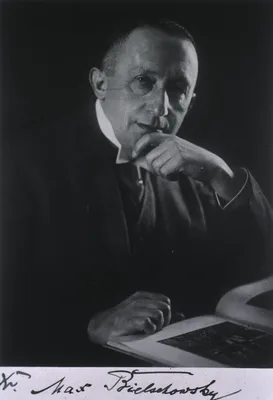
1902 BIELSCHOWSKY, Max (1869 – 1940)
Die Silberimprägnation der Axencylinder.
Bielschowsky’s method of silver staining of nerve fibers. Further paper in the same journal, 1903, 22, 997-1006.
GMN 1296 · https://historyofmedicine.com/id/2356
1903 VOGT, Oskar (1870 – 1959)
Zur anatomischen Gliederung des Cortex cerebri.
GMN 1429 · https://historyofmedicine.com/id/2190
1903 HERRING, Percy Theodore (1872 – 1967)
The spinal origin of the cervical sympathetic nerve.
Section of the white rami caused retrograde degeneration of the lateral column cells.
GMN 1297 · https://historyofmedicine.com/id/2359
1904 ELLIOTT, Thomas Renton (1877 – 1961)
On the action of adrenalin.
The first intimation of the chemical mediation of nerve impulses was given in Elliott’s suggestion that when a sympathetic nerve impulse arrives at a smooth-muscle cell it liberates adrenaline, which acts as a chemica…
GMN 1336 · https://historyofmedicine.com/id/1440
1905 –1906 HOWELL, William Henry (1860 – 1945)
Vagus inhibition of the heart in its relation to the inorganic salts of the blood.
Howell suggested that nerve impulses act indirectly by increasing the amount of diffusible potassium compounds in the heart tissue.
GMN 1337 · https://historyofmedicine.com/id/1446
1905 CAMPBELL, Alfred Walter (1868 – 1937)
Histological studies on the localisation of cerebral function.
The precentral area of the cerebral cortex is known as “Campbell’s area”. Campbell and Brodmann were pioneers in the study of the architectonics of the cerebral cortex, or cerebral cytoarchitecture. Digital facsimile …
GMN 1430 · https://historyofmedicine.com/id/2195
1905 HEAD, Sir Henry (1861 – 1940); SHERREN, James (1872 – 1945); RIVERS, William Halse Rivers (1864 – 1922)
The afferent nervous system from a new aspect.
This paper opened up a new field in the study of the sensory functions of the skin, and the theories put forward in it dominated neurological thought until 1940.
GMN 1298 · https://historyofmedicine.com/id/2364
1905 HEAD, Sir Henry (1861 – 1940); SHERREN, James (1872 – 1945)
The consequences of injury to the peripheral nerves in man.
GMN 1299 · https://historyofmedicine.com/id/2365
1906 HUNT, Reid (1870 – 1948); TAVEAU, René de Mortemer (1876 – )
On the physiological action of certain cholin derivatives and new methods for detecting cholin.
Discovery of the remarkable hypotensive effect of acetylcholine.
GMN 1338 · https://historyofmedicine.com/id/1457
1906 HEAD, Sir Henry (1861 – 1940); THOMPSON, Harold Theodore (1878 – 1935)
The grouping of afferent impulses within the spinal cord.
GMN 1374 · https://historyofmedicine.com/id/1777
1906 DEJERINE, Joseph Jules (1849 – 1917); ROUSSY, Gustave (1874 – 1948)
Le syndrome thalamique.
The “thalamic syndrome”, investigations of the effect of localized thalamic injury.
GMN 1431 · https://historyofmedicine.com/id/2203
1906 SHERRINGTON, Sir Charles Scott (1857 – 1952)
The integrative action of the nervous system.
Sherrington insisted that the essential function of the nervous system was the co-ordination of activities of the various parts of the organism. His work on the nervous system, especially his experimental studies of r…
GMN 1432 · https://historyofmedicine.com/id/2209
1906 MACALLUM, Archibald Byron (1858 – 1934); MENTEN, Maud Lenore (1879 – 1960)
On the distribution of chlorides in nerve cells and fibres.
GMN 1300 · https://historyofmedicine.com/id/2370
1906 SHERRINGTON, Sir Charles Scott (1857 – 1952)
On the proprio-ceptive system, especially in its reflex aspect.
Sherrington investigated and explained the proprioceptive system.
GMN 1300.1 · https://historyofmedicine.com/id/2372
1907 SMITH, Sir Grafton Elliot (1871 – 1937)
A new topographical survey of the human cerebral cortex, being an account of the distribution of the anatomically distinct cortical areas and their relationship to the cerebral sulci.
Elliot Smith, Professor of Anatomy at Cairo, Manchester, and University College, London, initiated modern studies of cerebral function with his work on the cortical pattern of the human brain. He identified 50 areas.
GMN 1433 · https://historyofmedicine.com/id/2220
1908 –1909 DIXON, Walter Ernest (1871 – 1931); HAMILL, Philip (1883 – 1959)
The mode of action of specific substances with special reference to secretin.
These workers drew attention to the similarity between the effects of nerve stimulation and certain drugs, especially muscarine, on the heart.
GMN 1339 · https://historyofmedicine.com/id/1461
1908 BRODMANN, Korbinian (1868 – 1918)
Beiträge zur histologischen Lokalisation der Grosshirnrinde. VI. Die Cortexgliederung des Menschen.
“Brodmann’s areas”, the occipital and pre-occipital area of the cerebral cortex.
GMN 1434 · https://historyofmedicine.com/id/2222
1908 HORSLEY, Sir Victor Alexander Haden (1857 – 1916); CLARKE, Robert Henry (1850 – 1926)
The structure and functions of the cerebellum examined by a new method.
Stereotactic apparatus for the accurate location of electrodes in the brain. The apparatus devised by Horsley and Clarke opened the way to stereotactic surgery of the brain.
GMN 1435.1 · https://historyofmedicine.com/id/2230
1908 DOGIEL, Alexander Stanislovich (1852 – 1922)
Der Bau der Spinalganglien des Menschen und der Säugetiere.
GMN 1301 · https://historyofmedicine.com/id/2376
1908 HEAD, Sir Henry (1861 – 1940); RIVERS, William Halse Rivers (1864 – 1922)
A human experiment in nerve division.
Head submitted to the division of his own left radial and external cutaneous nerves. His subsequent study of the loss and restoration of sensation thus brought about, led to a reclassification of the sensory pathways.…
GMN 1302 · https://historyofmedicine.com/id/2380
1909 MONAKOW, Constantin von (1853 – 1930)
Der rote Kern, die Haube und die Regio hypothalamica bei einigen Säugetieren und beim Menschen.
“Monakow’s bundle”, the rubrospinal tract.
GMN 1375 · https://historyofmedicine.com/id/1778
1909 BRODMANN, Korbinian (1868 – 1918)
Vergleichende Lokalisationslehre der Grosshirnrinde in ihren Prinzipien dargestellt auf Grund des Zellenbaues.
Brodmann was a pioneer in the study of cytoarchitectonics, and this work forms the basis for localization of function in the cerebral cortex. Brodmann's "areas" are used to designate cortical function regions. Brodman…
GMN 1435 · https://historyofmedicine.com/id/2226
1909 KARPLUS, Johann Paul (1866 – 1936); KREIDL, Alois (1864 – 1928)
Gehirn und Sympathicus.
First experimental studies on hypothalmic function
GMN 1436 · https://historyofmedicine.com/id/2233
1909 SACHS, Ernest (1879 – 1958)
On the structure and functional relations of the optic thalamus.
GMN 1437 · https://historyofmedicine.com/id/2234
1910 ABEL, John Jacob (1857 – 1938); BARBOUR, Henry Gray (1886 – 1943)
Tetanic convulsions in frogs produced by acid fuchsin, and their relation to the problem of inhibition in the central nervous system.
GMN 1438 · https://historyofmedicine.com/id/2235