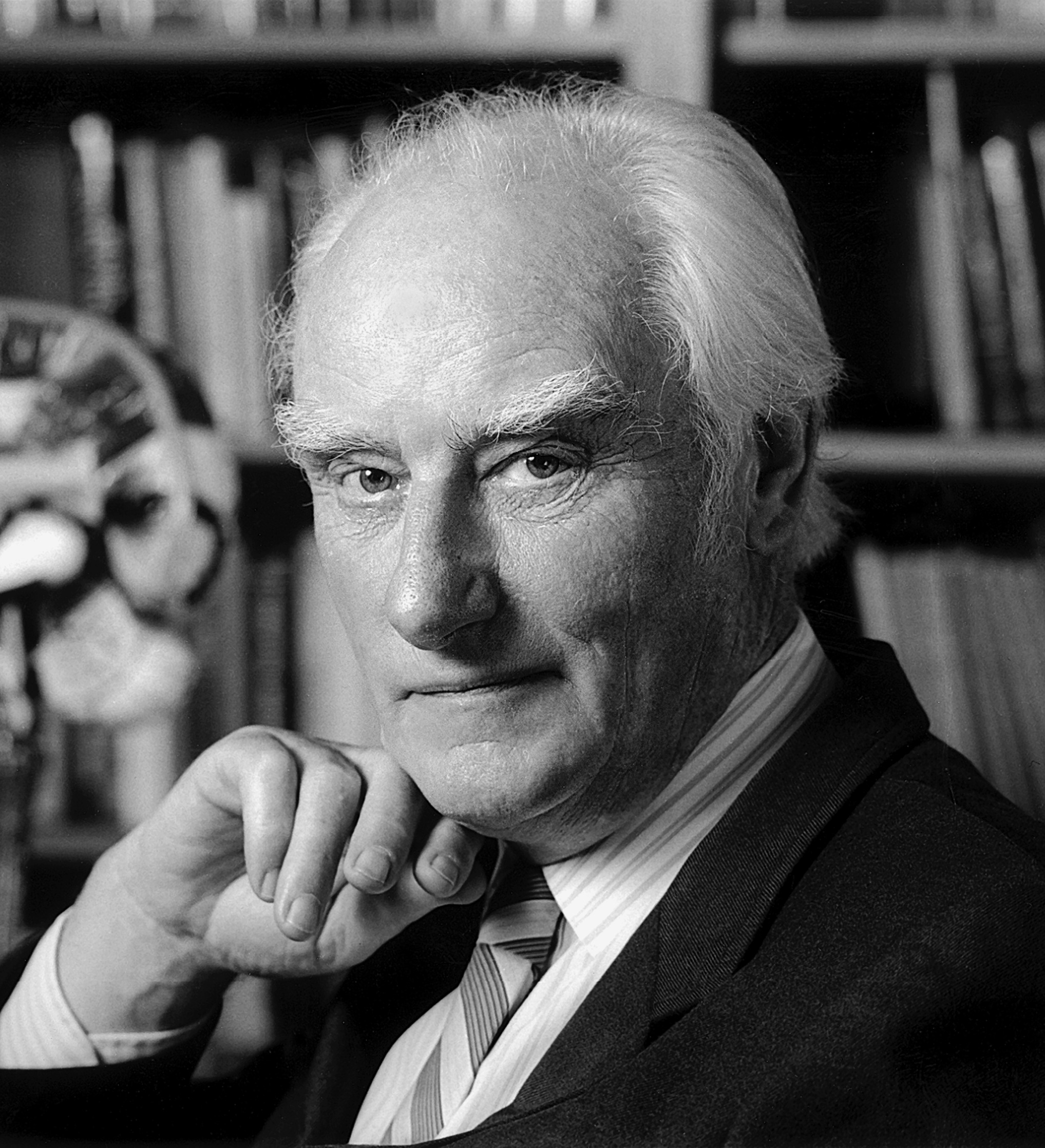
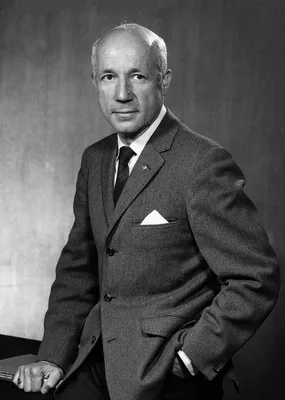
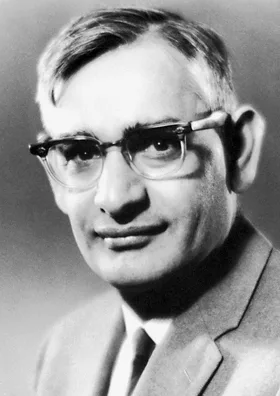
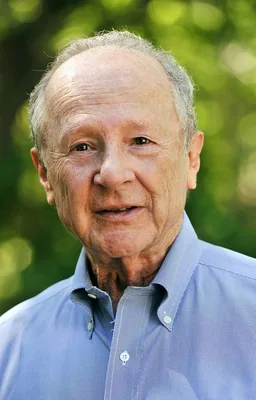
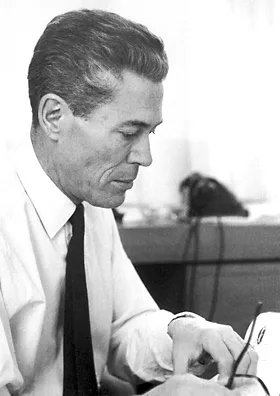
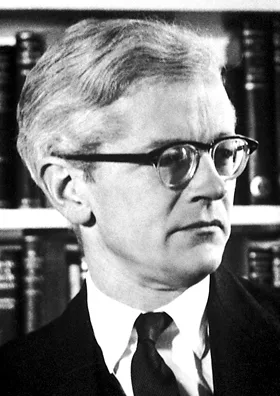
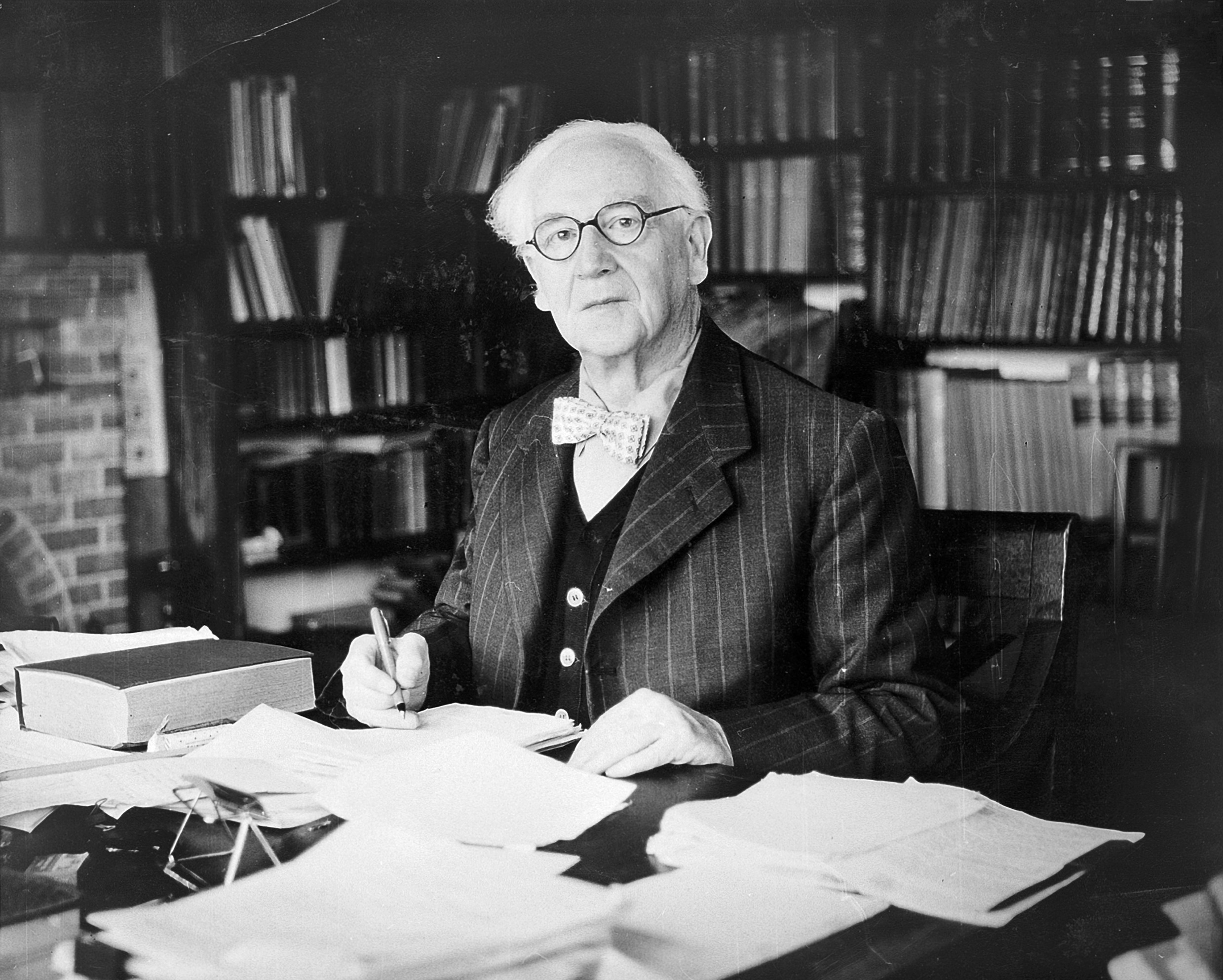
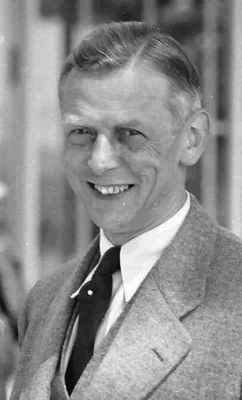
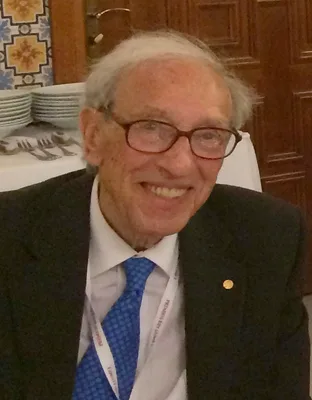
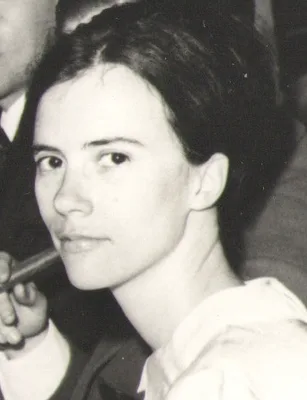
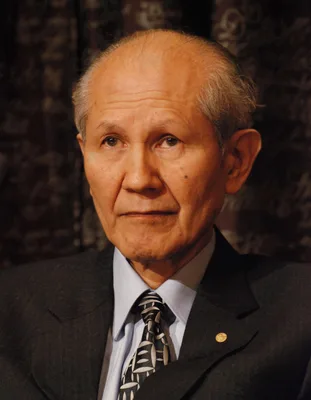
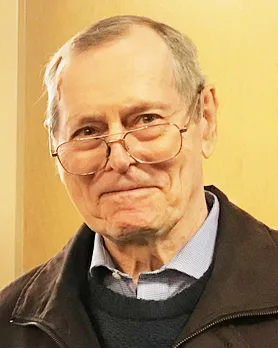
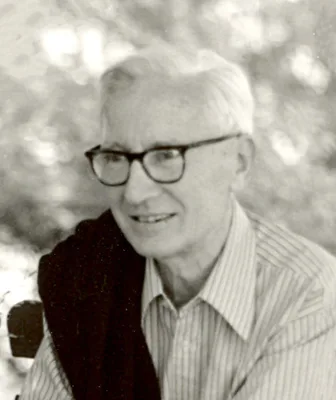
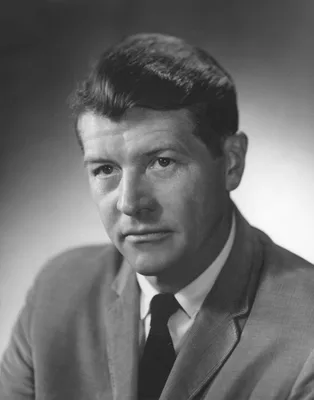
1955 CRICK, Francis Harry Compton (1916 – 2004); RICH, Alexander (1924 – 2015)
The structure of collagen.
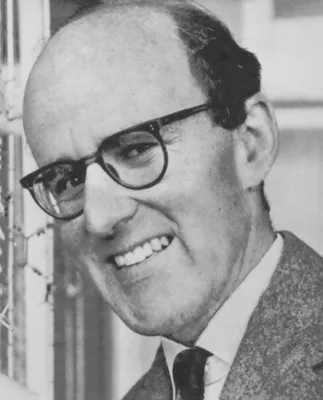
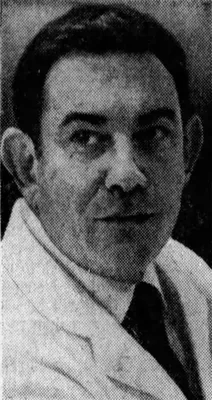
Rich and Crick solved the structure of collagen, the main structural protein in the extracellular matrix found in the body's various connective tissues. As the main component of connective tissue, it is the most abund…
GMN 13954 · https://historyofmedicine.com/id/16253
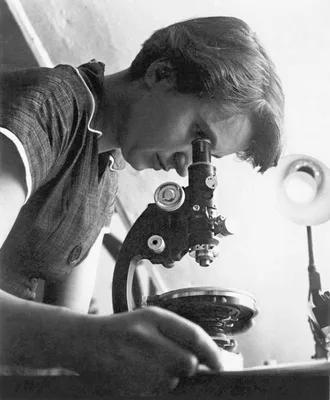
1955 FRANKLIN, Rosalind Elsie (1920 – 1958)
Structure of tobacco mosaic virus.
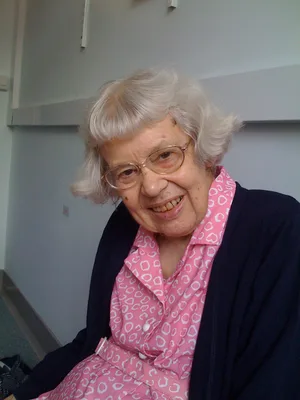
The first discovery of the geometry of a protein structure. Franklin, whose X-ray photographs of DNA were crucial to Watson and Crick's discovery of the molecule's double helix structure in 1953, began researching the…
GMN 14001 · https://historyofmedicine.com/id/16306
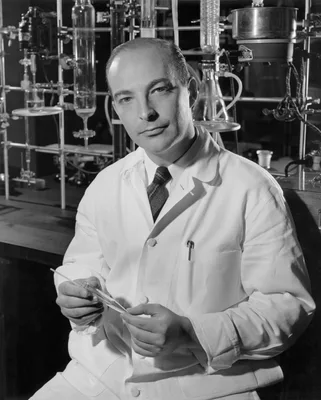
1956 KORNBERG, Arthur (1918 – 2007); LEHMAN, Israel Robert (1924 – ); BESSMAN, Maurice Jules (1928 – 2021); SIMMS, E. S.; ET AL
Enzymic synthesis of deoxyribonucleic acid.
In 1959 Kornberg shared the Nobel Prize in Physiology or Medicine with Severo Ochoa "for their discovery of the mechanisms in the biological synthesis of ribonucleic acid and deoxyribonucleic acid." Order of authorshi…
GMN 752.4 · https://historyofmedicine.com/id/1739
1956 GIERER, Alfred (1929 – ); SCHRAMM, Gerhard (1910 – 1989)
Infectivity of ribonucleic acid from tobacco mosaic virus.
Proof that nucleic acid produces infectivity. See also Z. Naturf., 1956, 11b, 138-42.
GMN 2578.17 · https://historyofmedicine.com/id/4154
1956 TJIO, Joe Hin (1919 – 2001); LEVAN, Albert (1905 – 1998)
The chromosome number in man.
Proof that the normal chromosome number in man is 46.
GMN 256.5 · https://historyofmedicine.com/id/8702
1957 CALVIN, Melvin Ellis (1911 – 1997); BASSHAM, James Alan (1922 – 2012)
The path of carbon in photosynthesis.
Discovery of the Calvin cycle, also known as the Calvin–Benson–Bassham (CBB) cycle, or reductive pentose phosphate cycle or C3 cycle — a series of biochemical redox reactions that take place in the stroma of chloropla…
GMN 7386 · https://historyofmedicine.com/id/9558
1957 HARVEY, Edmund Newton (1887 – 1959)
A history of luminescence: From the earliest times until 1900.
A history of bioluminescence, the production and emission of light by living organisms.
GMN 11653 · https://historyofmedicine.com/id/13854
1957 CRICK, Francis Harry Compton (1916 – 2004)
Nucleic acids.
This paper published in September 1957, based on Crick's famous "Central Dogma" lecture given the same month, presented his first published statement of The Central Dogma: “Information is transmitted from DNA and RNA …
GMN 13097 · https://historyofmedicine.com/id/15349
1958 GILHAM, Peter Thomas (1930 – 2008); KHORANA, Har Gobind (1922 – 2011)
Studies on polynucleotides. I. A new and general method for the chemical synthesis of the C5'-C3' intemucleotide linkage. Synthesis of deoxyribo-dinucleotides.
In 1968 Khorana shared the Nobel Prize in Physiology or Medicine with R. W. Holley and M. W. Nirenberg "for their interpretation of the genetic code and its function in protein synthesis." H. G. Khorana, T. M. Jacob, …
GMN 752.6 · https://historyofmedicine.com/id/1862
1958 BODENHEIMER, Frederick Simon (1897 – 1959)
The history of biology.
GMN 145 · https://historyofmedicine.com/id/2412
1958 MESELSON, Matthew Stanley (1930 – ); STAHL, Franklin William (1929 – )
The replication of DNA in Escherichia coli.
The so-called Meselson-Stahl experiment, the first proof of semi-conservative replication of DNA. Semi-conservative replication describes the mechanism of DNA replication in all known cells. It derives its name from t…
GMN 256.6 · https://historyofmedicine.com/id/8703
1958 JACOB, François (1920 – 2013); MONOD, Jacques (1910 – 1976); PARDEE, Arthur Beck (1921 – )
Sur l’expression et le rôle des allèles “inductible” et “constitutif” dans la synthèse de la β-galactosidase chez des zygotes d’ “Escherichia coli.
The “PaJaMo” experiment of PArdee, JAcob, and MOnod “broke the impasse in Crick and Brenner’s comprehension of how information in the sequence of bases in DNA came to be expressed as a sequence of the amino acids in p…
GMN 6894 · https://historyofmedicine.com/id/9058
1958 CRICK, Francis Harry Compton (1916 – 2004)
On protein synthesis.
This paper proposed two general principles: 1) The Sequence Hypothesis: “The order of bases in a portion of DNA represents a code for the amino acid sequence of a specific protein. Each ‘word’ in the code would name a…
GMN 6895 · https://historyofmedicine.com/id/9059
1958 KENDREW, Sir John Cowdery (1917 – 1997); DINTZIS, Howard M.
A three-dimensional model of the myoglobin molecule obtained by x-ray analysis.
Initial paper on the first solution of the three-dimensional molecular structure of a protein. Computing the molecular structure in 3 dimensions was possible through the use of the Cambridge EDSAC stored-program elect…
GMN 6911 · https://historyofmedicine.com/id/9076
1959 SINGER, Charles Joseph (1876 – 1960)
A history of biology to about the year 1900. A general introduction to the study of living things. 3rd ed.
GMN 144 · https://historyofmedicine.com/id/2266
1959 HUGHES, Arthur Frederick William (1908 – 1975)
A history of cytology.
Digital facsimile from the Internet Archive at this link.
GMN 145.1 · https://historyofmedicine.com/id/2415
1959 BUTENANDT, Adolf Friedrich Johann (1903 – 1995); KARLSON, Peter
Pheromones (ectohormones) in insects.
Karlson and Butenandt (Nobel Prize 1939) defined pheromones as “substances which are secreted to the outside by an individual of the same species, in which they release a specific reaction, for example, a definite beh…
GMN 14056 · https://historyofmedicine.com/id/16366
1959 KREBS, Edwin Gerhard (1918 – 2009); GRAVES, Donald J. (1931 – 2007); FISCHER, Edmond Henri (1920 – 2021)
Factors affecting the activity of muscle phosphorylase b kinase.
In 1992 Krebs and Fischer were awarded the Nobel Prize in Physiology or Medicine "for their discoveries concerning reversible protein phosphorylation as a biological regulatory mechanism." Digital facsimile from PubMe…
GMN 14141 · https://historyofmedicine.com/id/16455
1960 KENDREW, Sir John Cowdery (1917 – 1997); ET AL
Structure of myoglobin: A three-dimensional Fourier synthesis at 2 Å resolution.
Kendrew's second paper reporting the first solution of the three-dimensional molecular structure of a protein, for which he shared the 1962 Nobel Prize in chemistry with Max Perutz, who solved the structure of the rel…
GMN 6912 · https://historyofmedicine.com/id/9077
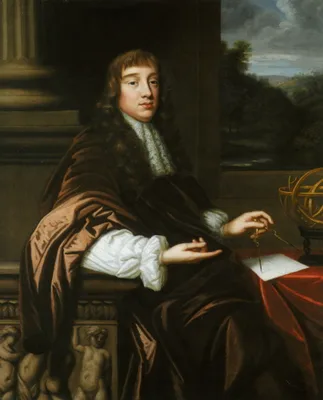
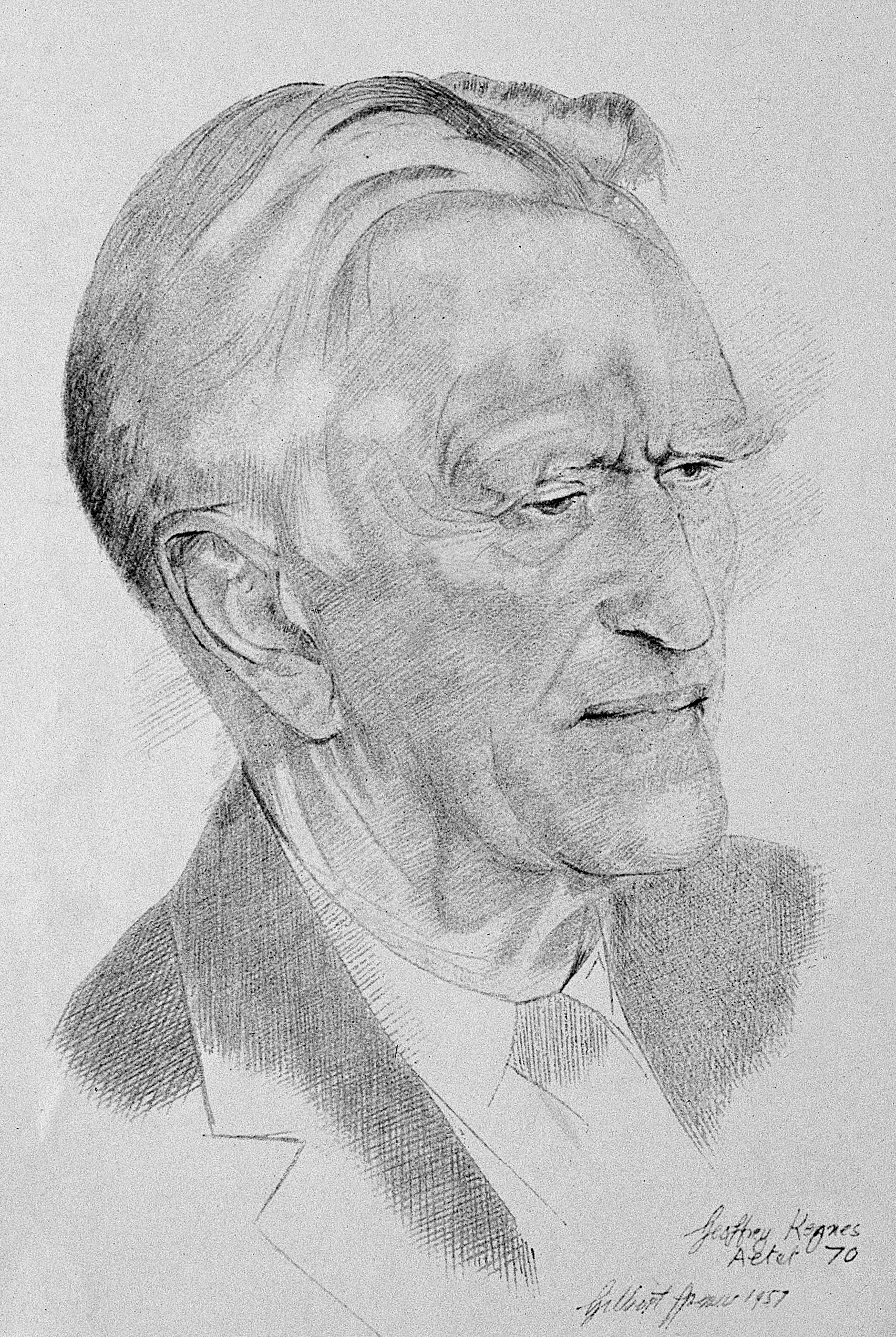
1960 HOOKE, Robert (1635 – 1703); KEYNES, Sir Geoffrey Langdon (1887 – 1982)
A bibliography of Dr. Robert Hooke by Geoffrey Keynes, Kt.
GMN 11202 · https://historyofmedicine.com/id/13399
1960 MARMUR, Julius (1926 – 1996); DOTY, Paul Mead (1920 – 2011)
Strand separation and specific recombination in deoxyribonucleic acids: Biological studies: Physical chemical studies.
While working in the laboratory of Paul Doty at Harvard University, Marmur discovered that the denaturation of DNA was reversible (DNA hybridization) and depended on salt- and GC-content. Marmur and Doty accurately de…
GMN 13962 · https://historyofmedicine.com/id/16264
1960 JACOB, François (1920 – 2013); MONOD, Jacques (1910 – 1976); ET AL
L'opéron: Groupe de gènes à expression coordonnée par un opérateur.
Jacob and Monod received their share of the Nobel Prize in 1965 for their discoveries concerning the operon and viral synthesis. The first operon they described was the lac operon in E. coli. Their operon theory sugge…
GMN 13995 · https://historyofmedicine.com/id/16299
1960 PERUTZ, Max Ferdinand (1914 – 2002); ROSSMANN, Michael G. (1930 – 2019); CULLIS, Ann F.; MUIRHEAD, Hilary; WILL, Georg A.; NORTH, A. C. T.
Structure of haemoglobin: A three-dimensional Fourier synthesis at 5.5-A. resolution, obtained by X-ray analysis.
Solution of the structure of hemoglobin, a protein with 10,000 atoms. This was the culmination of 30 years of research by Perutz. Order of authorship in the original paper: Perutz, Rossmann, Culis, Muirhead, Will, Nor…
GMN 14283 · https://historyofmedicine.com/id/16606
1960 MOORE, Stanford (1913 – 1982); STEIN, William Howard (1911 – 1980); HIRS, C. H. W.
The sequence of the amino acid residues in performic acid-oxidized ribonuclease.
In 1959 Moore and Stein announced the first determination of the complete amino acid sequence of an enzyme, ribonuclease. In 1972 Moore and Stein shared half of the Nobel Prize in Chemistry with Christian B. Anfinsen …
GMN 14306 · https://historyofmedicine.com/id/16631
1961 LYON, Mary Frances (1925 – 2014)
Gene action in the X-chromosome of the mouse (Mus musculus L).
Theory of differential inactivation of the X-chromosome. See also Amer. J. hum. Genet., 1962, 14, 135-48.
GMN 256.7 · https://historyofmedicine.com/id/8704
1961 CRICK, Francis Harry Compton (1916 – 2004); BRENNER, Sydney (1927 – 2019); BARNETT, Leslie Margaret Collard (1920 – 2002); WATTS-TOBIN, Richard J.
General nature of the genetic code for proteins.
The codons in DNA specifying amino acids in proteins.
GMN 256.8 · https://historyofmedicine.com/id/8705
1961 JACOB, François (1920 – 2013); MONOD, Jacques (1910 – 1976)
Genetic regulatory mechanisms in the synthesis of proteins.
In 1965 Jacob, Monod, and André Lwoff shared the Nobel Prize in Physiology or Medicine "for their discoveries concerning genetic control of enzyme and virus synthesis."
GMN 256.9 · https://historyofmedicine.com/id/8706
1961 MESELSON, Matthew Stanley (1930 – ); JACOB, François (1920 – 2013); BRENNER, Sydney (1927 – 2019)
An unstable intermediate carrying information from genes to ribosomes for protein synthesis.
Demonstration of the existence of “messenger” RNA. The following paper (pp. 581-85) by F. Gros et al. is also relevant.
GMN 256.10 · https://historyofmedicine.com/id/8707
1961 MATTHAEI, J. Heinrich (1929 – ); NIRENBERG, Marshall Warren (1927 – 2010)
Characteristics and stabilization of DNAase-sensitive protein synthesis in E. coli extracts.
With Matthaei, Nirenberg demonstrated that messenger RNA is required for protein synthesis, and that synthetic messenger RNA preparations can be used to decipher various aspects of the genetic code. Nirenberg first re…
GMN 256.11 · https://historyofmedicine.com/id/8708
1961 MULLER, Hermann Joseph (1890 – 1967)
Genetic nucleic acid: Key material in the origin of life.
Muller was one of the earliest proponents of a genetics-first theory for the origin of life.
GMN 7468 · https://historyofmedicine.com/id/9640
1961 HAYFLICK, Leonard (1928 – 2024); MOORHEAD, Paul Sidney (1924 – )
The serial cultivation of human diploid cell strains.
The Hayflick limit. Hayflick demonstrated that a population of normal human fetal cells in a cell culture will divide between 40 and 60 times. The population then enters a senescence phase.
GMN 8381 · https://historyofmedicine.com/id/10558
1962 GURDON, Sir John Bertrand (1933 – )
Adult frogs derived from the nuclei of single somatic cells.
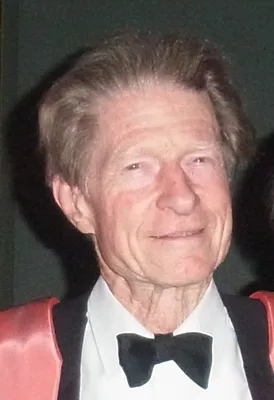
Demonstration that somatic and germinal nuclei are genetically equivalent. Using somatic cell nuclear transfer (SCNT), Gurdon (Nobel Prize 2012) transplanted cell nuclei from mature intestinal tadpole cells into enucl…
GMN 256.12 · https://historyofmedicine.com/id/8709
1962 CARSON, Rachel Louise (1907 – 1964)
Silent spring.
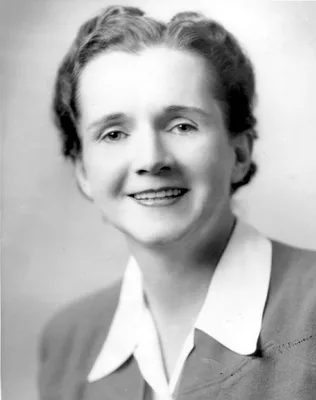
This very carefully documented book convincingly proved the disastrous effects of DDT in the environment, and generated a storm of controversy. It was later credited with founding the "environmental movement" in the U…
GMN 7841 · https://historyofmedicine.com/id/10013
1962 ARBER, Werner (1929 – ); ROULLAND-DUSSOIX, Daisy (1936 – 2014)
Host specificity of DNA produced by escherichia coli. II. Control over acceptance of DNA from infecting phage lambda.
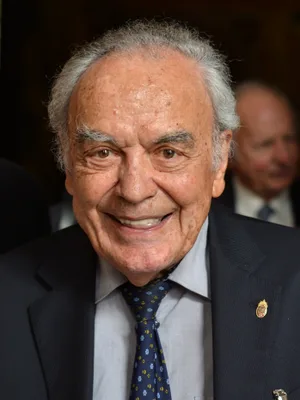
Order of authorship in the original publication: Dussoix, Arber. The authors discovered that restriction of DNA from infecting bacteriophage was due to the attack and breakdown of the modified bacteriophage's DNA by s…
GMN 12033 · https://historyofmedicine.com/id/14241
1962 STANIER, Roger Yate (1916 – 1982); NIEL, Cornelis Bernardus van (1897 – 1985)
The concept of a bacterium.
Order of authorship in the original publication: Stanier, Niel. For much of the 20th centurty prokaryotes were regarded as a single group of organisms, classified on the basis of their biochemistry, morphology and met…
GMN 12034 · https://historyofmedicine.com/id/14242
1962 SHIMOMURA, Osamu (1928 – 2018); JOHNSON, Frank H.; SAIGA, Yo
Extraction, purification and properties of Aequorin, a bioluminescent protein from the luminous hydromedusan, Aequorea.
Shimomura reported the discovery of green fluorescent protein (GFP) in a single footnote in this paper that was otherwise devoted to an entirely different bioluminescent protein: photoprotein aequorin. This may be the…
GMN 13562 · https://historyofmedicine.com/id/15839
1963 MCCULLOCH, Ernest Armstrong (1926 – 2011); TILL, James Edgar (1931 – ); BECKER, Andrew John (1935 – 2015)
Cytological demonstration of the clonal nature of spleen colonies derived from transplanted mouse marrow cells.
McCulloch and Till discovered the blood-forming stem cell, the hematopoietic stem cell (HSC), through their pioneering work in mice. McCulloch and Till began a series of experiments in which bone marrow cells were inj…
GMN 12427 · https://historyofmedicine.com/id/14658
1963 MCCULLOCH, Ernest Armstrong (1926 – 2011); TILL, James Edgar (1931 – ); SIMINOVITCH, Louis "Lou" (1920 – )
The distribution of colony-forming cells among spleen colonies.
Evidence that stem cells are capable of self-renewal. (Order of authorship in the original publication: Siminovitch, McCullch, Till). Digital facsimile from tspace.library.utoronto.ca at this link.
GMN 12428 · https://historyofmedicine.com/id/14659
1963 RICH, Alexander (1924 – 2015); WARNER, Jonathan R.; KNOPF, Paul M.
A multiple ribosomal structure in protein synthesis.
Alexander Rich discovered polysomes, clusters of ribosomes which read one strand of mRNA simultaneously. Order of authorship in the original publication: Warner, Knopf, Rich. Digital facsimile from PubMedCentral at th…
GMN 13955 · https://historyofmedicine.com/id/16255
1963 TINBERGEN, Nikolaas (1909 – 1988)
On the aims and methods of ethology.
In this paper Tinbergen defined Tinbergen's Four Questions, or complementary categories of explanations for animal behavior. that form the basis of ethology: Causation, Ontogeny, Survival Value, and Evolution. In 1973…
GMN 14069 · https://historyofmedicine.com/id/16380
1963 ANFINSEN, Christian Boehmer Jr. (1916 – 1995); EPSTEIN, Charles Joseph (1933 – 2011); GOLDBERGER, Robert Frank (1934 – 2003)
The genetic control of tertiary protein structure studies with mode systems.
In 1972 Anfinsen shared half of the Nobel Prize in Chemistry with Stanford Moore and William H. Stein for "for his work on ribonuclease, especially concerning the connection between the amino acid sequence and biologi…
GMN 14305 · https://historyofmedicine.com/id/16630
1964 KHORANA, Har Gobind (1922 – 2011); NISHIMURA, S; JACOB, Thazhuthaveetil Mathai (J. T.) (1927 – 2014)
Synthetic deoxyribopolynucleotides as templates for ribonucleic acid polymerase: The formation and characterization of a ribopolynucleotide with a repeating trinucleotide sequence.
Order of authorship in the original publication: Nishimura, Jacob, Khorana. Digital facsimile from PubMedCentral at this link.
GMN 257 · https://historyofmedicine.com/id/8710
1964 YANOFSKY, Charles (1925 – 2018); CARLTON, Bruce C.; HENNING, U.; ET AL
On the colinearity of gene structure and protein structure.
Yanofsky and colleagues established that gene sequences and protein sequences are colinear in bacteria. Order of authorship in the original publication: Yanofsky, Carlton, ... Henning. In genetics, coliniarity is a pr…
GMN 13944 · https://historyofmedicine.com/id/16242
1964 STRETTON, Antony Oliver Ward (1936 – ); BRENNER, Sydney (1927 – 2019); SARABHAI, A. S.; BOLLE, A.
Co-linearity of the gene with the polypeptide chain.
Order of authorship in the original publication: Sarabhai, Stretton, Brenner, Bolle. Brenner (Nobel Prize 2002) and colleagues performed the first study to show co-linearity; i.e., that there is a simple congruence be…
GMN 13968 · https://historyofmedicine.com/id/16270
1964 HOLLIDAY, Robin (1932 – 2014)
A mechanism for gene conversion in fungi.
Holliday described a mechanism of DNA-strand exchange that attempted to explain gene-conversion events that occur during meiosis in fungi. That model became known as the Holliday Junction. "A Holliday junction is a br…
GMN 13984 · https://historyofmedicine.com/id/16287
1965 HOLLEY, Robert William (1922 – 1993); ET AL
Structure of a ribonucleic acid.
The complete sequence of an alanine transfer RNA determined – the first nucleic acid structure to be determined. With seven co-authors. In 1968 Holley shared the Nobel Prize in Physiology or Medicine with Har Gobind K…
GMN 257.2 · https://historyofmedicine.com/id/8712
1965 U.S. PRESIDENT'S SCIENCE ADVISORY COMMITTEE
Restoring the quality of our environment. Report of The Environmental Pollution Panel, President's Science Advisory Committee.
Digital facsimile available at this link.
GMN 7422 · https://historyofmedicine.com/id/9594
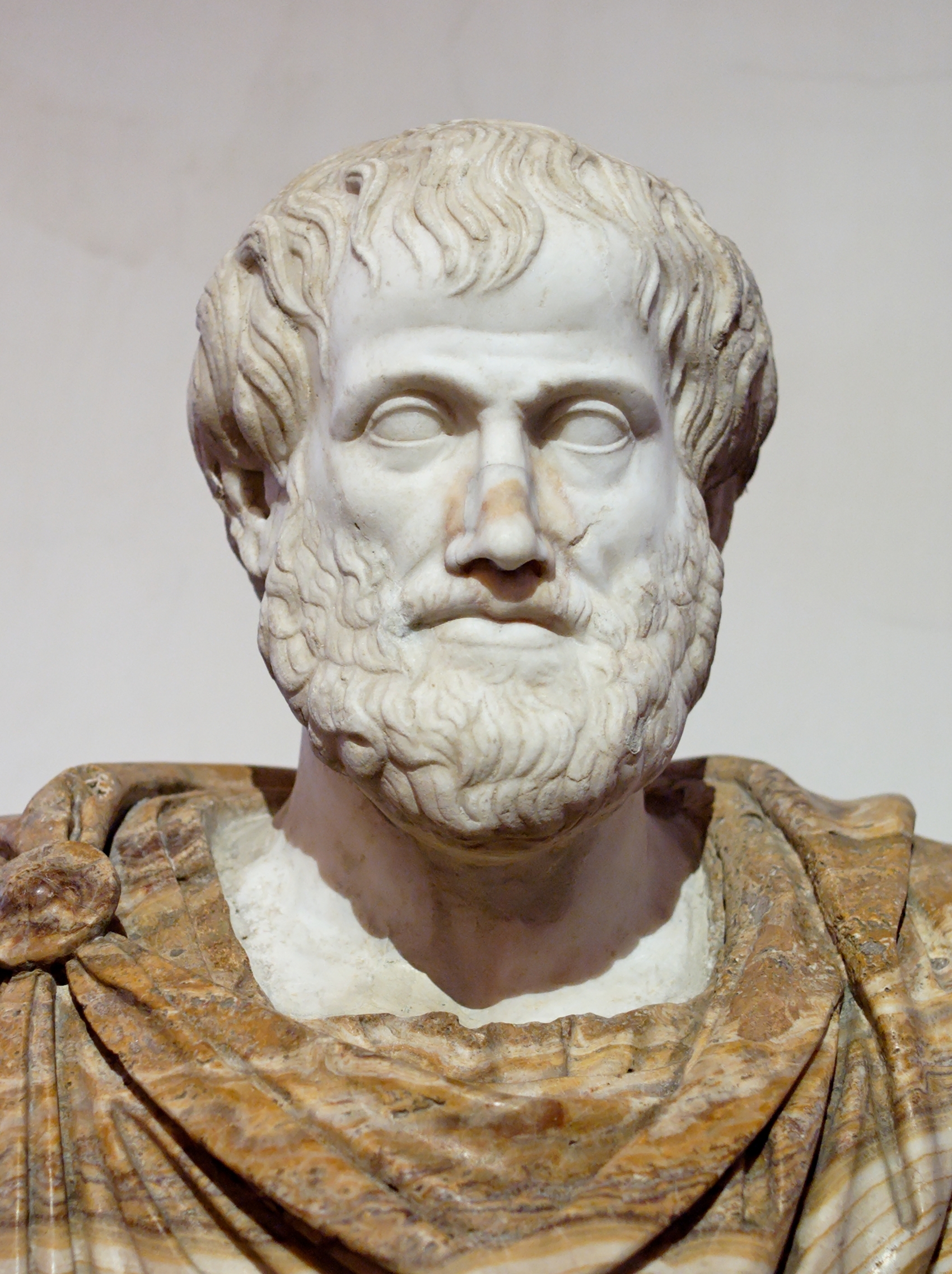
1965 –1991 ARISTOTLE (ἈΡΙΣΤΟΤΈΛΗΣ) (-384 – -322); BALME, David Mowbray (1912 – 1989); PECK, A. L.
History of animals. Vol. 1, Books 1-3; Vol. 2, Books 4-6; Vol. 3, Books 7-10. Vols. 1 & 2 edited with an introduction and translated by A. L. Peck; Vol. 3 edited and translated by D. M. Balme.
Loeb Classic Library.
GMN 9075 · https://historyofmedicine.com/id/11254
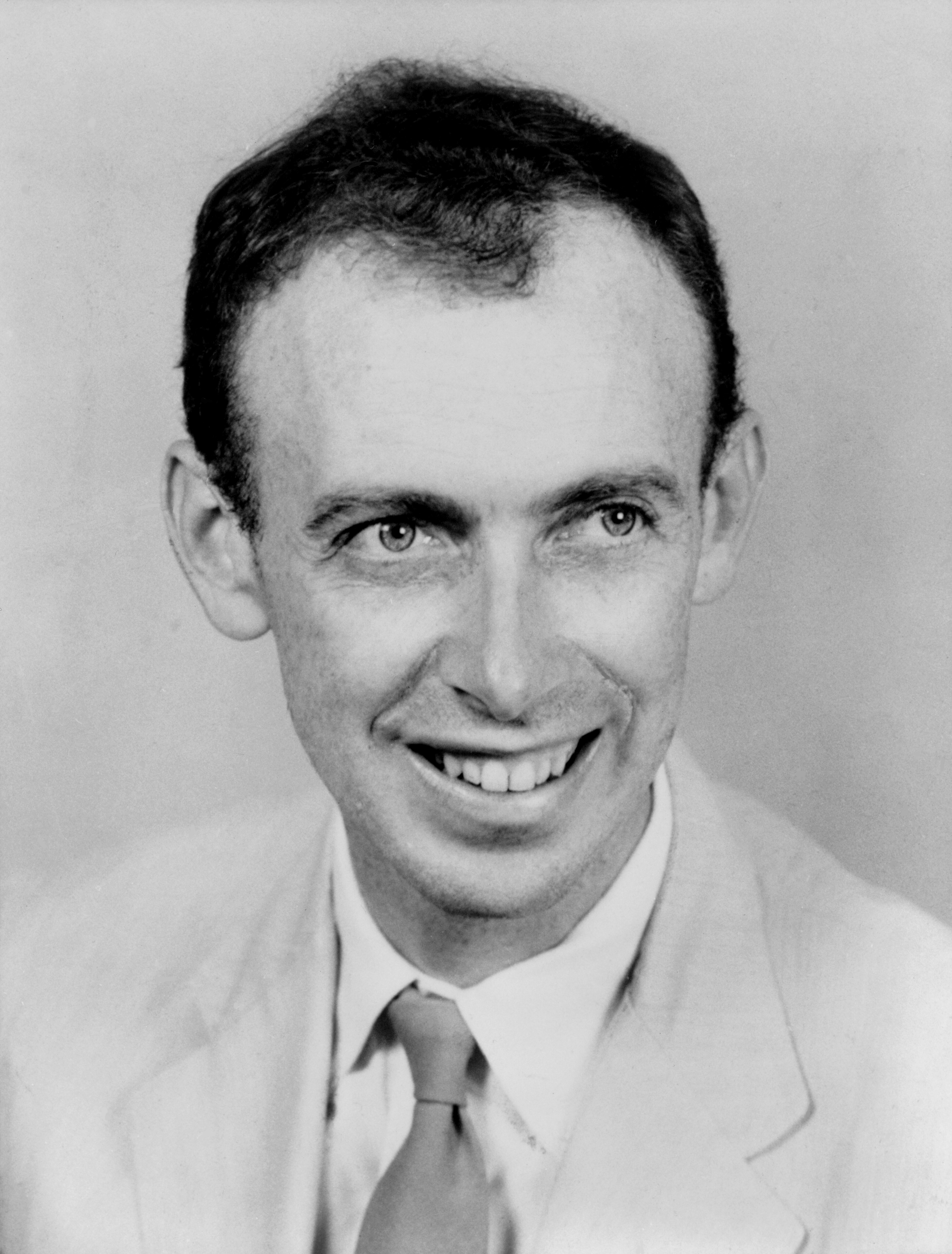
1965 WATSON, James Dewey (1928 – )
Molecular biology of the gene.
Watson's first book on molecular biology, and the first textbook on what was then a new academic subject. Seventh revised edition, with five co-authors, 2013.
GMN 9729 · https://historyofmedicine.com/id/11916
1965 LEBOWITZ, Jacob; VINOGRAD, Jerome (1913 – 1976)
The twisted circular form of polyoma viral DNA.
Discovery of DNA supercoiling. DNA supercoiling refers to the amount of twist in a particular DNA strand, which determines the amount of strain on it. A given strand may be "positively supercoiled" or "negatively supe…
GMN 13963 · https://historyofmedicine.com/id/16265