1766 MORAND, Sauveur-François (1697 – 1773)
Sur un enfant auquel il manquoit les deux clavicules, le sternum et les cartilages, qui dans l’état naturel l’attachent aux côtes.
First description of cleido-cranial dysostosis.
GMN 4302.2 · https://historyofmedicine.com/id/5465
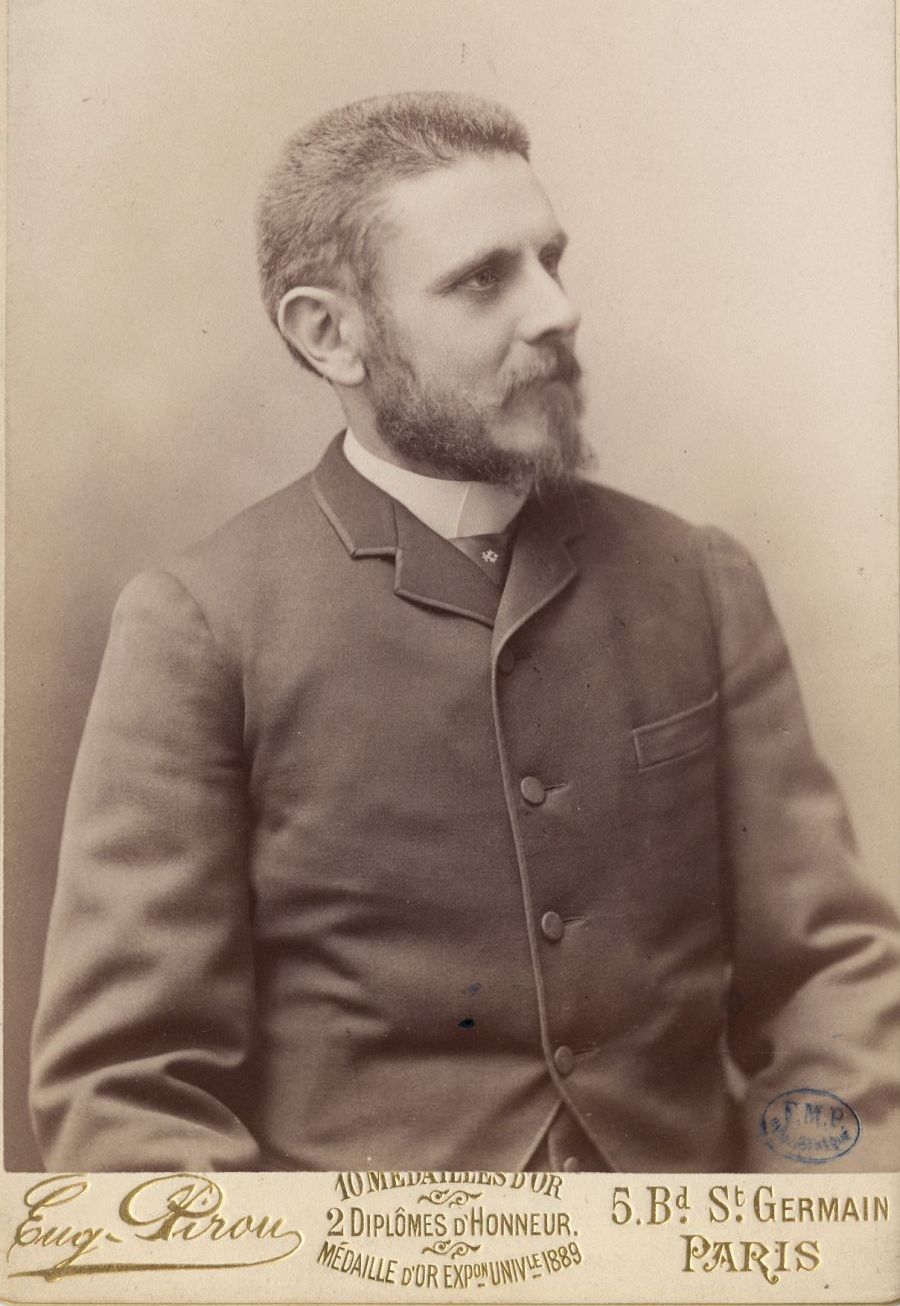
1898 MARIE, Pierre (1853 – 1940); SAINTON, Paul (1868 – 1958)
Sur la dysostose cléido-crânienne héréditaire.
In their important description of cleido-cranial dysostosis, Marie and Sainton gave to it its present name. It was first described by Morand (No. 4302.1) in 1760. English translation in Bick, Classics of orthopaedics,…
GMN 4369 · https://historyofmedicine.com/id/5850
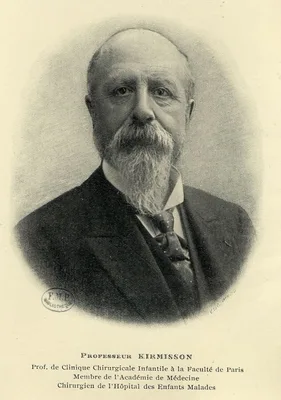
1898 KIRMISSON, Édouard François (1848 – 1927)
Traité des maladies chirurgicales d'origine congénitale.
The first book entirely devoted to the surgical treatment of congenital abnormalities. The work also contains pp. 593-698 an exposition of Kirmisson's staged reduction of congenital dislocations of the hip, and discus…
GMN 10269 · https://historyofmedicine.com/id/12460
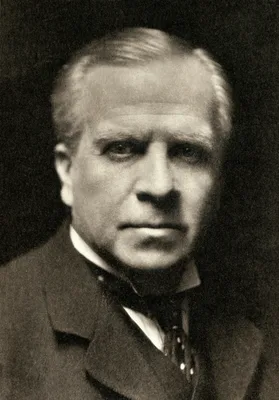
1900 COLLINS, Edward Treacher (1862 – 1932)
Cases with symmetrical congenital notches in the outer part of each lid and defective development of the malar bones.
Treacher Collins syndrome (TCS), a genetic disorder characterized by deformities of the ears, eyes, cheekbones, and chin. Also known as mandibulofacial dysostosis.
GMN 11360 · https://historyofmedicine.com/id/13559
1906 APERT, Eugène Charles (1868 – 1940)
De l'acrocéphalosyndactylie.
"Apert syndrome", consisting of a triad of disorders: craniosynostosis, syndactyly and maxillary underdevelopment. Digital facsimile from Google Books at this link.
GMN 7733 · https://historyofmedicine.com/id/9905
1912 CROUZON, Octave (1874 – 1938)
Dysostose cranio-faciale héréditaire.
First description of cranio-facial dysostosis, hypertelorism (Crouzon's syndrome).
GMN 4385 · https://historyofmedicine.com/id/5913
1918 ROBERTS, John Bingham (1852 – 1924)
Congenital clefts of the face.
Roberts introduced the push-back procedure - backward displacement of the velum to ensure adequate speech.
GMN 5757.3 · https://historyofmedicine.com/id/6687
1921 GILLIES, Sir Harold Delf (1882 – 1960); FRY, Sir William Kelsey (1889 – 1963)
A new principle in the surgical treatment of “congenital cleft palate”, and its mechanical counterpart.
Gillies’s operation for cleft palate.
GMN 5759 · https://historyofmedicine.com/id/6697
1923 APERT, Eugène Charles (1868 – 1940); ET AL
Nouvelle observation d’acrocéphalosyndactylie.
With Tixier, Hue, and Kermorgant.
GMN 4390 · https://historyofmedicine.com/id/5961
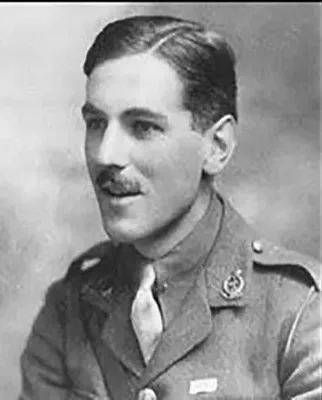
1924 GREIG, David Middleton (1864 – 1936)
Hypertelorism. A hitherto undifferentiated congenital cranio-facial deformity.
First description of hypertelorism as a separate entity.
GMN 4392 · https://historyofmedicine.com/id/5970
1964 PFEIFFER, Rudolf Arthur (1921 – 2012)
Dominant erbliche Akrocephalosyndaktylie.
Pfeiffer syndrome, a rare genetic disorder characterized by the premature fusion of certain bones of the skull (craniosynostosis) which affects the shape of the head and face. In addition, the syndrome includes abnorm…
GMN 11372 · https://historyofmedicine.com/id/13571
1967 TESSIER, Paul Louis (1917 – 2008)
Osteotomies totales de la face: Syndrome de Crouzon, syndrome d'Apert: oxcephalies, scaphocephalies, turricephalies.
GMN 7732 · https://historyofmedicine.com/id/9904