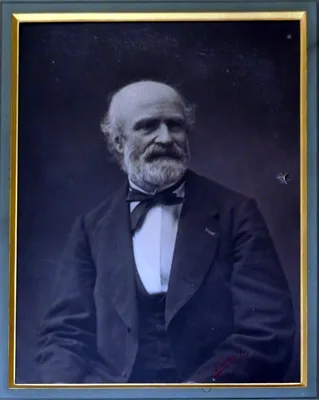
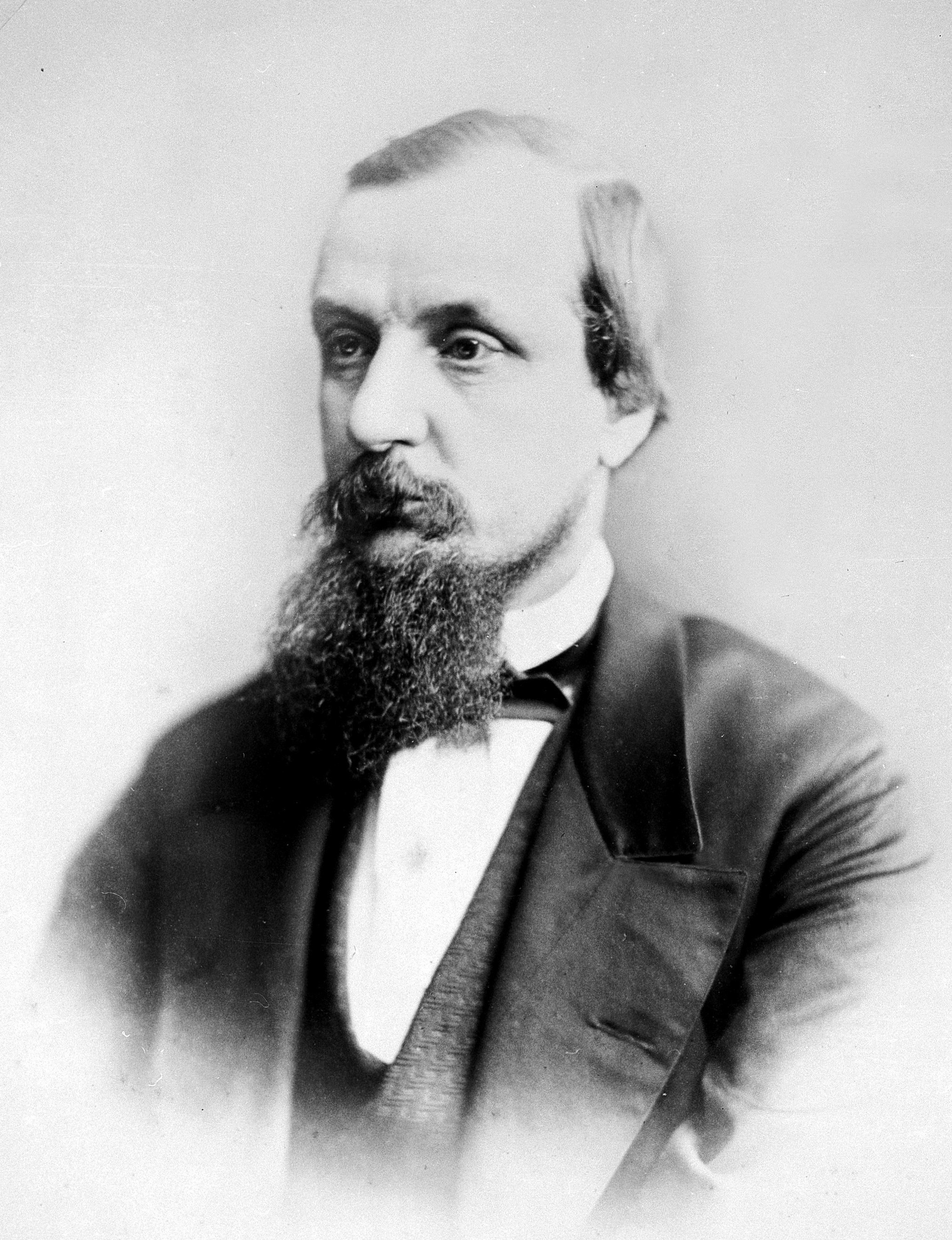
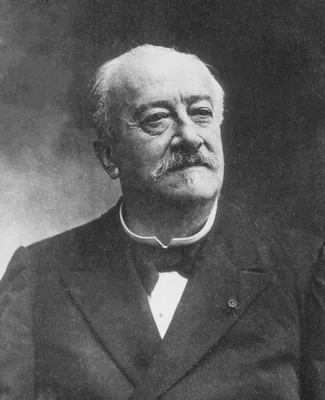
1553 PARACELSUS, [Philippus Aureolus Theophrastus Bombastus von Hohenheim] (1493 – 1541)
Von der frantzösischen kranckheit drey Bücher.
Paracelsus suggested the hereditary transmission of syphilis and advocated mercury internally, as an antisyphilitic. He called the disease “French gonorrhoea” and thus started the confusion over the geographic origins…
GMN 2369 · https://historyofmedicine.com/id/3221
1810 BERTIN, René Joseph Hyacinthe (1757 – 1828)
Traité de la maladie vénérienne chez les enfans nouveau-nés, les femmes enceintes et les nourrices.
The first systematic work on congenital syphilis.
GMN 2378.1 · https://historyofmedicine.com/id/3269
1854 DIDAY, Charles Joseph Paul Edouard (1812 – 1894)
Traité de la syphilis des nouveau-nés et des enfants à la mamelle.
An important work on congenital syphilis. English translation, 1859.
GMN 2383 · https://historyofmedicine.com/id/3284
1858 HUTCHINSON, Sir Jonathan (1828 – 1913)
Report on the effects of infantile syphilis in marring the development of the teeth.
Hutchinson of St. Bartholomew’s Hospital, is memorable for his original description of the notched incisors (“Hutchinson’s teeth”) in congenital syphilis. His name is also associated with “Hutchinson’s triad” (interst…
GMN 2386 · https://historyofmedicine.com/id/3298
1876 –1877 MOON, Henry (1845 – 1892)
On irregular and defective tooth development.
“Moon’s molars”, the first molars in congenital syphilitics.
GMN 2391 · https://historyofmedicine.com/id/3320
1886 FOURNIER, Jean Alfred (1832 – 1915)
La syphilis héréditaire tardive.
Fournier, one of the greatest syphilologists, did more than any other person to develop the knowledge regarding congenital syphilis. Through his writings, the importance of syphilis as a cause of degenerative diseases…

GMN 2393 · https://historyofmedicine.com/id/3329