c. 900 APOLLONIOS OF KITION (OR APOLLONIUS OF CITIUM; ἈΠΟΛΛΏΝΙΟΣ Ὁ ΚΙΤΙΕΎΣ) (-50 – )
The Nicetas codex.
The earliest surviving illustrated surgical codex was written and illuminated in Constantinople for the Byzantine physician Niketas (Nicetas) about 900 CE. It contains 30 full-page images illustrating the commentary o…
GMN 6817 · https://historyofmedicine.com/id/8980
1544 GUIDI, Guido [VIDIUS] (1508 – 1569)
Chirurgia e graeco in latinum conversa.
This elegantly printed and illustrated small folio included 210 text woodcuts, most probably after drawings by the school of Francesco Salviati (Francesco de'Rossi). It was issued from the press operated by Pierre Gau…
GMN 4406.1 · https://historyofmedicine.com/id/6142
1563 WÜRTZ, Felix [WIRTZ] (1510 – 1590)
Practica der Wundartzney.
Würtz was a friend of Gessner and an admirer of Paracelsus; his book went through many editions and was translated into English, French, and Dutch. It describes the treatment of gunshot wounds, fractures, and dislocat…
GMN 5563 · https://historyofmedicine.com/id/6933
1751 DU VERNEY, Guichard-Joseph (Guichard Joseph Duverney) (1648 – 1730)
Traité des maladies des os. 2 vols.
Contains a description of the eponymous "Duverney fracture" and the first full description of osteoporosis. Digital facsimile from Google Books at this link.
GMN 7490 · https://historyofmedicine.com/id/9662
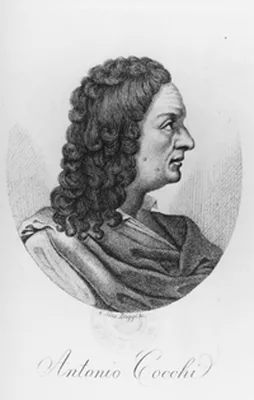
1754 SORANUS OF EPHESUS (ΣΩΡΑΝΌΣ) (100 – 150); ORIBASIUS (ὈΡΕΙΒΆΣΙΟΣ), [Oreibasius] (320 – 403); COCCHI, Antonio (1695 – 1757)
Graecorum chirurgici libri Sorani unus de fracturarum signis. Oribasii duo de fractis et de luxatis e collectione Nicetae ab antiquissimo et optimo codice Florentino descripti conversi atque edited ab Antonio Cocchio.
A scholarly edition of the Nicetas Codex containing various texts on fractures and luxations. Digital facsimile from Google Books at this link.
GMN 12175 · https://historyofmedicine.com/id/14385
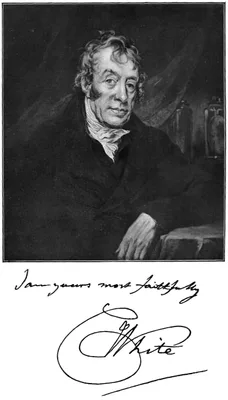
1762 WHITE, Charles (1728 – 1813)
An account of a new method of reducing shoulders (without the use of an ambe) which have been several months dislocated, in cases where the common methods have proved inefficient.
White’s method of reducing shoulder dislocations by means of suspending the patient from the affected arm. This method either reduced the dislocation entirely, or moved the head of the humerus into a position where it…
GMN 4407 · https://historyofmedicine.com/id/6145
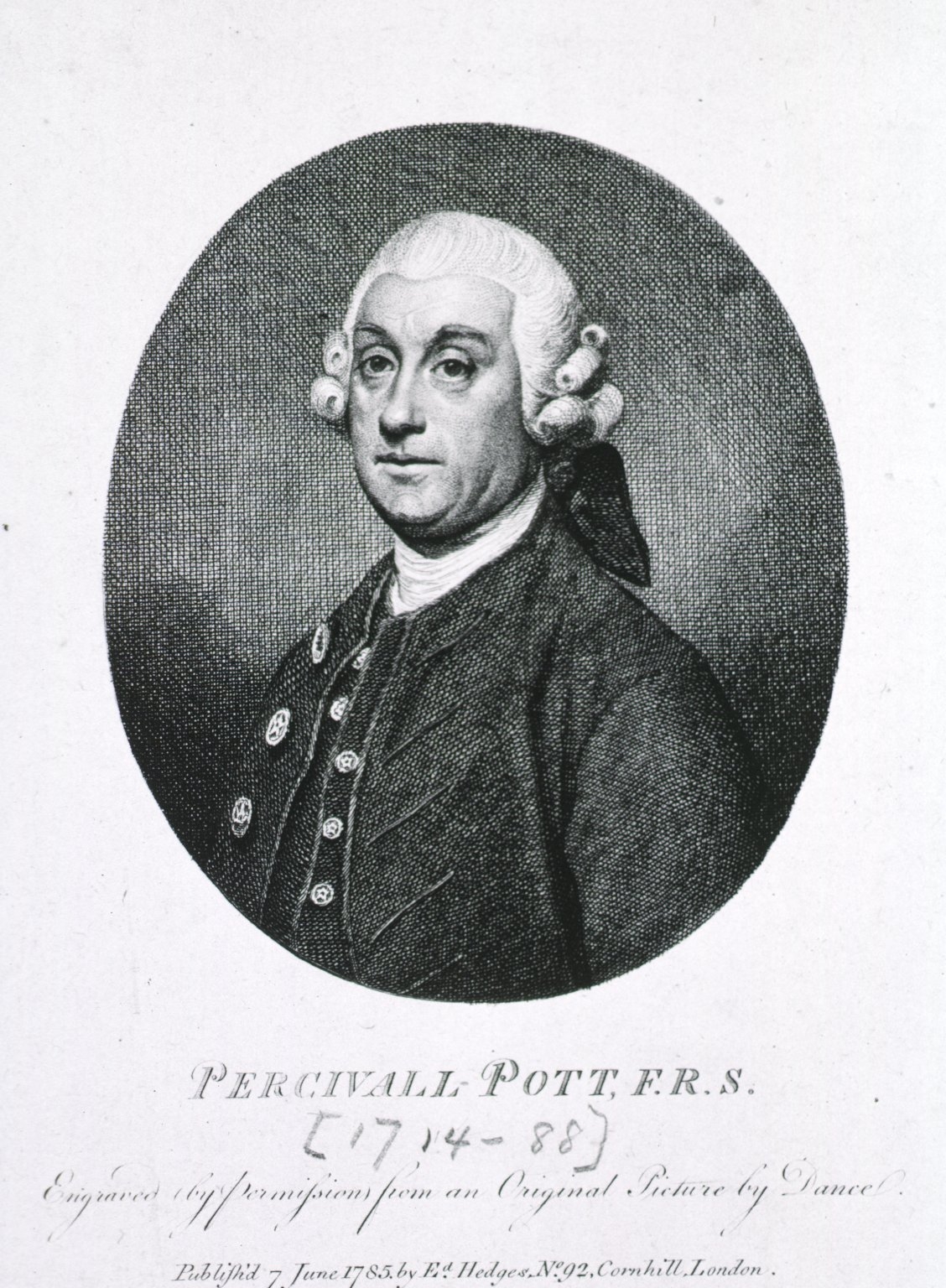
1768 POTT, Percivall (1714 – 1788)
Some few general remarks on fractures and dislocations.
The methods outlined by Pott in his classic work on fractures and dislocations were eventually adopted all over the world. He described (pp. 57-64) “Pott’s fracture” in this book, and he stressed the necessity for the…
GMN 4408 · https://historyofmedicine.com/id/6150
1789 CAMPER, Petrus (Pieter) (1722 – 1789)
Dissertatio de fractura patellae et olecrani.
GMN 4409 · https://historyofmedicine.com/id/6165
1798 –1799 BICHAT, Marie François Xavier (1771 – 1802); DESAULT, Pierre-Joseph (1744 – 1795)
Oeuvres chirurgicales de P. J. Desault....ou tableau de sa doctrine & de sa pratique dans le traitement des maladies externes. Ouvrage publié par Xav. Bichat, son èlève. 3 vols.
Desault was one of the first professors at the École Pratique de Chirurgie, Paris. He made many suggestions regarding the treatment of fractures and dislocations and is one of the founders of modern vascular surgery. …
GMN 2927 · https://historyofmedicine.com/id/7007
1804 PHYSICK, Philip Syng (1768 – 1837)
A case of fracture of the os humeri, in which the broken ends of the bone not uniting the usual manner, a cure was effected by means of a seton.
The first paper on orthopedic surgery published in the United States. Physick introduced the use of the seton in the treatment of ununited fractures.
GMN 4409.1 · https://historyofmedicine.com/id/6169
1814 COLLES, Abraham (1773 – 1843)
On the fracture of the carpal extremity of the radius.
Colles’s description of fracture of the carpal end of the radius led that type of fracture to be named “Colles’s fracture”. He was Professor of Surgery at Dublin for more than 30 years. Reprinted in Med. Classics, 194…
GMN 4410 · https://historyofmedicine.com/id/6172
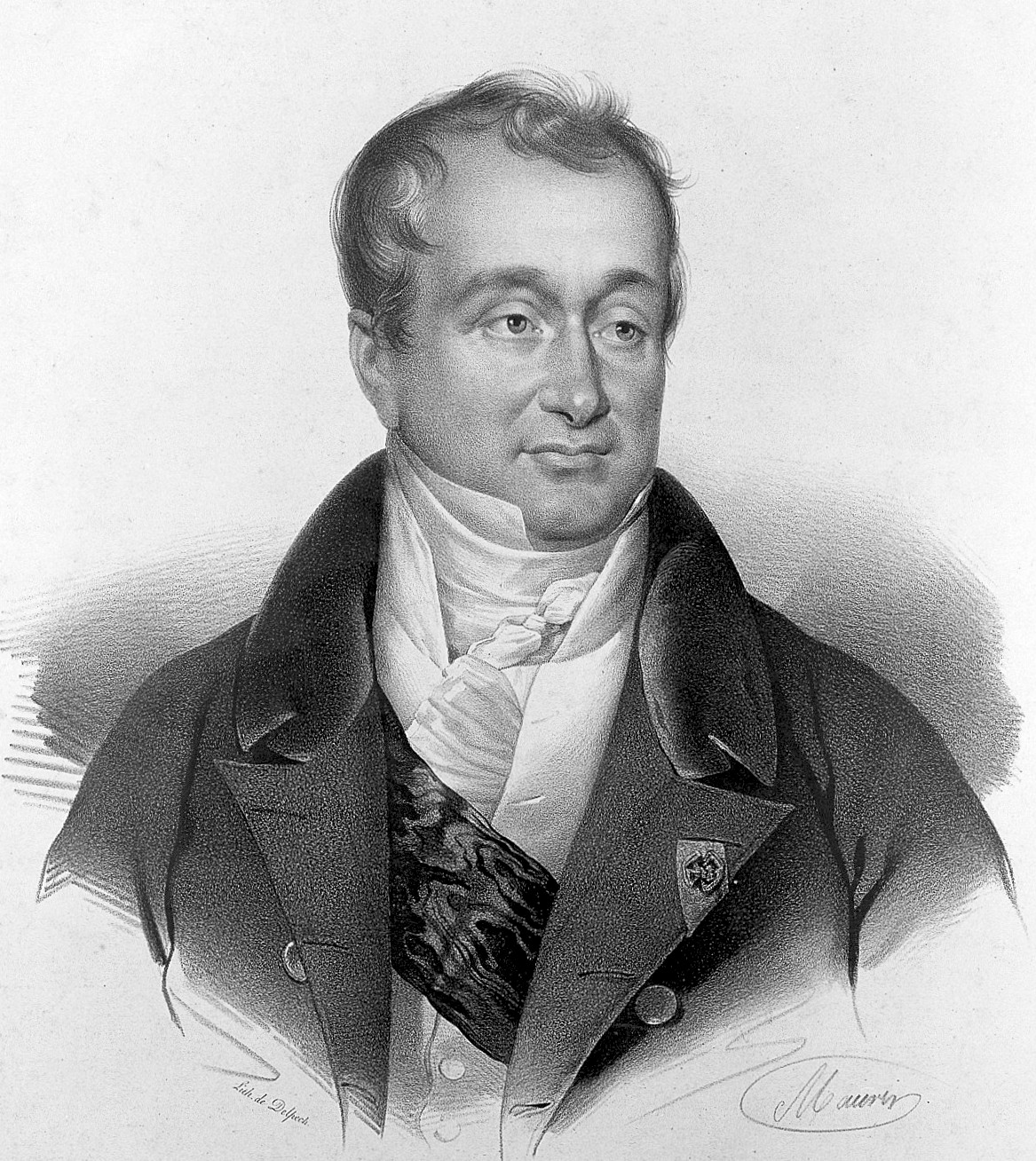
1819 DUPUYTREN, Guillaume, Le Baron (1777 – 1835)
Mémoire sur la fracture de l’extrémité inférieure du péroné, les luxations et les accidens qui en sont la suite.
“Dupuytren’s fracture”, of the ankle, described in a learned 212-page review of ankle fractures, and of the normal anatomy and function of the ankle joint. “Of especial interest is the description of experimental frac…
GMN 4411 · https://historyofmedicine.com/id/6175
1821 BARTON, John Rhea (1794 – 1871)
Remarks on certain injuries of the bones in children.
On bending fractures in children.
GMN 4411.1 · https://historyofmedicine.com/id/6178
1822 COOPER, Sir Astley Paston (1768 – 1841)
A treatise on dislocations, and on fractures of the joints.
Through this and numerous subsequent editions this was the principal reference work on the subject in England and America for 30 years. “Many later clinical modifications were developed from Cooper’s methods” (Bick).
GMN 4412.1 · https://historyofmedicine.com/id/6179
1826 DUPUYTREN, Guillaume, Le Baron (1777 – 1835)
Mémoire sur un déplacement originel ou congénital de la tête des fémurs.
First clear pathological description of congenital dislocation of the hip-joint. Dupuytren distinguished this syndrome caused by failure of fetal development of the acetabulum from deformities due to tuberculosis and …
GMN 4413 · https://historyofmedicine.com/id/6183
1827 RODGERS, John Kearney (1793 – 1851)
Case of un-united fracture of the os brachii, successfully treated.
Successful wiring of ununited fracture of humerus.
GMN 4414 · https://historyofmedicine.com/id/6187
1828 RICHTER, Adolph Leopold (1798 – 1876)
Theoretisch-praktische Handbuch der Lehre von den Bruchen und Verrenkungen der Knochen. 1 vol. and atlas.
The remarkable atlas accompanying this work illustrates in remarkable detail all of the various types of dressings, splints and apparatus used in the treatment of fractures at the time.
GMN 4414.1 · https://historyofmedicine.com/id/6189
1830 GROSS, Samuel David (1805 – 1884)
The anatomy, physiology, and diseases of the bones and joints.
The first American treatise on orthopedics. In his autobiography Gross wrote that, “The title was unfortunate; it should have been A practical treatise on fractures and dislocations, with an account of the diseases of…
GMN 4316.1 · https://historyofmedicine.com/id/5530
1838 BARTON, John Rhea (1794 – 1871)
Views and treatment of an important injury of the wrist.
“Barton’s fracture” of the radius.
GMN 4415 · https://historyofmedicine.com/id/6192
1842 HEINE, Jacob (Jakob) (1799 – 1879)
Ueber spontane und congenitale Luxationen.
GMN 4416 · https://historyofmedicine.com/id/6193
1847 –1855 MALGAIGNE, Joseph François (1806 – 1865)
Traité des fractures et des luxations. 2 vols. and atlas.
This was Malgaigne’s greatest work. His description of bilateral vertical fracture of the pelvis (“Malgaigne’s fracture”) is in vol. 1, pp. 650-56. English translation of the first volume on fractures, Philadelphia, 1…
GMN 4417 · https://historyofmedicine.com/id/6197
1847 SMITH, Robert William (1807 – 1873)
A treatise on fractures in the vicinity of joints and on certain forms of accidental and congenital dislocations.
The first important work on fractures by an Irish author. It includes the description of “Smith’s fracture”. In his chapter “On fractures of the bones of the forearm in the vicinity of the wrist joint” Smith corrected…
GMN 4417.1 · https://historyofmedicine.com/id/6199
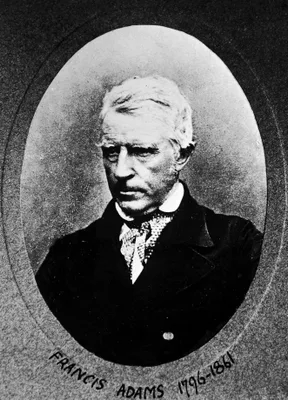
1849 HIPPOCRATES, [Ἱπποκράτης; Hippocrates of Kos] (-460 – -370); ADAMS, Francis (1796 – 1861)
The genuine works of Hippocrates. Translated from the Greek with a preliminary discourse and annotations by Francis Adams. 2 vols.
Francis Adams, surgeon of Banchory, Scotland, prepared this partial translation to acquaint his contemporaries with “the opinions of an author, whom I verily believe to be the highest exemplar of professional excellen…
GMN 14 · https://historyofmedicine.com/id/914
1851 –1852 REID, William Wharry (1799 – 1866)
Dislocation of the femur on the dorsum ilii, reducible without pulleys, or any other mechanical power, three cases.
Reduction of dislocation without manipulation. Reid demonstrated the futility of attempting to reduce a dorsal dislocation of the hip by forcible longitudinal traction with pulleys.
GMN 4418 · https://historyofmedicine.com/id/6203
1854 BRAINARD, Daniel (1812 – 1866)
Essay on a new method of treating ununited fractures and certain deformities of the osseous system.
Experimenting on animals and cadavers, Brainard developed a special bone drill or “perforator” introduced subcutaneously to perforate the bone ends, simulating a recent fracture, and thus stimulating callus formation.
GMN 4418.1 · https://historyofmedicine.com/id/6206
1855 HAMILTON, Frank Hastings (1813 – 1886)
Deformities after fractures.
Hamilton was a medical inspector of the U.S. Army and later became Professor of Surgery at Bellevue Hospital. See No. 4420.
GMN 1742 · https://historyofmedicine.com/id/3101
1860 –1862 BUCK, Gurdon (1807 – 1877)
New treatment for fractures of the femur.
Buck’s extension apparatus, an improved method of treating fractures of the femur. Reprinted in Med. Classics, 1939, 3, 764-82.
GMN 4419 · https://historyofmedicine.com/id/6209
1860 HAMILTON, Frank Hastings (1813 – 1886)
A practical treatise on fractures and dislocations.
The first comprehensive treatise in English on the treatment of fractures and dislocations. See No. 1742.
GMN 4420 · https://historyofmedicine.com/id/6212
1860 PERRIN, Maurice (1826 – 1889)
Luxation traumatique suivie de luxation volontaire du fémur droit.
“Perrin–Ferraton disease” of the hip, later more fully dealt with by L. Ferraton, Rev. Orthop. (Paris), 1905, 2 sér., 6, 45-51.
GMN 4421 · https://historyofmedicine.com/id/6215
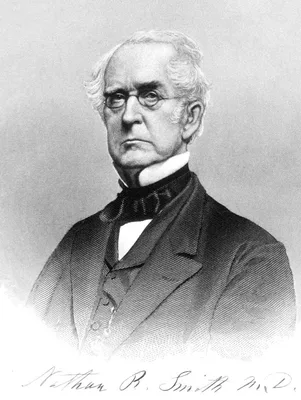
1860 SMITH, Nathan Ryno (1797 – 1877)
A new instrument for the treatment of fractures of the lower extremity.
Smith devised an anterior or suspensatory splint for use in the treatment of fractures of the femur. The apparatus was heavily used during the U.S. Civil War and was especially valuable in treating compound fractures.
GMN 4422 · https://historyofmedicine.com/id/6217
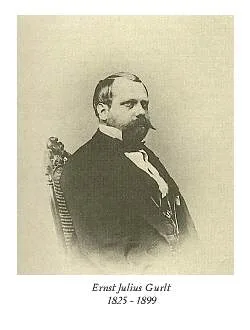
1862 –1865 GURLT, Ernst Julius (1825 – 1899)
Handbuch der Lehre von den Knochenbruchen. 2 vols.
Gurlt, the celebrated historian of surgery (see No. 5800), wrote an exhaustive and detailed review of the literature on fractures. As a source of obscure and arcane information it is unsurpassed. Digital facsimile fro…
GMN 4422.1 · https://historyofmedicine.com/id/6223
1867 SMITH, Nathan Ryno (1797 – 1877)
Treatment of fractures of the lower extremity, by use of the anterior suspensory apparatus.
GMN 4423 · https://historyofmedicine.com/id/6226
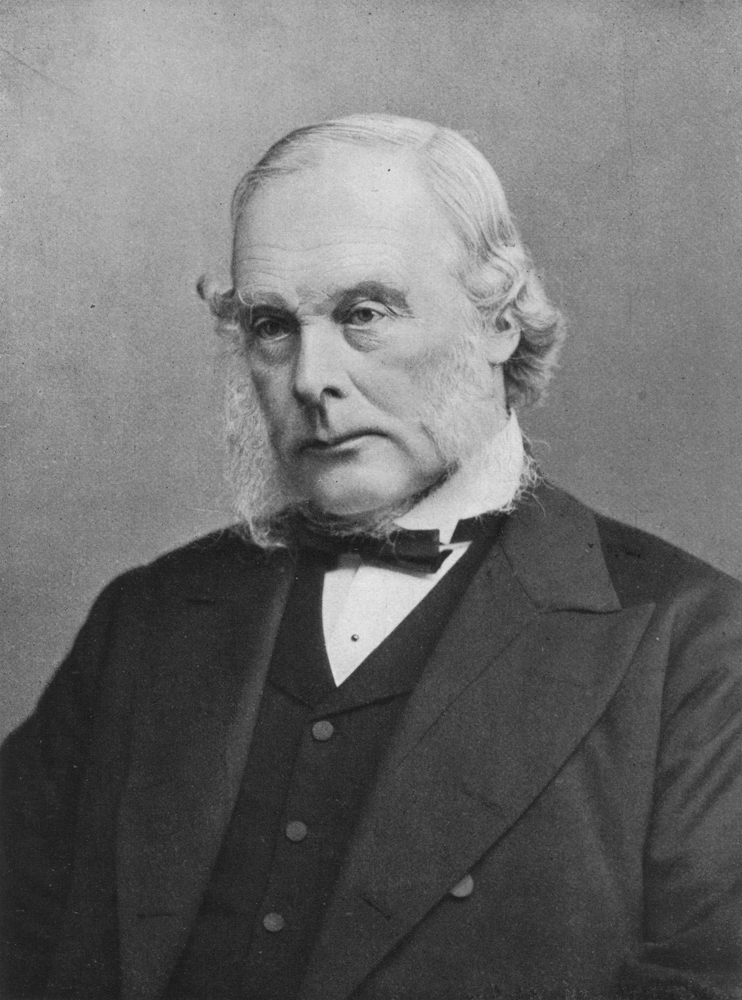
1867 LISTER, Joseph, 1st Baron Lister (1827 – 1912)
On a new method of treating compound fracture, abscess, etc., with observations on the conditions of suppuration.
Lister’s work on the antiseptic principle in surgery. He believed that bacteria could enter wounds and cause suppuration and putrefaction and that it was necessary to kill the bacteria already in wounds and to apply d…
GMN 4423.1 · https://historyofmedicine.com/id/6230
1867 WALES, Philip Skinner (1837 – 1906)
Mechanical therapeutics. A practical treatise on surgical apparatus, appliances, and elementary operations; embracing bandaging, minor surgery, orthopraxy, and the treatment of fractures and dislocations.
Digital facsimile from the Hathi Trust at this link.
GMN 10718 · https://historyofmedicine.com/id/12912
1869 BIGELOW, Henry Jacob (1818 – 1890)
The mechanism of dislocation and fracture of the hip. With the reduction of the dislocations by the flexion method.
Bigelow was the first to describe in detail the mechanism of the iliofemoral (Bigelow’s) ligament, and to show its importance in the reduction of dislocation by the flexion method.
GMN 4424 · https://historyofmedicine.com/id/6232
1870 KOCHER, Emil Theodor (1841 – 1917)
Eine neue Reductionsmethode für Schulterverrenkung.
Kocher was Professor of Surgery at Berne, and among the greatest surgeons of his day. He is remembered, among other things, for his method of reduction of subluxation of the shoulder-joint.
GMN 4425 · https://historyofmedicine.com/id/6236
1870 BERENGER-FÉRAUD, Laurent Jean Baptiste (1832 – 1900)
Traité de l’immobilisation directe des fragments osseux dans les fractures.
First book devoted to the treatment of fractures by internal fixation.
GMN 4425.1 · https://historyofmedicine.com/id/6242
1871 HOOD, Wharton Peter (1833 – 1916)
On bone-setting (so-called), and its relation to the treatment of joints crippled by injury, rheumatism, inflammation, etc.
The first work on manipulation written by a physician. Digital facsimile from the Medical Heritage Library, Internet Archive, at this link.
GMN 4339.1 · https://historyofmedicine.com/id/5684
1877 –1878 HIPPOCRATES, [Ἱπποκράτης; Hippocrates of Kos] (-460 – -370); PÉTREQUIN, Joseph Pierre Eléonord (1809 – 1876)
Chirurgie d’Hippocrate. 2 vols
A Greek-French edition with extensive notes and commentaries by J. E. Pétrequin, surgeon-in-chief of the Hôtel-Dieu of Lyon. Operations attributed to Hippocrates included trephination and paracentesis; his most import…
GMN 4850.1 · https://historyofmedicine.com/id/6814
1882 BENNETT, Edward Hallaran (1837 – 1907)
Fractures of the metacarpal bones.
“Bennett’s fracture” of the first metacarpal. He was Professor of Surgery at Trinity College, Dublin.
GMN 4426 · https://historyofmedicine.com/id/6244
1885 ANNANDALE, Thomas (1839 – 1908)
An operation for displaced semilunar cartilage.
The first deliberate and planned operation for the relief of internal derangement of the knee-joint caused by a displaced cartilage, i.e. repair of the meniscus. Annandale succeeded Lister as Professor of Clinical Sur…
GMN 4426.1 · https://historyofmedicine.com/id/6248
1891 HADRA, Berthold Ernest (1842 – 1903)
Wiring of the vertebrae as a means of immobilization in fracture and Pott’s disease.
“In a case of fracture-dislocation of the cervical spine (C 6-7) he [Hadra] performed open reduction, twisting metal wires around the spinous processes to stabilize the injured sector” (Bick). This is the first report…
GMN 4359.1 · https://historyofmedicine.com/id/5800
1894 LANE, Sir William Arbuthnot (1856 – 1943)
A method of treating simple oblique fractures of the tibia and fibula more efficient than those in common use.
Lane’s method of “osteo-synthesis” in the treatment of fractures – the perfect re-apposition of the affected parts by means of operative intervention.
GMN 4429 · https://historyofmedicine.com/id/6262
1895 TRENDELENBURG, Friedrich (1844 – 1924)
Ueber den Gang bei angeborener Hüftgelenksluxation.
“Trendelenburg’s sign” of congenital dislocation of the hip-joint.
GMN 4428 · https://historyofmedicine.com/id/6259
1898 POLAND, John (1855 – 1937)
Traumatic separation of the epiphyses.
Definitive and exhaustive study of growth plate fractures in children. Poland also published the series of x rays included in the above work as a separate atlas: Skiagraphic atlas showing the development of the bones …
GMN 4429.1 · https://historyofmedicine.com/id/6265
1898 PARKHILL, Clayton (1860 – 1902)
Further observations regarding the use of the bone-clamp in ununited fractures, fractures with malunion, and recent fractures with a tendency to displacement.
Parkhill introduced external fixation for the treatment of fractures.
GMN 4429.2 · https://historyofmedicine.com/id/6268
1905 REISNER, George Andrew (1867 – 1942)
The Hearst Medical Papyrus: Hieratic text in 17 facsimile plates in collotype with introduction and vocabulary by George A. Reisner. University of California Publications. Egyptian Archaeology, Volume 1.
The papyrus has been dated to the 18th Dynasty of Egypt, around the time of pharaoh Tuthmosis III. The text is believed to have been composed earlier, during the Middle Kingdom, around 2000 BCE. The papyrus is so unus…
GMN 8390 · https://historyofmedicine.com/id/10567
1906 BÜDINGER, Konrad (1867 – 1944)
Ueber Ablösung von Gelenkteilen und verwandte Prozesse.
Büdinger was the first to describe pathological fracture of the cartilage of the patella. See also his later paper in the same journal, 1908, 92, 510-36. Later descriptions by Karl Ludloff, Verh. dtsch. Ges. Chir., 19…
GMN 4376 · https://historyofmedicine.com/id/5877
1907 LANE, Sir William Arbuthnot (1856 – 1943)
Clinical remarks on the operative treatment of fractures.
Lane’s plates and screws for union of fractures.
GMN 4430 · https://historyofmedicine.com/id/6271
1907 STEINMANN, Fritz (1872 – 1932)
Eine neue Extensionsmethode in der Frakturenbehandlung.
Steinmann nail or pin, for insertion through a distal fragment and controlled by direct skeletal traction. English translation in Bick, Classics of orthopaedics.
GMN 4431 · https://historyofmedicine.com/id/6275

![HIPPOCRATES, [Ἱπποκράτης; Hippocrates of Kos] (-460 – -370)](/media/portraits/50)