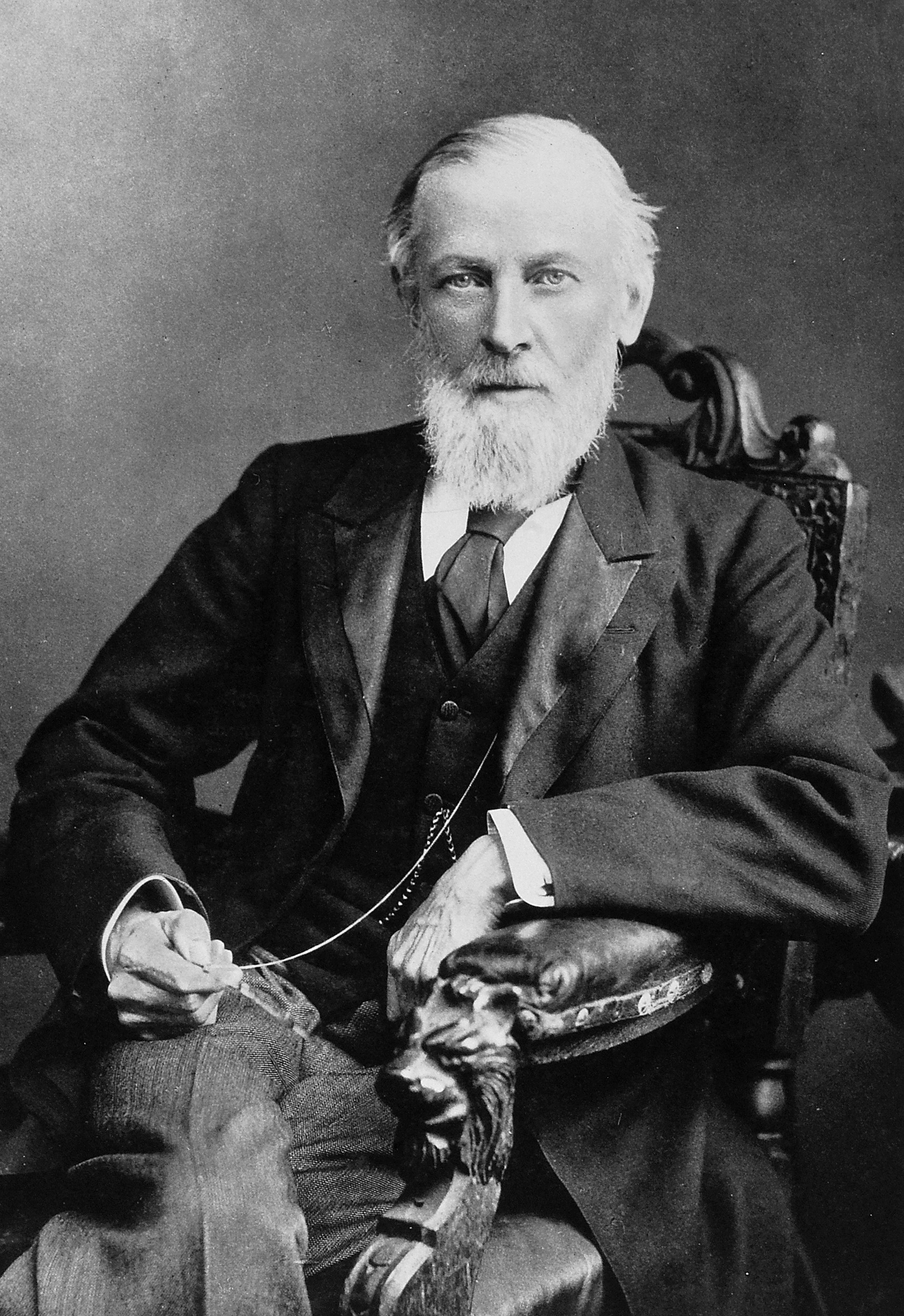
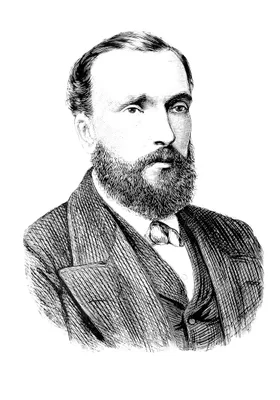
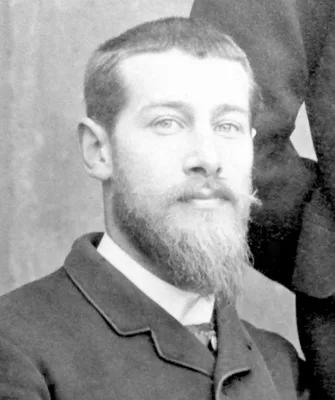
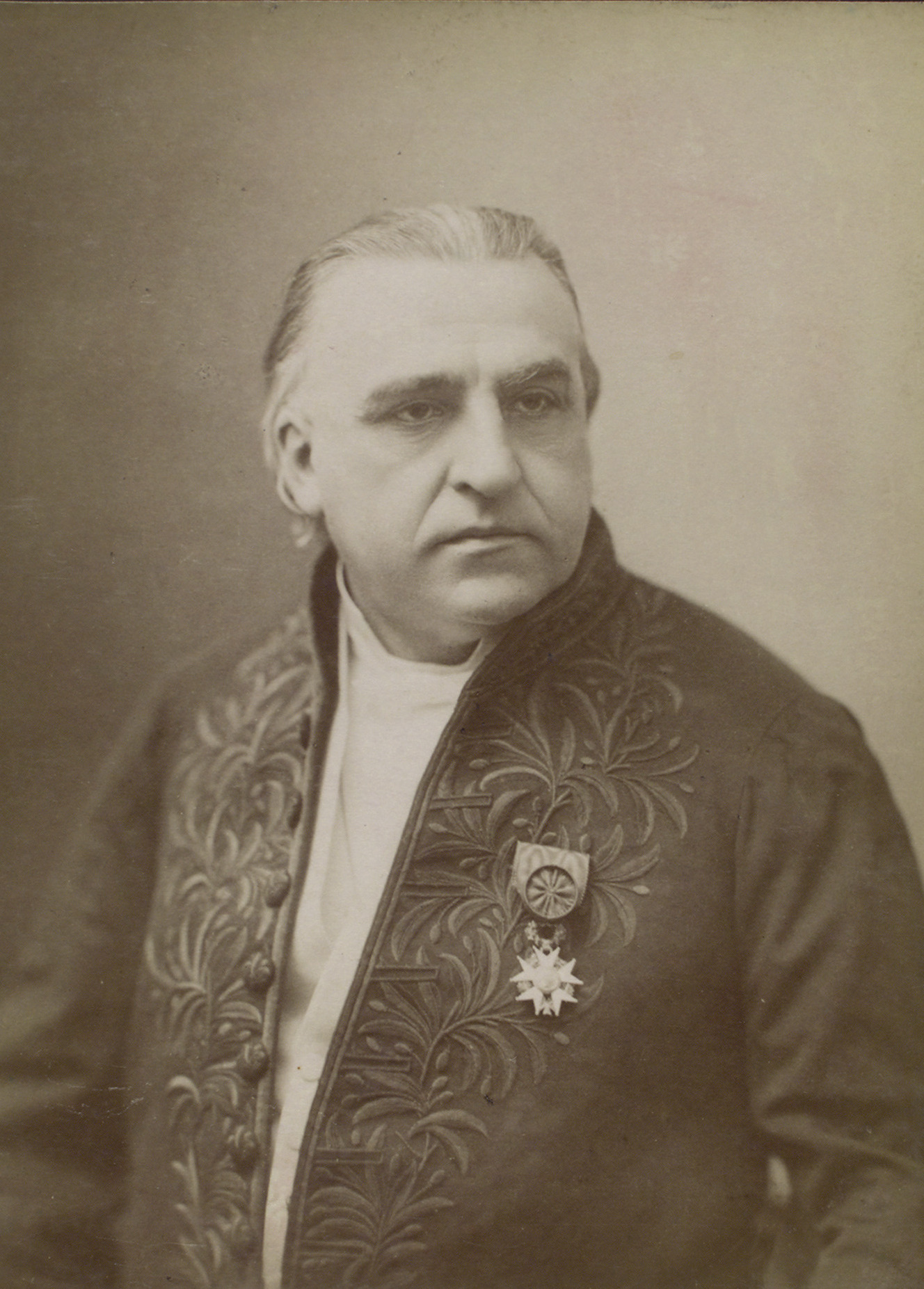
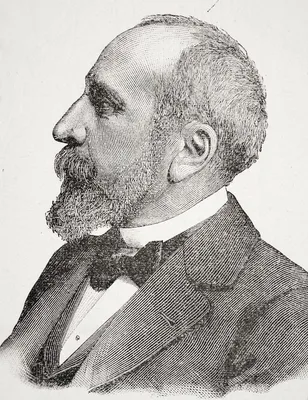
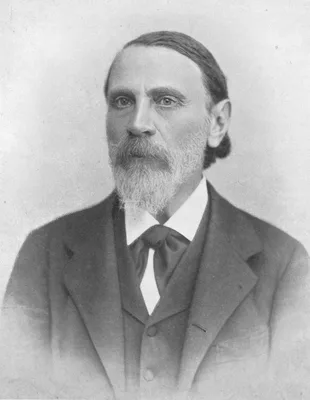
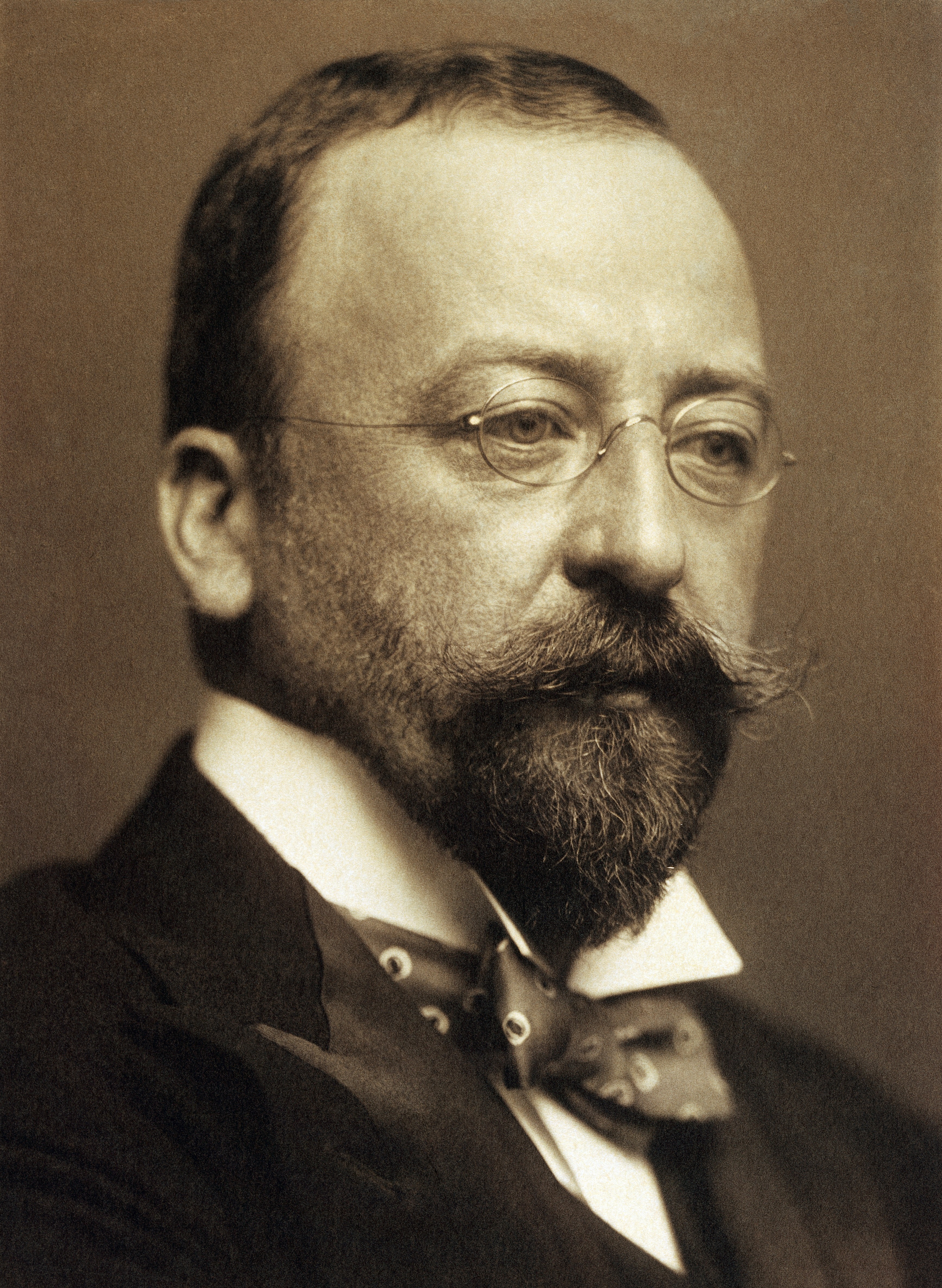
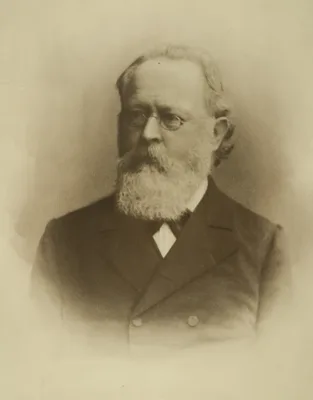
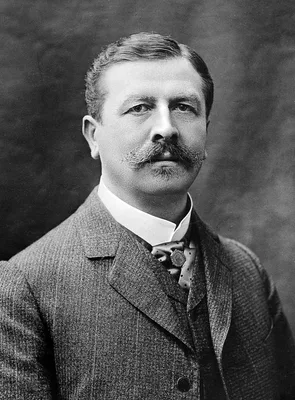
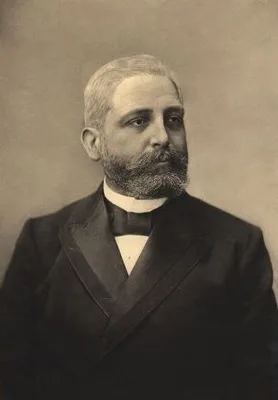
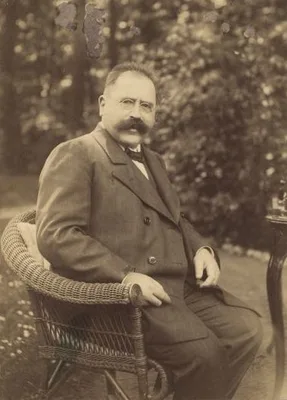
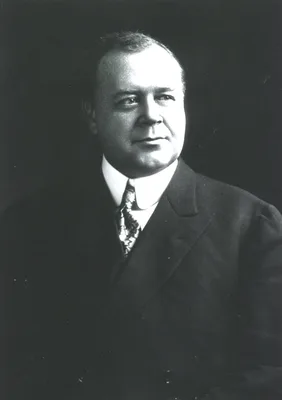
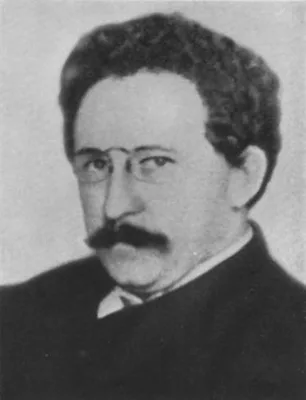
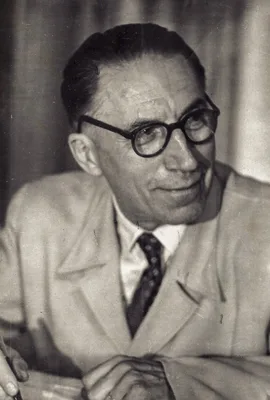
1880 GOWERS, Sir William Richard (1845 – 1915)
The diagnosis of diseases of the spinal cord.
Gowers demonstrated the dorsal spinocerebellar tract, “Gowers’s tract”, and introduced the terms myotatic and knee-jerk, which he elicited with the rubber edge of his stethoscope or a percussion hammer.
GMN 4562 · https://historyofmedicine.com/id/427
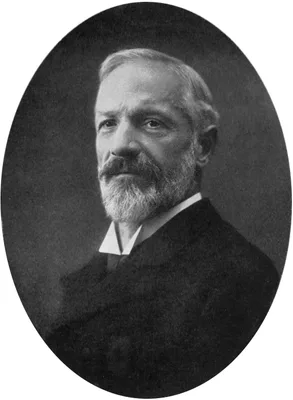
1880 GÉLINEAU, Jean Baptiste Édouard (1828 – 1906)
De la narcolepsie.
Narcolepsy first fully described.
GMN 4561 · https://historyofmedicine.com/id/8915
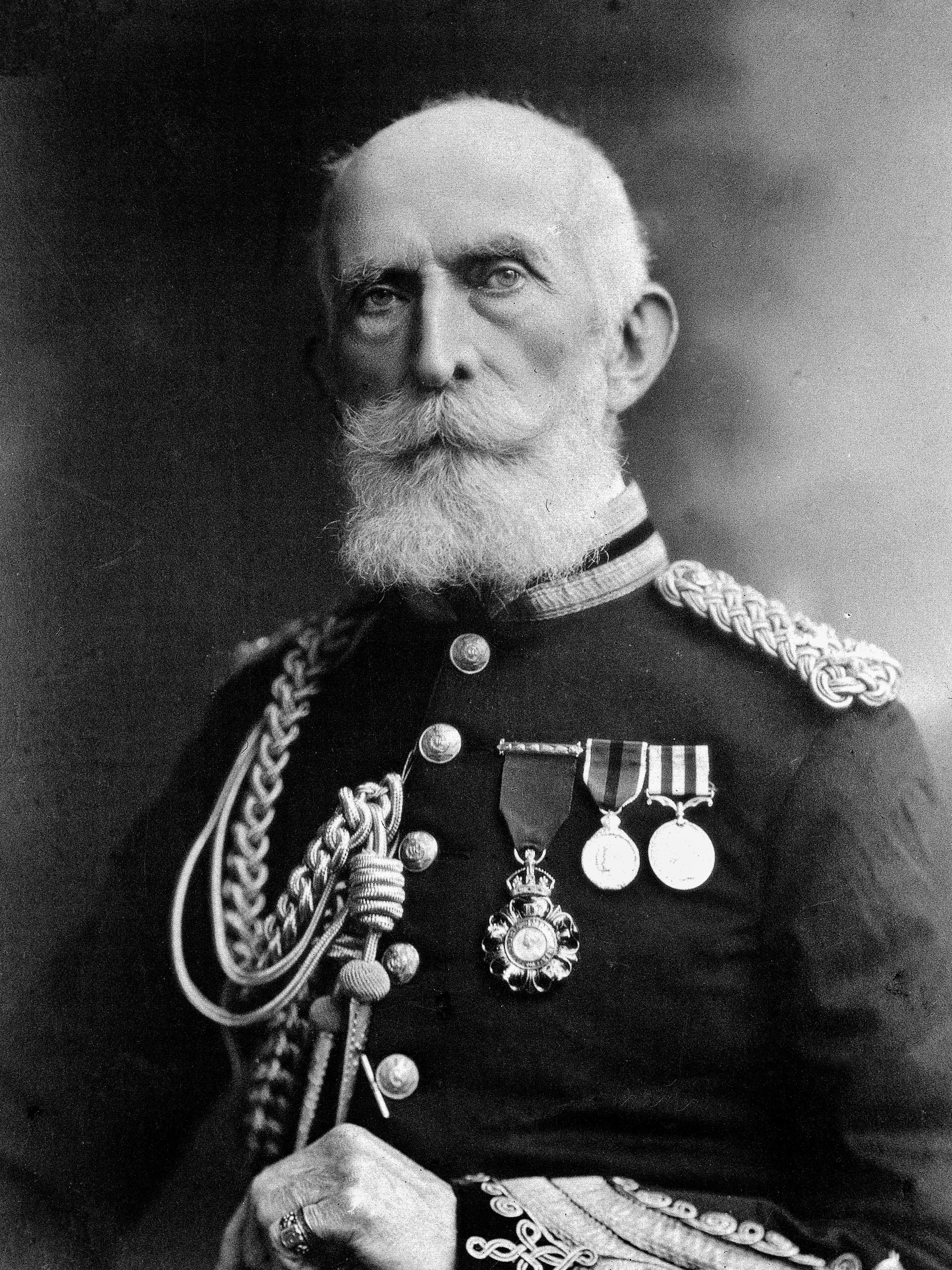
1881 FRIEDREICH, Nikolaus (1825 – 1882)
Paramyoklonus multiplex.
First description of paramyoclonus multiplex, “Friedreich’s disease”.
GMN 4564 · https://historyofmedicine.com/id/429
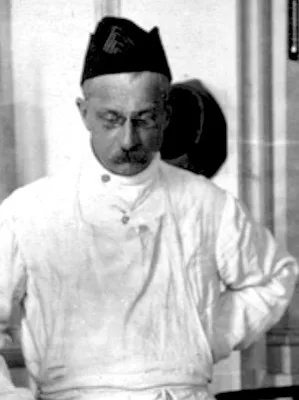
1881 FORST, J. J.
Contribution à l’étude clinique de la sciatique.
“Lasègue’s sign” in sciatica. Although discovered by E. C. Lasègue, it was first reported by his pupil Forst.
GMN 4563 · https://historyofmedicine.com/id/8916
1882 BRAMWELL, Sir Byrom (1847 – 1931)
The diseases of the spinal cord.
GMN 4565 · https://historyofmedicine.com/id/431
1882 RECKLINGHAUSEN, Friedrich Daniel von (1833 – 1910)
Ueber die multiplen Fibrome der Haut und ihre Beziehung zu den multiplen Neuromen
One of Virchow’s distinguished pupils, von Recklinghausen gave a classic description of neurofibromatosis, adding much to the knowledge of the condition, which later became known as “Recklinghausen’s disease”. The art…
GMN 4082 · https://historyofmedicine.com/id/8624
1883 CLELAND, John (1835 – 1925)
Contribution to the study of spina bifida, encephalocele, and anencephalus.
Early description of the Arnold–Chiari malformation (see Nos. 4577.1, 4581.1).
GMN 4566.1 · https://historyofmedicine.com/id/8917
1885 GOWERS, Sir William Richard (1845 – 1915)
Lectures on the diagnosis of diseases of the brain.
GMN 4568 · https://historyofmedicine.com/id/436
1886 –1888 GOWERS, Sir William Richard (1845 – 1915)
A manual of diseases of the nervous system. 2 vols.
Gowers was physician and Professor of Clinical Medicine at University College, London. He especially distinguished himself in the field of neurology, and the above set is his greatest work.Page 365 of vol. 1 includes …
GMN 4569 · https://historyofmedicine.com/id/437
1886 BASTIAN, Henry Charlton (1837 – 1915)
Paralyses, cerebral, bulbar and spinal.
Bastian was one of the founders of English neurology. He is remembered for “Bastian’s law” (see No. 4577).
GMN 4570 · https://historyofmedicine.com/id/439
1886 MACKENZIE, Sir Stephen (1844 – 1909)
Two cases of associated paralysis of the tongue, soft palate, and vocal cord on the same side.
“Mackenzie’s syndrome”.
GMN 4571 · https://historyofmedicine.com/id/440
1888 BLOCQ, Paul Oscar (1860 – 1896)
Sur une affection caractérisée par de l’astasie et de l’abasie.
“Blocq’s disease” – astasia–abasia.
GMN 4573 · https://historyofmedicine.com/id/8920
1888 –1918 CHARCOT, Jean Martin (1825 – 1893); RICHER, Paul Marie Louis Pierre (1849 – 1933); GILLES DE LA TOURETTE, Georges Albert Édouard Brutus (1857 – 1904); LONDE, Albert (1858 – 1917)
NOUVELLE Iconographie de la Salpêtriere. 28 vols.
Henry Meige, Richer, and other pupils of Charcot published many valuable studies of the constitutional aspects of nervous diseases in the above work, a series unique in the history of medicine and of great value for t…
GMN 4575 · https://historyofmedicine.com/id/8973
1889 BENEDIKT, Moritz (1835 – 1920)
Tremblement avec paralysie croisée du moteur oculaire commun.
“Benedikt’s syndrome”–paralysis of the oculomotor nerve on one side with intensive trembling of the other side. English translation in Wolf, The classical brain stem syndromes, Springfield, Charles CThomas, 1971.
GMN 4576 · https://historyofmedicine.com/id/446
1889 DEJERINE-KLUMPKE, Augusta (1859 – 1927)
Des polynévrites en général et des paralysies et atrophies saturnines en particulier.
Madame Dejerine-Klumpke, famous neurologist, contributed an important work on lead palsies.
GMN 2100 · https://historyofmedicine.com/id/2596
1890 BASTIAN, Henry Charlton (1837 – 1915)
On the symptomatology of total transverse lesions of the spinal cord, with special reference to the condition of the various reflexes.
“Bastian’s law”, transverse lesion of the cord above the lumbar enlargement results in the abolition of the tendon reflexes of the lower extremities.
GMN 4577 · https://historyofmedicine.com/id/447
1891 CHIARI, Hans (1851 – 1916)
Ueber Veränderungen des Kleinhirns infolge von Hydrocephalie des Grosshirns.
Charii I malformation. See No. 4581.1. See also Denkschr. Akad. Wiss. Wien, 1896, 63, 71-116.
GMN 4577.1 · https://historyofmedicine.com/id/450
1892 SCHMIDT, Adolf (1865 – 1918)
Casuistische Beiträge zur Nervenpathologie. II. Doppelseitige Accessoriuslähmung bei Syringomyelie.
“Schmidt’s syndrome” – a hemiplegia affecting the vocal cord, palate, trapezius, and sternocleidomastoid muscles, due to lesion of the nucleus ambiguus and nucleus accessorius.
GMN 4578 · https://historyofmedicine.com/id/451
1892 WESTPHAL, Carl Friedrich Otto (1833 – 1890)
Gesammelte Abhandlungen, edited by A. Westphal. 2 vols.
Westphal was Professor of Psychiatry at Berlin; at this time was common for physicians to practice both psychiatry and neurology. Vol. 1: psychiatry; Vol. 2: neurology.
GMN 4579 · https://historyofmedicine.com/id/452
1893 DEJERINE, Joseph Jules (1849 – 1917); SOTTAS, Jules (1866 – 1945)
Sur la névrite interstitielle hypertrophique et progressive de l’enfance.
First description of hypertrophic progressive interstitial neuritis. “Dejerine–Sottas disease”.
GMN 4580 · https://historyofmedicine.com/id/455
1893 HEAD, Sir Henry (1861 – 1940)
On disturbances of sensation with especial reference to the pain of visceral disease.
“Head’s areas”, zones of hyperalgesia of skin, associated with visceral disease.
GMN 4581 · https://historyofmedicine.com/id/8921
1894 ARNOLD, Julius (1835 – 1915)
Myelocyste, Transposition von Gewebskeimen und Sympodie.
Amold-Chiari malformation (Chiari II malformation). (see No. 4577.1).
GMN 4581.1 · https://historyofmedicine.com/id/456
1894 OPPENHEIM, Hermann (1858 – 1919)
Lehrbuch der Nervenkrankheiten.
The best edition is the English translation of the 5th German edn., 2 vols., London, 1911.
GMN 4582 · https://historyofmedicine.com/id/457
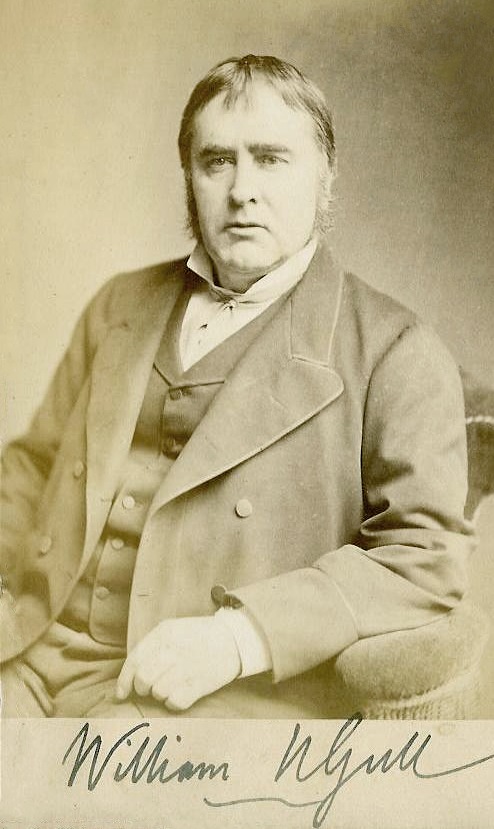
1894 –1896 GULL, Sir William Withey (1816 – 1890)
A collection of the published writings. 2 vols.
Gull, one of the best clinicians of his time, spent most of his working life at Guy’s Hospital. He described the spinal lesion of tabes and left an important account of aneurysm. His best works are his description of …
GMN 2232 · https://historyofmedicine.com/id/3794
1896 BABINSKI, Joseph François Félix (1857 – 1932)
Sur le réflexe cutané plantaire dans certaines affections organiques du système nerveux central.
Plantar reflex or Babinski response or Babinski sign.
GMN 4583 · https://historyofmedicine.com/id/459
1896 BARKER, Lewellys Franklin (1867 – 1943)
A case of circumscribed unilateral, and elective sensory paralysis.
GMN 4584 · https://historyofmedicine.com/id/460
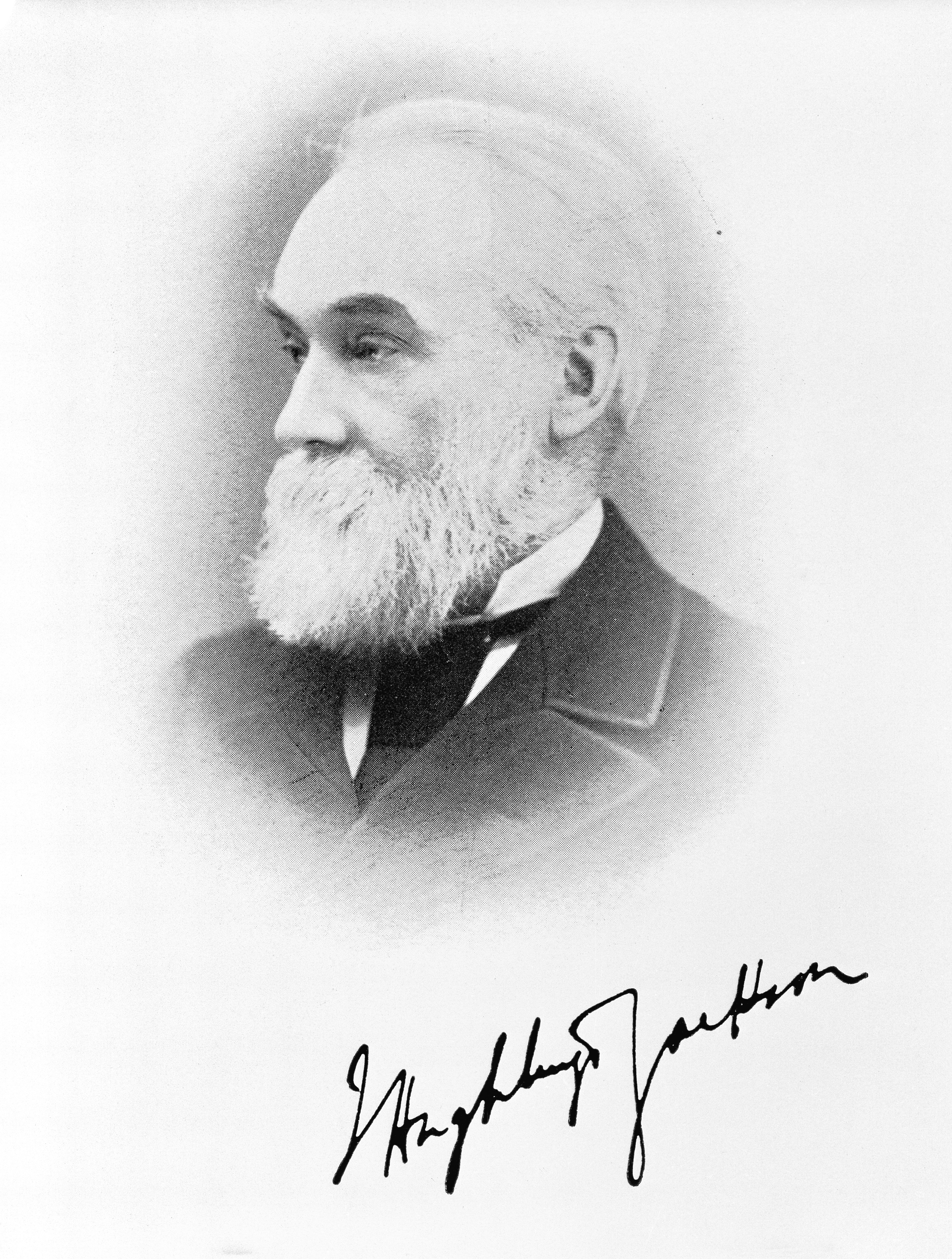
1898 JACKSON, John Hughlings (1835 – 1911)
Remarks on the relations of different divisions of the central nervous system to one another and to parts of the body.
GMN 4586 · https://historyofmedicine.com/id/471
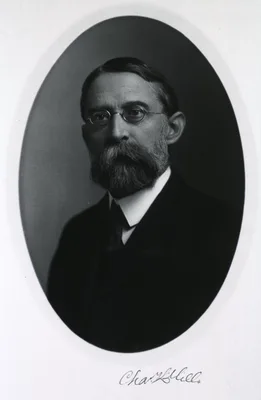
1898 MILLS, Charles Karsner (1845 – 1931)
The nervous system and its diseases.
“The foremost American neurology book of the Nineteenth Century” (McHenry), and the only text of the period to contain a section on the chemistry of the nervous system.
GMN 4586.1 · https://historyofmedicine.com/id/472
1899 –1900 FLATAU, Edward (1869 – 1932); REMAK, Ernst Julius (1848 – 1911)
Neuritis und. Polyneuritis. 2 pts.
In Nothnagel’s Handbuch der speziellen Pathologie und Therapie, XI, Bd. 3, Abt. 3-4.
GMN 4587 · https://historyofmedicine.com/id/8922
1900 LIEPMANN, Hugo Karl (1863 – 1925)
Das Krankheitsbild der Apraxie (motorischen Asymbolie) auf Grund eines Falles von einseitiger Apraxie.
First adequate description of apraxia.
GMN 4588 · https://historyofmedicine.com/id/474
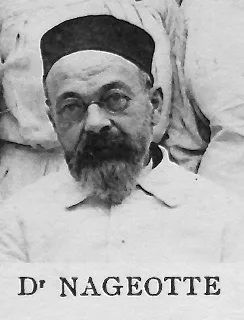
1902 BABINSKI, Joseph François Félix (1857 – 1932); NAGEOTTE, Jean (1866 – 1948)
Hémiasynergie, latéropulsion et myosis bulbaires avec hémianesthésie et hémiplégie croisées.
“Babinski-Nageotte syndrome”.
GMN 4589 · https://historyofmedicine.com/id/475
1902 DEJERINE, Joseph Jules (1849 – 1917); THOMAS, André (1867 – 1963)
Traité des maladies de la moëlle épinière.
GMN 4590 · https://historyofmedicine.com/id/476
1902 KIENBÖCK, Robert (1871 – 1953)
Kritik der sogenannten “traumatischen Syringomyelie”.
Traumatic cavity formation in the spinal cord, so well described by Kienböck, is known as “Kienböck’s disease”.
GMN 4591 · https://historyofmedicine.com/id/477
1903 CÉSTAN, Étienne Jacques Marie Raymond (1872 – 1934); CHENAIS, Louis Jean (1872 – 1950)
Du myosis dans certaines lésions bulbaires en foyer (hémiplégie du type Avellis associée au syndrome oculaire sympathique).
“Cestan–Chenais syndrome”.
GMN 4592 · https://historyofmedicine.com/id/478
1904 VERGER, Henri (1873 – 1930)
Essai de classification de quelques névralgies faciales par les injections de cocaine loco dolenti.
Classification of the neuralgias.
GMN 4593 · https://historyofmedicine.com/id/480
1905 GARCÍA TAPIA, Antonio (1875 – 1950)
Un caso de parálisis del lado derecho de la laringe y de la lengua, con parálisis del esterno-cleido-mastoidea y trapecio del mismo lado; accompañado de hemiplejia total temporal del lado izquierdo del cuerpo.
“Tapia’s syndrome” – palato-pharyngo-laryngeal hemiplegia.
GMN 4594 · https://historyofmedicine.com/id/481
1910 SLUDER, Greenfield (1865 – 1928)
The syndrome of sphenopalatine-ganglion neurosis.
“Sluder’s neuralgia” first described.
GMN 4595 · https://historyofmedicine.com/id/485
1911 BÁRÁNY, Robert (1876 – 1936)
Vestibularapparat und Zentralnervensystem.
“Bárány’s syndrome” – unilateral deafness, vertigo, and pain in the occipital region.
GMN 3402 · https://historyofmedicine.com/id/5169
1911 MESTREZAT, William (1883 – 1928)
Le liquide céphalo-rachidien normal et pathologique, valeur clinique de l’examen chimique: Syndromes humoraux dans les diverses affections
Mestrezat gave the first exact description of the chemical constitution of the cerebrospinal fluid. Also published at Paris, Maloine, 1912. Digital facsimile of the 1912 edition from the Internet Archive at this link.
GMN 4596 · https://historyofmedicine.com/id/8924
1912 SCHÜLLER, Artur (1874 – 1958)
Röntgen-diagnostik der Erkrankungen des Kopfes.
A fundamental work on radiological examination of the skull. English translation, St. Louis, 1918.
GMN 4596.1 · https://historyofmedicine.com/id/8925
1914 BABINSKI, Joseph François Félix (1857 – 1932)
Contribution à l’étude des troubles mentaux dans l’hémiplégie organique cérébrale (anosognosie).
Babinski drew attention to anosognosia, a name he gave to unconcern or denial of striking neurological disorders.
GMN 4596.2 · https://historyofmedicine.com/id/486
1914 DEJERINE, Joseph Jules (1849 – 1917)
Sémiologie des affections du système nerveux.
GMN 4598 · https://historyofmedicine.com/id/487
1914 DANDY, Walter Edward (1886 – 1946); BLACKFAN, Kenneth Daniel (1883 – 1941)
Internal hydrocephalus.
Dandy and the pediatrician Blackfan published two papers on the production, circulation, and absorption of CSF in the brain and on the causes and potential treatments of hydrocephalus. Hydrocephalus is the buildup of …
GMN 4597 · https://historyofmedicine.com/id/8926
1915 JELLIFFE, Smith Ely (1866 – 1945); WHITE, William Alanson (1870 – 1937)
Diseases of the nervous system.
Sixth edition, 1935.
GMN 4599 · https://historyofmedicine.com/id/489
1916 QUECKENSTEDT, Hans Heinrich Georg (1876 – 1918)
Zur Diagnose der Rückenmarkskompression.
“Queckenstedt’s test” for determining patency of the spinal subarachnoid space.
GMN 4600 · https://historyofmedicine.com/id/490
1918 DANDY, Walter Edward (1886 – 1946)
Ventriculography following the injection of air into the cerebral ventricles.
Dandy was responsible for the introduction of ventriculography.
GMN 4602 · https://historyofmedicine.com/id/8927
1919 DANDY, Walter Edward (1886 – 1946)
Röntgenography of the brain after the injection of air into the spinal canal.
Introduction of pneumoencephalography.
GMN 4603 · https://historyofmedicine.com/id/554
1921 FOERSTER, Otfrid (1873 – 1941)
Zur Analyse und Pathophysiologie der striären Bewegungsstörungen.
Foerster made a most important contribution to the literature on extra pyramidal diseases.
GMN 4604 · https://historyofmedicine.com/id/555
1921 FORESTIER, Jacques (1890 – 1978); SICARD, Jean Athanase (1872 – 1929)
Méthode radiographique d’exploration de la cavité épidurale par la lipiodol.
Positive contrast myelography with iodized oil (lipiodol). This paper records the first use of lipiodol in radiology.
GMN 2693 · https://historyofmedicine.com/id/556
1921 WIDERØE, Sofus (1880 – 1937)
Über die diagnostische Bedeutung der intraspinalen Luftinjektionen bei Rückenmarksleiden, besonders bei Geschwülsten.
Myelography by air injection into spinal subarachnoid space.
GMN 4605.1 · https://historyofmedicine.com/id/558