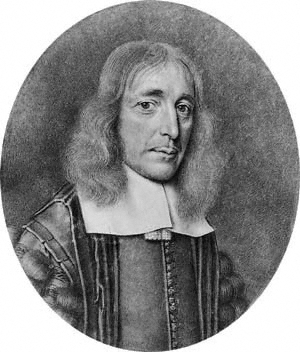
1672 WILLIS, Thomas (1621 – 1675)
De anima brutorum
Chap. XIV is devoted to the sense of hearing; in it Willis described the “paracusis of Willis” (p. 73). English translation, 1683. A probable description of myasthenia gravis is given in Pars. 2, Cap. IX. In Pars 2, C…
GMN 1544 · https://historyofmedicine.com/id/3644
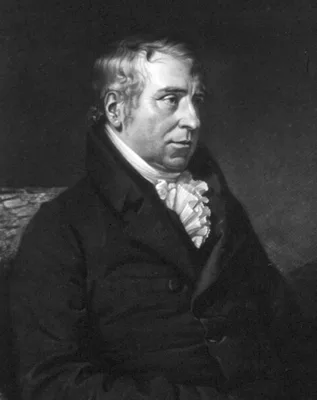
1798 HASLAM, John (1764 – 1844)
Observations on insanity.
Haslam was among the first to describe general paralysis; he recorded three cases (pp. 64, 67, 92, 120).
GMN 4794 · https://historyofmedicine.com/id/1541
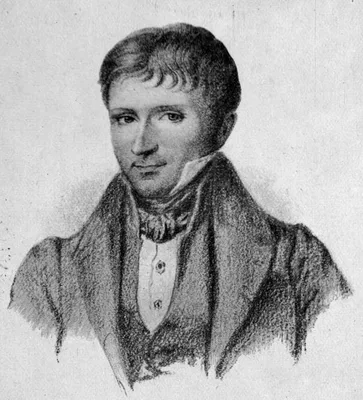
1822 BAYLE, Antoine Laurent Jessé (1799 – 1858)
Recherches sur l’arachnitis chronique, la gastrite et la gastro-entérite chroniques, et la goutte: Considerées comme causes de l'aliénation mentale. Thèse No. 247.
First description of general paresis, or paralytic dementia, general paralysis of the insane, or "maladie de Bayle". This is considered the first demonstation of an organic cause for a "psychiatric" disorder; it was i…
GMN 4795 · https://historyofmedicine.com/id/1545
1824 DELAYE, J. B.
Considérations sur une espèce de paralysie qui affecte particulièrement les aliénés. Thèse [pour le doctorat en médecin] No. 224.
Delaye, a pupil of Esquirol, selected for his thesis the subject of “incomplete general paralysis of the insane”, which he differentiated from other forms of paralysis. He recorded the early signs of the disease, emph…
GMN 4796 · https://historyofmedicine.com/id/1548
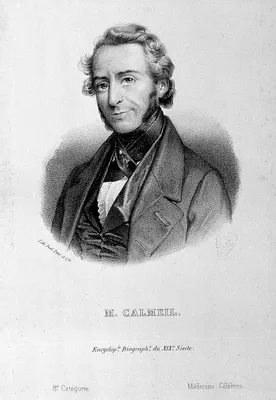
1826 CALMEIL, Louis-Florentin (1798 – 1895)
De la paralysie consideree chez les aliénés.
Classic description of general paralysis. Calmeil’s work complements Bayle’s earlier delineation of general paralysis (No. 4795). Between the two of them they established the clinical picture of general paralysis of t…
GMN 4797 · https://historyofmedicine.com/id/1552
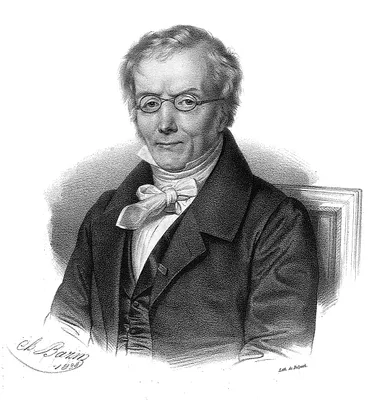
1838 ESQUIROL, Jean Étienne Dominique (1772 – 1840)
Des maladies mentales. 2 vols. and atlas.
Esquirol succeeded Pinel at the Salpêtrière, and was the first lecturer on psychiatry. After Pinel he was a founder of the French School. This is the first modern textbook on psychiatry. It is notable for its striking…
GMN 4798 · https://historyofmedicine.com/id/6144
1849 DAY, George Edward (1815 – 1872)
A practical treatise on the domestic management and most important diseases of advanced life. With an appendix, containing a series of cases illustrative of a new and successful mode of treating lumbago and other forms of chronic rheumatism, sciatica and other neuralgic affections, and certain forms of paralysis.
Digital facsimile from wellcomelibrary.org at this link.
GMN 13167 · https://historyofmedicine.com/id/15427
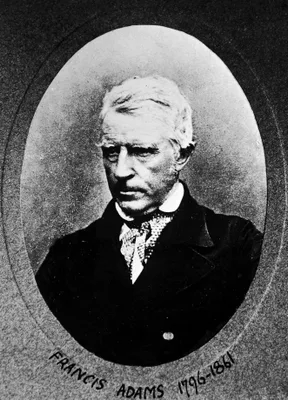
1856 ARETAEUS OF CAPPADOCIA, (Ἀρεταῖος Καππάδοκος) (80 – 140); ADAMS, Francis (1796 – 1861)
Тα ∑ωζομενα. The extant works of Aretaeus, the Cappadocian. Edited and translated by Francis Adams.
Aretaeus left many fine descriptions of disease; in fact Garrison ranks him second only to Hippocrates in this respect. In the printed editions of this bibliography, before the present online version, the Adams editio…
GMN 22 · https://historyofmedicine.com/id/8934
1877 CLOUSTON, Sir Thomas Smith (1841 – 1915)
A case of general paralysis at the age of sixteen.
Clouston, eminent English psychiatrist, was the first definitely to recognize the relationship between paresis and congenital syphilis and to report a case. This paper is also of interest as being the only recorded ca…
GMN 4799 · https://historyofmedicine.com/id/1556
1894 FOURNIER, Jean Alfred (1832 – 1915)
Les affections parasyphilitiques.
Fournier, great French venereologist, introduced the concept of “parasyphilis”. He showed statistically the causal relationship of syphilis to paresis and tabes.
GMN 4800 · https://historyofmedicine.com/id/1559
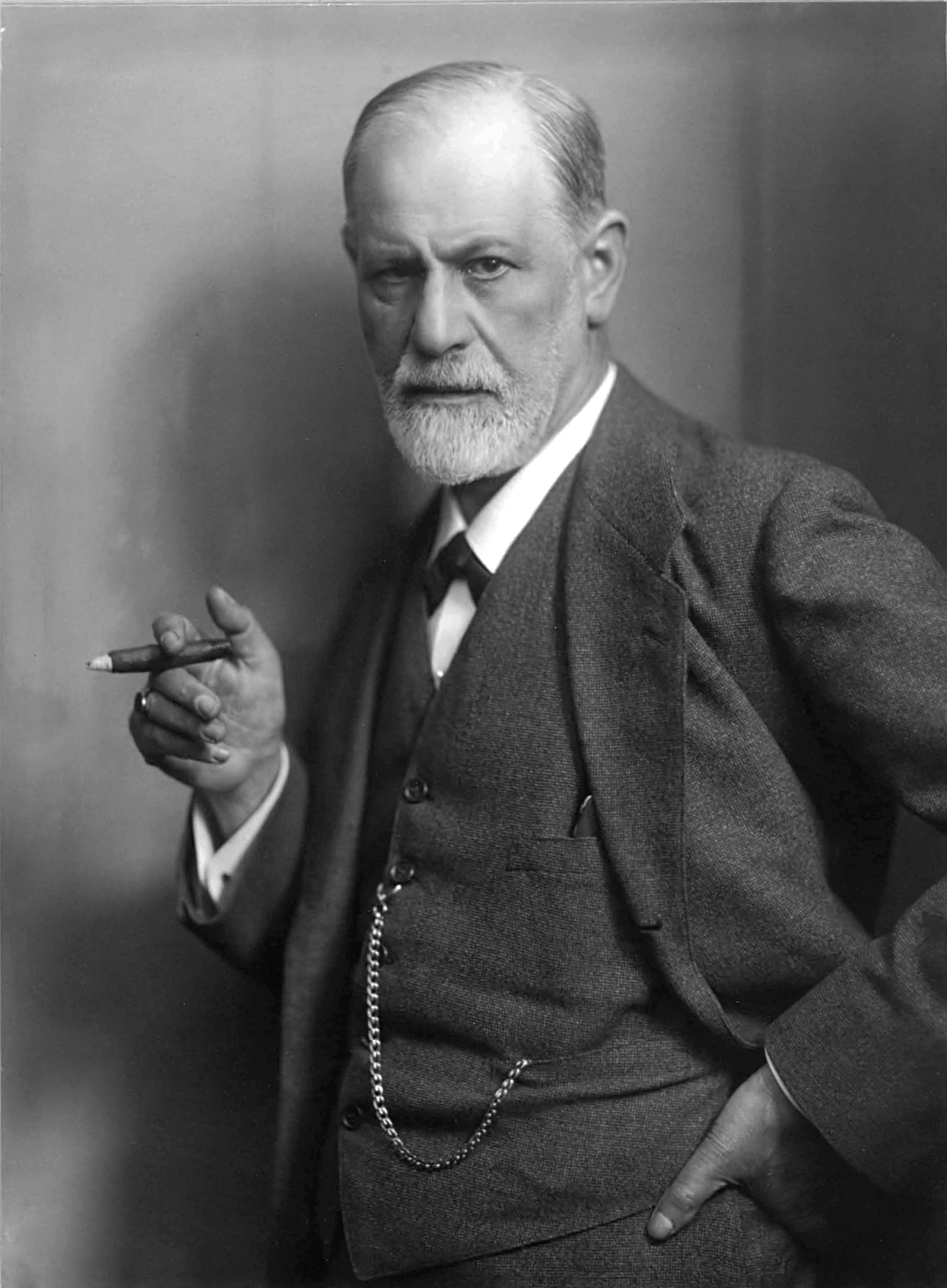
1897 FREUD, Sigmund (1856 – 1939)
Die infantile Cerebrallähmung.
Freud gave an excellent description of the various forms of cerebral palsy, with precise classification of the different spastic symptoms; he also mentioned the extra-pyramidal symptoms. This work forms Bd. IX, II The…
GMN 4708.2 · https://historyofmedicine.com/id/1160
1899 RAECKE, Julius (1872 – 1930)
Paralyse und Tabes bei Eheleuten. Ein Beitrag zur Aetiologie beider Krankheiten.
GMN 4801 · https://historyofmedicine.com/id/1563
1901 STORCH, Ernst (1866 – )
Ueber einige Fälle atypischer progressiver Paralyse. Nach einem hinterlassenen Manuscript Dr. H. Lissauer’s.
“Lissauer’s atypical general paralysis” first described. Heinrich Lissauer was bom in 1861 and died in 1891.
GMN 4802 · https://historyofmedicine.com/id/1567
1904 NISSL, Franz (1860 – 1919)
Histologische und histopathologische Arbeiten über die Grosshirnrinde. Vol. 1.
Pages 315-494 contain Nissl’s classic account of the histopathology of general paresis.
GMN 4803 · https://historyofmedicine.com/id/1571
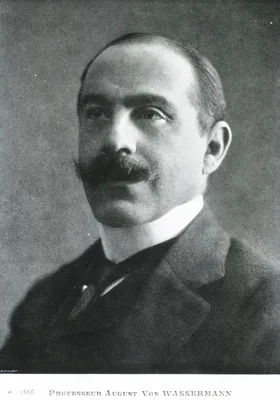
1906 WASSERMANN, August von (1866 – 1925); PLAUT, Felix (1877 – 1940)
Ueber das Vorhandensein syphilitischer Antistoffe in der Cerebrospinalflüssigkeit von Paralytikem.
Wassermann applied his test (No. 2402) to the cerebrospinal fluid and, in paretics, obtained positive results in over 90 per cent of cases. The test greatly facilitated the diagnosis of general paralysis.
GMN 4804 · https://historyofmedicine.com/id/1573
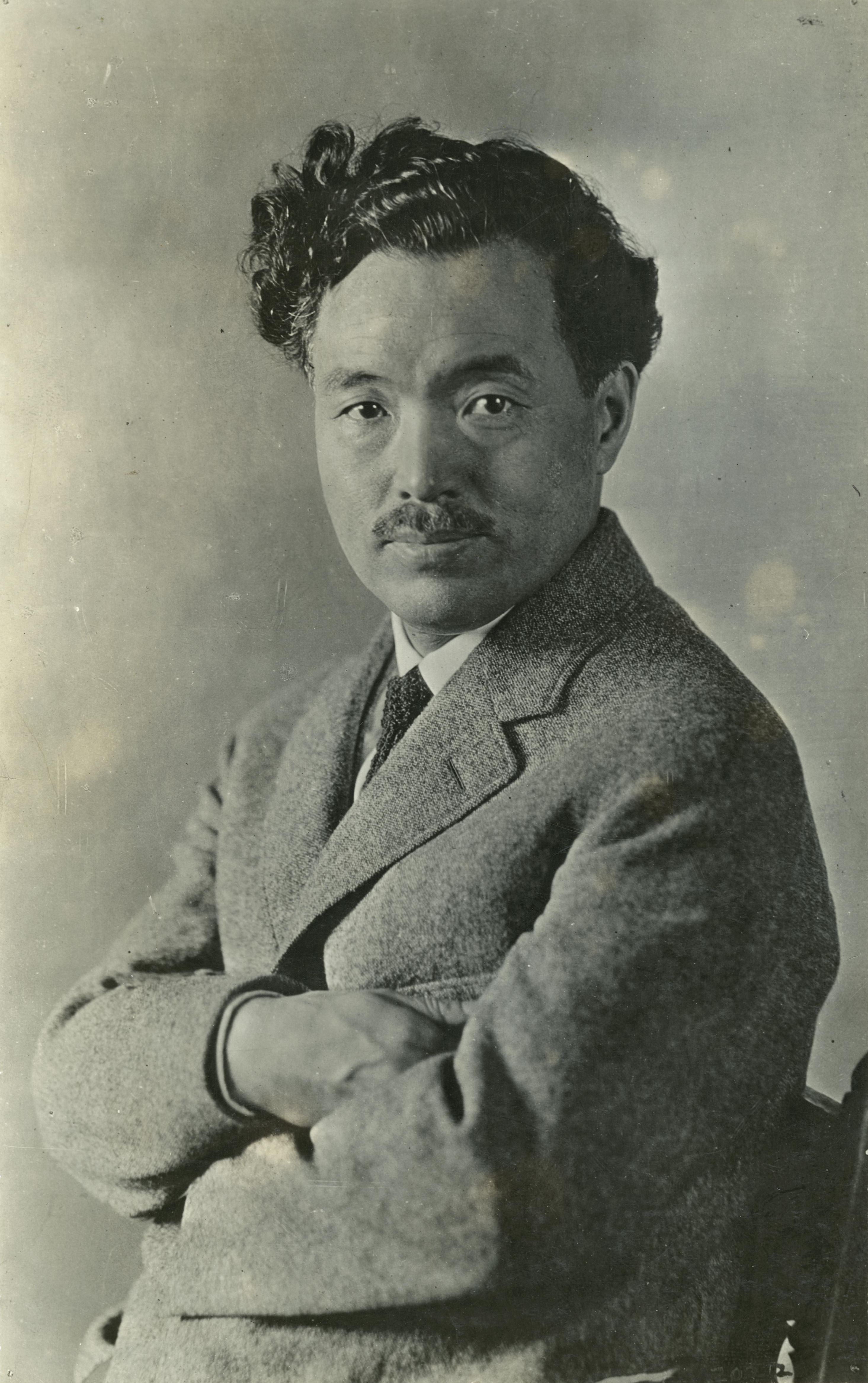
1913 NOGUCHI, Hideyo (1876 – 1928); MOORE, Joseph Waldron (1879 – )
A demonstration of Treponema pallidum in the brain in cases of general paralysis.
A pure culture of Trep. pallidum was obtained from a case of dementia paralytica.
GMN 4805 · https://historyofmedicine.com/id/1575
1918 –1919 WAGNER VON JAUREGG, Julius (1857 – 1940)
Ueber die Einwirkung der Malaria auf die progressive Paralyse.
In 1917 Wagner von Jauregg returned to the idea of the inoculation of paretics with malaria to induce pyrexia, first proposed by him in 1887 (Ueber die Einwirkung fieberhafter Erkrankungen auf Psychosen, Jb. Psychiat.…
GMN 4806 · https://historyofmedicine.com/id/1579