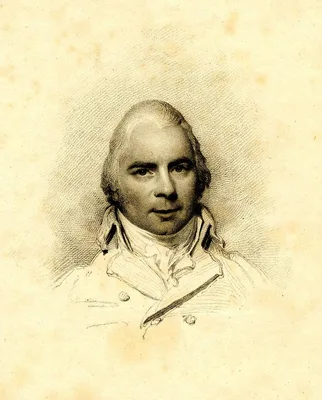
1815 CLARKE, John (1761 – 1815)
Commentaries on some of the most important diseases of children. Part the first.
First account of infantile tetany is given on pp. 86-97. Clarke died before this work was published. In it he also gave a clear description of laryngismus stridulus. This disease, which consists in a sudden onset of d…
GMN 4825 · https://historyofmedicine.com/id/1648
1816 KELLIE, George (1770 – 1830)
Notes on the swelling of the tops of the hands and feet, and on a spasmodic affection of the thumbs and toes, which very commonly attends it.
In his early account of chronic tetany, Kellie referred to carpo-pedal spasm and spasms of the glottis as part of the syndrome.
GMN 4826 · https://historyofmedicine.com/id/1651
1830 STEINHEIM, Salomon Levi (1789 – 1866)
Zwei seltene Formen von hitzigem Rheumatismus.
German writers usually credit Steinheim with the first description of parathyroid tetany.
GMN 4827 · https://historyofmedicine.com/id/1653
1831 DANCE, Jean Baptiste Hippolyte (1797 – 1832)
Observations sur une espèce de tétanos intermittent.
Dance’s important early description of parathyroid tetany followed closely on that of Steinheim.
GMN 4828 · https://historyofmedicine.com/id/1656
1852 CORVISART, François Remy Lucien (1824 – 1882)
De la contracture des extrémités ou tétanie. Thèse pour le doctorat en médecine. No. 223
In his graduation thesis, Lucien Corvisart, nephew of the more famous Baron Corvisart (No. 2737), introduced the term “tétanie”. Digital facsimile from BnF Gallica at this link.
GMN 4829 · https://historyofmedicine.com/id/1658
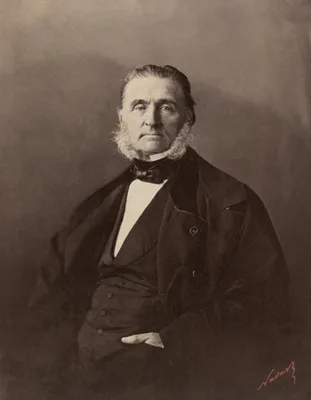
1861 TROUSSEAU, Armand (1801 – 1867)
Clinique médicale de l’Hôtel Dieu de Paris. 2 vols.
Trousseau, clinician of the Hôtel-Dieu, made important advances in the treatment of diphtheria, typhoid, scarlet fever and other conditions. In his book he emphasized the value of bedside observation. He supported the…
GMN 2221 · https://historyofmedicine.com/id/3760
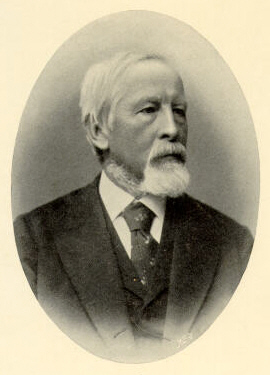
1872 KUSSMAUL, Adolf (1822 – 1902)
Zur Lehre von der Tetanie.
Important observations on gastric tetany were made by Kussmaul. He called attention to the convulsions sometimes accompanying dilatation of the stomach. He first mentioned “gastric tetany” in 1869 in his paper on gast…
GMN 4831 · https://historyofmedicine.com/id/1665
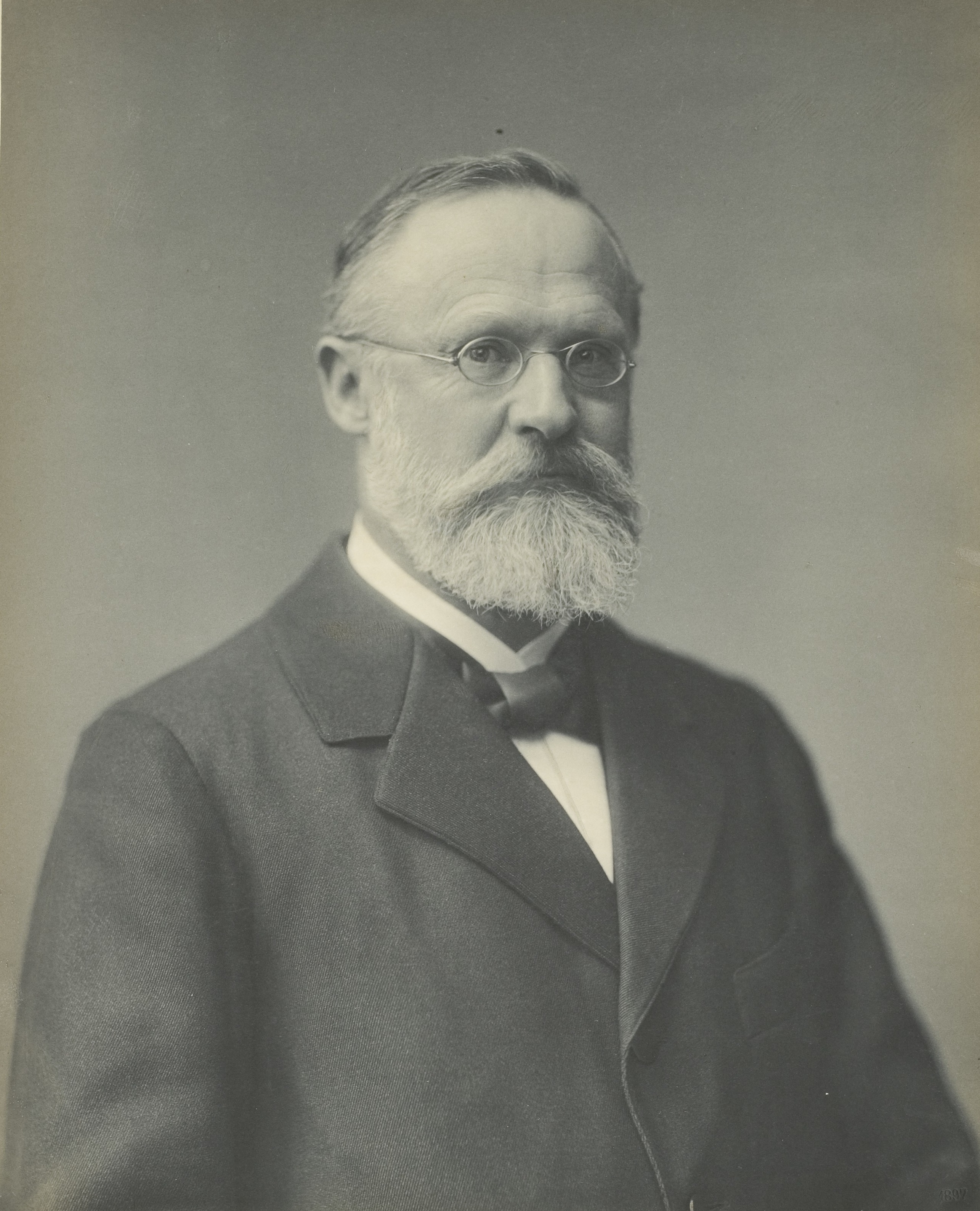
1873 –1874 ERB, Wilhelm Heinrich (1840 – 1921)
Zur Lehre von der Tetanie nebst Bemerkungen über die Prufung der electrischen Erregbarkeit motorischer Nerven.
“Erb’s sign”.
GMN 4832 · https://historyofmedicine.com/id/3577
1876 CHVOSTEK, František (1835 – 1884)
Beitrag zur Tetanie.
“Chvostek’s sign”, a reliable diagnostic sign in latent tetany in small children.
GMN 4833 · https://historyofmedicine.com/id/3583
1891 FRANKL-HOCHWART, Lothar Amadeus von (1862 – 1915)
Die Tetanie.
GMN 4834 · https://historyofmedicine.com/id/3587
1909 ESCHERICH, Theodor (1857 – 1911)
Die Tetanie der Kinder.
GMN 4835 · https://historyofmedicine.com/id/3590
1920 HULDSCHINSKY, Kurt (1883 – 1941)
Die Beeinflussung der Tetanie durch Ultraviolettlicht.
Treatment of tetany with ultraviolet light.
GMN 4836 · https://historyofmedicine.com/id/3593
1925 COLLIP, James Bertram (1892 – 1965); LEITCH, Douglas Burrows (1888 – 1974)
A case of tetany treated with parathyrin.
First use of parathyroid hormone in the treatment of tetany.
GMN 3862 · https://historyofmedicine.com/id/3598
1933 HOLTZ, Friedrich (1889 – 1967)
Die Behandlung der postoperativen Tetanie.
Introduction of A.T. 10 (“Antitetanisches Praparat Nr. 10”), dihydrotachysterol, in the treatment of tetany.
GMN 4838 · https://historyofmedicine.com/id/3601