1672 WILLIS, Thomas (1621 – 1675)
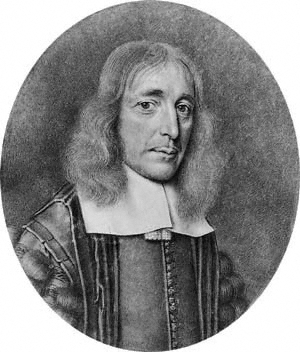
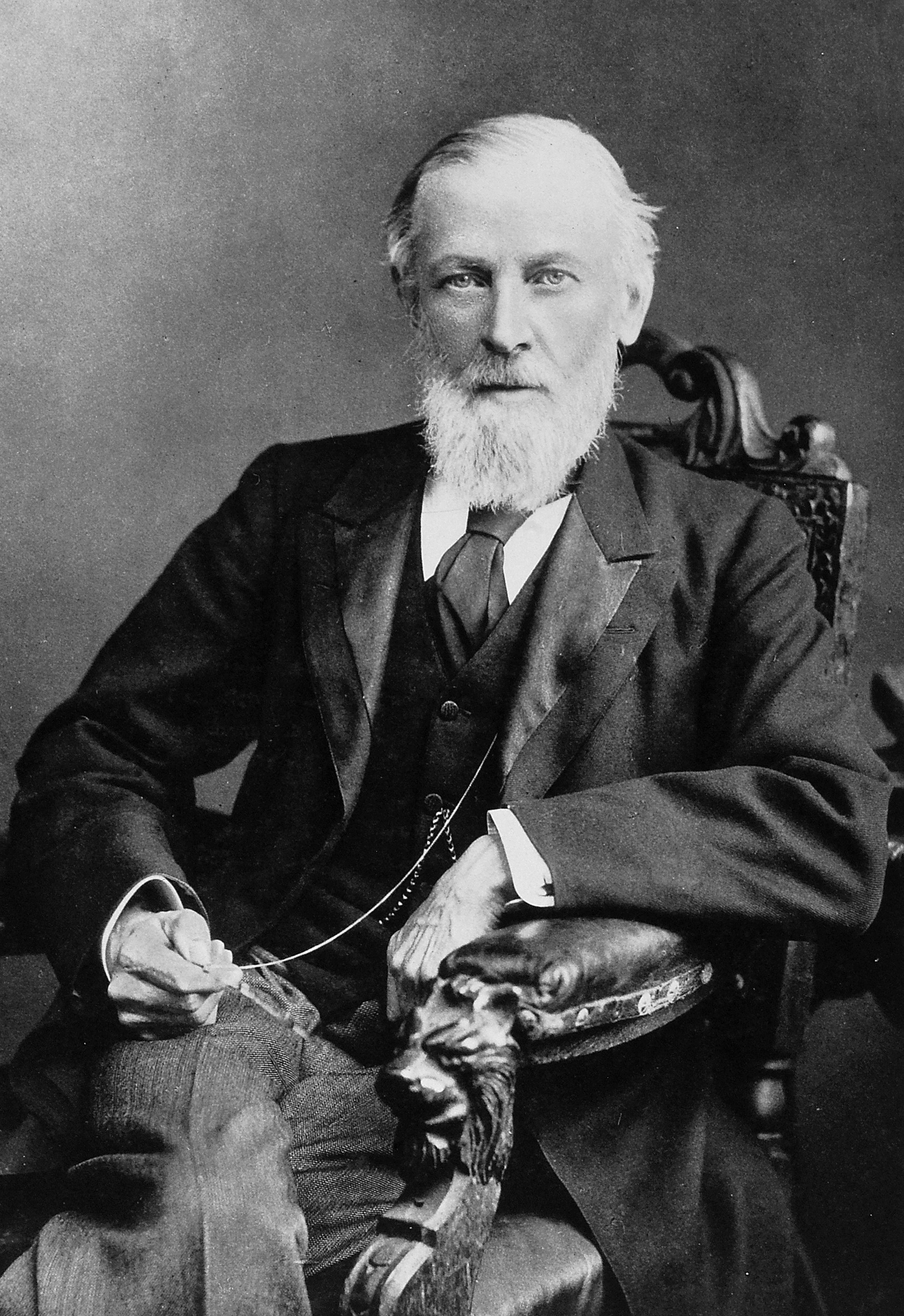
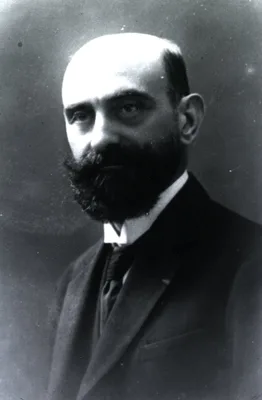
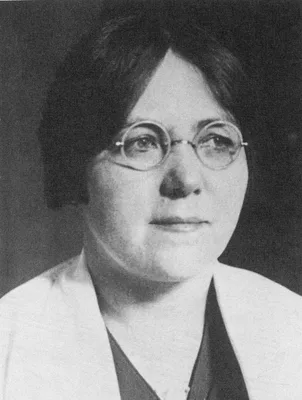
De anima brutorum
Chap. XIV is devoted to the sense of hearing; in it Willis described the “paracusis of Willis” (p. 73). English translation, 1683. A probable description of myasthenia gravis is given in Pars. 2, Cap. IX. In Pars 2, C…
GMN 1544 · https://historyofmedicine.com/id/3644
1740 FREKE, John (1688 – 1756)
A case of extraordinary exostoses on the back of a boy.
Probably the earliest description of myositis ossificans progressiva. Freke was a friend of Fielding, who mentioned him in Tom Jones.
GMN 4731 · https://historyofmedicine.com/id/1271
1849 DUCHENNE DE BOULOGNE, Guillaume Benjamin Armand (1806 – 1875)
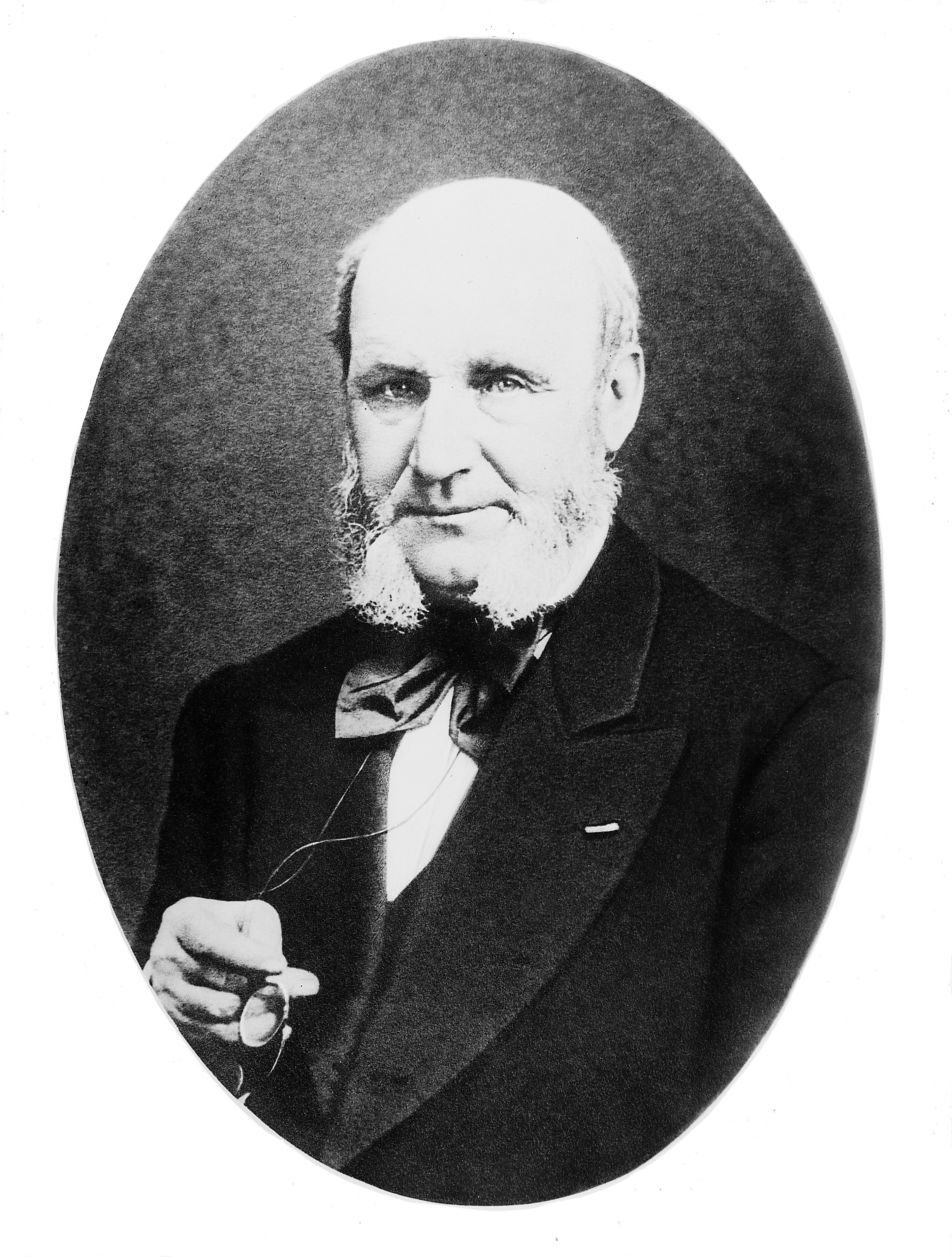
Recherches faites à l’aide du galvanisme sur l’état de la contractilité et de la sensibilité électro-musculaires dans les paralysies des membres superieures.
“Aran–Duchenne disease”, progressive muscular atrophy, with which the name of Cruveilhier is also associated. A fuller account is included in Duchenne’s Électrisation localisée, 1861, 437-547.
GMN 4732 · https://historyofmedicine.com/id/1274
1850 ARAN, François-Amilcar (1817 – 1861)
Recherches sur une maladie non encore décrite du système musculaire. (Atrophie musculaire progressive).
“Aran–Duchenne disease” (see No. 4732)
GMN 4733 · https://historyofmedicine.com/id/1281
1852 –1853 CRUVEILHIER, Jean (1791 – 1874)
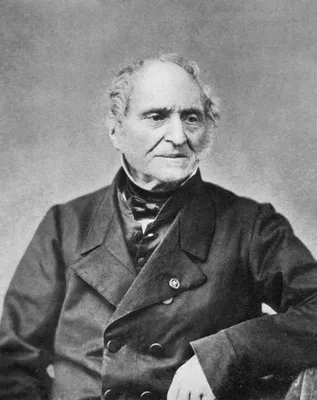
Sur la paralysie musculaire, progressive, atrophique.
“Cruveilhier’s palsy”, the progressive muscular atrophy already described by Duchenne and Aran. The slimness of the anterior roots was first noticed by Cruveilhier and was thought to be the essential lesion until Luys…
GMN 4734 · https://historyofmedicine.com/id/1286
1852 MERYON, Edward (1809 – 1880)
On granular and fatty degeneration of the voluntary muscles.
“Duchenne’s muscular dystrophy” (No. 4739) described.
GMN 4734.1 · https://historyofmedicine.com/id/1288
1853 LITTLE, William John (1810 – 1894)
On the nature and treatment of the deformities of the human frame.
Little was the first eminent orthopedic surgeon in the British Isles. He studied under Stromeyer and, in 1838, he founded the Orthopaedic Institution, now the (Royal) National Orthopaedic Hospital, London. The above w…
GMN 4329 · https://historyofmedicine.com/id/1293
1860 DUCHENNE DE BOULOGNE, Guillaume Benjamin Armand (1806 – 1875)
Paralysie musculaire progressive de la langue, du voile du palais et des lévres; affection non encore décrite comme espèce morbide distincte.
First description of chronic progressive bulbar paralysis (“Duchenne’s paralysis”).
GMN 4736 · https://historyofmedicine.com/id/1301
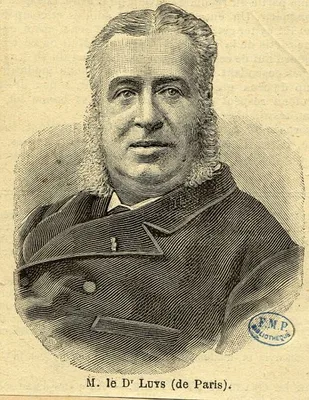
1860 LUYS, Jules Bernard (1828 – 1897)
Atrophie musculaire progressive. Lésions histologiques de la substance grise de la moëlle épinière.
Luys was the first to note the degeneration of the anterior horn cells in progressive muscular atrophy.
GMN 4737 · https://historyofmedicine.com/id/1306
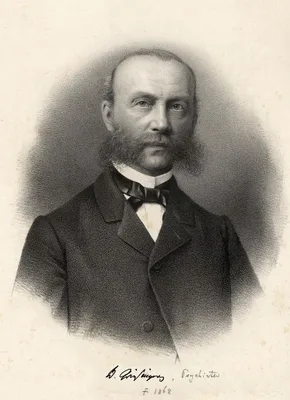
1865 GRIESINGER, Wilhelm (1817 – 1868)
Ueber Muskelhypertrophie.
Progressive muscular dystrophy with pseudo-hypertrophy. From the description given later by Duchenne (No. 4739) the condition has been named “Duchenne-Griesinger disease”.
GMN 4738 · https://historyofmedicine.com/id/1315
1868 DUCHENNE DE BOULOGNE, Guillaume Benjamin Armand (1806 – 1875)
Recherches sur la paralysie musculaire pseudo-hypertrophique, ou paralysie myo-sclérosique.
“Duchenne muscular dystrophy”. English translation of first portion in Bick, Classics of orthopaedics, 72-75.
GMN 4739 · https://historyofmedicine.com/id/1317
1869 CHARCOT, Jean Martin (1825 – 1893); JOFFROY, Alex (1844 – 1908)
Deux cas d’atrophie musculaire progressive avec lésions de la substance grise et des faisceaux antéro-latéraux de la moëlle épinière.
Description of the lesions of the spinal cord in muscular atrophy.
GMN 4740 · https://historyofmedicine.com/id/1321
1869 MÜNCHMEYER, Ernst (1846 – 1880)
Ueber Myositis ossificans progressiva.
Münchmeyer described a form of progressive ossifying myositis (“Münchmeyer’s disease”).
GMN 4741 · https://historyofmedicine.com/id/1324
1874 CHARCOT, Jean Martin (1825 – 1893)
Des amyotrophies spinales chroniques.
Charcot differentiated between the ordinary (Aran–Duchenne) type of muscular atrophy and the rarer amyotrophic lateral sclerosis, (ALS), at one time called “Charcot’s disease,” but more frequently designated today as …
GMN 4742 · https://historyofmedicine.com/id/1326
1875 –1876 LEYDEN, Ernst Viktor von (1832 – 1910)
Klinik der Rückenmarks-Krankheiten. Bd. 2, pt.2.
First description of myotonia congenita occurs on p. 550.
GMN 4743 · https://historyofmedicine.com/id/1332
1876 THOMSEN, Asmus Julius Thomas (1815 – 1896)
Tonische Krämpfe in willkürlich beweglichen Muskeln in Folge von ererbter psychischer Disposition (Ataxia muscularis?).
Thomsen suffered from muscle weakness and cramps, an issue that all his sons inherited. Realizing that this was a hereditary disease, Thomsen managed to trace the disease for six generations, and found over 20 cases o…
GMN 4744 · https://historyofmedicine.com/id/1336
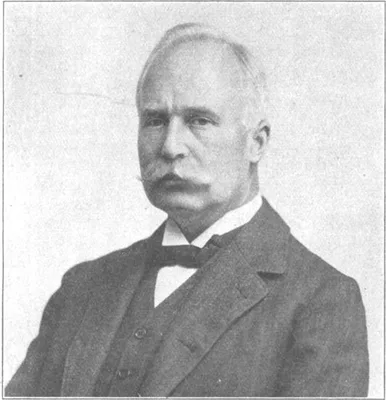
1877 WILKS, Sir Samuel (1824 – 1911)
On cerebritis, hysteria, and bulbar paralysis, as illustrative of arrest of function of the cerebro-spinal centres.
The case of “bulbar paralysis” (pp. 45-55) is believed to be the first definite record of myasthenia gravis.
GMN 4745 · https://historyofmedicine.com/id/1339
1879 ERB, Wilhelm Heinrich (1840 – 1921)
Ueber einen eigenthümlichen bulbären (?) Symptomenkomplex.
Myasthenia gravis (“Erb-Goldflam disease”; see also No. 4757). A further paper on the subject by Erb appears in the above volume, pp. 325-50.
GMN 4746 · https://historyofmedicine.com/id/1341
1884 ERB, Wilhelm Heinrich (1840 – 1921)
Ueber die juvenile Form der progressiven Muskelatrophie und ihre Beziehungen zur sogenannten Pseudohypertrophie der Muskeln.
Progressive muscular dystrophy (“Erb’s muscular atrophy”). Erb did much to establish the modern conception of the muscular dystrophies.
GMN 4747 · https://historyofmedicine.com/id/1344
1885 DEJERINE-KLUMPKE, Augusta (1859 – 1927)
Contribution à l’étude des paralysies radiculaires du plexus brachial.
First description of atrophic paralysis of the muscles of the hand following lesion of the brachial plexus and eighth cervical and first dorsal nerves (“Klumpke’s paralysis”).
GMN 4748 · https://historyofmedicine.com/id/1347
1886 CHARCOT, Jean Martin (1825 – 1893); MARIE, Pierre (1853 – 1940)
Sur une forme particuliére d’atrophie musculaire progressive souvent familiale débutant par les pieds et les jambes et atteignant plus tard les mains.
First description of the peroneal form of muscular atrophy, the so-called Charcot–Marie–Tooth type.
GMN 4749 · https://historyofmedicine.com/id/1349
1886 TOOTH, Howard Henry (1856 – 1925)
The peroneal type of progressive muscular atrophy. Thesis for the degree of M.D. in the University of Cambridge.
Tooth described peroneal muscular atrophym a hereditary motor and sensory neuropathy of the peripheral nervous system, independently of, and in the same year as, Charcot and Marie. Known as Charcot-Marie-Tooth (CMT) d…
GMN 4750 · https://historyofmedicine.com/id/1353
1886 DEJERINE, Joseph Jules (1849 – 1917); LANDOUZY, Louis Théophile Joseph (1845 – 1917)
Contribution à l’étude de la myopathie atrophique progressive (myopathie atrophique progressive, à type scapulo-huméral).
“Landouzy–Dejerine type” of progressive muscular dystrophy.
GMN 4752 · https://historyofmedicine.com/id/1388
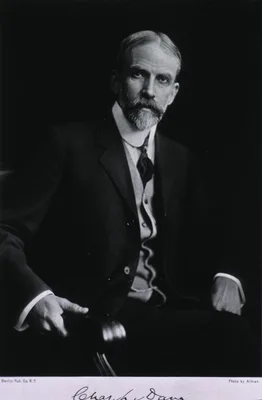
1888 DANA, Charles Loomis (1852 – 1935)
An atypical case of Thomsen’s disease (myotonia congenita).
Dana described a combination of myotonia and muscular atrophy.
GMN 4753 · https://historyofmedicine.com/id/1391
1890 DÉLÉAGE, Francisque (1862 – )
Étude clinique sur la maladie de Thomsen (myotonie congénitale).
First description of dystrophia myotonica (“Déléage’s disease”).
GMN 4754 · https://historyofmedicine.com/id/8894
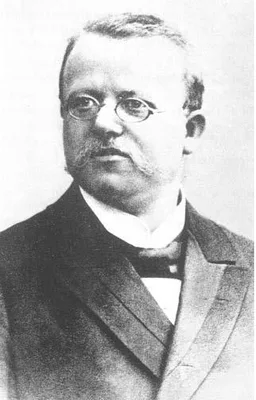
1891 WERDNIG, Guido (1844 – 1919)
Zwei frühinfantile hereditäre Fälle von progressiver Muskelatrophie unter dem Bilde der Dystrophie, aber auf neurotischer Grundlage.
“Werdnig-Hoffmann muscular atrophy”, an infantile familial form of progressive muscular atrophy. Hoffmann independently described it (see No. 4756).
GMN 4755 · https://historyofmedicine.com/id/1392
1891 –1893 HOFFMANN, Johann (1857 – 1919)
Ueber chronische spinale Muskelatrophie im Kindesalter, auf familiärer Basis.
“Hoffmann’s muscular atrophy” – independently described by Werdnig (No. 4755).
GMN 4756 · https://historyofmedicine.com/id/1395
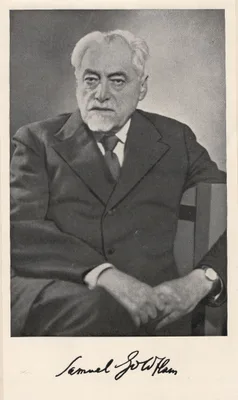
1893 GOLDFLAM, Samuel Vulfovich (1852 – 1932)
Ueber einen scheinbar heilbaren bulbärparalytischen Symptomen-complex mit Betheiligung der Extremitäten.
Myasthenia pseudoparalytica (Erb–Goldflam symptom complex). See No. 4746.
GMN 4757 · https://historyofmedicine.com/id/1397
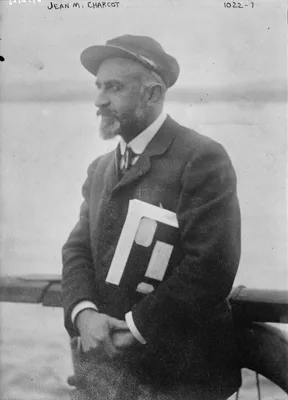
1895 CHARCOT, Jean-Baptiste August Étienne (1867 – 1936)
Contribution à l’étude de l’atrophie musculaire progressive type Duchenne–Aran.
Digital facsimile from the Internet Archive at this link.
GMN 4758 · https://historyofmedicine.com/id/1400
1897 MARIE, Pierre (1853 – 1940)
Existe-t-il une atrophie musculaire progressive Aran-Duchenne?
Marie disbelieved in the Aran–Duchenne type of muscular progressive atrophy.
GMN 4759 · https://historyofmedicine.com/id/1402
1900 OPPENHEIM, Hermann (1858 – 1919)
Ueber allgemeine und localisierte Atonie der Muskulatur (Myatonie) im frühen Kindesalter.
First description of “Oppenheim’s disease” – amyotonia congenita.
GMN 4760 · https://historyofmedicine.com/id/1405
1901 WEIGERT, Carl (1845 – 1904)
Pathologisch-anatomischer Beitrag zur Erb’schen Krankheit (Myasthenia gravis).
Weigert noted the connection of myasthenia gravis with hypertrophy of the thymus.
GMN 4761 · https://historyofmedicine.com/id/1406
1902 GOWERS, Sir William Richard (1845 – 1915)
On myopathy and a distal form.
“Distal myopathy of Gowers”, a form of progressive muscular dystrophy.
GMN 4762 · https://historyofmedicine.com/id/1408
1907 CRUCHET, Jean René (1875 – 1959)
Traité des torticolis spasmodiques.
In this classic monograph, 357 cases of torticollis are recorded.
GMN 4763 · https://historyofmedicine.com/id/1409
1912 –1913 SAUERBRUCH, Ernst Ferdinand (1875 – 1951)
Thymektomie bei einem Fall von Morbus Basedowi mit Myasthenie.
Thymectomy for myasthenia gravis. Reported by C. H. Schumacher and – . Roth.
GMN 4764 · https://historyofmedicine.com/id/1411
1930 EDGEWORTH, Harriet Isabel (1892 – )
A report of progress on the use of ephedrine in a case of myasthenia gravis.
Harriet Edgeworth discovered by accident the beneficial effect of ephedrine in myasthenia gravis. Digital facsimile from jamanetwork.com at this link.
GMN 4765 · https://historyofmedicine.com/id/1412
1932 BOOTHBY, Walter Meredith (1880 – 1953)
Myasthenia gravis: a preliminary report on the effect of treatment with glycine.
Introduction of glycine (glycocoll) in the treatment of myasthenia gravis.
GMN 4766 · https://historyofmedicine.com/id/1414
1932 REMEN, Lazar (1907 – 1974)
Zur Pathogenese und Therapie der Myasthenie gravis pseudoparalytica.
Introduction of neostigmine in the treatment of myasthenia gravis.
GMN 4767 · https://historyofmedicine.com/id/1415
1934 WALKER, Mary Broadfoot (1888 – 1974)
Treatment of myasthenia gravis with physostigmine.
Introduction of physostigmine in treatment of myasthenia gravis. She replaced this with neostigmine in 1935 (Proc. roy. Soc. Med., 28, 759-61).
GMN 4768 · https://historyofmedicine.com/id/1417
1935 LAURENT, Lous Philippe Eugène (1906 – 1992); WALTHER, William Werner
The influence of large doses of potassium chloride on myasthenia gravis.
Potassium salts first used in treatment of myasthenia gravis.
GMN 4769 · https://historyofmedicine.com/id/1418
1938 MINOT, Ann Stone (1894 – 1980); ET AL
The response of the myasthenic state to guanidine hydrochloride.
Guanidine first used in treatment of myasthenia gravis. With K. Dodd and S. S. Riven.
GMN 4770 · https://historyofmedicine.com/id/1421
1939 BLALOCK, Alfred (1899 – 1964); ET AL
Myasthenia gravis and tumors of the thymic region. Report of a case in which the tumor was removed.
First deliberate treatment of myasthenia gravis by thymectomy, with M. F. Mason, H. J. Morgan, and S. S. Riven.
GMN 4771 · https://historyofmedicine.com/id/1422
1955 BECKER, P. E.; KEINER, F
Eine neue x-chromosomale Muskeldystrophie.
Becker-type muscular dystrophy.
GMN 4771.1 · https://historyofmedicine.com/id/1425