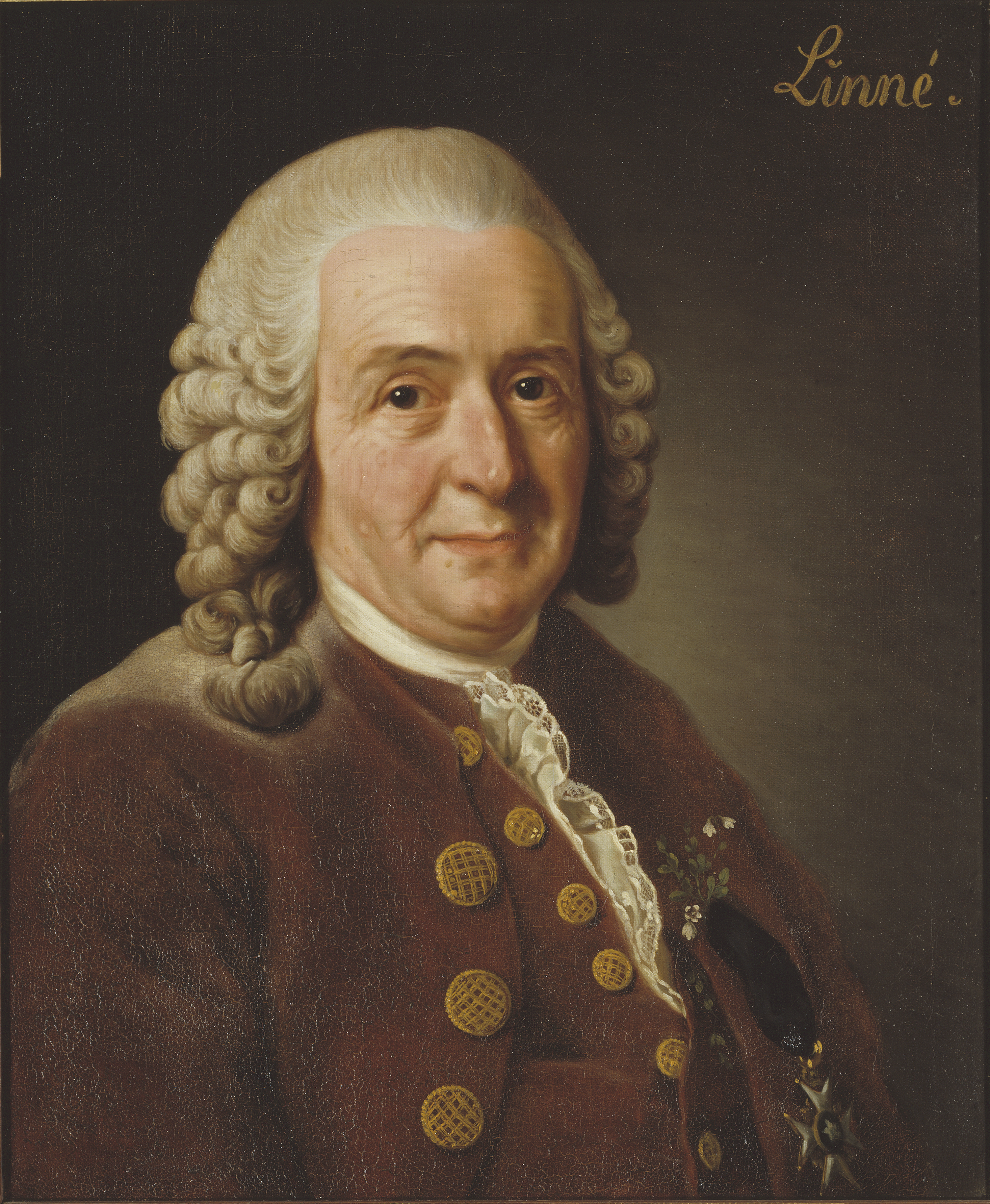
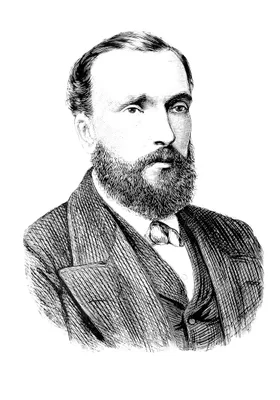
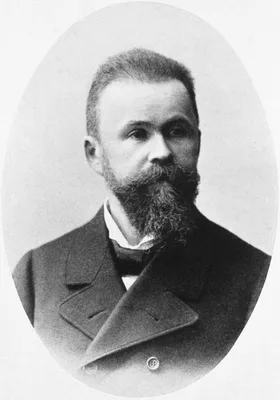
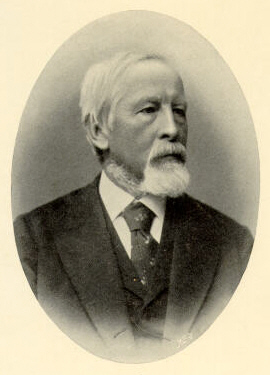
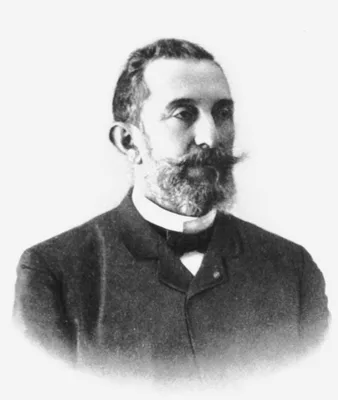
1745 LINNAEUS, Carl (Linné) (1707 – 1778)
Glömska af alla substantiva och i synnerhet namn.
Aphasia first described. Facsimile reproduction and English translation by H. R. Viets, Bull. Hist. Med., 1943, 13, 328-33.
GMN 4616 · https://historyofmedicine.com/id/646
1758 BUXTORF, Johann Ludwig (1736 – 1804)
Lethargus cum impotentia loquelae, tandem convulsivus et lethalis.
GMN 4617 · https://historyofmedicine.com/id/648
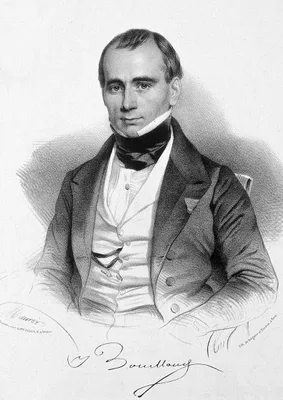
1825 BOUILLAUD, Jean Baptiste (1796 – 1881)
Recherches cliniques propres à démontrer que la perte de la parole correspond à la lésion des lobules antérieurs du cerveau.
Classic account of aphasia. Bouillaud was the first to suggest that injuries of the frontal lobe were a cause of aphasia.
GMN 4618 · https://historyofmedicine.com/id/651
1861 BROCA, Pierre Paul (1824 – 1880)
Perte de la parole; ramollissement chronique et destruction partielle du lobe antérieur gauche du cerveau.
Broca localized the speech center in the left frontal lobe. He asserted that aphasia was associated with a lesion on the left third frontal convolution of the brain – “Broca’s center”. He was preceded in this discover…
GMN 4619 · https://historyofmedicine.com/id/653
1861 BROCA, Pierre Paul (1824 – 1880)
Remarques sur le siège de la faculté du langage articulé, suivie d’une observation d’aphémie (perte de la parole).
Broca claimed the third left frontal convolution of the brain as the center of articulate speech – a point now disputed. He was first to trephine for a cerebral abscess diagnosed by this theory of localization of func…
GMN 1400 · https://historyofmedicine.com/id/2005
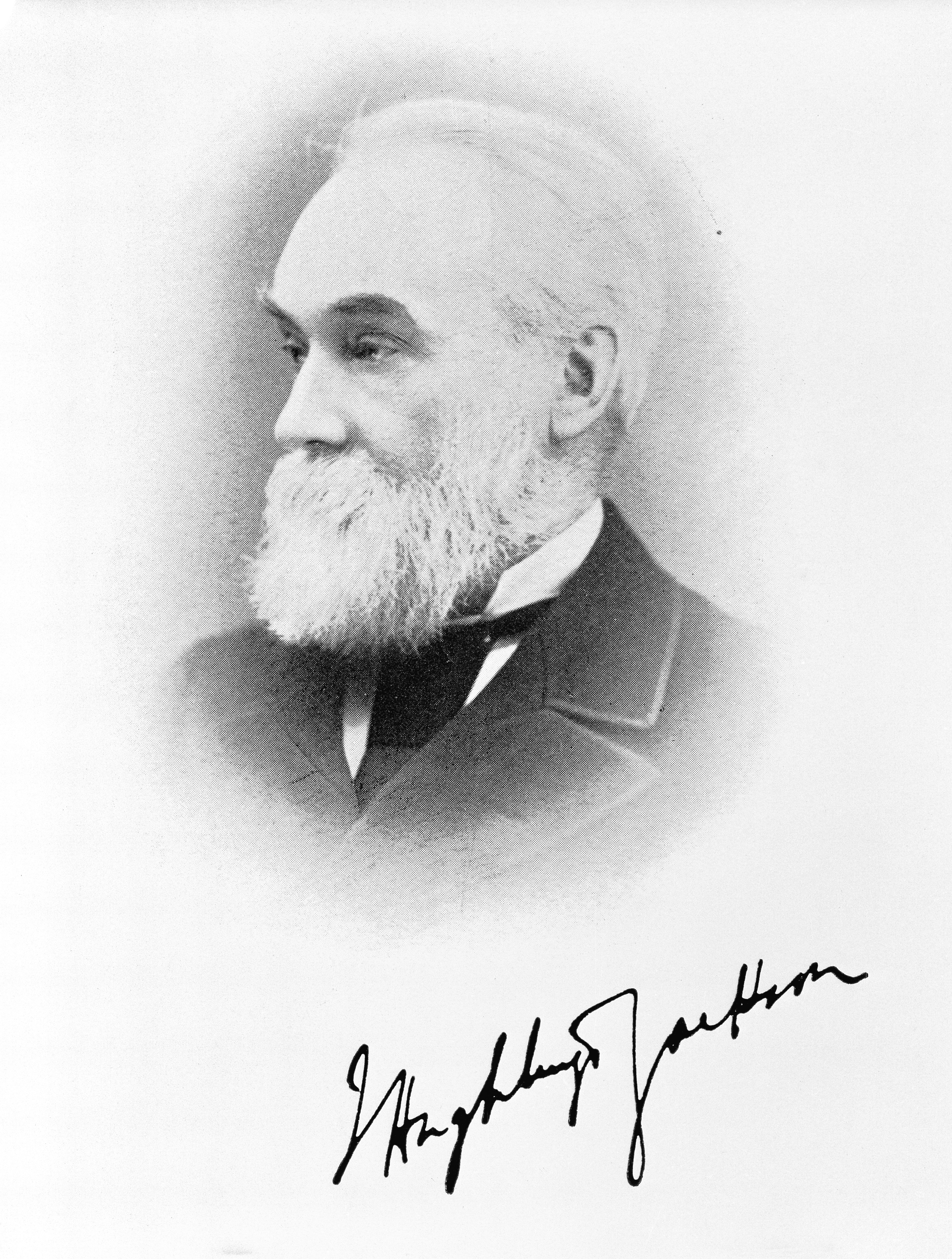
1864 JACKSON, John Hughlings (1835 – 1911)
Loss of speech: its association with valvular disease of the heart, and with hemiplegia on the right side. Defects of smell. Defects of speech in chorea. Arterial regions in epilepsy.
Jackson studied aphasia for 30 years. He emphasized its psychological aspects and laid the foundation for present knowledge of the condition, but he was ahead of his time and the value of his work was not recognized f…
GMN 4620 · https://historyofmedicine.com/id/658
1866 JACKSON, John Hughlings (1835 – 1911)
Notes on the physiology and pathology of language.
GMN 4621 · https://historyofmedicine.com/id/661
1866 FALRET, Jules (1824 – 1902)
Aphasie, aphémie, alalie.
Includes a history of aphasia.
GMN 4621.1 · https://historyofmedicine.com/id/8861
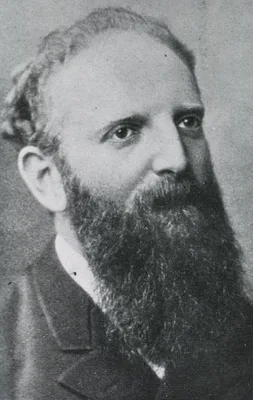
1866 MEYNERT, Theodor Hermann (1833 – 1892)
Ein Fall von Sprachstörung, anatomisch begründet.
"Carl Wernicke (1848-1905) is traditionally considered the first to have described the features of, and the brain pathology underlying, impaired auditory comprehension and related symptoms. Although Wernicke (1874) cl…
GMN 13278 · https://historyofmedicine.com/id/15544
1869 BASTIAN, Henry Charlton (1837 – 1915)
On the various forms of loss of speech in cerebral disease.
Bastian’s first important paper on aphasia. His axiom “We think in words” explains his whole work on the subject. See also his later paper on pp. 470-92 of the same volume.
GMN 4622 · https://historyofmedicine.com/id/663
1874 WERNICKE, Carl (1848 – 1905)
Der aphasische Symptomencomplex.
Sensory aphasia (“Wernicke’s aphasia”). Wernicke did important work on the localization of aphasia; he included in his book accounts of alexia and agraphia. English translation in Boston Studies in the Philosophy of S…
GMN 4623 · https://historyofmedicine.com/id/665
1877 KUSSMAUL, Adolf (1822 – 1902)
Die Störungen der Sprache.
Kussmaul termed aphasia “word-blindness”. The book was issued as a supplement to vol. 12 of Ziemssen’s Handbuch der speciellen Pathologie und Therapie. English translation in Ziemssen’s Cyclopedia of the practice of m…
GMN 4624 · https://historyofmedicine.com/id/670
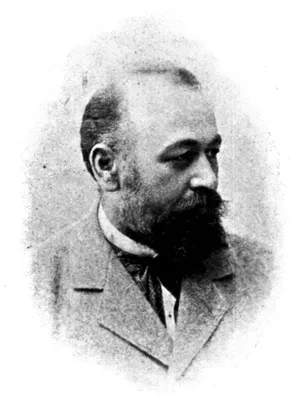
1884 PITRES, Albert (1848 – 1928)
Considérations sur l’agraphie à propos d’une observation nouvelle d’agraphie motrice pure.
Classic account of agraphia.
GMN 4625 · https://historyofmedicine.com/id/673
1885 LICHTHEIM, Ludwig (1845 – 1928)
Ueber Aphasie.
“Lichtheim’s disease”– subcortical sensory aphasia. Lichtheim noted that although the patient could not speak, he was able to indicate with his fingers the number of syllables in the word of which he was thinking (“Li…
GMN 4626 · https://historyofmedicine.com/id/677
1890 –1930 HENSCHEN, Salomon Eberhard (1847 – 1930)
Klinische und anatomische Beiträge zur Pathologie des Gehirns. 8 pts. in 10 vols.
An important summary of the knowledge concerning aphasia appears in vols. 5-7.
GMN 4632 · https://historyofmedicine.com/id/8862
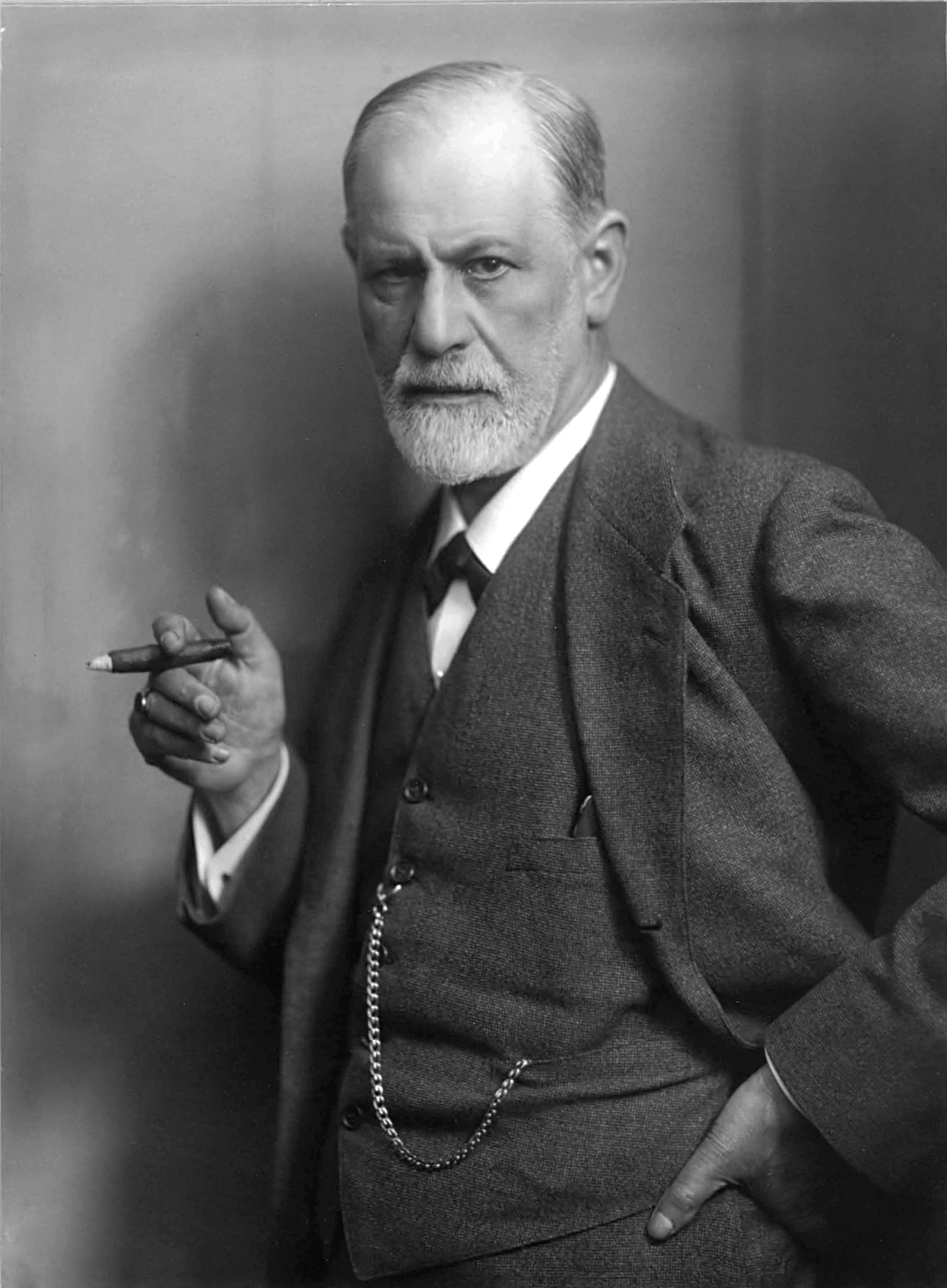
1891 FREUD, Sigmund (1856 – 1939)
Zur Auffassung der Aphasien.
Freud refuted the Wernicke–Lichtheim doctrine (Nos. 4623 & 4626) that the losses of function in aphasia were due to lesions to anatomically circumscribed centers corresponding to the various functions involved in lang…
GMN 4627.1 · https://historyofmedicine.com/id/682
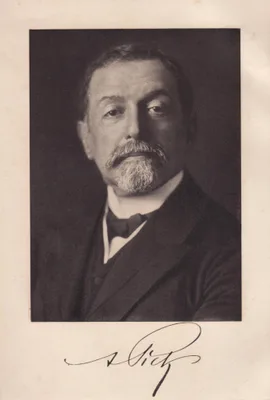
1892 PICK, Arnold (1851 – 1924)
Ueber die Beziehungen der senilen Hirnatrophie zur Aphasie.
“Pick’s disease” – circumscribed atrophy of the brain with the development of aphasia and presenile dementia.
GMN 4707 · https://historyofmedicine.com/id/1135
1894 –1900 WERNICKE, Carl (1848 – 1905)
Grundriss der Psychiatrie in klinischen Vorlesungen.
Wernicke made valuable contributions to the subject of sensory aphasia, mind-blindness, and apraxia. He correlated all psychic action with the function of speech, each perversion being interpreted as showing a minus o…
GMN 4949 · https://historyofmedicine.com/id/6254
1895 PITRES, Albert (1848 – 1928)
Étude sur l’aphasie chez les polyglottes.
Important account of paraphrasia.
GMN 4628 · https://historyofmedicine.com/id/683
1898 BASTIAN, Henry Charlton (1837 – 1915)
A treatise on aphasia and other speech defects.
Bastian localized the auditory and visual centers, and he described word-blindness and word-deafness. (See also No. 4622.)
GMN 4629 · https://historyofmedicine.com/id/686
1906 MARIE, Pierre (1853 – 1940)
Révision de la question de l’aphasie; la troisième circonvolution frontale gauche ne joue aucun rôle spécial dans la fonction du langage.
Marie disputed Broca’s claim that the third left frontal convolution of the brain is the speech center. He classified aphasia into three groups: anarthria (defects of articulation), Broca’s (motor) aphasia, and Wernic…
GMN 4630 · https://historyofmedicine.com/id/688
1926 HEAD, Sir Henry (1861 – 1940)
Aphasia and kindred disorders of speech. 2 vols.
Head’s theory of aphasia conceived the condition as being “a disorder of symbolic formulation and expression”.
GMN 4633 · https://historyofmedicine.com/id/693
1977 WERNICKE, Carl (1848 – 1905); EGGERT, Gertrude H.
Wernicke's works on aphasia: A sourcebook and review.
GMN 13277 · https://historyofmedicine.com/id/15543
1994 ELING, Paulus Alphons Theresia Maria (Paul) (1951 – )
Reader in the history of aphasia from [Franz] Gall to [Norman] Geschwind. Edited by Paul Eling.
GMN 12638 · https://historyofmedicine.com/id/14879
2008 TESAK, Juergen; CODE, Chris
Milestones in the history of aphasia: Theories and protagonists.
GMN 11792 · https://historyofmedicine.com/id/13994
2017 LEBLANC, Richard
Fearful asymmetry: Bouillaud, Dax, Broca, and the localization of language, Paris, 1825-1879.
GMN 11793 · https://historyofmedicine.com/id/13995