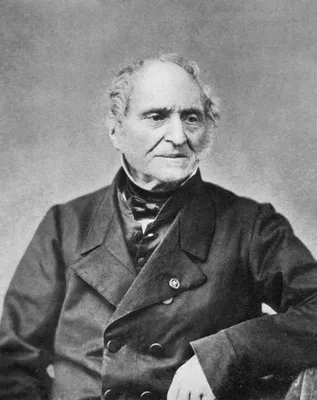
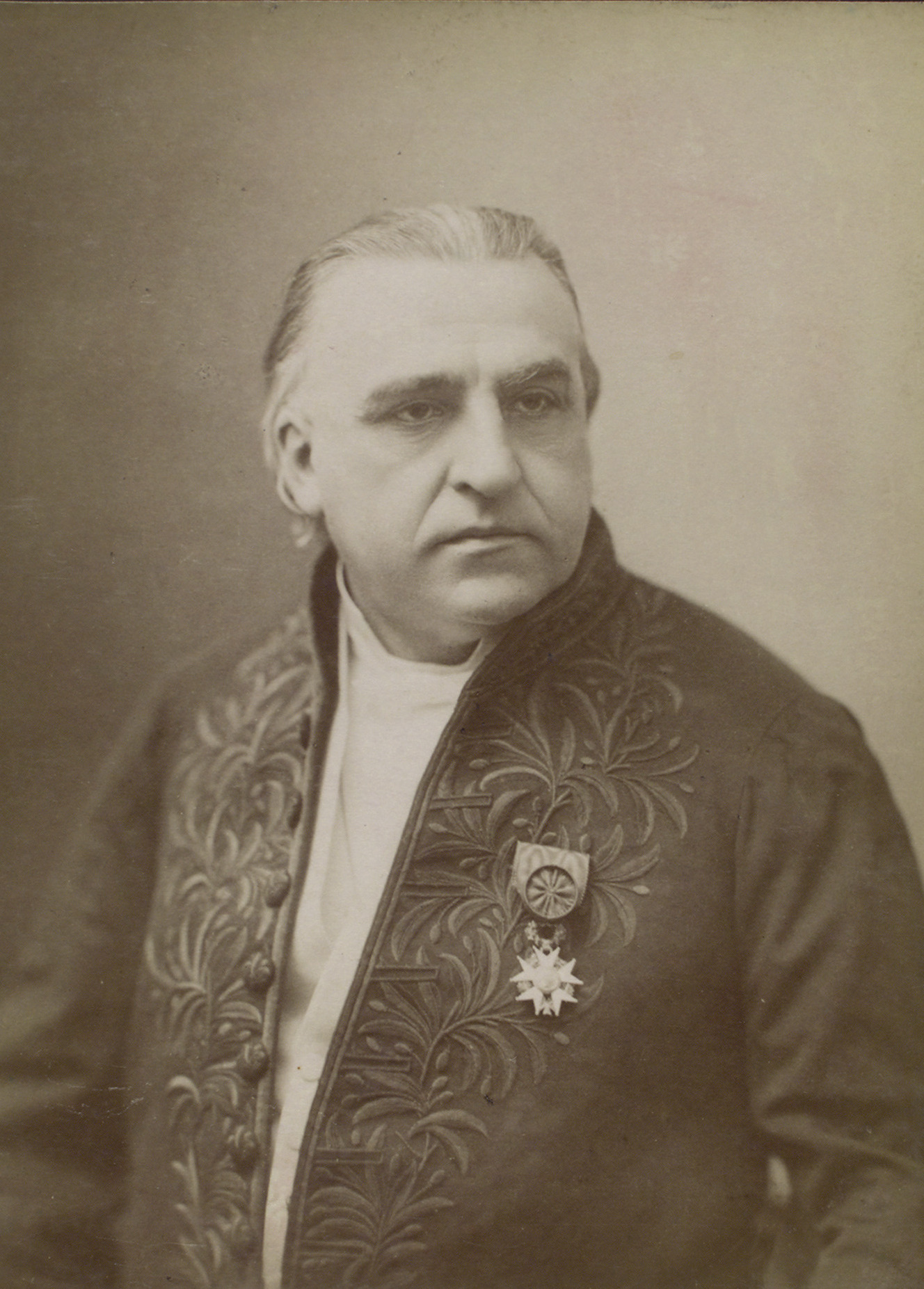
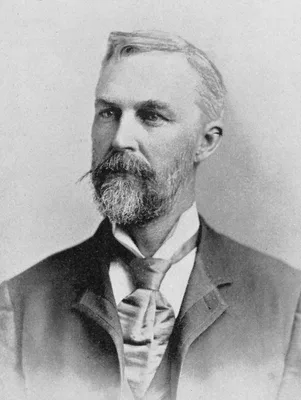
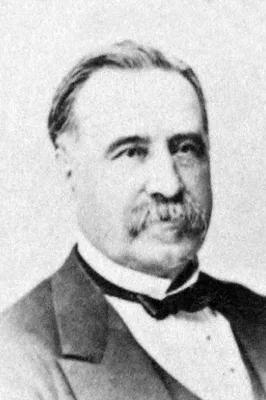
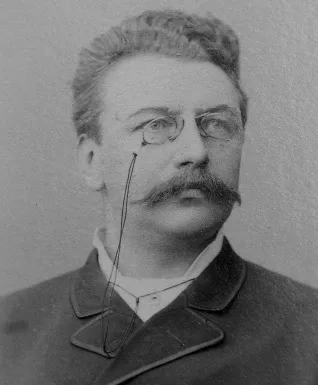
1829 –1842 CRUVEILHIER, Jean (1791 – 1874)
Anatomie pathologique du corps humain. 2 vols.
The fine hand-colored lithographs of gross pathology make this one of the greatest works of its kind. Cruveilhier, first Professor of Pathological Anatomy in Paris, gave the first description of multiple sclerosis (in…
GMN 2286 · https://historyofmedicine.com/id/2912
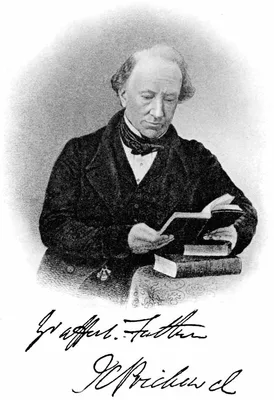
1835 PRICHARD, James Cowles (1786 – 1848)
A treatise on insanity and other disorders affecting the mind.
Prichard, better known for his work in the field of anthropology (No. 159), was the first to describe moral insanity. He described a syndrome he called incoherence or senile dementia. Alzheimer (No. 4956) may have des…
GMN 4928 · https://historyofmedicine.com/id/6141
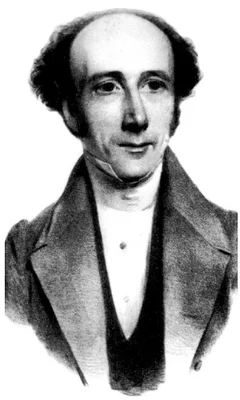
1838 CARSWELL, Sir Robert (1793 – 1857)
Illustrations of the elementary forms of disease.
Carswell was Professor of Morbid Anatomy at University College, London, and one of the leading English pathologists of his day. A fine artist, he personally painted 2,000 water-colours of pathological specimens. His g…
GMN 2291 · https://historyofmedicine.com/id/2920
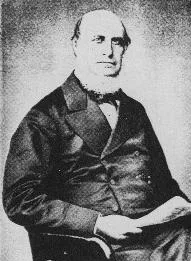
1843 –1844 LITTLE, William John (1810 – 1894)
Course of lectures on the deformities of the human frame. Lecture IX.
Little’s description of congenital cerebral spastic diplegia resulted in the condition being named “Little’s disease”. See also No. 4735.
GMN 4691.1 · https://historyofmedicine.com/id/1125
1849 FRERICHS, Friedrich Theodor von (1819 – 1885)
Ueber Hirnsklerose.
First important account of multiple sclerosis. Carswell (No. 2291) and Cruveilhier (No. 2286) both gave illustrations of the disease; the latter is also accredited with the first description.
GMN 4692 · https://historyofmedicine.com/id/976
1853 LITTLE, William John (1810 – 1894)
On the nature and treatment of the deformities of the human frame.
Little was the first eminent orthopedic surgeon in the British Isles. He studied under Stromeyer and, in 1838, he founded the Orthopaedic Institution, now the (Royal) National Orthopaedic Hospital, London. The above w…
GMN 4329 · https://historyofmedicine.com/id/1293
1861 FRERICHS, Friedrich Theodor von (1819 – 1885)
Klinik der Leberkrankheiten. Bd. 2.
Pp. 62-64: First description of progressive familial hepatolenticular degeneration (“Kinnier Wilson’s disease”; see No. 4717).
GMN 4693 · https://historyofmedicine.com/id/978
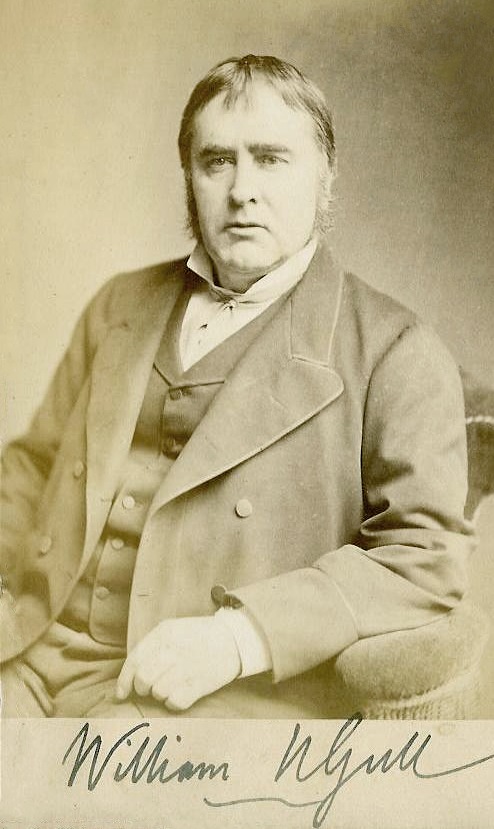
1862 GULL, Sir William Withey (1816 – 1890)
Case of progressive atrophy of the muscles of the hands: enlargement of the ventricle of the cord in the cervical region, with atrophy of the gray matter.
First description of syringomyelia.
GMN 4695 · https://historyofmedicine.com/id/979
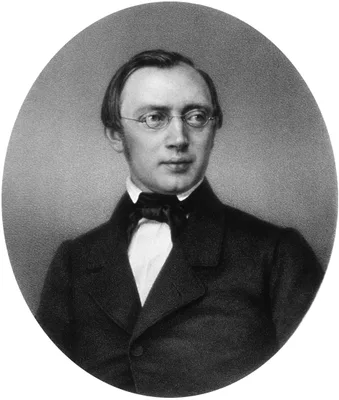
1863 FRIEDREICH, Nikolaus (1825 – 1882)
Ueber degenerative Atrophie der spinalen Hinterstränge.
Friedreich was the first to describe a form of ataxia (“Friedreich’s ataxia”), hereditary, attended with impairment of speech, lateral curvature of the spine, and with paralysis of the muscles of the lower limbs. The …
GMN 4696 · https://historyofmedicine.com/id/8889
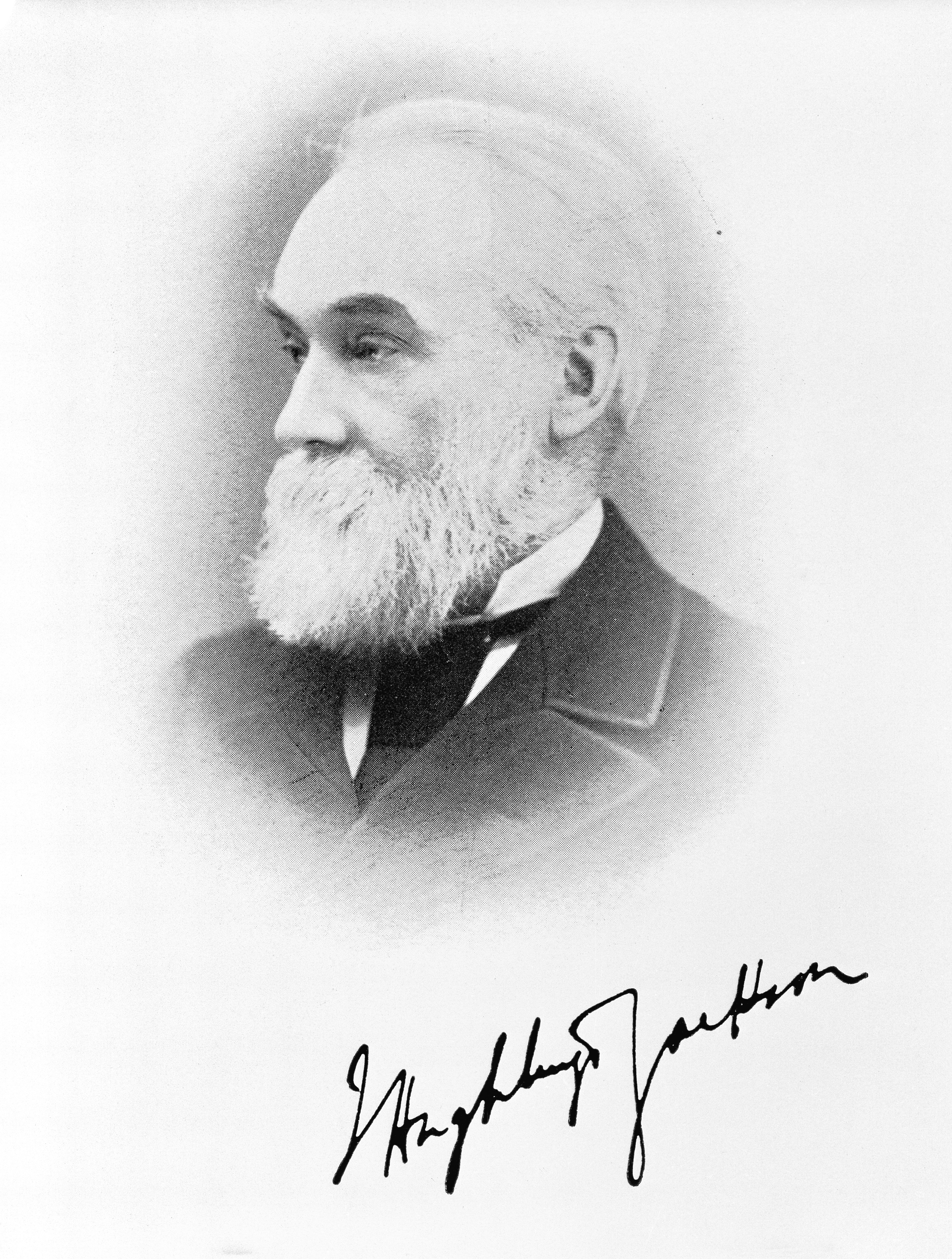
1867 JACKSON, John Hughlings (1835 – 1911); CLARKE, Jacob Augustus Lockhart (1817 – 1880)
On a case of muscular atrophy, with disease of the spinal cord and medulla oblongata.
First important account of syringomyelia.
GMN 4697 · https://historyofmedicine.com/id/982
1868 CHARCOT, Jean Martin (1825 – 1893)
Histologie de la sclérose en plaques.
An important description of multiple sclerosis. Digital facsimile from BnF Gallica at this link.
GMN 4698 · https://historyofmedicine.com/id/983
1868 ORDENSTEIN, Leopold (1835 – 1902)
Sur la paralysie agitante et la sclérose en plaques généralisée.
In his doctoral thesis Ordenstein, a pupil of Charcot, first defined the clinical features of multiple schlerosis in detail, with pathologic confirmation, and distinguished the main symptoms and pathologic findings of…
GMN 13813 · https://historyofmedicine.com/id/16102
1872 HUNTINGTON, George (1850 – 1916)
On chorea.
The classic description by Huntington of the chronic degenerative hereditary type of chorea led to the eponym “Huntington’s chorea”. Earlier accounts of the disease were given by John Elliotson (Lancet, 1832, 1, 163),…
GMN 4699 · https://historyofmedicine.com/id/985
1883 WESTPHAL, Carl Friedrich Otto (1833 – 1890)
Ueber eine dem Bilde der cerebrospinalen grauen Degeneration ähnliche Erkrankung des centralen Nervensystems ohne anatomischen Befund, nebst einigen Bemerkungen über paradoxe Contraction.
“Westphal’s pseudosclerosis”. Later Strümpell’s description of this condition (No. 4709) led to the eponym “Westphal–Strumpell disease”.
GMN 4702 · https://historyofmedicine.com/id/988
1883 MORVAN, Augustin Marie (1819 – 1897)
De la parésie analgésique à panaris des extrémités supérieures ou paréso-analgésie des extrémités supérieures.
First description of “Morvan’s disease” – a form of syringomyelia.
GMN 4701 · https://historyofmedicine.com/id/1115
1885 PELIZAEUS, Friedrich Christoph (1851 – 1942)
Über eine eigentümliche Form spastischer Lähmung mit Cerebralerscheinungen auf hereditärer Grundlage. (Multiple Sklerose.)
“Pelizaeus–Merzbacher disease” (see No. 4715).
GMN 4703 · https://historyofmedicine.com/id/1077
1886 STRÜMPELL, Ernst Adolf Gustav Gottfried (1853 – 1925)
Ueber eine bestimmte Form der primären combinirten Systemerkrankungen des Rückenmarks.
“Strümpell’s disease” – hereditary spastic spinal paralysis, previously described by Erb and by Charcot.
GMN 4704 · https://historyofmedicine.com/id/1128
1888 KAHLER, Otto (1849 – 1893)
Ueber die Diagnose der Syringomyelie.
First complete description of syringomyelia.
GMN 4706 · https://historyofmedicine.com/id/1131
1891 LEYDEN, Ernst Viktor von (1832 – 1910)
Ueber acute Ataxie.
“Leyden’s (acute) ataxia”.
GMN 4706.1 · https://historyofmedicine.com/id/1134
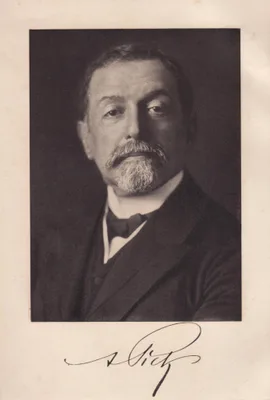
1892 PICK, Arnold (1851 – 1924)
Ueber die Beziehungen der senilen Hirnatrophie zur Aphasie.
“Pick’s disease” – circumscribed atrophy of the brain with the development of aphasia and presenile dementia.
GMN 4707 · https://historyofmedicine.com/id/1135
1892 PUTNAM, James Wright (1860 – 1938)
A case of complete athetosis with post-mortem.
One of the earliest accounts of bilateral athetosis (“Vogt syndrome”, No. 4720).
GMN 4708 · https://historyofmedicine.com/id/1142
1893 MARIE, Pierre (1853 – 1940)
Sur l’hérédo-ataxie cérébelleuse.
Original description of hereditary cerebellar ataxia.
GMN 4708.1 · https://historyofmedicine.com/id/1146
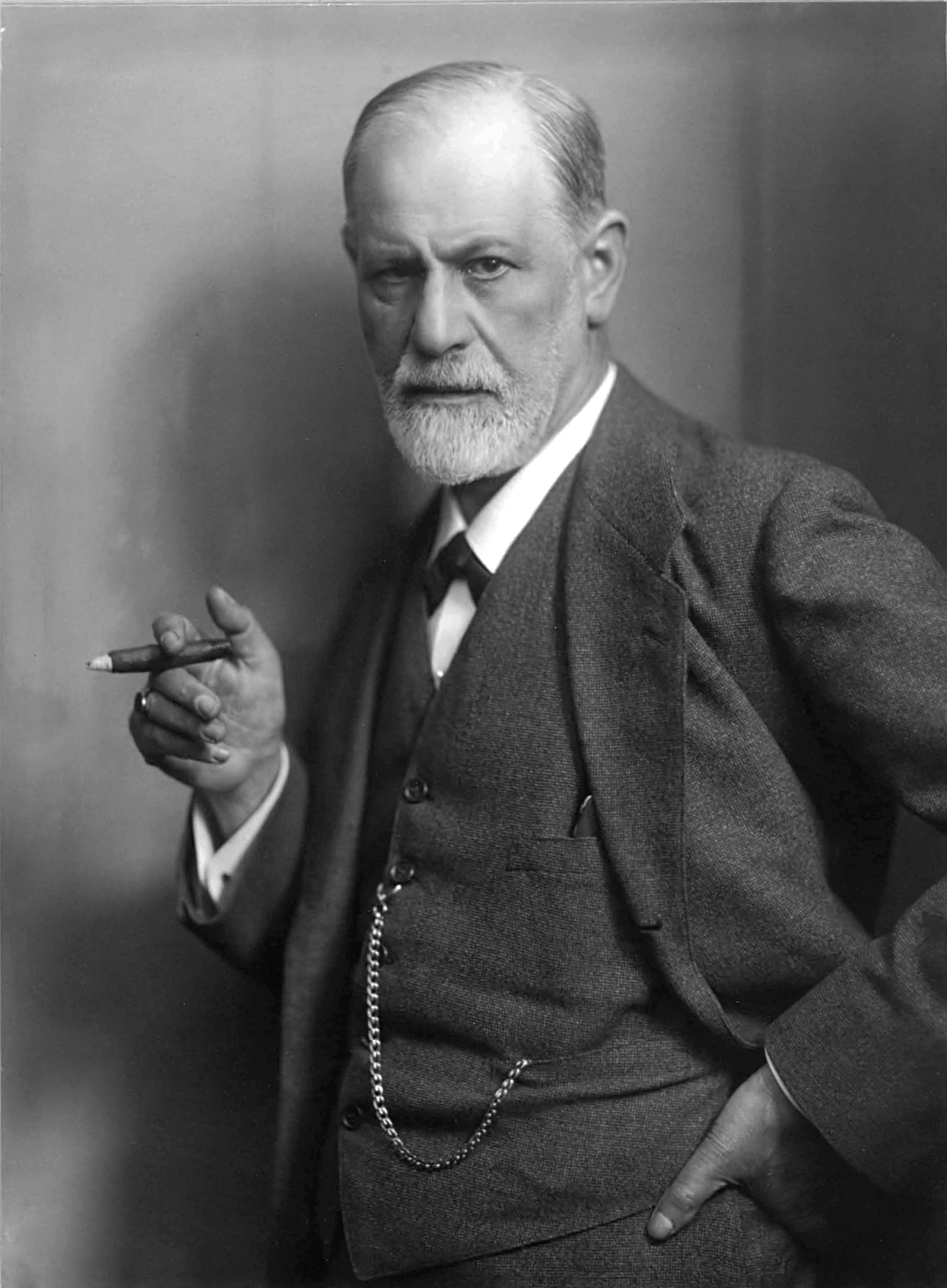
1897 FREUD, Sigmund (1856 – 1939)
Die infantile Cerebrallähmung.
Freud gave an excellent description of the various forms of cerebral palsy, with precise classification of the different spastic symptoms; he also mentioned the extra-pyramidal symptoms. This work forms Bd. IX, II The…
GMN 4708.2 · https://historyofmedicine.com/id/1160
1898 STRÜMPELL, Ernst Adolf Gustav Gottfried (1853 – 1925)
Ueber die Westphal’sche Pseudosklerose und über diffuse Hirnsklerose, insbesondere bei Kindem.
“Westphal-Strümpell disease” – pseudosclerosis of the brain. (See also No. 4702.) Probably cases of Kinnier Wilson’s disease.
GMN 4709 · https://historyofmedicine.com/id/1164
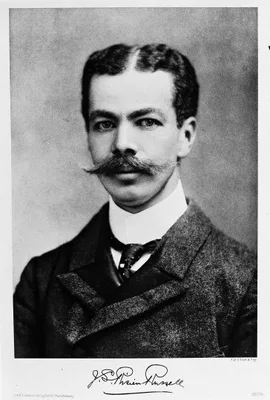
1900 RUSSELL, James Samuel Risien (1863 – 1939); BATTEN, Frederick Eustace (1865 – 1918); COLLIER, James Stansfield (1870 – 1935)
Subacute combined degeneration of the spinal cord.
First full description. Order of authorship in the original publication: Russell, Batten, Collier.
GMN 4710 · https://historyofmedicine.com/id/1167
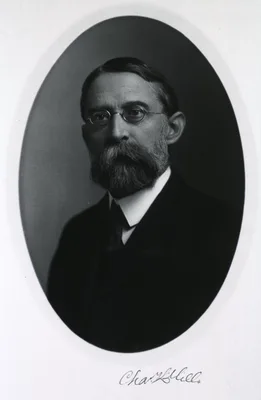
1900 MILLS, Charles Karsner (1845 – 1931)
A case of unilateral progressive ascending paralysis, probably representing a new form of degenerative disease.
First description of unilateral progressive ascending paralysis (“Mills’s disease”).
GMN 4711 · https://historyofmedicine.com/id/1170
1903 BATTEN, Frederick Eustace (1865 – 1918)
Cerebral degeneration with symmetrical changes in the maculae in two members of a family.
Batten disease, a fatal disease of the nervous system that typically begins in childhood. Onset of symptoms is usually between 5 and 10 years of age. Often, it is autosomal recessive. It is the common name for a group…
GMN 4712 · https://historyofmedicine.com/id/1175
1903 MARCHIAFAVA, Ettore (1847 – 1935); BIGNAMI, Amico (1862 – 1929)
Sopra un’ alterazione del corpo calloso osservata in soggetti alcoolisti.
Marchiafava–Bignami disease – degeneration of the corpus callosum in alcoholism.
GMN 4955 · https://historyofmedicine.com/id/6287
1904 MAYOU, Marmaduke Stephen (1876 – 1934)
Cerebral degeneration, with symmetrical changes in the maculae, in three members of a family.
“Batten-Mayou disease”, juvenile amaurotic idiocy (see also No. 4712).
GMN 4713 · https://historyofmedicine.com/id/1178
1905 VOGT, Heinrich (1875 – 1936)
Über familiäre amaurotische Idiotie und verwandte Krankheitsbilder.
Spielmayer-Vogt disease, or Spielmeyer-Vogt-Sjögren-Batten disease, the juvenile form of cerebromacular degeneration.
GMN 4713.1 · https://historyofmedicine.com/id/1180
1906 MILLS, Charles Karsner (1845 – 1931)
Unilateral ascending paralysis and unilateral descending paralysis.
First description of unilateral descending paralysis.
GMN 4714 · https://historyofmedicine.com/id/1183
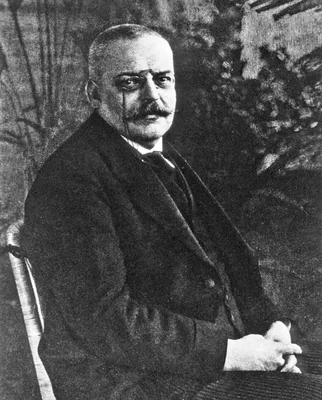
1907 ALZHEIMER, Alois (1864 – 1915)
Ueber eine eigenartige Erkrankung der Hirnrinde.
“Alzheimer’s disease” –presenile dementia. Preliminary note in Neurol. Zbl., 1906, 25, 1134. English translation in Arch. neurol., 1969, 21, 109-110, and in K. Bick (ed.) The early story of Alzheimer’s disease, New Yo…
GMN 4956 · https://historyofmedicine.com/id/6290
1907 SPIELMAYER, Walther (1879 – 1935)
Klinische und anatomische Untersuchungen über eine besondere Form von familiärer amaurotische Idiotie.
See No. 4713.1. Reprinted in Histologische und Histopathologische Arbeiten über die Grosshirnrinde (Nissl), 1908, 2, 193-213.
GMN 4714.1 · https://historyofmedicine.com/id/8912
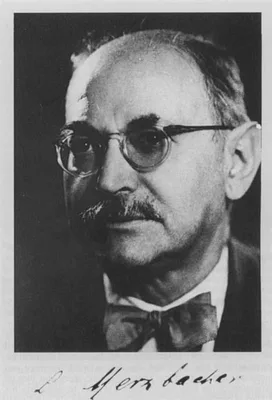
1908 MERZBACHER, Ludwig (1875 – )
Weitere Mitteilungen über eine eigenartige hereditär-familiare Erkrankung des Zentralnervensystems.
“Pelizaeus-Merzbacher disease”, familial centrolobar sclerosis (see also No. 4703).
GMN 4715 · https://historyofmedicine.com/id/1195
1908 SCHWALBE, Marcus Walter (1883 – 1926)
Eine eigentümliche tonische Krampfform mit hysterischen Symptomen.
First description of torsion-spasm, dystonia musculorum deformans; also called “Ziehen–Oppenheim disease” following reports of cases by these writers in Neurol. Zbl., 1911, 30, 109, 1090.
GMN 4716 · https://historyofmedicine.com/id/1197
1911 ALZHEIMER, Alois (1864 – 1915)
Ūber eigenartige Krankheitsfälle des späteren Alters.
In this record of his continuing research on what in 1910 Kraepelin called Alzheimersche Krankheit (Alzheimer's disease) Alzheimer provided detailed history, clinical signs, symptoms descriptions, pathologic and histo…
GMN 13596 · https://historyofmedicine.com/id/15875
1912 DEJERINE, Joseph Jules (1849 – 1917); THOMAS, André (1867 – 1963)
L’atrophie olivo-ponto-cérébelleuse.
Olivo-ponto-cerebellar atrophy. English translation in Rottenberg & Hochberg, No. 5019.14, pp. 219-51.
GMN 4716.1 · https://historyofmedicine.com/id/1199
1912 WILSON, Samuel Alexander Kinnier (1878 – 1937)
Progressive lenticular degeneration, a familial nervous disease associated with cirrhosis of the liver.
Classic description of progressive familial hepatolenticular degeneration (“Wilson’s disease”), first described by Frerichs in 1861 (see No. 4693), now considered to be a disorder of copper and ceruloplasmin metabolism.
GMN 4717 · https://historyofmedicine.com/id/1215
1916 DAWSON, James Walker (1870 – 1927)
The histology of disseminated sclerosis.
A classic monograph on the pathology of multiple sclerosis.
GMN 4718 · https://historyofmedicine.com/id/1201
1916 VILLARET, Maurice (1877 – 1946)
Le syndrome nerveux de l’espace rétro-parotidien postérieur.
“Villaret’s syndrome”.
GMN 4719 · https://historyofmedicine.com/id/1203
1919 CUMMINGS, Bruce Frederick [BARBELLION] (1889 – 1919); WELLS, Herbert George (1866 – 1946)
The journal of a disappointed man. With an introduction by H. G. Wells.
Published under the pseudonym, Wilhelm Nero Pilate Barbellion. "Cummings' life changed forever when he was called to enlist in the British Army to fight in World War I in November 1915. He had consulted his doctor bef…
GMN 10741 · https://historyofmedicine.com/id/12936
1920 CREUTZFELD, Hans Gerhard (1885 – 1964)
Ueber eine eigenartige herdförmige Erkrankung des Zentralnervensystems.
Creutzfeld-Jakob disease, spatic pseudoschlerosis, independently discovered by Jakob. (see No. 4722). English translation in No. 5019.14, pp. 97-112. Creutzfeld described a single case and later reported that "his cas…
GMN 4719.1 · https://historyofmedicine.com/id/1205
1920 VOGT-MUGNIER, Cécile (1875 – 1962); VOGT, Oskar (1870 – 1959)
Zur Lehre der Erkrankungen des striären Systems.
“Vogt syndrome”, disease of the corpora striata.
GMN 4720 · https://historyofmedicine.com/id/1217
1921 JAKOB, Afons Maria (1884 – 1931)
Ueber eigenartige Erkrankungen der Zentralnervensystems mit bemerkenswertem anatomischem Befunde. (Spastische Pseudosklerose — Encephalomyclopathie mit disseminirrten Degenerationsherden.)
“Creutzfeld-Jakob disease”, spastic pseudosclerosis. Traditionally considered to have been independently discovered by Creutzfeld, but in the 21st century recognized as a discovery by Jakob alone. See also No. 4719.1.
GMN 4722 · https://historyofmedicine.com/id/1219
1922 HALLERVORDEN, Julius (1882 – 1965); SPATZ, Hugo (1888 – 1969)
Eigenartige Erkrankung in extrapyramidalen System mit besonderer Beteiligung des Globus pallidus und der Substantia nigra.
The (extrapyramidal) syndrome of Hallervorden and Spatz.
GMN 4724 · https://historyofmedicine.com/id/1231
1936 VINCENT, Clovis Julien Désiré (1879 – 1947); BOGAERT, Ludo van (1897 – 1989)
Contribution à l’étude des syndromes du globe pâle. La dégénérescence progressive du globe pâle et de la portion réticuléé de la substance noire (maladie d’Hallervorden–Spatz).
Clovis Vincent, a pioneer French neurosurgeon, contributed a valuable study of Hallervorden–Spatz disease.
GMN 4725 · https://historyofmedicine.com/id/1234
1957 GAJDUSEK, Daniel Carleton (1923 – 2008); ZIGAS, Vincent (1920 – 1983)
Degenerative disease of the central nervous system in New Guinea. The endemic occurrence of “Kuru” in the native population.
First description of Kuru, a disease occurring in natives of New Guinea. Cause of the disease was unknown. "It is now widely accepted that kuru was transmitted among members of the Fore tribe of Papua New Guinea via f…
GMN 4729.1 · https://historyofmedicine.com/id/1253
1963 STEELE, John; RICHARDSON, John; OLSZEWSKI, Jerzy (1913 – 1964)
Supranuclear ophthalmoplegia, pseudobulbar palsy, nuchal dystonia and dementia. A Clinical Report on Eight Cases of "heterogenous System Degeneration".
First description of progressive supranuclear palsy as a distinct disorder. The authors recognized the same clinical syndrome in 8 patients and described the autopsy findings in 6 of them in 1963.
GMN 11951 · https://historyofmedicine.com/id/14157
1965 GAJDUSEK, Daniel Carleton (1923 – 2008); GIBBS, Clarence Joseph Jr. (1924 – 2001); ALPERS, Michael
Attempts to demonstrate a transmissible agent in Kuru, Amyotrophic Lateral Sclerosis, and other subacute and chronic progressive nervous system degenerations in man. Addendum p. 46 in: Slow, latent, and temperate virus infections. NINDB Monograph No. 2. Edited by D. Carleton Gajdusek, Clarence J. Gibbs, Jr., and Michael Alpers.
In their Addendum on p. 46 the authors stated that 20 and 21 months post innocculation in the brain with brain material from Kuru patients two chimpanzees showed symptoms of an illness suggestive of Kuru. Digital facs…
GMN 13914 · https://historyofmedicine.com/id/16208
1971 GAJDUSEK, Daniel Carleton (1923 – 2008); GIBBS, Clarence Joseph Jr. (1924 – 2001)
Transmission of two subacute spongiform encephalopathies of man (Kuru and Creutzfeldt–Jakob disease) to New World monkeys.
Following Hadlow's suggestion (1959), Gadjusek was able to transmit Kuru and Creutzfeldt–Jakob disease to primates through cerebral inoculations. Similarity in the clinical course of the diseases and in the cellular p…
GMN 4729.2 · https://historyofmedicine.com/id/1255