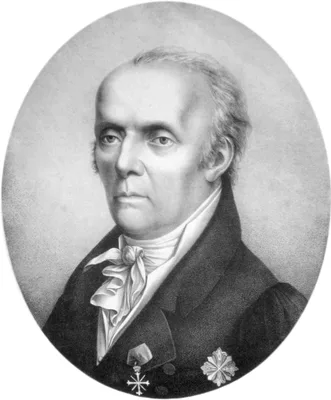
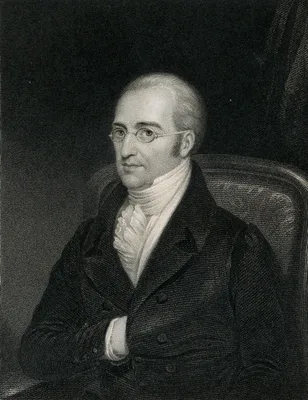
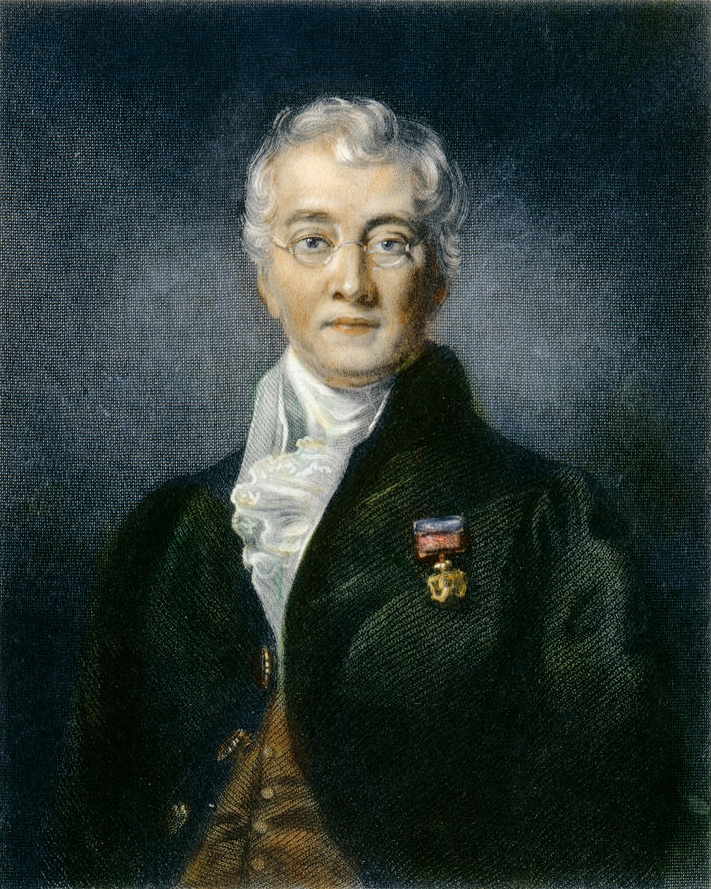
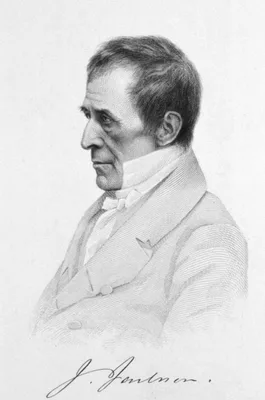
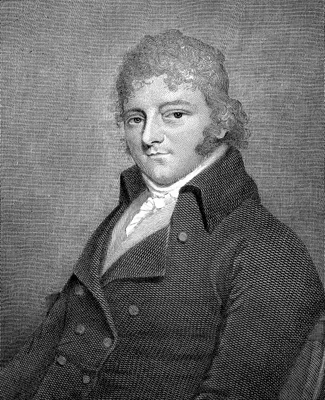
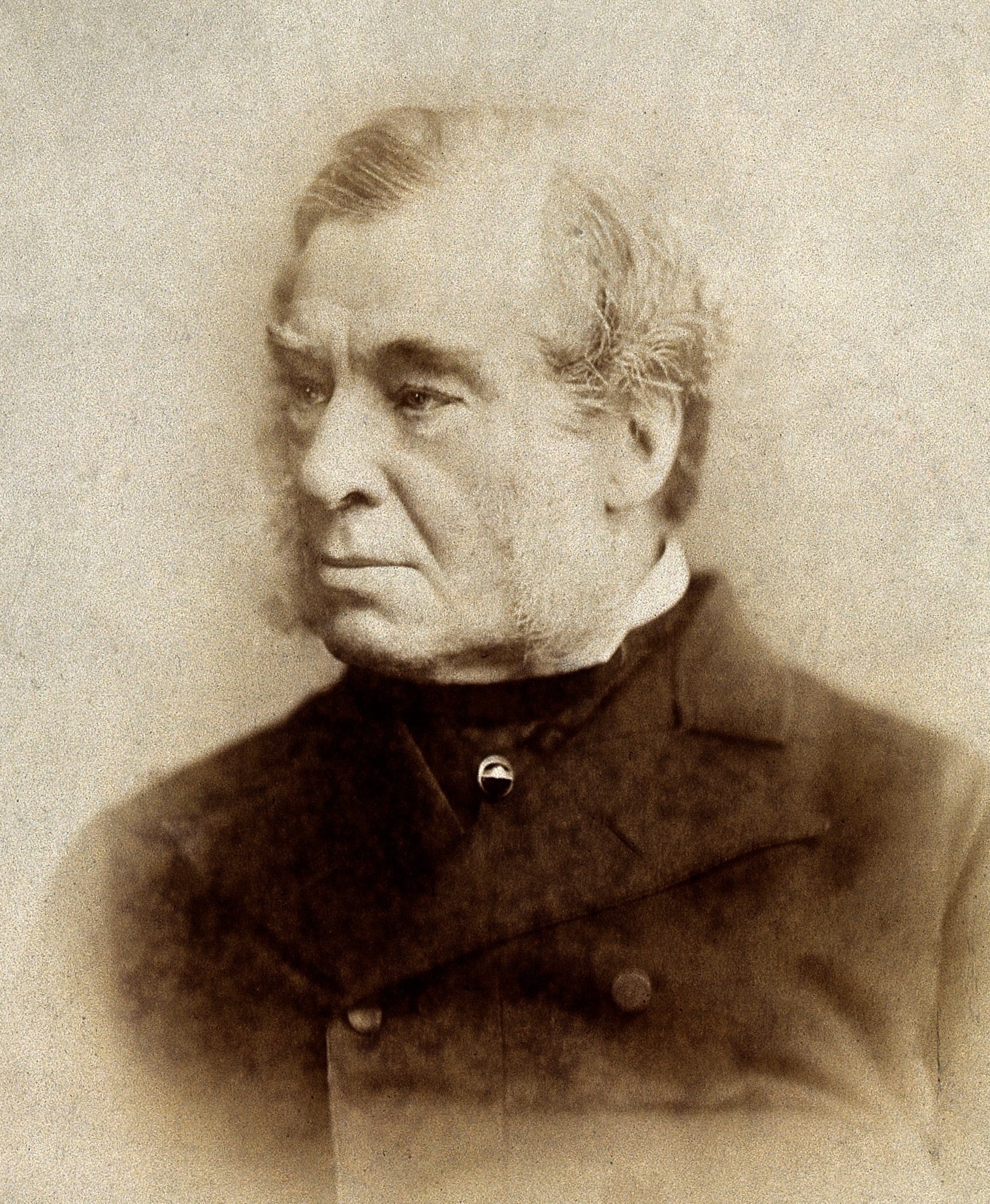
1536 GALEN, [Κλαύδιος Γαληνός; Galen of Pergamon] (129 – 216); LAUACHIO, Nicolao
De palpitationes, tremore, rigore, convulsione. Intreprete Nicolao Lauachio, medico Florentino.
First separately published printed edition of Galen's writings on neuropathology. Digital facsimile from Google Books at this link.
GMN 11748 · https://historyofmedicine.com/id/13948
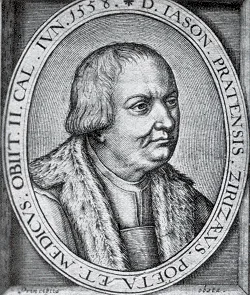
1549 PRATENSIS, Jason (1486 – 1558)
De cerebri morbis…
The first book devoted entirely to brain disorders, including tremor, tetanus, vertigo, epilepsy and hemicrania.
GMN 4511.02 · https://historyofmedicine.com/id/8896
1671 FEHR, Johannes Michael (1610 – 1688); SCHMIDT, Elias
Naturae genius, medicorum Celsus, Jason Argonautarum, Bauschius occubuit.
First authentic case of trigeminal neuralgia. It concerned J. L. Bausch, who died from the condition in 1665. The account is to be found in the unpaged part of the volume, starting at sig. d 3 and occupying the two fo…
GMN 4512 · https://historyofmedicine.com/id/8900
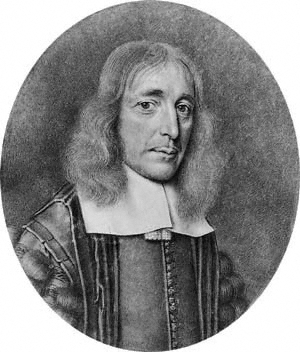
1672 WILLIS, Thomas (1621 – 1675)
De anima brutorum
Chap. XIV is devoted to the sense of hearing; in it Willis described the “paracusis of Willis” (p. 73). English translation, 1683. A probable description of myasthenia gravis is given in Pars. 2, Cap. IX. In Pars 2, C…
GMN 1544 · https://historyofmedicine.com/id/3644
1764 COTUGNO, Domenico [COTUNNIUS] (1736 – 1822)
De ischiade nervosa commentarius.
Cotugno published a classic description of sciatica, which is useful even today. He recognized two types – arthritic and nervous; the latter has been called “Cotugno’s disease”, and his book is confined to that type. …
GMN 1382 · https://historyofmedicine.com/id/8632
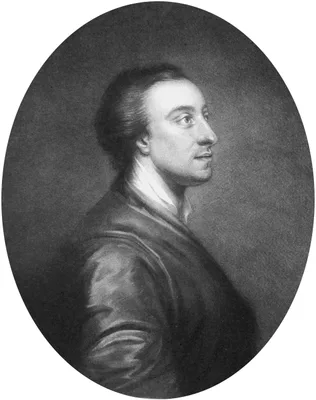
1768 AKENSIDE, Mark (1721 – 1770)
Observations on cancers.
First recorded description of multiple neurofibromatosis. Akenside was better known as a poet; he was caricatured as the republican doctor of Tobias Smollett's The Adventures of Peregrine Pickle.
GMN 4015.1 · https://historyofmedicine.com/id/5252
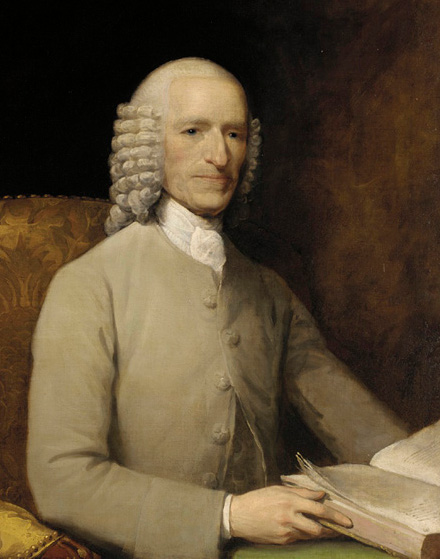
1776 FOTHERGILL, John (1712 – 1780)
Of a painful affection of the face.
Original description of facial neuralgia. Reprinted in Med. Classics, 1940, 5, 100-06.
GMN 4516 · https://historyofmedicine.com/id/363
1792 FRANK, Johann Peter (1745 – 1821)
De vertebralis columnae in morbis dignitate. In his Delectus opusculorum medicorum, 11, 1-50
Frank, best remembered for his great services to public health, was the first physician to emphasize the gravity of diseases of the spinal cord.
GMN 4518 · https://historyofmedicine.com/id/8907
1797 FRIEDREICH, Nicolaus Anton (1761 – 1836)
De paralysi musculorum faciei rheumatici.
Facial paralysis first described.
GMN 4519 · https://historyofmedicine.com/id/365
1820 –1823 COOKE, John (1756 – 1838)
A treatise on nervous diseases.
“The earliest separate work on clinical neurology” (McHenry). Includes the Croonian lecture (1819) on apoplexy, and sections on palsy and epilepsy. The work includes the first history of neurological thought.
GMN 4519.2 · https://historyofmedicine.com/id/379
1821 BELL, Sir Charles (1774 – 1842)
On the nerves; giving an account of some experiments on their structure and functions, which lead to a new arrangement of the system.
“Bell’s palsy”. The facial paralysis ensuing upon lesion of the motor nerve of the face is described here for the first time. See also his later paper, with more detailed description, in the same journal, 1829, 119, 3…
GMN 1255 · https://historyofmedicine.com/id/381
1822 JACKSON, James (1777 – 1867)
On a peculiar disease resulting from the use of ardent spirits.
Jackson drew attention to alcoholic neuritis – arthrodynia a potu. Jackson was professor at Boston Medical School.
GMN 4521 · https://historyofmedicine.com/id/383
1824 GALEN, [Κλαύδιος Γαληνός; Galen of Pergamon] (129 – 216); KÜHN, Karl Gottlob (1754 – 1840)
De tremore, palpitatione, convulsione, et rigore. IN: Opera omnia ed. cur. C.G. Kühn, cur 7, 584-642.
Complete English translation by D. Sider and M. McVaugh in Trans. stud. Coll. Phys. Phila., 1979, 1, 183-210.
GMN 4511 · https://historyofmedicine.com/id/8893
1825 PARRY, Caleb Hillier (1755 – 1822); PARRY, Charles Henry (1779 – 1860)
Collections from the unpublished writings of the late Caleb Hillier Parry. 3 vols.
Includes Parry’s interesting description of eight cases of exophthalmic goitre, the first of which was observed in 1786, and his notes on four cases of angina pectoris. Parry's paper, "Enlargement of the thyroid gland…
GMN 2210 · https://historyofmedicine.com/id/1678
1828 –1829 WOOD, William (1774 – 1857)
Observations on neuroma.
Neuroma first described.
GMN 4523 · https://historyofmedicine.com/id/384
1837 ADDISON, Thomas (1793 – 1860)
On the influence of electricity, as a remedy in certain convulsive and spasmodic diseases.
First therapeutic employment of static electricity.
GMN 4524 · https://historyofmedicine.com/id/385
1839 –1840 STANLEY, Edward (1793 – 1862)
A case of disease in the posterior columns of the spinal cord.
Stanley was the first to describe disease of the posterior columns of the spinal cord.
GMN 4525 · https://historyofmedicine.com/id/386
1841 VALLEIX, François Louis Isidore (1807 – 1855)
Traité des néuralgies ou affections douloureuses des nerfs.
Includes (p. 40 et seq.) description of ”Valleix’s points”, tender points on the course of certain nerves in neuralgia.
GMN 4526 · https://historyofmedicine.com/id/389
1846 ROMBERG, Moritz Heinrich (1795 – 1873)
Klinische Ergebnisse.
Includes (p. 75) a classic description of facial hemiatrophy – “Romberg’s disease”.
GMN 4527 · https://historyofmedicine.com/id/390
1846 ROMBERG, Moritz Heinrich (1795 – 1873)
Lehrbuch der Nervenkrankheiten des Menschen. Bd. 1.
Romberg inaugurated the modern era in the study of diseases of the nervous system. His Lehrbuch is the first formal treatise in this field. On p. 795 is to be found the original description of “Romberg’s sign”, pathog…
GMN 4528 · https://historyofmedicine.com/id/8884
1849 SMITH, Robert William (1807 – 1873)
A treatise on the pathology, diagnosis, and treatment of neuroma.
Smith’s large and beautifully illustrated atlas contains the first clear description and illustration of neurofibromatosis, published 33 years before von Recklinghausen’s account of the disorder (see No. 4566). This d…
GMN 4529 · https://historyofmedicine.com/id/391
1851 BROWN-SÉQUARD, Charles Édouard (1817 – 1894)
De la transmission croisée des impressions sensitives par la moëlle épinière.
“Brown-Séquard’s paralysis”. Lesion of one lateral half of the spinal cord causes paralysis of motion on one side and of sensation on the other. See also the writer’s later paper on pp. 70-73 of the same volume.
GMN 4530 · https://historyofmedicine.com/id/8892
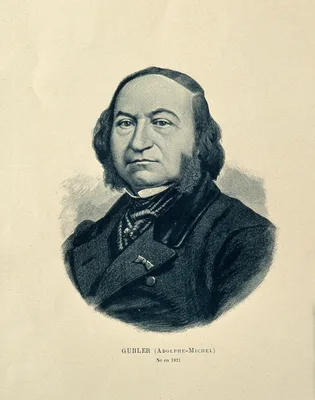
1856 GUBLER, Adolphe-Marie (1821 – 1897)
De l’hémiplégie alterne envisagée comme signe de lésion de la protrubérance annulaire et comme preuve de la décussation des nerfs faciaux.
“Gubler’s paralysis” – crossed hemiplegia. English translation in Wolf, The classical brain stem syndromes, Springfield: Charles C Thomas, 1971.
GMN 4531 · https://historyofmedicine.com/id/393
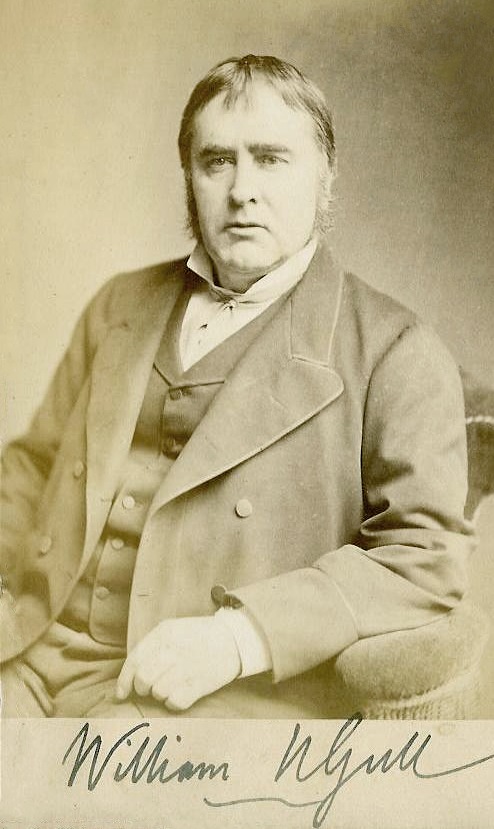
1856 GULL, Sir William Withey (1816 – 1890)
Cases of paraplegia [with autopsies of ataxic cases, showing lesions in the posterior columns of the spinal cord].
Gull showed the lesions of tabes dorsalis to be located in the posterior columns of the spinal cord.
GMN 4532 · https://historyofmedicine.com/id/8895
1858 FOVILLE, Achille Louis François (1799 – 1878)
Note sur une paralysie peu connue de certains muscles de l’oeil, et sa liaison avec quelques points de l’anatomie et la physiologie de la protubérance annulaire.
“Foville’s syndrome”– crossed paralysis of the limbs on one side of the body and of the face on the other side, together with loss of ability to rotate the eyes to that side. English translation in Wolf, The classical…
GMN 4533 · https://historyofmedicine.com/id/394
1860 BOUCHUT, Eugène (1818 – 1891)
De l’état nerveue aigu et chronique ou nervosisme.
First adequate description of neurasthenia.
GMN 4535 · https://historyofmedicine.com/id/397
1860 GRAEFE, Friedrich Wilhelm Ernst Albrecht von (1828 – 1870)
Ueber Complication von Sehnervenentzündung mit Gehimkrankheiten
Graefe showed that most cases of blindness and impaired vision connected with cerebral disorders can be traced to optic neuritis rather than paralysis of the optic nerve.
GMN 4536 · https://historyofmedicine.com/id/8901
1863 WEBER, Sir Hermann David (1823 – 1918)
A contribution to the pathology of the crura cerebri.
“Weber’s syndrome”or “Weber–Gubler syndrome” – hemiplegia associated with disease of the crura cerebri; first described by Gubler (No. 4531).
GMN 4538 · https://historyofmedicine.com/id/398
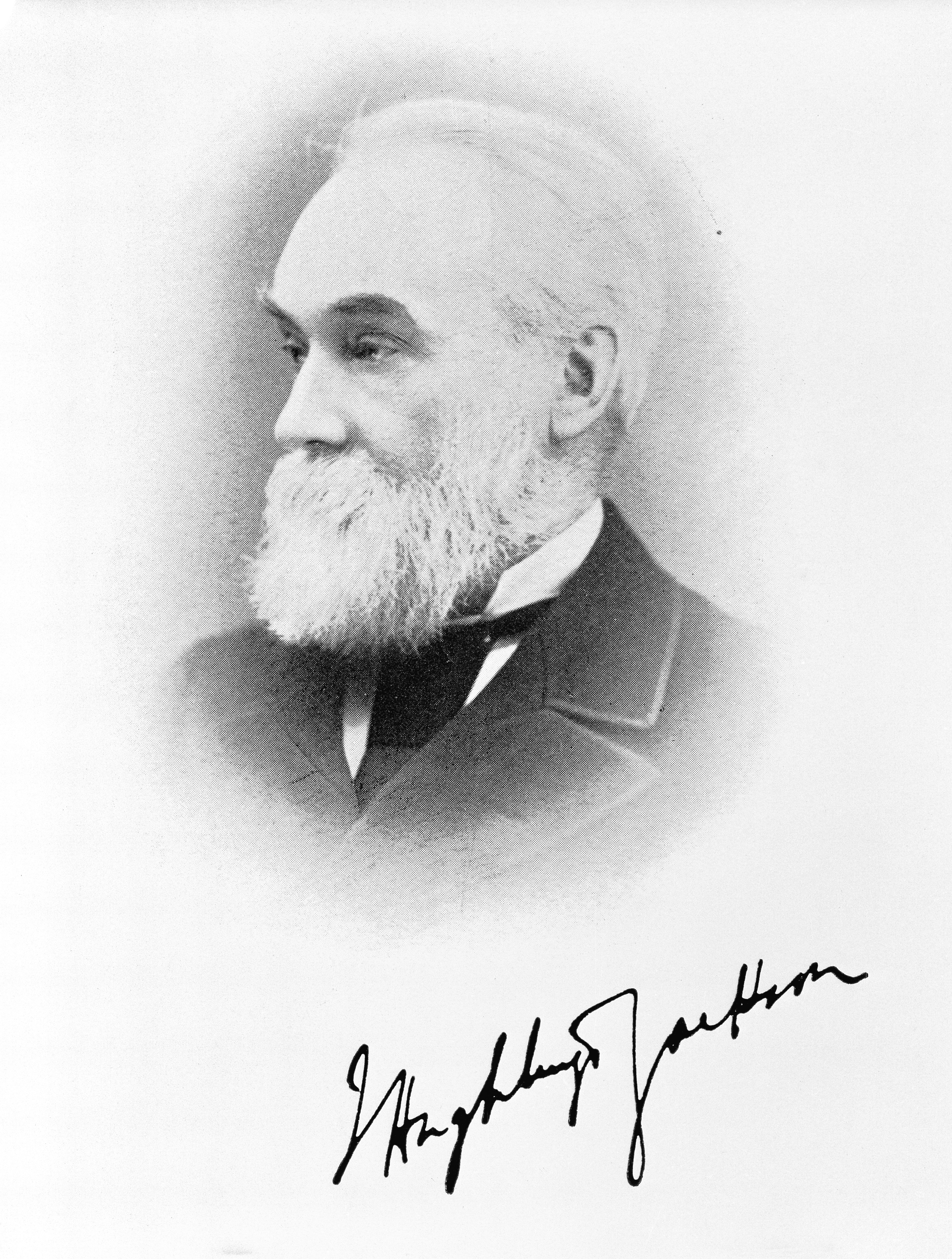
1863 –1865 JACKSON, John Hughlings (1835 – 1911)
Observations on defects of sight in brain disease.
In this work Jackson showed the importance of the ophthalmoscope in the investigation of diseases of the nervous system. Reprinted in Med. Classics, 1939, 3, 918-26.
GMN 4537 · https://historyofmedicine.com/id/8899
1866 ERICHSEN, Sir John Eric (1818 – 1896)
On railway and other injuries of the nervous system.
The first book to discuss the injuries now widely known as whiplash, which first appeared as the by-product of the increased speed of railway travel. Digital facsimile from the Internet Archive at this link.
GMN 4538.1 · https://historyofmedicine.com/id/399
1868 WILKS, Sir Samuel (1824 – 1911)
Drunkard’s or alcoholic paraplegia.
Classic account of alcoholic paraplegia.
GMN 4539 · https://historyofmedicine.com/id/400
1869 ROBERTSON, Douglas Moray Cooper Lamb Argyll (1837 – 1909)
On an interesting series of eye symptoms in a case of spinal disease, with remarks on the action of belladonna on the iris.
“Argyll Robertson pupil” first described. See also his later paper in the same journal, 1869, 15, 487-93. Reprinted in Med. Classics, 1937, 1, 851-76.
GMN 4540 · https://historyofmedicine.com/id/8902
1870 BRUNS, Paul von (1846 – 1916)
Das Rankenneurom.
Original description of plexiform neurofibroma.
GMN 4541 · https://historyofmedicine.com/id/402
1871 HAMMOND, William Alexander (1828 – 1900)
Treatise on diseases of the nervous system.
The first American treatise on neurology. The original description of athetosis, sometimes called “Hammond’s disease”, appears on pp. 654-62. During his tenure as Surgeon General of the Army during the U.S. Civil War,…
GMN 4542 · https://historyofmedicine.com/id/403
1872 MITCHELL, Silas Weir (1829 – 1914)
Clinical lecture on certain painful affections of the feet.
Mitchell suggested the name “erythromelalgia” for this condition, which is also known as “Weir Mitchell’s disease”. He records four earlier writers on the subject, the first being Graves in 1848. See also his paper in…
GMN 2706 · https://historyofmedicine.com/id/406
1872 –1887 CHARCOT, Jean Martin (1825 – 1893)
Leçons sur les maladies du système nerveux faites à La Salpêtrière.
An excellent idea of Charcot’s work is gained by perusal of his Leçons, dealing with his teaching on nervous disorders. In the second volume, pp. 1-72, is a classic account of the anomalies of tabes dorsalis. Charcot …
GMN 4546 · https://historyofmedicine.com/id/407
1872 DUCHENNE DE BOULOGNE, Guillaume Benjamin Armand (1806 – 1875)
De l’électrisation localisée et de son application à la pathologie et à la thérapeutique. 3me. éd.
Early description, page 357, of partial brachial plexus paralysis, upper type (“Duchenne-Erb palsy”: see No. 4548). An English translation of the 3rd ed., by H. Tibbitts, actually appeared London in 1871, one year bef…
GMN 4543 · https://historyofmedicine.com/id/8906
1872 JACKSON, John Hughlings (1835 – 1911)
On a case of paralysis of the tongue from haemorrhage in the medulla oblongata.
Jackson here described the syndrome consisting of paralysis of half the tongue, the same half of the palate, and of one vocal cord – “Jackson’s syndrome”.
GMN 4547 · https://historyofmedicine.com/id/8911
1873 –1877 ERB, Wilhelm Heinrich (1840 – 1921)
Ueber eine eigenthümliche Localisation von Lähmungen im Plexus brachialis.
“Erb’s palsy”, first described by Smellie in 1763 and later by Duchenne (No. 4543).
GMN 4548 · https://historyofmedicine.com/id/8913
1874 –1875 LEYDEN, Ernst Viktor von (1832 – 1910)
Klinik der Rückenmarks-Krankheiten.
One of Leyden’s best works. He was Professor of Medicine at Berlin, Königsberg, and Strassburg. In vol. 2, p. 65, of the above is given an account of “Leyden’s paralysis”, a form of hemiplegia probably first described…
GMN 4550 · https://historyofmedicine.com/id/410
1874 MITCHELL, Silas Weir (1829 – 1914)
Headaches, from heat-stroke, from fevers, after meningitis, from overuse of brain, from eyestrain.
Mitchell drew attention to the importance of eyestrain as a cause of headache.
GMN 4551 · https://historyofmedicine.com/id/411
1875 MITCHELL, Silas Weir (1829 – 1914)
On rest in the treatment of nervous disease.
First account of the “Weir Mitchell treatment”.
GMN 4553 · https://historyofmedicine.com/id/414
1875 ERB, Wilhelm Heinrich (1840 – 1921)
Ueber einen wenig bekannten spinalen Symptomencomplex.
“Erb–Charcot disease” (spastic spinal paralysis).
GMN 4556 · https://historyofmedicine.com/id/418
1876 –1878 ERB, Wilhelm Heinrich (1840 – 1921)
Handbuch der Krankheiten des Nervensystems.
Erb was Professor of Neurology at Heidelberg. He gave the original descriptions of several nervous disorders, especially the muscular dystrophies, and was a pioneer in the use of electrotherapy.
GMN 4557 · https://historyofmedicine.com/id/419
1876 –1880 CHARCOT, Jean Martin (1825 – 1893)
Leçons sur les localisations dans les maladies du cerveau.
Charcot is especially notable for his important study of the localization of functions in diseases of the brain. Volume two is entitled Leçons sur les localisations dans les maladies du cerveau et de la moëlle épinièr…
GMN 4558 · https://historyofmedicine.com/id/421
1876 –1880 CHARCOT, Jean Martin (1825 – 1893); BOURNEVILLE, Désiré-Magloire (1840 – 1909); REGNARD, Paul-Marie-Léon (1850 – 1927)
Iconographie photographique de la Salpêtrière. Service de M. Charcot. 3 vols.
A photographic atlas devoted to cases of hysteria and epilepsy, with case histories; the third volume includes discussions of hypnotism, somnambulism and magnetism. Bourneville was Charcot’s assistant at the Salpêtriè…
GMN 4558.1 · https://historyofmedicine.com/id/8918
1877 MITCHELL, Silas Weir (1829 – 1914)
Fat and blood and how to make them.
Includes full account of Weir Mitchell’s rest cure for nervous disorders.
GMN 4554 · https://historyofmedicine.com/id/415
1877 MITCHELL, Silas Weir (1829 – 1914)
The relation of pain to weather, being a study of the natural history of a case of traumatic neuralgia.
First study of the subject.
GMN 4555 · https://historyofmedicine.com/id/417
1878 BERNHARDT, Martin (1844 – 1915)
Neuropathologische Beobachtungen.
Bernhardt drew attention to meralgia paraesthetica in the leg (“Bernhardt’s disease”) due to disease of the external cutaneous nerve of the thigh.
GMN 4559 · https://historyofmedicine.com/id/423
1879 NOTHNAGEL, Carl Wilhelm Hermann (1841 – 1905)
Topische Diagnostik der Gehirnkrankheiten.
On p. 220 is the description of unilateral oculomotor paralysis combined with cerebellar ataxia, “Nothnagel’s syndrome”.
GMN 4560 · https://historyofmedicine.com/id/424

![GALEN, [Κλαύδιος Γαληνός; Galen of Pergamon] (129 – 216)](/media/portraits/21)