1862 GOLTZ, Friedrich Leopold (1834 – 1902)
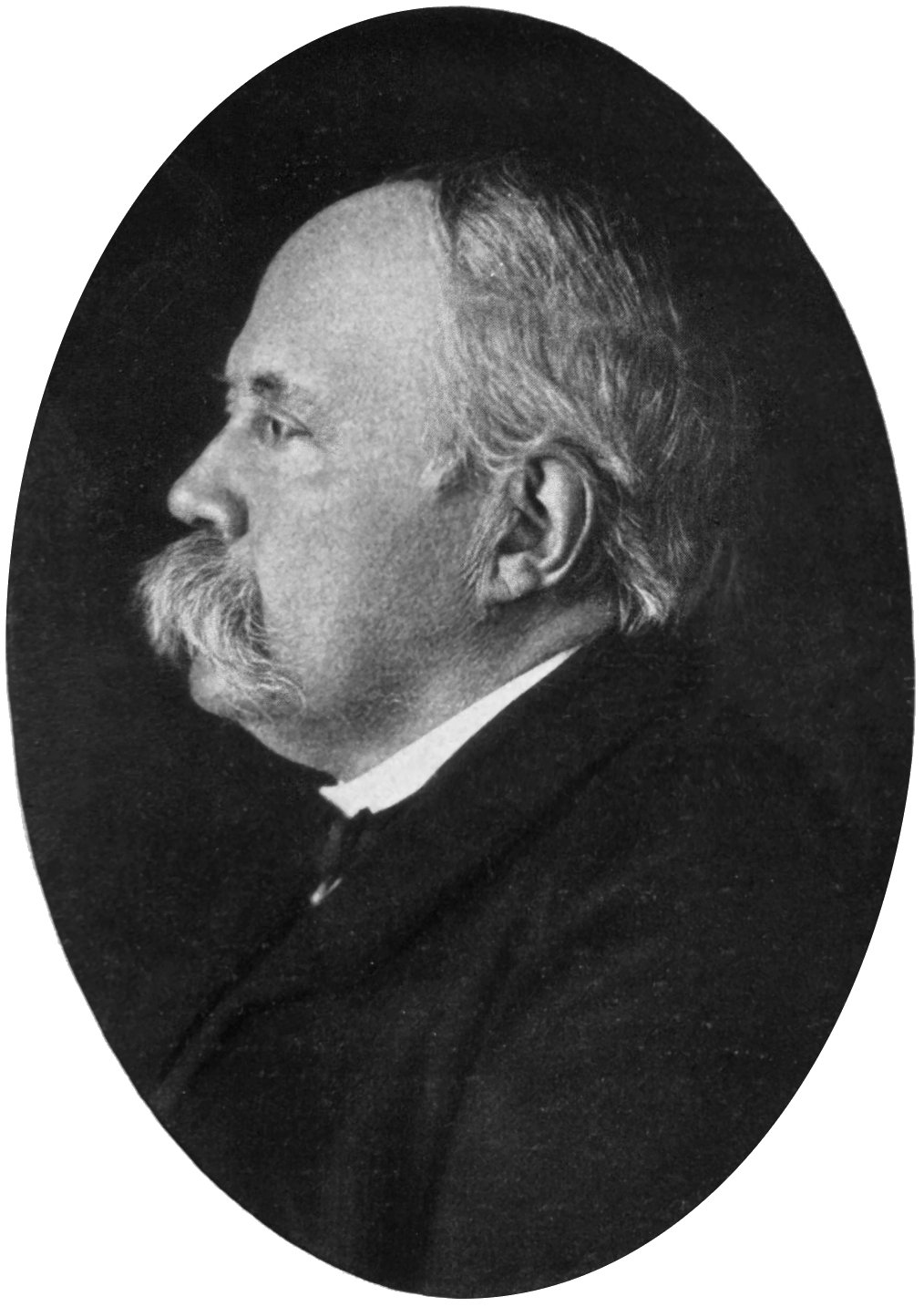
Ueber Reflexionen von und zum Herzen (Klopfversuch).
Rapidly-repeated blows on the belly of a frog caused cessation of the heart-beat, which Goltz concluded was brought about by reflex inhibition through the vagus, an important contribution to the knowledge of the mecha…
GMN 814 · https://historyofmedicine.com/id/221
1899 CRILE, George Washington (1864 – 1943)
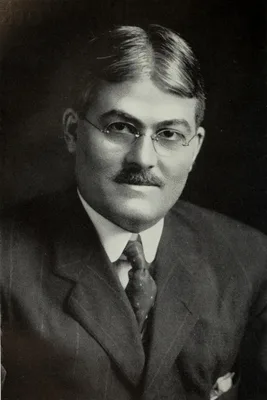
An experimental research into surgical shock.
Crile saw and recorded elevations in systemic and portal venous pressures under experimental shock.
GMN 5622 · https://historyofmedicine.com/id/7183
1901 CRILE, George Washington (1864 – 1943)
An experimental and clinical research into certain problems relating to surgical operations.
Crile made important contributions to knowledge regarding shock. He originated the theory that it is due to exhaustion of the vasomotor center. (See also No. 5629.) Chapter V: On the physiologic action of cocain and e…
GMN 5624 · https://historyofmedicine.com/id/7198
1902 CUSHING, Harvey Williams (1869 – 1939)
On the avoidance of shock in major amputations by cocainization of large nerve-trunks preliminary to their division.
William S. Halsted was first to use infiltration anesthesia (see No. 5679) and it was later developed by Cushing.
GMN 5689 · https://historyofmedicine.com/id/7419
1907 OTTO, Richard (1872 – 1952)
Zur Frage der Serum-Ueberempfindlichkeit.
Otto discovered that a state of tolerance developed in animals that survived anaphylactic shock. He induced passive transfer of hypersensitivity.
GMN 2594.1 · https://historyofmedicine.com/id/2956
1909 BLAIR-BELL, William (1871 – 1936)
The pituitary body and the therapeutic value of the infundibular extract in shock, uterine atony, and intestinal paresis.
GMN 6215 · https://historyofmedicine.com/id/7630
1910 LEWIS, Paul Adin (1879 – 1929); AUER, John (1875 – 1948)
The physiology of the immediate reaction of anaphylaxis in the guinea-pig.
First adequate account of the physiological reactions leading to fatal anaphylactic shock.
GMN 2600 · https://historyofmedicine.com/id/2978
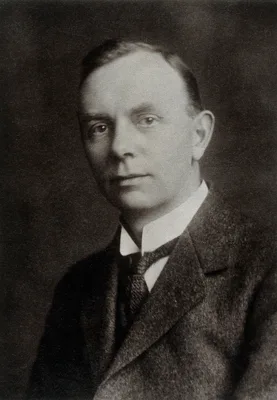
1913 CRILE, George Washington (1864 – 1943)
The kinetic theory of shock and its prevention through anoci-association (shockless operation).
Crile advanced the anoci-association concept in which local and general anesthesia are combined in a sequence to eliminate pre-operative fear and tension.
GMN 5629 · https://historyofmedicine.com/id/7213
1919 DALE, Sir Henry Hallett (1875 – 1968); LAIDLAW, Sir Patrick Playfair (1881 – 1940)
Histamine shock.
Experimental shock produced by histamine and shown to be similar to traumatic and surgical shock.
GMN 5630 · https://historyofmedicine.com/id/7217
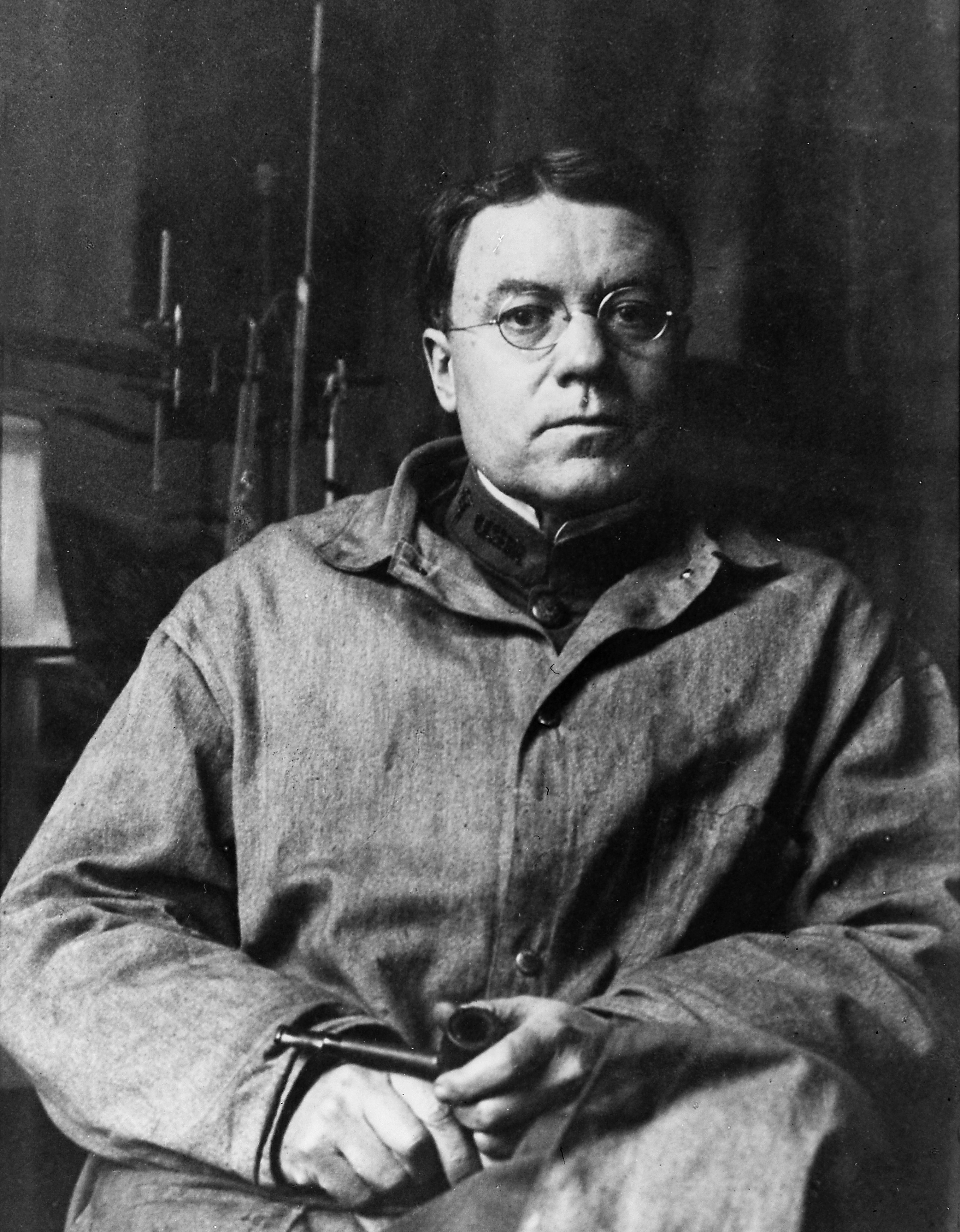
1923 CANNON, Walter Bradford (1871 – 1945)
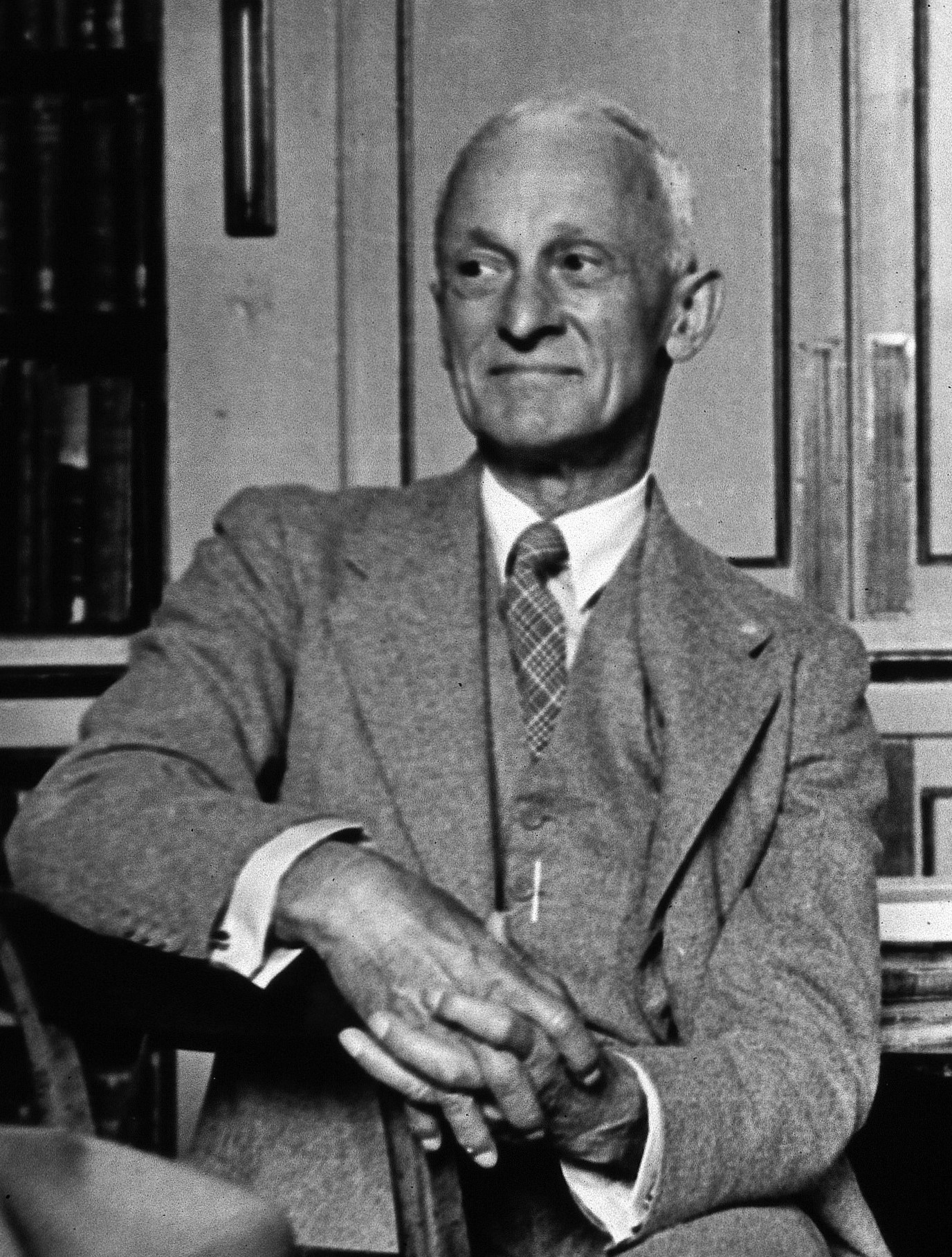
Traumatic shock.
"In the fall of 1916, before the United States entered World War I, the National Research Council named Cannon a member of a committee on traumatic shock. Later he joined the Harvard University Hospital Unit. On his w…
GMN 11567 · https://historyofmedicine.com/id/13766
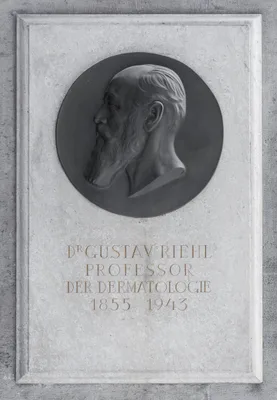
1925 RIEHL, Gustav (1855 – 1943)
Zur Therapie schwerer Verbrennungen.
Riehl was an early advocate of blood transfusion in the treatment of shock after burns.
GMN 2254 · https://historyofmedicine.com/id/2787
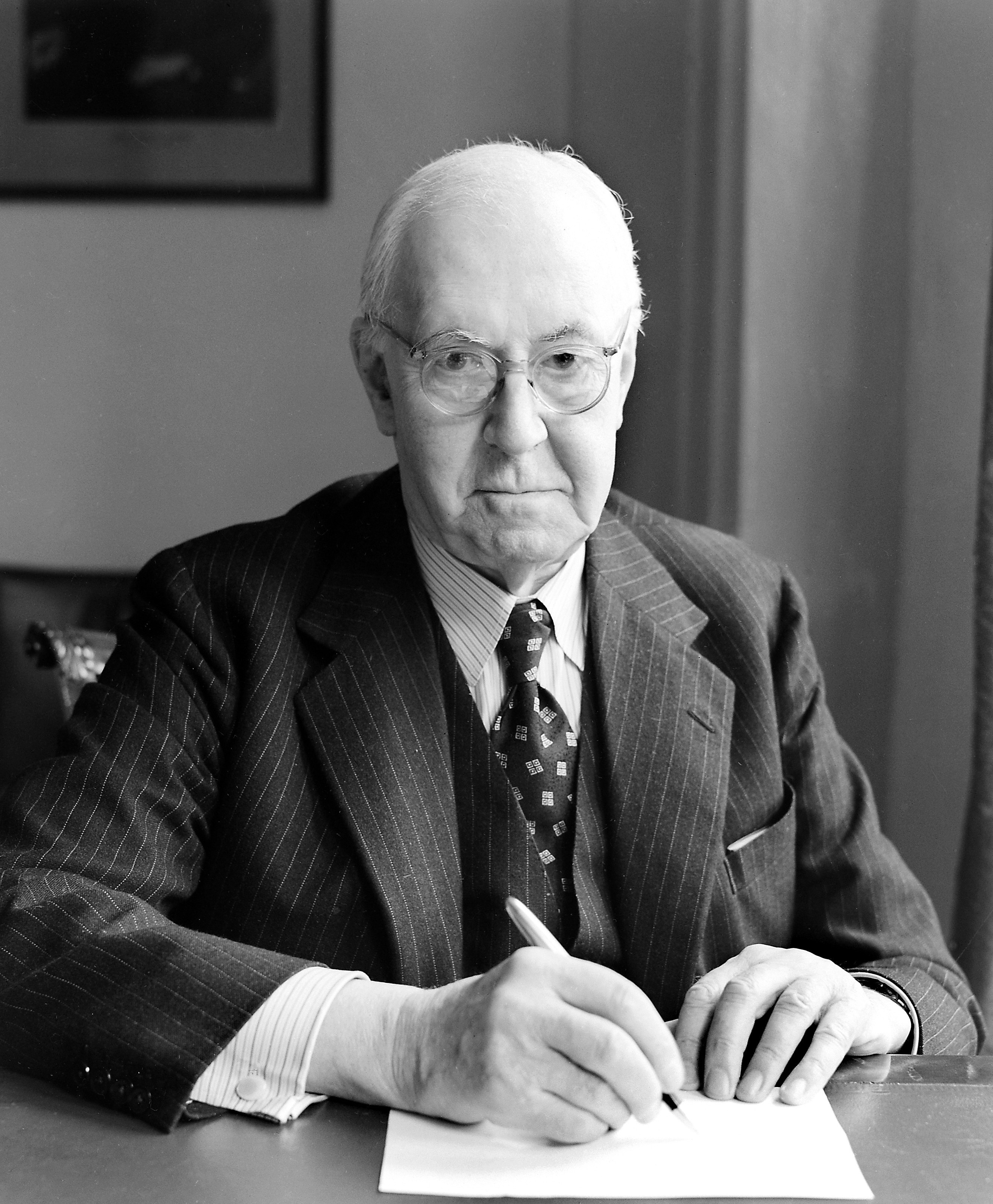
1927 BLALOCK, Alfred (1899 – 1964)
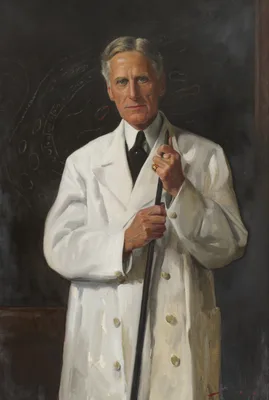
Mechanism and treatment of experimental shock. I. Shock following hemorrhage.
First of a series of papers in the Archives. See also No. 5630.3.
GMN 5630.2 · https://historyofmedicine.com/id/7223
1930 BLALOCK, Alfred (1899 – 1964)
Experimental shock. The cause of the low blood pressure produced by muscle injury.
Blalock “demonstrated that surgical shock is not due to the elaboration of toxins nor to reflex neurologic mechanisms, but … to decrease in circulating the blood volume” (M.M. Ravitch). He wrote many papers on the sub…
GMN 5630.3 · https://historyofmedicine.com/id/7225