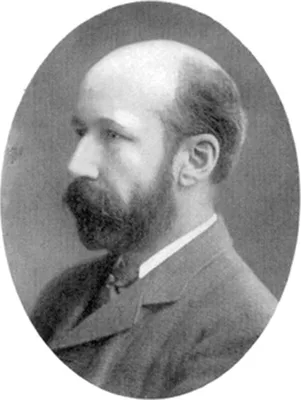
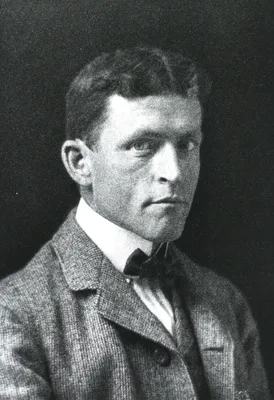
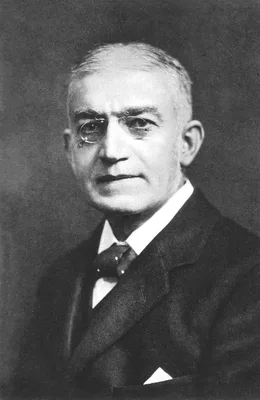
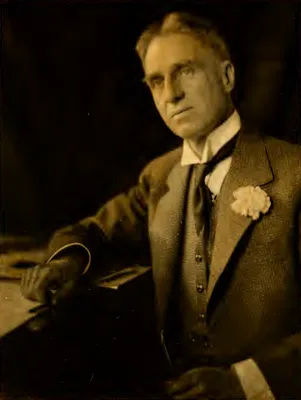
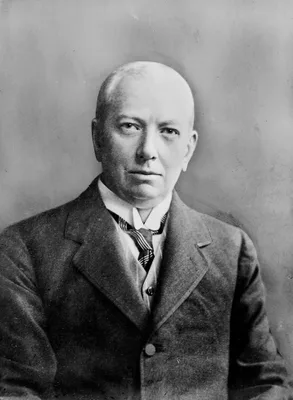
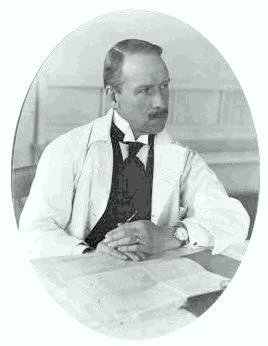
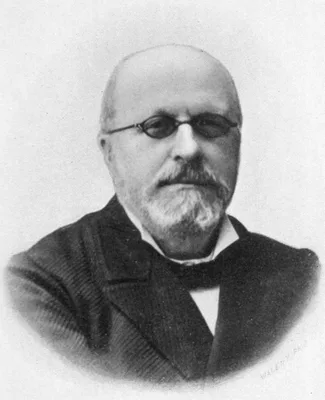
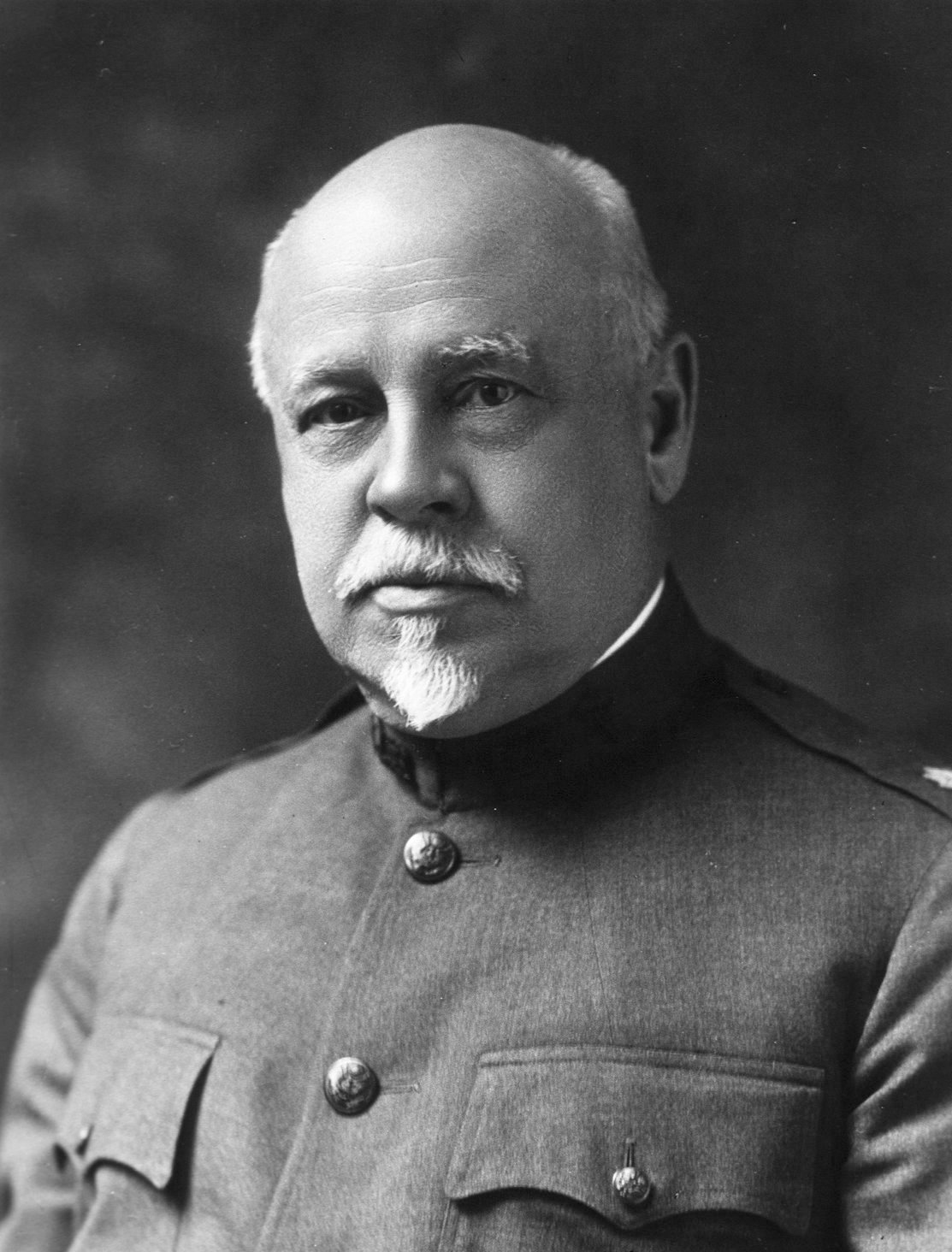
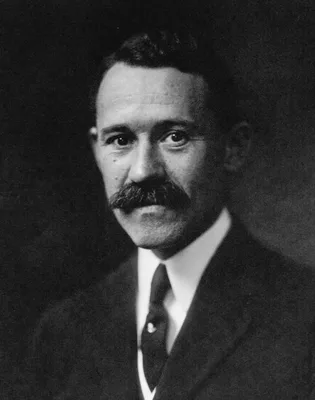
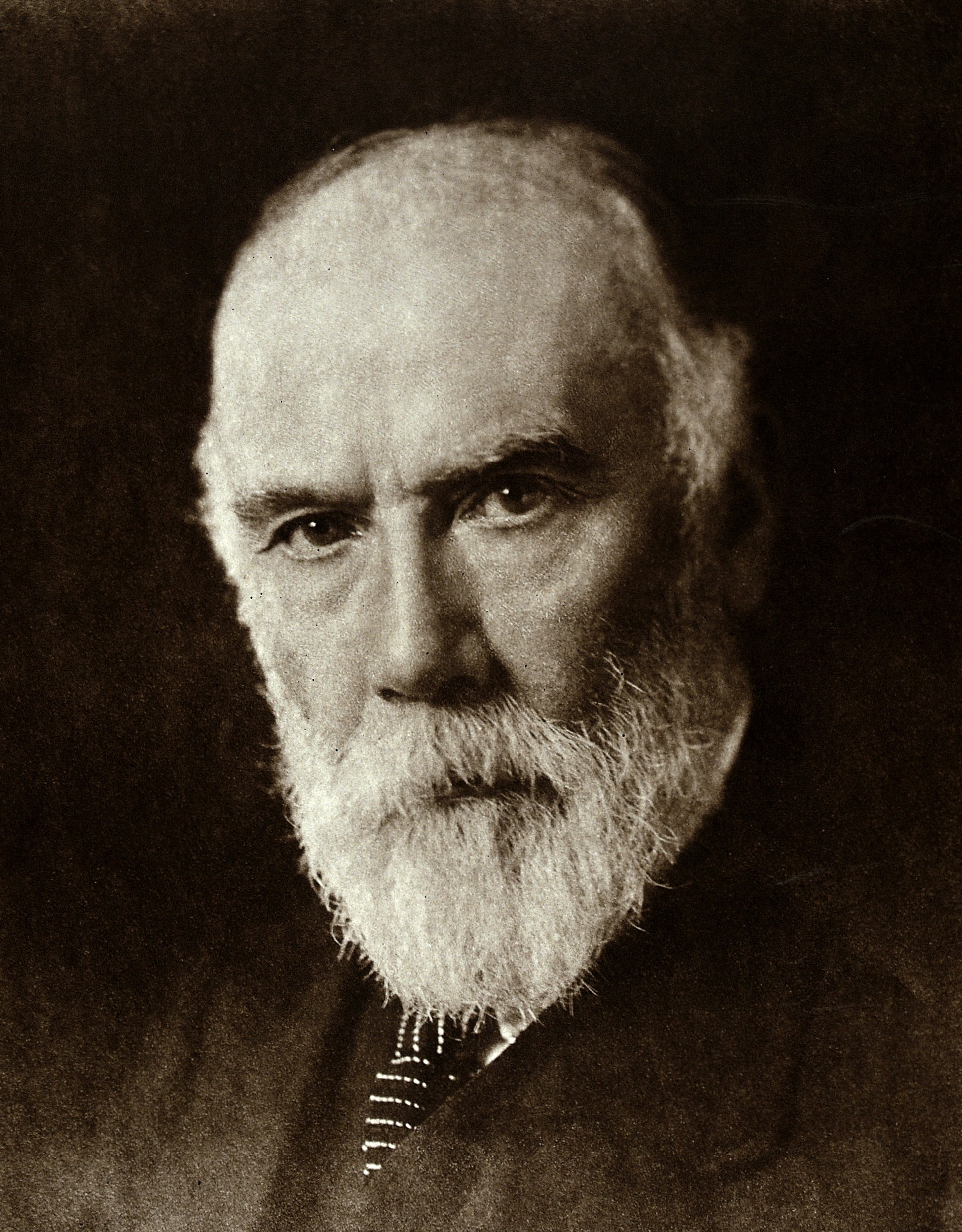
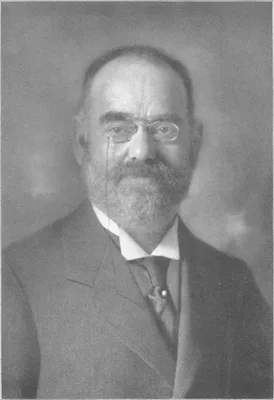
1889 MACWILLIAM, John Alexander (1857 – 1937)
Electrical stimulation of the heart in man.
MacWilliams described experiments in which application of an electrical impulse to the human heart in asystole caused a ventricular contraction, and that a heart rhythm of 60–70 beats per minute could be evoked by imp…
GMN 7996 · https://historyofmedicine.com/id/10172
1891 JASSINOWSKY, Alexander (1864 – )
Ein Beitrag zur Lehre von der Gefässnaht.
Jassinowsky experimented with arterial sutures on animals. His thesis, Die Arteriennaht: Eine experimentell-chirurgische Studie, Dorpat, 1889, was an experimental-surgical study of the subject.
GMN 2908.1 · https://historyofmedicine.com/id/4871
1893 PORTER, William Townsend (1862 – 1949)
On the results of ligation of the coronary arteries.
“Following coronary ligation Porter noted that the procedure frequently resulted in fibrillary contractions of the heart and sudden death. However, death did not always occur and this led him to conclude that Cohnheim…
GMN 786 · https://historyofmedicine.com/id/1772
1893 –1897 ROSENBACH, Ottomar (1851 – 1907)
Die Krankheiten des Herzens und ihre Behandlung.
GMN 2799 · https://historyofmedicine.com/id/3421
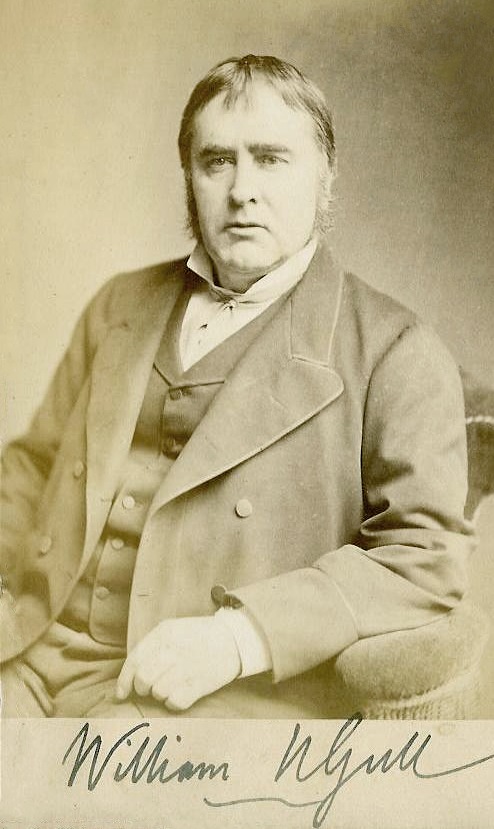
1894 –1896 GULL, Sir William Withey (1816 – 1890)
A collection of the published writings. 2 vols.
Gull, one of the best clinicians of his time, spent most of his working life at Guy’s Hospital. He described the spinal lesion of tabes and left an important account of aneurysm. His best works are his description of …
GMN 2232 · https://historyofmedicine.com/id/3794
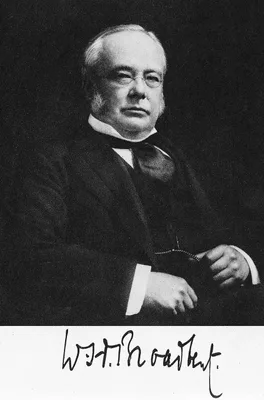
1895 BROADBENT, Walter (1868 – 1951)
An unpublished physical sign.
“Broadbent’s sign” – recession of the intercostal spaces as a sign of adherent pericardium.
GMN 2800 · https://historyofmedicine.com/id/3424
1895 ASKANAZY, S
Klinisches über Diuretin.
In 1895 Askanazy proposed diuretin as a remedy for anginal pain.
GMN 2893 · https://historyofmedicine.com/id/4365
1895 DÖHLE, Karl Gottfried Paul (1855 – 1928)
Ueber Aortenerkrankung bei Syphilitischen und deren Beziehung zur Aneurysmenbildung.
Döhle clearly defined a specific syphilitic lesion of the aorta as a prerequisite of aortic aneurysm.
GMN 2985.1 · https://historyofmedicine.com/id/5176
1896 EWART, William (1848 – 1929)
Practical aids in the diagnosis of pericardial effusion, in connection with the question as to surgical treatment.
Pulmonary collapse at the left base in pericardial effusion – “Ewart’s sign”.
GMN 2802 · https://historyofmedicine.com/id/3427
1896 PICK, Friedel (1867 – 1926)
Ueber chronische unter dem Bilde der Leberzirrhose verlaufende Perikarditis (perikarditische Pseudoleberzirrhose) nebst Bemerkungen über die Zuckergussleber.
“Pick’s disease” – pericardial pseudocirrhosis of the liver.
GMN 2803 · https://historyofmedicine.com/id/3431
1896 THAYER, William Sydney (1864 – 1932); BLUMER, George Alder (1857 – 1940)
Ulcerative endocarditis due to the gonococcus; gonorrheal septicemia.
Thayer and Blumer found the gonococcus in cases of gonorrheal endocarditis.
GMN 5212 · https://historyofmedicine.com/id/7812
1896 DOCK, George (1860 – 1951)
Notes on the coronary arteries.
Dock recorded one of the earliest diagnoses of myocardial infaction in a living patient: "The diagnosis was mymalacia folling coronary sclerosis with secondary pericarditis. This was based on the history of increasing…
GMN 11584 · https://historyofmedicine.com/id/13783
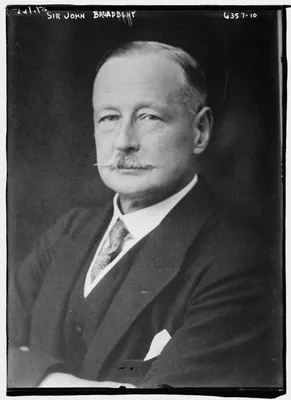
1897 BROADBENT, Sir William Henry (1835 – 1907); BROADBENT, Sir John Francis Harpin (1865 – 1946)
Heart disease.
Chapter 17 includes J. Broadbent’s classic description of adherent pericardium. See Willius & Keys, Cardiac classics, 1941, pp. 712-15, for reproduction of part of this chapter.
GMN 2805 · https://historyofmedicine.com/id/3442
1897 CHURTON, Thomas (1839 – 1926)
Multiple aneurysms of the pulmonary artery.
Churton was the first to recognize this condition at necropsy.
GMN 2986 · https://historyofmedicine.com/id/5179
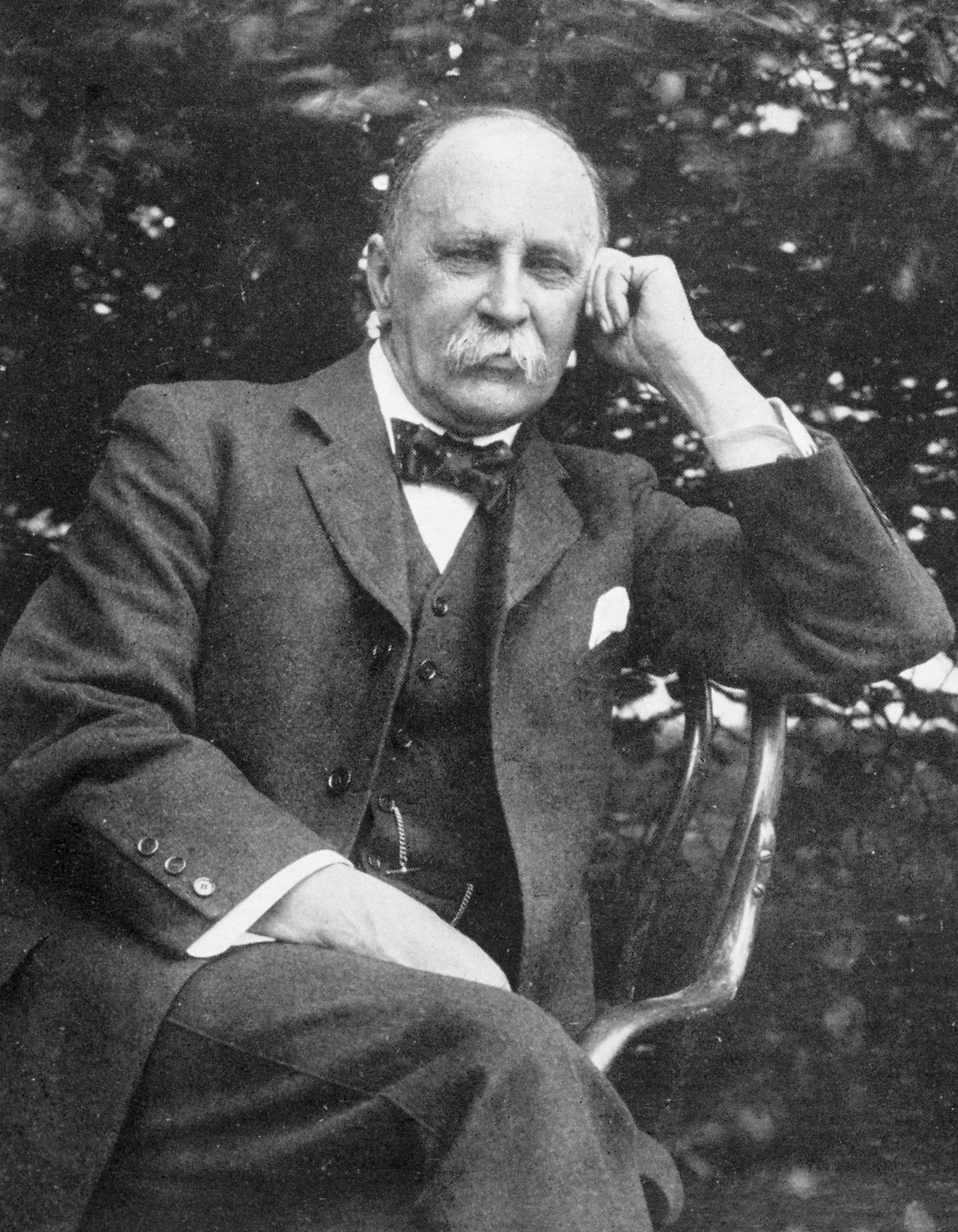
1897 OSLER, Sir William (1849 – 1919)
Lectures on angina pectoris and allied states.
"This monograph, based on seven lectures Osler delivered at Johns Hopkins, is his longest publication dealing with heart disease. He discusses the history of the recognition of angina, the pathophysiology of coronary …
GMN 11651 · https://historyofmedicine.com/id/13852
1897 BÉCLÈRE, Antoine Louis Gustave (1856 – 1939); OUDIN, Paul Marie (1851 – 1923); BARTHÉLEMY, Toussaint (1850 – 1906)
Application de la méthode Roentgen à l'examen d'un anéurisme de la crosse aortique. Présentation du malade et de la preuve radiographique.
With the help of Oudin and Barthélemy Béclère established the first laboratory of radiology in Paris. This was among the first applications of x-rays for the diagnosis of aortic disease, and also one of the first pape…
GMN 12218 · https://historyofmedicine.com/id/14429
1898 GIBSON, George Alexander (1854 – 1913)
Diseases of the heart and the aorta.
Includes among many other valuable descriptions, the description of the "Gibson murmur" also called the "machinery murmur"
GMN 2808 · https://historyofmedicine.com/id/3449
1898 RUMMO, Gaetano (1853 – 1917)
Sulla cardioptosi; primo abbozzo anatomo-clinico.
Rummo drew attention to a downward displacement of the heart – “Rummo’s disease”.
GMN 2809 · https://historyofmedicine.com/id/3452
1899 PRÉVOST, Jean-Louis (1790 – 1850); BATTELLI, Federico
La mort par les décharges électriques.
The first defibrillation. “Prévost and Battelli produced ventricular fibrillation in dogs by shocking with weak currents. They then shocked the fibrillating heart with a stronger current—the second, or counter, shock.…
GMN 838.1 · https://historyofmedicine.com/id/606
1899 WENCKEBACH, Karel Frederik (1864 – 1940)
Zur Analyse des unregelmässigen Pulses.
“Wenckebach phenomenon”, a form of arrhythmia.
GMN 2809.1 · https://historyofmedicine.com/id/3457
1899 FIEDLER, Carl Ludwig Alfred (1835 – 1921)
Ueber akute interstitielle Myokarditis.
“Fiedler’s myocarditis”.
GMN 2809.2 · https://historyofmedicine.com/id/3462
1899 –1903 HUCHARD, Henri (1844 – 1910)
Traité cliniques des maladies du coeur et de l’aorte. 3 vols.
Third and best edition. "Huchard, physician to the Necker Hospital was a foremost teacher in Paris at the end of the 19th century, and a great authority on angina pectoris and arteriosclerosis. He was a powerful advoc…
GMN 2811 · https://historyofmedicine.com/id/3470
1899 DÖRFLER, Julius
Ueber Arteriennaht.
All-layer intima-to-intima arterial anastomosis.
GMN 2908.2 · https://historyofmedicine.com/id/4873
1899 HELLER, Arnold Ludwig Gotthilf (1840 – 1913)
Die Aortensyphilis als Ursache von Aneurysmen.
Heller established the fact that syphilis is a cause of aortic aneurysm.
GMN 2987 · https://historyofmedicine.com/id/5184
1899 WELCH, William Henry (1850 – 1934)
Thrombosis and embolism. In Allbutt, C., System of medicine, 4, 284-310; and in 2nd ed., 6, 691-821
GMN 3011 · https://historyofmedicine.com/id/5377
1899 CRILE, George Washington (1864 – 1943)
An experimental research into surgical shock.
Crile saw and recorded elevations in systemic and portal venous pressures under experimental shock.
GMN 5622 · https://historyofmedicine.com/id/7183
1901 CRILE, George Washington (1864 – 1943)
An experimental and clinical research into certain problems relating to surgical operations.
Crile made important contributions to knowledge regarding shock. He originated the theory that it is due to exhaustion of the vasomotor center. (See also No. 5629.) Chapter V: On the physiologic action of cocain and e…
GMN 5624 · https://historyofmedicine.com/id/7198
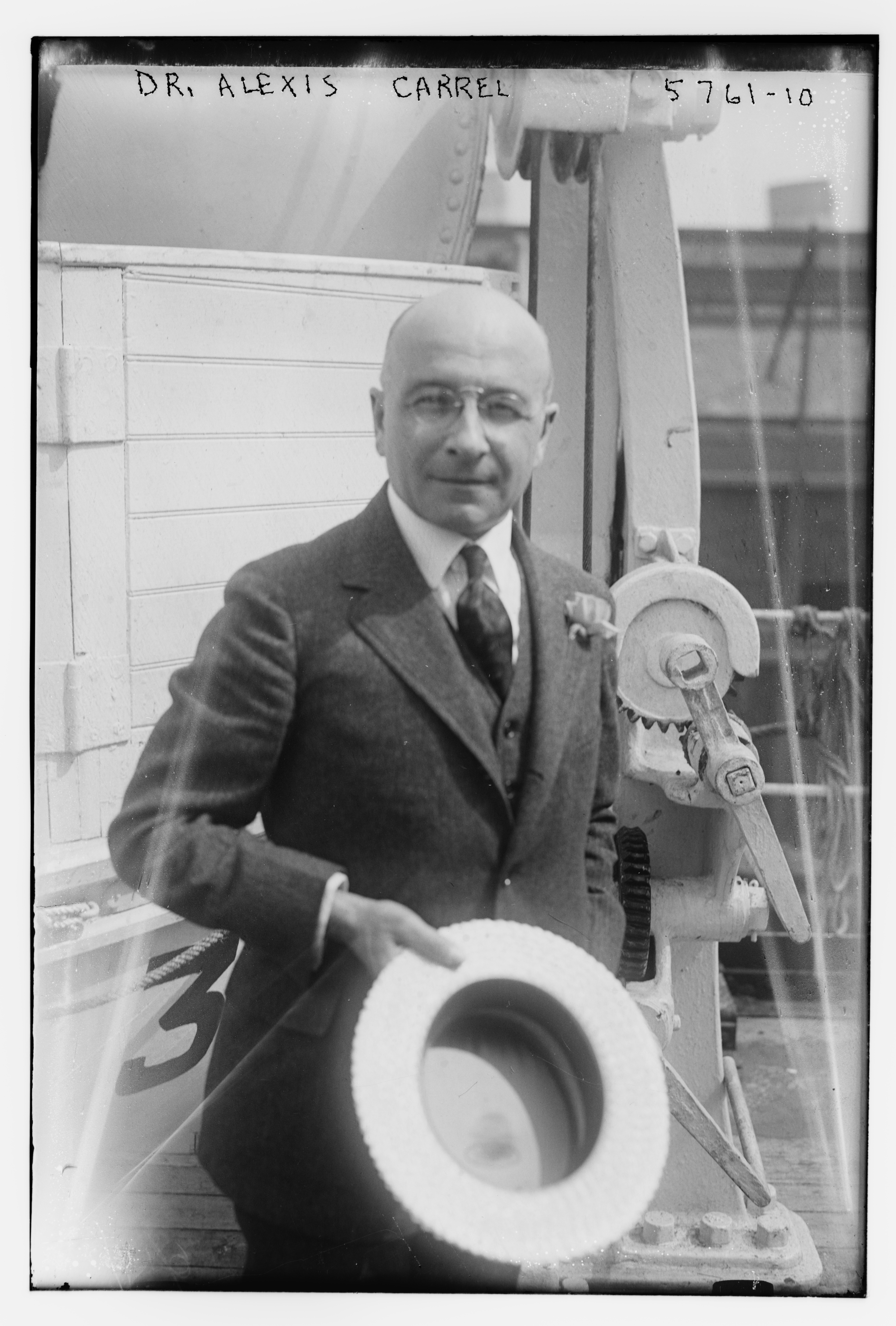
1902 CARREL, Alexis (1873 – 1944)
La technique opératoire des anastomoses vasculaires et la transplantation des viscères.
Carrel perfected the operation of arterial suture, end-to-end anastomosis of severed vessels with triple-threaded sutures. See also No. 3026.
GMN 2909 · https://historyofmedicine.com/id/4877
1902 CUSHING, Harvey Williams (1869 – 1939)
On the avoidance of shock in major amputations by cocainization of large nerve-trunks preliminary to their division.
William S. Halsted was first to use infiltration anesthesia (see No. 5679) and it was later developed by Cushing.
GMN 5689 · https://historyofmedicine.com/id/7419
1903 BONNET, L. M.
Sur la lésion dite sténose congénitale de l’aorte dans la région de l’isthme.
Distinction of infantile and adult types of coarctation of the aorta.
GMN 2814 · https://historyofmedicine.com/id/3483
1903 JOSUÉ, Otto (1869 – 1923)
Athérôme aortique expérimental par injections répétées d’adrénaline dans les veines.
Experimental production of arteriosclerosis.
GMN 2910 · https://historyofmedicine.com/id/4879
1903 MÖNCKEBERG, Johann Georg (1877 – 1925)
Ueber die reine Mediaverkalkung der Extremitätenartien und ihr Verhalten zur Arteriosklerose.
“Mönckeberg’s sclerosis”. He described a form of medial sclerosis of the blood-vessels of the extremities. See also his later papers in Klin. Wschr.,1942, 52,1473-78, 1521-26.
GMN 2911 · https://historyofmedicine.com/id/4882
1903 WENCKEBACH, Karel Frederik (1864 – 1940)
Die Arrhythmie, als Austruck bestimmter Funktionsstörungen der Herzens: Eine physiologische-klinische Studie.
This monograph contains Wenckebach's obserations on the physiological bases of arrhythmias, along with accounts of their clinical manifestations. Wenckbach was the first to describe extracystoles in man, demonstrating…
GMN 11732 · https://historyofmedicine.com/id/13933
1903 HERING, Heinrich Ewald (1866 – 1948)
Analyse des Pulsus irregularis perpetuus.
Later called auricular fibrillation.
GMN 12247 · https://historyofmedicine.com/id/14462
1904 CLOËTTA, Max (1868 – 1940)
Ueber Digalen (Digitoxinum solubile).
Introduction of digalen.
GMN 1893.1 · https://historyofmedicine.com/id/2535
1904 CHIARI, Hans (1851 – 1916)
Ueber die syphilitischen Aortenerkrankungen.
GMN 2815 · https://historyofmedicine.com/id/3489
1904 ASCHOFF, Karl Albert Ludwig (1866 – 1942)
Zur Myocarditisfrage.
In his work on rheumatic myocarditis, Aschoff described the characteristic lesion (Aschoff body or nodule) and presented a histopathological picture of myocarditis that was to exert a great influence on the classifica…
GMN 2816 · https://historyofmedicine.com/id/3493
1904 JANEWAY, Theodore Caldwell (1872 – 1917)
The clinical study of blood-pressure. A guide to the use of the sphygmomanometer in medical, surgical and obstetrical practice, with a summary of the experimental and clinical facts relating to the blood-pressure in health and disease.
The earliest American monograph on hypertension and its detection. Digital facsimile from the Hathi Trust at this link.
GMN 11572 · https://historyofmedicine.com/id/13771
1905 MACKENZIE, Sir James (1853 – 1925)
New methods of studying affections of the heart.
Mackenzie established the remarkable action of digitalis in auricular fibrillation.
GMN 2819 · https://historyofmedicine.com/id/3501
1905 MARTIN, Sir Charles James (1866 – 1955)
Remarks on the determination of arterial blood-pressure in clinical practice.
GMN 2820 · https://historyofmedicine.com/id/3505
1905 –1906 RITCHIE, William Thomas (1873 – 1945)
Complete heart-block, with dissociation of the action of the auricles and ventricles.
Auricular flutter in man first recognized.
GMN 2821 · https://historyofmedicine.com/id/3513
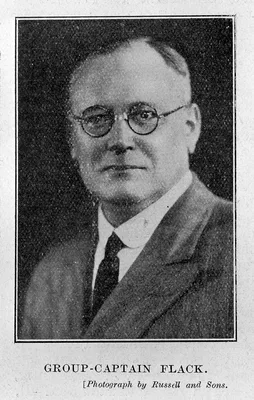
1906 –1907 KEITH, Sir Arthur (1866 – 1955); FLACK, Martin William (1882 – 1931)
The form and nature of the muscular connections between the primary divisions of the vertebrate heart.
Discovery of the sinoatrial node, the “pacemaker of the heart”. Reprinted in Willius & Keys, Cardiac classics, 1941, pp. 747-62.
GMN 844 · https://historyofmedicine.com/id/627
1906 CUSHNY, Arthur Robertson (1866 – 1926); EDMUNDS, Charles Wallis (1873 – 1941)
Paroxysmal irregularity of the heart and auricular fibrillation.
First recognition of auricular fibrillation in man. Cushny and Edmunds had a case under their care in 1901. Hering described the condition in man in Prag. med. Wschr.,1903, 28, 377. The Cushing & Edmunds paper was als…
GMN 2822 · https://historyofmedicine.com/id/3523
1906 REUTER, Karl
Ueber Spirochaeta pallida in der Aortenwand bei Hellerscher Aortitis.
Treponema pallidum first discovered in the diseased aorta.
GMN 2824 · https://historyofmedicine.com/id/3531
1906 EINTHOVEN, Willem (1860 – 1927)
Het telecardiogram.
This paper includes the first published ECG tracing of atrial fibrillation. See W. Bruce Fye, "Tracing atrial fibrillation - 100 years," New Eng. J. Med., 355 (2006) 1412.
GMN 11589 · https://historyofmedicine.com/id/13788
1906 EHRLICH, Paul (1854 – 1915); WEIGERT, Carl (1845 – 1904); EDINGER, Ludwig (1855 – 1918); RIEDER, Robert
Carl Weigert Gesammelte Abhandlungen unter Mitwirkung von Ludwig Edinger und Paul Ehrlich. Herausgegeben und Eingeleitet von Robert Rieder. 2 vols.
GMN 11731 · https://historyofmedicine.com/id/13932
1907 OTTO, Richard (1872 – 1952)
Zur Frage der Serum-Ueberempfindlichkeit.
Otto discovered that a state of tolerance developed in animals that survived anaphylactic shock. He induced passive transfer of hypersensitivity.
GMN 2594.1 · https://historyofmedicine.com/id/2956
1907 MUNRO, John Cummings (1858 – 1910)
Ligation of the ductus arteriosus.
Munro was first to suggest the feasibility of ligation of a patent ductus arteriosus.
GMN 3025.3 · https://historyofmedicine.com/id/5492
1908 MACKENZIE, Sir James (1853 – 1925)
Diseases of the heart.
Chapter 30 of the third edition (1914) includes Mackenzie’s classic description of the clinical picture of “nodal rhythm” (auricular fibrillation). Reprinted in Willius & Keys, Cardiac classics, 1941, pp. 769-93.
GMN 2826 · https://historyofmedicine.com/id/3535
1908 –1909 OSLER, Sir William (1849 – 1919)
Chronic infectious endocarditis.
The tender subcutaneous nodes in subacute bacterial endocarditis (“Osler’s nodes”) were first observed by Osler in 1888, and reported in 1909. This paper is the first definite clinical description of subacute bacteria…
GMN 2827 · https://historyofmedicine.com/id/3538