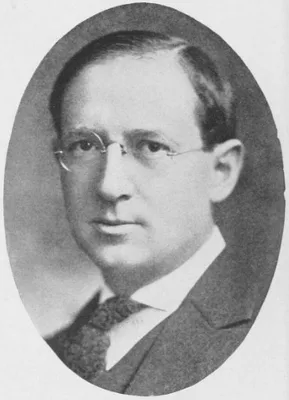
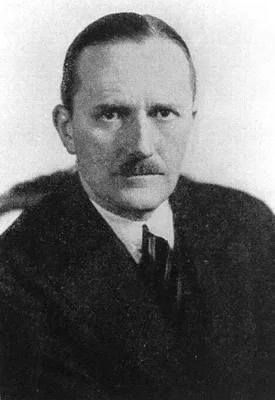
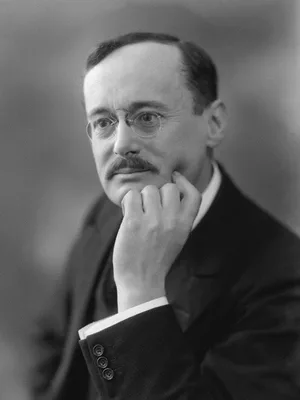
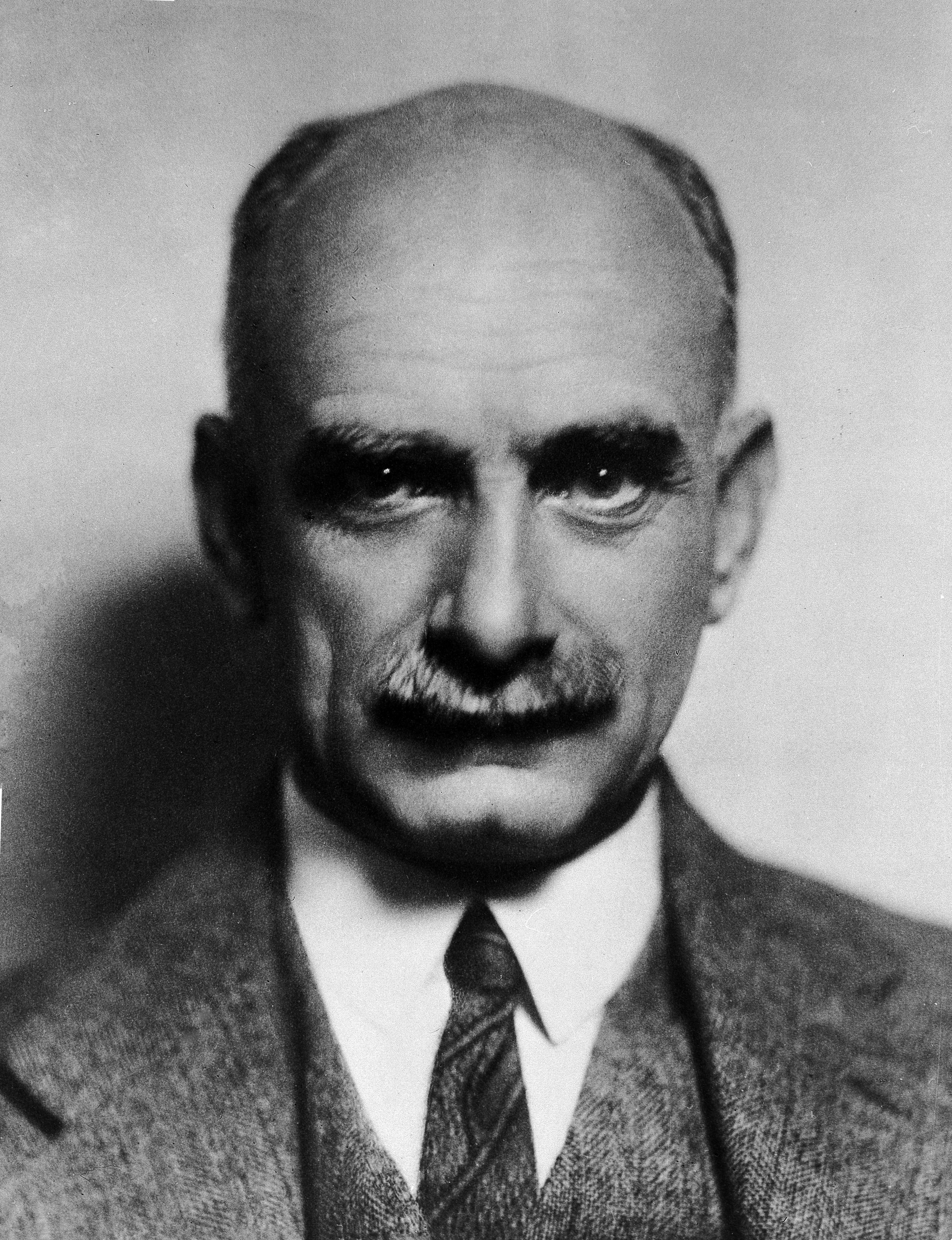
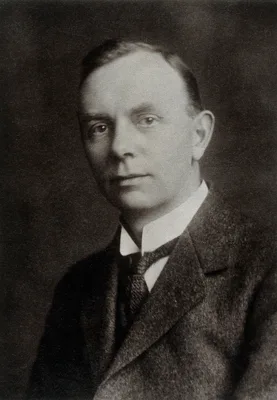
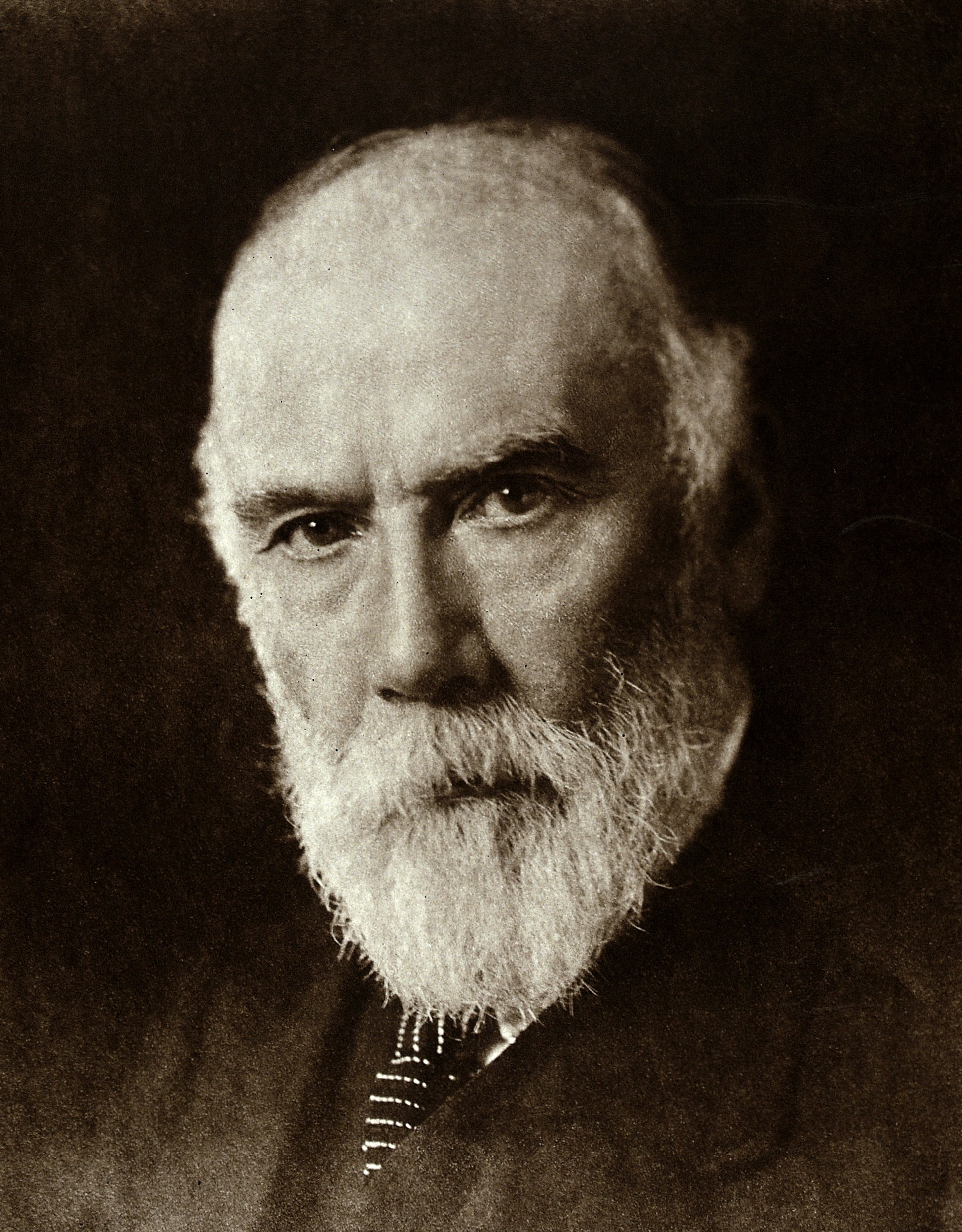
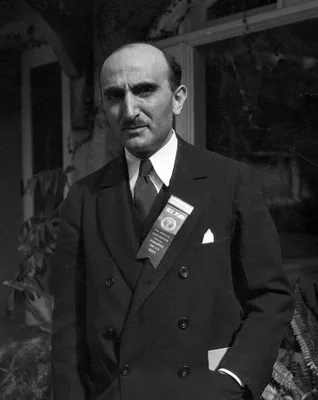
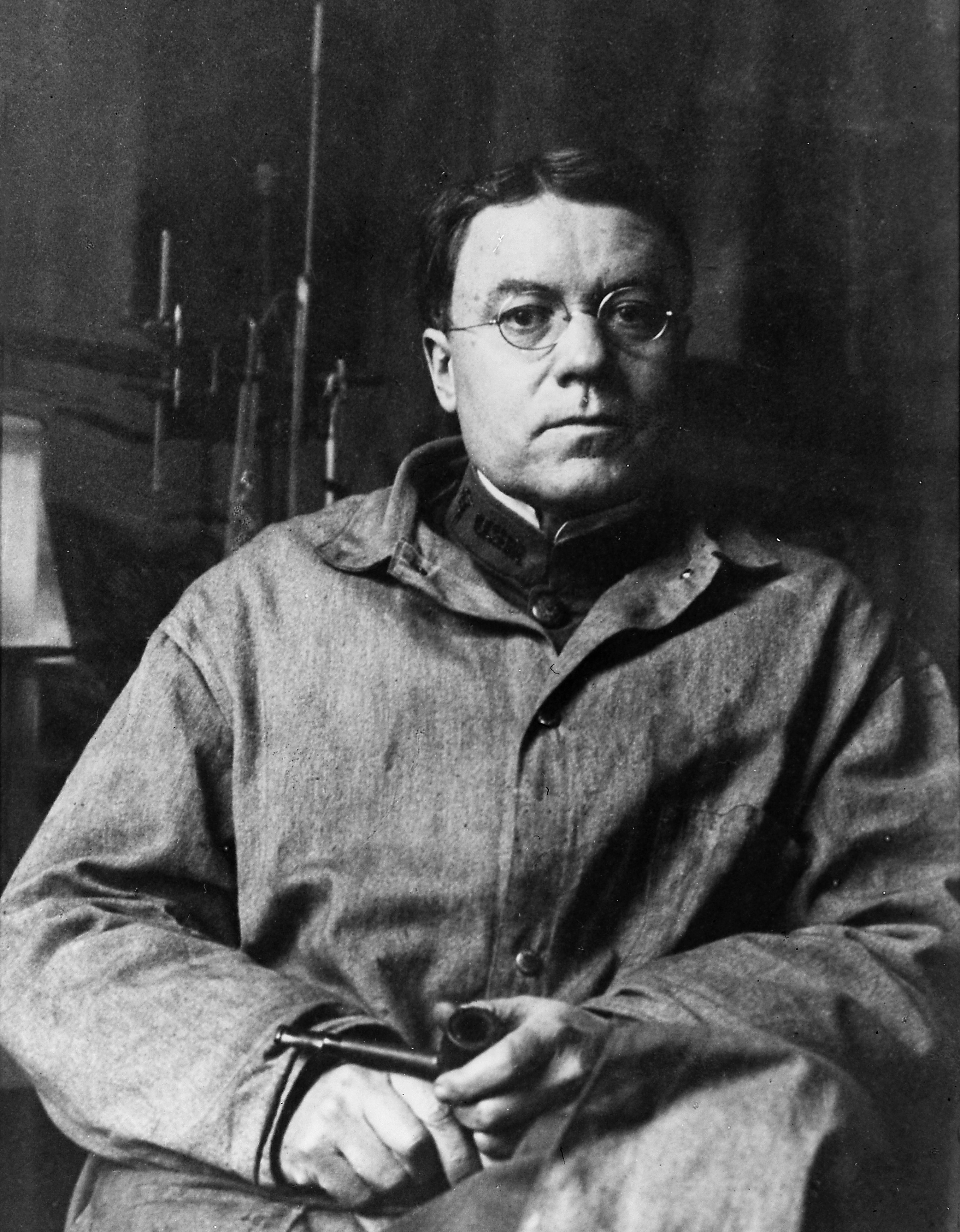
1908 BUERGER, Leo (1879 – 1943)
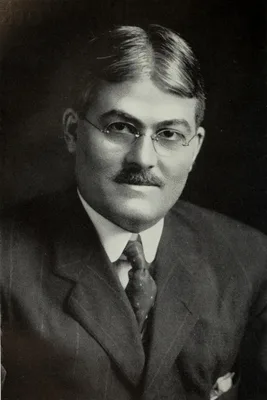
Thrombo-angiitis obliterans; a study of the vascular lesions leading to presenile spontaneous gangrene.
Buerger’s important paper on thrombo-angiitis obliterans gives the first comprehensive report of the clinical and pathological aspects of the disease. Buerger gave the condition its present name; it is also known as “…
GMN 2912 · https://historyofmedicine.com/id/4884
1908 IGNATOVSKI, Alexander I. (1875 – 1955)
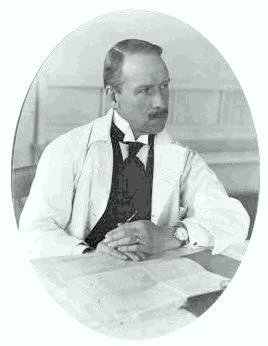
[In Russian:] Changes in parenchymatous organs and in the aorta of rabbits under the influence of animal protein.
Experimental atherosclerosis produced by a cholesterol-rich diet of whole milk, egg yolks, and meat. French translation as" Influence de la nourriture animale sur l'organisme des lapins," Arch. Méd. exp. Anat. path.,1…
GMN 2913 · https://historyofmedicine.com/id/4886
1909 BRACHT, Erich Frans Eugen (1882 – 1969); WÄCHTER, Hermann Julius Gustav (1878 – 1944)
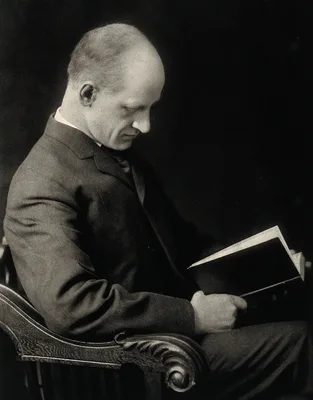
Beitrag zur Aetiologie und pathologischen Anatomie der Myokarditis rheumatica.
“Bracht–Wächter bodies” in the myocardium in bacterial endocarditis.
GMN 2828 · https://historyofmedicine.com/id/3543
1909 HORDER, Thomas Jeeves (1871 – 1955)
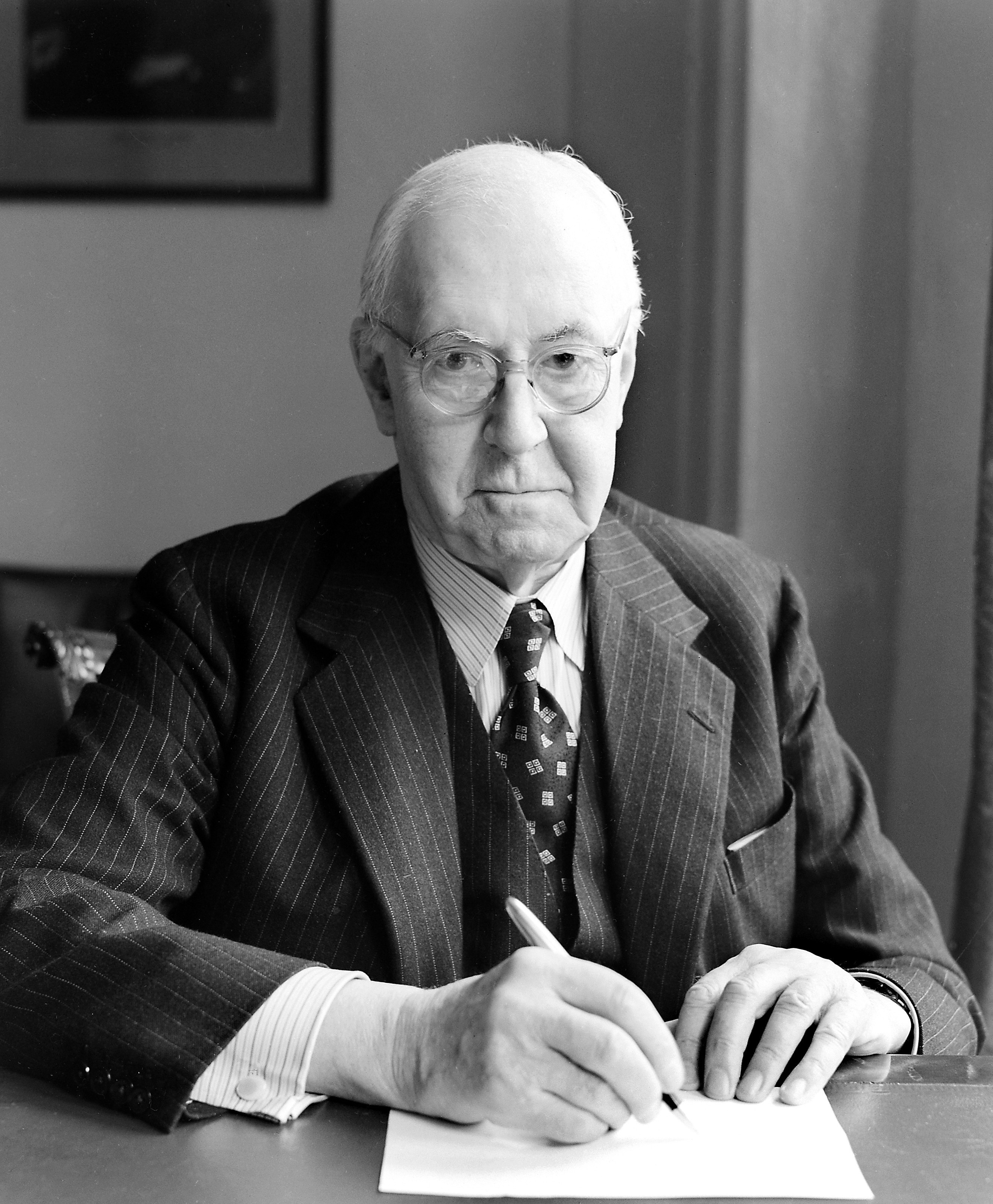
Infective endocarditis, with an analysis of 150 cases.
Classic description of subacute bacterial endocarditis.
GMN 2829 · https://historyofmedicine.com/id/3546
1909 LEWIS, Sir Thomas (1881 – 1945)
Auricular fibrillation; a common clinical condition.
First description of auricular fibrillation as a cause of clinical perpetual arrhythmia. See also the paper in Heart, London, 1909-10, 1,306-72.
GMN 2830 · https://historyofmedicine.com/id/3548
1909 ROTHBERGER, Carl Julius (1871 – 1945); WINTERBERG, Heinrich (1867 – 1929)
Vorhofflimmern und Arhythmia perpetua.
Independently of Lewis (No. 2830) these workers claimed auricular fibrillation to be the cause of perpetual arrhythmia.
GMN 2831 · https://historyofmedicine.com/id/3550
1909 BLAIR-BELL, William (1871 – 1936)
The pituitary body and the therapeutic value of the infundibular extract in shock, uterine atony, and intestinal paresis.
GMN 6215 · https://historyofmedicine.com/id/7630
1910 LEWIS, Paul Adin (1879 – 1929); AUER, John (1875 – 1948)
The physiology of the immediate reaction of anaphylaxis in the guinea-pig.
First adequate account of the physiological reactions leading to fatal anaphylactic shock.
GMN 2600 · https://historyofmedicine.com/id/2978
1910 EPPINGER, Hans (1879 – 1946); STOERK, Oscar (1870 – 1926)
Zur Klinik des Elektrokardiogramms.
First clinical and pathological description of bundle-branch block.
GMN 2832 · https://historyofmedicine.com/id/3554
1910 RITCHIE, William Thomas (1873 – 1945); JOLLY, William Adam (1878 – 1939)
Auricular flutter and fibrillation.
Auricular flutter first described.
GMN 2833 · https://historyofmedicine.com/id/3557
1910 LIBMAN, Emanuel (1872 – 1946); CELLER, Herbert Louis (1878 – 1928)
The etiology of subacute infective endocarditis.
Libman and Celler found Strep. endocarditis to be the most common cause of subacute bacterial endocarditis.
GMN 2834 · https://historyofmedicine.com/id/3560
1910 OBRAZTSOV, Vasili Parmenovich (1849 – 1920); STRAZHESKO, Nikolai Dmitrievich (Mykola Dmytrowytsch Straschesko) (1876 – 1952)
Zur kenntniss der Thrombose der Koronararterien des Herzens.
First complete description of coronary thrombosis, diagnosed before death and confirmed at necropsy. Reprinted in Klin. Med. (Mosk.), 1949, 27,No. 11, 15-25.
GMN 2835 · https://historyofmedicine.com/id/3566
1910 SCHOTTMÜLLER, Hugo (1867 – 1936)
Endocarditis lenta. Zugleich ein Beitrag zur Artunterscheidung der pathogenen Streptokokken.
First to isolate Strep viridans in cases of bacterial endocarditis, Schottmüller named the condition Endocarditis lenta.
GMN 2836 · https://historyofmedicine.com/id/3569
1910 HIRSCHFELDER, Arthur Douglas (1879 – 1942)
Diseases of the heart and aorta.
The first comprehensive monograph on cardiology written and published in the United States. Hirschfelder interned under William Osler at Johns Hopkins, and became Hopkins's first full-time cardiologist. Digital facsim…
GMN 11752 · https://historyofmedicine.com/id/13952
1911 LEWIS, Sir Thomas (1881 – 1945)
The mechanism of the heartbeat: With special reference to its clinical pathology.
Sir Thomas Lewis was a pioneer in the application of electrocardiography to clinical medicine. His book was both an exhaustive treatise on the subject for its time, and a valuable bibliographical source. Second editio…
GMN 2851 · https://historyofmedicine.com/id/709
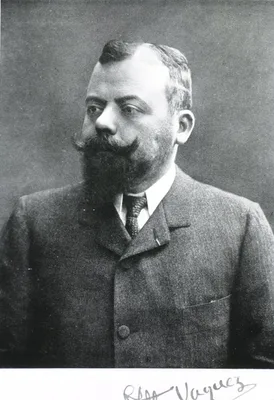
1911 VAQUEZ, Louis Henri (1860 – 1936)
Les arythmies.
GMN 2837 · https://historyofmedicine.com/id/3572
1912 HERRICK, James Bryan (1861 – 1954)
Clinical features of sudden obstruction of the coronary arteries.
Outstanding description of coronary thrombosis. Herrick was the first to describe and diagnose coronary thrombosis in a living person; he showed that sudden coronary occlusion is not necessarily fatal. Reprint in Will…
GMN 2839 · https://historyofmedicine.com/id/3580
1912 LIBMAN, Emanuel (1872 – 1946)
A study of the endocardial lesions of subacute bacterial endocarditis.
GMN 2841 · https://historyofmedicine.com/id/3589
1912 ARRILLAGA, Francisco C.
Esclerosis secundaria de la arteria pulmonar y su cuadro clinico (Cardiacos negros).
A classical description of “Ayerza’s syndrome or disease” (cor pulmonale), to which Arrillaga named after Abel Ayerza, who first mentioned the disease in a lecture given in 1901. Corvisart mentioned the condition in 1…
GMN 2914 · https://historyofmedicine.com/id/4888
1913 ANICHKOV, Nikolai Nikolaevich (Anitschkow) (1885 – 1964); CHALATOV, Semen Sergeevich (1884 – 1951)
Ueber experimentelle Cholesterinsteatose und ihre Bedeutung für die Entstehung einiger pathologischer Prozesse.
Anichkov and Chalatov of St. Petersburg, Russia, discovered that atherosclerosis of large arteries is critically dependent on cholesterol. (Translated in Arteriosclerosis, 1983, 3, 178-182). The inflammatory nature of…
GMN 2915 · https://historyofmedicine.com/id/4890
1913 JEGER, Ernest
Die Chirurgie der Blutgefässe und des Herzens.
Jeger was the first to advocate the bypass principle for management of peripheral aneurysms.
GMN 2915.1 · https://historyofmedicine.com/id/4892
1913 KEY, Einar Samuel Henrik (1872 – 1954)
Ein Fall operierter Embolie der Arteria femoralis.
Key performed his first successful embolectomy on December 4, 1912, and reported it to a meeting of the Svenska Läkaresällskapet on January 28, 1913. See also his review in Ergebn. Chir. Orthop.,1929, 22,1-94.
GMN 3014 · https://historyofmedicine.com/id/5397
1913 BAUER, Fritz
Fall von Embolus aortae abdominalis, Operation, Heilung.
First successful aortic embolectomy.
GMN 3014.1 · https://historyofmedicine.com/id/5401
1913 WARTHIN, Aldred Scott (1866 – 1931)
Traumatic lipaemia and fatty embolism.
Classic clinical description of pulmonary fat embolism.
GMN 3015 · https://historyofmedicine.com/id/5405
1913 DOYEN, Eugène-Louis (1859 – 1916)
Chirurgie des malformations congénitales ou acquises du coeur.
First attempt at surgical relief of valvular disease of the heart (congenital pulmonary stenosis). Experimental valvotomy.
GMN 3028.1 · https://historyofmedicine.com/id/5511
1913 CRILE, George Washington (1864 – 1943)
The kinetic theory of shock and its prevention through anoci-association (shockless operation).
Crile advanced the anoci-association concept in which local and general anesthesia are combined in a sequence to eliminate pre-operative fear and tension.
GMN 5629 · https://historyofmedicine.com/id/7213
1914 RITCHIE, William Thomas (1873 – 1945)
Auricular flutter.
GMN 2843 · https://historyofmedicine.com/id/3599
1914 WENCKEBACH, Karel Frederik (1864 – 1940)
Die unregelmässige Herztätigkeit und ihre klinische Bedeutung.
Wenckebach was the first to demonstrate (pp. 173-75) the value of quinine (“Wenckebach’s pills”) in the treatment of paroxysmal fibrillation. The same work contains a number of excellent descriptions of various forms …
GMN 2844 · https://historyofmedicine.com/id/3605
1914 TUFFIER, Théodore (1857 – 1929)
Etude expérimentelle sur la chirurgie des valvules du coeur.
Tuffier carried out the first successful experimental operation for the relief of chronic valvular disease. He also operated successfully in a case of aortic stenosis.
GMN 3029 · https://historyofmedicine.com/id/5516
1914 CABOT, Richard Clarke (1868 – 1939)
The four common types of heart disease: An analysis of 600 cases.
"The first appearance of Cabot's innovative classification of cardiac disease that was widely adopted" (W. Bruce Fye, American Cardiology. Baltimore, 1995, 49-50.)
GMN 12224 · https://historyofmedicine.com/id/14436
1915 ALLBUTT, Sir Thomas Clifford (1836 – 1925)
Diseases of the arteries, including angina pectoris. 2 vols.
Includes his suggestion of the aortic genesis of angina pectoris, and (vol. 2, p. 368) his mechanical theory of cardiac pain in coronary occlusion.
GMN 2894 · https://historyofmedicine.com/id/4368
1916 LUTEMBACHER, René (1884 – 1968)
De la sténose mitrale avec communication interauriculaire.
“Lutembacher syndrome”.
GMN 2846 · https://historyofmedicine.com/id/3612
1917 LEWIS, Sir Thomas (1881 – 1945)
Report upon soldiers returned as cases of “disordered action of the heart” (D.A.H.) or “valvular disease of the heart” (V.D.H.).
Medical Research Committee Special Rept. No. 8. Sir Thomas Lewis described as “effort syndrome” the condition of disordered action of the heart known as “Da Costa’s syndrome”.
GMN 2847 · https://historyofmedicine.com/id/3615
1918 SMITH, Fred M. (1888 – 1946)
The ligation of coronary arteries with electrocardiographic study.
GMN 852 · https://historyofmedicine.com/id/667
1918 FREY, Walter (1884 – 1972)
Ueber Vorhofflimmern beim Menschen und seine Beseitigung durch Chinidin.
Following Wenckebach’s discovery of the efficacy of quinine in the restoration of normal rhythm in auricular fibrillation. Frey showed that quinidine was the most effective of the cinchona alkaloids in this respect.
GMN 2848 · https://historyofmedicine.com/id/3617
1918 BOUSFIELD, Guy William John (1893 – 1974)
Angina pectoris: changes in electrocardiogram during paroxysm.
First electrocardiogram recorded (1917) from a patient with angina pectoris.
GMN 2894.1 · https://historyofmedicine.com/id/4370
1919 ZONDEK, Hermann (1887 – 1979)
Das Myxödemherz.
First attempt to restore the heart’s action by intracardiac injection.
GMN 2849 · https://historyofmedicine.com/id/3622
1919 DALE, Sir Henry Hallett (1875 – 1968); LAIDLAW, Sir Patrick Playfair (1881 – 1940)
Histamine shock.
Experimental shock produced by histamine and shown to be similar to traumatic and surgical shock.
GMN 5630 · https://historyofmedicine.com/id/7217
1919 HERRICK, James Bryan (1861 – 1954)
Thrombosis of the coronary arteries.
"...includes electrocardiographic tracings of a 42-year-old physician who died "after coronary obstructive symptoms" and of a dog following experimental ligation of a coronary artery. This finding "led Herrick to conc…
GMN 12248 · https://historyofmedicine.com/id/14463
1920 PARDEE, Harold Ensign Bennett (1886 – 1972)
An electrocardiographic sign of coronary artery obstruction.
First description of the typical changes in the electrocardiogram in coronary thrombosis.
GMN 2852 · https://historyofmedicine.com/id/3633
1920 SAXL, Paul (1880 – 1932)
Verhandlungen ärtzlicher Gesellschaften und Kongressberichte.
Saxl injected a mercurial compound (Novasurol), a powerful diuretic, for the treatment of cardiac failure.
GMN 2853 · https://historyofmedicine.com/id/3635
1920 JONNESCO, Thomas (Thoma Ionescu) (1860 – 1926)
Angine de poitrine guérie par la résection du sympathique cervicothoracique.
Cervical sympathectomy for the treatment of angina pectoris was first carried out by Jonnesco in 1916.
GMN 2895 · https://historyofmedicine.com/id/4376
1921 GENEVRIER, J
Du traitement des varices par les injection coagulantes, concentrées de sels de quinine.
Injection of quinine urethane for the treatment of varicose veins.
GMN 3001 · https://historyofmedicine.com/id/5318
1922 LAEWEN, Arthur (1876 – 1958)
Paravertebrale Novokaininjektionen zur Differentialdiagnose intra-abdomineller Erkrankungen.
First paravertebral injection for the treatment of angina pectoris.
GMN 2896 · https://historyofmedicine.com/id/4379
1922 SICARD, Jean Athanase (1872 – 1929); ET AL
Traitement des varices par les injections phlébo-sclérosantes du salicylate de soude.
Introduction of sodium salicylate injections for the treatment of varicose veins. With J. Paraf and J. Lermoyez.
GMN 3002 · https://historyofmedicine.com/id/5321
1923 MACKENZIE, Sir James (1853 – 1925)
Angina pectoris.
A classic description of angina by “the beloved physician”, one of the greatest of all cardiologists. Mackenzie considered the disease to be due to cardiac failure.
GMN 2897 · https://historyofmedicine.com/id/4383
1923 BERBERICH, Josef (1897 – ); HIRSCH, S
Die Röntgenographische Darstellung der Arterien und Venen am lebenden Menschen.
Arteriography. First angiogram of a living patient.
GMN 2916 · https://historyofmedicine.com/id/4895
1923 CUTLER, Elliott Carr (1888 – 1947); LEVINE, Samuel Albert (1891 – 1966)
Cardiotomy and valvulotomy for mitral stenosis. Experimental observations and clinical notes concerning an operated case with recovery.
Successful section of mitral valve for relief of mitral stenosis.
GMN 3030.1 · https://historyofmedicine.com/id/5525
1923 CANNON, Walter Bradford (1871 – 1945)
Traumatic shock.
"In the fall of 1916, before the United States entered World War I, the National Research Council named Cannon a member of a committee on traumatic shock. Later he joined the Harvard University Hospital Unit. On his w…
GMN 11567 · https://historyofmedicine.com/id/13766
1923 VAN SLYKE, Donald Dexter (1883 – 1971); LUNDSGAARD, Christen (1883 – )
Cyanosis.
"In their monumental 1945 paper on the surgical treatment of malformations of the heart, Alfred Blalock and Helen Taussig refer to this monograph: 'Lundsgaard and Van Slyke in their classic studies on the causes of cy…
GMN 11685 · https://historyofmedicine.com/id/13886