1653 HARTMAN [HARTMANNUS]
Thesis de carbunculo.
GMN 5160 · https://historyofmedicine.com/id/6222
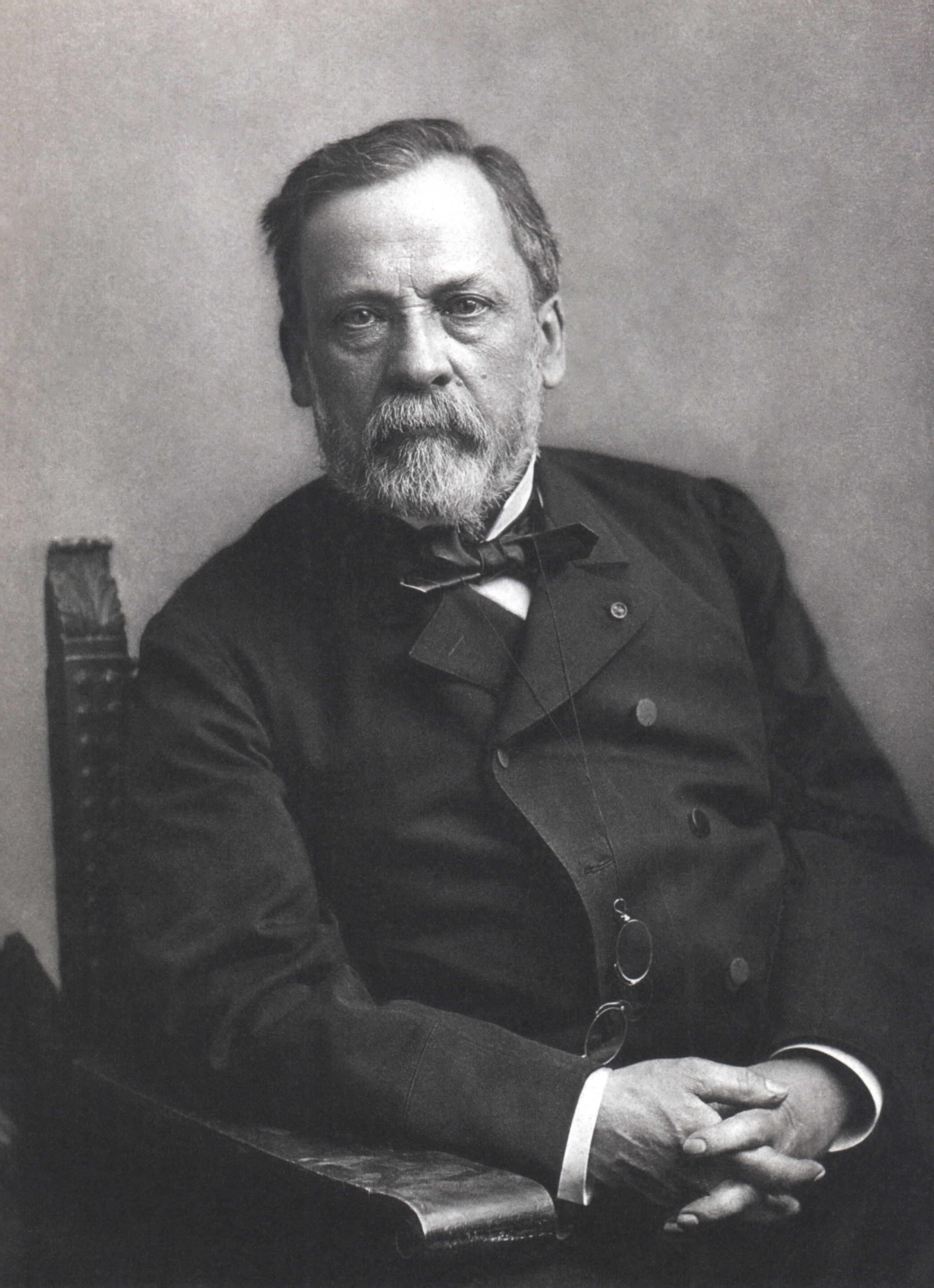
1879 PASTEUR, Louis (1822 – 1895)
Septicémie puerpérale.
Description of the streptococcus of puerperal sepsis.
GMN 6278 · https://historyofmedicine.com/id/7997
1880 PASTEUR, Louis (1822 – 1895)
De l’extension de la théorie des germes à l’étiologie de quelques maladies communes.
In this study of furunculosis (“boils”) and osteomyelitis Pasteur left the first recognizable descriptions of staphylococcus and streptococcus. The term streptococcus had been coined by Billroth in 1874; however, Past…
GMN 2492.1 · https://historyofmedicine.com/id/3143
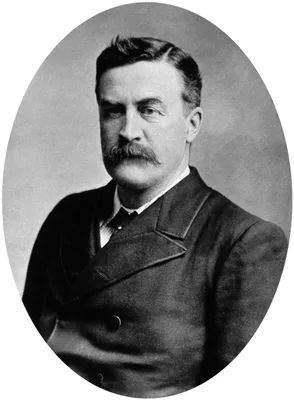
1881 OGSTON, Sir Alexander (1844 – 1929)
Report upon micro-organisms in surgical diseases.
Ogston showed that micrococci are constantly present in acute and chronic abscesses. He discovered Staphylococcus aureus. Ogston named staphylococcus in his paper, "Micrococcus poisoning," J. Anat. Physiol., 1882, 16,…
GMN 2494 · https://historyofmedicine.com/id/3152
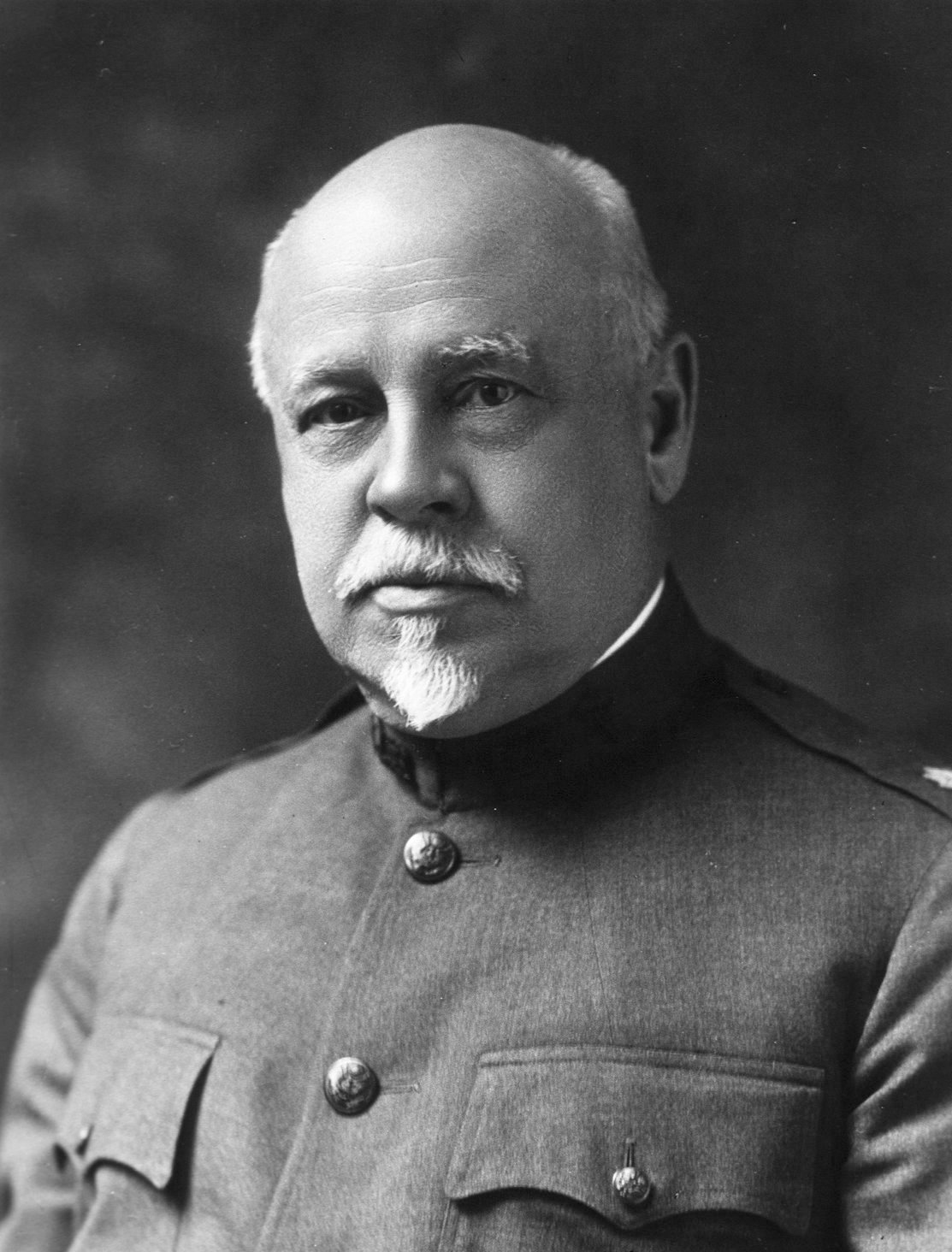
1892 WELCH, William Henry (1850 – 1934)
Conditions underlying the infection of wounds.
Discovery of Staph. epidermidis (albus) and its relation to the infection of wounds.
GMN 5621 · https://historyofmedicine.com/id/7179
1925 CHURCHMAN, John Woolman (1877 – 1937)
Intravenous use of dyes.
Churchman demonstrated the selective bactericidal action of gentian violet against staphylococci. See also J. exp. Med., 1912, 16, 221-47; J. Urol., 1924, 11, 1-18.

GMN 1911 · https://historyofmedicine.com/id/2673