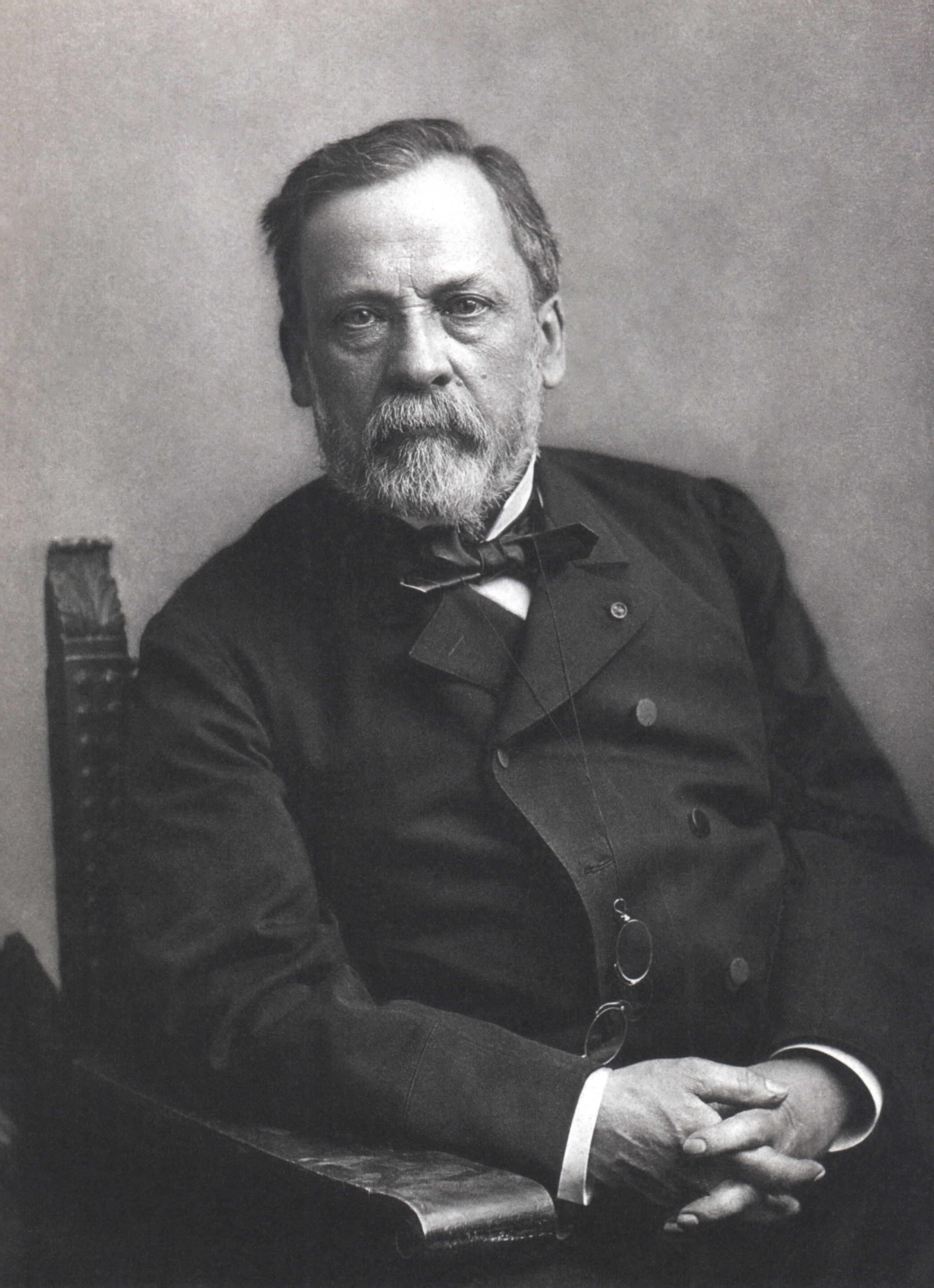
1877 PASTEUR, Louis (1822 – 1895); JOUBERT, Jules François (1834 – 1910)
Charbon et septicémie.
Discovery of Vibrion septique (Cl. septicum), the first pathogenic anerobe to be found. Pasteur and Joubert were probably the first to realize the practical implications of antibiosis. They noted the antagonism betwee…
GMN 1932.1 · https://historyofmedicine.com/id/3134
1884 NICOLAIER, Arthur (1862 – 1942)
Ueber infectiösen Tetanus.
The discovery of the tetanus bacillus, Clostridum tetani, is attributed to Nicolaier; he was, however, unable to isolate the organism in pure culture.
GMN 5148 · https://historyofmedicine.com/id/6182
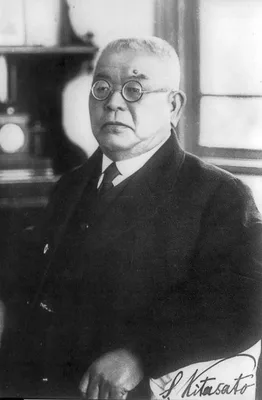
1889 KITASATO, Shibasaburō (1852 – 1931)
Ueber den Tetanusbacillus.
Kitasato obtained a pure culture of the tetanus bacillus, Cl. tetani.
GMN 5149 · https://historyofmedicine.com/id/6185
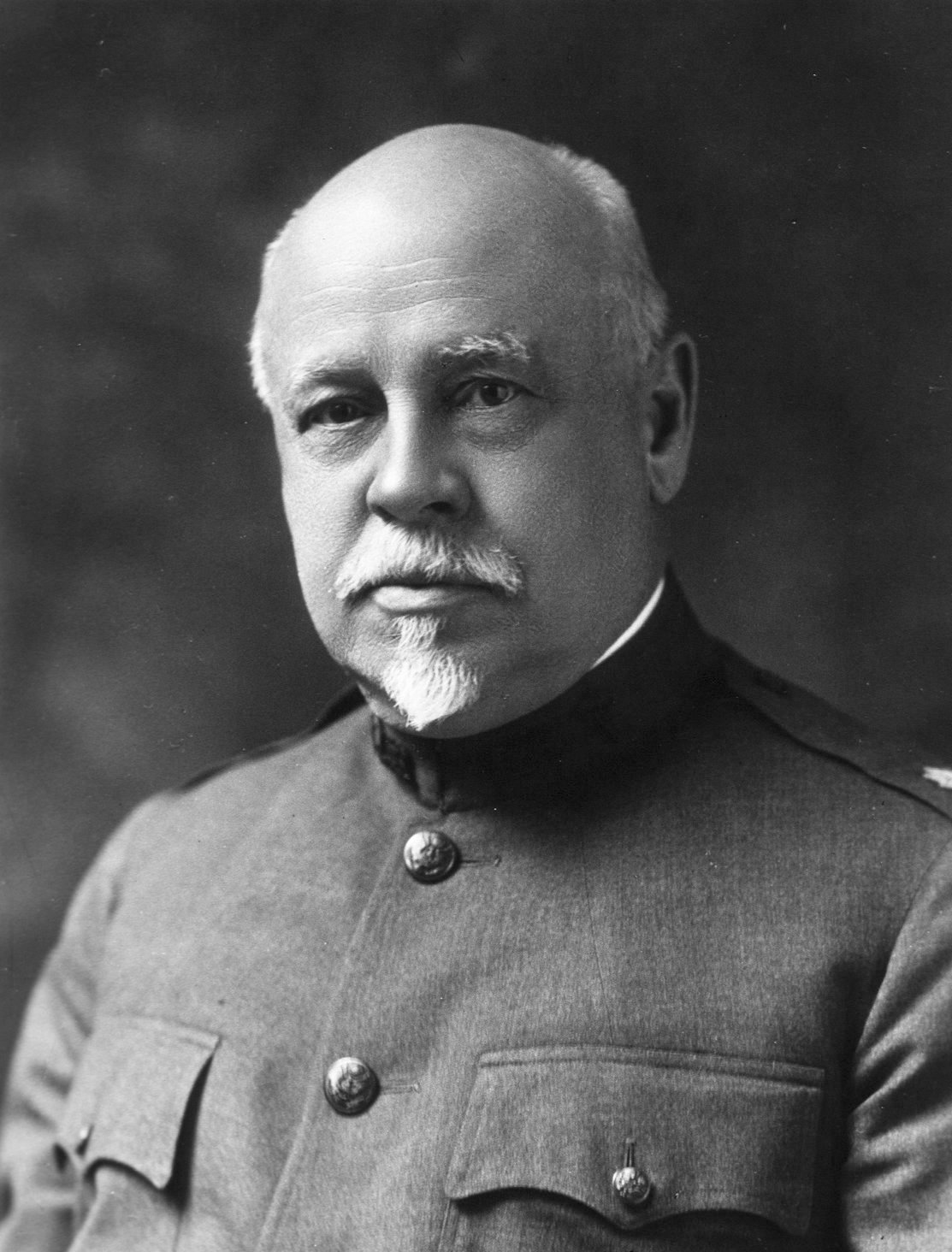
1892 NUTTALL, George Henry Falkiner (1862 – 1937); WELCH, William Henry (1850 – 1934)
A gas-producing bacillus (Bacillus aërogenes capsulatus nov. spec.) capable of rapid development in the blood-vessels after death.
Discovery of the gas gangrene bacillus (Welch bacillus) Cl. perfringens. Reprinted in Medical Classics, 1941, 5, 852-85.
GMN 2508 · https://historyofmedicine.com/id/3237
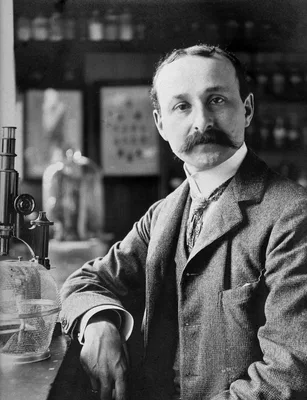
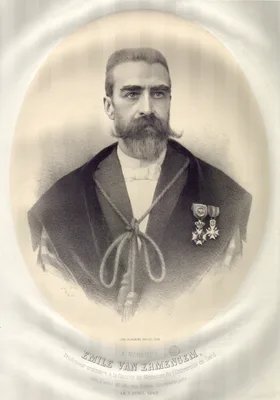
1897 ERMENGEM, Émile Pierre Marie van (1851 – 1932)
Contribution à l’ètude des intoxications alimentaires. Recherches sur des accidents à caractères botuliniques provoqués par du jambon.
Cl. botulinum was discovered by van Ermengem in cases of food poisoning.
GMN 2510 · https://historyofmedicine.com/id/3244
1900 WELCH, William Henry (1850 – 1934)
Morbid conditions caused by Bacillus aërogenes capsulatus.
Welch grouped together the diseases caused by Cl. perfringens, earlier discovered by him in association with Nuttall (see No. 2508).
GMN 2516 · https://historyofmedicine.com/id/3266
1958 EISEMAN, Ben (1917 – 2012); BASCOM, George S. (1927 – 1993); SILEN, W.; ET AL
Fecal enema as an adjunct in the treatment of pseudomembranous enterocolitis.
Order of authorship in the original publication: Eiseman, Silen, Bascom.... Report of the first "fecal transplant / fecal therapy," also known as "faecal microbiota transplanation," for recurrent / resistant C. diffic…
GMN 11458 · https://historyofmedicine.com/id/13657
2013 NOOD, Els van; VRIEZE, Anne; NIEUWDORP, Max; ET AL
Duodenal infusion of donor feces for recurrent Clostridium difficile.
Order of authorship in the original publication: Nood, Vrieze, Nieuwdorp....This research provided convincing evidence that fecal donation (faecal microbiota transplantation) is more effective therapy for virulent C. …
GMN 11459 · https://historyofmedicine.com/id/13658