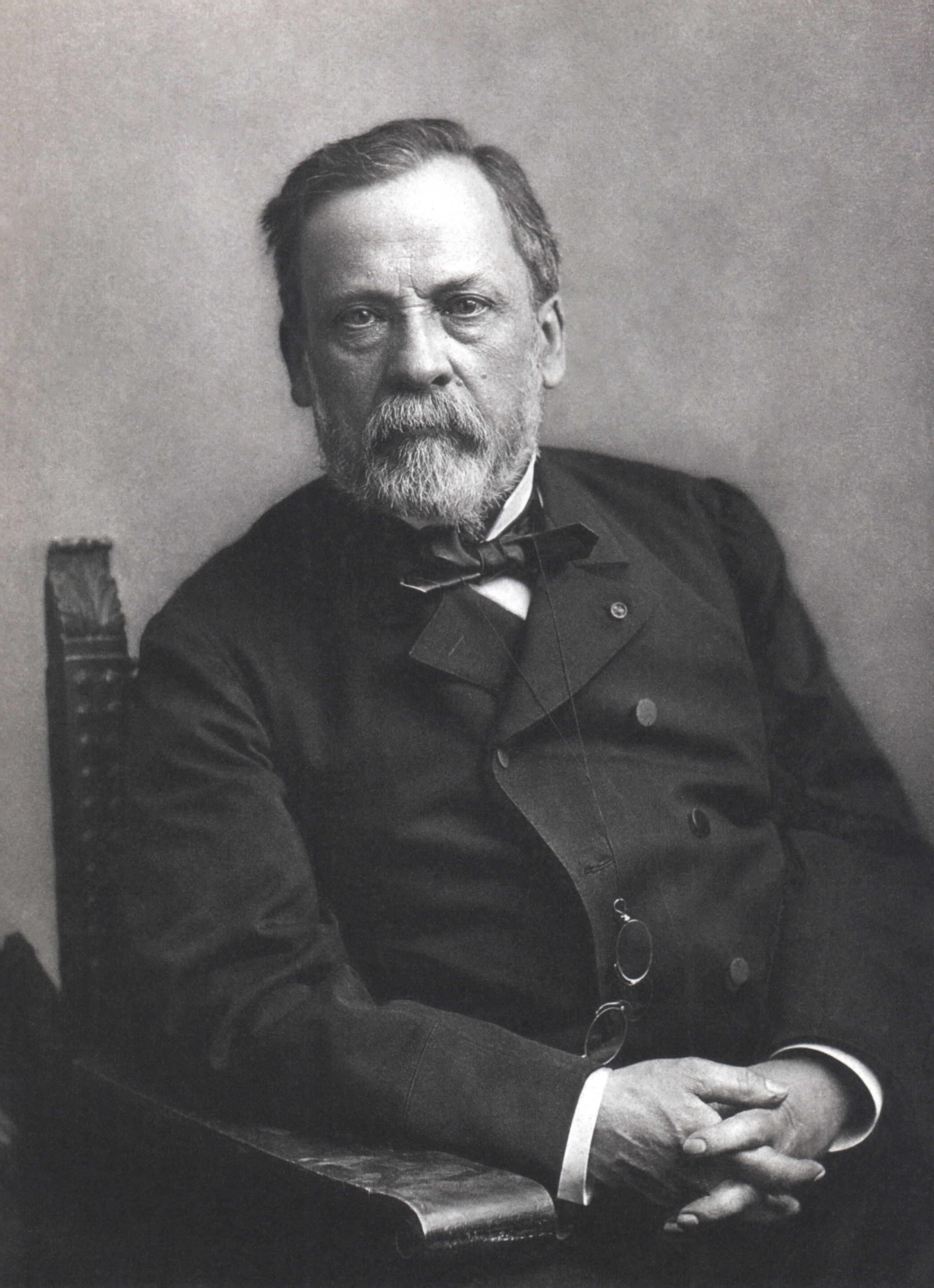
1857 PASTEUR, Louis (1822 – 1895)
Mémoire sur la fermentation appelée lactique.
First demonstration of the connection between a specific fermentation and the activity of a specific living micro-organism. This paper is often considered the beginning of bacteriology as a modern science. The above w…
GMN 2472 · https://historyofmedicine.com/id/3052
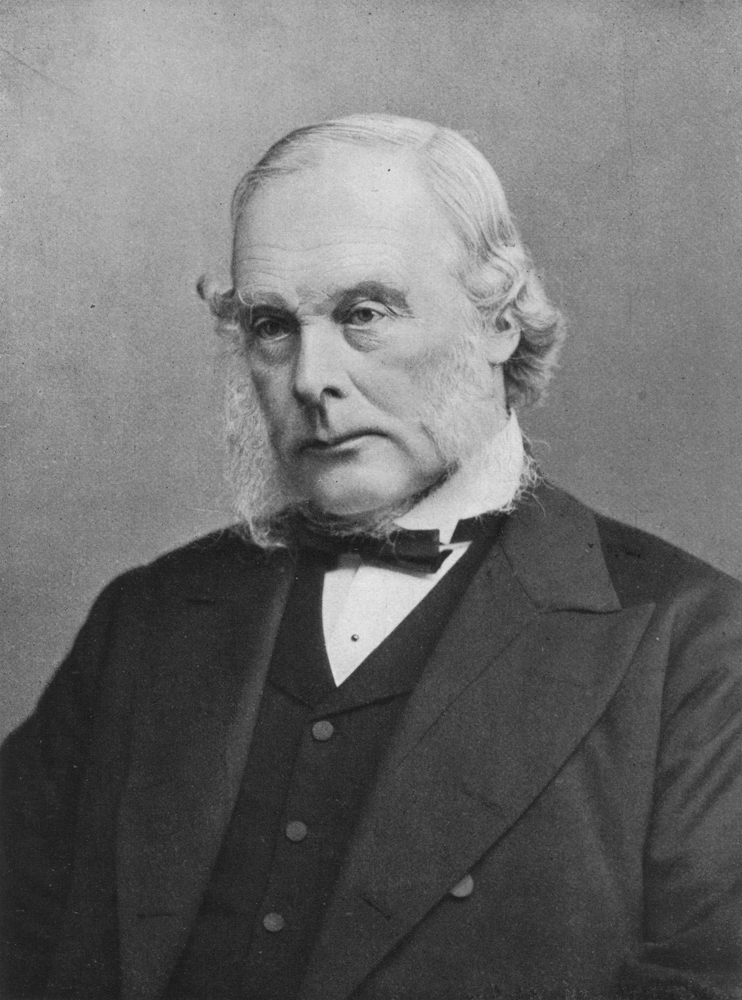
1873 LISTER, Joseph, 1st Baron Lister (1827 – 1912)
A further contribution to the natural history of bacteria and the germ theory of fermentative changes.
Isolation of Bacterium lactis, the specific micro-organism responsible for the lactic acid fermentation of milk.
GMN 2484 · https://historyofmedicine.com/id/3092
1877 –1878 LISTER, Joseph, 1st Baron Lister (1827 – 1912)
On the lactic fermentation and its bearings on pathology.
Lister was the first to obtain a pure culture of a bacterium (Bact. lactis). Lister first presented the results of this research in an address to the Royal Society on December 18, 1877. Because of its historic signifi…
GMN 2489 · https://historyofmedicine.com/id/3115
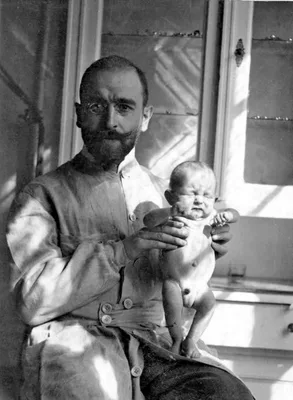
1892 DÖDERLEIN, Albert Siegmund Gustav (1860 – 1941)
Das Scheidensekret und seine Bedeutung für das Puerperalfieber.
Döderlein's study of the vaginal secretion in relation to puerperal fever includes the first description of “Döderlein’s bacillus” (Lactobacillus). Döderlein introduced the concept of normal body bacteria or "normal b…
GMN 6279 · https://historyofmedicine.com/id/7999
1900 MORO, Ernst (1874 – 1951)
Ueber die nach Gram färbbaren Bacillen des Säuglingsstuhles.
Isolation of Lactobacillus acidophilus.
GMN 2515 · https://historyofmedicine.com/id/3263
1906 METCHNIKOFF, Élie [MECHNIKOV] (1845 – 1916)
Quelques remarques sur le lait aigri.
Metchnikoff researched the effect of lactic acid produced by Lactobacilli on other non-desirable bacteria in the digestive tract. He thus expanded Döderlein's (No. 6279) concept of "normal flora" beyond the vagina. Tr…
GMN 2563 · https://historyofmedicine.com/id/3690
1922 –1925 MCINTOSH, James (1882 – 1948); JAMES, W. Warwick (1874 – 1965); LAZARUS-BARLOW, Percy (1895 – 1967)
An investigation into the aetiology of dental caries. I: The nature of the destructive agent and the production of artificial caries. II" The biological characteristics and distribution of B. acidolphilus odontolyticus. III: Further experiments on the production of artificial caries. IV: Accessory factors in dental caries. (1) Reaction of the saliva (2) Acid resistance of teeth.(3) Bacteriotropic action of saliva.
Isolation of Lactobacillus odontolyticus I and II from carious teeth. Digital facsimile of part 1 from PubMedCentral at this link. Digital facsimile of part 4 from PubMedCentral at this link.
GMN 3691 · https://historyofmedicine.com/id/5725
1922 RODRÍQUEZ VARGAS, Fernando E. (1888 – 1932)
Studies in the specific study of the bacteriology of dental cavities.
Rodríguez discovered that three types of the Lactobacillus species of bacteria, during the process of fermentation, are the causes of cavities. Digital facsimile from Google Books at this link.
GMN 12656 · https://historyofmedicine.com/id/14900
2005 FREDRICS, David N.; FIEDLER, Tina N.; MARRAZZO, Jeanne M.
Molecular identification of bacteria associated with bacterial vaginosis.
Order of authorship in the original publication: Fredricks, Fiedler, Marrazzo. Using molecular methods, the authors confirmed that absence or greatly reduced number of Lactobacilli was associated with vaginosis. They …
GMN 11396 · https://historyofmedicine.com/id/13595
2007 CORR, Sinéad Cristin; LI, Yin; REIDEL, Christian U.; HILL, Colin; ET AL
Bacteriocin production as a mechanism for the antiinfective activity of Lactobacillus salivarius UCC118.
Order of authorship in the original publication: Corr, Li, Reidel...Hill. The authors discovered that Lactobacilli produce a bacteriocin, a peptidic toxin that inhibits the growth of similar or closely related bacteri…
GMN 11478 · https://historyofmedicine.com/id/13677