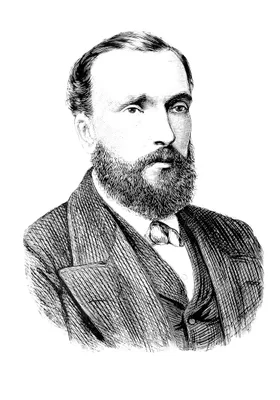
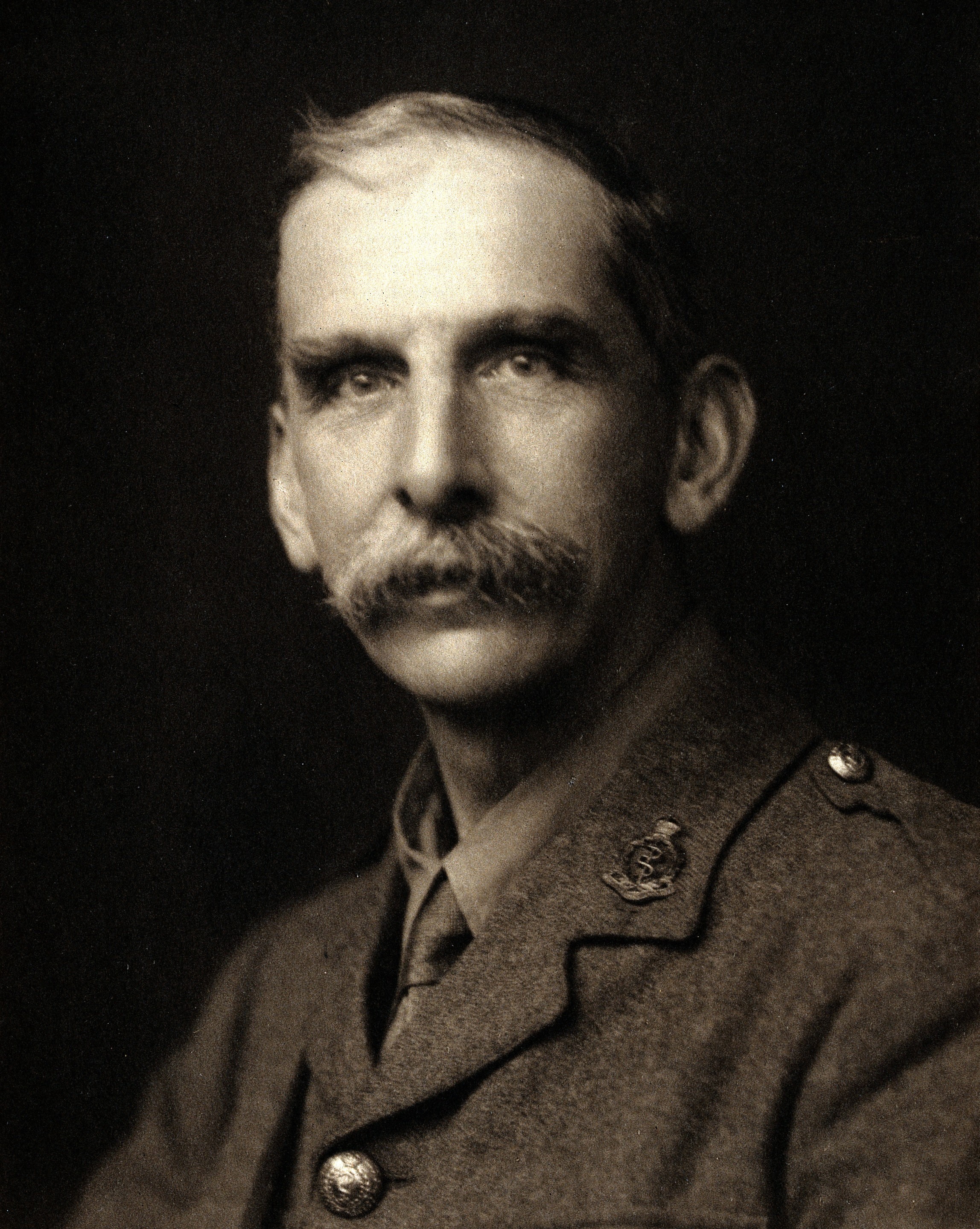
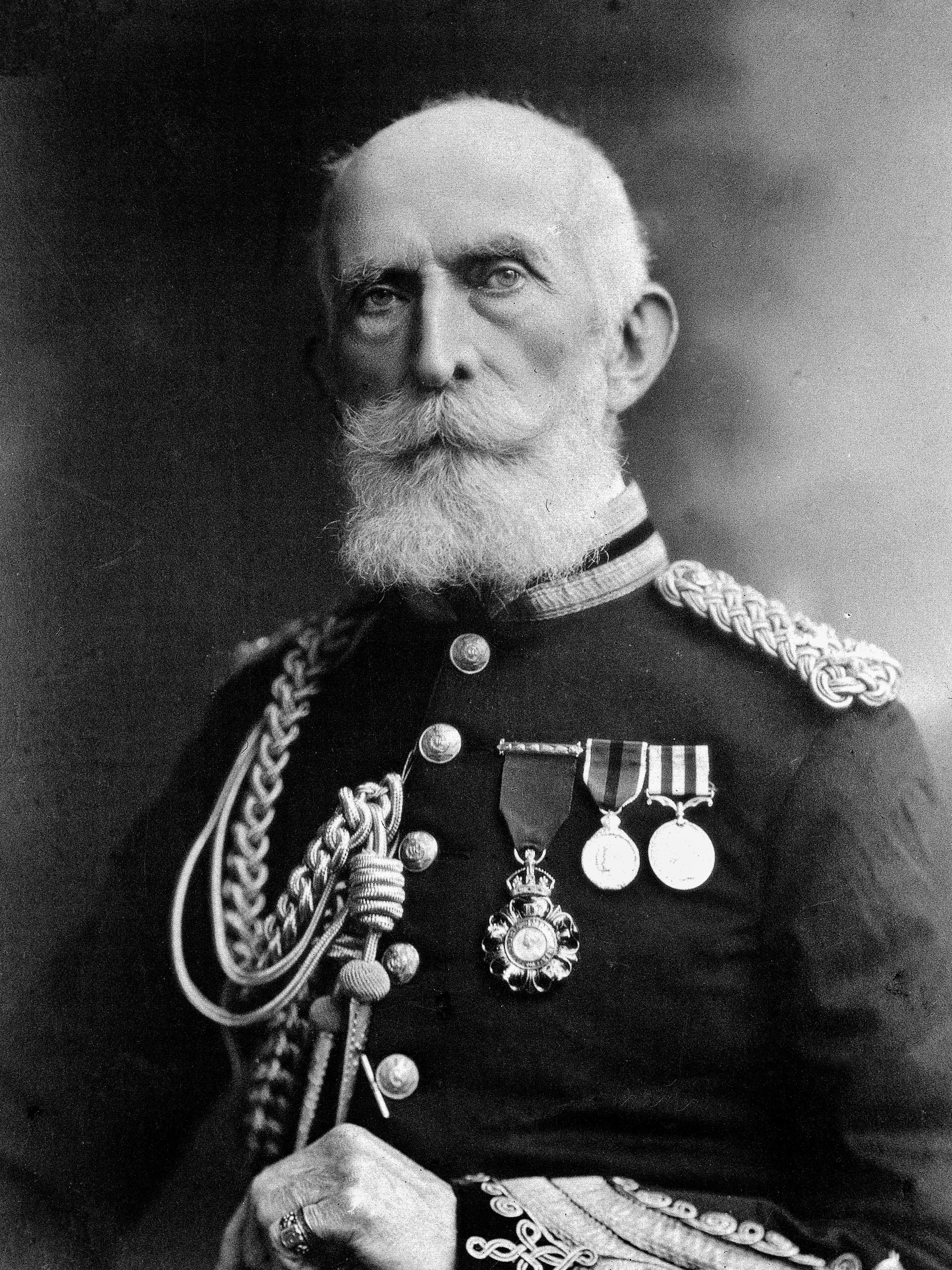
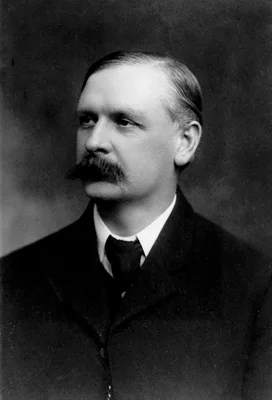
1890 BASTIAN, Henry Charlton (1837 – 1915)
On the symptomatology of total transverse lesions of the spinal cord, with special reference to the condition of the various reflexes.
“Bastian’s law”, transverse lesion of the cord above the lumbar enlargement results in the abolition of the tendon reflexes of the lower extremities.
GMN 4577 · https://historyofmedicine.com/id/447
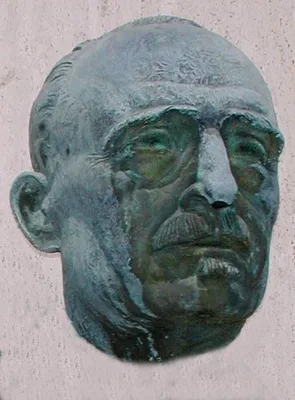
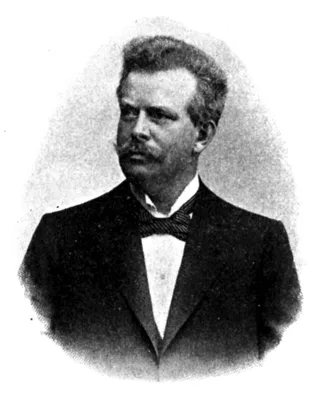
1890 MEDIN, Karl Oskar (1847 – 1927)
En epidemi af infantil paralysi.
The epidemic character of poliomyelitis was first noted by Medin. The disease is also known as “Heine–Medin disease” from the descriptions given by these two writers (see also No. 4664). German version in Verh. X. Int…
GMN 4667 · https://historyofmedicine.com/id/822
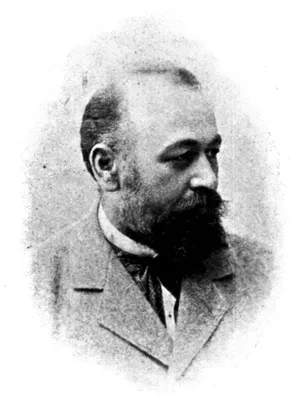
1890 FRENKEL, Heinrich (1860 – 1931)
Die Therapie atactischer Bewegungsstörungen.
Frenkel devised certain muscular exercises for use in the treatment of tabes dorsalis.
GMN 4786 · https://historyofmedicine.com/id/1521
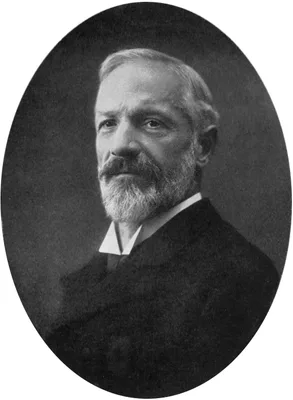
1890 ROSE, William (1847 – 1910)
Removal of the gasserian ganglion for severe neuralgia.
Gasserian ganglionectomy for trigeminal neuralgia; the patient lived for at least two years.
GMN 4863 · https://historyofmedicine.com/id/5657
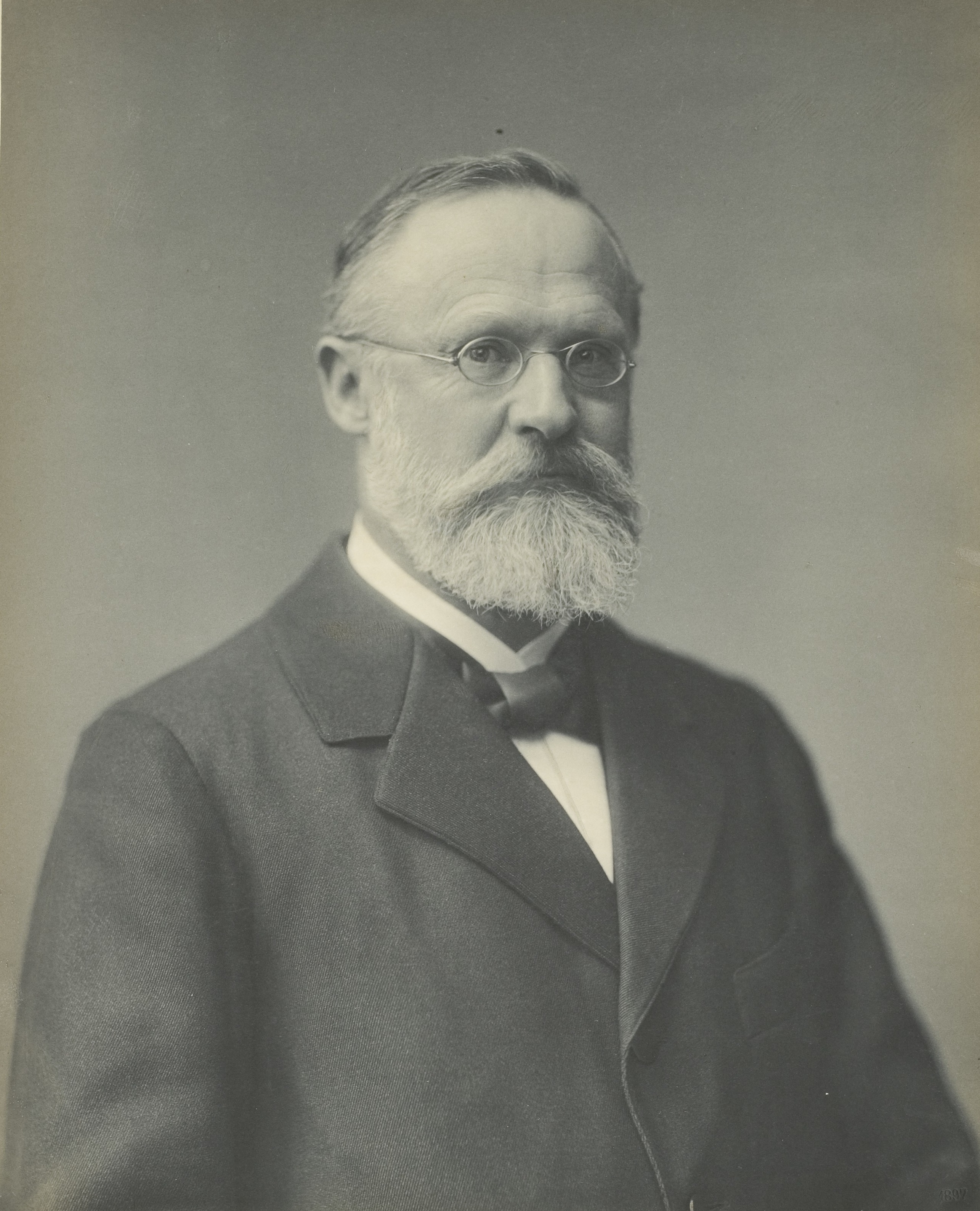
1890 –1930 HENSCHEN, Salomon Eberhard (1847 – 1930)
Klinische und anatomische Beiträge zur Pathologie des Gehirns. 8 pts. in 10 vols.
An important summary of the knowledge concerning aphasia appears in vols. 5-7.
GMN 4632 · https://historyofmedicine.com/id/8862
1890 DÉLÉAGE, Francisque (1862 – )
Étude clinique sur la maladie de Thomsen (myotonie congénitale).
First description of dystrophia myotonica (“Déléage’s disease”).
GMN 4754 · https://historyofmedicine.com/id/8894
1891 CHIARI, Hans (1851 – 1916)
Ueber Veränderungen des Kleinhirns infolge von Hydrocephalie des Grosshirns.
Charii I malformation. See No. 4581.1. See also Denkschr. Akad. Wiss. Wien, 1896, 63, 71-116.
GMN 4577.1 · https://historyofmedicine.com/id/450
1891 FREUD, Sigmund (1856 – 1939)
Zur Auffassung der Aphasien.
Freud refuted the Wernicke–Lichtheim doctrine (Nos. 4623 & 4626) that the losses of function in aphasia were due to lesions to anatomically circumscribed centers corresponding to the various functions involved in lang…
GMN 4627.1 · https://historyofmedicine.com/id/682
1891 LEYDEN, Ernst Viktor von (1832 – 1910)
Ueber acute Ataxie.
“Leyden’s (acute) ataxia”.
GMN 4706.1 · https://historyofmedicine.com/id/1134
1891 WERDNIG, Guido (1844 – 1919)
Zwei frühinfantile hereditäre Fälle von progressiver Muskelatrophie unter dem Bilde der Dystrophie, aber auf neurotischer Grundlage.
“Werdnig-Hoffmann muscular atrophy”, an infantile familial form of progressive muscular atrophy. Hoffmann independently described it (see No. 4756).
GMN 4755 · https://historyofmedicine.com/id/1392
1891 –1893 HOFFMANN, Johann (1857 – 1919)
Ueber chronische spinale Muskelatrophie im Kindesalter, auf familiärer Basis.
“Hoffmann’s muscular atrophy” – independently described by Werdnig (No. 4755).
GMN 4756 · https://historyofmedicine.com/id/1395
1891 UNVERRICHT, Heinrich (1853 – 1912)
Die Myoclonie.
First description of “Unverricht’s disease” – familial myoclonus epilepsy.
GMN 4819 · https://historyofmedicine.com/id/1622
1891 FRANKL-HOCHWART, Lothar Amadeus von (1862 – 1915)
Die Tetanie.
GMN 4834 · https://historyofmedicine.com/id/3587
1891 HORSLEY, Sir Victor Alexander Haden (1857 – 1916); ET AL
Remarks on the various surgical procedures devised for the relief or cure of trigeminal neuralgia (tic douloureux).
Horsley, with J. Taylor and W. S. Coleman, devised an operation for treatment of trigeminal neuralgia in which the Gasserian ganglion was removed by a temporal approach.
GMN 4865 · https://historyofmedicine.com/id/5667
1891 BLOCQ, Paul Oscar (1860 – 1896); LONDE, Albert (1858 – 1917)
Anatomie pathologique de la moelle épinière.
GMN 14234 · https://historyofmedicine.com/id/16553
1892 SCHMIDT, Adolf (1865 – 1918)
Casuistische Beiträge zur Nervenpathologie. II. Doppelseitige Accessoriuslähmung bei Syringomyelie.
“Schmidt’s syndrome” – a hemiplegia affecting the vocal cord, palate, trapezius, and sternocleidomastoid muscles, due to lesion of the nucleus ambiguus and nucleus accessorius.
GMN 4578 · https://historyofmedicine.com/id/451
1892 WESTPHAL, Carl Friedrich Otto (1833 – 1890)
Gesammelte Abhandlungen, edited by A. Westphal. 2 vols.
Westphal was Professor of Psychiatry at Berlin; at this time was common for physicians to practice both psychiatry and neurology. Vol. 1: psychiatry; Vol. 2: neurology.
GMN 4579 · https://historyofmedicine.com/id/452
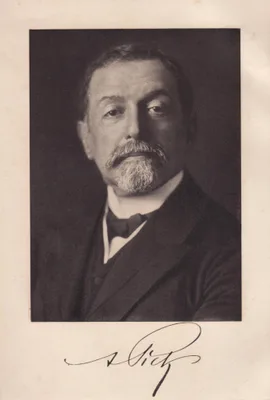
1892 PICK, Arnold (1851 – 1924)
Ueber die Beziehungen der senilen Hirnatrophie zur Aphasie.
“Pick’s disease” – circumscribed atrophy of the brain with the development of aphasia and presenile dementia.
GMN 4707 · https://historyofmedicine.com/id/1135
1892 PUTNAM, James Wright (1860 – 1938)
A case of complete athetosis with post-mortem.
One of the earliest accounts of bilateral athetosis (“Vogt syndrome”, No. 4720).
GMN 4708 · https://historyofmedicine.com/id/1142
1892 ERB, Wilhelm Heinrich (1840 – 1921)
Ueber syphilitische Spinalparalyse.
Erb’s classic description of syphilitic spinal paralysis, sometimes called “Erb’s disease”.
GMN 4788 · https://historyofmedicine.com/id/1525
1892 ERB, Wilhelm Heinrich (1840 – 1921)
Die Aetiologieder Tabes.
English translation, 1900.
GMN 4789 · https://historyofmedicine.com/id/1526
1892 HARTLEY, Frank (1856 – 1913)
Intracranial neurectomy of the second and third divisions of the fifth nerve.
Hartley originated the operation of intracranial neurectomy for trigeminal neuralgia.
GMN 4870 · https://historyofmedicine.com/id/5705
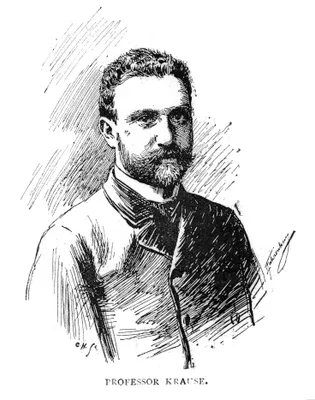
1892 KRAUSE, Fedor (1856 – 1937)
Resection des Trigeminus innerhalb der Schädelhöhle.
Hartley–Krause operation for relief of trigeminal neuralgia (see also No. 4870).
GMN 4871 · https://historyofmedicine.com/id/5710
1892 –1896 BRAMWELL, Sir Byrom (1847 – 1931)
Atlas of clinical medicine. 3 vols.
Published at the end of the 19th century, and employing the wide variety of illustration technologies then available, including color lithography, lithography, and photography, this work testifies to the breadth and d…
GMN 10621 · https://historyofmedicine.com/id/12814
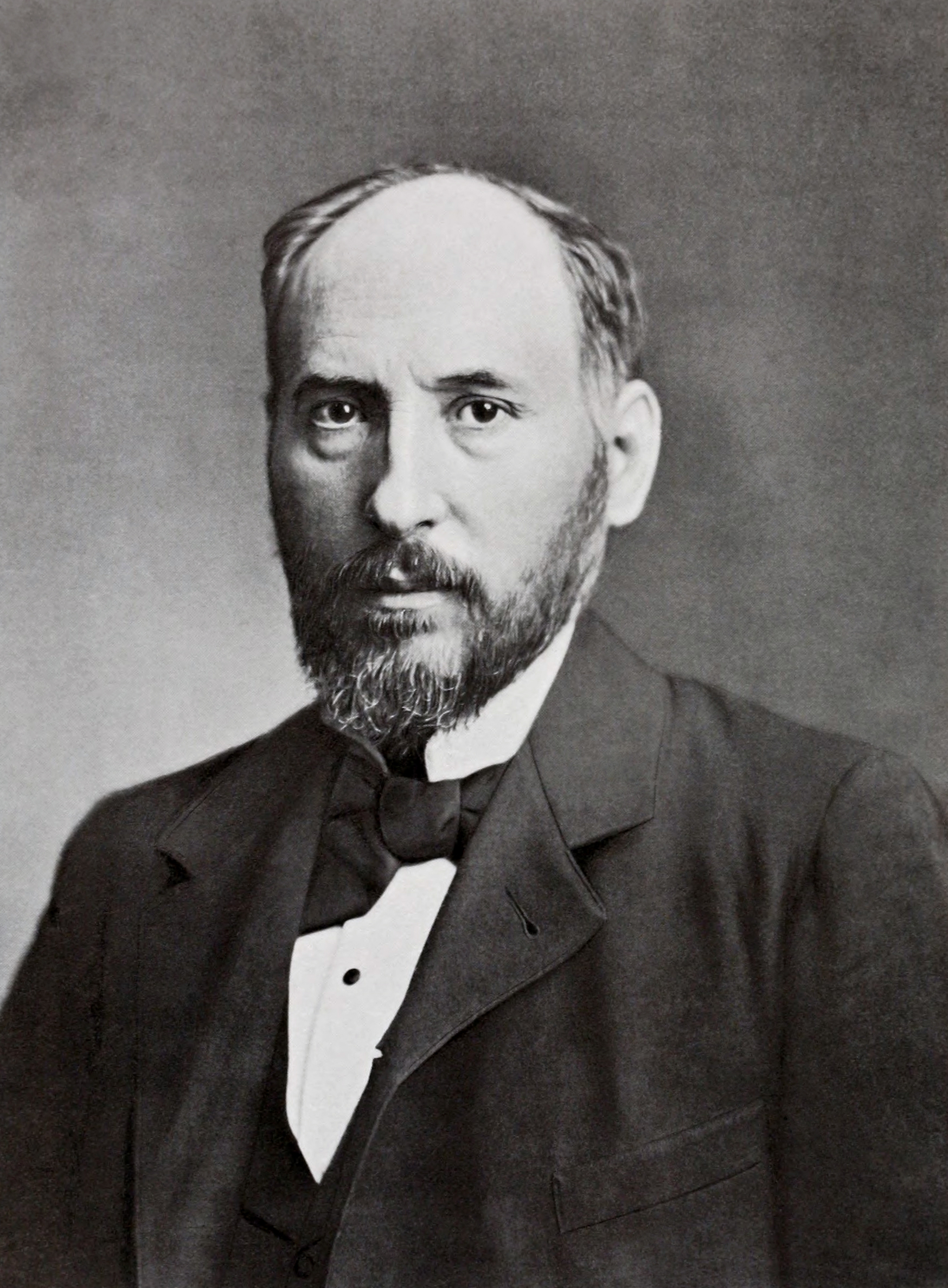
1892 –1906 CAJAL, Santiago Ramón y (1852 – 1934); BABES, Victor (Babeş) (1854 – 1926); BLOCQ, Paul Oscar (1860 – 1896); MARINESCU, Gheorghe [Georges Marinesco] (1863 – 1938)
Atlas der pathologischen Histologie des Nervensystems. Herausgegeben von Prof. V. Babes (Bucarest), P. Blocq (Paris, Prof. Ehrlich (Berlin), Prof. Homen (Helsingfors), Prof. P. Marie (Paris, G. Marinesco (Bucarest), Prof. Mendel (Berlin) Prof. Möli (Berlin), Dozen C. v. Monakow (Zürich), Prof. Ramon j Cajal (Barcelon) und Prof. Vanlair (Lüttic). Redigirt von Professor V. Babes und P. Blocq. I. Lieferung: Die krankhaften Veränderungen der Museklnerven und deren Endigungen. II. Lieferung: Régénération des nerves. Degeneration und Entzündung der Nerven.
Published in 9 parts, of which part 3 was the last published, in 1906. Authors and titles of each part: 1. Babes & Marinesco. Die krankhaften Veränderungen der Muskelnerven und deren Endigungen (1892). 2. Régénération…
GMN 14235 · https://historyofmedicine.com/id/16554
1893 DEJERINE, Joseph Jules (1849 – 1917); SOTTAS, Jules (1866 – 1945)
Sur la névrite interstitielle hypertrophique et progressive de l’enfance.
First description of hypertrophic progressive interstitial neuritis. “Dejerine–Sottas disease”.
GMN 4580 · https://historyofmedicine.com/id/455
1893 MARIE, Pierre (1853 – 1940)
Sur l’hérédo-ataxie cérébelleuse.
Original description of hereditary cerebellar ataxia.
GMN 4708.1 · https://historyofmedicine.com/id/1146
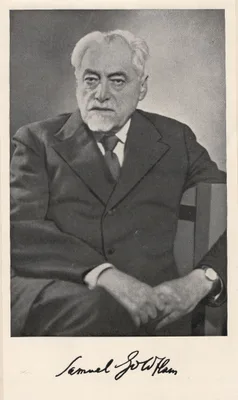
1893 GOLDFLAM, Samuel Vulfovich (1852 – 1932)
Ueber einen scheinbar heilbaren bulbärparalytischen Symptomen-complex mit Betheiligung der Extremitäten.
Myasthenia pseudoparalytica (Erb–Goldflam symptom complex). See No. 4746.
GMN 4757 · https://historyofmedicine.com/id/1397
1893 SCHULTZE, Friedrich (1848 – 1934)
Ueber Akroparästhesie.
“Schultze’s acroparaesthesia.” Schultze described the simple form of acroparesthesia.
GMN 2709 · https://historyofmedicine.com/id/4426
1893 HEAD, Sir Henry (1861 – 1940)
On disturbances of sensation with especial reference to the pain of visceral disease.
“Head’s areas”, zones of hyperalgesia of skin, associated with visceral disease.
GMN 4581 · https://historyofmedicine.com/id/8921
1894 ARNOLD, Julius (1835 – 1915)
Myelocyste, Transposition von Gewebskeimen und Sympodie.
Amold-Chiari malformation (Chiari II malformation). (see No. 4577.1).
GMN 4581.1 · https://historyofmedicine.com/id/456
1894 OPPENHEIM, Hermann (1858 – 1919)
Lehrbuch der Nervenkrankheiten.
The best edition is the English translation of the 5th German edn., 2 vols., London, 1911.
GMN 4582 · https://historyofmedicine.com/id/457
1894 FOURNIER, Jean Alfred (1832 – 1915)
Les affections parasyphilitiques.
Fournier, great French venereologist, introduced the concept of “parasyphilis”. He showed statistically the causal relationship of syphilis to paresis and tabes.
GMN 4800 · https://historyofmedicine.com/id/1559
1894 KOŽEVNIKOV, Aleksei Yakovlevič (1836 – 1902)
Osobyj vid kortikal’noj epilepsii.
“Koževnikov’s epilepsy”, an atypical form of cortical origin. German translation by H. Heintel and H. Müller-Dietz, Hamburg, 1974.
GMN 4820 · https://historyofmedicine.com/id/1624
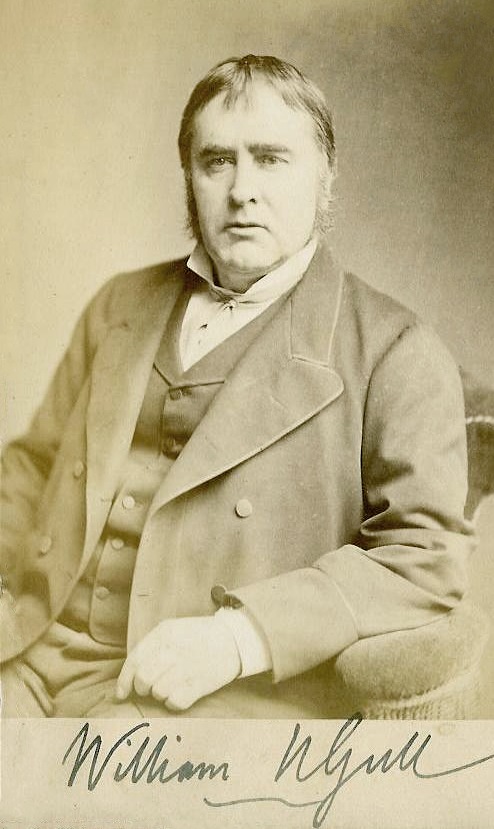
1894 –1896 GULL, Sir William Withey (1816 – 1890)
A collection of the published writings. 2 vols.
Gull, one of the best clinicians of his time, spent most of his working life at Guy’s Hospital. He described the spinal lesion of tabes and left an important account of aneurysm. His best works are his description of …
GMN 2232 · https://historyofmedicine.com/id/3794
1894 –1900 WERNICKE, Carl (1848 – 1905)
Grundriss der Psychiatrie in klinischen Vorlesungen.
Wernicke made valuable contributions to the subject of sensory aphasia, mind-blindness, and apraxia. He correlated all psychic action with the function of speech, each perversion being interpreted as showing a minus o…
GMN 4949 · https://historyofmedicine.com/id/6254
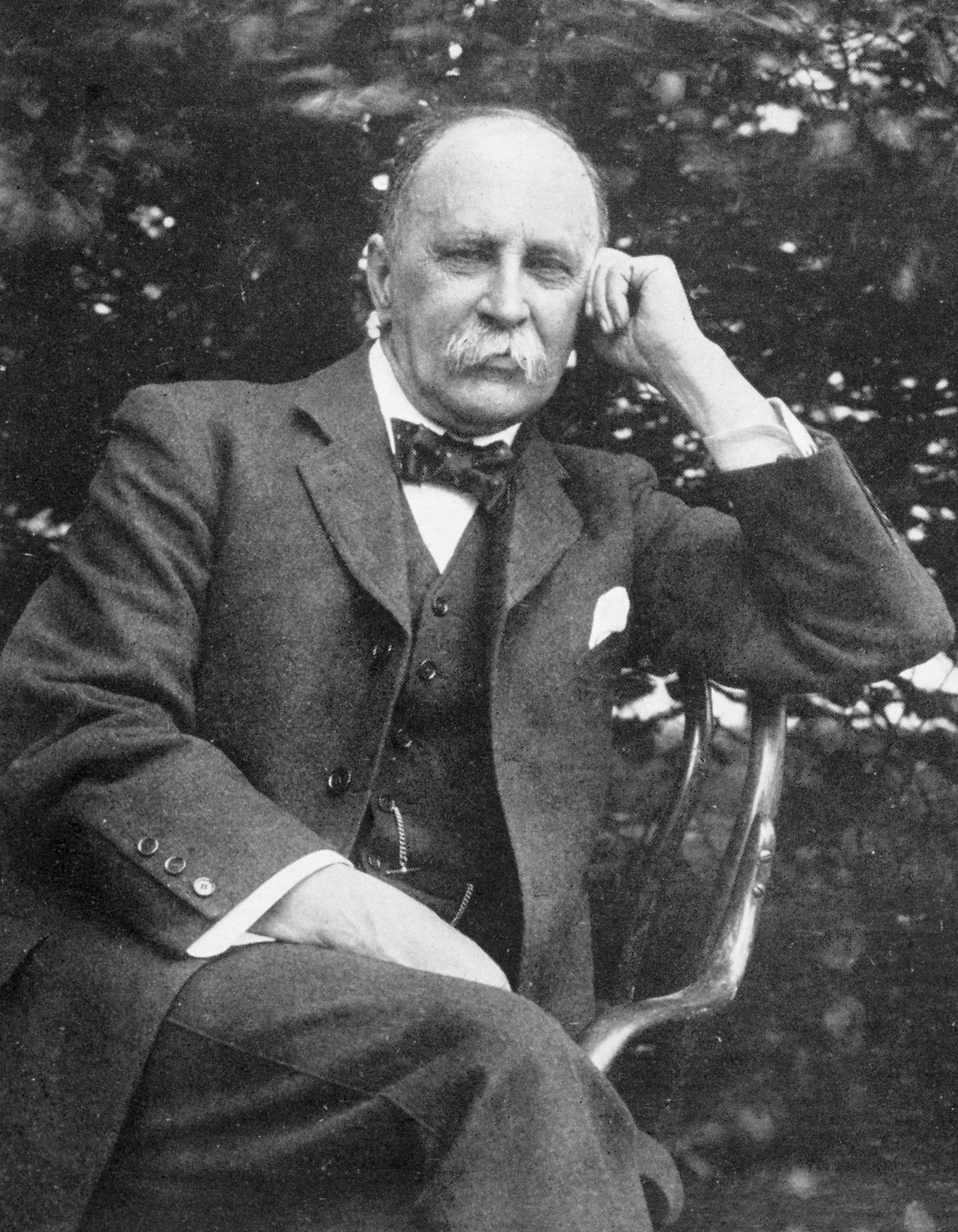
1894 OSLER, Sir William (1849 – 1919)
On chorea and choreiform affections.
"One year after Charcot's death, Osler published On Chorea and Choreiform Affectations (1894), and in this pithy monograph, Osler offered a particularly useful evaluation of Charcot's neurological contributions. Where…
GMN 11273 · https://historyofmedicine.com/id/13470
1894 MANASEINA, Maria Mikhailovna (Marie de Manacéine) (1841 – 1903)
Quelques observations expérimentales sur l'influence de l'insomnie absolue.
The first experimental study of sleep deprivation. Manaseina "performed her experimental investigation on 10 puppies (2, 3, or 4 months old), fed by their mothers, by keeping the animals in constant activity. The expe…
GMN 12456 · https://historyofmedicine.com/id/14688
1895 PITRES, Albert (1848 – 1928)
Étude sur l’aphasie chez les polyglottes.
Important account of paraphrasia.
GMN 4628 · https://historyofmedicine.com/id/683
1895 CHARCOT, Jean-Baptiste August Étienne (1867 – 1936)
Contribution à l’étude de l’atrophie musculaire progressive type Duchenne–Aran.
Digital facsimile from the Internet Archive at this link.
GMN 4758 · https://historyofmedicine.com/id/1400
1895 –1901 DEJERINE, Joseph Jules (1849 – 1917); DEJERINE-KLUMPKE, Augusta (1859 – 1927)
Anatomie des centres nerveux. 2 vols.
Classic summary of neuroanatomy at the end of the nineteenth century—comprehensive, beautifully illustrated, and scholarly. It is a goldmine of historical information with an outstanding bibliography.
GMN 1424 · https://historyofmedicine.com/id/2158
1895 VOELCKER, Arthur Francis (1861 – 1946)
First description of the Waterhouse–Friderichsen syndrome (Nos. 4685-86). Abstract of post mortem report, no title.
GMN 4679 · https://historyofmedicine.com/id/8873
1896 BABINSKI, Joseph François Félix (1857 – 1932)
Sur le réflexe cutané plantaire dans certaines affections organiques du système nerveux central.
Plantar reflex or Babinski response or Babinski sign.
GMN 4583 · https://historyofmedicine.com/id/459
1896 BARKER, Lewellys Franklin (1867 – 1943)
A case of circumscribed unilateral, and elective sensory paralysis.
GMN 4584 · https://historyofmedicine.com/id/460
1896 HILL, Sir Leonard Erskine (1866 – 1952)
The physiology and pathology of the cerebral circulation.
GMN 4585 · https://historyofmedicine.com/id/461
1896 HEUBNER, Johann Otto Leonhard (1843 – 1926)
Beobachtungen und Versuche über den Meningokokkus intracellularis (Weichselbaum–Jaeger).
Heubner was the first to isolate meningococci from the cerebrospinal fluid of living beings.
GMN 4680 · https://historyofmedicine.com/id/952
1896 MANASEINA, Maria Mikhailovna (Marie de Manacéine) (1841 – 1903)
Le sommeil, tiers de notre vie. Pathologie, physiologie, hygiène, psychologie. Traduit de Russe avec l'autorisation de l'auteur par Ernest Jaubert.
Perhaps the first book on the physiology of sleep. The author examines the physiology, pathology, hygiene, and psychology of sleep, including the differences between the waking and sleeping states, the general phenome…
GMN 12454 · https://historyofmedicine.com/id/14686
1897 FREUD, Sigmund (1856 – 1939)
Die infantile Cerebrallähmung.
Freud gave an excellent description of the various forms of cerebral palsy, with precise classification of the different spastic symptoms; he also mentioned the extra-pyramidal symptoms. This work forms Bd. IX, II The…
GMN 4708.2 · https://historyofmedicine.com/id/1160
1897 MARIE, Pierre (1853 – 1940)
Existe-t-il une atrophie musculaire progressive Aran-Duchenne?
Marie disbelieved in the Aran–Duchenne type of muscular progressive atrophy.
GMN 4759 · https://historyofmedicine.com/id/1402
1898 JACKSON, John Hughlings (1835 – 1911)
Remarks on the relations of different divisions of the central nervous system to one another and to parts of the body.
GMN 4586 · https://historyofmedicine.com/id/471