1822 SCHENK, Johann Heinrich
Erfahrungen über die grossen Heilkräfte des Leberthrans gegen chronische Rheumatismen und besonders gegen das Hüft- und Lendenweh.
Schenk’s account of his experience with cod liver oil led to its general use on the continent of Europe. Author’s name incorrectly given as Scherer in original.
GMN 1847 · https://historyofmedicine.com/id/2309
1822 SÉRULLAS, Georges-Simon (1774 – 1832)
Mémoire sur l’iodure de potassium, l’acide hydriodique et sur un composé nouveau de carbone, d’iode et d’hydrogène.
Iodoform discovered. See also Sérrulas' Notes sur l'Hydriodate de potasse et l'Acide hydriodique. – Hydriodure de carbone; moyen d'obtenir, à l'instant, ce composé triple (1822), of which a digital facsimile is availa…
GMN 1848 · https://historyofmedicine.com/id/2314
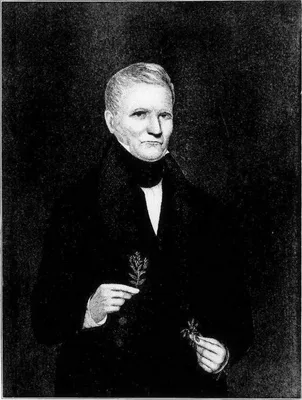
1822 THOMSON, Samuel (1769 – 1843)
New guide to health; or botanic family physician, containing a complete system of practice, upon a plan entirely new; with a description of the vegetables made use of, and directions for preparing and adminstering them to cure disease. To which is prefixed a narrative of the life and medical discoveries of the author.
The "Bible" of Thomsonism or "Thomsonian medicine", which employed botanical remedies, often based on native American medicines. Digital facsimile from the Medical Heritage Library, Internet Archive, at this link.
GMN 6988 · https://historyofmedicine.com/id/9154
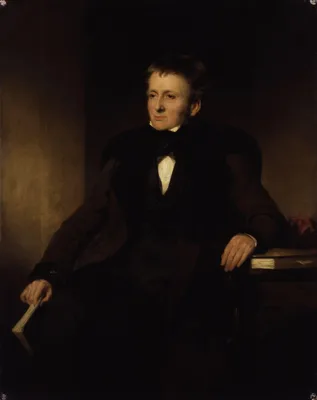
1822 DE QUINCEY, Thomas Penson (1785 – 1859)
Confessions of an opium eater.
First published anonymously in September and October 1821 in the London Magazine, 4, No. xxi, 293-312, and No. xxii, 353-79, the Confessions was released in book form in 1822, and, after various reprints, again in 185…
GMN 8904 · https://historyofmedicine.com/id/11082
1822 GOMES, Bernardino António (1769 – 1823)
Memoria sobre a virtude toenifuga da romeira, com observações zoologicas e zoonomicas relativas á toenea, e com huma estampa.
On the use of a root medicine to treat tapeworms, roundworms and similar parasites. The author refers to cases from Portuguese Africa, India and Brazil, and gives clinical observations based on his own case studies, s…
GMN 9071 · https://historyofmedicine.com/id/11250
1822 THOMSON, Samuel (1769 – 1843)
A narrative of the life and medical discoveries of Samuel Thomson: Containing an account of his system of practice, and the manner of curing disease with vegetable medicine, upon a plan entirely new; to which is added an introduction to his New Guide to Health, or Botanic Family Physician containing the principles upon which the system is founded, with remarks on fevers, steaming, poison &c.
Thomson issued this introductory work shortly before publication of his New Guide. Three issues appeared in 1822: one with 180 pages, another with 182 pages including testimonials, and a 204 page issue with the introd…
GMN 10751 · https://historyofmedicine.com/id/12947
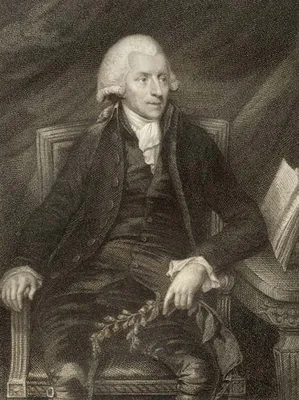
1822 WITHERING, William (1741 – 1799)
The miscellaneous tracts of the late William Withering. To which is prefixed a memoir of his life, character and writings. 2 vols.
Withering's collected works, with the exception of his A botanical arrangement of all the the vegetables naturally growing in the Great Britain. Includes the second edition of his monograph on the foxglove. Digital fa…
GMN 11738 · https://historyofmedicine.com/id/13939
1824 SCHÜTTE, D
Beobachtungen Über den Nutzen des Berger Leberthrans (Oleum jecoris Aselli, von Gadus asellus L.)
First report of the value of cod-liver oil in the treatment of rickets.
GMN 3730 · https://historyofmedicine.com/id/4511
1826 AINSLIE, Whitelaw (1767 – 1837)
Materia Indica; or, some account of those articles which are employed by the Hindoos and other eastern nations, in their medicine, arts, and agriculture; comprising also formulae, with practical observations, names of diseases in various eastern languages, and a copious list of oriental books immediately connected with general science. 2 vols.
Digital facsimile from the Internet Archive at this link.
GMN 8523 · https://historyofmedicine.com/id/10700
1827 –1834 GOEBEL, Karl Christian Traugott Friedemann (1794 – 1851); KUNZE, Gustav (1793 – 1851); SCHENK, Ernst
Pharmaceutische Waarenkunde mit illuminirten Kupfern nach der Natur gezeichnet von Ernst Schenk. Begonnen von Friedemann Goebel. Fortgesetzt von Gustav Kunze. 14 parts in 2 vols.
GMN 9545 · https://historyofmedicine.com/id/11731
1829 LUGOL, Jean Guillaume August (1786 – 1851)
Mémoire sur l’emploi de l’iode dans les maladies scrofuleuses.
Lugol’s solution. Digital facsimile from Google Books at this link.
GMN 1849.1 · https://historyofmedicine.com/id/2337
1829 WAITZ, Friedrich Carl August (1798 – 1882)
Praktische waarnemingen over eenige Javaansche geneesmiddelen, welke niet alleen vele uitheemsche medicamenten, die thans nog van Europa naar Java moeten worden overgezonden, kunnen vervangen, maar dezelve ook tegen eenige ziekten op het eiland Java heerschende, in werkzaamheid overtreffen.
An early account of Jamu (old spelling Djamu), the traditional medicine of Indonesia, especially Java. "It is a predominantly herbal medicine made from natural materials, such as parts of plants such as roots, bark, f…
GMN 9450 · https://historyofmedicine.com/id/11633
1829 –1830 SPRATT, George
Flora medica: Containing coloured delineations of the various medicinal plants, admitted into the London, Edinburgh, and Dublin pharmacopoeias; with their natural history, botanical descriptions, medical and chemical properties, &c. &c.; together with a concise introduction to botany; a copious glossary of botanical terms and a list of poisonous plants, &c. &c. Edited by a member of the Royal college of physicians, and fellow of the Linnaean society; with the assistance of several eminent botanists; in two volumes.
Digital facsimile from Google Books at this link.
GMN 14124 · https://historyofmedicine.com/id/16435
1830 –1833 ABU MANSUR MUVAFFAK HARAWI (PERSIAN: ابو منصور موفق هروی) (970 – ); SELIGMANN, Franz Romeo (1808 – 1892)
Liber fundamentorum pharmacologiae. Auctore Abu Mansur Mowafik ben Ali al Herui. Epitome codicis manuscripti persici Bibl. caes. reg. Vienn. inediti. Primus Latio donavit Romeo Seligmann. 2 vols.
The most important early Persian pharmacological work, first published in print in Latin translation. Muvaffak flourished in Herat (current Afghanistan), under the Samanid prince Mansur I ibn Nuh, who ruled from 961 t…
GMN 1788 · https://historyofmedicine.com/id/1842
1830 SMITH, Elisha
The Botanic physician: Being a compendium of the practice of physic, upon botanical principles, containing all the principal branches necessary to the study of medicine, as anatomy; physiology; surgery; causes, symptoms and cure of diseases; midwifery; materia medica; pharmacy, botany, &c. Together with a great variety of useful recipes.
“The first treatise to attempt a scientific synthesis of the botanic practice....The first significant attempt to synthesize and systematize the prevailing botanic practice and plant materia medica” (Berman & Flannery…
GMN 12481 · https://historyofmedicine.com/id/14714
1831 TAKI, Mototane (1789 – 1827)
Iseki kō. (I Chi Kao). 8 vols.
A comprehensive annotated bibliography in Japanese of Chinese medical literature, including materia medica. The bibliography includes works for which the author had references, but could not locate copies. According t…
GMN 9490 · https://historyofmedicine.com/id/11674
1831 CHURCHILL, James Morss (1796 – 1863); STEPHENSON, John (1790 – 1864)
Medical botany: Or, illustrations of the medicinal plants of the London, Edinburgh, and Dublin pharmacopoeias; comprising a popular and scientific account of those poisonous vegetables that are indigenous to Great Britain. 4 vols.
Includes 185 hand-colored plates. Digital facsimile from Biodiversity Heritage Library at this link.
GMN 9679 · https://historyofmedicine.com/id/11866
1832 ROBIQUET, Pierre Jean (1780 – 1840)
Nouvelles observations sur les principaux produits de l’opium.
Isolation of codeine.
GMN 1853 · https://historyofmedicine.com/id/2357
1832 STEPHENSON, John (1790 – 1864)
Medical zoology, and mineralogy; or, illustrations and descriptions of the animals and minerals employed in medicine and of the preparations derived from them: Including also an account of animal and mineral poisons: With figures coloured from nature.
Includes 42 hand-colored plates. Digital facsimile from the Biodiversity Heritage Library at this link.
GMN 9680 · https://historyofmedicine.com/id/11867
1833 MEIN, Heinrich Friedrich Georg (1799 – 1864)
Ueber die Darstellung des Atropins in weissen Krystallen.
Mein isolated atropine in pure form in 1831. Digital facsimile from Google Books at this link.
GMN 1854 · https://historyofmedicine.com/id/2361
1833 PLAYFAIR, George; KHAN, Hakim Muhammad Sharif (1722 – 1807)
The Taleef shereef, or Indian materia medica translated from the original by George Playfair, Superintending Surgeon, Bengal Service. Published by The Medical and Physical Society of Calcutta.
Digital facsimile from Google Books at this link.
GMN 8208 · https://historyofmedicine.com/id/10384
1833 BACHE, Franklin (1792 – 1864); WOOD, George Bacon (1797 – 1879)
The dispensatory of the United States of America.
Digital facsimile of this, the first, and later editions from the Hathi Trust at this link.
GMN 10824 · https://historyofmedicine.com/id/13020
1834 RUNGE, Friedlieb Ferdinand (1795 – 1867)
Ueber einige Producte der Steinkohlendestillation.
Carbolic acid first prepared from coal-tar.
GMN 1855 · https://historyofmedicine.com/id/2366
1834 GRAVES, George (1754 – 1839); MORRIES, John Davie
Hortus medicus, or figures and descriptions of the more important plants used in medicine, or possessed of poisonous qualities; with their medical properties, chemical analysis, &c. &c
This materia medica, with fine hand-colored plates, also includes and illustrates poisonous plants with detailed discussion of their properties. It includes recommended dosages for pharmaceutical preparations. Digital…
GMN 8662 · https://historyofmedicine.com/id/10839
1834 TREBUCHET, Adolphe (1801 – 1865)
Jurisprudence de la médecine, de la chirurgie, et de la pharmacie en France, comprenant la médecine légale, la police médicale, la responsabilitié des médecins, chirurgiens, pharmaciens, etc, l'exposé et la discussion des lois, ordonnances, réglemens et instructions concernant l'art de guérir, appuyé des jugemens des cours et des tribunaux.
Digital facsimile from Google Books at this link.
GMN 10394 · https://historyofmedicine.com/id/12587
1836 –1839 TROUSSEAU, Armand (1801 – 1867); PIDOUX, Hermann (1808 – 1882)
Traité de thérapeutique et de matière médicale. 2 vols.
“A valuable work of reference, containing a large amount of information on the various articles or the materia medica, collected from the best authorities, interspersed with much original matter” (Waring).
GMN 1967 · https://historyofmedicine.com/id/3747
1836 BOWKER, Pierpont F.
The Indian vegetable family instructer: Containing the names and descriptions of all the most useful herbs and plants that grow in this country, with their medicinal qualities annexed; also, a treatise on many of the lingering diseases to which mankind are subject, ... with a large list of recipes, which have been carefully selected from Indian prescriptions ... Designed for the use of families in the United States.
GMN 9524 · https://historyofmedicine.com/id/11710
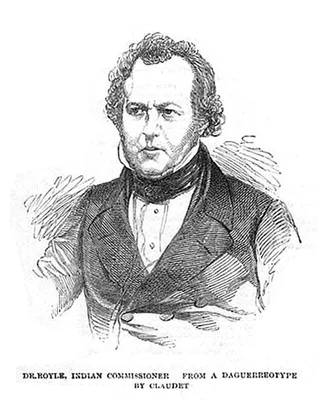
1837 ROYLE, John Forbes (1798 – 1858)
An essay on the antiquity of Hindoo medicine, including an introductory lecture to the course of materia medica and therapeutics, delivered at King's College.
Digital facsimile from the Internet Archive at this link.
GMN 8209 · https://historyofmedicine.com/id/10385
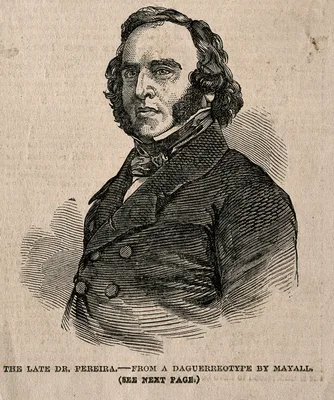
1839 –1840 PEREIRA, Jonathan (1804 – 1853)
The elements of materia medica, comprehending the natural history, preparation, properties, composition, effects and uses of medicines. 2 vols.
The first great English work on the subject, widely published and used in England and America. Pereira was Professor of Materia Medica at the School of Pharmacy set up by the Pharmaceutical Society of Great Britain. D…
GMN 1856 · https://historyofmedicine.com/id/2375
1839 PIRIA, Raffaele (1815 – 1865)
Recherches sur la salicine et les produits qui en dérivent.
Piria made salicylic acid from salicin.
GMN 1857 · https://historyofmedicine.com/id/2377
1841 BENNETT, John Hughes (1812 – 1875)
Treatise on the oleum jecoris aselli, or cod liver oil.
Bennett visited Paris and Germany, and learned there of the beneficial effects of cod liver oil. His book drew the attention of English medical men to the value of the oil.
GMN 1858 · https://historyofmedicine.com/id/2382
1843 TORREY, John (1796 – 1873)
A flora of the state of New-York, comprising full descriptions of all the indigenous and naturalized plants hitherto discovered in the state; with remarks on their economical and medicinal properties. 2 vols.
For a long time this was the most comprehensive botany of any U.S. state. Digital facsimile from Biodiversity Heritage Library at this link.
GMN 10512 · https://historyofmedicine.com/id/12705
1844 –1850 SUŚRUTA, (Sushruta); HESSLER, Franz (1799 – 1890)
Suśrutas. Áyruvédas. Id est medicinae systema a venerabili d'hanvantare demonstratum a Suśruta discipulo compositum. Nunc primum ex Sanksríta in Latinum sermonem vertit, introductionem, annotationes et rerum indicem adjecit Dr. Franciscus Hessler. 3 vols.
First translation of the Suśruta Samhitā into Latin, and the first publication of this text in the West. Suśruta is said to have lived in the 6th or 5th centuries, BCE. The principal medical contribution of the ancien…
GMN 11 · https://historyofmedicine.com/id/35
1844 BALARD, Antoine Jérôme (1802 – 1876)
Mémoire sur l’alcool amylique.
Discovery of amyl nitrite.
GMN 1859 · https://historyofmedicine.com/id/2387
1844 SAPPINGTON, John S. (1776 – 1856)
The theory and treatment of fevers. Revised and corrected by Ferdinando Stith.
The first medical treatise published in Missouri and the first medical treatise published west of the Mississippi River. "John Sappington provided medical services, was a financial lender, and imported and exported go…
GMN 10446 · https://historyofmedicine.com/id/12639
1845 HOMOLLE, Augustin Eugène (1808 – 1875)
Mémoire sur la digitale pourprée.
Isolation of an active principle in digitalis, amorphous digitalin, more potent than the plant itself.
GMN 1860 · https://historyofmedicine.com/id/2390
1847 –1852 CASSONE, Felice (1815 – 1854)
Flora medico-farmaceutica. 6 vols.
Digital facsimile of the complete set from the Internet Archive at this link.
GMN 11808 · https://historyofmedicine.com/id/14010
1848 MERCK, Georg Franz (1825 – 1873)
Vorläufige Notiz über eine neue organische Base im Opium.
Isolation of papaverine.
GMN 1861 · https://historyofmedicine.com/id/2395
1851 GOMES, Bernardino António the younger (1806 – 1877)
Catalogus plantarum horti botanici medicocirurgicae Scholae Olisponensis anno MDCCCLII.
Lists 1,863 plants in the botanical garden at the Escola Medico-Cirurgica of Lisbon, arranged by genus and species according to Decandolle’s classification. The authors note in which part of Europe, India, the America…
GMN 9068 · https://historyofmedicine.com/id/11247
1851 WELLS, Sir Thomas Spencer (1818 – 1897)
The scale of medicines with which merchant vessels are to be furnished ... with observations on the means of preserving the health and increasing the comforts of merchant seamen.
Digital facsimile of the second edition (1861) from Google Books at this link.
GMN 9166 · https://historyofmedicine.com/id/11345
1851 HONIGBERGER, Johann Martin (1795 – 1869)
Früchte aus dem Morgenlande oder Reise-Erlebnisse. Nebst naturhistorisch-medicinischen Erfahrungen, einigen hundert erprobten Arzneimitteln und einer neuen Heilart dem Medial-Systeme. Mit vierzig lithographirten Tafeln: Porträte, Pflanzenabbildungen, sonstige Natur- und Kunstprodukte, Facsimile, Landkarte und Ansicht der Citadelle von Lahor; endlich als Anhang ein medizinisches Wörterbuch in mehreren europäischen und orientalischen Sprachen.
Digital facsimile from the Biodiversity Heritage Library at this link. Translated into English (1852) as Thirty-five years in the East. Adventures, discoveries, experiments, and historical sketches, relating to the Pu…
GMN 9515 · https://historyofmedicine.com/id/11700
1852 GERLAND, Henri
New formation of salicylic acid.
Synthesis of salicylic acid.
GMN 1861.1 · https://historyofmedicine.com/id/2397
1852 –1853 HAMILTON, Edward (1815 – 1903)
The flora homoeopathica: Or, illustrations and descriptions of the medicinal plants used as homoeopathic remedies. 2 vols.
Hamilton detailed the symptoms of poisoning, records of successful use of the plant, and a description of its homeopathic uses. Finely illustrated with hand-colored plates, mostly by Henry Sowerby and his sister Charl…
GMN 10129 · https://historyofmedicine.com/id/12318
1853 GERHARDT, Charles Frédéric (1816 – 1856)
Untersuchungen über die wasserfreien organischen Säuren.
In 1853 French chemist Gerhardt was the first to prepare acetylsalicylic acid (marketed by Bayer as asprin in 1899). Gerhardt called the compound he obtained "salicylic-acetic anhydride" (wasserfreie Salicylsäure-Essi…
GMN 6971 · https://historyofmedicine.com/id/9136
1853 GOOD, Peter Peyto (1789 – 1875)
A materia medica animalia, containing the scientific analysis, natural history and chemical and medical properties and uses of the substances that are the products of beasts, birds, fishes or insects ...
Digital facsimile from the Biodiversity Heritage Library at this link.
GMN 7747 · https://historyofmedicine.com/id/9919
1854 MOUAT, Frederic John (1816 – 1897)
Notes on native remedies. No. 1. The chaulmoogra.
Chaulmoogra oil was first introduced into Western medicine by Mouat, having been used for many centuries previously by the Chinese
GMN 2435 · https://historyofmedicine.com/id/2897
1854 PORCHER, Francis Peyre (1825 – 1895)
On the medicinal and toxicological properties of the cryptogamic plants of the United States.
Separate edition: New York: Baker, Godwin & Co, 1854. Digital facsimile from Google Books at this link.
GMN 10130 · https://historyofmedicine.com/id/12319
1854 LIZARS, John (1794 – 1860)
Practical observations on the use and abuse of tobacco. Greatly enlarged from the original communication on the effects of tobacco smoking, which appeared in Medical Times and Gazette, August 5, 1854.
Lizars was one of the first to recognize the addictive nature of tobacco and its potential damage to health. Digital facsimile of the 6th edition (1857) from wellcomecollection.org at this link.
GMN 13504 · https://historyofmedicine.com/id/15779
1855 GAEDCKE, Friedrich Georg Carl (1828 – 1890)
Ueber das Erythroxylin, dargestellt aus den Blättern des in Südamerika cultivirten Strauches Erythroxylon Coca Lam.
Gaedcke, a chemist and pharmacologist, was the first to isolate the cocaine aklaloid.
GMN 13002 · https://historyofmedicine.com/id/15251
1859 MANTEGAZZA, Paolo (1831 – 1910)
Sulle virtù igieniche e medicinali della coca e sugli alimenti nervosi in generale.
After a four-year stay in South America Mantegazza published this report on medical observations on the use of Erythroxylon coca leaves of the populations in the places where he stayed and practiced. He reported that,…
GMN 12501 · https://historyofmedicine.com/id/14734