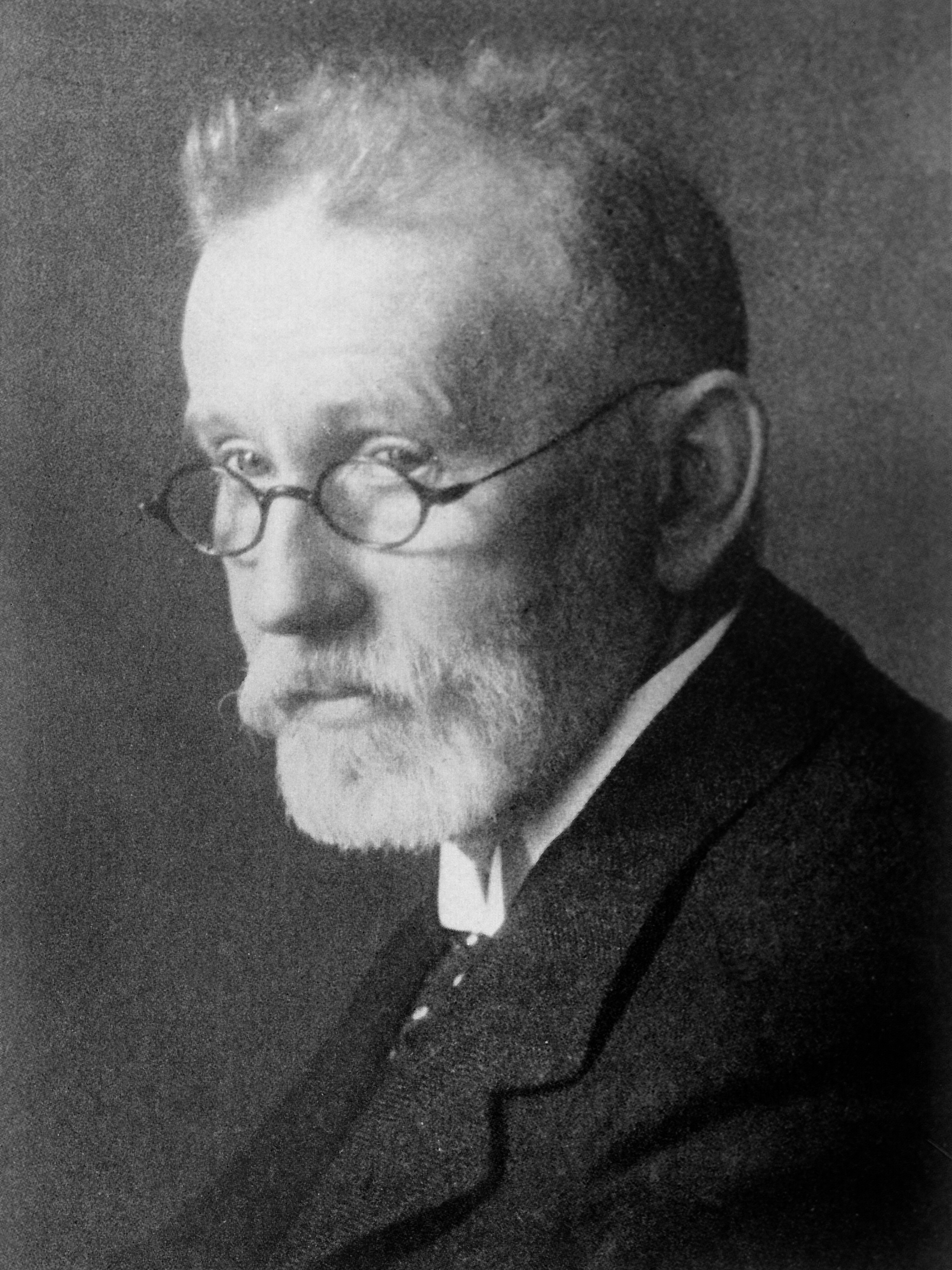
1907 EHRLICH, Paul (1854 – 1915)
Chemotherapeutische Trypanosomen-Studien.
The first account of induced microbial drug resistance. Ehrlich encountered induced drug resistance in microbes while researching arsenical preparations as cures for sleeping sickness and other trypanosome-caused illn…
GMN 5281 · https://historyofmedicine.com/id/6342
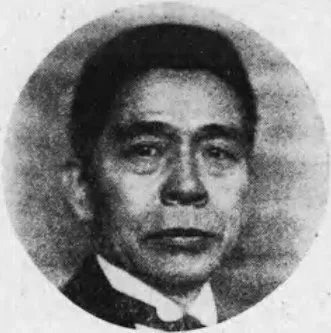
1910 EHRLICH, Paul (1854 – 1915); HATA, Sahachiro (1873 – 1938)
Die experimentelle Chemotherapie der Spirillosen (Syphilis, Rückfallfieber, Hühnerspirillose, Frambösie).
After many experiments on the action of synthetic drugs upon spirochetal diseases, Ehrlich and Hata in 1909 discovered Arsphenamine (Salvarsan, "the arsenic that saves", also known as “606”), an effective treatment fo…
GMN 2403 · https://historyofmedicine.com/id/3366
1911 BECKER, Georg
Die bakteriologische Blutuntersuchung beim Milzbrand des Menschen.
Salvarsan first used in the treatment of anthrax.
GMN 5172 · https://historyofmedicine.com/id/6263
1912 HATA, Sahachiro (1873 – 1938)
Salvarsantherapie der Rattenbisskrankheit in Japan.
Salvarsan first used in the treatment of rat-bite fever.
GMN 5324 · https://historyofmedicine.com/id/6624
1923 FOURNEAU, Ernest (1872 – 1949)
Chimiothérapie des trypanosomiasis.
Introduction of moranyl (“Foumeau 309”).
GMN 5288 · https://historyofmedicine.com/id/6368
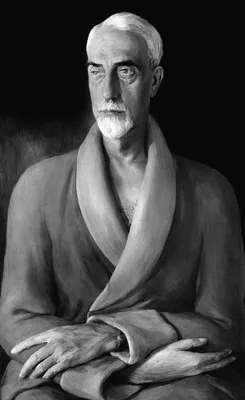
1929 SULZBERGER, Marion Baldur (1895 – 1983)
Hypersensitiveness to arsphenamine in guinea pigs. I. Experiments in prevention and desensitization.
First demonstration of specific, acquired, lasting refractoriness to sensitization. This is the same or a closely related phenomenon to that demonstrated later by Burnet and Medawar under the name immune tolerance. Se…

GMN 2576.02 · https://historyofmedicine.com/id/3707