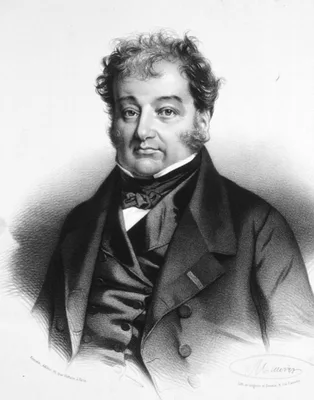
1822 SÉRULLAS, Georges-Simon (1774 – 1832)
Mémoire sur l’iodure de potassium, l’acide hydriodique et sur un composé nouveau de carbone, d’iode et d’hydrogène.
Iodoform discovered. See also Sérrulas' Notes sur l'Hydriodate de potasse et l'Acide hydriodique. – Hydriodure de carbone; moyen d'obtenir, à l'instant, ce composé triple (1822), of which a digital facsimile is availa…
GMN 1848 · https://historyofmedicine.com/id/2314
1829 LUGOL, Jean Guillaume August (1786 – 1851)
Mémoire sur l’emploi de l’iode dans les maladies scrofuleuses.
Lugol’s solution. Digital facsimile from Google Books at this link.
GMN 1849.1 · https://historyofmedicine.com/id/2337
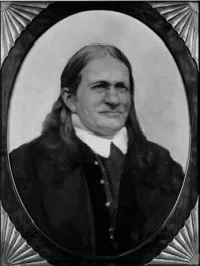
1834 RUNGE, Friedlieb Ferdinand (1795 – 1867)
Ueber einige Producte der Steinkohlendestillation.
Carbolic acid first prepared from coal-tar.
GMN 1855 · https://historyofmedicine.com/id/2366
1860 LEMAIRE, François Jules (1814 – 1886)
Du coaltar saponiné, désinfectant énergique, arrètant les fermentations, de ses applications a l'hygiène, la thérapeutique, a l'histoire naturelle.
Lemaire was first to point out the antiseptic properties of carbolic acid. Digital facsimile from BnF Gallica at this link.
GMN 1864 · https://historyofmedicine.com/id/2420
1897 KRÖNIG, Claus Ludwig Theodor Bernhard (1863 – 1918); PAUL, Theodor (1862 – 1928)
Die chemischen Grundlagen der Lehre von der Giftwirkung und Desinfection.
Krönig and Paul described a new method for the quantitative study of disinfection and laid the foundation of modern knowledge of disinfectants.
GMN 1890 · https://historyofmedicine.com/id/2511
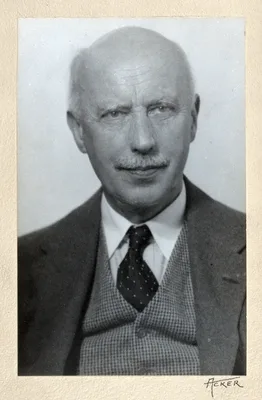
1903 RIDEAL, Samuel (1863 – 1929); WALKER, J. T. Ainslie (1868 – 1930)
Standardisation of disinfectants.
Rideal–Walker method for testing disinfectants.
GMN 1893 · https://historyofmedicine.com/id/2532
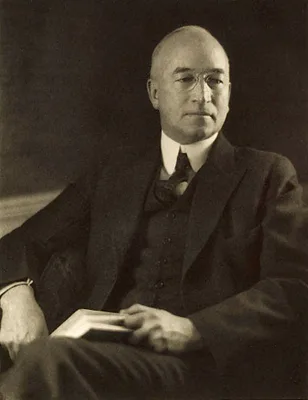
1915 DAKIN, Henry Drysdale (1880 – 1952)
On the use of certain antiseptic substances in the treatment of infected wounds.
Eusol and chloramine-T. “Dakin’s solution” was employed by Carrel (No. 5642) in the Carrel–Dakin method of irrigation of wounds.
GMN 1903.2 · https://historyofmedicine.com/id/2653
1917 BROWNING, Carl Hamilton (1881 – 1972); ET AL
Flavine and brilliant green, powerful antiseptics with low toxicity to the tissues: their use in the treatment of infected wounds.
Introduction of acriflavine. With R. Gulbransen, E. L. Kennaway, and L. H. D. Thomton.
GMN 1905 · https://historyofmedicine.com/id/2656
1919 YOUNG, Hugh Hampton (1870 – 1945); ET AL
A new germicide for use in the genito-urinary tract; “mercurochrome-220”.
Introduction of mercurochrome. With E. C. White and E. O. Swartz.
GMN 1908 · https://historyofmedicine.com/id/2661