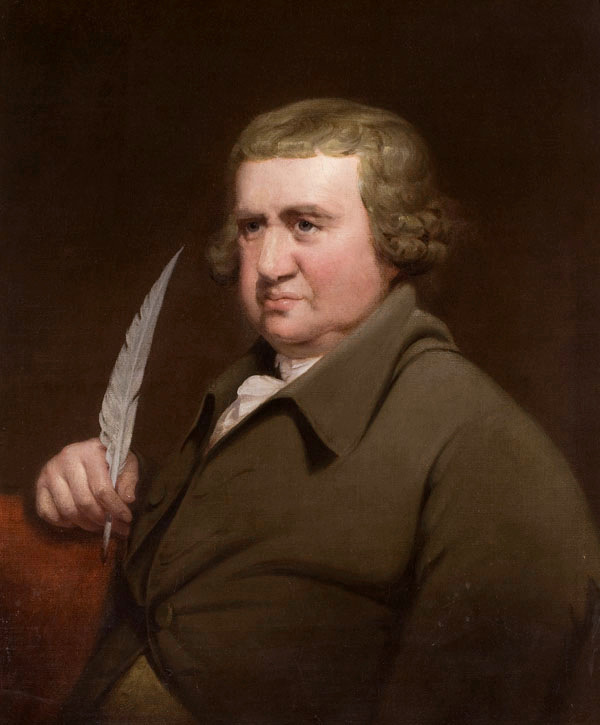
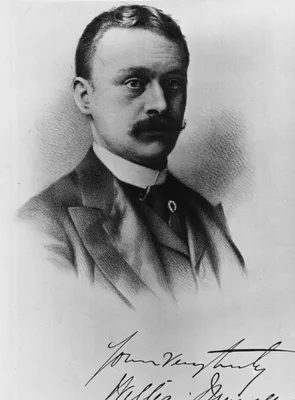
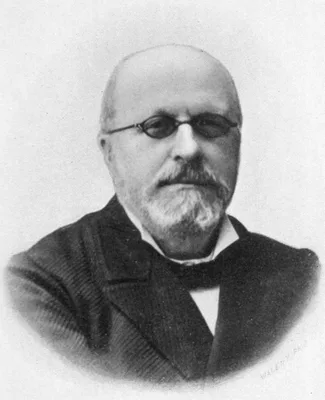
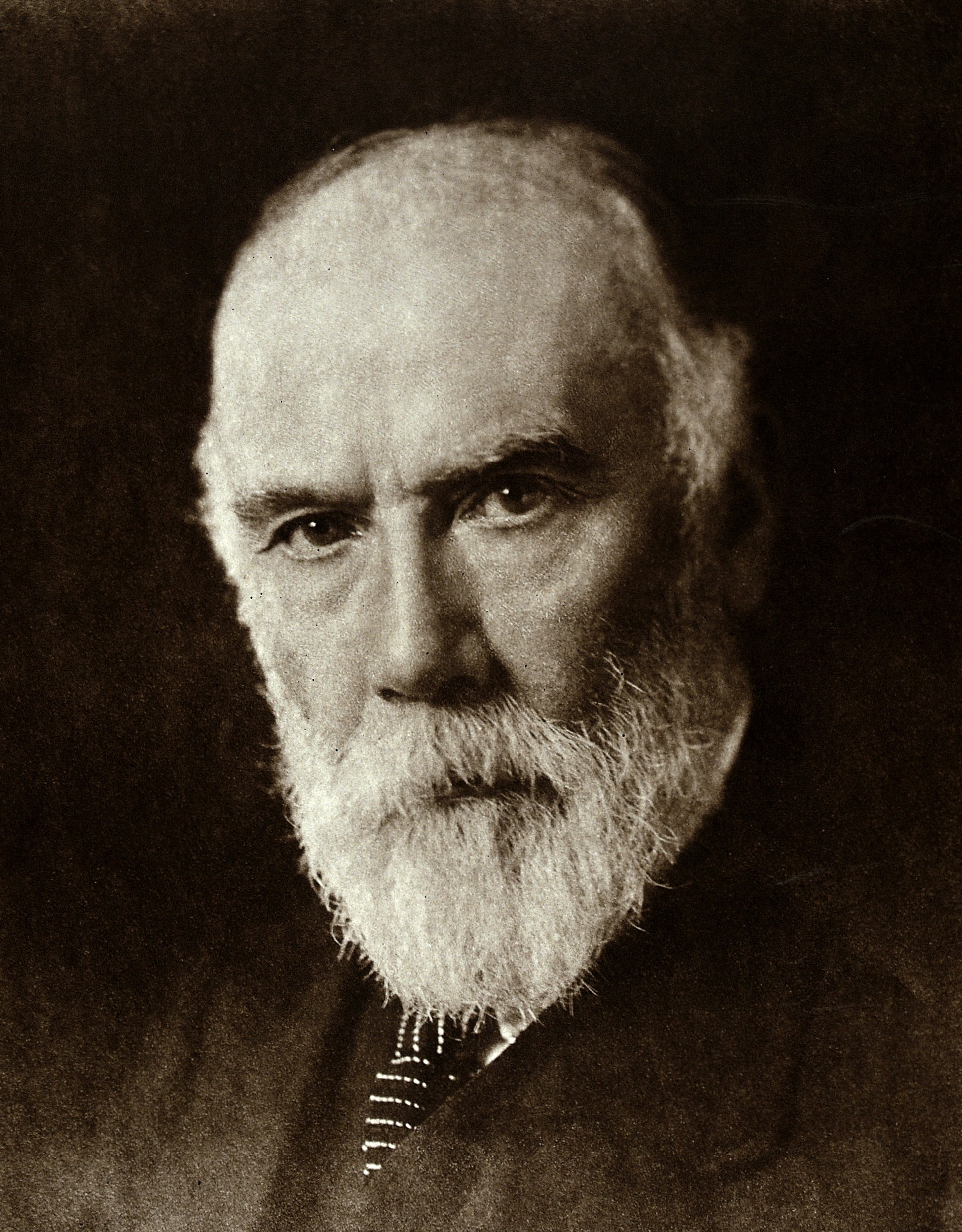
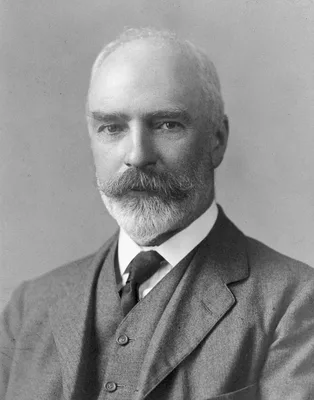
1780 DARWIN, Erasmus (1731 – 1802)
Experiments establishing a criterion between mucaginous and purulent matter. An an account of the retrograde motions of the absorbent vessels of animal bodies in some diseases.
Includes the first description of the value of digitalis in the treatment of patients with heart failure, with discussion of several successful cases. Digital facsimile from Google Books at this link. Darwin and Withe…
GMN 8589 · https://historyofmedicine.com/id/10766
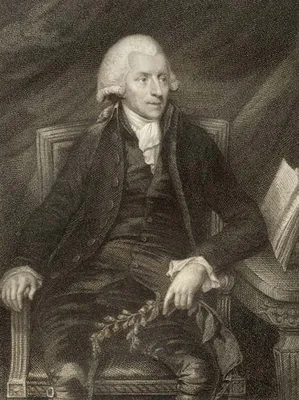
1785 WITHERING, William (1741 – 1799)
An account of the foxglove, and some of its medical uses.
Before publication of Withering's book digitalis was a widely used folk remedy, occasionally mentioned in the literature. Withering established the correct dosages, and the action of digitalis in edema and on the hear…
GMN 1836 · https://historyofmedicine.com/id/8650
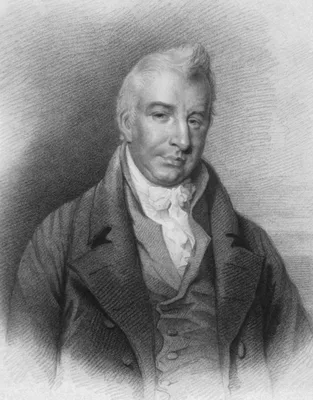
1799 FERRIAR, John (1761 – 1815)
An essay on the medical properties of the digitalis purpurea or foxglove.
"John Ferriar...published the first monograph on digitalis after William Withering (1785). Ferriar was the first to suggest that digitalis was beneficial in dropsy (severe congestive heart failure), in part because it…
GMN 11592 · https://historyofmedicine.com/id/13791
1844 BALARD, Antoine Jérôme (1802 – 1876)
Mémoire sur l’alcool amylique.
Discovery of amyl nitrite.
GMN 1859 · https://historyofmedicine.com/id/2387
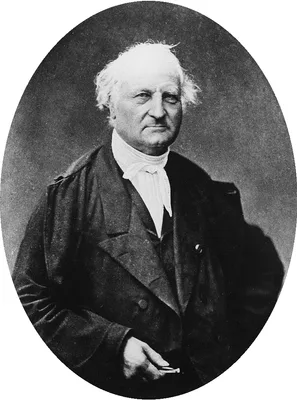
1845 HOMOLLE, Augustin Eugène (1808 – 1875)
Mémoire sur la digitale pourprée.
Isolation of an active principle in digitalis, amorphous digitalin, more potent than the plant itself.
GMN 1860 · https://historyofmedicine.com/id/2390
1867 BRUNTON, Sir Thomas Lauder (1844 – 1916)
On the use of nitrite of amyl in angina pectoris.
Lauder Brunton was responsible for the introduction of amyl nitrite for the alleviation of angina. Reprinted in F. A. Willius & T. E. Keys: Cardiac classics, 1941, pp. 561-64.
GMN 2890 · https://historyofmedicine.com/id/4329
1875 SCHMIEDEBERG, Johann Ernst Oswald (1838 – 1921)
Untersuchungen über die pharmakologisch wirksamen Bestandtheile der Digitalis purpurea
Schmiedeberg isolated digitoxin from digitalis.
GMN 1869.1 · https://historyofmedicine.com/id/2460
1879 MURRELL, William (1853 – 1912)
Nitro-glycerine as a remedy for angina pectoris.
Murrell introduced trinitrin (nitroglycerin, glyceryl trinitrate) in the treatment of angina.
GMN 2892 · https://historyofmedicine.com/id/4338
1885 BRUNTON, Sir Thomas Lauder (1844 – 1916)
A text-book of pharmacology, therapeutics and materia medica.
Brunton was physician to St. Bartholomew’s Hospital and an eminent pharmacologist. He is notable for his introduction of amyl nitrite in the treatment of angina pectoris and for a vast amount of other work concerning …
GMN 1881 · https://historyofmedicine.com/id/2519
1887 HUCHARD, Henri (1844 – 1910)
L’artério-sclérose subaiguë dans ses rapports avec les spasmes vasculaires et son traitement par la trinitrine (nitroglycérine).
“Huchard’s disease” – continued hypertension causing arteriosclerosis. Huchard did much to develop the knowledge concerning arteriosclerosis and summarized his work in a classic monograph published in 1909.
GMN 2908 · https://historyofmedicine.com/id/4869
1895 ASKANAZY, S
Klinisches über Diuretin.
In 1895 Askanazy proposed diuretin as a remedy for anginal pain.
GMN 2893 · https://historyofmedicine.com/id/4365
1904 CLOËTTA, Max (1868 – 1940)
Ueber Digalen (Digitoxinum solubile).
Introduction of digalen.
GMN 1893.1 · https://historyofmedicine.com/id/2535
1905 MACKENZIE, Sir James (1853 – 1925)
New methods of studying affections of the heart.
Mackenzie established the remarkable action of digitalis in auricular fibrillation.
GMN 2819 · https://historyofmedicine.com/id/3501
1916 STRAUB, Walter (1874 – 1944)
Digitaliswirkung am isolierten Vorhof des Frosches.
An important analysis of the action of digitalis on the isolated heart.
GMN 1904 · https://historyofmedicine.com/id/2654
1920 SAXL, Paul (1880 – 1932)
Verhandlungen ärtzlicher Gesellschaften und Kongressberichte.
Saxl injected a mercurial compound (Novasurol), a powerful diuretic, for the treatment of cardiac failure.
GMN 2853 · https://historyofmedicine.com/id/3635
1925 CUSHNY, Arthur Robertson (1866 – 1926)
The action and uses in medicine of digitalis and its allies.
GMN 1912 · https://historyofmedicine.com/id/2675
1927 BEST, Charles Herbert (1899 – 1978); ET AL
The nature of the vaso-dilator constituents of certain tissue extracts.
Proof that histamine occurs in certain organs in amounts sufficient to account for the depressant action of extracts of these organs. With H. H. Dale, H. W. Dudley, and W. V. Thorpe.
GMN 1916 · https://historyofmedicine.com/id/2684
1930 SMITH, Sydney
Digoxin, a new digitalis glucoside.
Isolation of digoxin from Digitalis lanata.
GMN 1920 · https://historyofmedicine.com/id/2693
1933 TILLETT, William Smith (1892 – 1974); GARNER, Raymond Loraine (1906 – )
The fibrinolytic activity of hemolytic streptococci.
Tillett and Garner discovered a substance elaborated by a strain of haemolytic streptococcus which promoted lysis of fibrin and is now known as streptokinase.
GMN 1924.1 · https://historyofmedicine.com/id/2711
1939 GUNN, James Andrew (1882 – 1958)
The pharmacological actions and therapeutic uses of some compounds related to adrenaline.
GMN 1928 · https://historyofmedicine.com/id/2725
1945 CHRISTENSEN, Lauritz Royal (1915 – 1997)
Streptococcal fibrinolysis. A proteolytic reaction due to a serum enzyme activated by streptococcal fibrinolysin.
Purification and concentration of Tillett and Garner’s (No. 1924.1) substance to produce streptokinase.
GMN 1928.4 · https://historyofmedicine.com/id/2733
1948 PATON, Sir William Drummond Macdonald (1917 – 1993); ZAIMIS, Eleanor (1915 – 1982)
Curare-like action of polymethylene bis-quaternary ammonium salts.
Methonium compounds. See also the same journal, 1948, 162, 810.
GMN 1929.3 · https://historyofmedicine.com/id/6466
1949 PATON, Sir William Drummond Macdonald (1917 – 1993); ZAIMIS, Eleanor (1915 – 1982)
The pharmacological actions of polymethylene bistrimethyl-ammonium salts.
Introduction of hexamethonium bromide.
GMN 5727 · https://historyofmedicine.com/id/6468
1958 AXELROD, Julius (1912 – 2004); TOMCHICK, R.
Enzymatic O-methylation of epinephrine and other catechols.
The authors discovered the enzyme "COMT" or cathecol-O-methyltransferase, and determined that it was crucial in the methylation and inactivation of adrenergic and other catecholamine type neurotransmitters. (Thanks to…
GMN 1931.6 · https://historyofmedicine.com/id/2761
1964 BLACK, Sir James Whyte (1924 – 2010); CROWTHER, Albert Frederick (1917 – 2006); ET AL
A new adrenergic beta-receptor antagonist.
Development of Propranolol, the first beta-blocker effectively used in the treatment of coronary heart disease and hypertension. R. G. Shanks, L. H. Smith and A. C. Dornhorst. In 1988 the Nobel Prize in Physiology or …
GMN 1931.5 · https://historyofmedicine.com/id/2759
1975 HAMBERG, Mats; ET AL
Thromboxanes: a new group of biologically active compounds derived from prostaglandin endoperoxides.
With J. Stevenson and B. Samuelsson.
GMN 1931.7 · https://historyofmedicine.com/id/2762
1985 WITHERING, William (1741 – 1799); ARONSON, Jeffrey Kenneth (1947 – )
An account of the foxglove and its medical uses 1785-1985.
This work consists of a reproduction of Withering's classic text published in 1785, extensively annotated by Aronson, followed by Aronson's history of "the use of the digitalis glycosides and related compounds over th…
GMN 9233 · https://historyofmedicine.com/id/11415
2007 SIKRI, Nikhil; BARDIA, Amit
A history of streptokinase use in acute myocardial infarction.
A history of thrombolytic therapy. Digital facsimile from PubMedCentral at this link.
GMN 12280 · https://historyofmedicine.com/id/14500