1528 SCRIBONIUS LARGUS (1 – 50)
De compositionibus medicamentorum liber unus
Written in 47 CE, this is an important compilation of drugs and prescriptions. Among the 271 remedies are the first use of electrotherapy (for headaches) using the shock of the torpedo fish. and it records the drinkin…
GMN 1785 · https://historyofmedicine.com/id/8816
1572 GOHORY, Jacques (1520 – 1576)
Instruction sur l'herbe petum ditte en France l'herbe de la Royne ou Medicée: Et sur la racine MECHIOCAN principalement (avec quelques autres simples rares et exquis) exemplaire à manier philosophiquement tous autres vegetaux.
The earliest treatise in French on tobacco, including its usage in medicine, and probably the earliest separate treatise on tobacco in any language. Digital facsimile from the Internet Archive at this link. See Bowen,…
GMN 13547 · https://historyofmedicine.com/id/15824
1578 ACOSTA, Cristóbal [Cristóvão da Costa; Christophorus Acosta Africanus] (1540 – 1599)
Tractado de las drogas, y medicinas de las Indias Orientales, con sus plantas debuxadas al bivo.
This is mainly a translation of Garcia d’Orta’s Coloquios (No. 1815) with the addition of some illustrations. Acosta, a Portuguese Jesuit physician and surgeon, travelled to India where he met Garcia d’Orta. Acosta pi…
GMN 1819 · https://historyofmedicine.com/id/2084
1582 RAUWOLF, Leonhard (1535 – 1596)
Aigentlich Beschreibung der Raiss, so er vor diser Zeit gegen Auffgang inn die Morgenländer, fürnemlich Syriam, Iudaeam, Arabiam, Mesopotamiam, Babyloniam, Assyriam, Armeniam etc....
Rauwolf provided the first modern descriptions of the flora of the area east of the Levantine coast. He was also the first to describe the riparian flora of the Euphrates, and the first European to publish an account …
GMN 7327 · https://historyofmedicine.com/id/9498
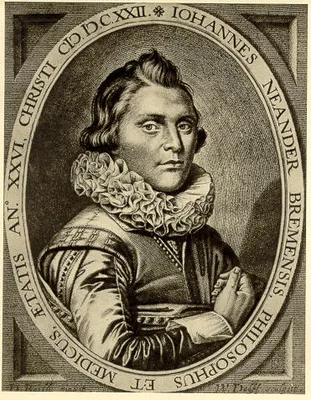
1622 NEANDER, Johann (1596 – 1630)
Tabacologia: Hoc est, tabaci, seu nicotianae descriptio medico-cheirurgico-pharmaceutica: Vel eius praeparatio & usus in omnibus corporis humani incommodis.
Neander described tobacco, its processing, and medical-pharmaceutical use. His book Includes images of the plants, of Indian, Oriental and European types of pipes, as well as depictions of cultivation and processing b…
GMN 9633 · https://historyofmedicine.com/id/11820
1631 COLMENERO DE LEDESMA, Antonio
Curioso tratado de la naturaleza y calidad del chocolate, divido en quatro puntos. En el primero se trata, que sea chocolate; y que calidad tenga el cacao, y los demas ingredientes. En el segundo, se trata la calidad que result de rodos ellos. En el tercero se trata el modo de hazerlo, y de quanta maneras se toma en las Indias, y qual dellas es mas saludable. El ultimo punto trata de la quantidad, y como se ha de toma, y en que tiempo, y que personas.
Digital facsimile of the 1631 edition from bdh-rd.bne.es at this link . Translated into French in 1643 as Du chocolate discours curieux, divisé en quatre parties. Par Antoine Colmenero de Ledesma medecin & chirurgien…
GMN 13630 · https://historyofmedicine.com/id/15910
1656 BADO, Sebastiano [Baldi, Baldo] (1610 – 1676)
Cortex Peruviae redivivus, profligator febrium, assertus ab impugnationibus Melippi Protimi ...
The first book on Peruvian bark or cinchona (chinchona) in the treatment of malaria.
GMN 7620 · https://historyofmedicine.com/id/9792
1658 PISO, Willem [Guillaume le Pois] (1611 – 1678); BONDT, Jacob de [Jacobus Bontius] (1592 – 1631)
De Indiae utriusque re naturali et medica libri quatuordecim.
This is an extensively revised and enlarged second edition of Piso’s Historia naturalis Brasiliae (1648). In this edition Piso reprinted Bontius's De medicina Indorum (1642) with two additional books on Asian flora an…
GMN 1825 · https://historyofmedicine.com/id/2125
1663 BADO, Sebastiano [Baldi, Baldo] (1610 – 1676)
Anastasis corticis Peruviae, seu chinae defensio
A defence of the virtues of Jesuit's bark or Peruvian bark (cinchona, chinchona), the most celebrated specific remedy for malaria. It was obtained from the bark of several species of the genus Cinchona, of the Rubiace…
GMN 1826 · https://historyofmedicine.com/id/7875
1669 STELLA, Benedetto
Il tabacco opera ... Nella quale si tratta dell'origine, historia, coltura, preparatione, qualità natura, virtà & uso in fumo, in polvere, in foglia, in lambitivo, et in medicina della pianta volgarmente detta tabacco, si discorre degl'vtili ch'arreca moderatamente preso, de i danni ch'apporta smoderatamente usato, e qual sia il vero e legitimo modo di prenderlo: trattato naturale, medico, morale & curioso.
Discusses the origin, history, cultivation, preparation, nature and virtues of tobacco, whether used for smoking, snuffing, chewing, etc. or for medicinal purposes (Waring). "The custom of smoking, its role in divinat…
GMN 13548 · https://historyofmedicine.com/id/15825
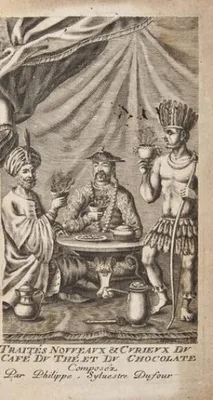
1671 DUFOUR, Philippe Sylvestre (1622 – 1687)
De l'usage du caphe, du the, et du chocolate.
The Library of Congress attributes this anonymous work to Philippe Sylvestre Dufour, but characterizes Jacob Spon as the "supposed author." They also state as follows: "Attributed also to Jacob Spon. cf. Paris. Bibl. …
GMN 13629 · https://historyofmedicine.com/id/15909
1679 YONGE, James (1646 – 1721)
Currus triumphalis, è terebinthô. Or an account of the many admirable vertues of oleum terebinthinae. More particularly, of the good effects produced by its application to recent wounds, especially with respect to the hemorrhagies of the veins, and arteries, and the no less pernicious weepings of the nerves, and lymphaducts. Where also, the common methods, and medicaments, used to restrain hemorrhagies, are examined, and divers of them censured. And lastly, A new way of amputation, and a speedier convenient method of curing stumps, than that commonly practised, is with divers other useful matters recommended to the military surgeon.…
Describes how Yonge used turpentine to arrest hemorrhage, and presents the first account of a flap amputation. It also shows that Yonge was familiar with tourniquets. Digital facsimile from Google Books at this link.
GMN 4436 · https://historyofmedicine.com/id/6326
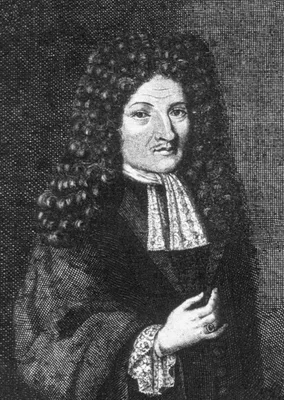
1687 BLÉGNY, Nicolas de (1652 – 1722)
Le bon usage du the, du caffe, et du chocolat pour la preservation & pour la guerison des maladies.
Digital facsimile from Biodiversity Heritage Library at this link.
GMN 13624 · https://historyofmedicine.com/id/15904
1688 HELVÉTIUS, Jean-Adrien (1661 – 1727)
Remèdes contre les cours de ventre.
"The remedy here treated of is ipecacuanha: although its antidysenteric virtues had previously been made known in 1649 by the writings of Piso and Marggraf [No. 2263.1] it was left to Helvetius, about forty years subs…
GMN 7955 · https://historyofmedicine.com/id/10130
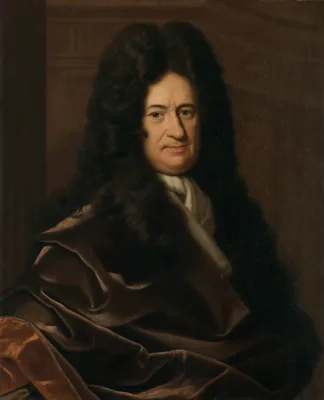
1696 LEIBNIZ, Gottfried Wilhelm (1646 – 1716)
G[othofredi]. G[uillelmi]. L[eibnitii]. Relatio ad inclytam Societatem Leopoldinam Naturae Curiosorum, de novo antidysenterico Americano magnis successibus comprobato.
This study of the ipecacuanha root and its effects as a emetic, nauseant, expectorant and dispahoretic, Leibniz issued on what he called "the new American antidysentery drug" after reading about the root in Piso and M…
GMN 14002 · https://historyofmedicine.com/id/16307
1698 VALENTINI, Michael Bernhard (1657 – 1729)
De ipecacuanha novo Gallorum antidysenterico. Resp. C[hristophe] F[riedrich] Kneussel.
There is evidence that amoebic dysentery was known to Hippocrates. The history of treatment begins with the use of ipecacuanha, the dried root of Cephaelis ipecacuanha, a plant from Brazil. This was first mentioned as…
GMN 5181 · https://historyofmedicine.com/id/6300
1700 JONES, John [English] (1645 – 1709)
The mysteries of opium revealed.
Includes the earliest English description of drug addiction, and withdrawal. Jones attempted to use wine as a partial substitute until withdrawal was complete.
GMN 2070.1 · https://historyofmedicine.com/id/2498
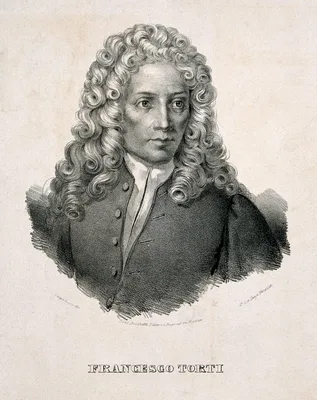
1712 TORTI, Francesco (1658 – 1741)
Therapeutice specialis ad febres quasdam pemiciosas, inopinato, ac repente lethales, una vera china china, peculiare methodo ministrata, sanabiles
Torti’s work finally established the specific nature of cinchona bark. His demonstration of its effectiveness in periodic over continuous fevers finally overthrew the doctrine of the common origin of all fevers. He is…
GMN 5231 · https://historyofmedicine.com/id/7866
1721 BRADLEY, Richard (1688 – 1732)
The virtue and use of coffee, with regard to the plague, and other infectious distempers: containing the most remarkable observations of the greatest men in Europe concerning it ... To which is prefix'd an exact figure of the tree, flower, and fruit taken from the life.
Digital facsimile from wellcomecollection.org at this link.
GMN 13879 · https://historyofmedicine.com/id/16169
1730 SHORT, Thomas (1690 – 1772)
A dissertation upon tea, explaining its nature and properties by many new experiments; and demonstrating from philosophical principles, the various effects it has on different constitutions. To which is added the natural history of tea; and a detection of the several frauds used in preparing it. Also a discourse on the virtues of sage and water, and an enquiry into the reasons why the same food is not equally agreeable to all constitutions....
Digital facsimile from wellcomecollection.org at this link.
GMN 13626 · https://historyofmedicine.com/id/15906
1752 KNOLL, Johann Christian Friedrich (1726 – 1757)
Sendschreiben von den Wirkungen des Kafeetranks.
Discussing the consumption and reception of coffee from Britain to Turkey, Knoll dismissed criticisms of coffee, including that it reduced beauty and virility, or that it was contrary to Islam, instead promoting the m…
GMN 11719 · https://historyofmedicine.com/id/13920
1761 HILL, (Sir) John (1714 – 1775)
Cautions against the immoderate use of snuff. Founded on the known qualities of the tobacco Plant; and the effects it must produce when this way taken Into the body: And by instances of persons who have perished miserably of diseases, occasioned, or rendered incurable by its use,
First clinical report (pp. 30-31) of an association between tobacco and cancer, in this case “polypusses” of the nose caused by taking snuff. Hill was a distinguished botanist and apothecary, although regarded by some…
GMN 2607.1 · https://historyofmedicine.com/id/3063
1763 STONE, Edward (1702 – 1768)
An account of the success of the bark of the willow in the cure of agues.
Stone, a vicar from Chipping Norton, Oxfordshire, discovered that the bark of the willow tree (active ingredient: salicylic acid) was effective in reducing a fever. This was the first report in the scientific literatu…
GMN 6970 · https://historyofmedicine.com/id/9135
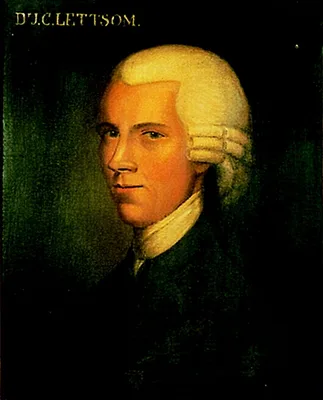
1772 LETTSOM, John Coakley (1744 – 1815)
The natural history of the tea-tree, with observations on the medical qualities of tea, and effects of tea-drinking.
Digital facsimile from Google Books at this link.
GMN 13627 · https://historyofmedicine.com/id/15907
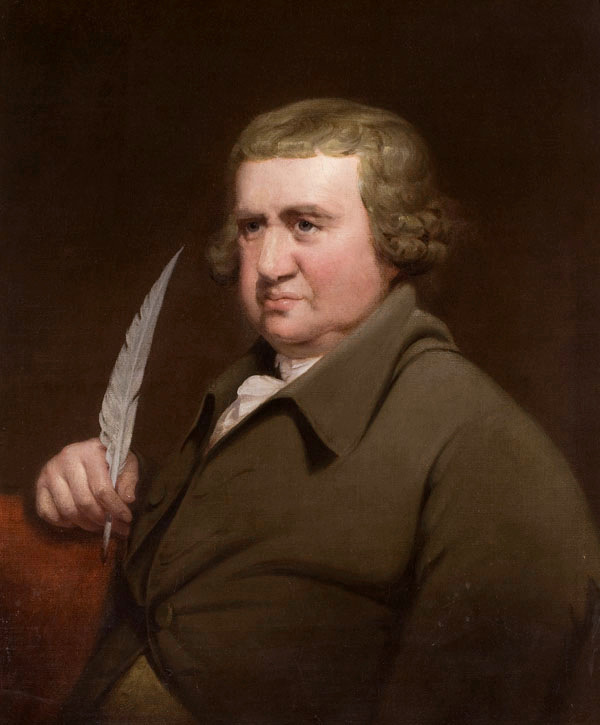
1780 DARWIN, Erasmus (1731 – 1802)
Experiments establishing a criterion between mucaginous and purulent matter. An an account of the retrograde motions of the absorbent vessels of animal bodies in some diseases.
Includes the first description of the value of digitalis in the treatment of patients with heart failure, with discussion of several successful cases. Digital facsimile from Google Books at this link. Darwin and Withe…
GMN 8589 · https://historyofmedicine.com/id/10766
1785 WITHERING, William (1741 – 1799)
An account of the foxglove, and some of its medical uses.
Before publication of Withering's book digitalis was a widely used folk remedy, occasionally mentioned in the literature. Withering established the correct dosages, and the action of digitalis in edema and on the hear…
GMN 1836 · https://historyofmedicine.com/id/8650
1790 BAUMES, Jean Baptiste Timothée (1756 – 1828)
De l'usage du quinquina dans les fièvres rémittentes. Mémoire qui a remporté en 1785, au jugement de la Societé Royale de Médecine de Paris.
Digital facsimile from Biodiversity Heritage Library at this link.
GMN 13623 · https://historyofmedicine.com/id/15903
1792 LÓPEZ, Hipólito Ruiz (1754 – 1816)
Quinología o Tratado del árbol de la quina ó cascarilla:con su descripción y la de otras especies de quinos nuevamente descubiertas en el Perú....
Ruiz, a Spanish pharmacist and botanist, was appointed director of the Expedición Botánica al Virreinato del Perú, during which he traveled extensively through Chile and Peru along with botanists José Pavón and Joseph…
GMN 13323 · https://historyofmedicine.com/id/15590
1793 CRUMPE, Samuel (1766 – 1796)
An inquiry into the nature and properties of opium: Wherein its component principles, mode of operation, and use or abuse in particular diseases, are experimentally investigated, and the opinions of former authors on these points impartially examined.
Crumpe undertook extensive experiments to understand the effects of opium. His book provided the first detailed description of the effects of narcotic withdrawal. Digital facsimile from the Hathi Trust at this link.
GMN 10590 · https://historyofmedicine.com/id/12783
1795 SOEMMERRING, Samuel Thomas von (1755 – 1830)
De morbis vasorum absorbentium corporis humani.
Soemmerring noted an association between pipe smoking and cancer of the lip (p. 109).
GMN 2609.1 · https://historyofmedicine.com/id/3088
1799 AZEREDO, José Pinto de (1766 – 1810)
Ensaios sobre algumas enfermidades d'Angola....
Azeredo noted that the tropical fevers found in Brazil and Angola were very similar. He claimed to have achieved excellent results with his “new method” of treatment, which included the use of quinine, nux vomica, ars…
GMN 9070 · https://historyofmedicine.com/id/11249
1799 FERRIAR, John (1761 – 1815)
An essay on the medical properties of the digitalis purpurea or foxglove.
"John Ferriar...published the first monograph on digitalis after William Withering (1785). Ferriar was the first to suggest that digitalis was beneficial in dropsy (severe congestive heart failure), in part because it…
GMN 11592 · https://historyofmedicine.com/id/13791
1802 DEROSNE, Charles Louis (1780 – 1846)
Sur l’opium.
Isolation of alkaloids from opium.
GMN 1838.3 · https://historyofmedicine.com/id/2252
1805 SERTÜRNER, Friedrich Wilhelm Adam (1783 – 1841)
Darstellung der reinen Mohnsäure (Opiumsäure); nebst einer chemischen Untersuchung des Opiums, mit vorzüglicher Hinsicht auf einen darin neu entdeckten Stoff.
Isolation of morphine from opium. This was the first isolation of an active ingredient from a plant.
GMN 1839 · https://historyofmedicine.com/id/2269
1806 CADET DE VAUX, Antoine-Alexis (1743 – 1828); CADET, Charles-Louis (1769 – 1821)
Dissertation sur le café; son historique, ses propriétés, et le procédé pour en obtenir la boisson la plus agréable, la plus salutaire et la plus économique; Par Ant.-Alexis Cadet-de-Vaux...Suivie de son analyse; par Charles-Louis Cadet.
Cadet de Vaux discussed the history of coffee, including the origins of the coffee bean and plant, the proper climate for growing coffee, coffee drinking culture and its introduction to Europe. He also described the b…
GMN 11630 · https://historyofmedicine.com/id/13830
1809 MAGENDIE, François (1783 – 1855)
Examen de l'action de quelques végétaux sur la moelle épinière. Lu a l'Institut, le vingt-quatre avril 1809.
In 1809 Magendie presented to the Académie des Sciences and to the Société Philomatique the results of his first experimental work, which he carried out in collaboration with the botanist and physician Alire Raffeneau…
GMN 9578 · https://historyofmedicine.com/id/11765
1810 GOMES, Bernardino António (1769 – 1823)
Ensaio sobre o cinchonino, e sobre sua influencia em a virtude da quina, e de outras cascas.
Gomes obtained a substance, which he named cinchonino, from cinchona bark. That it contained the active principle of cinchona was later proved by Pelletier and Caventou. For an English translation of the paper, see Ed…
GMN 1840 · https://historyofmedicine.com/id/2272
1812 BUC'HOZ, Pierre-Joseph (1731 – 1807)
Traité usuel du chocolat, contenant la description et la culture du cacaotier ou cacaoïer, arbre qui produit le fruit avec lequel on fabrique le chocolat, celles de la canelle, de la vanille, du salep de Perse, de l'ambre gris, du sucre, et autres substances que l'on fait entrer dans la fabrication du chocolat, les différentes façons de préparer ce commestible pour en faire un aliment recherché et propre à flatter le goût de tous les consommateurs les plus distingués, ce qui lui a fait donner, avec just tire, le sur-non de METS Des DIEUX. On y fait voir assi son utilité précieuse dans médecine.
Digital facsimile from Google Books at this link.
GMN 13631 · https://historyofmedicine.com/id/15911
1817 MAGENDIE, François (1783 – 1855); PELLETIER, Pierre Joseph (1788 – 1842)
Mémoire sur l’émétine, et sur les trois espèces d’ipecacuanha.
Isolation of emetine. It was not until a century later that Vedder demonstrated its value in the treatment of amoebiasis. Also during 1817 Magendie and Pelletier published "Recherches chimiques et physiologiques sur l…
GMN 1843 · https://historyofmedicine.com/id/6304
1820 PELLETIER, Pierre Joseph (1788 – 1842); CAVENTOU, Joseph Bienaimé (1795 – 1877)
Recherches chimique sur les quinquinas.
Isolation of quinine.
GMN 5233 · https://historyofmedicine.com/id/7879
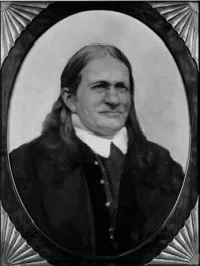
1820 –1821 RUNGE, Friedlieb Ferdinand (1795 – 1867)
Neueste phytochemische Entdeckungen zur Begründung einer wissenschaftlichen Phytochemie. 2 vols.
On pp. 144-146 of vol. 1 Runge reported the isolation of relatively pure caffeine for the first time. He called it "Kaffebase." Digital facsimile from Google Books at this link. In 1821 the French chemists Pierre-Jose…
GMN 11411 · https://historyofmedicine.com/id/13610
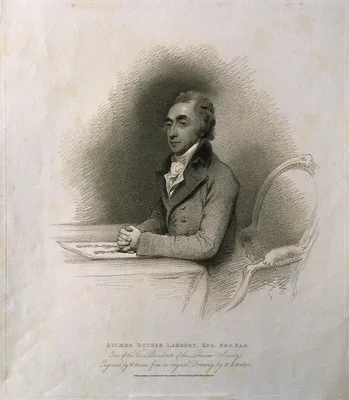
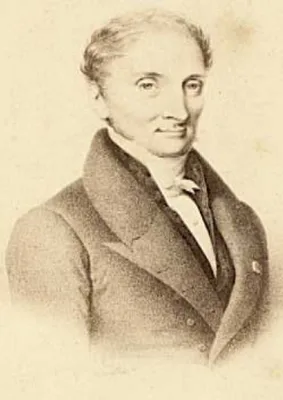
1821 HUMBOLDT, Friedrich Wilhelm Heinrich Alexander von (1769 – 1859); LÓPEZ, Hipólito Ruiz (1754 – 1816); LAMBERT, Aylmer Bourke (1761 – 1842); LAUBERT, Jean Charles (1762 – 1834)
An illustration of the genus cinchona; comprising descriptions of all the officinal Peruvian barks, including several new species. Baron de Humboldt's Account of the Cinchona forests of South America, and Laubert's Memoir on the different species of quinquina: To which are added several dissertations of Don Hippolito Ruiz on various medicinal plants of South America ... And a short account of the spikenard of the ancients.
Digital facsimile from Biodiversity Heritage Library at this link.
GMN 13324 · https://historyofmedicine.com/id/15591
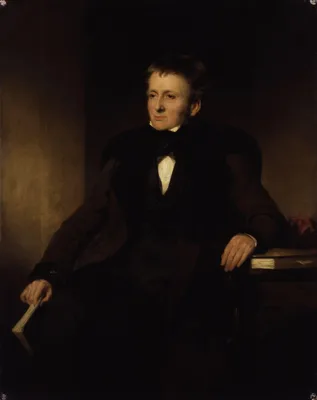
1822 DE QUINCEY, Thomas Penson (1785 – 1859)
Confessions of an opium eater.
First published anonymously in September and October 1821 in the London Magazine, 4, No. xxi, 293-312, and No. xxii, 353-79, the Confessions was released in book form in 1822, and, after various reprints, again in 185…
GMN 8904 · https://historyofmedicine.com/id/11082
1822 WITHERING, William (1741 – 1799)
The miscellaneous tracts of the late William Withering. To which is prefixed a memoir of his life, character and writings. 2 vols.
Withering's collected works, with the exception of his A botanical arrangement of all the the vegetables naturally growing in the Great Britain. Includes the second edition of his monograph on the foxglove. Digital fa…
GMN 11738 · https://historyofmedicine.com/id/13939
1832 ROBIQUET, Pierre Jean (1780 – 1840)
Nouvelles observations sur les principaux produits de l’opium.
Isolation of codeine.
GMN 1853 · https://historyofmedicine.com/id/2357
1833 MEIN, Heinrich Friedrich Georg (1799 – 1864)
Ueber die Darstellung des Atropins in weissen Krystallen.
Mein isolated atropine in pure form in 1831. Digital facsimile from Google Books at this link.
GMN 1854 · https://historyofmedicine.com/id/2361
1839 PIRIA, Raffaele (1815 – 1865)
Recherches sur la salicine et les produits qui en dérivent.
Piria made salicylic acid from salicin.
GMN 1857 · https://historyofmedicine.com/id/2377
1844 SAPPINGTON, John S. (1776 – 1856)
The theory and treatment of fevers. Revised and corrected by Ferdinando Stith.
The first medical treatise published in Missouri and the first medical treatise published west of the Mississippi River. "John Sappington provided medical services, was a financial lender, and imported and exported go…
GMN 10446 · https://historyofmedicine.com/id/12639
1845 HOMOLLE, Augustin Eugène (1808 – 1875)
Mémoire sur la digitale pourprée.
Isolation of an active principle in digitalis, amorphous digitalin, more potent than the plant itself.
GMN 1860 · https://historyofmedicine.com/id/2390
1848 MERCK, Georg Franz (1825 – 1873)
Vorläufige Notiz über eine neue organische Base im Opium.
Isolation of papaverine.
GMN 1861 · https://historyofmedicine.com/id/2395